Dylan's Oyster Cellar
Dylan's Oyster Cellar on Chestnut Avenue operates in the tradition of the East Coast raw bar, where the work happens before service begins and the counter tells the whole story. Located in Baltimore's Hampden neighborhood, it draws on the city's deep Chesapeake identity while keeping its format tight and its sourcing close. For oyster-focused dining in a city that takes its shellfish seriously, this is a reference address.
Pearl is the En Primeur Club membership app — saves, bookings, and concierge access live there. Same editors, same standards.
- Address
- 3601 Chestnut Ave, Baltimore, MD 21211
- Phone
- +1 443 759 6595
- Website
- dylansoyster.com
- Directions
- Get directions
 Saves & bookings on Pearl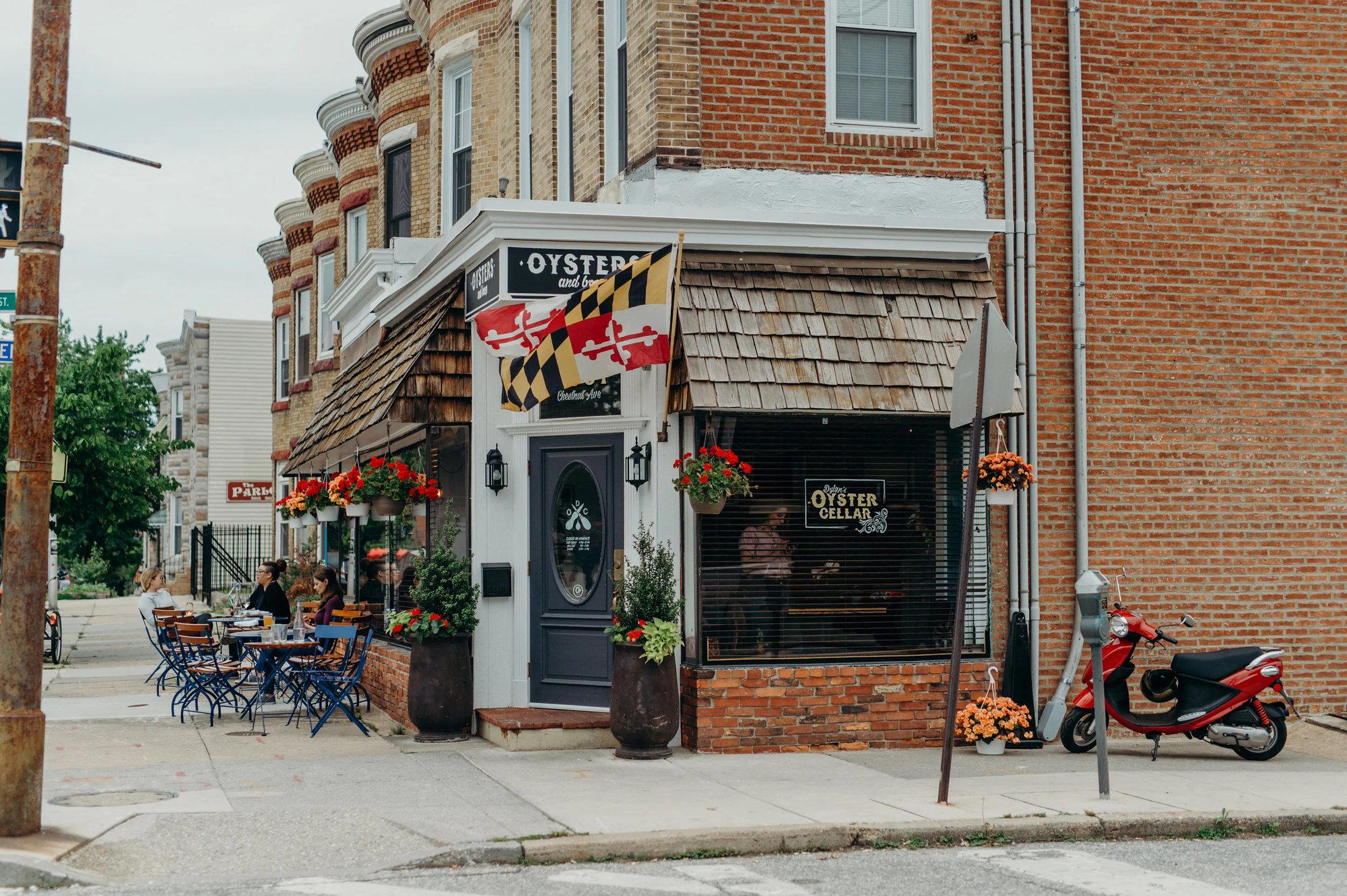
The Raw Bar as Narrative: How Baltimore's Oyster Tradition Reads at the Counter
There is a particular grammar to the American raw bar that reveals itself most clearly when the format is stripped down. No elaborate garnish, no lengthy menu of distractions: just cold shellfish, practiced shucking, and the discipline of sourcing that either supports or collapses the whole enterprise. Chestnut Avenue in Baltimore's Hampden neighborhood is not a dining corridor in the conventional sense, which is precisely why a venue that takes the raw bar seriously can read so differently here than it would in a more trafficked part of the city. Dylan's Oyster Cellar occupies that register, operating in a format where the quality of the oyster on the shell is the argument, and everything else exists to serve it.
Reading the Room: Hampden and the Case for Neighborhood Anchors
Baltimore's dining geography has long been organized around water. The Inner Harbor carries the tourist infrastructure; Fell's Point and Canton hold the older tavern culture; but Hampden has developed a different identity, one built around locally rooted businesses that serve regulars rather than visitors. In that context, a cellar-format oyster bar is not an eccentric choice but a logical one. The neighborhood's resistance to chain development and its density of independent operators creates the conditions in which a focused, expertise-driven concept can sustain itself. Across Baltimore, similar positioning has worked for Baba'de and Alma Cocina Latina, both of which anchor their identity in specific culinary traditions rather than broad appeal.
The Chesapeake Bay system is one of the most historically significant oyster-producing estuaries on the Atlantic seaboard, and Baltimore's relationship with oyster culture predates the current restaurant moment by well over a century. Nineteenth-century Baltimore canning operations exported oysters across the country; the legacy of that industry still shapes how the city relates to shellfish as both sustenance and identity. A venue that positions itself within that tradition is drawing on something structural, not just fashionable.
The Progression: How an Oyster-Focused Meal Actually Builds
The tasting logic at a dedicated raw bar moves differently from a conventional multi-course format. The early selections are the coldest, most neutral, and most dependent on terroir: oysters with the least intervention, where salinity, mineral finish, and the oyster's own liquor carry the full weight of the experience. This is where sourcing intelligence matters most. Chesapeake oysters tend toward a lower salinity profile and a softer, more vegetal finish compared to the sharp brine of a Gulf Coast variety or the clean metallic snap of a Pacific Northwest specimen. A well-curated raw bar in Baltimore will typically mix regional and out-of-region selections precisely to expose that contrast rather than flatten it.
As the meal progresses, the temperature shifts, and so does the character of what arrives. Cooked preparations, whether a broiled oyster or something from a wood-fired format, ask a different set of questions about technique. The fat content of a sauce, the char on the edge, the way the oyster contracts in heat: these are the details that separate a kitchen running competent bar food from one that has thought carefully about what happens after the raw bar closes. At venues where the raw program and the cooked program are both taken seriously, there is an internal logic to how the meal arcs, a movement from restraint toward warmth that mirrors the classic progression of a tasting menu without requiring the same formal apparatus.
Beverage pairings in this format tend to work in a similar register. Crisp, mineral whites and lower-intervention pours have become the default pairing language for the oyster bar, but the more interesting question is how a venue handles the transition into the cooked section of the menu, where richer, more textured selections make sense. For comparison, programs at venues like Kumiko in Chicago and Bar Leather Apron in Honolulu demonstrate how a tightly edited drinks list can carry a meal's narrative arc without a full sommelier operation behind it.
The Cellar Format as Editorial Position
The decision to invoke a cellar in the name is not purely atmospheric. Cellar-format dining in the American context carries specific associations: lower ceilings, closer quarters, a deliberate reduction of ambient scale that pushes attention toward the table and the plate. It is a format that works against the open-kitchen spectacle of the modern restaurant and toward something more considered. In European wine culture, the cellar is where the serious work happens away from public view. Transplanted to a Baltimore oyster bar, the reference suggests a similar posture: this is where attention to sourcing, temperature, and craft takes precedence over the front-of-house performance.
That positioning places Dylan's Oyster Cellar in a category of Baltimore operators who have chosen depth over breadth. The city's most durable independent venues, whether bar-focused like Alonso's and Barcocina or more kitchen-driven, tend to share a resistance to format dilution. Nationally, the bar and dining programs at Jewel of the South in New Orleans, Julep in Houston, Superbueno in New York City, ABV in San Francisco, and The Parlour in Frankfurt all reflect a similar editorial discipline: know your format, execute it without apology, and let the specificity do the marketing.
Planning a Visit: What to Know Before You Go
Dylan's Oyster Cellar sits at 3601 Chestnut Avenue in Hampden, a walkable neighborhood with its own internal logic once you've oriented to it. The area rewards arriving early and spending time before or after the meal in the surrounding blocks. Current operational details, including hours, reservation availability, and seasonal menu programming, are best confirmed directly via the venue's current contact channels, as the specifics of a format this focused can shift with sourcing conditions and season. For a broader map of where this venue sits in Baltimore's dining geography, the EP Club Baltimore guide covers the city's current reference addresses across categories and neighborhoods.
Continue exploring
More in Baltimore
Bars in Baltimore
Browse all →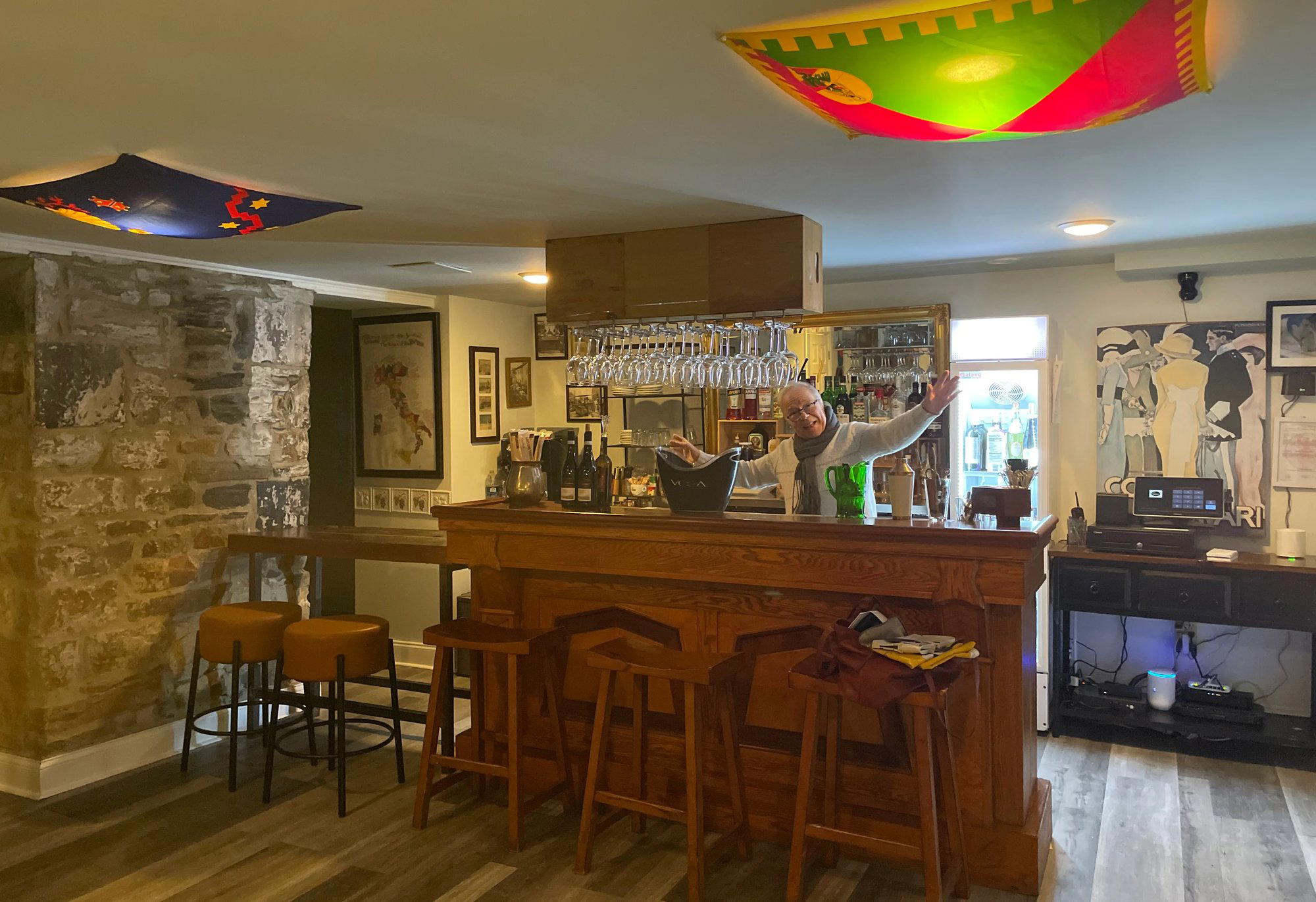
Restaurants in Baltimore
Browse all →




At a Glance
- Rustic
- Cozy
- Intimate
- Date Night
- After Work
- Casual Hangout
- Standalone
- Seated Bar
- Classic Cocktails
- Natural Wine
Current opening hours
- Monday
- Closed
- Tuesday
- 5–10 PM
- Wednesday
- 5–10 PM
- Thursday
- 5–10 PM
- Friday
- 5–10 PM
- Saturday
- 5–10 PM
- Sunday
- Closed
Hours can change for holidays and private events. Last verified .
Rustic and intimate atmosphere with a neighborhood feel, well-suited for casual evenings.
Know Before You Go
- Getting there
- 3601 Chestnut Ave, Baltimore, MD 21211