Freemans
Our verdict
At the end of a narrow Lower East Side alley, Freemans occupies a dining room that reads more like a colonial hunting lodge than a Manhattan restaurant, taxidermy on whitewashed walls, candlelight, and a sense of deliberate remove from the street. That physical detachment from the city grid has made it a reference point in New York's casual-but-considered dining scene for over two decades, drawing a consistent crowd to one of the borough's more atmospheric addresses.

Pearl is the En Primeur Club membership app, where members save venues, book tables and use the concierge.

The menu
What to order
- Five Cheese Macaroni
- Devils on Horseback
- Eden Brook Trout
An Alley at the End of the World
Freeman Alley, a dead-end passage off Rivington Street, is one of those Manhattan addresses that rewards the people who seek it out and quietly defeats those who don't. There is no signage visible from the street. The alley itself, narrow, brick-lined, dimly lit, functions as a kind of threshold, separating the noise of the Lower East Side from what waits at the end of it. Arriving at Freemans on a winter evening, when the passage holds a particular cold stillness, is one of the more atmospheric approaches to a dining room in New York City.
Inside, the room leans hard into a specific visual register: mounted animal heads, antique mirrors, white walls darkened by candlelight, wood and leather surfaces worn to a comfortable softness. It is a studied aesthetic, but it does not read as costume. The effect is closer to a well-aged British country pub relocated to downtown Manhattan, a coherent visual world rather than a theme-park approximation of one. In a city where restaurant interiors increasingly index toward the minimal or the aggressively modern, that kind of density and warmth has aged into something that feels genuinely rare.
Where Freemans Sits in the New York Dining Picture
The conversation about New York dining often gravitates to the formal end of the spectrum, the tasting-menu counters and $$$$ destinations like Le Bernardin, Atomix, Masa, Per Se, and Eleven Madison Park that define the city's technical ceiling. Freemans occupies a different tier entirely: it is a neighbourhood restaurant that has outlasted most of its contemporaries, building a durable identity around a particular kind of American comfort cooking served in an environment that actively discourages the formal.
The Lower East Side has changed substantially around it. Blocks that were defined by bodegas and wholesale textile shops when Freemans opened have since gentrified into a predictable rotation of boutique hotels and cocktail bars. Freemans has neither chased that shift nor ignored it. Its consistency, same alley, same room, same general posture, has become its own credential in a neighbourhood where turnover is the norm. For a fuller picture of where this fits within the city's broader dining character, our full New York City restaurants guide maps the range from neighbourhood anchors to formal destination dining.
The Sensory Architecture of the Room
American dining has a long tradition of hunting-lodge and tavern aesthetics, a register that elsewhere in the country tends to feel default rather than designed. What distinguishes Freemans is the specificity of its execution. The taxidermy is not generic wall filler; the arrangement of mirrors, candles, and dark wood creates a room that changes character as the night deepens. At lunch or early evening, natural light filters in enough to see the detail. By nine o'clock, the room has contracted into something closer, louder, warmer, the candlelight doing more work.
Sound matters here in a way it often doesn't in discussions of what makes a dining room function. The room holds noise at a level that facilitates conversation without demanding it, which is less common than it should be in New York restaurant design. That acoustic quality, combined with the visual density of the space, creates a sense of enclosure that the alley entrance prefigures. You arrive already partially removed from the city, and the room completes the separation.
This kind of carefully assembled atmosphere is something that destination restaurants outside New York have long used as a differentiator. Places like Lazy Bear in San Francisco and The Inn at Little Washington use total environmental control, every visual and sensory element coordinated, to extend the dining experience beyond the plate. Freemans works from a similar instinct, even if the execution is less orchestrated and more worn-in.
American Comfort Cooking in Context
The category of American comfort cooking is broad enough to absorb almost anything, which makes it worth specifying what Freemans is not. It is not a gastropub in the British sense, nor a farm-to-table operation in the mode that places like Blue Hill at Stone Barns in Tarrytown or Single Thread Farm in Healdsburg have defined. It does not make provenance its primary selling point. The cooking is aligned with the room: hearty, unfussy, recognizably American in its references without being nostalgic in a forced way.
Freemans is playing a different game: neighbourhood longevity over destination ambition, atmosphere as the primary draw with the kitchen in reliable support.
For context at the European end of the comfort-cooking tradition, places like Dal Pescatore in Runate and Atelier Moessmer Norbert Niederkofler in Brunico show how deep regional identity and environmental character can carry a restaurant's identity as far as technical precision. Freemans operates on a version of that principle, at a different price point and without the formal structure, but with a similar commitment to a coherent sense of place. And The French Laundry in Napa represents the far end of the American dining spectrum, a useful reminder of how wide that spectrum actually runs.
Planning Your Visit
The table below positions Freemans relative to its Manhattan peers on the dimensions that most affect a booking decision.
| Venue | Price Tier | Format | Atmosphere | Booking Lead Time |
|---|---|---|---|---|
| Freemans | Mid-range | À la carte | Hunting-lodge, candlelit | Moderate |
| Le Bernardin | $$$$ | Tasting/À la carte | Formal, hushed | Long (weeks ahead) |
| Atomix | $$$$ | Counter omakase | Intimate, precise | Long (months ahead) |
| Eleven Madison Park | $$$$ | Tasting menu | Grand, art deco | Long (weeks ahead) |
Freeman Alley runs off Rivington Street on the Lower East Side, accessible from the F, J, M, and Z trains at Delancey-Essex Street. The alley entrance is the address, no street-facing signage identifies the restaurant from Rivington, which means first-time visitors should allow a few minutes to locate it, particularly after dark. Reservations are the practical approach for weekend evenings; walk-ins at the bar are more viable on weekday nights when the room runs quieter.
Frequently asked questions
What's the overall feel of Freemans?
Freemans occupies a dead-end alley off Rivington Street on the Lower East Side, and the room leans hard into a candlelit hunting-lodge register: mounted antlers, dark wood, and close tables that generate genuine warmth rather than studied atmosphere. It reads as a neighbourhood retreat rather than a destination performance. The address alone, Freeman Alley, New York, NY 10002, sets the tone before you walk in.
Where is Freemans located?
Freemans is located at Freeman Alley, New York, NY 10002, New York City.
Is Freemans worth visiting if you're staying outside the Lower East Side?
The Freeman Alley address is part of the experience in a way that justifies the trip from elsewhere in Manhattan: the alley itself is a genuine dead-end passage that most New York City visitors never find. Freemans has held its position in the Lower East Side dining scene long enough that the visit functions as both a meal and a piece of New York geography you won't stumble across by accident.
What dish is Freemans famous for?
Freemans has built a following on American comfort cooking with a tavern sensibility, think roasted meats, hearty starters, and the kind of food that makes sense after a walk through the Lower East Side in winter. Specific current menu items are best confirmed directly with the restaurant before visiting, as seasonal rotations apply.
What's the best way to book Freemans?
Freemans takes reservations, and the alley location means walk-in availability depends heavily on the night and season. Booking ahead is the practical approach for weekend dinners, when the room fills with a mix of neighbourhood regulars and visitors who tracked down the Freeman Alley address. Check current booking availability through the restaurant's reservation platform directly.
What's Freemans best at?
The room does the heavy lifting. Freemans executes the American tavern format with enough consistency that it has anchored Freeman Alley as a dining destination for well over a decade in one of New York City's most competitive dining corridors. The combination of address theatre and a straightforward comfort-cooking menu has given it staying power that trendier Lower East Side openings rarely match.
Do they accommodate allergies at Freemans?
Allergy accommodation policies are best confirmed directly with Freemans before your visit, as kitchen practices can change. When booking your table at the Freeman Alley location, it's advisable to flag any dietary requirements at the time of reservation so the kitchen can prepare accordingly.
Nearby-ish Comparables
Comparable venues nearby, for context on price, style, and recognition.
| Venue | Cuisine | Price | Awards | Notes |
|---|---|---|---|---|
| FreemansThis venue (the venue you are viewing) | Rustic American Tavern | $50–100 | Not listed | Not listed |
| Society Cafe | Market-to-Table New American | $30–50 | Not listed | Midtown South-Flatiron-Union Square |
| Forgione | Modern New American | Not listed | Star Wine List · Wine Spectator Best of Award of Excellence | Tribeca-Civic Center |
| Dizzy's Club | Southern American Jazz Club Cuisine | $50–100 | Not listed | Upper West Side-Lincoln Square |
| Beast | Modern American Rooftop Lounge | Not listed | Not listed | Prospect Heights |
| NOMO Kitchen | Seasonal American with Global Influences | $30–50 | Not listed | SoHo-Little Italy-Hudson Square |
Continue exploring
More in New York City
Restaurants in New York City
All restaurants in New York City →
Bars in New York City
All bars in New York City →
Details
- Rustic
- Cozy
- Intimate
- Classic
- Date Night
- Brunch
- Special Occasion
- Historic Building
- Private Dining
- Craft Cocktails
- Local Sourcing
- A La Carte
- Craft Cocktails
- Vegetarian Friendly
- Gluten Free Options
- Vegan Options
Current opening hours
- Monday
- 11 AM–10 PM
- Tuesday
- 11 AM–11 PM
- Wednesday
- 11 AM–11 PM
- Thursday
- 11 AM–11 PM
- Friday
- 11 AM–11 PM
- Saturday
- 10 AM–11 PM
- Sunday
- 10 AM–10 PM
Hours can change for holidays and private events. Hours as of .
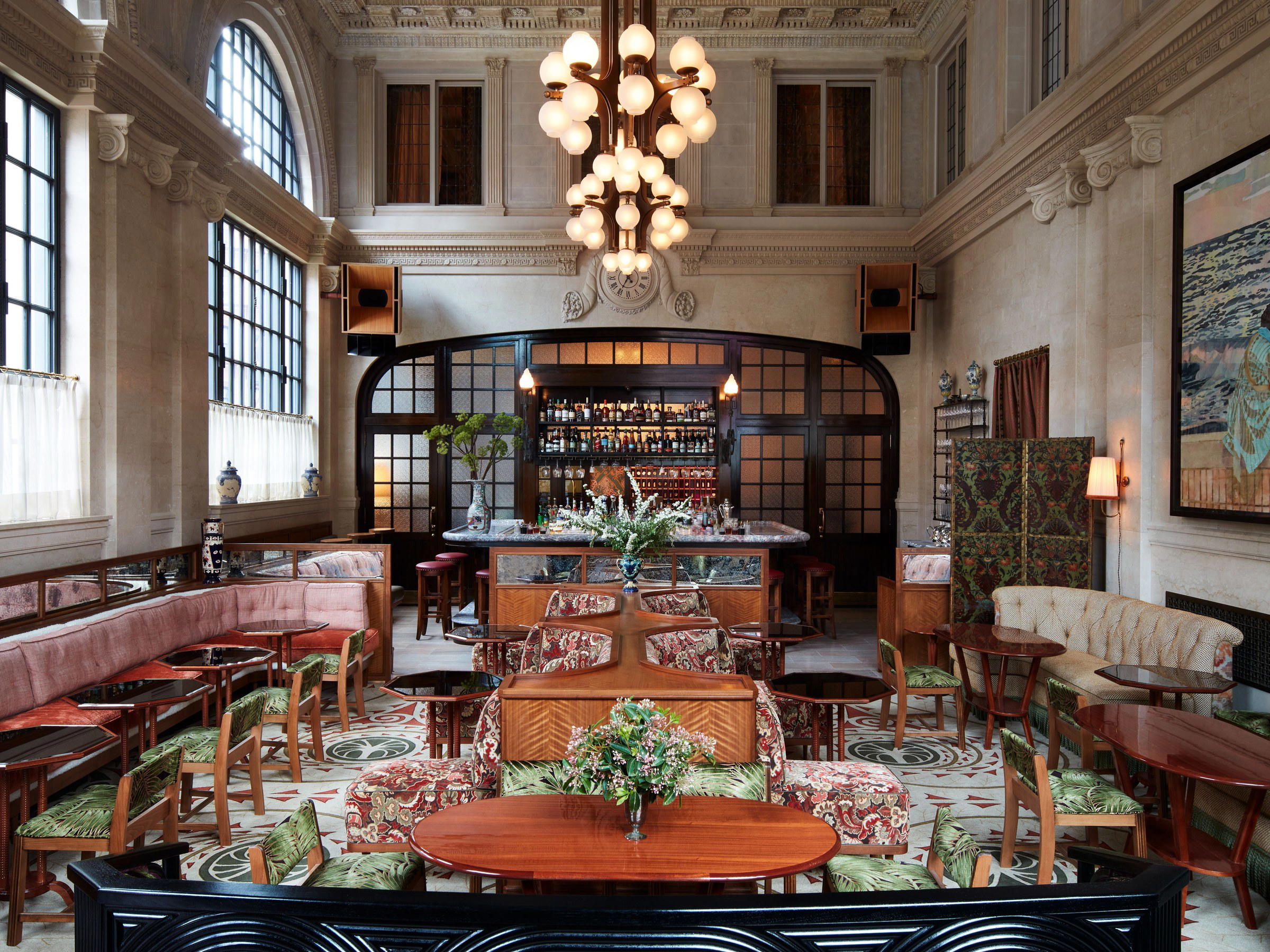
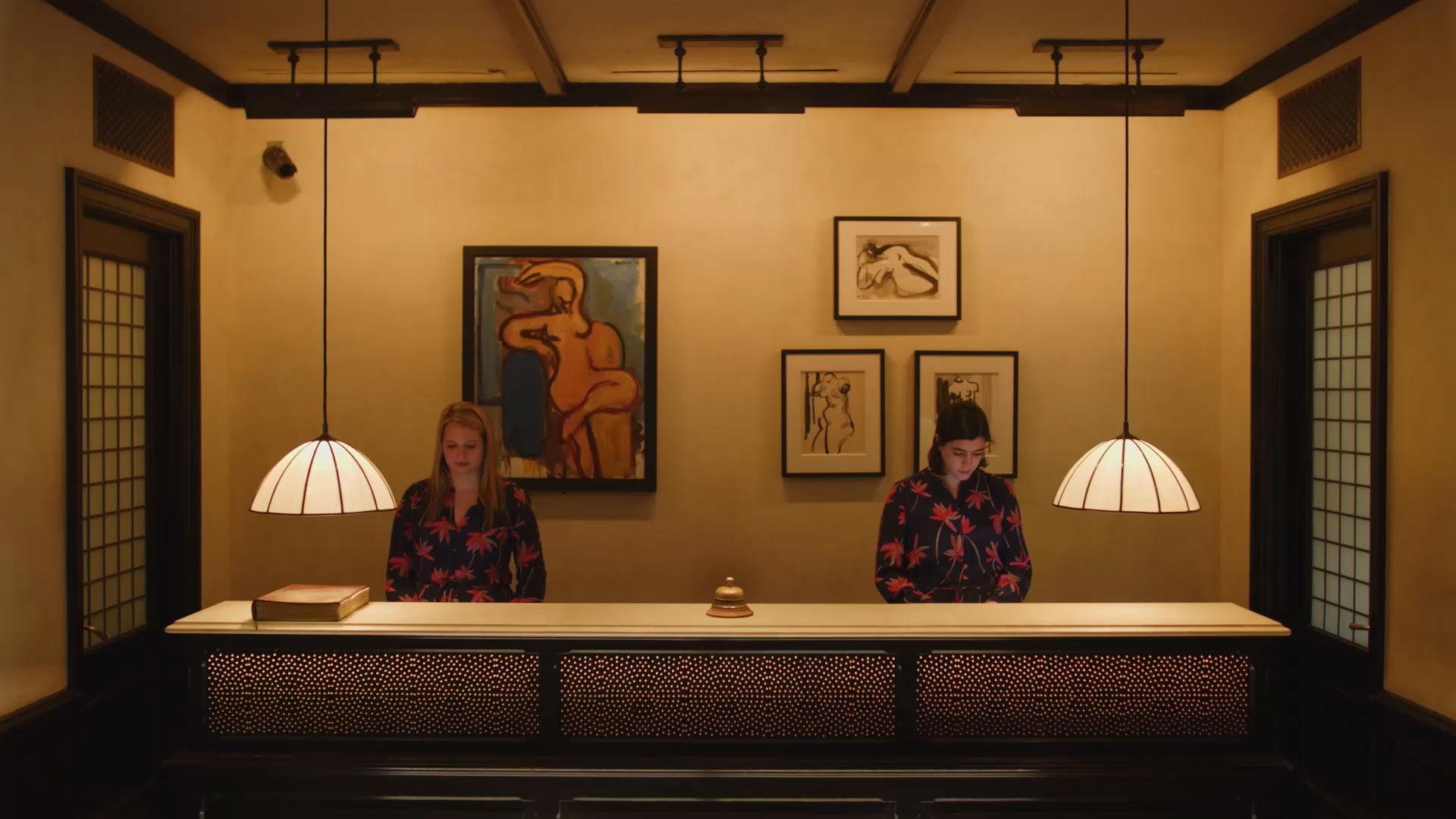
Cozy hunting lodge atmosphere with warm lighting, wood paneling, taxidermy, and antlers creating a rugged, intimate tavern feel.