Forgione

Forgione occupies a deliberate position in TriBeCa's fine-dining tier, drawing on American culinary tradition at 130 Hudson Street. The address places it within walking distance of several serious New York kitchens, and the restaurant has earned a place in conversations about farm-rooted American cooking in Lower Manhattan. Lunch and dinner services carry meaningfully different characters, making the time of visit a genuine decision.
Pearl is the En Primeur Club membership app — saves, bookings, and concierge access live there. Same editors, same standards.
- Address
- 30 Hudson St, New York, NY 10013
- Phone
- +12129419401
- Website
- marcforgione.com
- Directions
- Get directions
 Saves & bookings on Pearl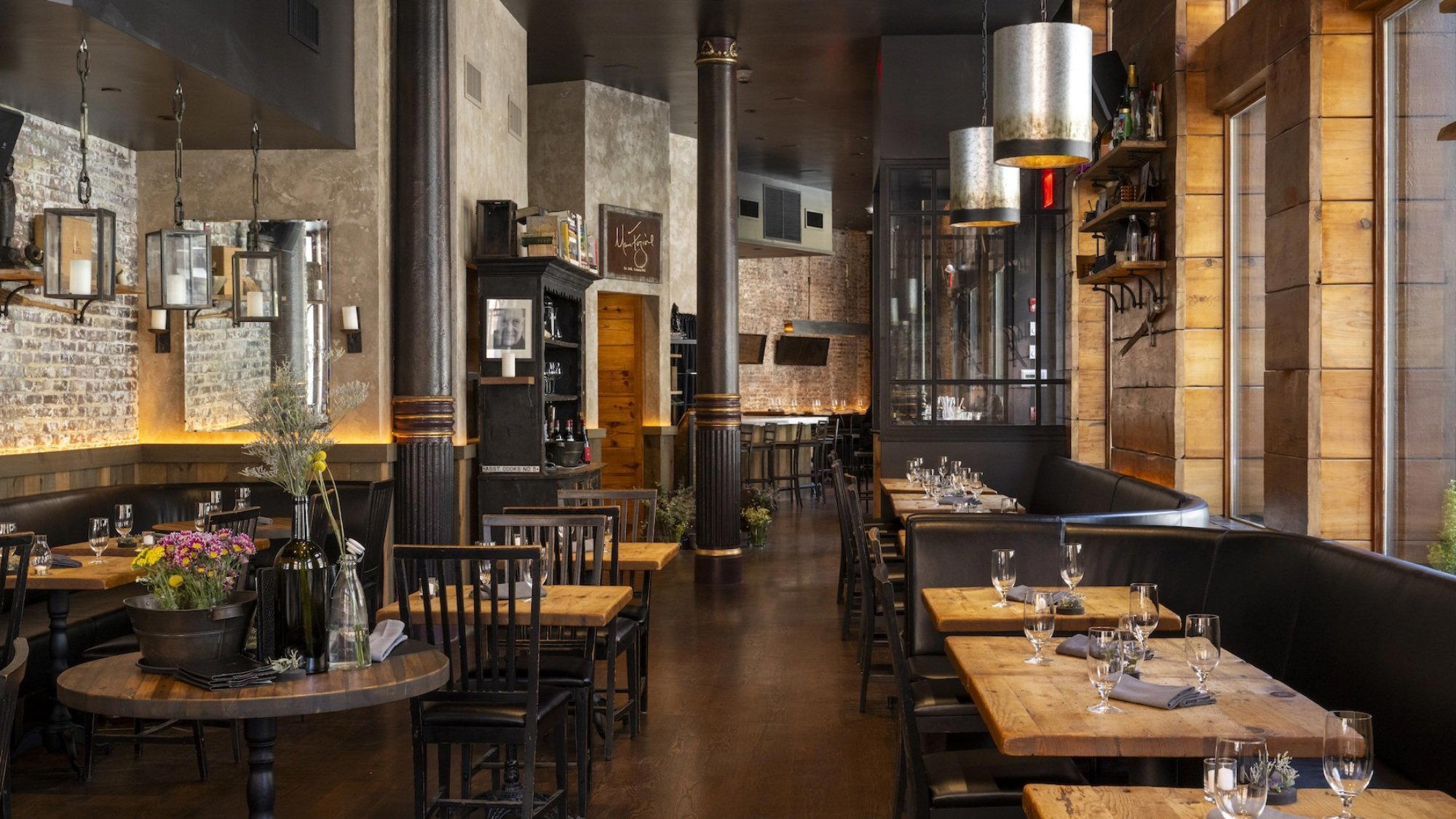
Where TriBeCa's American Table Sits in 2025
TriBeCa has long occupied an unusual position in New York's fine-dining geography. It sits south of the restaurant-dense Flatiron corridor and west of the financial district's power-lunch circuit, which has historically given it a slightly quieter register than Midtown's trophy rooms. That quietness is deceptive. The neighbourhood around Hudson Street has accumulated a cluster of serious kitchens that attract a local professional clientele rather than tourist traffic, and Forgione, a Modern New American restaurant at 30 Hudson St in New York, operates within that context. It is not competing for the same diner as Le Bernardin or Per Se in Midtown, and that distinction matters when placing it in the city's hierarchy.
American fine dining in New York has been through several cycles of self-definition over the past two decades. The farm-to-table movement that reshaped menus across the country in the early 2000s left a durable mark on restaurants that took it seriously, pushing kitchens toward sourcing specificity and seasonal constraint rather than French-technique-first universalism. Forgione belongs to the tradition that emerged from that period: American in ingredient philosophy and in the preference for directness over ceremony, while still operating at a price point and service level that places it firmly in the fine-dining tier. Compare this positioning to Eleven Madison Park or Atomix, both of which also carry strong sourcing identities but have gravitated toward more maximalist tasting-menu formats. Forgione has maintained a more à la carte-accessible posture, which directly shapes how lunch and dinner function differently here.
Lunch vs. Dinner: The Divide That Defines the Visit
In New York's fine-dining tier, the lunch-dinner divide is rarely just a question of menu length. It reflects a restaurant's relationship with two different audiences operating under different pressures. Midtown institutions like Masa or Per Se are less likely to see this dynamic, because their price point and format effectively filter out the lunch-as-business-meeting crowd. In TriBeCa, where the neighbourhood skews residential and creative-industry rather than corporate, the dynamics shift. Lunch at Forgione pulls from a different slice of New York than dinner does, and the experience registers differently as a result.
Daytime service at this address tends toward a more compressed format, with lighter protein choices and a pace suited to a two-hour window rather than an extended evening. The value calculation is meaningfully different at lunch: most serious American kitchens in the city operate a prix-fixe or limited à la carte format at midday that brings the per-head spend below what dinner commands. For a restaurant operating in the $$$$ tier, this creates a genuine access point for diners who want to read the kitchen's philosophy without committing to the full dinner spend. Restaurants at a comparable level elsewhere in the country, from Smyth in Chicago to Providence in Los Angeles, use a similar lunch architecture for the same reason.
Evening service resets the room. The neighbourhood draws in couples and small groups who are not on a business clock, and the kitchen has room to extend the format. Dinner is where the sourcing-driven menu gets its fullest expression, with more courses, more considered wine pairings, and a pace that stretches past two hours without pressure. For anyone tracing the lineage of American fine dining from The French Laundry in Napa or Blue Hill at Stone Barns in Tarrytown through to its urban iterations, dinner is the more complete read of where Forgione sits in that tradition.
The American Kitchen Tradition This Address Represents
Restaurants that work within the American farmhouse-to-fine-dining lineage operate inside a set of assumptions about ingredients, seasons, and the primacy of the domestic pantry. This is a different intellectual framework from the French tasting-menu tradition, which tends to subordinate ingredients to technique, or from the New American maximalism that dominated the early 2000s. Forgione's position in TriBeCa connects it to a serious strand of New York cooking that has parallels nationally: Single Thread Farm in Healdsburg works a similar farm-kitchen integration, as does Lazy Bear in San Francisco from a more communal-table direction. What distinguishes the New York iteration is the urban pressure on seasonality: the city's leading producers are within reach via the Greenmarket system, but the ingredient cycle is more compressed than in agricultural regions, which pushes kitchens to be more deliberate about what they feature and when.
The restaurant's address on Hudson Street also places it in a lineage of serious American cooking that includes names like Emeril's in New Orleans and The Inn at Little Washington, both of which established the idea that American fine dining could operate with the same seriousness of purpose as European institutions without requiring European frameworks. Internationally, the comparison reaches to places like Atelier Moessmer Norbert Niederkofler in Brunico and Dal Pescatore in Runate, restaurants that have built serious reputations on regional ingredient fidelity over decades. The American version of this approach is younger and has fewer inherited wine traditions to draw from, but the underlying commitment to place-based cooking is comparable.
For diners who have tracked the evolution of this style through restaurants like Addison in San Diego or Frasca Food and Wine in Boulder, Forgione offers a New York iteration that is grounded in the city's specific sourcing network and clientele. Our broader New York City restaurants guide maps out how these different American fine-dining strands distribute across the five boroughs.
Planning Your Visit
Forgione is at 30 Hudson St in TriBeCa. Reservations are recommended, and the restaurant is open daily from 5 to 10 PM. Dress is smart casual, and the price per person is about $50.
A Credentials Check
Comparable venues nearby, for context on price, style, and recognition.
| Venue | Cuisine | Price | Notes |
|---|---|---|---|
| ForgioneThis venue — the venue you are viewing | Modern New American | $$$ | Not listed |
| Ayza Wine & Chocolate Bar | New American Wine & Chocolate Bar | $$$ | Midtown South-Flatiron-Union Square |
| Jams | Seasonal New American | $$$ | Midtown-Times Square |
| Lips | American Drag Dining | $$$ | East Midtown-Turtle Bay |
| The Harold | American Gastropub with French influences | $$$ | Midtown South-Flatiron-Union Square |
| The Dawson | Modern Irish-American Pub Fare | $$$ | Midtown-Times Square |
Recognition history
Dated appearances from independent guides and award organizations, with the underlying list record or original source where available.
Opinionated About Dining Top Restaurants in North America Recommended
Opinionated About Dining
Continue exploring
More in New York City
Restaurants in New York City
Browse all →
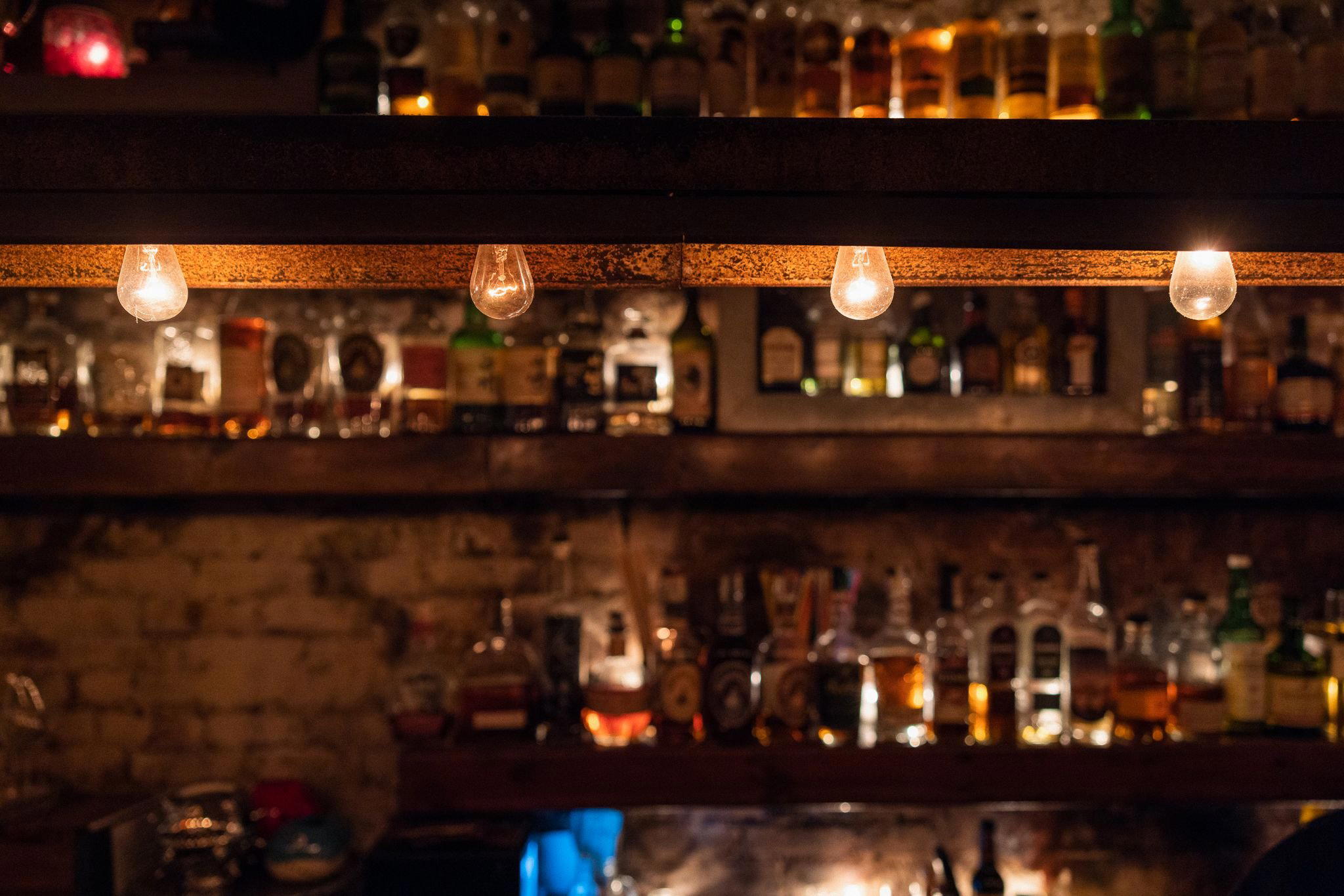
Bars in New York City
Browse all →

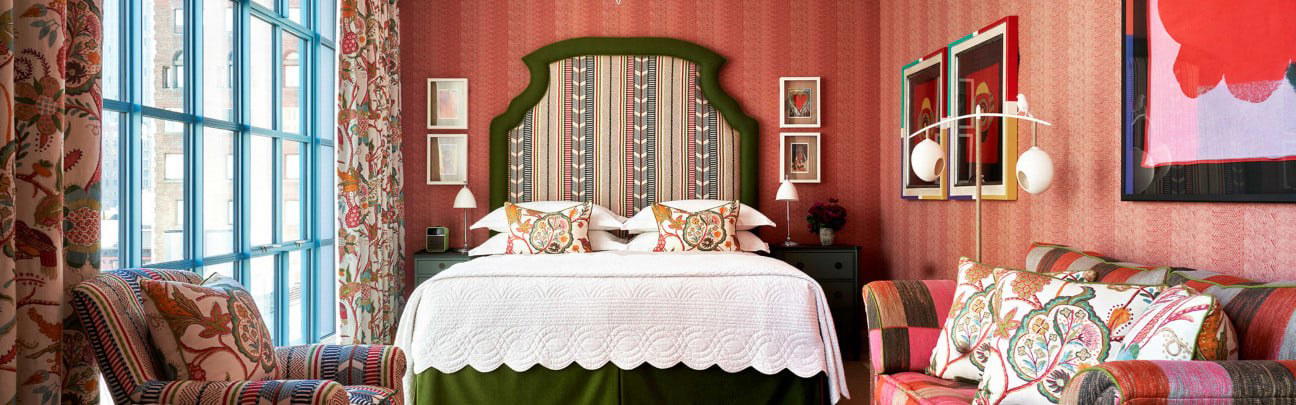
Hotels in New York City
Browse all →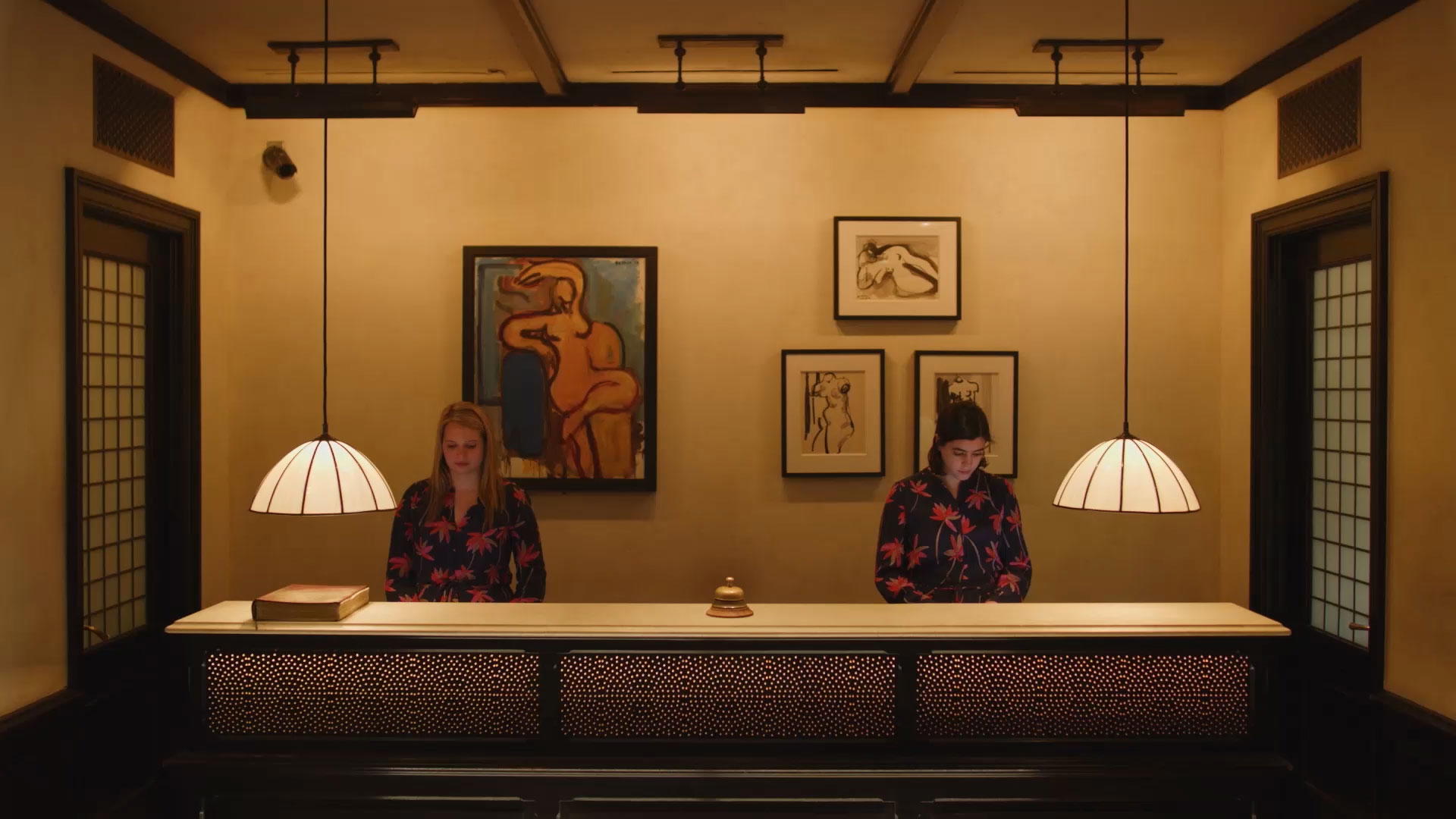
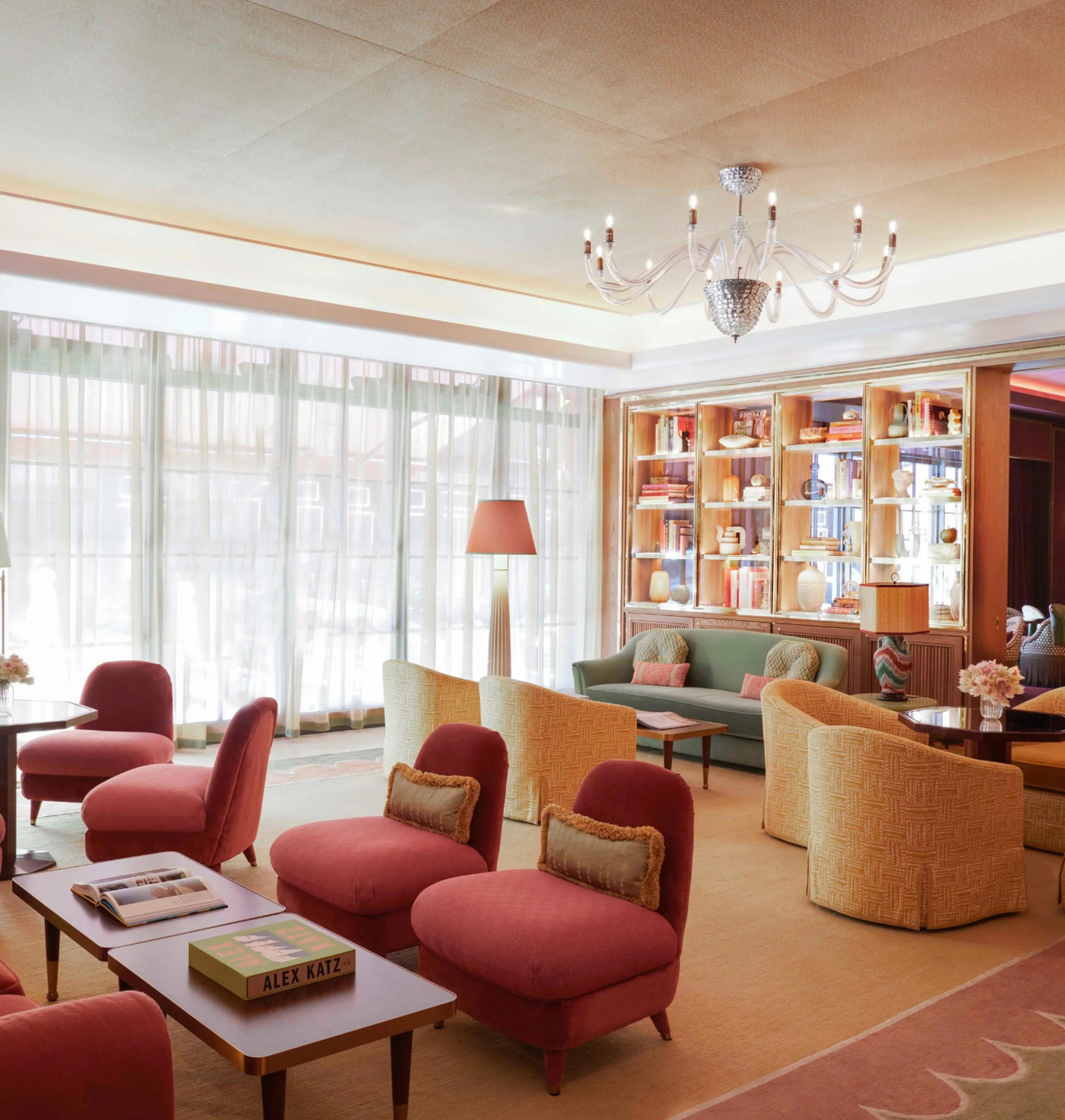
Wineries in New York City
Browse all →


At a Glance
- Cozy
- Romantic
- Energetic
- Sophisticated
- Date Night
- Special Occasion
- Brunch
- Open Kitchen
- Private Dining
- Craft Cocktails
- Local Sourcing
Current opening hours
- Monday
- 5–10 PM
- Tuesday
- 5–10 PM
- Wednesday
- 5–10 PM
- Thursday
- 5–10 PM
- Friday
- 5–10 PM
- Saturday
- 5–10 PM
- Sunday
- 5–10 PM
Hours can change for holidays and private events. Last verified .
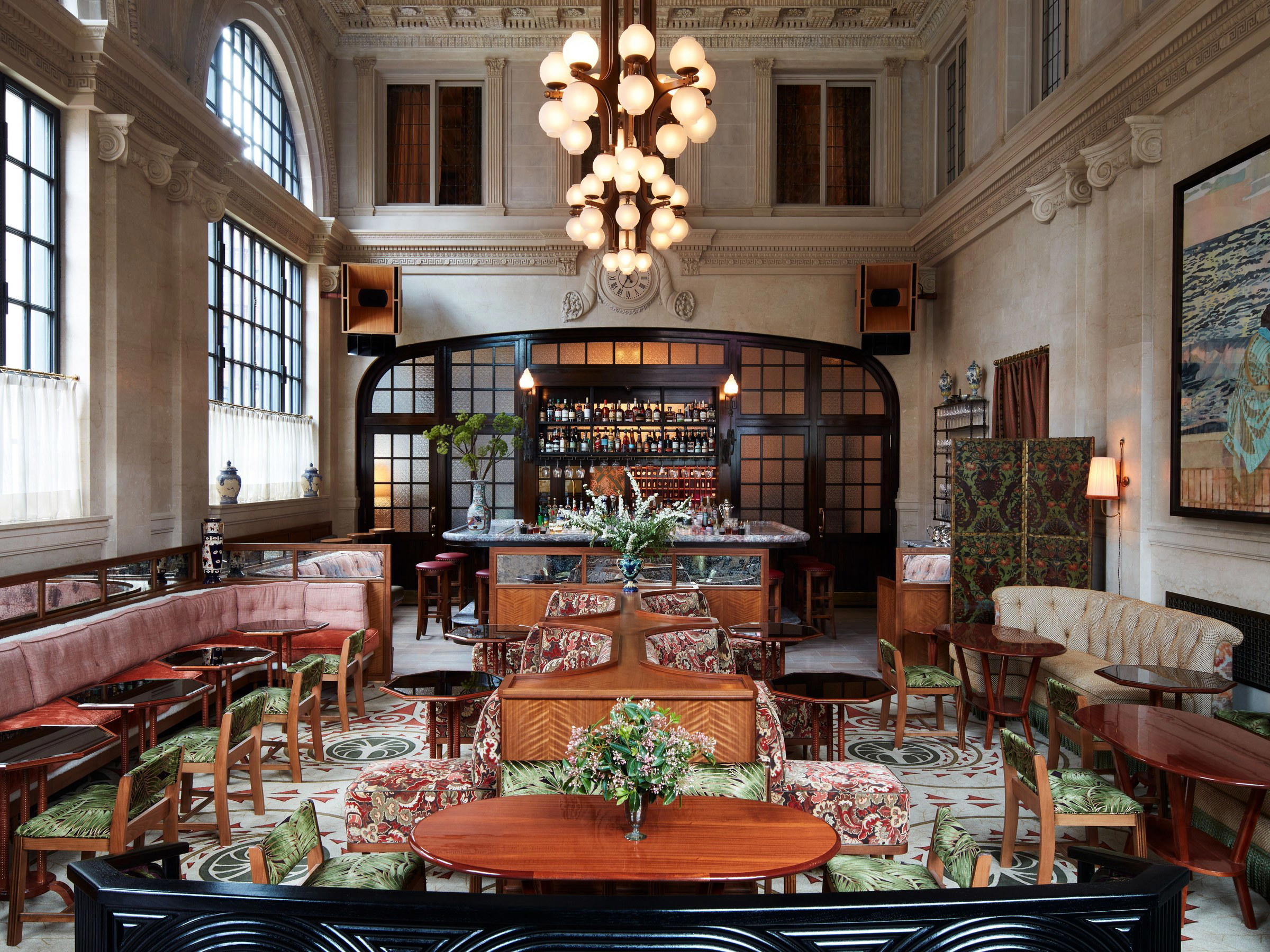
Comfortable and energetic atmosphere in a dark, masculine space that was once a 19th-century butter factory, divided into a lively bar area and quieter dining room.