Franchia
Franchia at 12 Park Ave sits within New York City's compact tier of plant-forward dining rooms where sourcing discipline and Korean-inflected technique do most of the work. The menu draws on a tradition of temple food, restrained, ingredient-led, and largely removed from the protein-heavy register of mainstream Manhattan dining. For visitors mapping the city's quieter plant-based options, it occupies a distinct position.
Pearl is the En Primeur Club membership app — saves, bookings, and concierge access live there. Same editors, same standards.
- Address
- 12 Park Ave, New York, NY 10016
- Phone
- +12122131001
- Website
- franchia.com
- Directions
- Get directions
 Saves & bookings on Pearl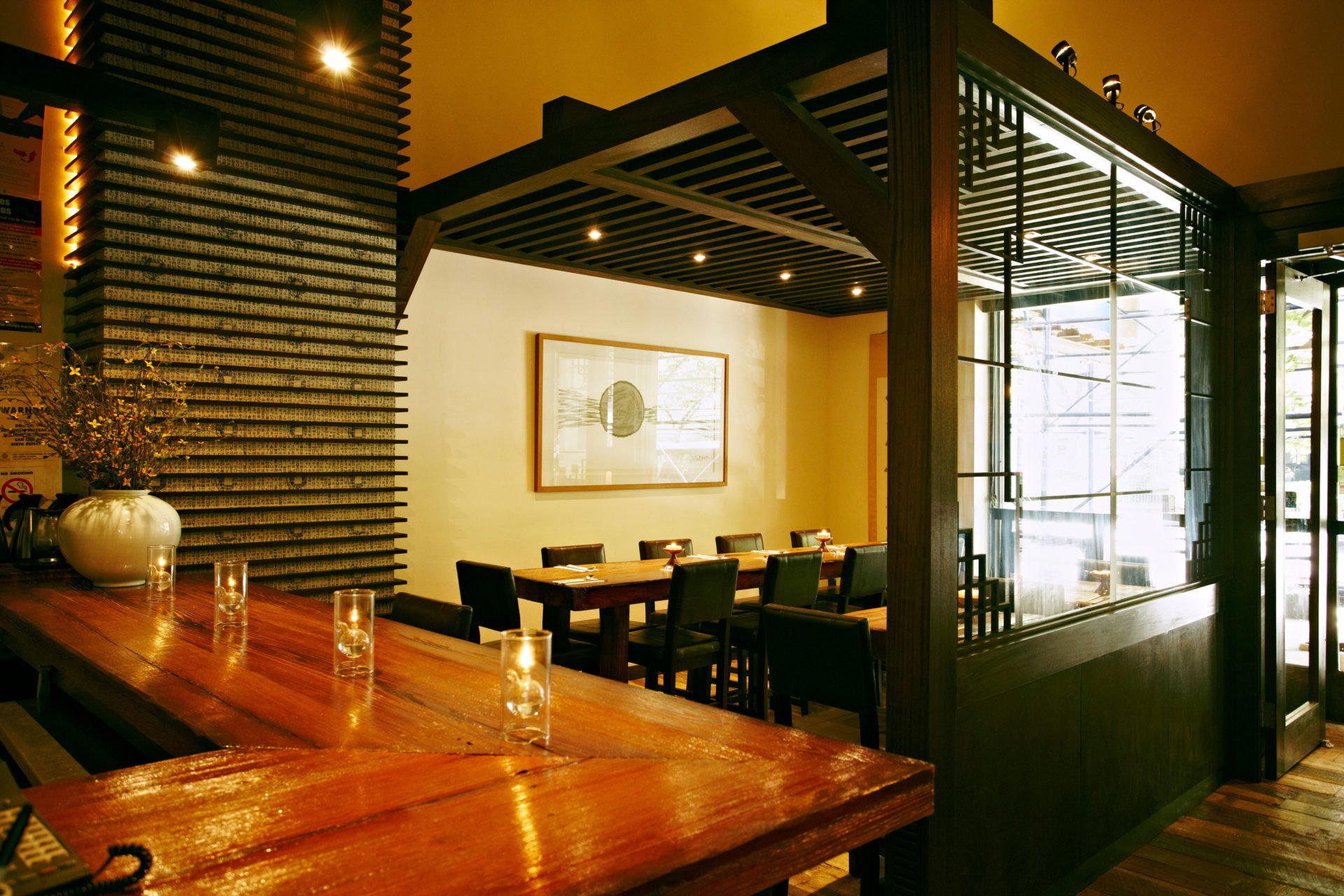
Where Park Avenue Meets Korean Temple Food
New York's plant-based dining scene has fractured into at least three readable tiers over the past decade. At the leading sits Eleven Madison Park, which pivoted to a fully vegan tasting menu in 2021 and brought Michelin-star credentials with it. Below that sits a mid-tier of technically serious but less formally positioned rooms. Franchia at 12 Park Ave belongs to that second category: a Korean-influenced tea house and restaurant that draws on the Buddhist temple food tradition rather than the modernist playbook, and positions itself against neighborhood lunch trade and the growing cohort of intentional plant-based diners rather than the expense-account crowd booking Per Se or Le Bernardin.
The Korean Temple Food Tradition and Why It Matters Here
Korean temple cuisine, known as sachal eumsik, predates most Western notions of plant-based cooking by several centuries. It developed within Buddhist monasteries as a way of eating that excluded meat, fish, and the five pungent vegetables considered disruptive to meditation: garlic, onions, green onions, leeks, and chives. What remained was a kitchen organised around fermentation, seasonal vegetables, soy, and grains, a sourcing and preparation logic that is structurally different from the protein-substitution approach that dominates American plant-based menus. In a city where plant-based often means oat milk and seitan approximations of meat, that distinction carries real weight.
The Murray Hill and Kips Bay stretch of Park Avenue is not where most serious food conversations happen in New York. Atomix, particularly formally ambitious Korean kitchen in the city, operates in NoMad with a tasting menu format and prix-fixe pricing that aligns it with Masa and the city's leading omakase counters. Franchia operates in a different register entirely, which is not a deficiency, it reflects a genuine split within Korean dining in New York between fine-dining aspiration and the quieter, more ingredient-anchored tradition that temple food represents.
Sourcing Logic: What the Kitchen Is Actually Working With
The editorial angle that matters most for Franchia is not the menu format or the dining room atmosphere, it is where the food comes from and what that implies about preparation. Temple food kitchens are, by definition, sourcing-constrained in a principled way. The absence of the five pungent alliums is not a limitation imposed by dietary trend; it is a structural rule that forces the kitchen toward other flavour-building tools: fermentation, long-cooked stocks built from mushrooms and sea vegetables, and the careful seasoning of ingredients that might otherwise lean on aromatics as a shortcut.
This connects Franchia to a broader conversation happening across American plant-forward kitchens. Blue Hill at Stone Barns in Tarrytown makes the sourcing relationship between farm and kitchen the organising principle of its menu. Single Thread Farm in Healdsburg builds its kaiseki-influenced menu around hyper-seasonal California produce with an equivalent sourcing rigour. Smyth in Chicago anchors its tasting menu in the produce from its own farm operation. What connects these kitchens is a shared position that sourcing is not backstory, it is the actual method. Franchia arrives at a similar position through a different cultural route, but the underlying logic is comparable.
At roughly $40 per person, that commitment to sourcing discipline is less common than it should be. Most mid-range plant-based dining in New York leans on imported pantry items, commodity tofu, and convenience proteins. A kitchen structured around temple food principles has a built-in reason to think differently about what goes into the pot and why.
Placing Franchia in the New York Plant-Based Picture
New York has more plant-forward dining options now than at any point in its restaurant history, but the distribution is uneven. The high-end tier, Eleven Madison Park being the reference point, operates at price levels that exclude most regular visits. The fast-casual tier has expanded rapidly but trades sourcing specificity for throughput. The middle, where genuine technique and ingredient discipline coexist with accessible pricing, remains thin. Franchia occupies a position in that middle tier, informed by a culinary tradition that gives it a clearer identity than most of its price-adjacent peers.
Visitors already moving through New York's Korean dining scene will find Franchia a useful counterpoint to the banchan-heavy, protein-centred format of most Korean restaurants in the city. Visitors exploring the city's plant-based options more broadly will find it occupies a different niche than the modernist or Californian-influenced rooms.
Outside New York, the closest structural analogues in terms of sourcing philosophy applied to a specific culinary tradition include Lazy Bear in San Francisco, Providence in Los Angeles, Addison in San Diego, and, at the international end, Atelier Moessmer Norbert Niederkofler in Brunico, which applies an Alpine sourcing logic with similar discipline. Frasca Food and Wine in Boulder and Emeril's in New Orleans each represent regional sourcing commitments within their own culinary frameworks, and The Inn at Little Washington and The French Laundry in Napa have long made ingredient provenance a central part of their identities. Dal Pescatore in Runate does the same within a northern Italian framework.
Planning Your Visit
Franchia is located at 12 Park Ave, New York, NY 10016, in the Murray Hill neighbourhood, walkable from the 33rd Street subway stations on the 6 and the B/D/F/M lines. Reservations are recommended. Dress code is casual. Budget: about $40 per person. Given the neighbourhood and format, the dining room is more accessible than the Midtown fine-dining tier represented by venues like Per Se or Masa.
Pricing, Compared
Comparable venues nearby, for context on price, style, and recognition.
| Venue | Cuisine | Price | Notes |
|---|---|---|---|
| FranchiaThis venue — the venue you are viewing | Not listed | $$$ | Not listed |
| Natsumi Tapas | Gramercy, Japanese-Italian Fusion Tapas | $$$ | Not listed |
| The Newsroom | Not listed | $$$ | Long Island City-Hunters Point, Caribbean-Latin-Asian Fusion |
| Moody Tongue Pizza | East Village, Tokyo-Neapolitan Pizza | $$$ | Not listed |
| Chow Bar | West Village, Pan-Asian Fusion | $$$ | Not listed |
| M. Wells | Not listed | $$$ | Long Island City-Hunters Point, Quebecois Steakhouse |
Continue exploring
More in New York City
Restaurants in New York City
Browse all →
Bars in New York City
Browse all →

Hotels in New York City
Browse all →





At a Glance
- Cozy
- Elegant
- Intimate
- Sophisticated
- Date Night
- Casual Hangout
- Historic Building
Current opening hours
- Monday
- 12–9 PM
- Tuesday
- 12–9 PM
- Wednesday
- 12–9 PM
- Thursday
- 12–9 PM
- Friday
- 12–9:30 PM
- Saturday
- 12–9:30 PM
- Sunday
- 12–9 PM
Hours can change for holidays and private events. Last verified .
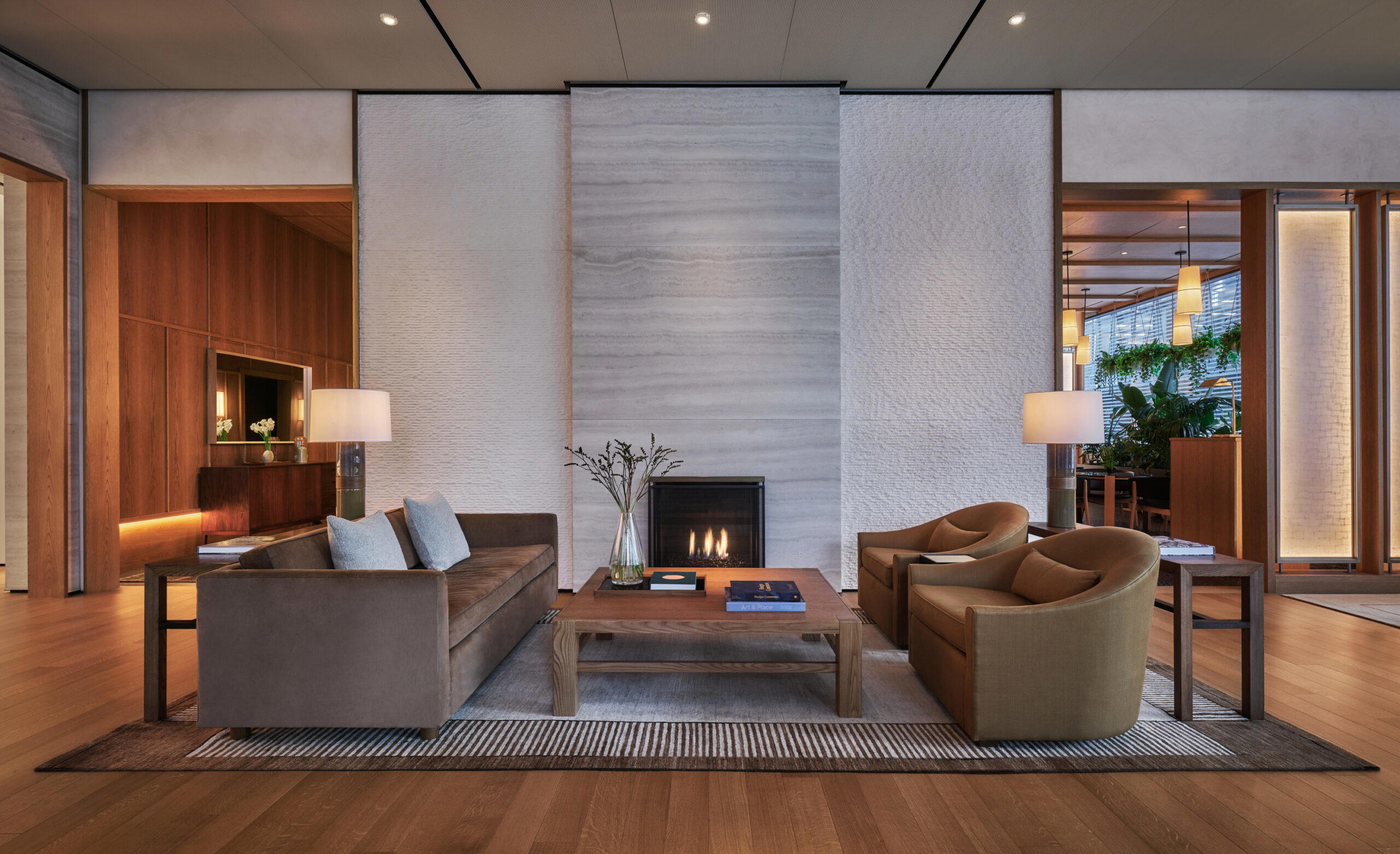
Relaxing dining experience with traditional Korean décor, heavy dark wood grating, and a mural ceiling reminiscent of a Korean palace.