Chow Bar
Our verdict
Chow Bar occupies a corner of West Village dining history at 230 W 4th St, a neighbourhood where casual-format restaurants have quietly outlasted trends for decades. The address sits in a block that rewards those who understand how Greenwich Village's restaurant culture has layered and shifted over time. For visitors building a New York itinerary, it belongs alongside a broader reading of the city's mid-format dining scene.
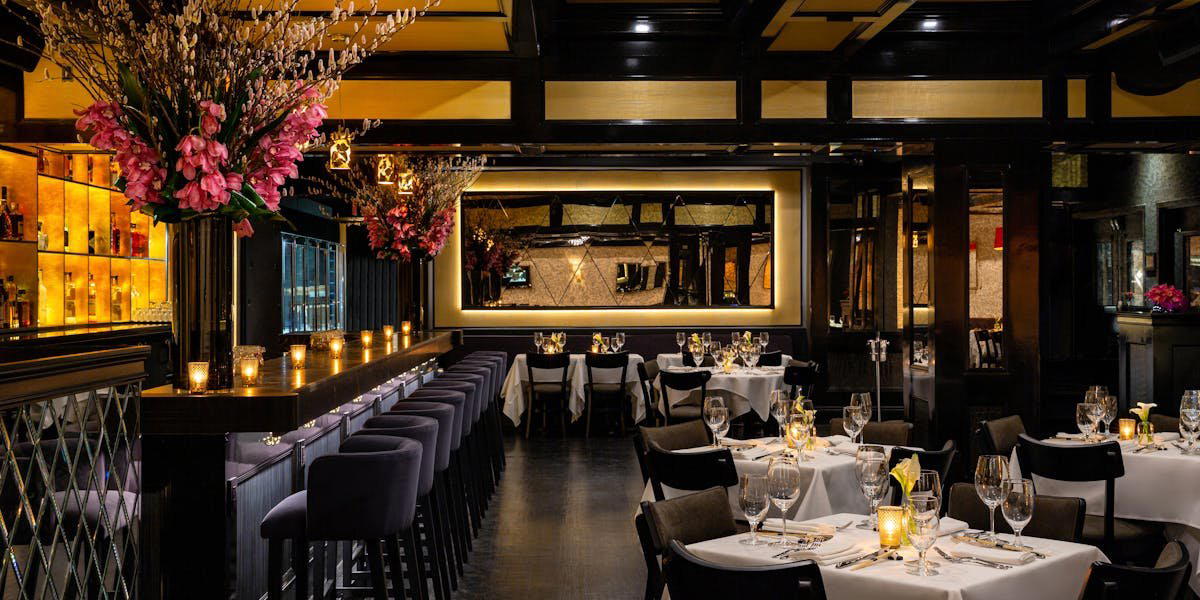
The menu
What to order
- Honey plum-glazed barbecue spareribs
- Pan-fried prawns in golden curry
West Village, Corner Table: How Greenwich Village Shapes the Restaurants That Survive It
West 4th Street in Greenwich Village does not announce itself the way Midtown does. There are no marquee awnings signalling Michelin ambitions, no velvet ropes managing reservation overflow. What the block at number 230 offers instead is something that becomes clearer the longer you spend time in New York: a neighbourhood that has seen enough dining formats come and go to reward places built on something more durable than novelty. Chow Bar sits at that address, and the relevant question for any serious visitor is not simply what it serves, but what it represents inside a district whose restaurant culture has been continuously rewriting itself since the 1980s.
Greenwich Village has always operated as a counterpoint to Manhattan's trophy-dining circuit. While Le Bernardin, Per Se, and Eleven Madison Park anchor the upper tier of the city's dining hierarchy, the Village has historically been the ground where formats get tested, identities get built, and the line between casual and considered gets productively blurred. A restaurant at this address inherits that context whether it chooses to or not.
The Evolution of a West Village Address
The story of restaurants in this part of Manhattan is largely a story of reinvention. The Village's dining scene has cycled through bohemian diner culture, the bistro wave of the 1990s, the gastropub period of the 2000s, and the more recent pivot toward loose, global-inflected formats that resist easy categorisation. What survives these cycles is rarely the most ambitious or the most hyped. It is, more often, the operation that found a reason to exist specific enough to outlast the trend that surrounded it at opening.
Chow Bar at 230 W 4th St represents a recognisable West Village archetype: the neighbourhood restaurant whose longevity is its most legible credential. In a city where new openings generate outsized coverage and closures go relatively unremarked, staying power at a single address carries real weight. The broader pattern holds across American dining cities. Compare the endurance logic at work in San Francisco's Lazy Bear, the long institutional presence of Emeril's in New Orleans, or the farm-to-table continuity at Blue Hill at Stone Barns outside the city: in each case, the place's identity has deepened over time rather than refreshed through rebranding.
That evolution model differs sharply from the prestige-tasting-menu tier, where restaurants like The French Laundry, Single Thread Farm, and Addison maintain identity through formal structure, chef reputation, and award cycles. Neighbourhood restaurants operate on a different currency: repeat custom, local embeddedness, and the ability to absorb shifts in the surrounding street without losing the thread of what they are.
The Neighbourhood as Context
The West Village block that includes 230 W 4th Street is dense with food history. The neighbourhood's restaurant count per square block is among the highest in the city, which means competition is chronic and the standard for staying relevant is set not by critical attention but by the daily reality of full tables versus empty ones. Formats that work here tend to be accessible without being generic, sociable without being loud to the point of unusability, and specific enough in their identity to give regulars a reason to return.
This dynamic plays out differently at the top of the market. Atomix and Masa occupy a separate competitive tier where booking lead times, prix-fixe structure, and award recognition define the experience in advance of arrival. The West Village mid-format restaurant competes on entirely different terms: it has to be good enough on a Tuesday night, for a table of two who live six blocks away, without the scaffolding of a special occasion to carry the meal.
Internationally, the closest parallels to this kind of neighbourhood anchor are in places like Dal Pescatore in Runate or Atelier Moessmer Norbert Niederkofler in Brunico, where deep local rootedness over decades produces a form of authority that no amount of marketing can replicate. The scale and price point differ enormously, but the underlying logic of place-specific durability is the same.
Where Chow Bar Sits in 2024
For the full picture of where Chow Bar sits within New York's broader dining architecture, the EP Club New York City restaurants guide covers the city's key neighbourhoods, price tiers, and format categories in depth.
Know Before You Go
- Address: 230 W 4th St, New York, NY 10014
- Neighbourhood: West Village, Manhattan
- Getting there: The address is within walking distance of the Christopher St-Sheridan Sq subway station (1 train) and the 14th St-8th Ave station (A, C, E lines).
- Booking: Contact details are not currently listed.
- Price range:
- Hours: Not confirmed. Verify before visiting, particularly for lunch service and early-week closures, which are common in this neighbourhood tier.
Frequently asked questions
How do I find Chow Bar?
Chow Bar is located at 230 W 4th St, New York, NY 10014, New York City.
Is Chow Bar a good option for dining in New York City's West Village neighbourhood?
Chow Bar sits at 230 W 4th Street in Greenwich Village, one of the most restaurant-dense blocks in New York City's West Village. Without current awards or published critical recognition on record, the strongest case for visiting is its West Village positioning rather than destination accolades.
What's the signature dish at Chow Bar?
For the most accurate picture of what the kitchen is running, checking directly with the restaurant at 230 W 4th Street in the West Village is the reliable route. West Village spots at this address have historically leaned into neighbourhood-driven menus that shift with the season.
Do they take walk-ins at Chow Bar?
West Village restaurants at this block density tend to operate a mix of reservations and bar seating for walk-ins, particularly on weekday evenings. Contacting the venue directly at 230 W 4th St, New York, NY 10014 will give the clearest answer before you make the trip.
What is Chow Bar known for?
Chow Bar occupies a West Village address on West 4th Street, a block with one of the higher restaurant concentrations per square mile in Manhattan. In a neighbourhood where turnover runs high, longevity at this address signals a reliable local following rather than tourist-driven traffic. The Greenwich Village context places it firmly in the category of neighbourhood dining rather than destination-first spectacle.
Can Chow Bar adjust for dietary needs?
No specific dietary accommodation policy is documented for Chow Bar. The standard practice at most New York City restaurant operations is to flag requirements when booking or on arrival, giving the kitchen time to plan. For confirmed details, reaching out to Chow Bar at their 230 W 4th Street location ahead of your visit is the practical step.
How It Stacks Up
| Venue | Cuisine | Price | Awards | Notes |
|---|---|---|---|---|
| Chow BarThis venue (the venue you are viewing) | Pan-Asian Fusion | Not listed | Not listed | Not listed |
| Le Bernardin | French Seafood Fine Dining | $300–500 | 3 Michelin Stars · World's 50 Best #13 | French, Seafood |
| Atomix | Modern Korean Tasting Menu | $300–500 | 2 Michelin Stars · World's 50 Best #7 | Modern Korean, Korean |
| Per Se | French Fine Dining Tasting Menu | $300–500 | 3 Michelin Stars · World's 50 Best #40 | French, Contemporary |
| Masa | Traditional Japanese Omakase | $500+ | 2 Michelin Stars · World's 50 Best #27 | Sushi, Japanese |
| Eleven Madison Park | Contemporary Plant-Based Fine Dining | $300–500 | 3 Michelin Stars · World's 50 Best #4 | French, Vegan |