Our verdict
Foxis serves Traditional Austrian with Asian Fusion in Freistadt, with an open kitchen, terrace, and beer program for lunch or dinner.

Pearl is the En Primeur Club membership app, where members save venues, book tables and use the concierge.
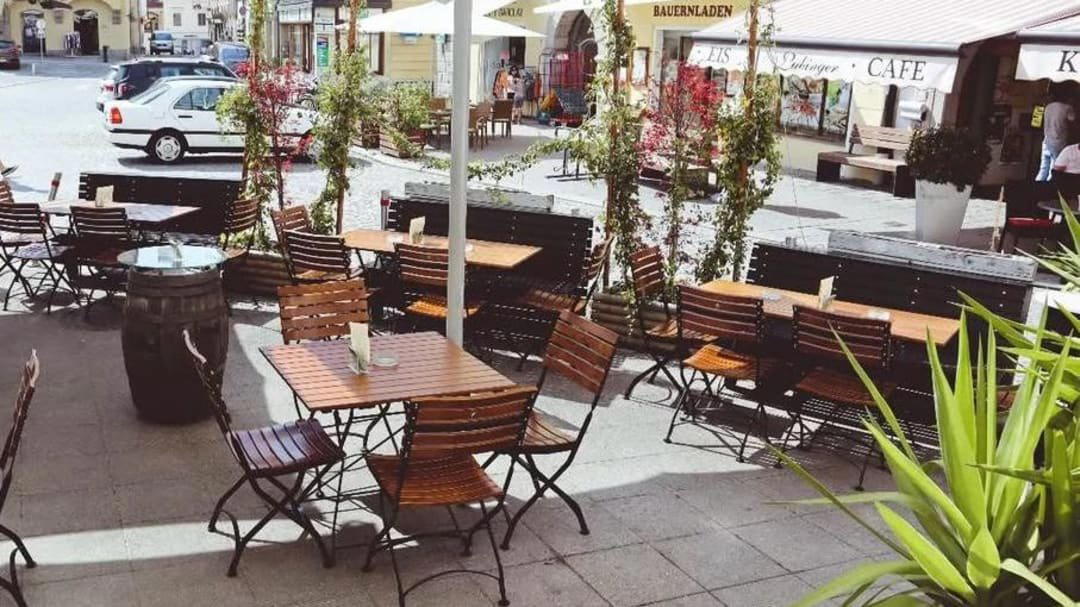
Freistadt's Hauptplatz and the Case for Regional Cooking Done Honestly
The Hauptplatz in Freistadt is one of Upper Austria's better-preserved medieval squares, ringed by painted facades and arcade walkways that have changed little in outline since the town served as a fortified crossing on the Bohemian salt route. Arriving at number 11, you enter the kind of address that carries the weight of a town's social memory: a ground-floor position on the main square, with stone underfoot and the particular low light that comes through windows set into thick walls. This is the physical grammar of an Austrian Gasthaus in its original sense, a place where the room itself makes an argument for staying longer than you planned.
Foxis occupies that address today, and the questions worth asking about it are the same questions worth asking about any restaurant operating from this kind of historic platform in a provincial Austrian town: what does it do with local ingredients, how seriously does it take the regional food tradition, and does the kitchen have a point of view that goes beyond décor and nostalgia? Those questions matter here because Freistadt sits inside a part of Upper Austria, the Mühlviertel district, where the agricultural character of the land is genuinely distinct. The granite plateau north of the Danube produces darker soils, cooler air, and a range of small farms, forest edges, and river valleys that has shaped a cooking tradition around root vegetables, freshwater fish, game, rye, and dairy from cattle that graze at altitude.
Ingredient Sourcing and the Mühlviertel Tradition
The sourcing question is the right place to start with any restaurant in this part of Austria, because the Mühlviertel is not a region that draws culinary attention the way the Wachau, the Salzkammergut, or the Styrian wine country does. It earns less coverage, attracts fewer destination diners, and operates at a lower pitch of visibility than the corridors running through Steirereck im Stadtpark in Vienna or Döllerer in Golling an der Salzach. That lower visibility, however, is exactly what keeps the supply chains honest. Restaurants here cannot rely on a famous wine region or a famous cheese to do the storytelling for them. The ingredients have to be sourced because they are genuinely the leading available within a practical radius, not because they carry a marketable geographical name.
Upper Austria's culinary tradition leans heavily on what grows and moves through its own territory. Carp from the Mühlviertel's ponds, venison from the forested hills, pork from smaller farms, and the regional grain culture around Mühlviertler Haferflockekorn and dark rye breads represent a food identity that is quieter and less photogenic than, say, the Alpine dairy tradition further west, but no less coherent. A kitchen working with integrity in Freistadt draws from that specific supply geography, and the argument for driving to a Hauptplatz address in a town of around 8,000 people is precisely that: you are eating from a defined radius, not from a generic European provision network.
This is the same logic that drives serious destination restaurants across Austria's quieter regions. Ois in Neufelden, a short distance away in the same Mühlviertel area, represents the more formally ambitious end of that regional sourcing argument. At a different scale entirely, Landhaus Bacher in Mautern an der Donau and Obauer in Werfen have built their reputations around Austrian seasonal produce over multiple decades, demonstrating that the country's most compelling dining positions are almost always rooted in a specific geography of supply rather than borrowed international frameworks.
The Square, the Room, and the Context for a Meal
A Hauptplatz address in an Upper Austrian market town carries specific logistical meaning for a visitor planning around a meal here. Freistadt is roughly 35 kilometres northeast of Linz, accessible by regional train on the Summerauerbahn line, and the drive from Linz takes under 40 minutes. The town's medieval core is compact enough that the station and the square are a short walk apart. For those travelling from further, Freistadt falls naturally along a route between Linz and the Czech border, making it a plausible stop rather than a detour requiring specific justification.
The restaurant sits on a square that functions as the town's social and commercial centre, meaning the context around a meal here is the town itself: the fountain, the arcaded walks, the Linzer Tor at the northern edge of the old town. Eating on the Hauptplatz in Freistadt is not the same experience as sitting in an isolated farmhouse restaurant or a resort dining room. The town is present, which changes the register of the meal and grounds it in an ordinary civic rhythm that more isolated destination addresses cannot replicate. For that reason, the time of year matters: the square in summer draws a different energy than the same address in November, when the stone facades close in and the interior of the room becomes the whole world of the meal.
Where Foxis Sits in the Austrian Regional Scene
Austria's restaurant scene has bifurcated clearly at the upper end: there is the tier of formally awarded destination restaurants that draw international reservation traffic, including Taubenkobel in Schützen am Gebirge, Ikarus in Salzburg, and Kräuterreich by Vitus Winkler in Sankt Veit im Pongau, and there is a broader, less discussed tier of provincial addresses that serve regional food to a primarily local clientele with varying degrees of kitchen ambition. The gap between those two tiers is where most interesting regional eating in Austria actually happens, in rooms that have not been formatted for international food media but where the produce is local, the cooking is competent, and the setting carries genuine historical texture.
Foxis, as a Hauptplatz address in a Mühlviertel market town, falls into the latter category in terms of profile, but that positioning does not determine quality. Provincial addresses across Austria have repeatedly shown that serious cooking and significant sourcing commitments are not the exclusive property of the formally awarded tier. Thaller - Gasthaus in Sankt Veit am Vogau is one example of a Gasthaus-format address operating with more kitchen depth than its format implies. The same pattern holds across the country's quieter regions.
For context on how Upper Austrian regional cooking compares to the more internationally discussed end of the Austrian fine-dining spectrum, see Schwarzer Adler in Hall in Tirol, Gourmetrestaurant Tannenhof in Sankt Anton am Arlberg, Griggeler Stuba in Lech, Stüva in Ischgl, and Restaurant 141 by Joachim Jaud in Mieming. These are the addresses that define the upper benchmark in Austrian regional cooking; the question Foxis prompts, as a Freistadt address, is how far down the regional tier that same commitment to place and produce extends. If you want a broader calibration of what Freistadt's food scene looks like relative to its neighbours, our full Freistadt restaurants guide covers the town's dining character in more depth.
The comparison to destination formats in other countries is less useful than it might appear. Addresses like Le Bernardin in New York City or Lazy Bear in San Francisco operate in a completely different ecosystem of expectation, price, and formal structure. Atelier Fischer in Sankt Gilgen offers another data point on what a carefully considered smaller-town Austrian address can achieve.
Planning a Visit
Foxis is located at Hauptpl. 11 in Freistadt's old town centre. Given the absence of confirmed booking details, contacting the restaurant directly before visiting is advisable, particularly for weekend evenings and summer months when the square draws more foot traffic and tables fill faster. Freistadt's compact medieval core means parking outside the town walls and walking in is both practical and the better approach for getting a sense of the town before you sit down to eat.
Frequently asked questions
Does Foxis work for a family meal?
A main-square address in Freistadt, a well-preserved Upper Austrian market town, typically draws a broad local clientele rather than a narrowly defined fine-dining crowd. That physical and social context points toward a room that accommodates mixed groups without difficulty. 11 directly before visiting is the practical step.
What's the overall feel of Foxis?
The address at Hauptpl. 11 places Foxis on one of Upper Austria's better-preserved medieval squares, with painted facades and arcade walkways setting the external register before you reach the door. Inside, Freistadt's character as a functioning market town rather than a tourist destination shapes the atmosphere: local regulars are likely to outnumber passing visitors. The overall tone sits closer to grounded regional restaurant than destination showpiece.
How does Foxis compare to other restaurants in the Freistadt and Mühlviertel area?
Freistadt occupies a specific position in Upper Austria: large enough to sustain a year-round restaurant trade on its Hauptplatz, small enough that the restaurant scene reflects local rather than destination dining. The Mühlviertel as a region has not attracted the wave of formally awarded destination restaurants that concentrates in Vienna or Salzburg, which means kitchens here tend to answer to a regular local clientele first. Foxis at Hauptpl. 11 sits inside that context rather than positioning against it.
What do regulars order at Foxis?
Confirmed menu data for Foxis is not available, so specific dish recommendations would move into speculation. The Mühlviertel region, where Freistadt sits, has a distinct agricultural identity built around cooler-climate produce, carp from local ponds, and grain-based traditions including rye. Kitchens rooted in this area tend to work that larder rather than import an international template, which gives a reasonable frame for what the cooking here likely centres on.
Where is Foxis located?
Foxis is located at Hauptpl. 11, 4240 Freistadt, Austria, Freistadt.
Is Foxis reservation-only?
For a Hauptplatz address in a town the size of Freistadt, walk-in availability is plausible on quieter weekday services, though weekend covers in a medieval main-square room can fill quickly with local demand. Reaching Foxis directly at Hauptpl. 11, Freistadt before your visit removes the uncertainty.
Comparison Snapshot
Comparable venues nearby, for context on price, style, and recognition.
| Venue | Cuisine | Price | Notes |
|---|---|---|---|
| FoxisThis venue (the venue you are viewing) | Traditional Austrian with Asian Fusion | Not listed | Not listed |
| Velani | Vegan Austrian | $20–30 | Sechshaus |
| Marks | Austrian Fusion | Not listed | Josefstadt |
| DAS BISTRO | Austrian Bistro | $20–30 | Alsergrund |
| Schlossquadrat | Viennese Beisl & Italian Pizzeria | $20–30 | Margareten |
| Weinerei im Baderhaus | Modern Austrian with regional specialties | $20–30 | Bruck an der Mur |
Continue exploring
More in Freistadt
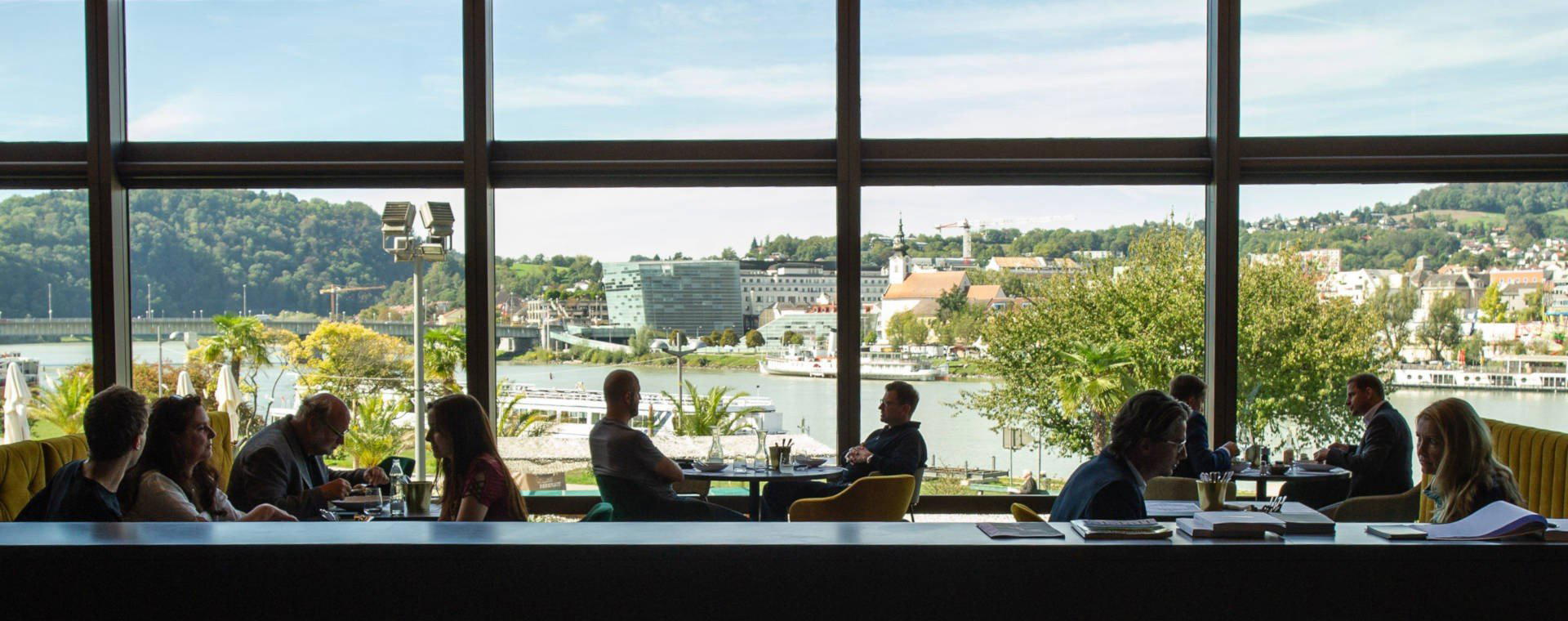
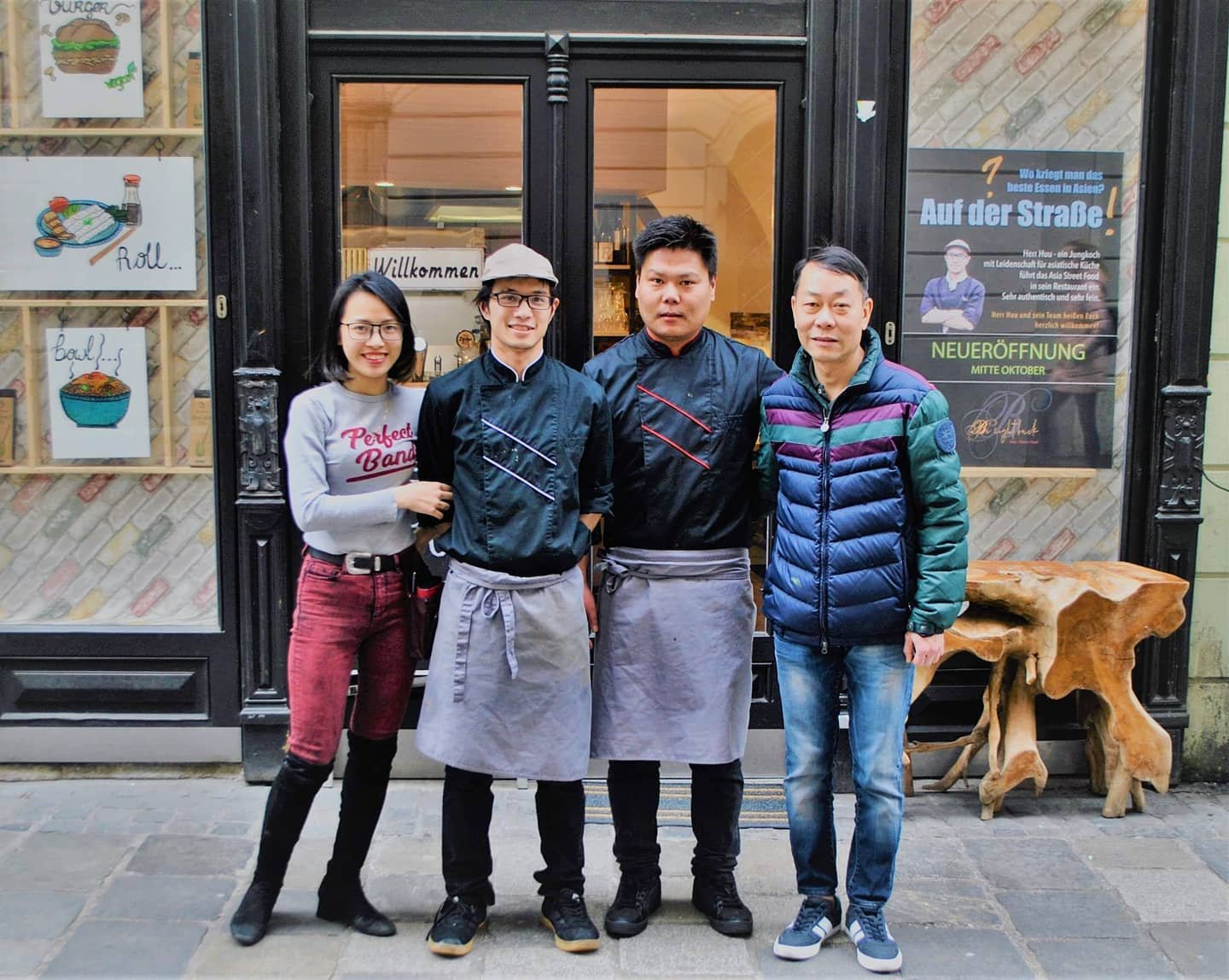
Restaurants in Freistadt
All restaurants in Freistadt →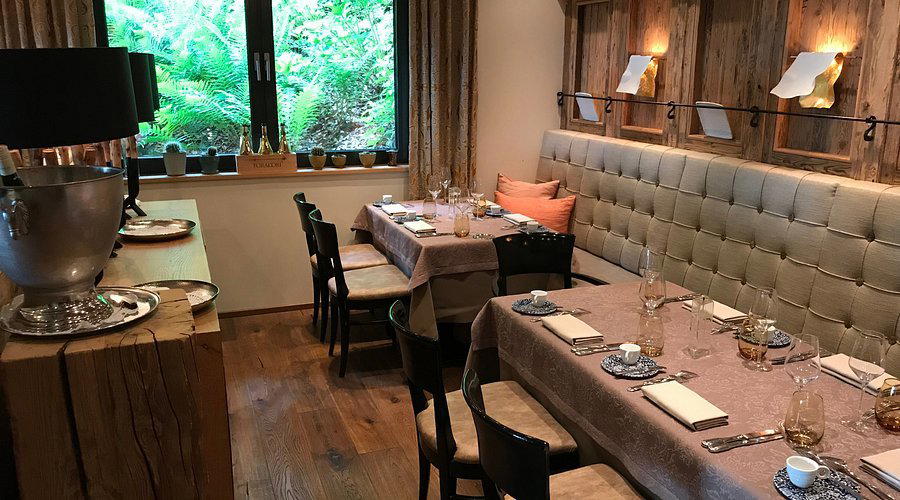
Bars in Freistadt
Browse all →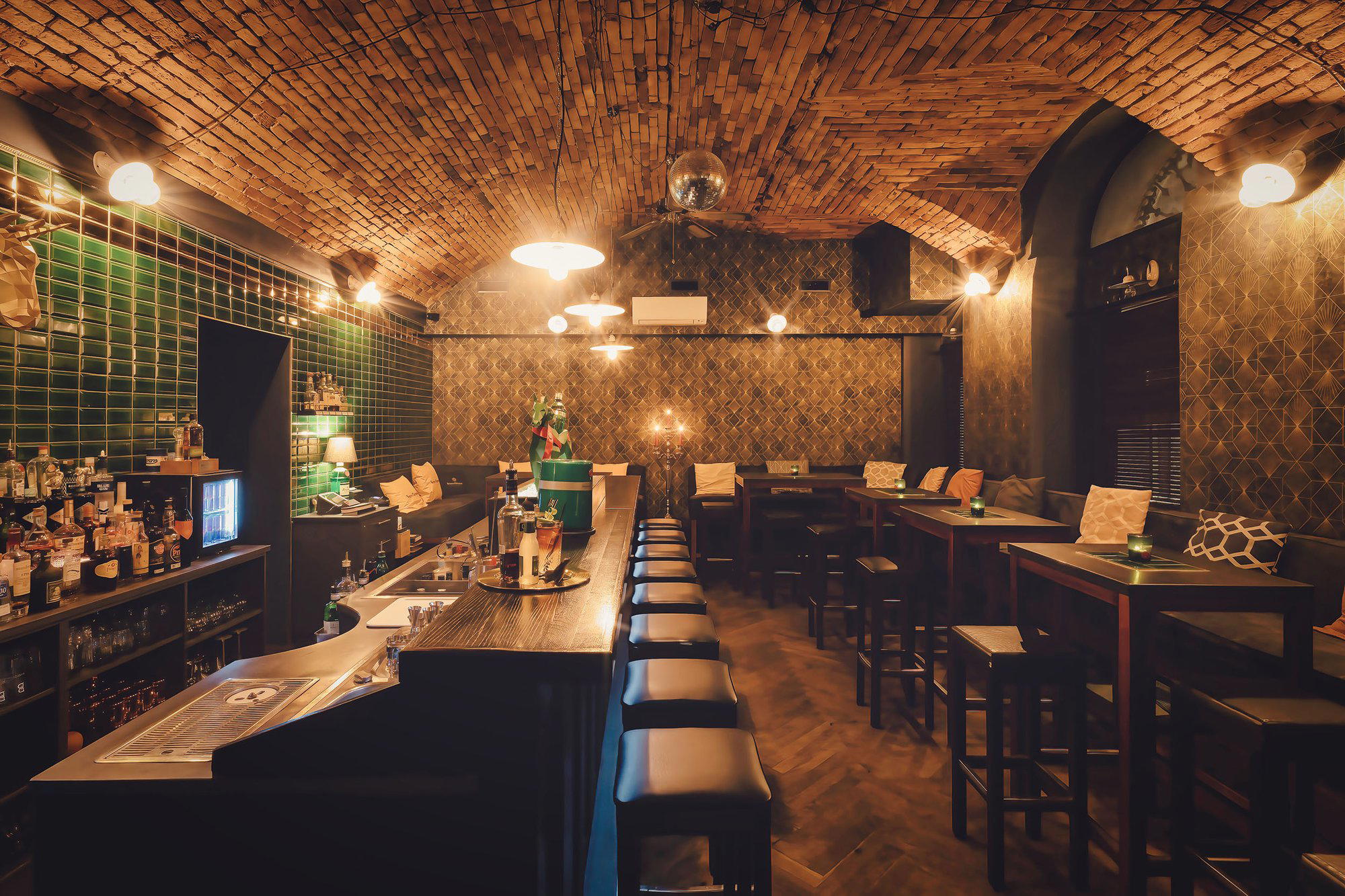
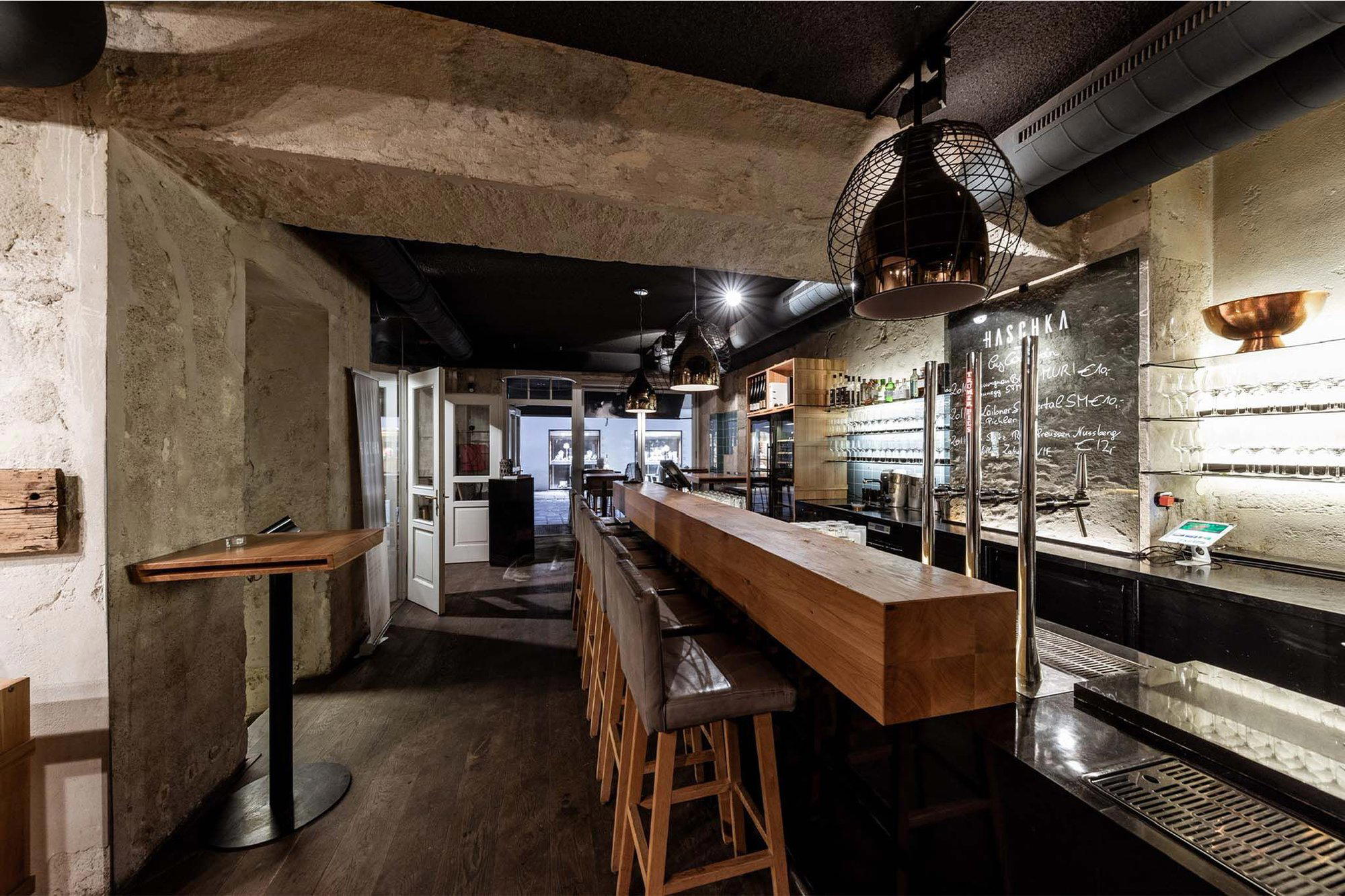
Hotels in Freistadt
All hotels in Freistadt →

Details
- Cozy
- Rustic
- Casual
- Casual Hangout
- Group Dining
- Open Kitchen
- Terrace
- Beer Program
- Local Sourcing
- Street Scene
- A La Carte
- Beer
- Whiskey
- Vegetarian Friendly
Current opening hours
- Monday
- 9 AM–12 AM
- Tuesday
- Closed
- Wednesday
- Closed
- Thursday
- 9 AM–12 AM
- Friday
- 9 AM–12 AM
- Saturday
- 9 AM–12 AM
- Sunday
- 10 AM–12 AM
Hours can change for holidays and private events. Hours as of .
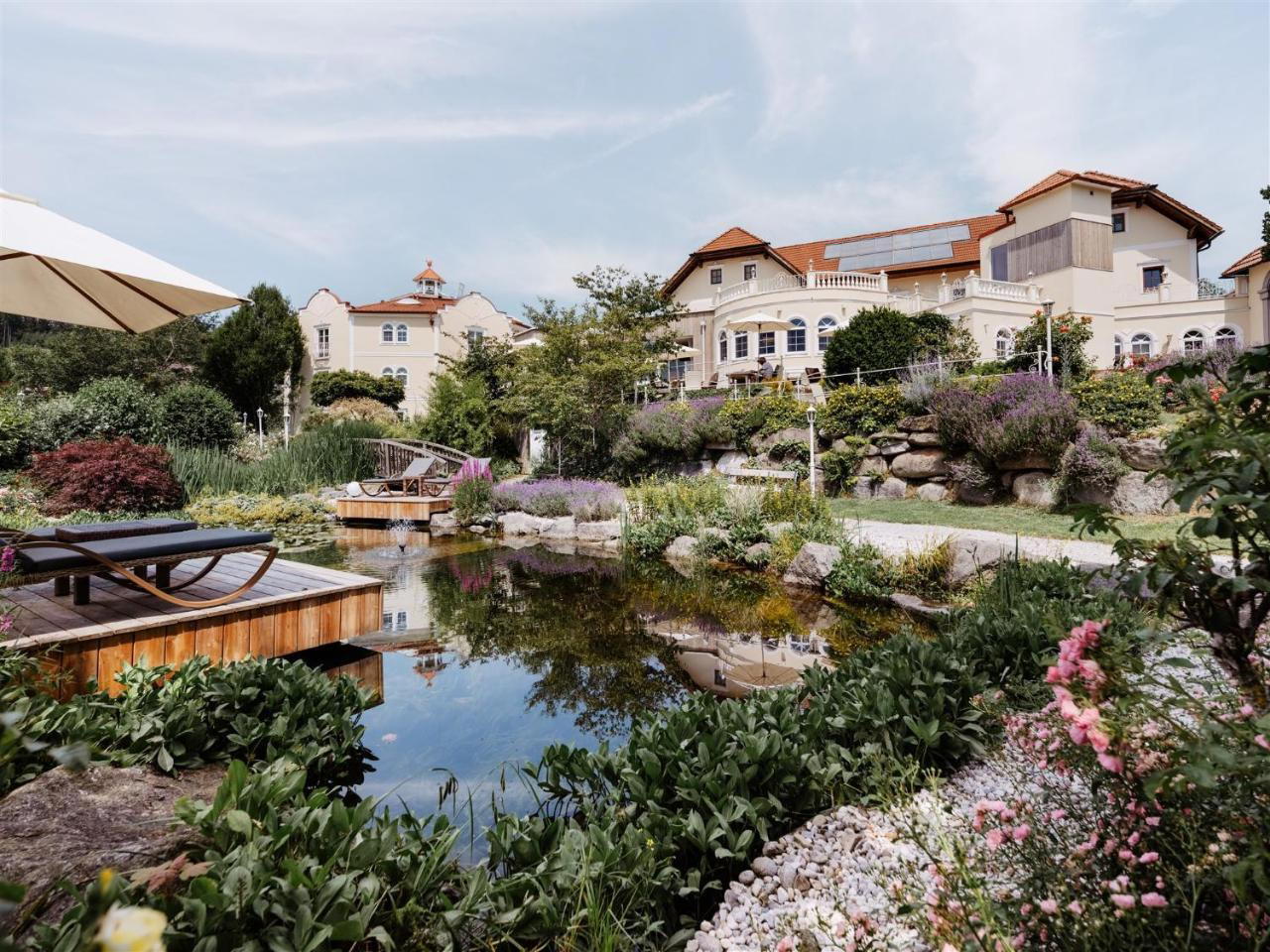
Cozy rustic wood-paneled interior with a welcoming conservatory and sunny garden patio.