Our verdict
Set within the forested fringe of Grünwald, just south of Munich, Forsthaus Wörnbrunn occupies a position in the Bavarian countryside dining tradition that rewards those who travel slightly beyond the city's restaurant circuit. The setting frames expectations before any dish arrives, placing this address within a regional pattern where rural provenance and seasonal sourcing carry as much weight as technique.

Pearl is the En Primeur Club membership app — saves, bookings, and concierge access live there. Same editors, same standards.
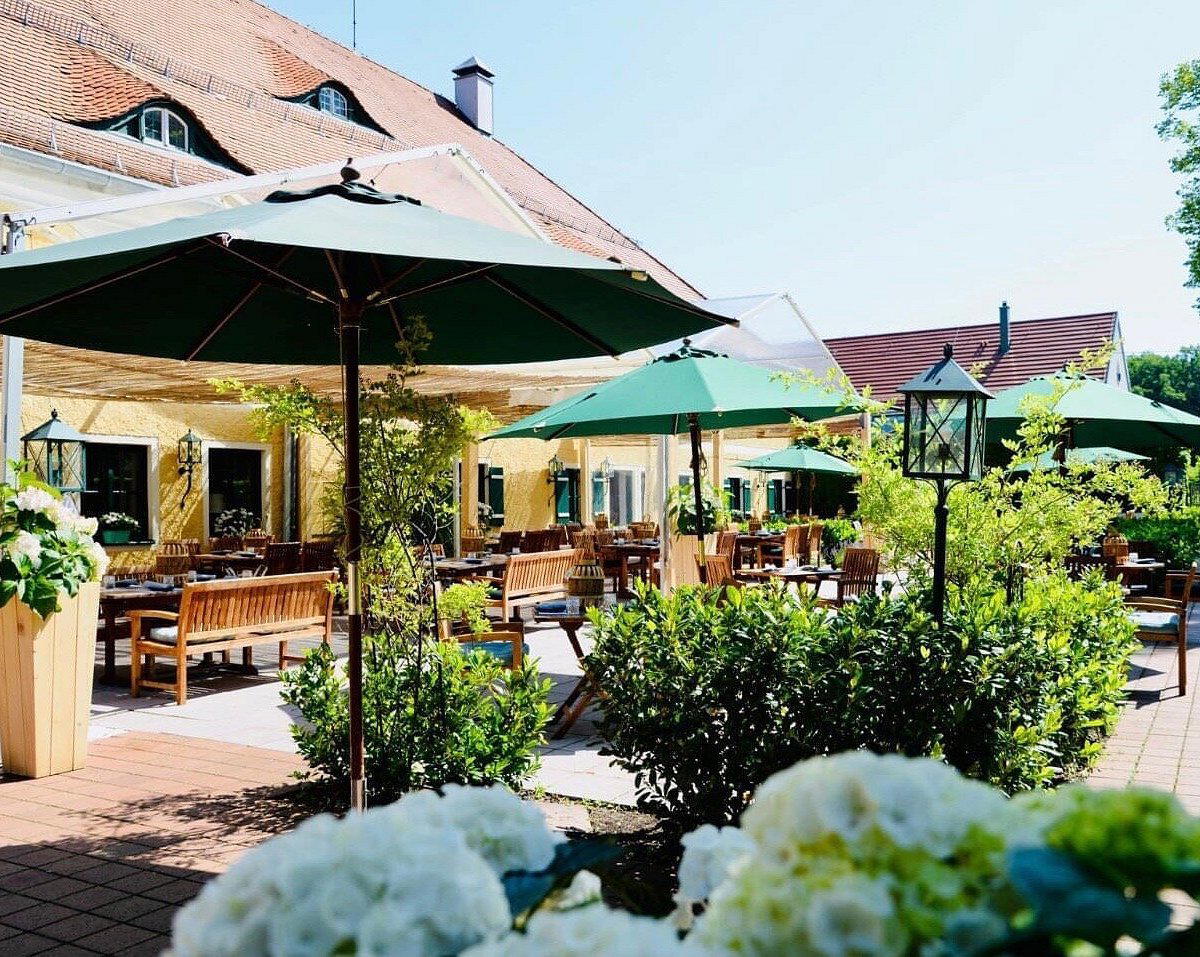
Where the Forest Sets the Agenda
Approaching Forsthaus Wörnbrunn along the wooded edge of Grünwald, the transition from Munich's southern suburbs into something quieter and more deliberate happens gradually. The trees close in, the road narrows, and by the time the building comes into view, the city feels further away than the distance suggests. This is the defining spatial logic of a certain strain of Bavarian dining: the location is not incidental to the experience, it is its first argument. Before a menu is opened or a glass poured, the surroundings have already communicated something about where ingredients come from and why proximity to that source matters.
This category of countryside address, set within or directly adjacent to forest and farmland south of Munich, has a long precedent in the region. The Bavarian tradition of the Wirtshaus and the Forsthaus, the inn and the forester's house, positioned eating and drinking within the rhythms of the land rather than against them. Modern iterations of this format, whether casual or more considered, carry that cultural inheritance whether they acknowledge it or not. Forsthaus Wörnbrunn sits inside that lineage, in a municipality known more for its affluent residential character than for restaurant tourism, which shapes both the audience and the expectations around this type of table.
The Sourcing Logic of the Bavarian Countryside
The editorial angle that matters most when assessing a Forsthaus address is not décor or wine list architecture but the question of provenance: what comes from close by, and how does the kitchen engage with seasonal availability? Germany's southern corridor, from the Bavarian highlands to the Isar valley towns like Grünwald, sits within a network of small farms, forest game suppliers, dairy producers, and market gardeners whose output feeds the region's better kitchens. The logic of a forester's house, historically, was access to exactly this kind of material: game from the surrounding woodland, freshwater fish from nearby rivers, dairy and produce from the agricultural land at the forest's edge.
Across Germany's fine dining circuit, the sourcing question has become increasingly central to how restaurants position themselves. Places like ES:SENZ in Grassau and Waldhotel Sonnora in Dreis have built reputations partly on the specificity of their regional sourcing alongside sustained culinary recognition. The countryside address in each case is not scenic backdrop but functional context: shorter supply chains, seasonal discipline imposed by geography, and a menu calendar governed by what the land produces rather than what a distributor can ship. Forsthaus Wörnbrunn's location places it within reach of exactly the kind of supplier network that supports this approach.
For a useful parallel further afield, the American format of the chef-driven rural destination, exemplified by places like Lazy Bear in San Francisco, demonstrates that diners will travel for sourcing credibility when the narrative is coherent and the execution matches the claim. In Germany's context, the travel distance is often shorter, and the tradition is older, but the underlying reader decision is the same: is the journey proportionate to what the kitchen does with its access to good ingredients?
Grünwald and Its Place in Munich's Dining Geography
Grünwald sits roughly twelve kilometres south of Munich's centre, accessible by the S-Bahn but more naturally approached by car when the destination is a Forsthaus-style address at the woodland edge. The municipality is one of Germany's wealthier small towns by average income, a fact that shapes the local restaurant market. Dining here is not aimed at a transient tourist audience but at a residential and regional one, which tends to produce establishments with a different relationship to consistency and repeat custom than those operating in tourist-heavy city centres.
Munich's broader restaurant geography has expanded substantially in recent years. The city's fine dining circuit now includes addresses like JAN in Munich and the long-established MIYABI Restaurant also in Grünwald, which extends the argument that serious cooking is no longer concentrated inside the city's inner ring. The southern corridor, in particular, has developed a quiet density of considered tables that rewards those who consult our full Grunwald restaurants guide before planning an itinerary.
For readers accustomed to destination dining at Germany's most decorated addresses, the reference set is instructive. Three-Michelin-star kitchens such as Schwarzwaldstube in Baiersbronn, Aqua in Wolfsburg, and Vendôme in Bergisch Gladbach have established that German fine dining outside major urban centres is not a compromise position but often its own category of serious cooking. Forsthaus Wörnbrunn operates in a different register, closer to a regional countryside address than a destination fine dining room, but the broader point holds: the geography is often the point, not a disadvantage.
Germany's Countryside Dining in Comparative Context
Across Germany's restaurant culture, certain recurring formats emerge when rural addresses are assessed seriously. There is the spa hotel restaurant, the vineyard estate table, and the Forsthaus or Jagdhaus format, the latter rooted in hunting and foresting traditions that shaped regional cooking for centuries. Venison, wild boar, freshwater fish, foraged mushrooms, and root vegetables governed menus in these settings long before seasonal cooking became an editorial talking point. In that sense, places operating within the Forsthaus tradition are not following a trend so much as recovering a practice.
Kitchens elsewhere in Germany's decorated circuit that engage seriously with game and forest-adjacent sourcing include Victor's Fine Dining by Christian Bau in Perl and Schanz in Piesport, both of which draw on regional produce networks to anchor menus that have attracted sustained recognition. The comparison is not one of direct competition but of shared sourcing logic: the leading rural addresses in Germany tend to treat geography as a commissioning brief for the kitchen rather than a marketing category.
It is worth noting how this contrasts with urban creative formats. CODA Dessert Dining in Berlin and urban addresses like Restaurant Haerlin in Hamburg operate within city-specific competitive dynamics where the sourcing argument is one factor among many. At a countryside address like Forsthaus Wörnbrunn, provenance and setting carry more of the argumentative weight, which raises the bar on ingredient quality while often lowering the pressure on theatricality and production.
Planning a Visit
Forsthaus Wörnbrunn is located at Wörnbrunn 1, 82031 Grünwald, Germany, at the wooded margin where the municipality meets the forest reserve south of Munich. Visitors travelling from Munich's city centre should allow time for the southern approach, which is most comfortable by car. Given the address's woodland setting and the type of residential audience it serves, the practical rhythm of a visit here is unhurried: this is not the format for a quick pre-theatre dinner but for an afternoon or evening with nowhere pressing to be.
Booking habits at countryside addresses of this type in the Munich orbit tend to run on local word-of-mouth and repeat custom. Readers comparing options across Germany's wider fine dining geography may also find useful reference points at Bagatelle in Trier, L.A. Jordan in Deidesheim, GästeHaus Klaus Erfort in Saarbrücken, and Ösch Noir in Donaueschingen, all of which navigate similar rural-to-fine-dining positioning in their respective regions. For international comparison, Le Bernardin in New York City illustrates how sourcing specificity at the highest level translates into a recognisable critical identity, a principle that applies equally to a Bavarian Forsthaus operating at a very different price point.
Frequently asked questions
Is Forsthaus Wörnbrunn good for families?
The woodland setting at Wörnbrunn 1 on Grünwald's forested edge makes the address naturally suited to family visits, particularly those arriving by car from Munich's southern suburbs. The surrounding forest reserve gives children space beyond the dining room, which is unusual for restaurants at this remove from the city centre.
What's the vibe at Forsthaus Wörnbrunn?
Forsthaus Wörnbrunn reads as a deliberate retreat from Munich rather than an extension of it — the forested approach along Grünwald's wooded margin establishes the register before guests arrive. Expect a pace and atmosphere governed by the countryside, not the city. Think Bavarian hunting lodge tradition updated for a dining context, where the forest outside is as much a part of the experience as what arrives at the table.
How far is Forsthaus Wörnbrunn from central Munich, and what is the best way to get there?
Grünwald sits roughly twelve kilometres south of Munich's city centre, placing Forsthaus Wörnbrunn at Wörnbrunn 1 within a straightforward drive of around twenty to twenty-five minutes depending on traffic. The S-Bahn connects Munich to Grünwald, though the final stretch to the forest edge is more practical by car or taxi. Visitors arriving for an evening sitting should account for the return journey, as rural connections thin out after dinner service.
What's the signature dish at Forsthaus Wörnbrunn?
Given the Forsthaus format and its Grünwald location within the Bavarian countryside, kitchens of this type typically anchor around regionally sourced game, seasonal produce, and forest-adjacent ingredients — but any specific dish claims would require direct confirmation from the venue.
How do I find Forsthaus Wörnbrunn?
Forsthaus Wörnbrunn is located at Wörnbrunn 1, 82031 Grünwald, Germany, Grunwald.
Should I book Forsthaus Wörnbrunn in advance?
Forsthaus addresses at Grünwald's wooded fringe draw both Munich day-trippers and local regulars, which means weekend tables in particular can be competitive.
How It Stacks Up
Comparable venues nearby, for context on price, style, and recognition.
| Venue | Cuisine | Price | Awards | Notes |
|---|---|---|---|---|
| Forsthaus WörnbrunnThis venue (the venue you are viewing) | Traditional German Forest Lodge Cuisine | Not listed | Not listed | Not listed |
| Alter Wirt | Organic Bavarian | $30–50 | Michelin Plate | Grünwald |
| MIYABI Restaurant | Japanese Sushi | Not listed | Not listed | Grunwald |
| Chang | Asian Fusion with Sushi and Curries | Not listed | Michelin Plate | Grünwald |
| Hofbräuhaus München | Traditional Bavarian Beer Hall | $20–30 | Not listed | Altstadt |
| Zum Franziskaner | Traditional Bavarian | $20–30 | Not listed | Lehel |
Continue exploring
More in Grünwald
Restaurants in Grünwald
All restaurants in Grünwald →
Bars in Grünwald
Browse all →
Details
- Rustic
- Romantic
- Cozy
- Scenic
- Special Occasion
- Celebration
- Private Event
- Garden
- Terrace
- Historic Building
- Local Sourcing
- Garden
- A La Carte
- Vegetarian Friendly
- Gluten Free Options
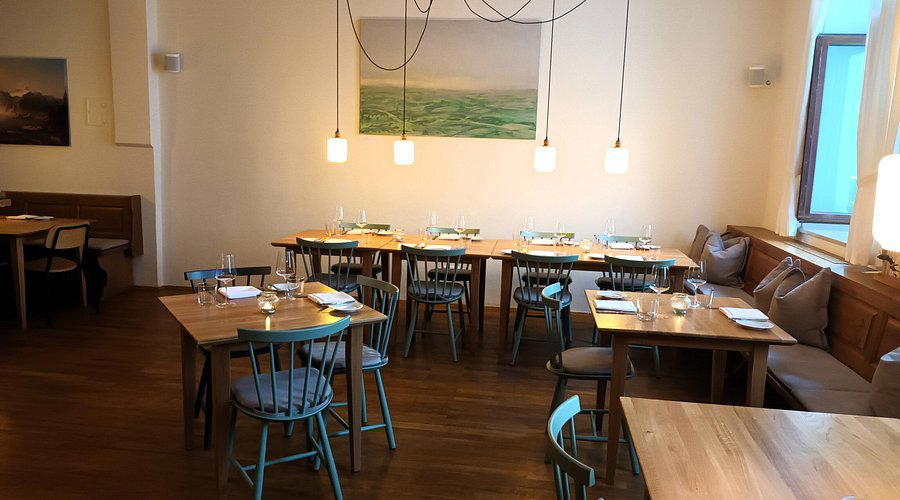
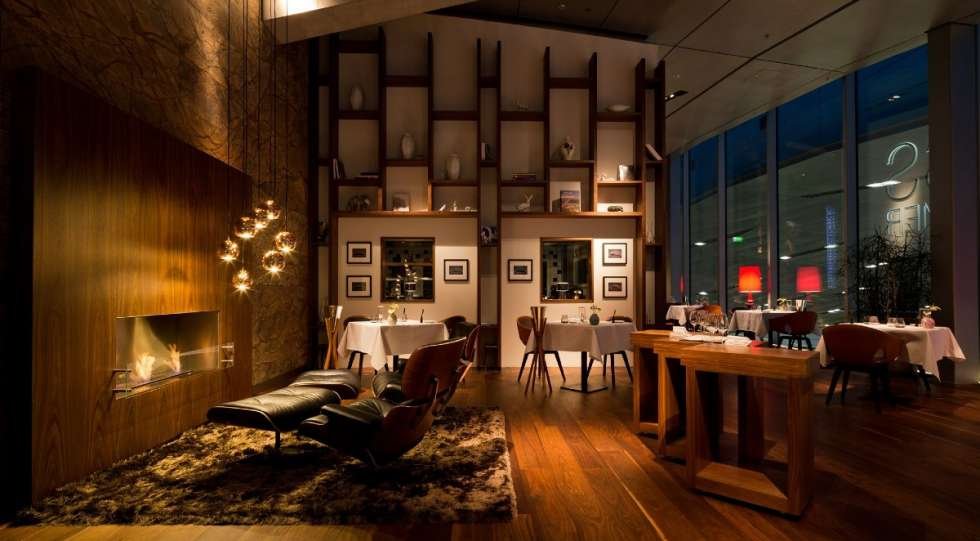
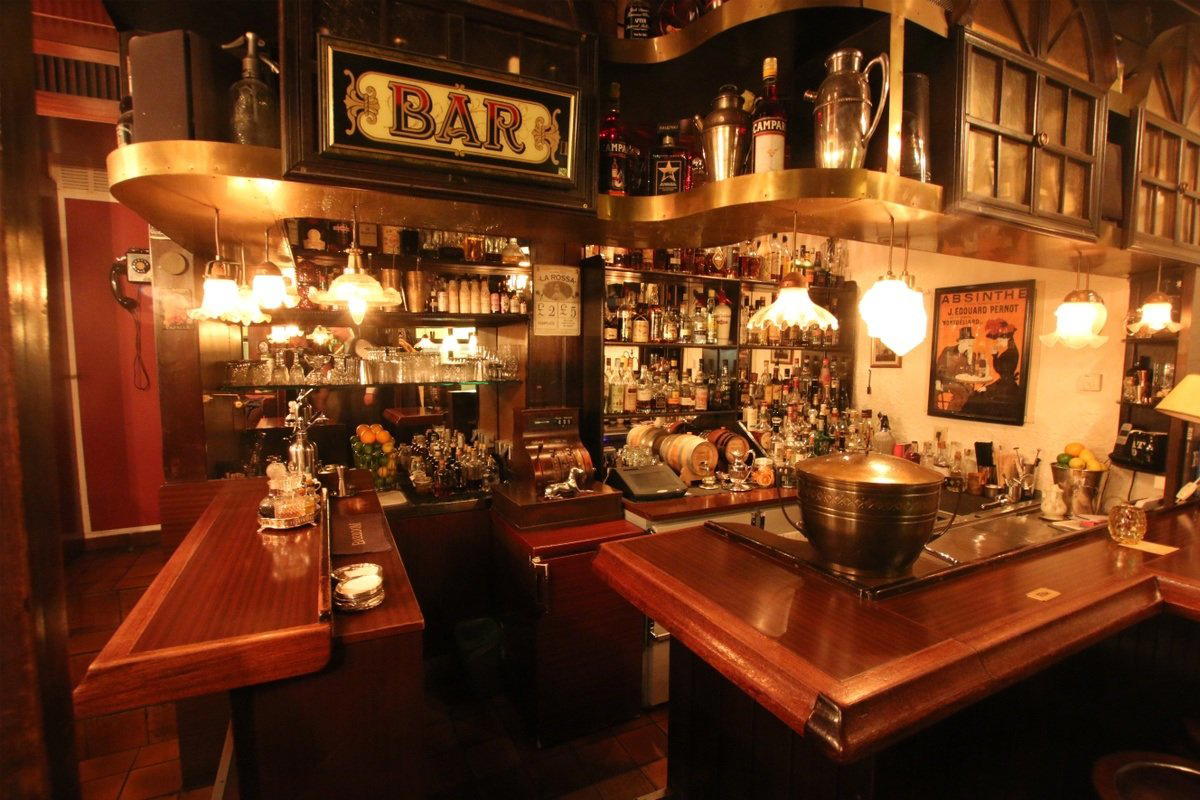
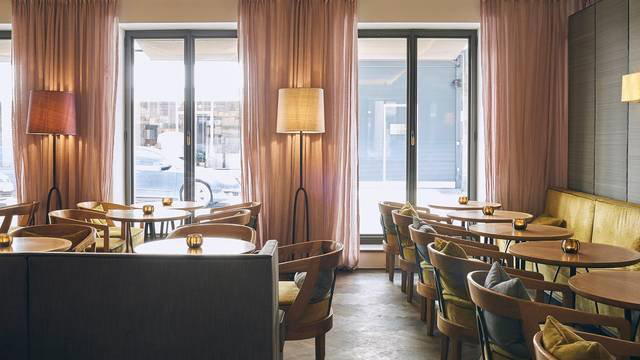
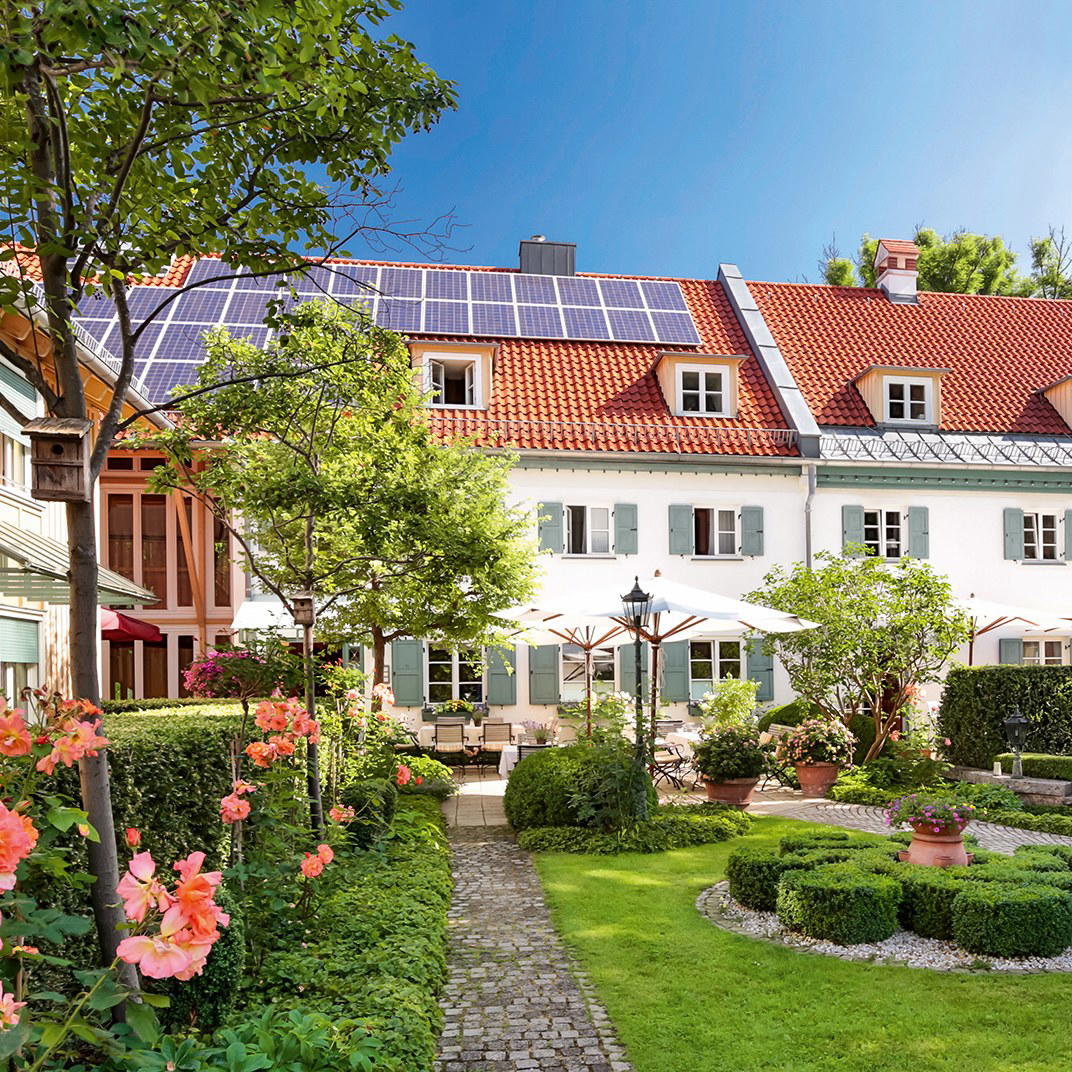
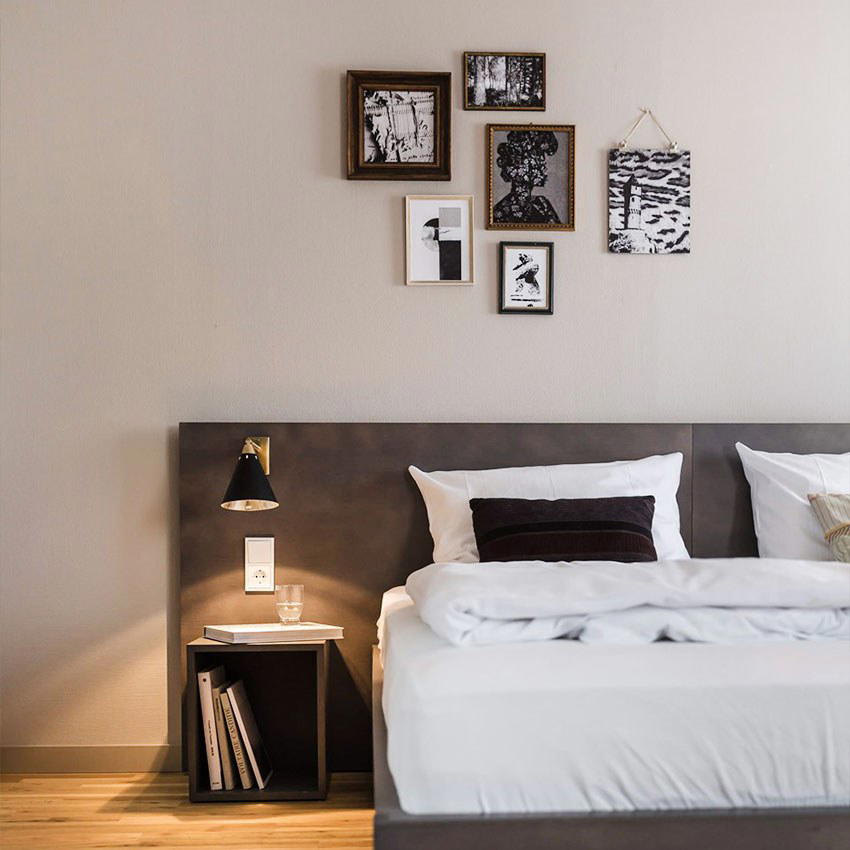
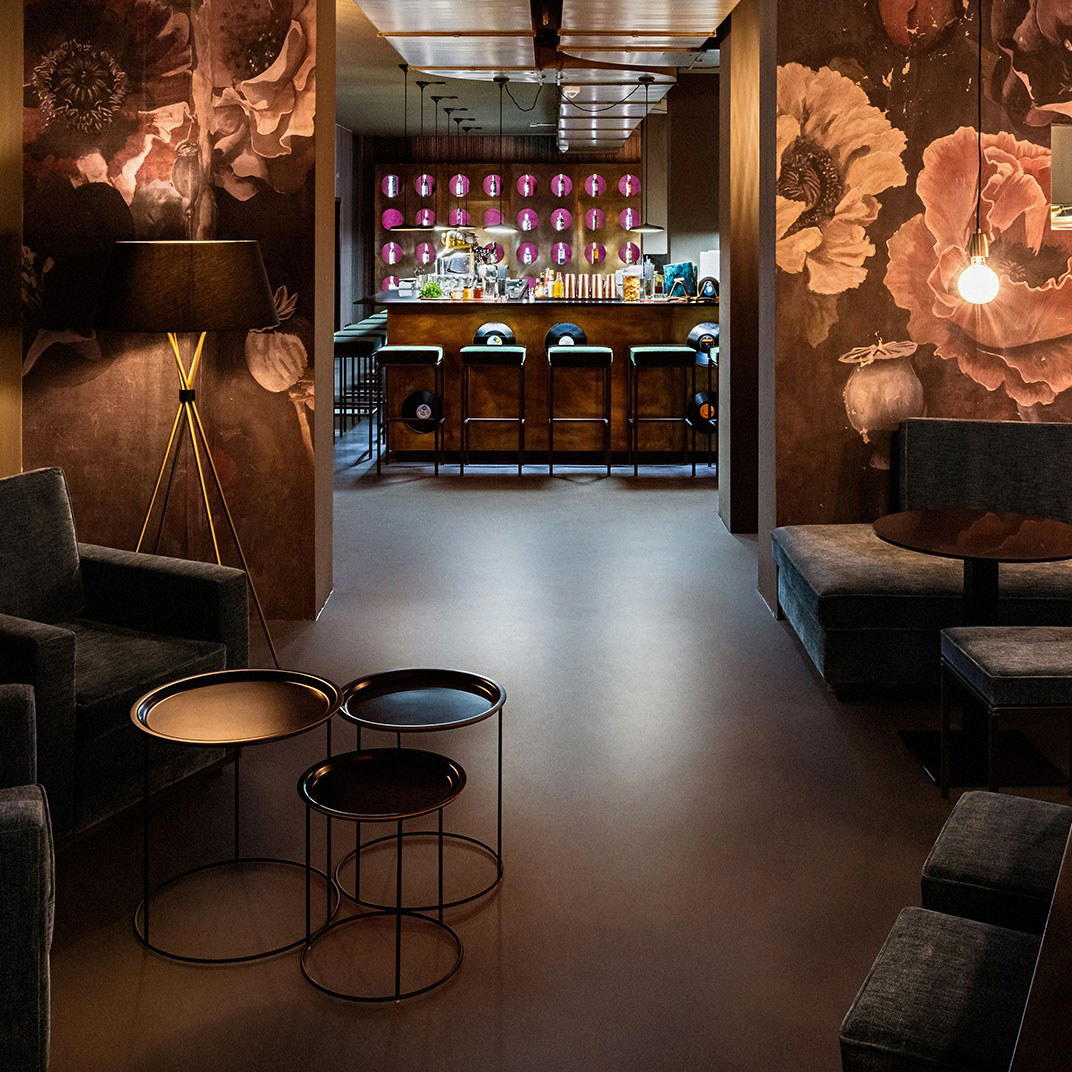
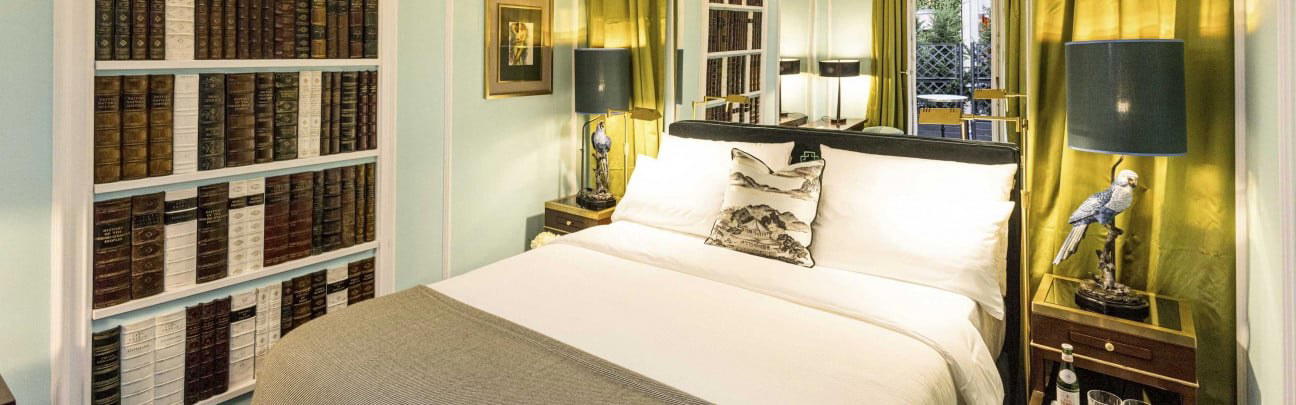
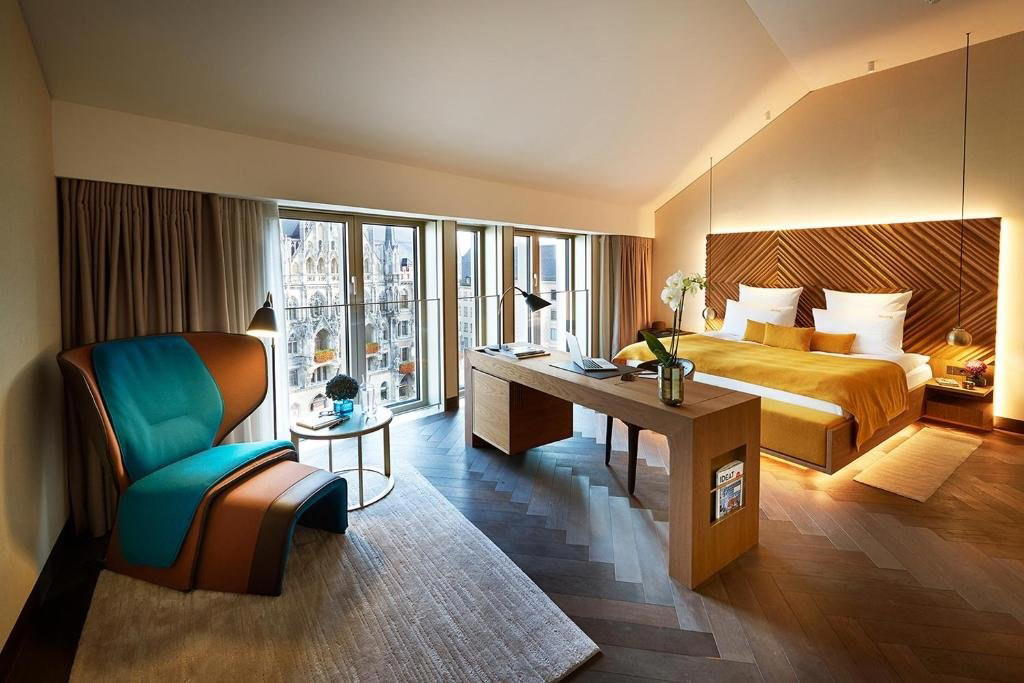
Cozy forest lodge atmosphere with high-ceilinged halls, wooden beams, and beautiful terrace overlooking nature.