
Michelin Plate
Our verdict
Alter Wirt occupies a Marktplatz address in Grünwald with the ease of a place that has never needed to announce itself. The kitchen works in the country cooking tradition, earning consecutive Michelin Plate recognition in 2024 and 2025. At the €€ price point, it represents one of the more considered options in the Munich commuter belt.

Pearl is the En Primeur Club membership app — saves, bookings, and concierge access live there. Same editors, same standards.
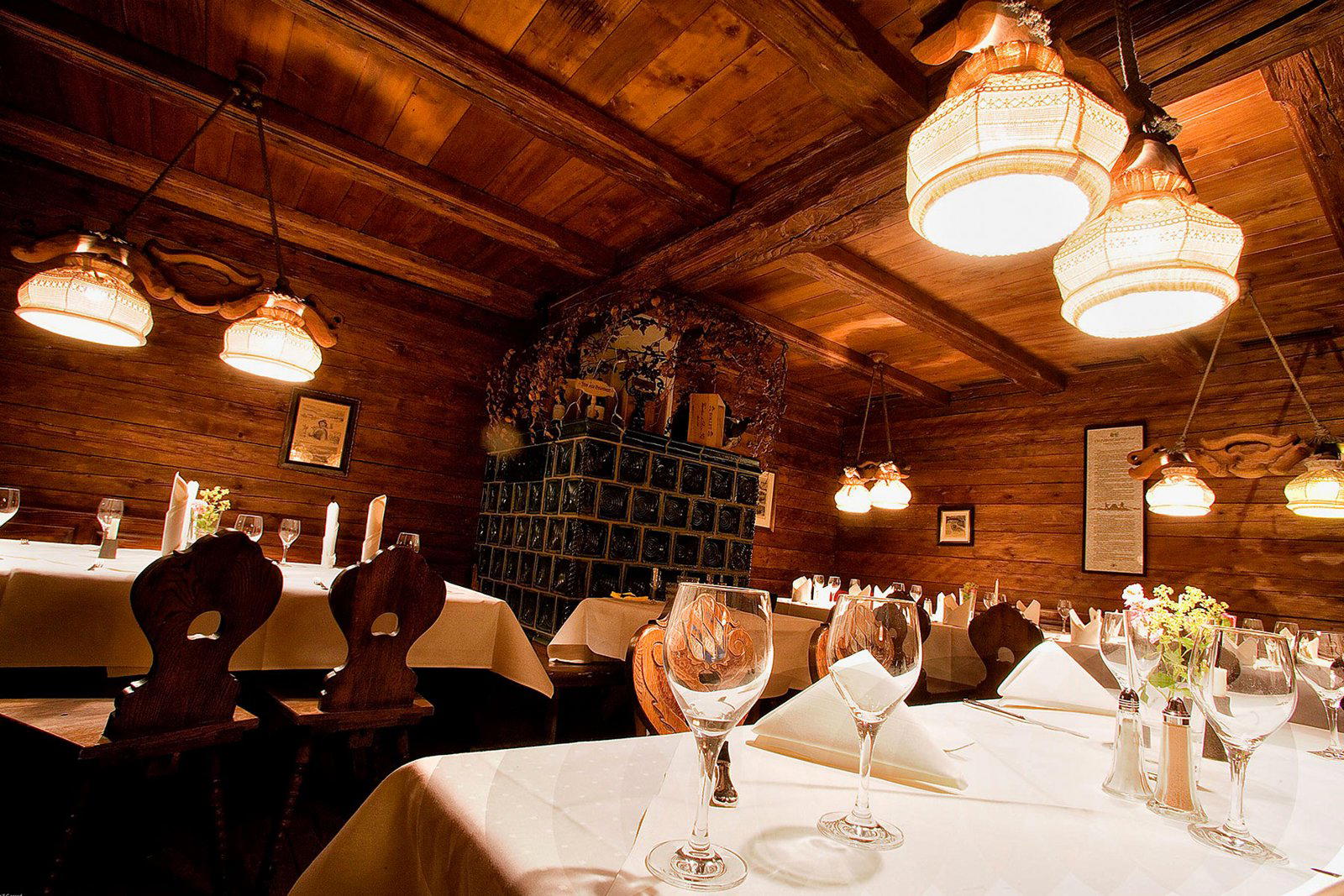
The Marktplatz as Anchor
In the villages that ring Munich's southern edge, the Marktplatz still functions as it was intended: a civic centre where daily life pools around a handful of reliable institutions. Grünwald's square is quieter than most, shielded from the city's pace by the Isar valley to the north and the residential character of one of Bavaria's wealthiest municipalities. Alter Wirt sits at Marktpl. 1, which is less an address than a statement of position — the kind of ground-floor spot a village inn has occupied for generations, requiring no signage strategy because geography does the work. Approaching on foot from the direction of Grünwald's castle or its tree-lined residential streets, the building reads as part of the square's architecture before it reads as a restaurant.
That physical rootedness matters in the context of Bavarian country cooking, a tradition whose credibility has always depended on continuity of place. The cuisine's grammar — hearty foundations, local produce, preparations that favour depth over novelty, only coheres when the setting reinforces it. A country kitchen transplanted to a modern urban dining room loses something essential. Here, the village square context is not decorative; it is load-bearing.
Country Cooking and What It Actually Means
Country cooking as a category sits apart from the contemporary German fine-dining conversation happening at places like JAN in Munich or the three-Michelin-star precision of Aqua in Wolfsburg. It belongs to a different lineage: one that prioritises the relationship between kitchen and surrounding agricultural land over technique-forward expression. In southern Bavaria, that means seasonal vegetables from nearby farms, meat from regional butchers operating within well-established supply chains, and preparations that have evolved incrementally rather than been redesigned by each incoming chef.
The Michelin Plate, awarded to Alter Wirt in both 2024 and 2025, is worth contextualising. The Plate designation signals that Michelin inspectors found food worth eating, competently prepared, honest in its ambitions. It sits below the star tier occupied by Schwarzwaldstube in Baiersbronn or Vendôme in Bergisch Gladbach, but that is not a deficiency in this context. A country kitchen measured against three-star creative restaurants is being assessed by the wrong criteria. The Plate, in the country cooking register, reads as confirmation that the kitchen is doing what it sets out to do with consistency and care. The sustained recognition across two consecutive years adds weight to that reading.
For a broader map of where Alter Wirt sits among Grünwald's options, the full Grünwald restaurants guide provides useful orientation, including the contrast with Chang (Asian), which operates in an entirely different register a short distance away.
Sourcing and the Logic of Regional Ingredients
The editorial angle of EA-GN-02, ingredient sourcing, applies here not as a marketing frame but as an explanatory one. Country cooking's claim to relevance in the current dining conversation rests almost entirely on sourcing logic. The argument is direct: food that travels a short distance from farm to kitchen arrives in better condition, carries less environmental cost, and connects the diner to the specific agricultural character of a region. Bavaria's southern reaches have the infrastructure to support this argument. The foothills between Munich and the Alps contain dairy farms whose milk and cheese production feeds both domestic kitchens and restaurants. Market gardens in the Isar valley produce seasonal vegetables across a longer growing window than many comparable European regions. Livestock from the surrounding area moves through local supply chains with shorter transit distances than centralised industrial procurement.
In a country kitchen operating at the €€ price point, sourcing decisions are partly dictated by margin discipline, you cannot build a mid-range menu on premium imported ingredients and make the numbers work. That constraint, in the country cooking tradition, becomes a structural virtue. The kitchen works with what is available locally and seasonally not purely out of philosophical conviction but because the economics of honest regional cooking require it. The result, when executed with skill, is food that tastes of a specific place and time of year.
This places Alter Wirt in an interesting position relative to the broader German dining scene. The country cooking format at the €€ tier differs substantially from comparable approaches in the Italian tradition, the 21.9 restaurant in Piobesi d'Alba and Andrea Monesi at Locanda di Orta in Orta San Giulio represent how country cooking translates in Piedmont, where the truffles, Nebbiolo, and cured meats create a different regional grammar. The Bavarian version leans on dairy, pork, and root vegetables with a directness that reflects colder winters and a less internationally celebrated agricultural identity.
The 4.5 Rating and What It Represents
It reflects a much wider cross-section of diners over a sustained period, including locals who return repeatedly and visitors who came once and formed a lasting impression. At volume, ratings tend to compress toward the mean, which makes 4.5 across more than a thousand data points a meaningful signal of consistent execution. Restaurants that spike and collapse, or that suffer from variable kitchen performance, rarely sustain that score at that volume. It also suggests Alter Wirt draws a repeat local clientele, which in a village of Grünwald's size and demographic profile indicates genuine community trust rather than tourist throughput.
Planning a Visit
Grünwald sits south of Munich, accessible by the U3 S-Bahn extension to Grünwald station, from which Marktplatz is a short walk. The €€ pricing makes Alter Wirt accessible for a casual lunch or relaxed weekday dinner without requiring the kind of advance planning associated with the tasting-menu tier. For those building a wider itinerary around the Munich area, the Grünwald hotels guide, bars guide, wineries guide, and experiences guide map the full picture of what the area offers beyond the table.
Those interested in exploring the broader range of German fine dining can find reference points across the country: ES:SENZ in Grassau, Restaurant Haerlin in Hamburg, Schanz in Piesport, Victor's Fine Dining by Christian Bau in Perl, Waldhotel Sonnora in Dreis, and CODA Dessert Dining in Berlin each represent different points on that spectrum. Alter Wirt occupies a deliberately different tier, not aspiring to that conversation, but making a coherent and well-executed case for its own.
Frequently asked questions
What does dinner at Alter Wirt typically cost?
Pricing at Alter Wirt is listed as €€.
Where is Alter Wirt in Grünwald?
Alter Wirt is located at Marktpl. 1, 82031 Grünwald, Germany, Grünwald.
In Context: Similar Options
| Venue | Cuisine | Price | Awards |
|---|---|---|---|
| Alter WirtThis venue (the venue you are viewing) | Organic Bavarian | $30–50 | Michelin Plate |
| Schwarzwaldstube | French, Classic French | Not listed | Michelin 3 Star |
| Aqua | Contemporary German, Italian/Japanese, Creative | Not listed | Michelin 3 Star |
| CODA Dessert Dining | Creative | Not listed | Michelin 2 Star |
| Tantris | Modern French, French Contemporary | Not listed | Michelin 2 Star |
| Vendôme | Modern European, Creative | Not listed | Michelin 2 Star |
Recognition history
Dated appearances from independent guides and award organizations, with the underlying list record or original source where available.
Michelin Plate
Michelin · 2026 Michelin Plate
Full recognition history (3 entries)
Michelin Plate
Michelin
Michelin Plate
Michelin
Continue exploring
More in Grünwald
Restaurants in Grünwald
All restaurants in Grünwald →
Details
- Rustic
- Cozy
- Classic
- Family
- Business Dinner
- Casual Hangout
- Terrace
- Beer Program
- Organic
- Local Sourcing
- A La Carte
- Beer Program
- Vegetarian Friendly
- Vegan Options
- Gluten Free Options
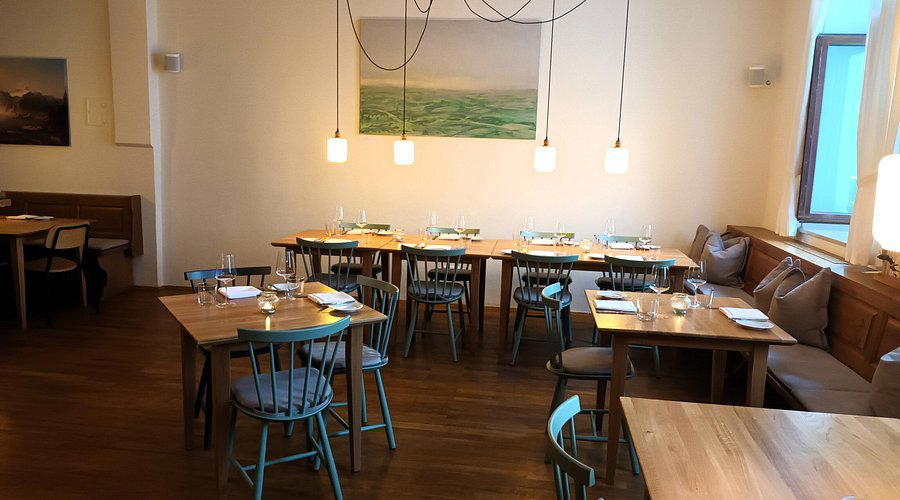
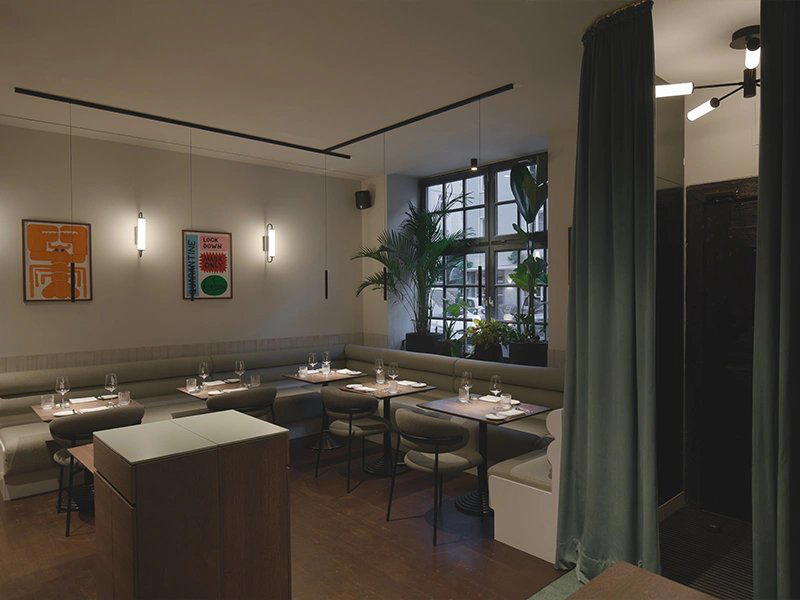
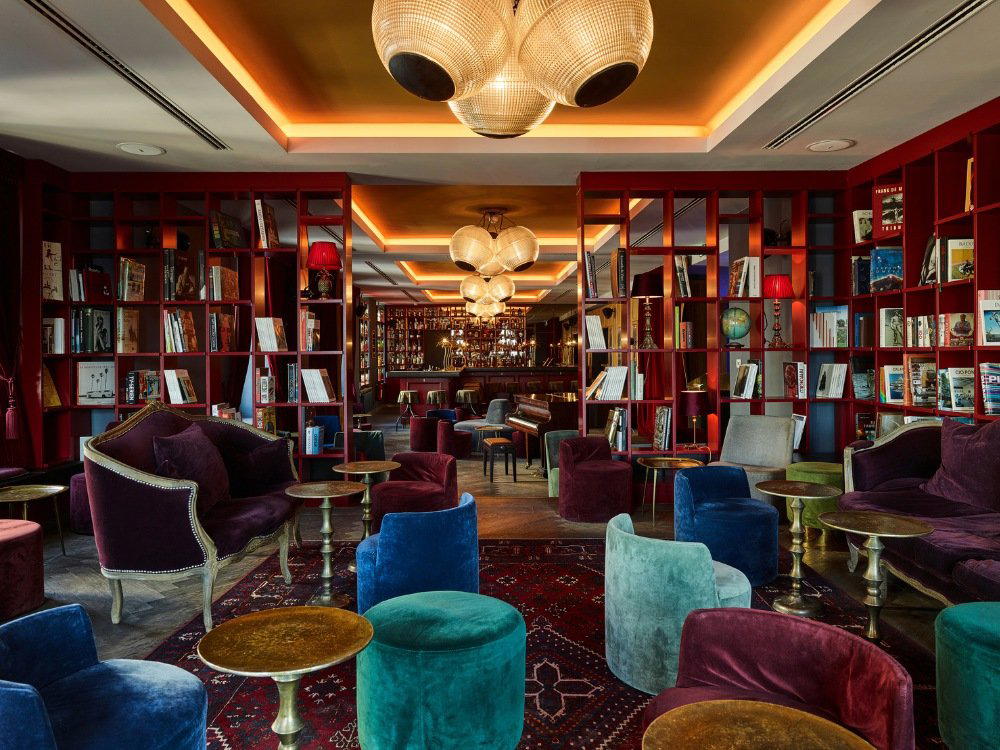
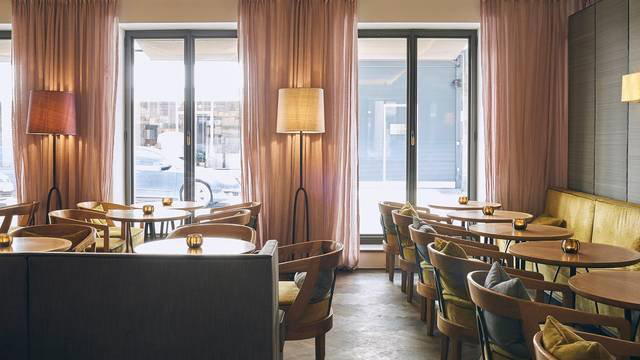
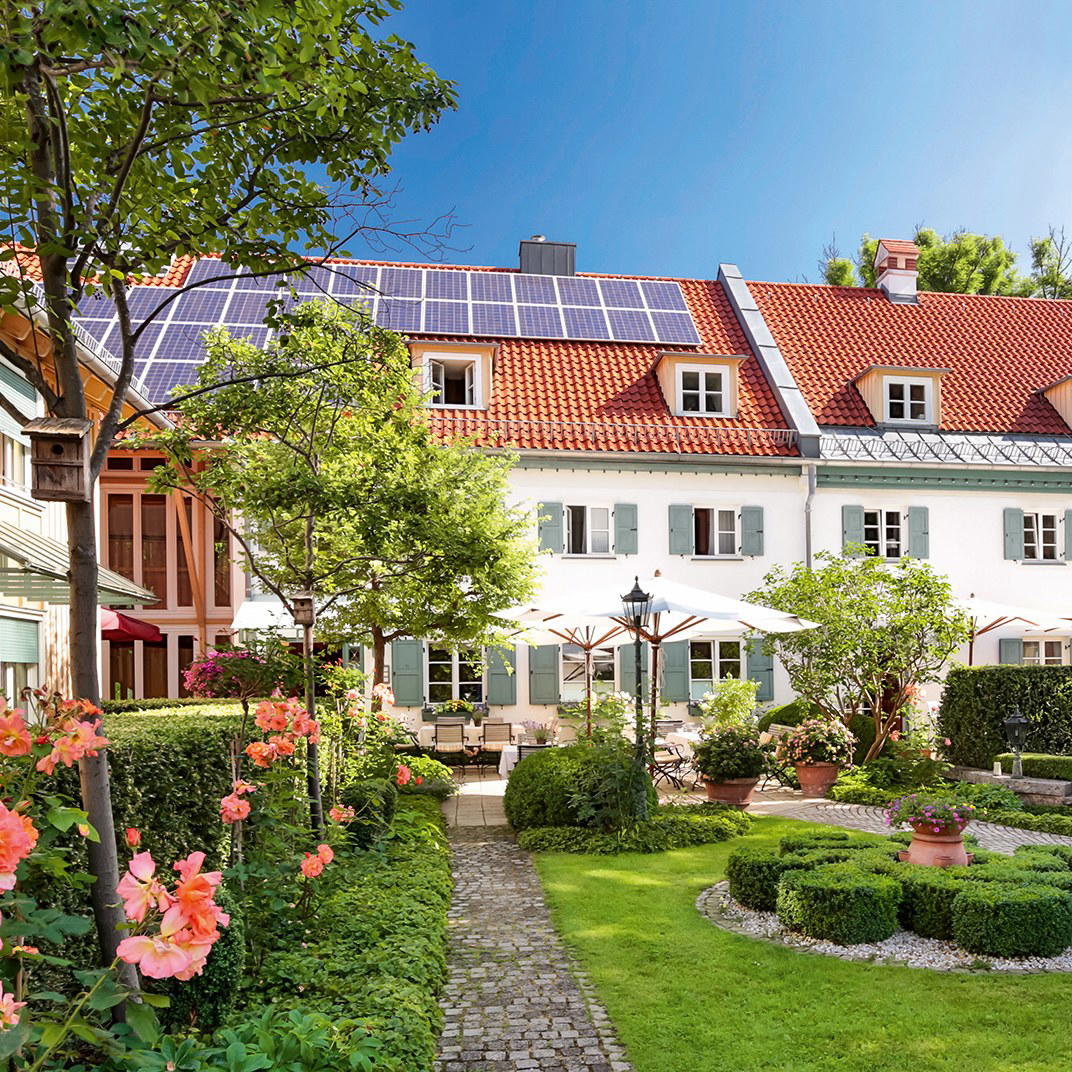
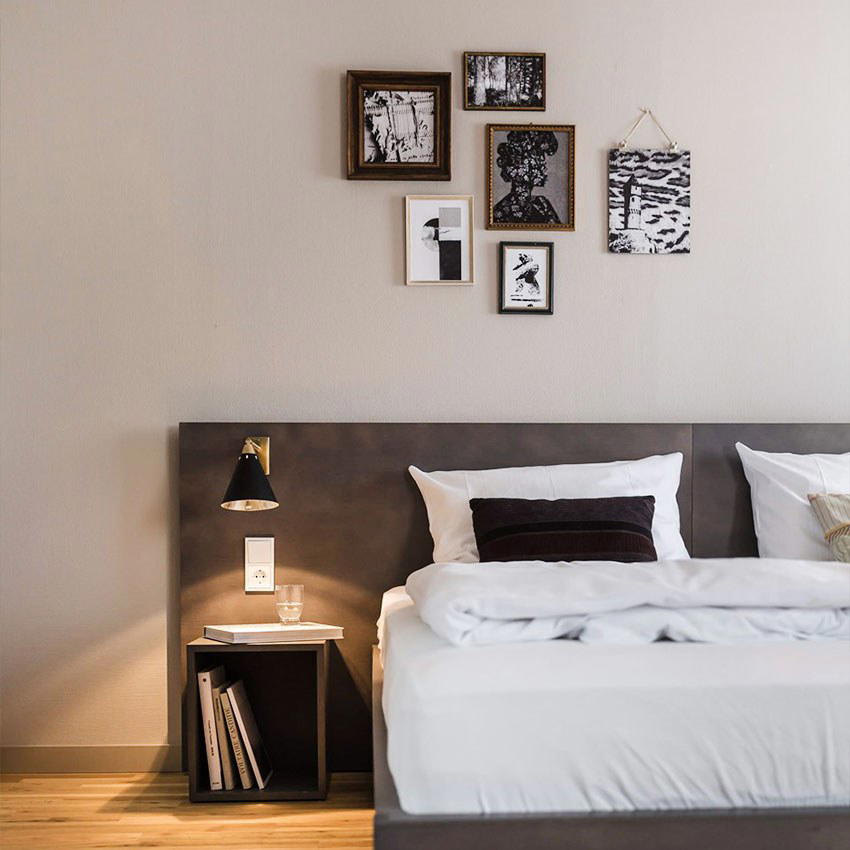
Relaxed atmosphere combining modern elements with rustic charm, natural wood interiors, and a lovely shaded terrace.