Our verdict
MIYABI Restaurant sits in Grünwald, the affluent village south of Munich that draws residents who want proximity to the city without its density. The name signals Japanese aesthetic principles, placing it in a dining category that has gained ground across Greater Munich.

Pearl is the En Primeur Club membership app — saves, bookings, and concierge access live there. Same editors, same standards.
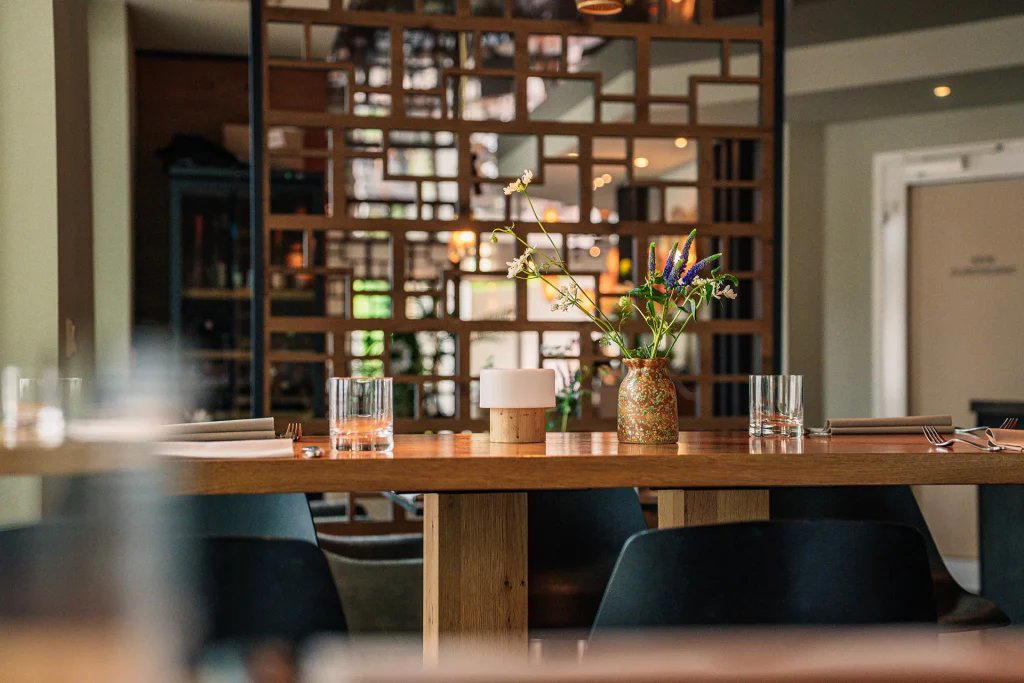
Grünwald's Quiet Restaurant Corridor and Where MIYABI Sits in It
Grünwald is not a dining destination in the way that Munich's Maxvorstadt or Schwabing are. It is a residential enclave roughly twelve kilometres south of the city centre, home to a high concentration of media-industry professionals and established wealth, and its restaurant strip along Südliche Münchner Strasse reflects that demographic directly. The restaurants here do not compete for tourist footfall. They compete for regulars: people who live within a few kilometres and eat out several times a week. That dynamic produces a different kind of venue than you find in city-centre Munich, one that tends toward consistency over spectacle and repeat-visit value over opening-night ambition.
MIYABI Restaurant occupies a position on that corridor at number 68, among a compact cluster that includes Alter Wirt, which anchors the traditional Bavarian end of the local offer, and Chang, which represents Asian cooking at the €€€ tier. Forsthaus Wörnbrunn extends the area's dining options further into the surrounding landscape. The name MIYABI draws on a Japanese aesthetic concept associated with refinement and subdued elegance, a term that carries specific cultural weight and places the restaurant in a category distinct from the hearty country cooking that otherwise defines much of Grünwald's dining identity.
The Sourcing Logic Behind Japanese-Inflected Cooking in Southern Bavaria
The editorial angle that matters most for any restaurant operating under Japanese aesthetic principles in a region like southern Bavaria is ingredient sourcing. Japanese cuisine at its more considered end is not primarily a technique story, though technique matters enormously. It is a provenance story. The tradition that informs restaurants working in this register places acute pressure on where fish comes from, how rice is selected, what the water profile is, and whether the produce meets the quality threshold that the cooking style demands.
Bavaria presents a specific sourcing environment. Alpine dairy is available at a standard that rivals anywhere in Europe. Freshwater fish from local lakes and rivers can be exceptional. Vegetables from the surrounding agricultural belt are seasonal and, at the top end of the supply chain, traceable. What Bavaria does not have is coastline, which means that any restaurant working with marine ingredients faces the same logistics question that Japanese restaurants across landlocked Europe must answer: what supply chain can deliver fish at the quality and freshness that the cooking style requires?
This is not a minor operational detail. It is the central credibility question for Japanese-oriented kitchens in central Europe. The restaurants that resolve it convincingly, whether through daily deliveries from specialist importers, direct relationships with auction houses, or a deliberate pivot toward freshwater and land-based proteins, earn their positioning. Those that do not tend to drift toward a diluted version of the cuisine that satisfies neither the tradition nor the local market. Across Germany, the venues that have built the most durable reputations in Japanese-influenced fine dining have done so by treating sourcing as a kitchen discipline rather than a marketing point. In Munich specifically, the appetite for this kind of cooking has grown steadily, and the standard expected by regular diners has risen with it.
Greater Munich's Fine Dining Reference Points
To understand what MIYABI Restaurant is working within, it helps to map the broader German fine dining context. Germany's awarded restaurant scene is geographically distributed in a way that differs from France or the UK, where capital-city concentration dominates. Aqua in Wolfsburg, Schwarzwaldstube in Baiersbronn, and Vendôme in Bergisch Gladbach sit among the country's most recognised addresses, none of them in a major metropolitan centre. JAN in Munich represents the city's own contribution to that awarded tier. Further afield, Victor's Fine Dining by Christian Bau in Perl, Waldhotel Sonnora in Dreis, Restaurant Haerlin in Hamburg, Schanz in Piesport, ES:SENZ in Grassau, and Bagatelle in Trier collectively illustrate how dispersed fine dining ambition is across the German-speaking world. CODA Dessert Dining in Berlin and ammolite in Rust show how format experimentation factors into Germany's dining conversation.
For Japanese-oriented fine dining specifically, the international reference points are instructive. Le Bernardin in New York City demonstrates how marine-focused kitchens can achieve sustained recognition outside their ingredient's home territory when sourcing discipline is treated as non-negotiable. Atomix in New York City shows how Korean fine dining, another East Asian tradition operating in a Western city, can build credibility through ingredient narrative and format precision. Both are useful comparative frames for thinking about what Japanese-inflected cooking in a place like Grünwald requires to be taken seriously rather than merely tolerated as a neighbourhood option.
Planning a Visit: What to Know Before You Go
Grünwald is accessible from central Munich via the S3 S-Bahn line, which connects to the village in under twenty minutes from Marienplatz. For visitors making the journey specifically for MIYABI Restaurant, the Südliche Münchner Strasse address is within walking distance of the main station. Contacting the restaurant directly or consulting current local review platforms before visiting is the practical course. Our full Grünwald restaurants guide covers the broader dining options in the area, including the neighbourhood context that helps situate MIYABI within its local peer group.
The surrounding residential character of Grünwald means parking is generally easier than in central Munich, and the atmosphere on the street is quieter than anything you would find in the city's core dining districts. That physical calm is part of what defines eating in Grünwald: this is not a scene in the performative sense. It is a community eating for its own purposes, and restaurants that work in that context tend to earn loyalty through quality sustained over time rather than through novelty cycles.
Frequently asked questions
Does MIYABI Restaurant work for a family meal?
Grünwald's restaurant corridor at addresses like Südliche Münchner Str. skews toward adult diners, and a venue operating under Japanese aesthetic principles typically prioritises atmosphere over child-friendly logistics. That framing suggests MIYABI is better suited to couples or small adult groups than to family outings with younger children. If the occasion calls for a quieter, more considered meal, it fits; if it calls for flexibility and noise tolerance, look elsewhere in the broader Munich area.
What's the vibe at MIYABI Restaurant?
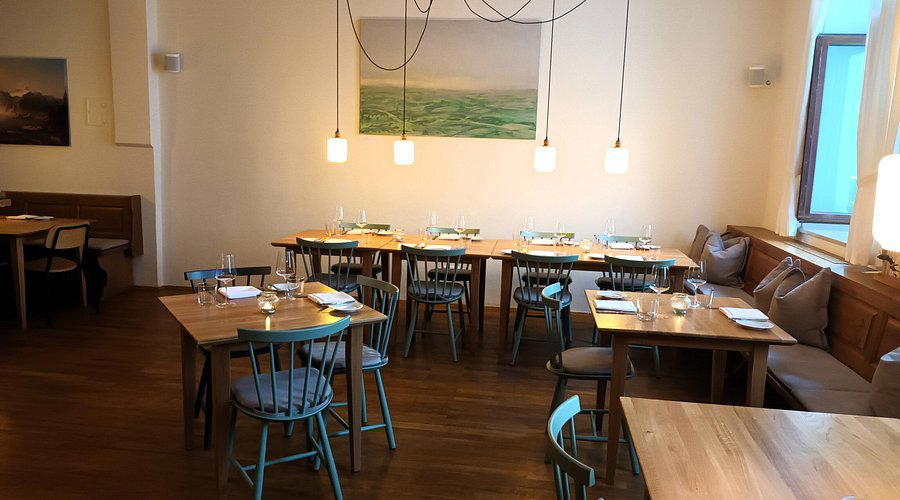
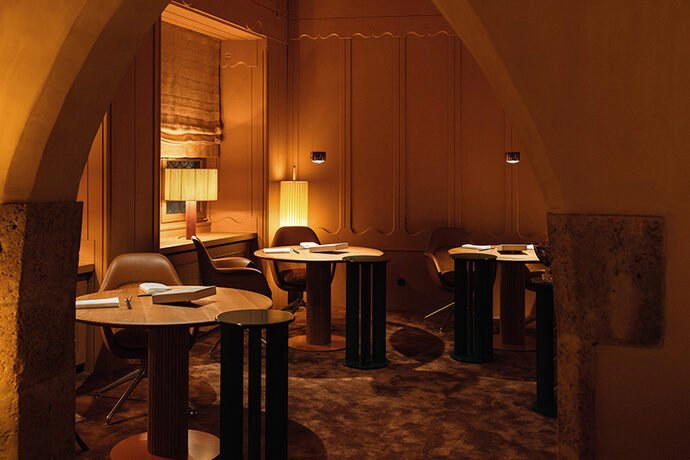
The name itself is instructive: miyabi is a classical Japanese concept rooted in elegance and restraint, the opposite of high-energy, high-volume dining. Grünwald as a setting reinforces this — it is a residential enclave rather than a night-out destination, which shapes the tone of venues along its restaurant corridor. Expect a composed, unhurried atmosphere rather than a buzzy urban room.
Is MIYABI Restaurant easy to reach from central Munich without a car?
Grünwald is served by the S3 S-Bahn line, which connects to the village in under twenty minutes from Marienplatz, making MIYABI Restaurant at Südliche Münchner Str. 68 accessible without a car. That transit link puts it within straightforward reach for Munich-based visitors looking for a restaurant outside the city centre without committing to a long journey.
What's the best thing to order at MIYABI Restaurant?
In a Japanese-inflected venue operating in landlocked southern Bavaria, the kitchen's sourcing logic matters more than any fixed recommendation. Dishes built around locally available proteins and produce from the Alpine region tend to reflect what this kind of cooking does most convincingly outside Japan. Order around what the kitchen emphasises on the day rather than arriving with a specific dish in mind.
At-a-Glance Comparison
Comparable venues nearby, for context on price, style, and recognition.
| Venue | Cuisine | Price | Awards | Notes |
|---|---|---|---|---|
| MIYABI RestaurantThis venue (the venue you are viewing) | Japanese Sushi | Not listed | Not listed | Not listed |
| Chang | Asian Fusion with Sushi and Curries | Not listed | Michelin Plate | Grünwald |
| Forsthaus Wörnbrunn | Traditional German Forest Lodge Cuisine | Not listed | Not listed | Grünwald |
| Alter Wirt | Organic Bavarian | $30–50 | Michelin Plate | Grünwald |
| Japan Sushi Gourmet | Authentic Japanese Sushi | $10–20 | Not listed | Neuhausen |
| Shoya Izakaya | Authentic Japanese Izakaya | $50–100 | Not listed | Lehel |
Continue exploring
More in Grünwald
Restaurants in Grünwald
All restaurants in Grünwald →
Details
- Elegant
- Cozy
- Date Night
- A La Carte
- Vegetarian Friendly
- Vegan Options
Current opening hours
- Monday
- Closed
- Tuesday
- 11:30 AM–2:30 PM, 5:30–11 PM
- Wednesday
- 11:30 AM–2:30 PM, 5:30–11 PM
- Thursday
- 11:30 AM–2:30 PM, 5:30–11 PM
- Friday
- 11:30 AM–2:30 PM, 5:30–11 PM
- Saturday
- 5:30–11 PM
- Sunday
- 12–3 PM, 5–10:30 PM
Hours can change for holidays and private events. Last verified .
Nice mood with moderate noise and comfortable setting.