Tabelog 100 #5
Our verdict
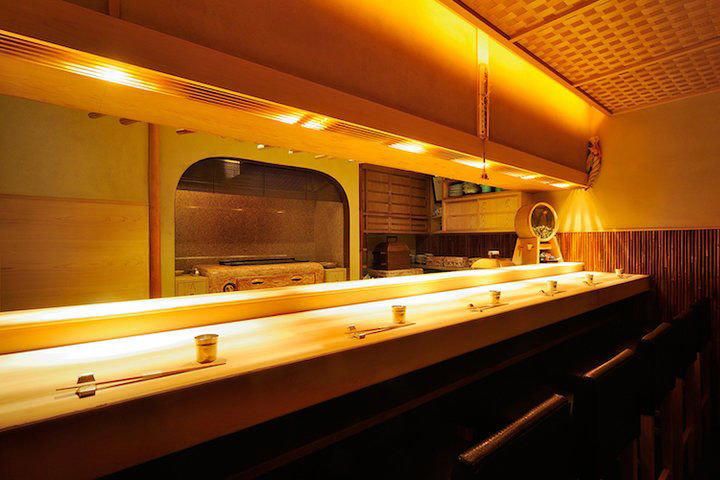
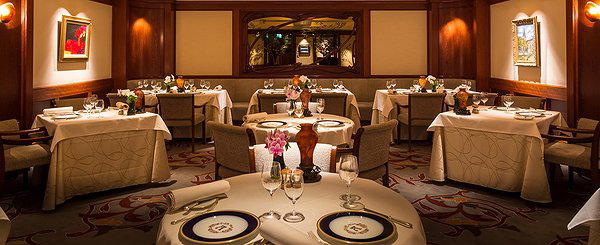
FORNO sits in Nishiazabu’s after-dark dining belt, where polished steak rooms, Italian-leaning counters, and wine-led restaurants compete for a local audience that already knows the difference between theatre and heat control. Its Tabelog 100 Steak / Teppanyaki EAST 2025 selection places it in a serious peer group, with an intimate charcoal-grill format rather than a hotel-grill posture.

Pearl is the En Primeur Club membership app, where members save venues, book tables and use the concierge.
The menu
What to order
- Wood-fired Tottori Kuroge Wagyu Chateaubriand
- Wood-fired Tottori Kuroge Wagyu Fillet
- Wood-fired Tottori Kuroge Wagyu Shintama
- Wood-fired Tottori Kuroge Wagyu Rump
- Tottori beef T-bone steak (1kg bone-in)
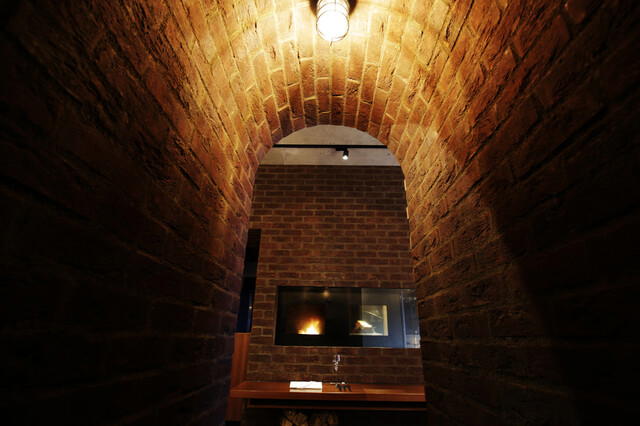
The approach to a Tokyo dinner can change the temperature of the evening. The city’s glare thins out, the evening settles, and destination dining rooms start to matter more than frontage. In that setting, steak, wine, and small-scale discretion can become a distinct language: less about spectacle than control, pacing, and the confidence to let the meal unfold with focus.
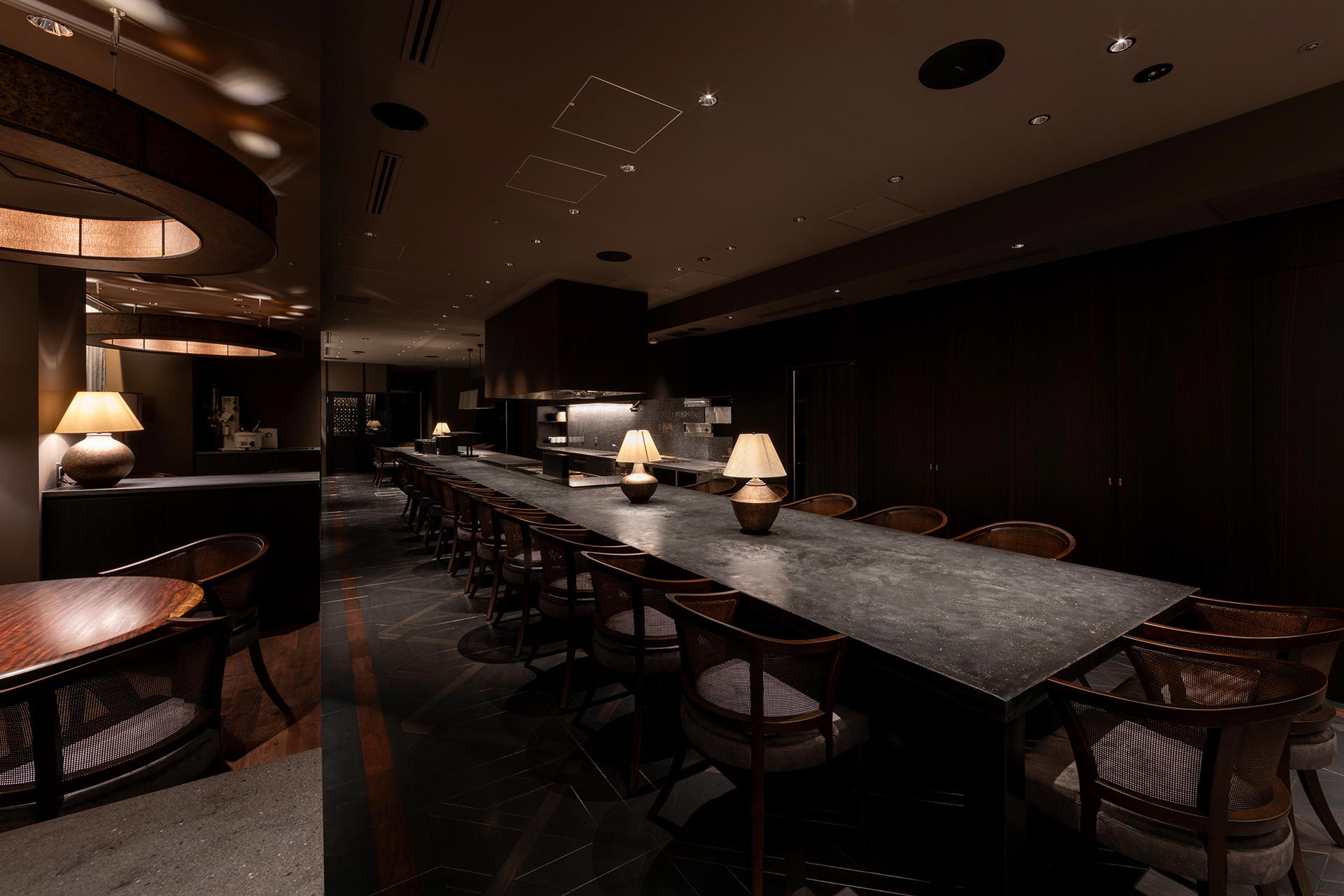
FORNO belongs to that Tokyo register. The category reads steak, Italian, and wine bar, but the useful way to understand the room is as part of Tokyo’s premium grill-and-wine culture, where the meal is shaped by heat, bottles, and the pace of a serious dinner. That matters in a city where steak can mean many different formats, from formal dining to quicker, more casual interpretations.
Tokyo's grill rooms trade spectacle for control
Tokyo has never lacked expensive beef, but one of the more interesting positions sits between formal dining rooms and classic performance-led formats: restaurants using grill-focused cooking while borrowing the pacing and bottle culture associated with Italian restaurants. This is where FORNO’s positioning becomes clear. Tabelog’s Hyakumeiten recognition for 2025, with a listed score of 3.60 and dinner pricing in the JPY 20,000 - JPY 29,999 band, gives the restaurant an external signal in a crowded field of premium beef, careful service, and repeat local custom.
The Tokyo setting sharpens the point. This is not a casual steak stop built only for passing traffic. The city rewards destination dining, planned reservations, and rooms that can carry a full evening rather than a quick protein stop. Towa and Tokuyama offer useful points of comparison within Tokyo’s higher-end dining landscape. EUREKA! and KIBUN point to Tokyo’s broader appetite for contemporary formats, but FORNO’s place is more specific: steak with Italian and wine-bar grammar, aimed at diners who want heat, richness, and bottle choice without the formal choreography of a grand dining room.
That makes the room useful for reading how Tokyo absorbs Western grill traditions. Italian influence in the city often appears through pasta, trattoria codes, or regional tasting menus. Here, the Italian signal functions differently, as a frame for wine, timing, and a less rigid steak sequence. The result sits apart from more ceremonial dining formats and from performance-led counter rhythms. It belongs to the small group of restaurants where the grill-and-wine structure is the argument.
Wine-bar pacing changes the steak dinner
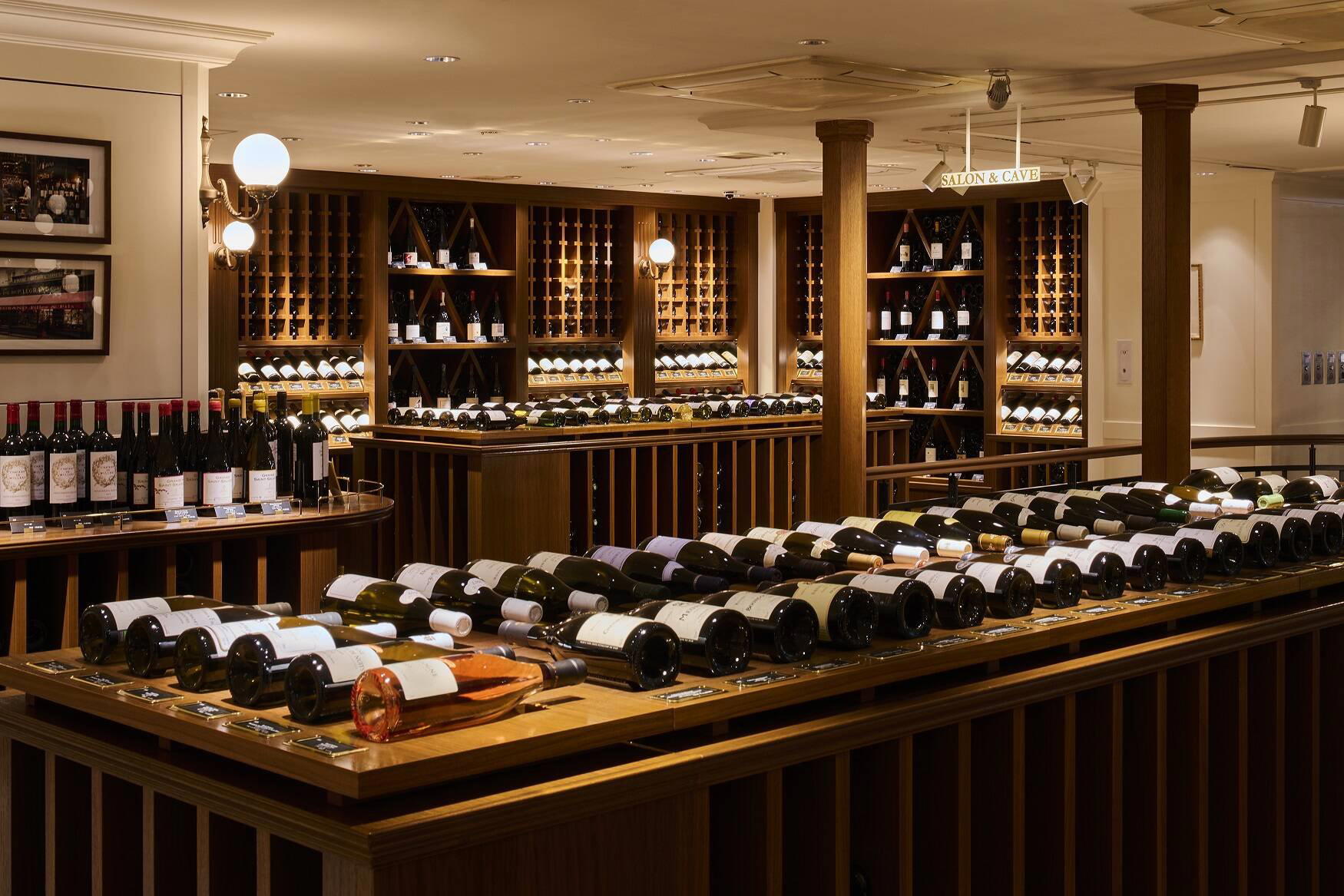
The wine-bar element should not be treated as decoration. In Tokyo’s premium steak tier, drinks can separate a heavy meal from a coherent one. A wine-led grill room slows the evening down: smaller decisions around glassware, courses, and shared plates become part of the format. FORNO’s published category pairing of steak, Italian, and wine bar points to that hybrid rather than a single-cuisine identity.
The restaurant’s format also changes the social contract. A Tokyo grill room puts the cooking within the evening’s field of attention, while the wine-bar side keeps it from becoming only a steak pilgrimage. The proposition is less about spectacle than about scale, timing, and the relationship between heat and bottle. For diners comparing it with sushi counters or other high-spend rooms at the same spend level, the appeal is less ceremony and more precision.
There is a practical editorial distinction here. Tokyo’s high-end steak conversation often gets flattened into wagyu worship, but the better question is format. Does the meal prioritize beef lineage, chef interaction, wine, or the theatre of a cooking surface? FORNO’s evidence points to a steak-and-wine answer. That is why it reads differently from Towa or from broader contemporary dining at KIBUN. The category overlap is real, but the evening logic is not the same.
How to place it within a Tokyo dining itinerary
FORNO makes the most sense as a Tokyo dinner rather than a citywide sightseeing add-on. The city suits guests already building an evening around reservations, where restaurants often rely on intent rather than footfall. In a multi-night Tokyo plan, it pairs well against a sushi counter, a kappo meal, or a more casual yakitori night because it shows another side of the city’s premium dining culture: steak, wine, and a room focused enough for the format to define the tempo.
For a broader Tokyo map, compare the decision with other formats rather than chasing a generic restaurant hierarchy. Other Tokyo dining rooms can give a counter-service lens, pull the night toward a busier mood, or put grilled cooking beside seafood in a more casual frame. For casual contrast, unnamed cafes and curry shops show how far Tokyo’s dining spectrum stretches below the premium dinner tier.
Travellers extending the lens beyond this one room should use the full Tokyo restaurants guide for restaurant planning, then cross-check the city’s drinking and stay patterns through broader Tokyo bar, hotel, winery, and experience guides. Outside Tokyo, the comparison becomes regional rather than tactical: other Japanese dining rooms may frame beef through sukiyaki, curry, cafe culture, or casual drinking formats, while overseas Japanese food counters make the diaspora contrast explicit.
The verdict is simple enough: this is a serious Tokyo choice for diners who want steak culture filtered through wine-bar pacing rather than ceremony for its own sake. The Tabelog Hyakumeiten 2025 recognition supplies the external credential; the city supplies the context. Go for an adult dinner built around steak, bottles, and Tokyo’s habit of making imported formats feel precise rather than ornamental.
Frequently asked questions
What does dinner at FORNO typically cost?
Pricing at FORNO is listed as JPY 20,000 - JPY 29,999.
What days is FORNO closed?
Published closing-day details are not provided here; check directly with FORNO before visiting.
Where is FORNO in Tokyo?
Tokyo.
What do critics highlight about FORNO?
Critics point to FORNO’s 2025 Tabelog Hyakumeiten recognition, its listed score of 3.60, and its published categories of steak, Italian, and wine bar.
Can FORNO handle vegetarian requests?
FORNO is listed under steak, Italian, and wine bar in Tokyo, so vegetarian diners should ask in advance before a visit.
Recognition Snapshot
Comparable venues to anchor price and recognition.
| Venue | Cuisine | Price | Awards | Notes |
|---|---|---|---|---|
| FORNOThis venue (the venue you are viewing) | Wood-fired Wagyu Steakhouse with Italian Influence | $150–200 | Tabelog 100 #5 | Not listed |
| Shunsai Steak Dokoro Raimuraito | Japanese-Style Steakhouse / Bistro | $30–50 | Tabelog 100 #26 | Chiyoda |
| Wakanui Grill Dining Bar Tokyo | New Zealand Steakhouse | Not listed | Tabelog 100 #68 | Minato |
| Wolfgang's Steakhouse Signature Tokyo | Classic New York Steakhouse | $200–300 | Star Wine List · Wine Spectator Best of Award of Excellence | Minato |
| PENTHOUSE GINZA hanare: | Steakhouse / Teppanyaki | $150–200 | Tabelog 100 #52 | Chūō |
| Empire Steak House | New York-Style Steakhouse | $150–200 | Star Wine List · Tabelog 100 #43 | Minato |
Recognition history
Dated appearances from independent guides and award organizations, with the underlying list record or original source where available.
Tabelog 100 #5 · No. 5
Tabelog · Tabelog 100 - Steak / Teppanyaki - EAST - 2025