← Guides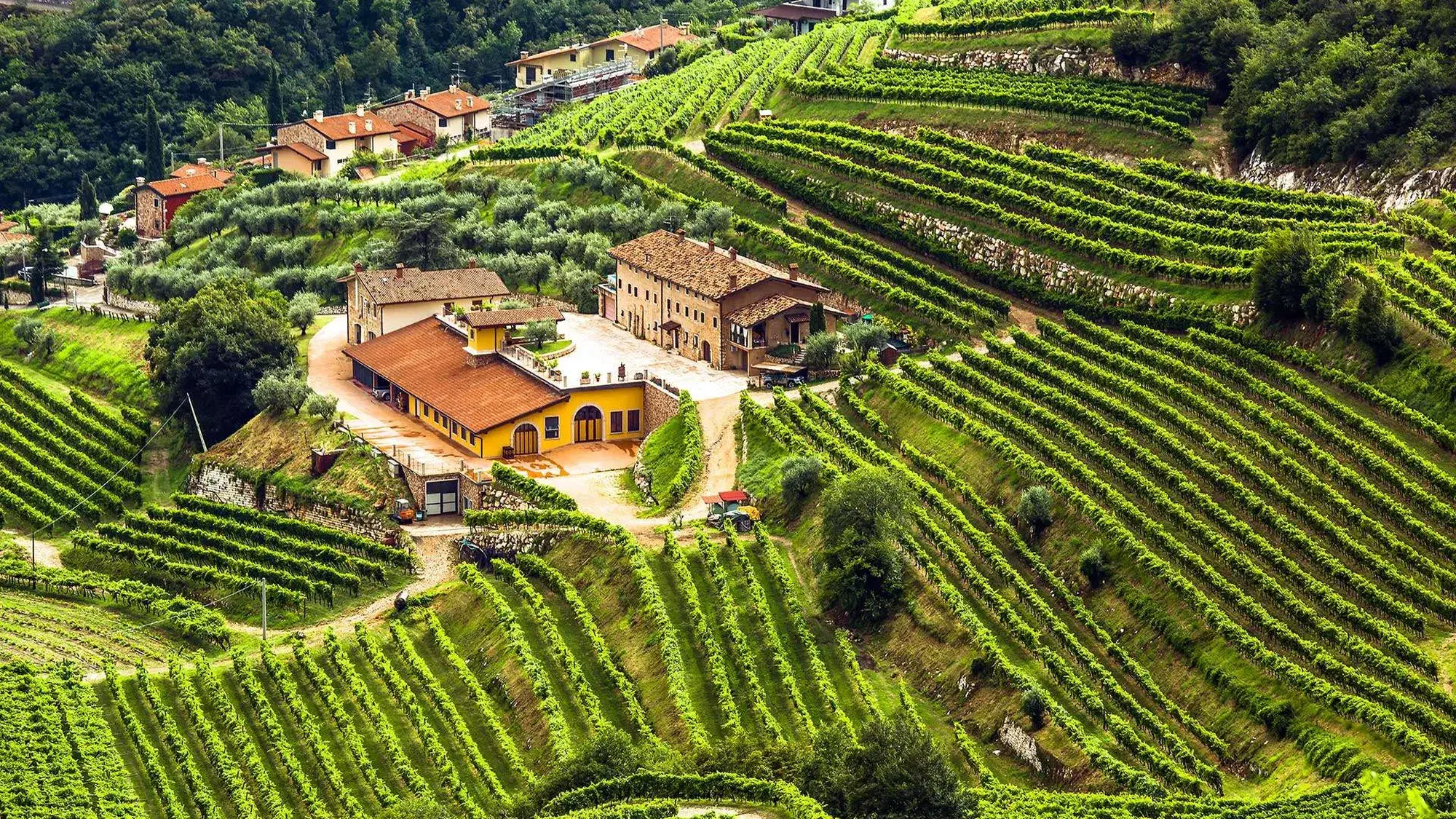
How to access Quintarelli and Dal Forno Romano in 2026, and which Valpolicella producers to book if the cellar doors stay closed.
How to access Quintarelli and Dal Forno Romano in 2026, and which Valpolicella producers to book if the cellar doors stay closed.
Giuseppe Quintarelli1 in Negrar and Dal Forno Romano above Illasi are the two Valpolicella wine producers collectors most want to visit in 2026, and the practical answer is simple: do not plan on access without a trusted introduction. Visits to both estates are effectively closed to walk-in or cold-contact requests. Neither estate operates a public tasting room or lists on any booking platform. For most collectors, the realistic route is through a trusted Italian wine merchant with an existing relationship, and even then, patience is measured in years, not weeks.
Quintarelli and Dal Forno did not scale to meet demand. Giuseppe Quintarelli, who died in 2012, leaving the estate to his daughter Fiorenza and her family, farmed a small holding in the Negrar valley and never expanded to chase volume. Dal Forno Romano, run by Romano Dal Forno and increasingly by his sons Michele, Luca, and Marco, works a similarly compact estate above Illasi, east of the classic Valpolicella zone. Dal Forno's combined annual production across all three wines runs to roughly 5,000 cases,2 a figure that makes every visit request compete with little wine. Quintarelli wines are always small in allocation, high in demand, and difficult to find even for devoted wine lovers.3
For you, the useful conclusion is blunt: start with bottles, not a visit request. The waiting list for allocations stretches years at the merchant level, let alone at the cellar door. Dal Forno's Amarone is aged 24 months in new barriques, then a further 36 months in bottle before release,4 a five-year minimum from harvest to market, arriving in small tranches that disappear within days at specialist retailers. Quintarelli's wines, including the Alzero, a Cabernet Franc-based cuvée that sits outside the Amarone appellation entirely, are similarly rationed. Quintarelli releases wines only when they are ready, never before.5 When bottles are this scarce, the family has no commercial incentive to host strangers; every hour spent on a tasting is an hour away from the vineyard.
The crowd competing for the same access is not casual tourists. It is importers, long-standing restaurant accounts, and collectors who have been buying for a decade. Quintarelli's importers were not taken on until they had tasted with Giuseppe personally and been seen to appreciate the wines,6 a standard that filtered the trade relationship from the start, and that the family has maintained since.
Do not anchor flights around an assumed appointment. For Dal Forno specifically, there is no announcement calendar, no planned release date, and no market strategy communicated publicly.7 Confirming any specific timing directly with each estate before planning travel is essential.
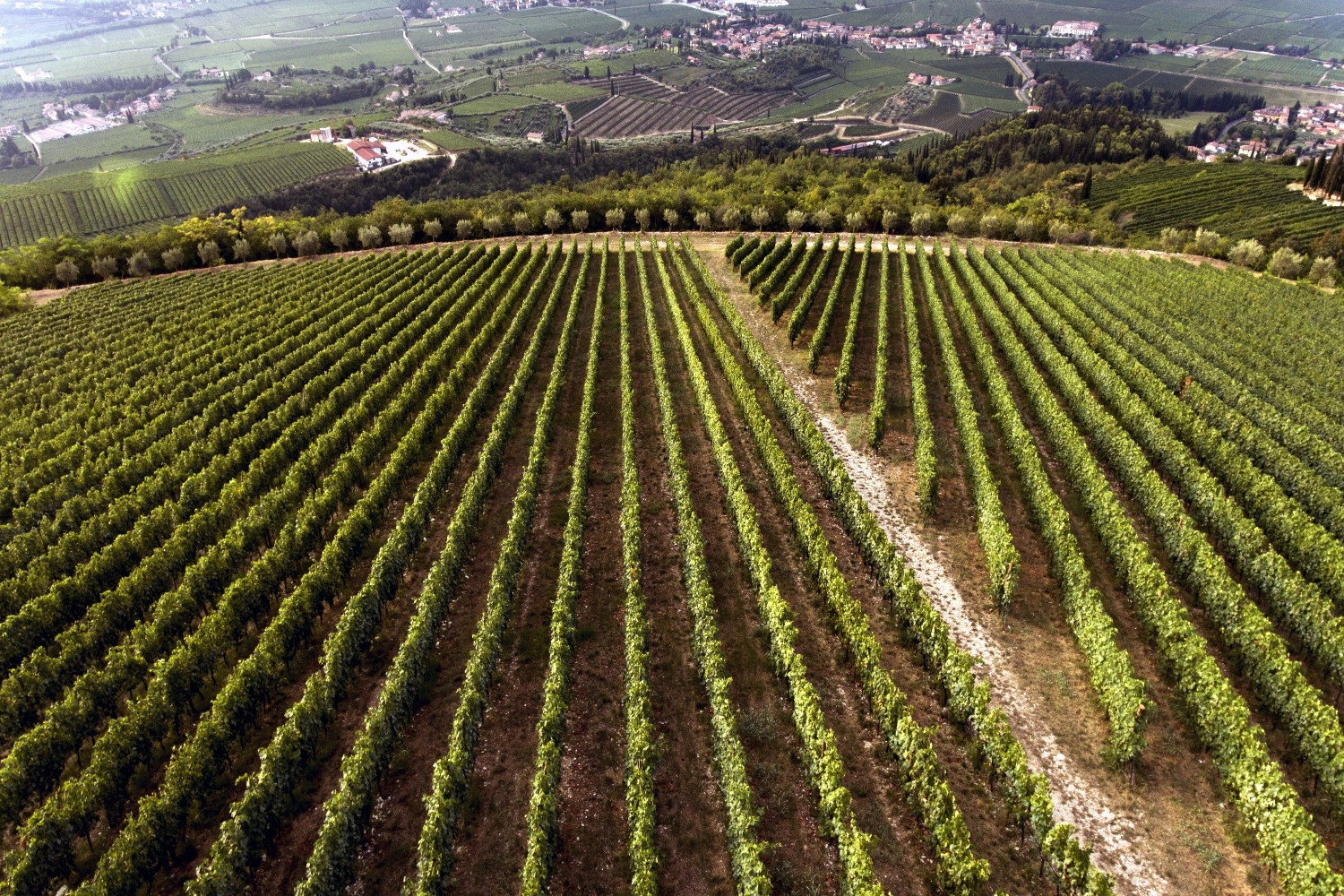
What can be said from the pattern of how Italian family estates of this type operate: harvest, late September through November in Valpolicella, with the appassimento drying period running into December, is the worst possible time to request access. The family is working. Spring, April and May, is historically when small Italian producers are more receptive to merchant-arranged visits, after the bottling season and before the summer heat. Treat it as a guide rather than a guarantee. Do not plan a trip to Negrar or Illasi around an assumed spring window without a confirmed appointment in hand.
For allocations specifically: Dal Forno's releases reach the UK and US markets through a small number of specialist importers. In the UK, Berry Bros. & Rudd and Armit Wines have historically carried Dal Forno; in the US, Wilson Daniels handles the import. Quintarelli's UK importer has historically been Enotria&Coe. Contacting these importers directly, and asking to be placed on a notification list, is one reliable route to bottles, and occasionally to a producer visit arranged through the trade relationship.
There is no Resy page. There is no mailing list signup. There is no en primeur offer on a merchant's website with a "join the allocation" button. The access surface for both estates is relationship-driven, so begin with the channel where you already have credibility.
1. Through your specialist importer or merchant. If you have a long-standing account with a merchant who carries either wine, ask them directly whether they can facilitate a visit. This works occasionally, not reliably, but occasionally. To obtain Quintarelli wines through the US importer Robert Chadderdon, a retailer had to take a selection across the portfolio just to secure a few cases,8 so the merchant's relationship with the estate is the asset you are drawing on.
2. Through a specialist Italian wine tour operator. A small number of operators, Cellar Tours and similar, have built trade-adjacent relationships with Valpolicella producers. They will not guarantee Quintarelli or Dal Forno, and any operator who does guarantee it should be treated with scepticism. But they can sometimes arrange access that a cold email cannot.
3. Direct contact, in Italian, by letter or phone. This is a long shot, but it is not zero. Quintarelli insisted on tasting his wines with potential importers before striking any deals,9 a reminder that the estate responds to human connection, not commercial requests. A handwritten letter in Italian, addressed to Fiorenza Quintarelli or to Romano Dal Forno personally, explaining who you are and why you want to visit, not what you want to buy, has a better chance than an email.
4. Secondary market and auction. For bottles rather than visits: Christie's, Sotheby's Wine, and Acker Merrall & Condit regularly carry both producers at auction. Quintarelli Amarone Riserva Classico averages $969 per bottle across 61 lots sold at auction,10 so the secondary market is reliable, if not inexpensive.
Build the merchant relationship first. If you are not already a regular buyer of Quintarelli or Dal Forno through a specialist retailer, start there. Buy the more accessible wines, around €64 a bottle at Superiore.de,5 or around €99 a bottle at Superiore.de,7 before asking for the Amarone allocation or the visit. Estates notice when a buyer has been consistent over years; they notice when someone appears only when the flagship is available.
Time your request for late winter or early spring, after the harvest and appassimento cycle has closed. Frame any visit request around the estate's work, the drying lofts, the blend decisions, the vineyard, rather than around tasting finished wine. These are producers who care about the process; showing that you understand it changes the register of the conversation.
If you are travelling to Valpolicella regardless, build the trip around producers who do welcome visitors, Allegrini, Masi, Tedeschi, and treat any Quintarelli or Dal Forno access as a bonus rather than the anchor.
| Producer | Visit Difficulty | Allocation Access | How to Book | Public Tasting Room |
|---|---|---|---|---|
| Giuseppe Quintarelli | high, invitation/relationship only | Through specialist importers (e.g. Enotria&Coe UK) | Direct letter/phone; merchant introduction | No |
| Dal Forno Romano | high, invitation/relationship only | Through importers (Wilson Daniels US; Armit/Berry Bros UK) | Direct letter/phone; merchant introduction | No |
| Allegrini | Low, public visits available | Widely distributed | Direct via estate website | Yes |
| Masi Agricola | Low, public visits and wine tourism centre | Widely distributed | Direct via estate website | Yes |
| Tedeschi | Low to moderate, visits by appointment | Available through specialist merchants | Direct email to estate | By appointment |
Allegrini, Fumane. The La Grola and Amarone della Valpolicella Classico from Allegrini sit in a different register from Quintarelli, more polished, more immediately accessible, but the estate welcomes visitors and the wines are serious. The La Poja, a single-vineyard Corvina, is worth the detour on its own.
Masi Agricola, Sant'Ambrogio di Valpolicella. Masi's Costasera Amarone and the Campolongo di Torbe single-vineyard bottling offer a window into the appellation's range. The estate runs a proper visitor centre and is especially logistically manageable entry point into Valpolicella wine tourism.
Tedeschi, Pedemonte. A family estate with genuine depth, the Capitel Monte Olmi Amarone is a consistent benchmark, and a willingness to receive visitors by appointment that Quintarelli and Dal Forno do not share. The Tedeschi family has been farming in Valpolicella since 1630; the conversation in the cellar reflects that continuity.
Bertani, Grezzana. For collectors interested in aged Amarone, Bertani's library releases offer something genuinely rare: the chance to taste Amarone with two or three decades of bottle age at the cellar door. Confirm availability directly with Bertani before visiting. Visits are by appointment.
Accounts from those who have visited Quintarelli in Negrar describe a working farmhouse rather than a showroom, the kind of place where the winemaking equipment shares space with the family's daily life. The drying lofts above the cellar, where Corvina, Rondinella, and Molinara grapes are laid on bamboo racks through the autumn appassimento, are the visual centrepiece of any visit. At Dal Forno, Amarone grapes are dried for three full months,4 with the grapes losing a substantial share of their weight over that period. Seeing that concentration in person reframes every bottle you've opened before.
Dal Forno's estate above Illasi is more architecturally deliberate. Romano built a purpose-designed winery with a gravity-fed cellar and temperature-controlled drying rooms that allow him to push the appassimento further than most producers would attempt. The wines that result, dense, extracted, aged 24 months in new barriques then 36 months in bottle,4 reflect that precision. A visit, when it happens, tends to be a conversation with Romano or one of his sons rather than a formal tasting; the format is whatever the family decides on the day.
In both cases, the experience is not a curated wine tourism product. It is an invitation into a working farm. The wines you taste will likely be poured from bottles already open, not from a tasting flight. You will not be handed a tasting sheet. What you get, if the visit goes well, is an hour or two of direct access to how these wines are made, which is worth more than any structured tasting.
The crowd in the room, on the rare occasions there is one, is trade: importers, sommeliers, the occasional long-standing private buyer. You will not share the cellar with a tour group. The intimacy comes from the same scarcity that makes access so difficult in the first place.
If you are a collector who already buys Amarone seriously and has a merchant relationship in place, the effort of pursuing a Quintarelli or Dal Forno visit is proportionate to the reward. These are two of the handful of Italian estates where the cellar visit genuinely changes how you understand the wine, not because the hospitality is polished, but because the process is so visible and so unusual.
If you are planning a first trip to Valpolicella and want a reliable, enriching experience, build the itinerary around Allegrini, Masi, and Tedeschi, and treat Quintarelli and Dal Forno as aspirational additions. A trip anchored on two closed doors is a trip that will spend most of its time in a car park in Negrar.
The seasonal logic is clear enough for planning: spring visits, April and May, are one realistic window, after the harvest cycle closes and before summer. Harvest itself, September through December, is when both estates are least likely to receive anyone. Plan accordingly, but confirm before you book flights.
Yes, but only if you have already done the groundwork. A cold approach to either estate in 2026 will almost certainly go unanswered; Quintarelli has no website or social media pages1 through which to even begin the conversation. The allocation list for Dal Forno's Amarone and Quintarelli's grand vin is the only route that reliably works, and that list is built through years of buying, not through a single well-worded email.
For most collectors, the practical path is this: establish a relationship with a specialist importer who carries one or both estates, buy consistently across the range including the more accessible cuvées, and ask, once you have that relationship, whether a visit can be arranged. It may take two or three years. It may never happen. But arriving in Negrar without an introduction and hoping for the stronger is not a strategy.
The wines themselves justify the patience. Even Quintarelli's Valpolicella Classico Superiore consistently fetches over €100 at iDealwine auctions,1 a measure of how the market values the estate's entire range, not just the Amarone. Dal Forno's Amarone, with its barrique-driven intensity and near-impossible concentration, rewards a decade in the cellar. The visit, if it comes, will not disappoint. The waiting, which is the real experience, is where most of the story happens, and where you learn whether you are serious enough to deserve the door opening at all.
In practice, no. Quintarelli does not operate a public tasting room or list on any booking platform. The estate receives visitors by invitation, typically arranged through a specialist importer or merchant with an existing relationship. A direct approach, by phone or letter, in Italian, is worth attempting, but the realistic expectation is no response. Confirm any visit directly with the estate before planning travel around it.
Dal Forno's wines reach the UK through importers including Berry Bros. & Rudd and Armit Wines, and the US through Wilson Daniels. Contacting these importers directly and asking to be placed on a notification list is one reliable route. Allocation is limited and demand consistently exceeds supply; expect to wait.
Neither estate publishes a visit calendar. Based on the rhythm of Valpolicella's harvest and appassimento cycle, which runs from late September through December, spring (April and May) is generally when family estates are more receptive to outside visits. The estates publish no such policy, so treat this as a guide rather than a guarantee. Always confirm directly with the estate before booking travel.
The secondary market is one reliable route when merchant allocations are exhausted. Christie's Wine, Sotheby's Wine, and Acker Merrall & Condit regularly carry both producers at auction. Specialist retailers with library stock, including Hedonism Wines in London, occasionally list older vintages. Prices on the secondary market reflect the scarcity; expect to pay a significant premium over original release price.
Yes. Allegrini in Fumane, Masi Agricola in Sant'Ambrogio di Valpolicella, and Tedeschi in Pedemonte all welcome visitors, Allegrini and Masi with public facilities, Tedeschi by appointment. For aged Amarone specifically, Bertani in Grezzana holds library vintages going back decades and receives visitors by appointment. None of these replicate the Quintarelli or Dal Forno experience exactly, but all offer serious wine and genuine cellar access.
Get the App
Take the shortlist into the En Primeur Club app for concierge access, saved places, and the next step after discovery.
Get Exclusive AccessMore from the editors