
Michelin Plate
Our verdict
A Michelin Plate-recognised street food address in Macau's Novos Aterros district, Fong Kei holds back-to-back recognition from the 2024 and 2025 Michelin guides. It operates at the single-dollar price tier, placing it among the most accessible Michelin-noted addresses in a city that also runs three-star French restaurants. The kitchen focuses on Macanese and Cantonese street food traditions that have shaped the territory's food culture for generations.

Pearl is the En Primeur Club membership app, where members save venues, book tables and use the concierge.
The menu
What to order
- Almond cookies
- Pork biscuits
- Wife cakes
- Egg rolls
Street Food With a Paper Trail: Michelin's Macau at Ground Level
Macau's food identity has always been split across registers. At one end sit the casino-floor dining rooms and formal Cantonese banquet halls; at the other, a network of narrow-frontage shops and open kitchens where the real day-to-day eating happens. The Michelin Guide has, over the past decade, made a point of recognising both tiers in the same breath. Fong Kei sits firmly at street level, on Rua de Cantão in the Novos Aterros district, and holds a Michelin Plate in both the 2024 and 2025 editions. That back-to-back recognition is not a footnote. It signals a kitchen operating with consistency that competes on merit, not atmosphere or price positioning.
Across the Chinese mainland and its special administrative regions, the Michelin Plate designation marks kitchens whose cooking quality cleared the guide's threshold without reaching starred territory. In a city where our full Macau restaurants guide spans everything from Robuchon au Dôme's three-star French repertoire to single-dollar congee stalls, the Plate category does meaningful editorial work: it tells the reader that Michelin's inspectors ate here more than once and kept returning a positive verdict. For Fong Kei, that verdict has now been consistent across two consecutive annual cycles.
The Ecology of Macau Street Food
Macanese street food is one of the more layered traditions in the wider Pearl River Delta eating culture. The Portuguese colonial period left behind piri piri, bacalhau preparations, and egg custard pastry techniques that have since been absorbed into the local idiom at varying depths. Cantonese habits, meanwhile, supply the structural grammar: rice rolls, congee, roasted meats, and dim sum formats that read as both Guangdong-facing and distinctly local. The city that produced Lord Stow's Bakery and built a reputation for pastel de nata has also maintained a parallel street-food circuit largely invisible to visitors spending their hours between the Venetian and the Lisboa.
Fong Kei operates inside that parallel circuit. The Novos Aterros neighbourhood, built on reclaimed land north of the peninsula's historic core, has a density of local eating addresses that functions as a working residential food corridor rather than a tourist dining strip. Other Michelin-noted street food houses operating in related traditions include Lun Kee Rice Roll and Mok Yee Kei, which between them sketch out the range of what Macau's daytime and informal eating culture looks like. Fong Kei's price tier, marked at the single-dollar level, places it within reach without any advance financial planning.
Sustainability Through Simplicity: What Street Food Economies Actually Do
There is a broader argument worth making here, one that the sustainability framing of high-end dining sometimes obscures. The zero-waste kitchen, the seasonal tasting menu built around hyper-local sourcing, these are, at scale, a premium-market response to problems that traditional street food economies solved structurally, without branding. A small-format kitchen turning over a focused menu of two or three core preparations, operating with minimal refrigeration overhead, sourcing from nearby wholesale markets, and producing close to zero surplus because portion count is tight and turnover is high: that is the actual operational model of addresses like Fong Kei. The sustainability is structural, not performative.
This matters in a Macau context because the city's dining conversation tends to default to its starred tier, where sustainability credentials are announced through chef's notes and sourcing statements. The street food circuit, which forms the majority of what residents actually eat day to day, achieves analogous outcomes through market-driven frugality rather than conscious positioning. Comparing Fong Kei's operational model to, say, the Michelin-starred street food addresses in Singapore, such as Hill Street Tai Hwa Pork Noodle or 545 Whampoa Prawn Noodles, reveals a consistent pattern: these are operations that waste little because they can afford to waste little, and the discipline that produces shows directly on the plate.
Placing Fong Kei in the Macau Dining Tier Structure
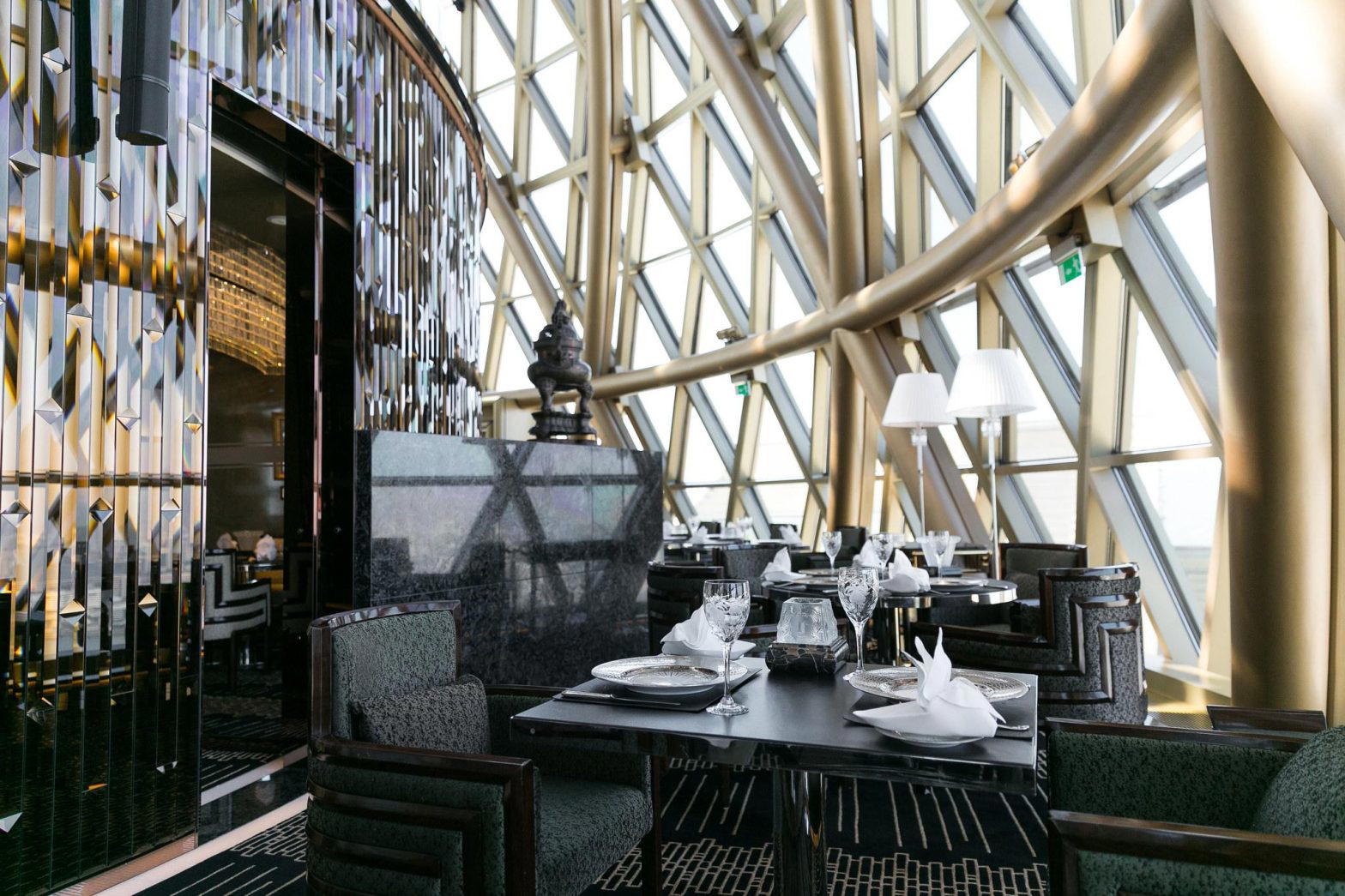
The gap between the single-dollar street food tier and the city's formal dining rooms is wider in Macau than almost anywhere in Greater China. Robuchon au Dôme operates at the four-dollar tier with three Michelin stars; Feng Wei Ju holds two stars at the two-dollar level; Lai Heen and Five Foot Road hold single stars at the three- and two-dollar tiers respectively. Fong Kei's Michelin Plate at one dollar occupies the extreme accessible end of that spectrum. It shares recognition with a handful of similar operations in the territory, including Ving Kei and Kika, which together form a loose peer cohort of small, affordable addresses carrying Michelin acknowledgment.
For visitors building a Macau eating itinerary that spans the full price range, this tier provides both practical grounding and critical context. The city's Michelin coverage across Greater China also includes formally structured restaurants, such as Imperial Treasure Fine Chinese Cuisine in Guangzhou and Xin Rong Ji in Beijing, where price and format sit at an entirely different altitude. Understanding where Fong Kei sits in that architecture makes the Plate recognition more legible: this is Michelin's acknowledgment that rigorous street food belongs in the same conversation as fine dining, even if the two never share a price bracket.
Timing, Access, and Practical Orientation
Fong Kei is located at Edificio I On on Rua de Cantão, in the Novos Aterros district. No reservation infrastructure is listed, which is consistent with the format: this is a walk-in operation where demand is managed through turnover rather than booking. Arriving early in the service window, particularly for morning and midday sittings, reduces waiting time at peak hours. The single-dollar price tier means cost is not a planning variable.
Macau's climate runs hot and humid from May through September; morning visits during this period are more comfortable than midday ones. The cooler months from November through February bring more manageable conditions for working through the street food corridor on foot. For visitors structuring a full day around the territory's eating geography, exploring our full Macau restaurants guide and cross-referencing with our full Macau experiences guide and our full Macau bars guide will help map a coherent route across the peninsula. Those extending their trip can consult our full Macau hotels guide for accommodation options at various price points.
Dining contexts worth bookmarking for regional comparison include Ru Yuan in Hangzhou, Xin Rong Ji in Chengdu, 102 House in Shanghai, and Dai Yuet Heen in Nanjing for a broader frame on how Chinese culinary traditions present across price tiers and formats in the region.
Frequently asked questions
Is Fong Kei more mid-range or high-end?
Pricing at Fong Kei is listed as $.
Does Fong Kei have a Michelin star or similar recognition?
Fong Kei has received recognition including: Michelin Plate (2025); Michelin Plate (2024).
What should I eat at Fong Kei?
Fong Kei operates as a Cantonese and Macanese street food kitchen, the category, not the menu, is what Michelin's 2024 and 2025 Plate recognition speaks to. At the dollar-tier price point, ordering broadly across the menu costs less than a single dish at most Macau dining rooms.
What's the address for Fong Kei?
Fong Kei is located at Edificio I On, 新口岸1樓38 R. de Cantão, Macao, Macau.
Should I book Fong Kei in advance?
No reservation infrastructure is listed for Fong Kei, which is consistent with the walk-in format that defines Macau's street food circuit. Arrive at Edificio I On on Rua de Cantão and queue if needed. The back-to-back Michelin Plate (2024, 2025) will draw a crowd, so off-peak timing is worth considering.
What makes Fong Kei worth seeking out?
Two consecutive Michelin Plate listings confirm a kitchen delivering consistent quality, not a single fortunate season. In a city where the gap between street-level eating and formal dining is wider than almost anywhere in Greater China, Fong Kei holds that recognition at the lowest price tier on the local scale. That combination, documented Michelin standing at a one-dollar price point, is rare anywhere in the Pearl River Delta.
Comparable Spots
| Venue | Cuisine | Price | Awards | Notes |
|---|---|---|---|---|
| Fong KeiThis venue (the venue you are viewing) | Traditional Macanese Bakery | $1–10 | Michelin Plate | Not listed |
| Aji | Asian Bistronomy (Nikkei Fusion) | $50–100 | 1 Michelin Star · Wine Spectator Best of Award of Excellence | Nikkei, Innovative |
| Ying | Modern Cantonese Fine Dining | Not listed | 1 Michelin Star · La Liste Top Restaurants | Cantonese |
| Five Foot Road | Modern Sichuan Fine Dining | Not listed | 1 Michelin Star · La Liste Top Restaurants | Sichuan |
| Robuchon au Dôme | Contemporary French Fine Dining | $150–200 | 3 Michelin Stars · La Liste Top Restaurants | French Contemporary |
| Feng Wei Ju | Refined Hunan & Sichuan Chinese | Not listed | 2 Michelin Stars · La Liste Top Restaurants | Hunan-Sichuan, Hunanese |
Recognition history
Dated appearances from independent guides and award organizations, with the underlying list record or original source where available.
Michelin Plate
Michelin
Full recognition history (2 entries)
Michelin Plate
Michelin
Continue exploring
More in Macau
Restaurants in Macau
All restaurants in Macau →
Bars in Macau
All bars in Macau →
Details
- Well Known
- Classic
- Rustic
- Casual Hangout
- Solo
- Family
- Historic Building
Current opening hours
- Monday
- 9:30 a.m.–4 a.m.
- Tuesday
- 9:30 a.m.–4 a.m.
- Wednesday
- 9:30 a.m.–4 a.m.
- Thursday
- 9:30 a.m.–4 a.m.
- Friday
- 9:30 a.m.–4 a.m.
- Saturday
- 9:30 a.m.–4 a.m.
- Sunday
- 9:30 a.m.–12 a.m.
Hours can change for holidays and private events. Hours as of .