
Tokyo’s burger scene has moved well beyond imported Americana, and folk burgers & beers belongs to the smaller group where the burger-bar format is treated with the same selectivity as ramen or curry. Its Tabelog Hamburger 100 selections in 2022, 2024, and 2026 place it in a competitive category rather than a novelty lane.
Pearl is the En Primeur Club membership app — saves, bookings, and concierge access live there. Same editors, same standards.
- Address
- 東京都千代田区神田神保町2-8-1 レフィール神保町1F
- Phone
- +81335113188
- Website
- tabelog.com
 Saves & bookings on Pearl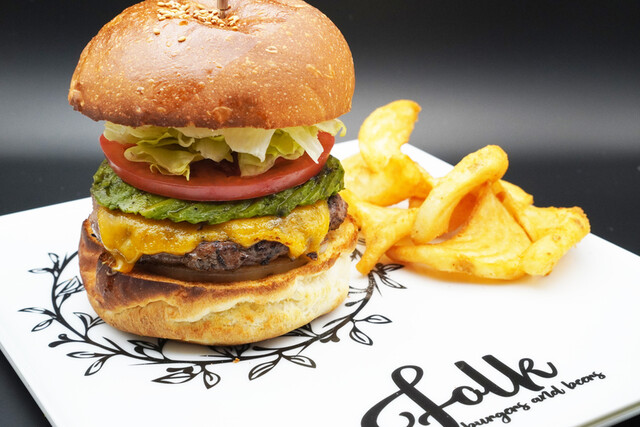
Jimbocho is a district of bookshops, university foot traffic, curry counters, old cafés, and compact restaurants that reward planning more than wandering. The burger bar fits that geography neatly: small room, direct menu logic, and a beer-pub vocabulary that makes sense in a neighbourhood built around lunch breaks, after-work detours, and repeat local trade. folk burgers & beers belongs to that Tokyo category where American comfort food has been translated into a local craft format, less about excess and more about control.
That distinction matters in Tokyo. Burgers here are not only late-night convenience food or hotel-room service; at the sharper end, they sit beside specialty coffee, curry, yakitori, and ramen as single-subject restaurants with narrow identities. The Tabelog Hamburger 100 selections in 2022, 2024, and 2026 put folk burgers & beers inside that specialist bracket, where consistency and category focus carry more weight than broad-menu ambition.
Jimbocho gives the burger bar a specialist audience
Tokyo’s strongest casual dining districts usually have a clear daytime engine. Jimbocho has students, publishers, office workers, second-hand-book hunters, and curry regulars, which creates demand for places that work at lunch without losing evening purpose. A hamburger, beer bar, and pub hybrid is not incidental here; it sits between a quick counter meal and a longer table with drinks, which is exactly the gap many central Tokyo neighbourhoods fill with small independent rooms.
The useful comparison is not with Tokyo’s luxury dining tier. It is with the city’s other narrow-format addresses: coffee shops that obsess over extraction, curry counters with fixed regulars, yakitori rooms built around pace, and sushi counters whose value lies in repetition rather than spectacle. In that frame, folk burgers & beers reads as a category specialist. The point is not that the city needed another burger; it is that Tokyo keeps absorbing foreign formats and turning them into disciplined, reservation-aware, neighbourhood-scaled dining.
For readers mapping a broader Tokyo itinerary, this is the kind of stop that pairs naturally with the city’s casual specialist circuit rather than its ceremonial dining one. Nearby or thematically adjacent planning can sit alongside 3 Chome no Curry Ya San, 2D Cafe, . 鮪と炭火焼き うお炭 秋葉原店, and 124. KAGURAZAKA (Yakitori), all of which point to how specific Tokyo dining can become when the format is tight.
The award signal is category-specific, not luxury-coded
Tabelog’s Hamburger 100 list is useful because it evaluates a field that travelers often under-read. Michelin stars and tasting menus dominate international planning, but Tokyo’s casual food culture is built on categories where depth is visible only when a diner compares many versions: tonkatsu, ramen, curry, coffee, pizza, and burgers. A repeated Hamburger 100 selection is therefore a meaningful signal, not a claim of fine-dining theatre.
That signal also helps separate the room from the broader pub category. Beer bars can drift into mood-first drinking rooms; burger shops can lean on volume; pubs can become catch-all menus. The stronger Tokyo examples keep the food identity legible. folk burgers & beers is listed as hamburger, beer bar, and pub, but the Hamburger 100 recognition fixes the editorial lens on the burger rather than the bar counter.
Compared with Tokyo venues in higher-spend lanes, such as Tori Aroma, KHAO, Sushi Yoshino, or ALTER EGO, the value proposition is different. Those names belong to more formal or cuisine-led dining decisions. This address is for a tighter question: where does a burger fit when Tokyo treats casual food with the same ranking culture and repeat-visit scrutiny as more expensive meals?
How to plan it without overbuilding the meal
The planning logic is simple: treat it as a small-format specialist restaurant, not a fallback between reservations. Compact Tokyo rooms can punish vague timing, especially when a place appears on a category list and serves both daytime and evening demand. The smarter move is to decide whether the meal is the main casual stop of the day or a controlled break between heavier bookings.
That matters because Tokyo dining itineraries often collapse under excess. A burger-and-beer room in Jimbocho should not be wedged between a long omakase and a late cocktail bar unless the day has been built for it. It works better as a lunch anchor before bookstores and galleries, or as a lower-key evening meal when the rest of the trip is dominated by counter dining. The category is casual; the planning should not be careless.
Travelers comparing styles across the city can use Our full Tokyo restaurants guide for the broader restaurant map, then branch into Our full Tokyo bars guide, Our full Tokyo hotels guide, Our full Tokyo wineries guide, and Our full Tokyo experiences guide when the day needs structure beyond a single meal. For a different Tokyo casual register, 12/10 Shinjuku ten pulls the itinerary west toward Shinjuku rather than Jimbocho.
Outside Tokyo, the same logic applies to category-led dining elsewhere in Japan: -Grilled beef Sukiyaki- KAMAKURA TANUKIAN 鎌倉 たぬき庵 in Kamakura.cafe in Osaka.know in Kumamoto, (Shoku) Vietnam in Kawasaki, [Curry Senmon Ten] Maruyama Kyoju. in Sapporo, and [ki:] in Kyoto each show how a narrow format can define a stop. For readers extending the idea across the Pacific, Jōdo Saké Bar in Los Angeles and Onigiri Time in Pasadena make the same point in a different market: casual formats become interesting when they are edited, not expanded.
The final read is practical rather than romantic. folk burgers & beers is a Tokyo burger address with repeated category recognition, a Jimbocho setting that suits the format, and a scale that rewards intention. Slot it into the trip as a specialist casual meal, and it makes more sense than treating it as a detour from the city’s serious dining conversation.
The Quick Read
Comparable venues to place this listing in its category.
| Venue | Cuisine | Price |
|---|---|---|
| folk burgers & beersThis venue — the venue you are viewing | Chiyoda, American Burger Bar | $$ |
| FIRE HOUSE | Bunkyō, American-style Gourmet Burgers | $$ |
| BROZERS' Take Out Ningyouchou ten | Chūō, Gourmet Burgers | $$ |
| CRISP SALAD WORKS | Minato, New York-Style Chopped Salads | $$ |
| shake tree burger&bar | Sumida, Gourmet American Burger Bar | $$ |
| SHOGUN BURGER Shinjuku ten | Shinjuku, Wagyu smash burgers & fries | $$ |
Recognition history
Dated appearances from independent guides and award organizations, with the underlying list record or original source where available.
Tabelog 100 #37 · No. 37
Tabelog · Tabelog 100 - Hamburger - 2026








At a Glance
- Cozy
- Trendy
- Modern
- Casual Hangout
- After Work
- Family
- Group Dining
- Solo
- Standalone
- Beer Program
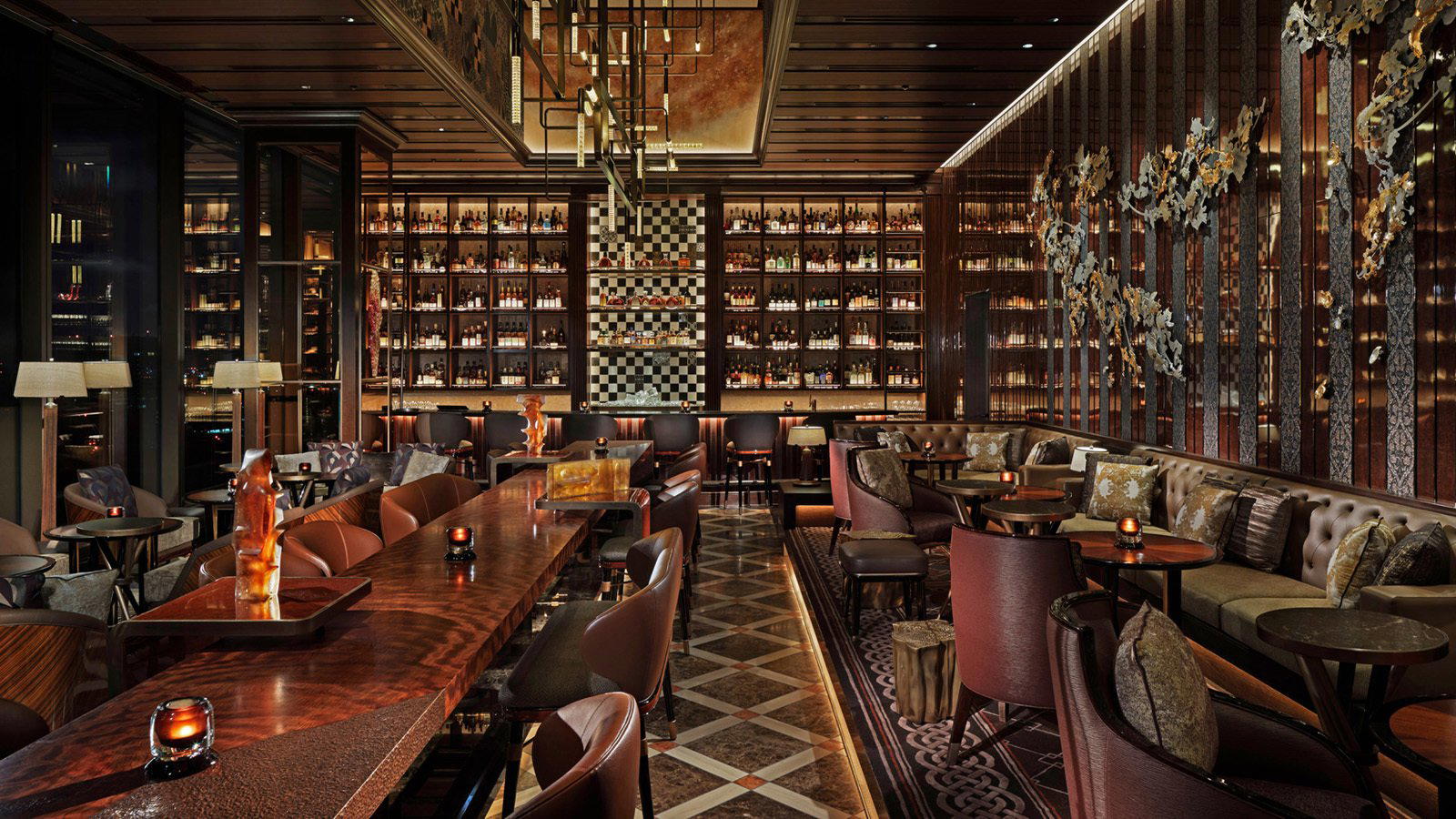
Warm, cozy, and relaxed, with a stylish small-space feel and friendly service.