Our verdict
FOC Barceloneta sits on Passeig de Joan de Borbó, where the Barceloneta waterfront has long concentrated the city's seafood dining. The address places it inside one of Barcelona's most competitive coastal corridors, where fire-forward cooking and Mediterranean produce define the register. For visitors working through the city's broader dining scene, it represents a distinct coastal counterpoint to the tasting-menu formats that dominate Barcelona's Michelin tier.

Pearl is the En Primeur Club membership app — saves, bookings, and concierge access live there. Same editors, same standards.
- Address
- Pg. de Joan de Borbó, 66, Ciutat Vella, 08003 Barcelona, Spain
- Phone
- +34932241153
- Hours
- Daily 11 AM–2 AM
- Website
- focbcn.com
- Directions
- Get directions
- Booking
- Book on the venue's website
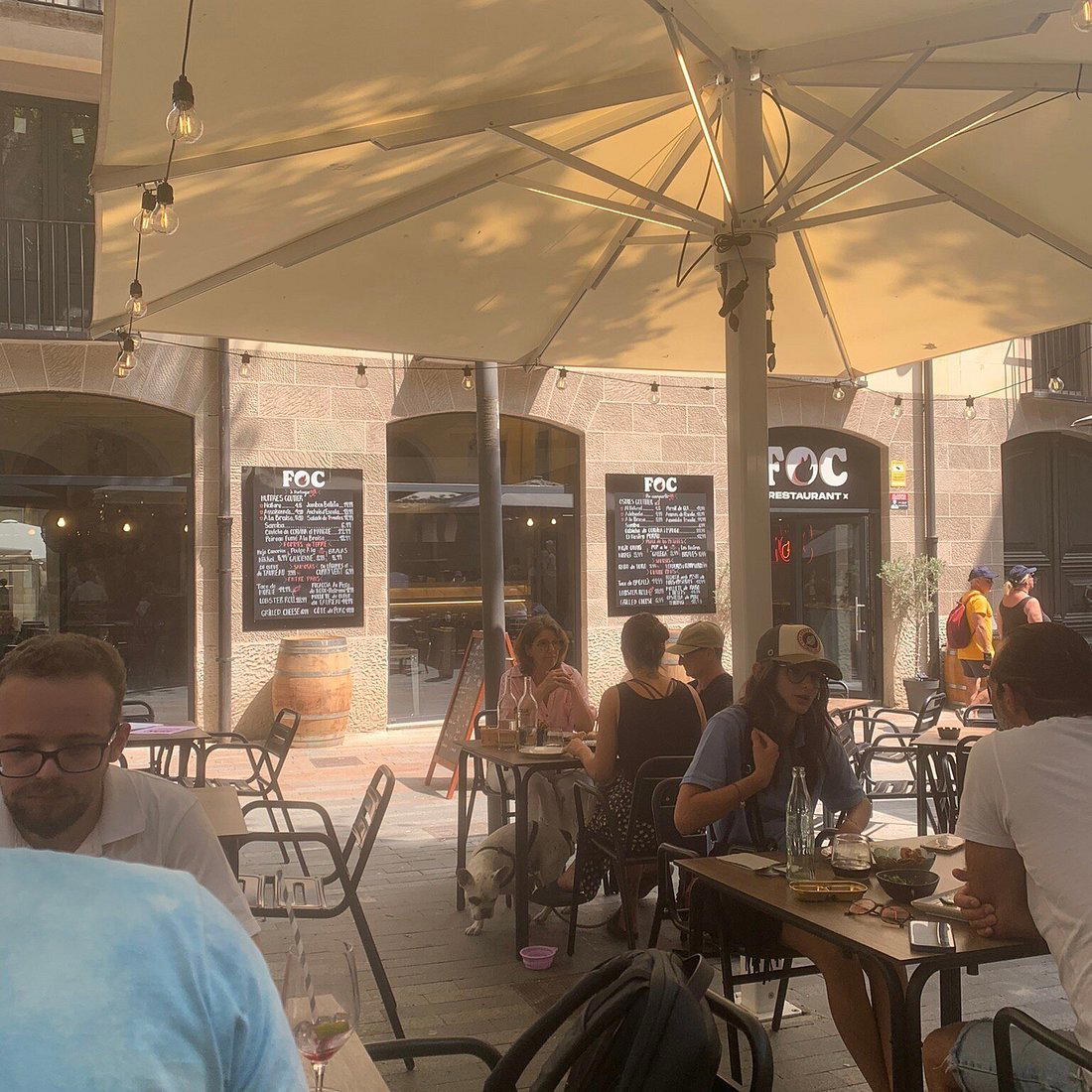
Where the Waterfront Meets the Flame
Passeig de Joan de Borbó runs parallel to the Mediterranean along the edge of Barceloneta, Barcelona's oldest fishing quarter, and the boulevard has served as the city's primary seafood promenade since the neighbourhood was built on reclaimed land in the eighteenth century. Today the strip concentrates a dense range of coastal restaurants, from tourist-facing paella houses to more serious addresses that treat the catch and the fire with equal discipline. FOC Barceloneta, at number 66, occupies this corridor at its more considered end, where the cooking engages with the Catalan tradition of brasa and flame rather than simply dressing the view.
The name itself signals the approach. Foc is Catalan for fire, and that single word carries more programme than most restaurant manifestos. Across the Mediterranean, fire-based cooking has seen a significant critical reassessment over the past decade, driven partly by Basque and Argentine traditions and partly by a broader reaction against the hyper-technical tasting menus that defined the early 2000s. Barcelona, sitting between those two gravitational pulls, has become one of the more interesting cities in which to observe how fire-forward cooking positions itself relative to both mass-market grilling and the structured creativity of addresses like Disfrutar, Enigma, or ABaC.
The Sensory Register of Barceloneta's Coastal Dining
Approaching the waterfront from the Gothic Quarter, the atmosphere shifts noticeably around the Barceloneta metro exit. The air carries salt and, depending on wind direction, the low smoke of charcoal. The passeig itself is wide and pedestrianised for much of its length, with restaurant terraces pressing out toward the pavement. At this latitude in summer, dining begins late by northern European standards, with covers typically filling from nine in the evening onward, and the ambient noise of the boulevard, boats in the nearby marina, and kitchen activity from open-sided terraces creates a specific kind of Mediterranean restaurant theatre that is very different from Barcelona's interior dining rooms.
That exterior quality matters because it shapes the entire sensory contract. Coastal terraces along Joan de Borbó are exposed to the evening sea breeze, which keeps temperatures manageable in July and August when the city's interior neighbourhoods remain close and warm. The trade-off is a more casual atmosphere than the enclosed dining rooms where Lasarte or Cocina Hermanos Torres operate, but that informality is exactly the point of this corridor. The waterfront has never been where Barcelona goes for its most architecturally serious dining; it is where the city eats fish cooked simply, drinks cold wine, and acknowledges the sea.
Fire Cooking in Context: Barcelona's Middle Register
Spanish fire cooking has a well-documented critical pedigree. The Basque tradition of txokos and grills, the wood-fired ovens of Castile, and Catalonia's own calçotada culture all treat combustion as a primary culinary technique rather than a finishing step. Where Barcelona's waterfront restaurants historically leaned toward the boil and the stock, the past decade has seen a growing number of addresses bring live-fire discipline to seafood, treating brasa as a technique that enhances rather than masks the quality of the catch.
In this context, FOC Barceloneta belongs to a category that sits between the high-volume tourist operations and the tightly controlled tasting formats of the city's recognised fine dining. That middle register is arguably the most competitive tier in any major city's restaurant ecosystem: it must deliver consistent quality to a mixed audience without the structure of a prix-fixe format and without the margin relief of a tourist-dependent formula. The discipline required is different from, but not lesser than, what drives El Celler de Can Roca in Girona or Quique Dacosta in Dénia.
Spain's broader coastal dining culture provides useful comparison points. Aponiente in El Puerto de Santa María has redefined what marine ingredients can achieve at a technical level; Ricard Camarena in València brings a similar rigour to Mediterranean produce without the theatrical framing. Barcelona's waterfront operates at a different register from both, but the city's confidence in its coastal identity remains a genuine asset for the addresses that treat it seriously.
The Barceloneta Address: Logistics and Practical Context
Passeig de Joan de Borbó 66 is accessible on foot from the Barceloneta metro station on Line 4, roughly a ten-minute walk along the waterfront. The neighbourhood is dense with restaurants, and competition for covers on weekend evenings is high across the strip. Booking ahead is advisable for any serious waterfront address; walk-in availability tends to be more realistic at lunch on weekdays than on summer evenings, when demand from both locals and visitors compresses across a relatively small number of tables.
The seasonal dimension is worth noting. Barceloneta's waterfront dining has a pronounced peak between May and October, when terrace capacity fully opens and the neighbourhood operates at its highest intensity. Winter brings a quieter, more local clientele, shorter queues, and sometimes a more focused kitchen. Visitors with flexibility who want to experience the neighbourhood without the summer compression will find March, April, or November offer better conditions for unhurried dining.
Quick Comparison: Waterfront and Fire-Forward Options in Barcelona
| Venue | Format | Price Tier | Primary Focus |
|---|---|---|---|
| FOC Barceloneta | À la carte / terrace | Mid-range | Fire cooking, coastal |
| Disfrutar | Tasting menu | €€€€ | Progressive creative |
| Lasarte | Tasting menu / à la carte | €€€€ | Progressive Spanish |
| Enigma | Fixed format | €€€€ | Creative |
For a broader view of where FOC Barceloneta sits within the city's full dining range, our full Barcelona restaurants guide maps the scene across neighbourhoods and price tiers. Further afield, the Basque tradition that informs much of Spain's fire-cooking discourse runs through addresses like Arzak in San Sebastián, Azurmendi in Larrabetzu, and Martin Berasategui in Lasarte-Oria. For comparative fire-forward cooking at a global level, Lazy Bear in San Francisco and the seafood precision of Le Bernardin in New York City offer useful reference points for how different traditions handle live-fire and marine ingredients at scale. Spain's interior creative scene, covered through DiverXO in Madrid and Mugaritz in Errenteria, provides further context for how Barcelona's waterfront registers within the national conversation. For wine-focused coastal dining, Atrio in Cáceres illustrates how cellar depth functions as a differentiator in Spanish fine dining more broadly.
Frequently asked questions
What dish is FOC Barceloneta famous for?
The venue's name and positioning point toward fire-cooked seafood as the primary register. Barceloneta's culinary tradition centres on fresh Mediterranean catch, and addresses in this corridor that take brasa seriously tend to build their reputation around whole fish and shellfish prepared over live flame. Specific menu details are best confirmed directly with the restaurant before visiting, as seasonal availability shapes what is on offer.
Can I walk in to FOC Barceloneta?
Walk-in availability depends heavily on the time of year and the day of the week. Along Passeig de Joan de Borbó, summer weekends see the highest demand across the strip, and any address with a following will fill early in the evening. Weekday lunches in the shoulder season offer the most realistic walk-in window. For evening visits between June and September, a reservation is the more reliable approach, regardless of the city or the price tier.
What makes FOC Barceloneta worth seeking out?
The case for this address rests on the combination of location and culinary approach. Barceloneta's waterfront is not short of restaurants, but the proportion that treat fire as a serious technique rather than a performance is smaller. The address sits outside the tasting-menu tier represented by ABaC or Cocina Hermanos Torres, which makes it more accessible in format while remaining committed to the coastal Catalan tradition that defines the neighbourhood.
How does FOC Barceloneta compare to other seafood-focused restaurants along the Barcelona waterfront?
Barcelona's waterfront dining splits between high-volume operations that trade on location and a smaller set of addresses where the cooking carries more weight than the view. FOC Barceloneta's fire-cooking orientation places it closer to the latter group, where the technique applied to the catch matters as much as the catch itself. Within the city's broader seafood conversation, which extends to more technically ambitious formats elsewhere in the province, it occupies a neighbourhood-anchored position that prioritises Catalan coastal tradition over creative re-interpretation.
Just the Basics
Comparable venues nearby, for context on price, style, and recognition.
| Venue | Cuisine | Price | Notes |
|---|---|---|---|
| FOC BARCELONETAThis venue — the venue you are viewing | Modern Latin American Street Food | $30–50 | Not listed |
| Anormal | Pan-Latin Fusion | $20–30 | el Putxet i el Farro, Pan-Latin Fusion |
| THE CHIPIRON | Traditional Spanish Seafood Tapas | $20–30 | Port Vell, Traditional Spanish Seafood Tapas |
| La Dentellière | Mediterranean Tapas & Small Plates | $30–50 | Barri Gotic, Mediterranean Tapas & Small Plates |
| Red Garter Barcelona | American Steakhouse & Tex-Mex | $20–30 | Barri Gotic, American Steakhouse & Tex-Mex |
| The Benedict Bcn | American Brunch with Spanish Twists | $20–30 | Barri Gotic, American Brunch with Spanish Twists |
Continue exploring
More in Barcelona
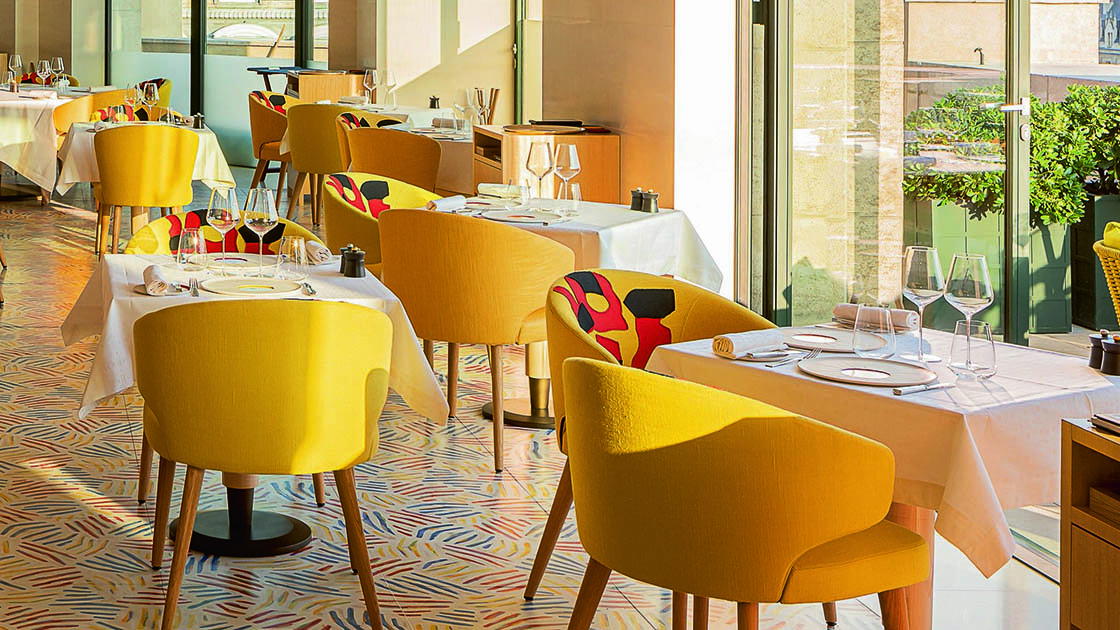
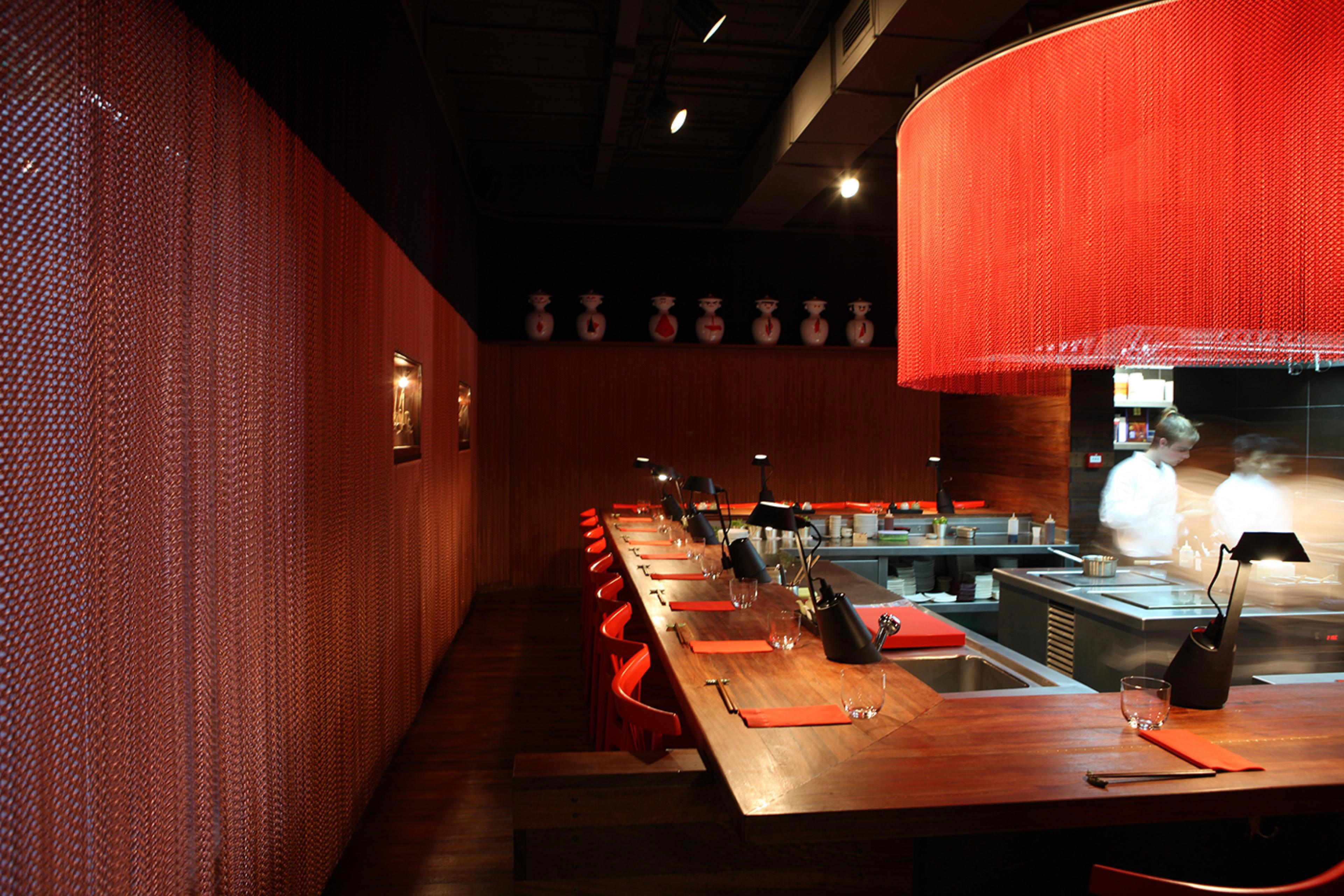
Restaurants in Barcelona
Browse all →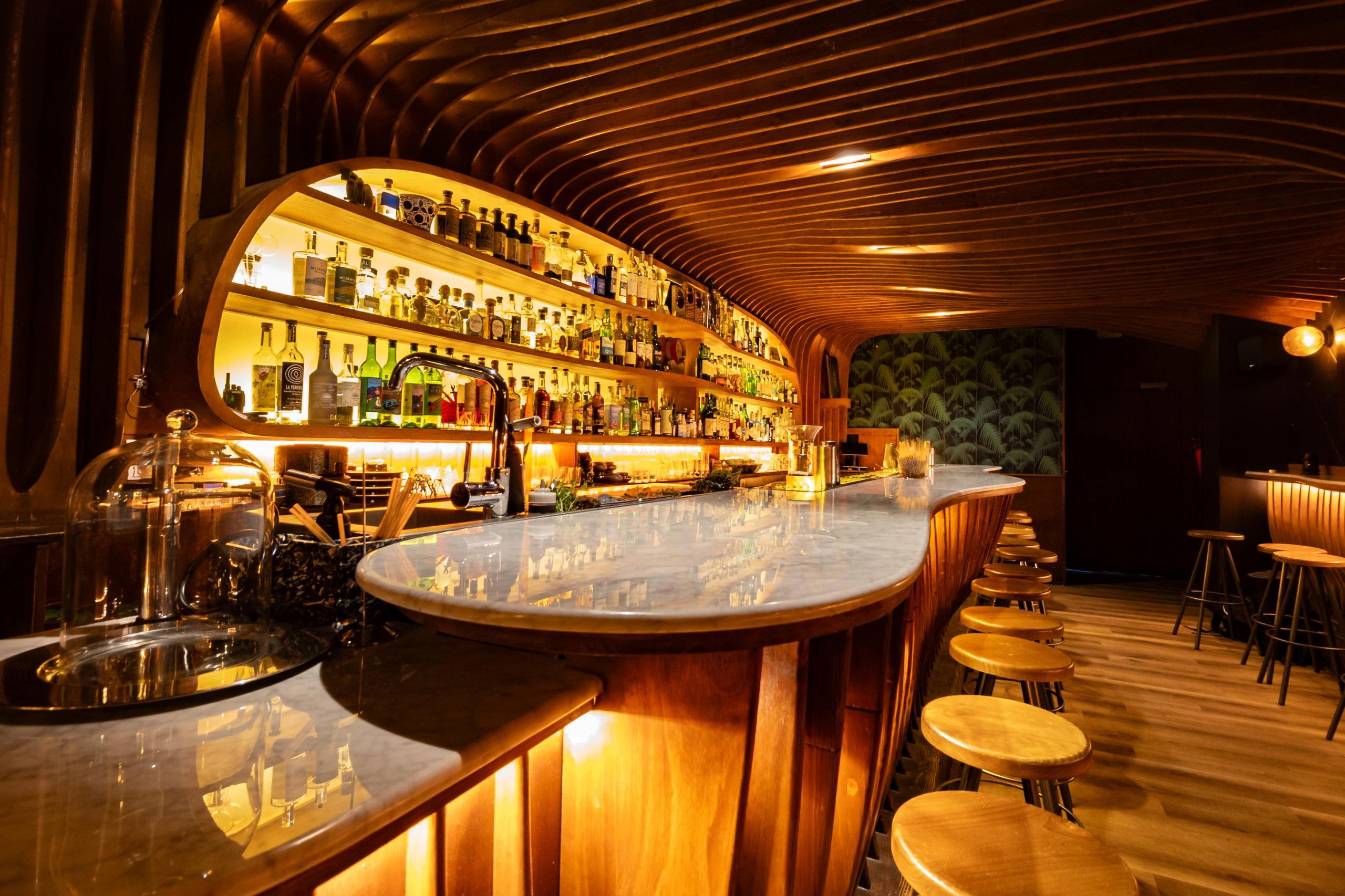
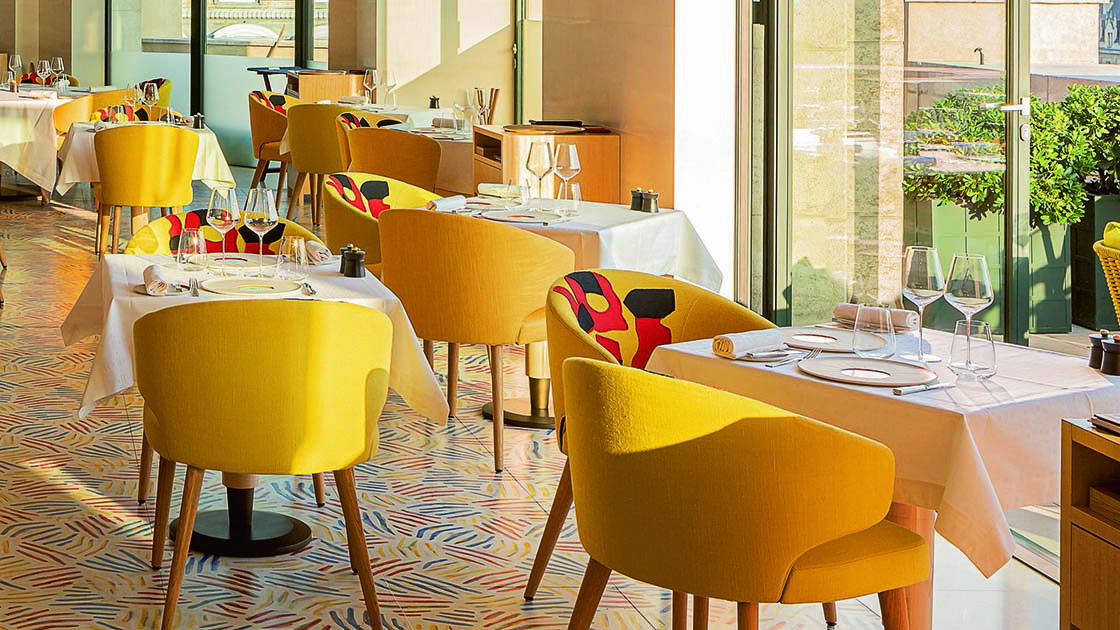
Bars in Barcelona
Browse all →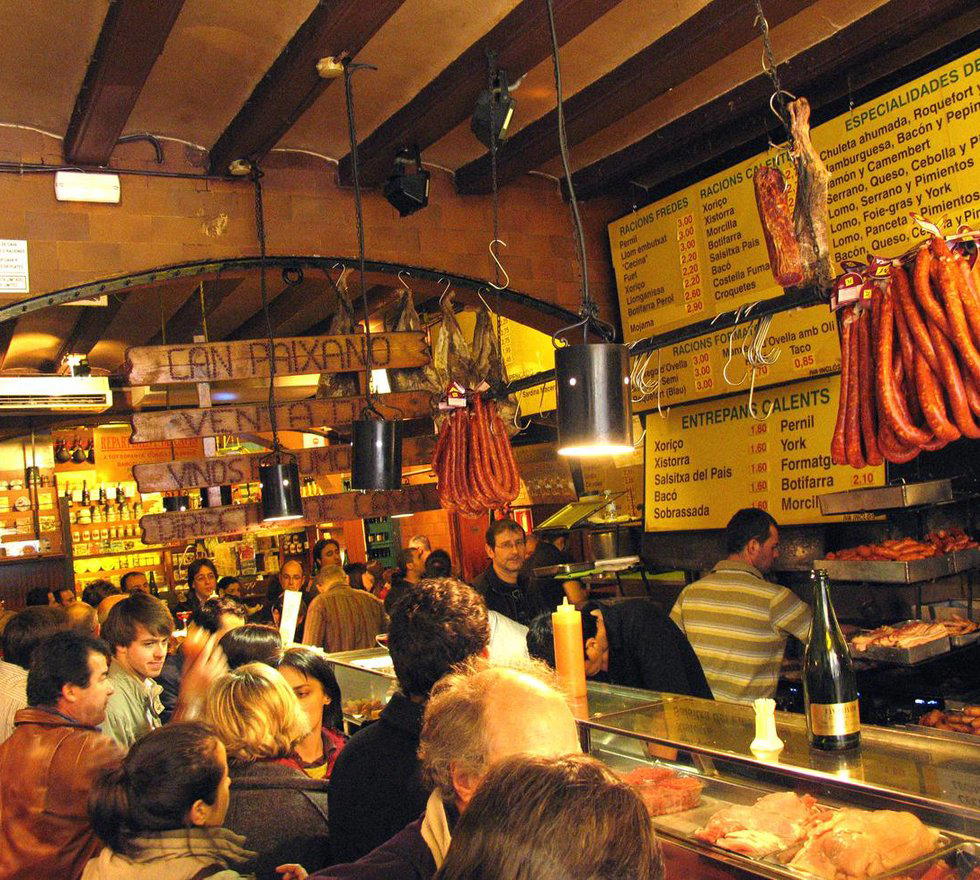
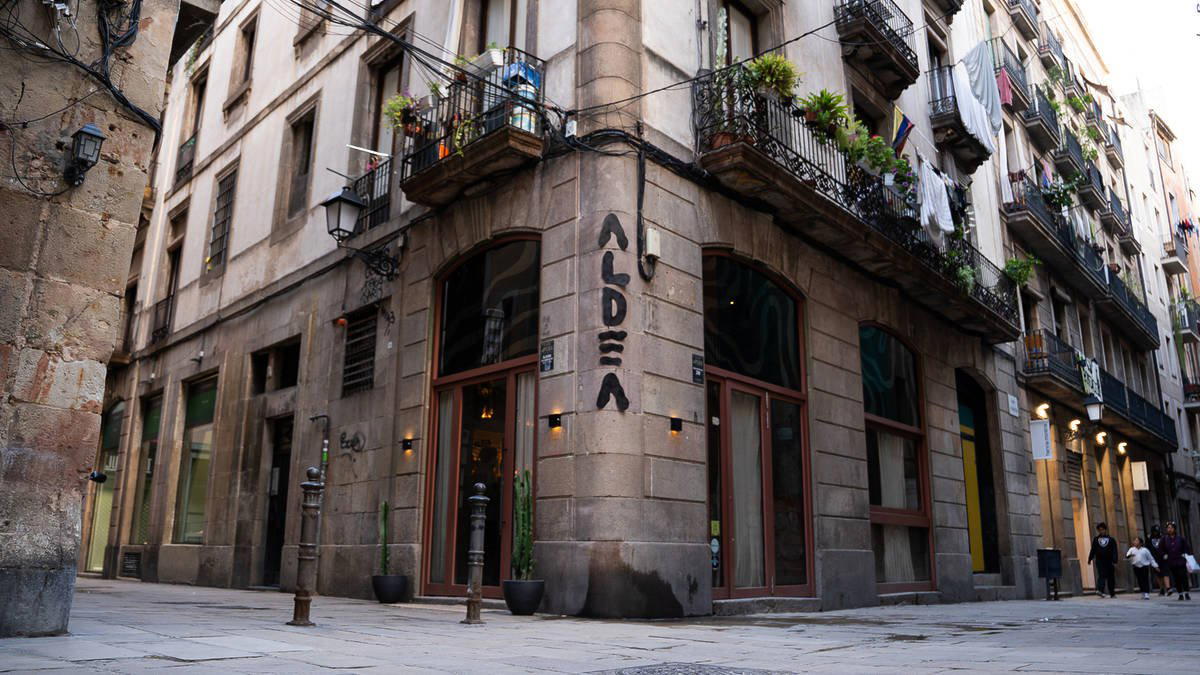
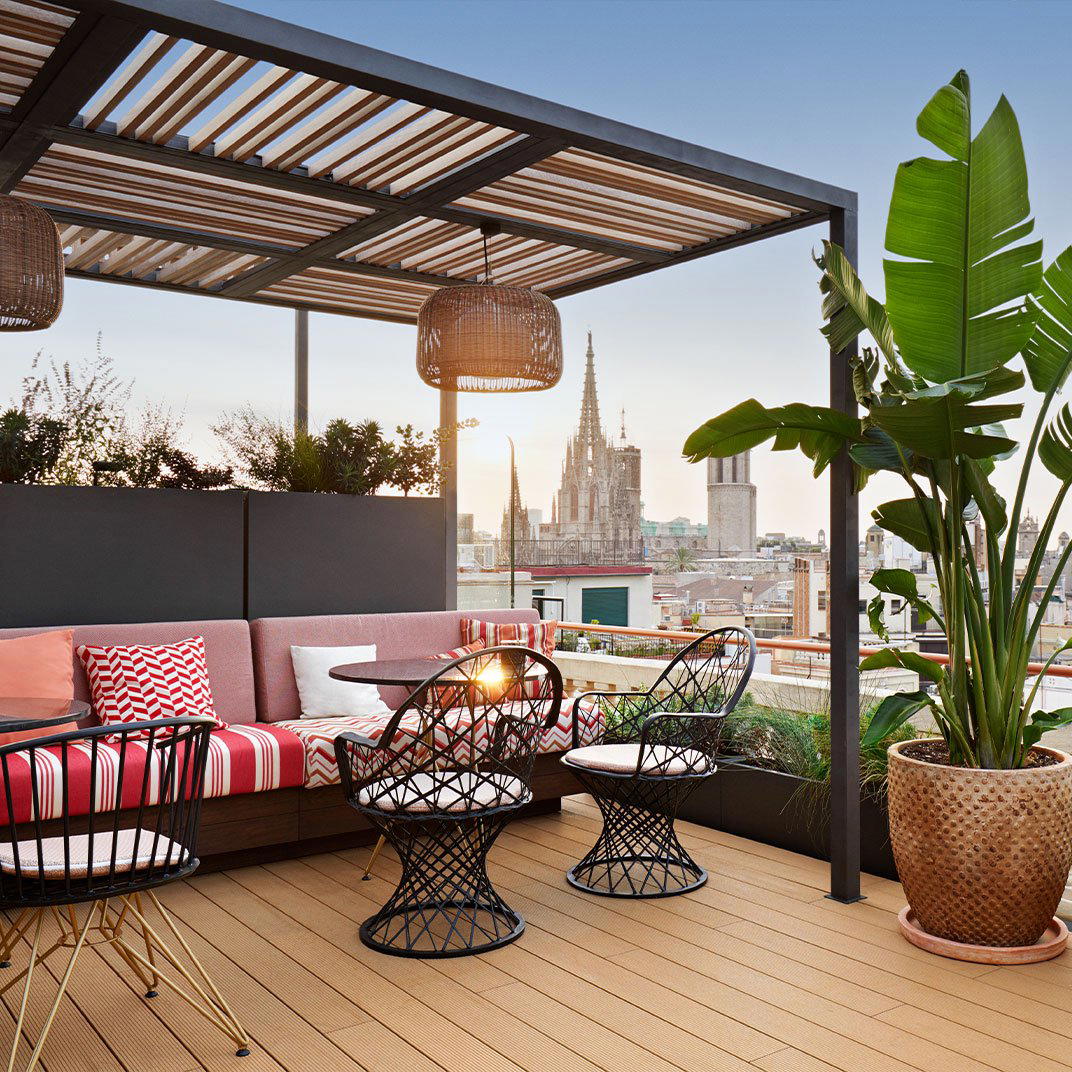
Hotels in Barcelona
Browse all →
Details
- Lively
- Trendy
- Energetic
- Casual Hangout
- Group Dining
- Late Night
- Terrace
- Open Kitchen
- Craft Cocktails
- Waterfront
- Street Scene
- Small Plates
- A La Carte
- Cocktails
- Vegetarian Friendly
- Vegan Options
- Gluten Free Options
Current opening hours
- Monday
- 11 AM–2 AM
- Tuesday
- 11 AM–2 AM
- Wednesday
- 11 AM–2 AM
- Thursday
- 11 AM–2 AM
- Friday
- 11 AM–2 AM
- Saturday
- 11 AM–2 AM
- Sunday
- 11 AM–2 AM
Hours can change for holidays and private events. Last verified .
Colorful, relaxed, and busy with Latin music, positive energy, and lively terrace seating by the harbor.