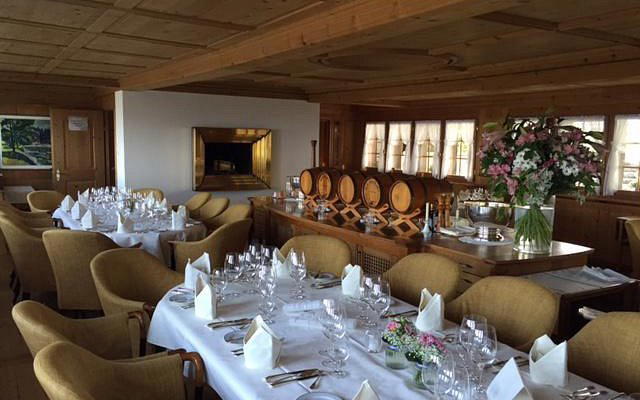
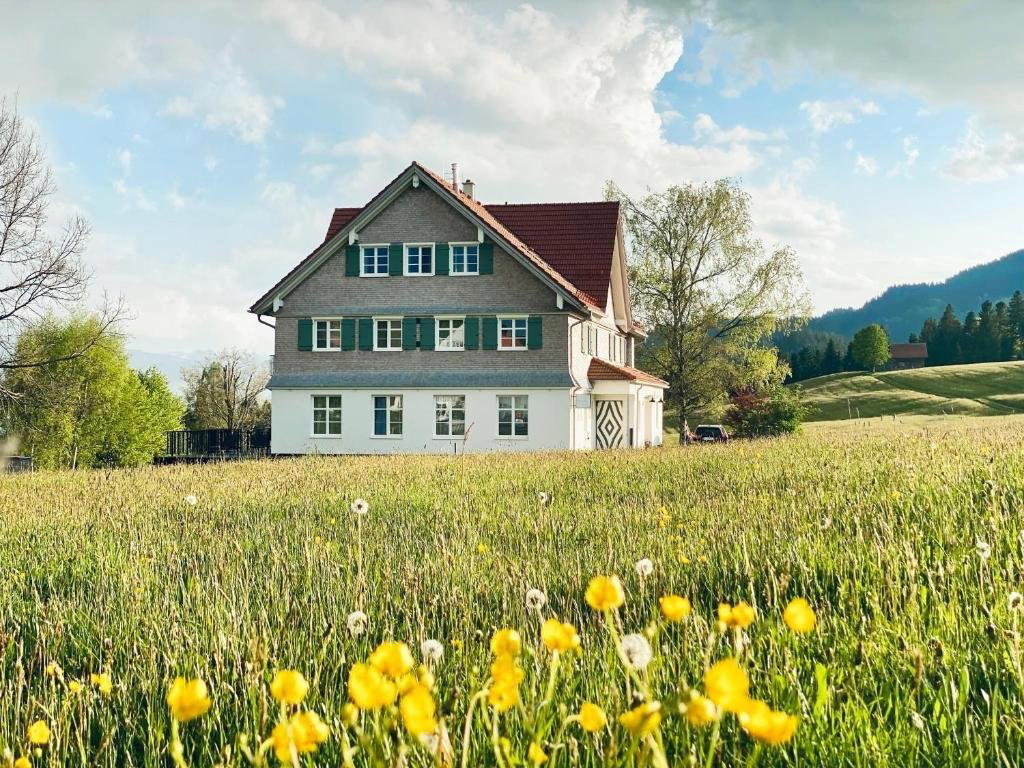
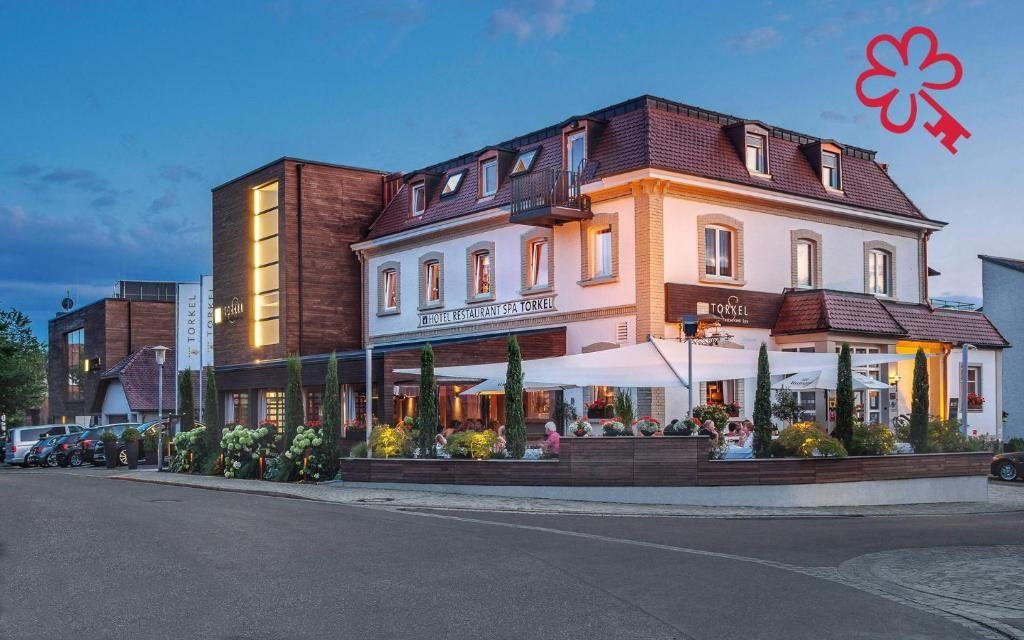
Berghof Hohenems-Reute serves Austrian Regional with Views in a historic building with a terrace and mountain and street scene views, suited to lunch or dinner.
Pearl is the En Primeur Club membership app — saves, bookings, and concierge access live there. Same editors, same standards.
- Address
- Reutestraße 54a, 6845 Hohenems, Austria
- Phone
- +43557698235
- Website
- die-genusswerkstatt.at
- Directions
- Get directions
 Saves & bookings on Pearl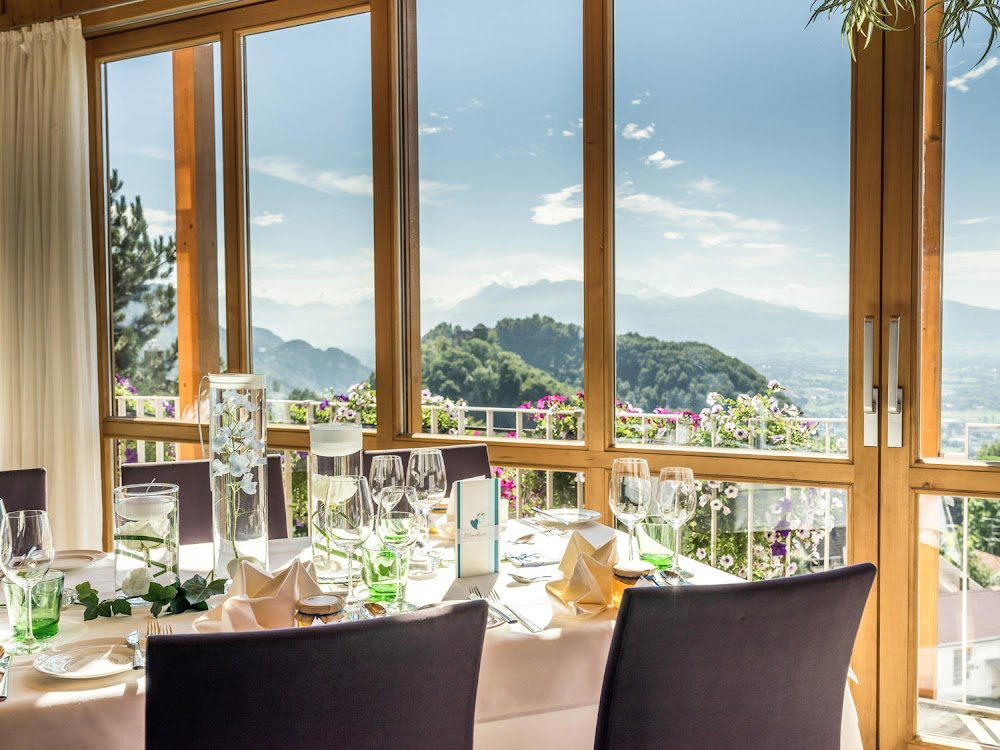
Farm Country on the Edge of the Vorarlberg
The road to Reutestraße climbs out of the compact centre of Hohenems into a quieter register of Vorarlberg, where the valley floor gives way to sloping pasture and working agricultural land that still defines the food culture of the Rhine valley. This is Bregenzerwald country in spirit if not in strict geography: a region where the relationship between farm, dairy, and table is a structural fact of daily life. Berghof Hohenems-Reute sits within that context, at the address where the rural edge of Hohenems meets the refined hamlet of Reute.
Austria's western fringe has developed an approach to sourcing that differs from the Viennese fine-dining model. Where restaurants like Steirereck im Stadtpark in Vienna or Landhaus Bacher in Mautern an der Donau operate within an urban idiom that curates regional ingredients from a distance, the Vorarlberg tradition tends toward proximity as its organising principle. The farm, or the farm-adjacent property, is not a concept here; it is the baseline.
What Ingredient Sourcing Looks Like at Altitude
The broader Vorarlberg region has built a local food economy. Dairy cooperatives, small-scale meat producers, and market gardeners operate at a density uncommon in comparable Alpine zones, which means that kitchens drawing on immediate surroundings have real material to work with. In Hohenems, Egg, and other Vorarlberg communities, guest accommodation and dining are structured around the productive land attached to or near the property.
This stands in contrast to the model found further east in Austria, where farm-branded restaurants often source from a dispersed network of suppliers assembled under a regional label. The Bregenzerwald and its surrounding areas tend to maintain shorter, more legible supply lines. For the diner, this means that seasonal shifts in the menu, when they occur, reflect actual harvest rhythms rather than purchasing cycles.
Across Austria's restaurant tier, the sourcing argument has become central to how properties differentiate themselves. Kräuterreich by Vitus Winkler in Sankt Veit im Pongau has built a nationally noted herb-and-garden programme. Döllerer in Golling an der Salzach has formalised its Alpine sourcing into a cuisine identity that draws international attention. At the other end of the price register, the argument for local proximity operates just as forcefully in farm-stay and Berghof formats, where the distance between the animal, the dairy, and the plate is sometimes measurable in metres.
Hohenems and Its Dining Scene
Hohenems is a small city in the Rhine valley with a pronounced historical character, most legible in its Renaissance palace district and Jewish heritage quarter. It is not a dining destination in the way that Bregenz or Feldkirch are, but it supports a range of formats that reflect the broader Vorarlberg appetite for quality without ceremony. Moritz Bio-Restaurant represents the certified-organic strand of that sensibility. Spuds – die GRUMPRAREI takes a single-product approach centred on the potato, a Vorarlberg staple with deep regional roots. Marios Xi Burger occupies the casual end. The spread is modest but coherent. See our full Hohenems restaurants guide for the complete picture.
Berghof Hohenems-Reute operates outside this urban cluster, positioned on the agricultural periphery that gives it a different character from the in-town options. The Berghof model in Vorarlberg typically combines lodging with a food offering oriented around the property's own production, whether dairy, meat, or garden produce.
The Vorarlberg Farm-Stay Tradition in Wider Context
The Berghof format has parallels across the Alpine region, but the Vorarlberg version carries some distinguishing traits. The density of certified organic and biodynamic producers in the canton and the surrounding Bregenzerwald is among the higher concentrations in the German-speaking Alpine world. This creates a competitive floor that tends to keep standards clear.
Properties like Gourmetrestaurant Tannenhof in Sankt Anton am Arlberg and Griggeler Stuba in Lech demonstrate how the western Austrian Alpine corridor has developed a high-end dining tier that co-exists with, and often draws ingredients from, the same producer networks that supply more modest farm operations. The supply chain is shared; the format and price point diverge sharply. At the farm-stay level, the proximity to source is the primary credential rather than a supporting detail in a larger tasting menu narrative.
Further afield, the tension between sourced-near and sourced-carefully plays out differently. Obauer in Werfen and Ois in Neufelden both anchor their identities to regional specificity, but within a recognisably restaurant context. The Berghof format dissolves that boundary: the sourcing story is inseparable from the accommodation experience, and the meal is less a standalone event than part of a longer stay rhythm.
Internationally, the farm-to-table model has been formalised and commodified to the point of near-meaninglessness at properties that retain the vocabulary while outsourcing the substance. Operations like Lazy Bear in San Francisco have built credible sourcing programmes within an urban chef-driven format, while Le Bernardin in New York City demonstrates how sourcing rigour in a single-protein category can define a restaurant's entire critical identity. The Berghof model is structurally different from both: it pre-dates the trend as a practice and operates without the marketing apparatus that surrounds the fine-dining sourcing conversation.
Planning a Visit
Berghof Hohenems-Reute is located at Reutestraße 54a in Hohenems, Austria. Given the rural positioning, a car is the practical approach for reaching the property; Hohenems itself is accessible by regional train from Bregenz and Feldkirch, but the Reute edge of town sits above the valley floor. Reservations are recommended, and the expected spend is about $30 per person. For comparison properties in the area and across western Austria, the Hohenems guide and regional listings for Schwarzer Adler in Hall in Tirol, Stüva in Ischgl, and Restaurant 141 by Joachim Jaud in Mieming provide useful reference points for the western Austrian dining and hospitality tier. Taubenkobel in Schützen am Gebirge offers another model for how Austrian farm-adjacent properties have formalised their identities at a higher price tier.
At-a-Glance Comparison
Comparable venues nearby, for context on price, style, and recognition.
| Venue | Cuisine | Price | Notes |
|---|---|---|---|
| Berghof Hohenems-ReuteThis venue — the venue you are viewing | Austrian Regional with Views | $$ | Not listed |
| Moritz Bio-Restaurant | Organic Regional Austrian | $$ | Hohenems |
| Marios Xi Burger | American Burgers | $ | Hohenems |
| Spuds – die GRUMPRAREI | British Potato Street Food | $ | Jewish quarter |
| Carnozet | Authentic Austrian Inn Cuisine | $$ | Hirschegg |
| Red House | Traditional Austrian | $$ | Marktplatz |
Continue exploring
More in Hohenems
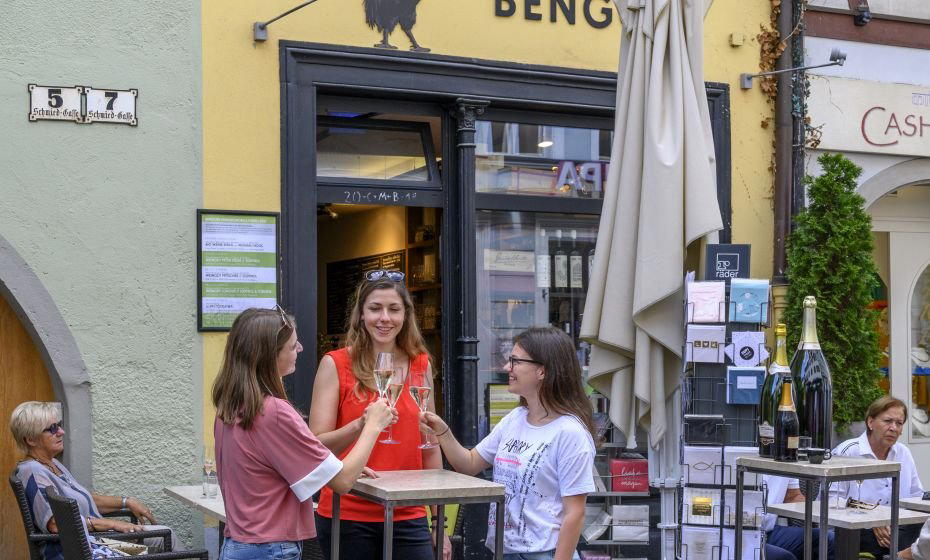
Restaurants in Hohenems
Browse all →
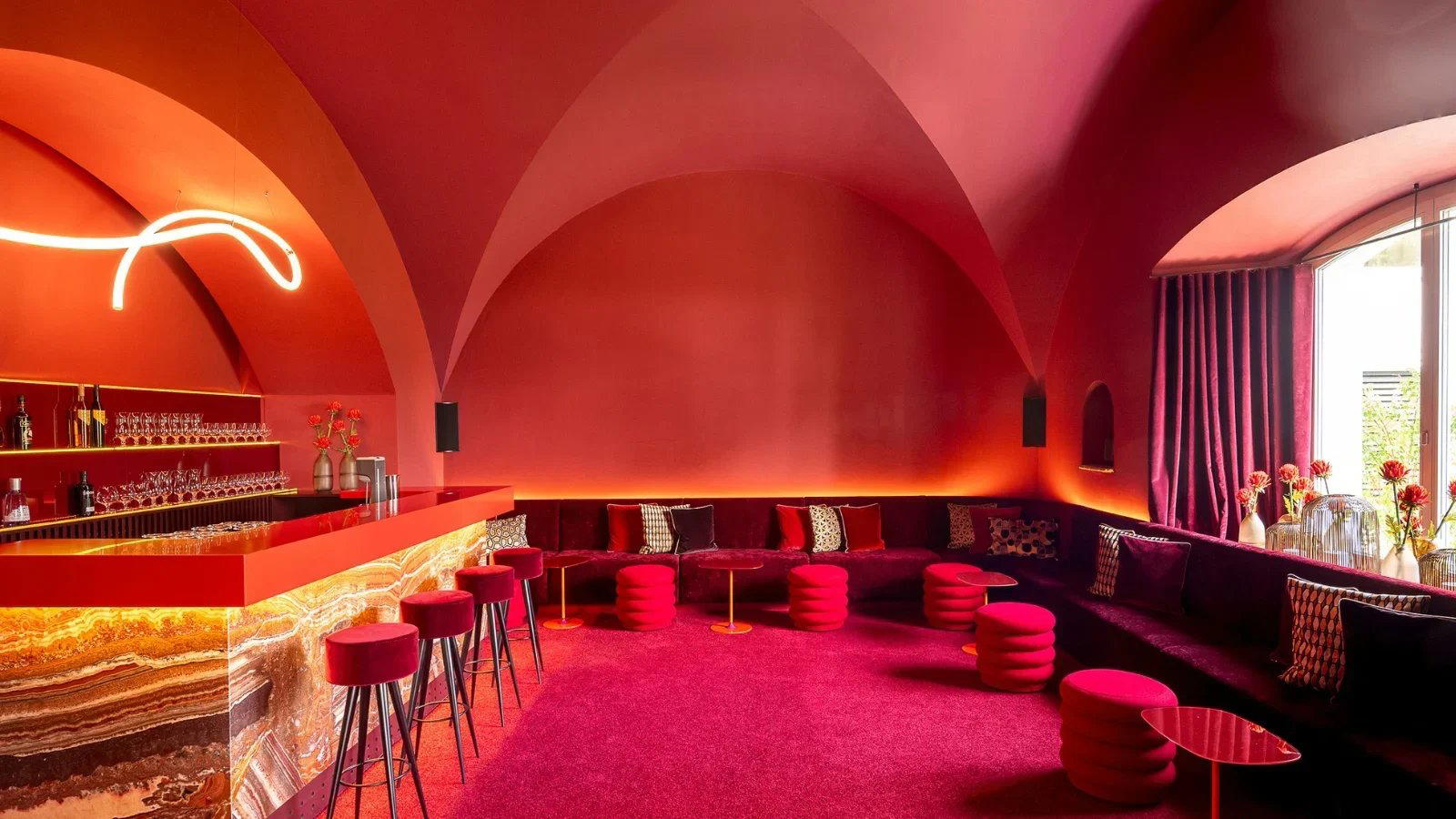
Bars in Hohenems
Browse all →
Hotels in Hohenems
Browse all →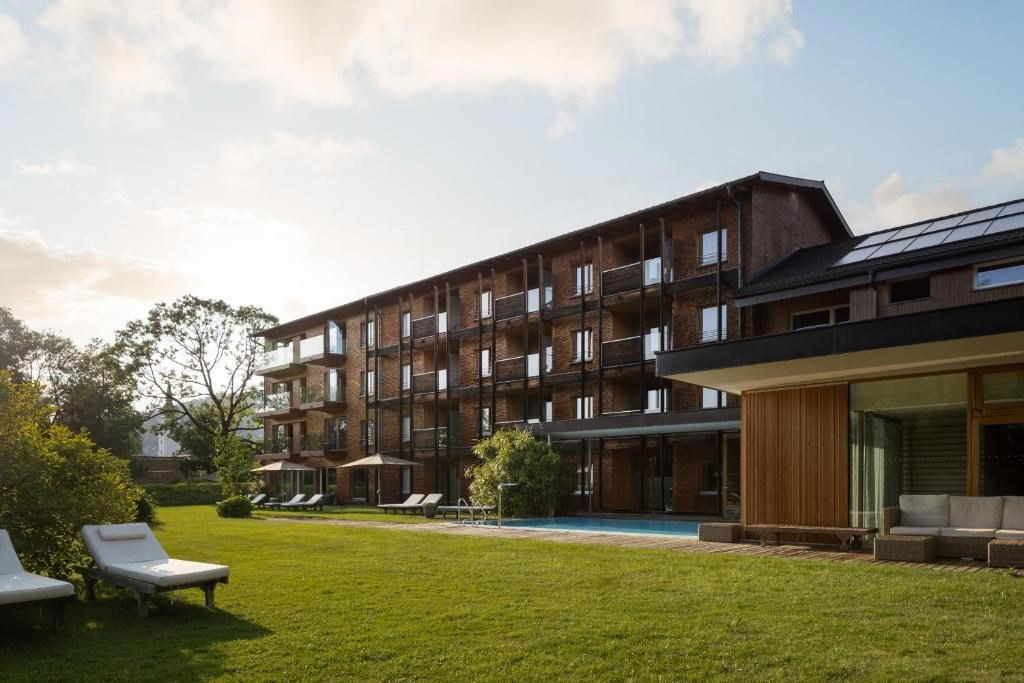

At a Glance
- Scenic
- Cozy
- Rustic
- Special Occasion
- Family
- Terrace
- Historic Building
- Local Sourcing
- Mountain
- Street Scene
Current opening hours
- Monday
- Closed
- Tuesday
- Closed
- Wednesday
- Closed
- Thursday
- 6–11 PM
- Friday
- 6–11 PM
- Saturday
- 6–11 PM
- Sunday
- 11:30 AM–5 PM
Hours can change for holidays and private events. Last verified .
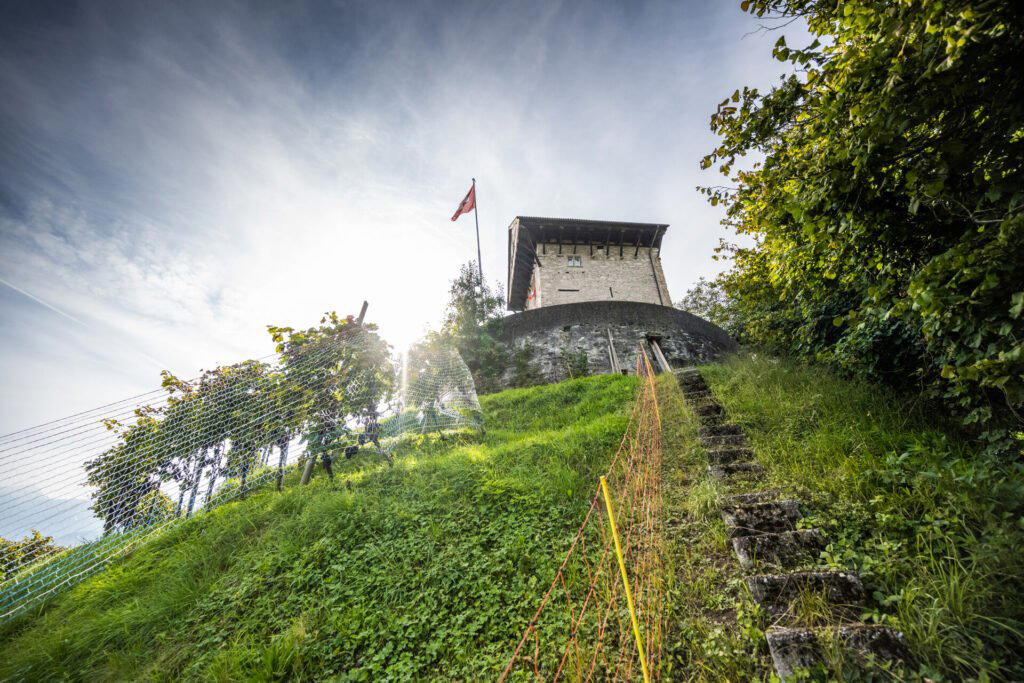
Cozy with emphasis on craft cooking, fresh ingredients, and far-reaching panoramic vistas enhanced by a lovingly designed garden in summer.