On Place Jacques-Cartier in the heart of Old Montreal, Trattoria Gio brings Italian casual dining to a neighbourhood better known for French-leaning bistros and terrasse trade. The trattoria format — informal, ingredient-led, built for regularity rather than occasion — sits in deliberate contrast to Montreal's modernist tasting-menu circuit and connects to the city's substantial Italian-Canadian culinary heritage.
Pearl is the En Primeur Club membership app — saves, bookings, and concierge access live there. Same editors, same standards.
- Address
- 452 Pl. Jacques-Cartier, Montréal, QC H2Y 3B3, Canada
- Phone
- +15145085659
- Website
- trattoriagio.com
- Directions
- Get directions
 Saves & bookings on Pearl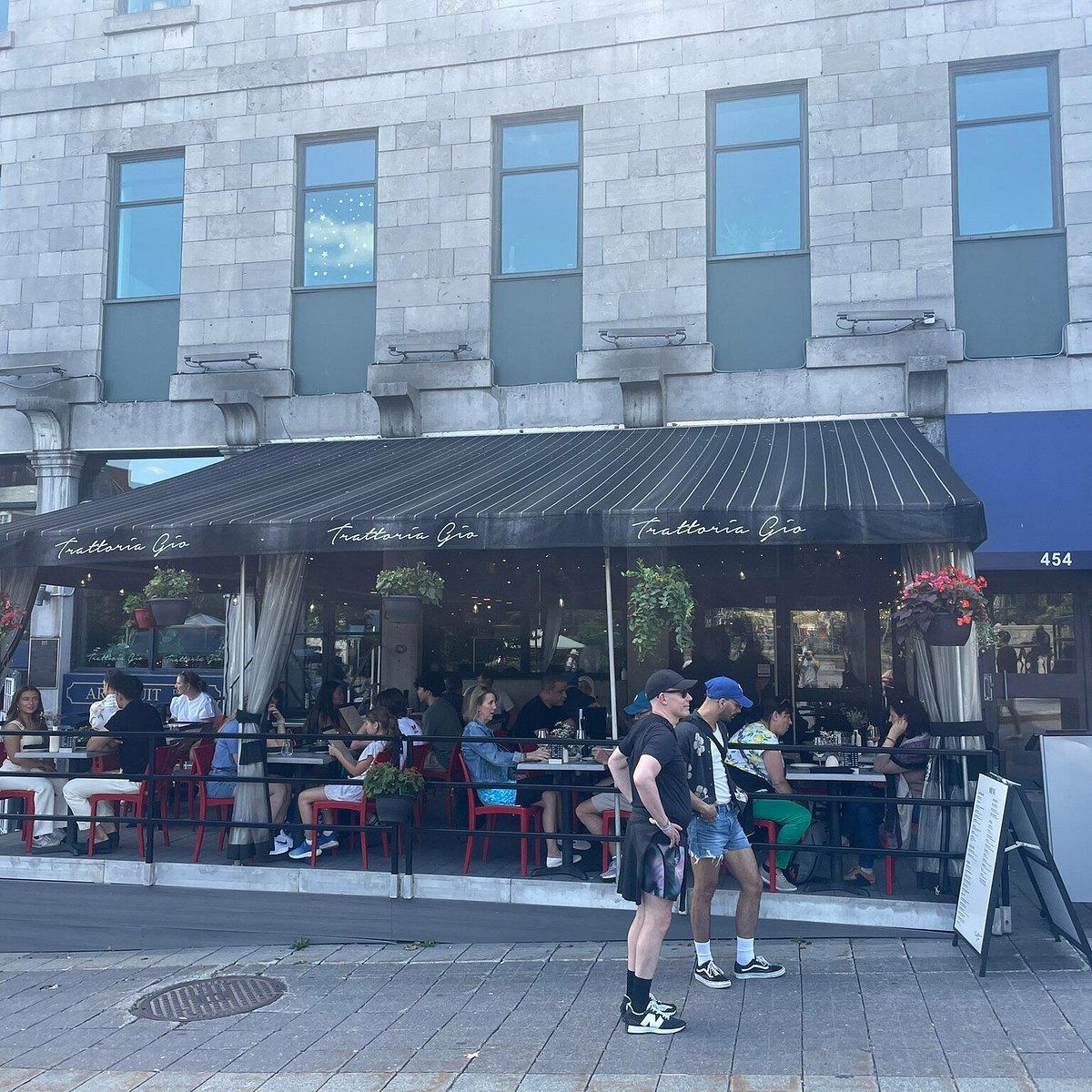
Old Montreal and the Trattoria Tradition
Place Jacques-Cartier sits at the geographic and social heart of Old Montreal, a cobblestone corridor that draws both locals tracing a Thursday-evening ritual and visitors orienting themselves in a city whose culinary identity runs considerably deeper than its tourist infrastructure suggests. The square's restaurant density is high and the quality is uneven, which makes the presence of a trattoria-format address here worth examining on its own terms. Italian casual dining in Montreal occupies a specific cultural position: the city's Italian-Canadian community is one of the largest in the country, concentrated historically in the Mile End and Saint-Léonard neighbourhoods, and that heritage has produced a dining vernacular that sits apart from both the modernist tasting-menu circuit and the red-sauce chains that dominate elsewhere.
Trattoria Gio, at 452 Place Jacques-Cartier, operates within that vernacular. The address places it in a neighbourhood more commonly associated with French-leaning bistros and tourist-facing terrasses than with the kind of Italian-rooted cooking that defines Montreal's deeper restaurant culture. That positioning — Italian format, Old Montreal address — is itself an editorial point about how the city's dining geography is shifting.
Italian Cooking in a French City
Montreal has always maintained a productive tension between its French culinary inheritance and the Italian-Canadian traditions that developed alongside it. The trattoria model, at its most functional, is built around informality, shared plates, and a menu that changes with seasonal availability rather than a fixed identity driven by spectacle. It is a format that prioritises the table over the theatre of the kitchen, and in that sense it sits in deliberate contrast to the tasting-menu apparatus that defines much of Montreal's higher-end dining.
That higher end is well-documented. Jérôme Ferrer's Europea and Mastard represent the modern-cuisine tier at the $$$ to $$$$ price point, where the cooking is technically ambitious and the booking window is meaningful. Sabayon occupies a similar register. The trattoria sits below that tier by design, not by default. It is a different proposition: the goal is regularity, not occasion dining.
Across Canada, the restaurants that have built lasting reputations at this format tend to do so through consistency over novelty. Alo in Toronto and Tanière³ in Quebec City demonstrate what sustained critical attention looks like at the fine-dining end, but the trattoria tradition answers a different question: what does a neighbourhood Italian table look like when it is executed with genuine care rather than marketing ambition? In Montreal, that question is worth asking, because the city has the Italian-Canadian culinary depth to support a serious answer.
The Old Montreal Context
Old Montreal is not, historically, where the city's most serious eating happens. The neighbourhood's restaurant economy has long been oriented toward foot traffic and tourist volume, producing a strip of terrasse dining that prioritises location over kitchen rigour. That dynamic has been changing in recent years, with a small number of operators moving into the area with formats that can sustain year-round trade beyond the summer tourist peak. A trattoria, with its emphasis on a regular clientele and a menu built around accessible price points rather than occasion spending, is a format that can work against that commercial grain.
The comparison set here is informative. L'Express, the long-running French bistro on Saint-Denis, demonstrates what happens when a neighbourhood-format restaurant builds a sustained identity over decades: it becomes a reference point for the entire category. Schwartz's Hebrew Delicatessen, also a fixed address in the cultural geography of the city, shows how a single format executed with consistency becomes a civic institution. The trattoria tradition has produced comparable institutions in other North American cities with substantial Italian-Canadian populations. Whether that durability is achievable on Place Jacques-Cartier, given its tourist-facing economics, is a genuine question.
For readers building an itinerary around Montreal's broader dining offer, the full Montreal restaurants guide maps the city's neighbourhoods and price tiers in detail. For context on what Italian-format dining looks like at the neighbourhood level elsewhere in the region, Barra Fion in Burlington and 3 Pierres 1 Feu offer useful comparison points on format and ambition.
What the Trattoria Format Promises
The cultural roots of the trattoria are specific. In Italy, the format historically meant a family-run room with a handwritten menu, house wine served by the carafe, and cooking governed by what was available at the market that morning rather than a fixed identity imposed by the kitchen. That model travelled with emigrant communities to North American cities and adapted to local conditions: the handwritten menu became a printed one, the carafe wine became a list, but the underlying logic of affordable, ingredient-led cooking in an informal room persisted.
That informality is not the same as casualness about quality. The leading Italian-Canadian tables in Montreal and Toronto have maintained serious kitchens behind unpretentious fronts. AnnaLena in Vancouver and Restaurant Pearl Morissette in Lincoln illustrate the broader Canadian pattern of serious cooking presented without institutional formality. The trattoria, at its core, is a version of that same argument made through an Italian-Canadian cultural lens.
For readers whose reference points for Italian cooking in a Canadian context are shaped by fine-dining experiences, venues like Le Bernardin in New York City or Atomix in New York City operate at a fundamentally different register of intent and price. The trattoria tradition makes a different kind of claim: that eating well does not require occasion spending, and that the most honest version of a cuisine is often found at the table where regulars return without deliberation.
Planning Your Visit
Trattoria Gio sits at 452 Place Jacques-Cartier in Old Montreal, within walking distance of the waterfront and the Old Port. The square is busiest in summer, when terrasse seating across the area reaches capacity on weekends. For those whose Montreal itinerary extends beyond the neighbourhood, Abu el Zulof represents an entirely different culinary tradition worth including in the same visit. Further afield in Quebec, Aux Anciens Canadiens and Narval in Rimouski illustrate how Quebec's regional food culture extends well beyond Montreal's city limits.
Venue Comparison at a Glance
| Venue | Format | Price Tier | Booking Lead Time |
|---|---|---|---|
| Trattoria Gio | Trattoria / Italian casual | Not confirmed | Not confirmed |
| L'Express | French Bistro | $$ | Walk-in friendly, reservations available |
| Mastard | Modern Cuisine | $$$ | Book in advance |
| Toqué | French fine dining | $$$$ | Several weeks ahead |
| Schwartz's | Delicatessen | $ | Walk-in only |
For those building a wider Canadian trip around serious eating, The Pine in Creemore, Eigensinn Farm in Singhampton, and Bearspaw Golf Club in Calgary offer a sense of the range of formats and traditions operating across the country.
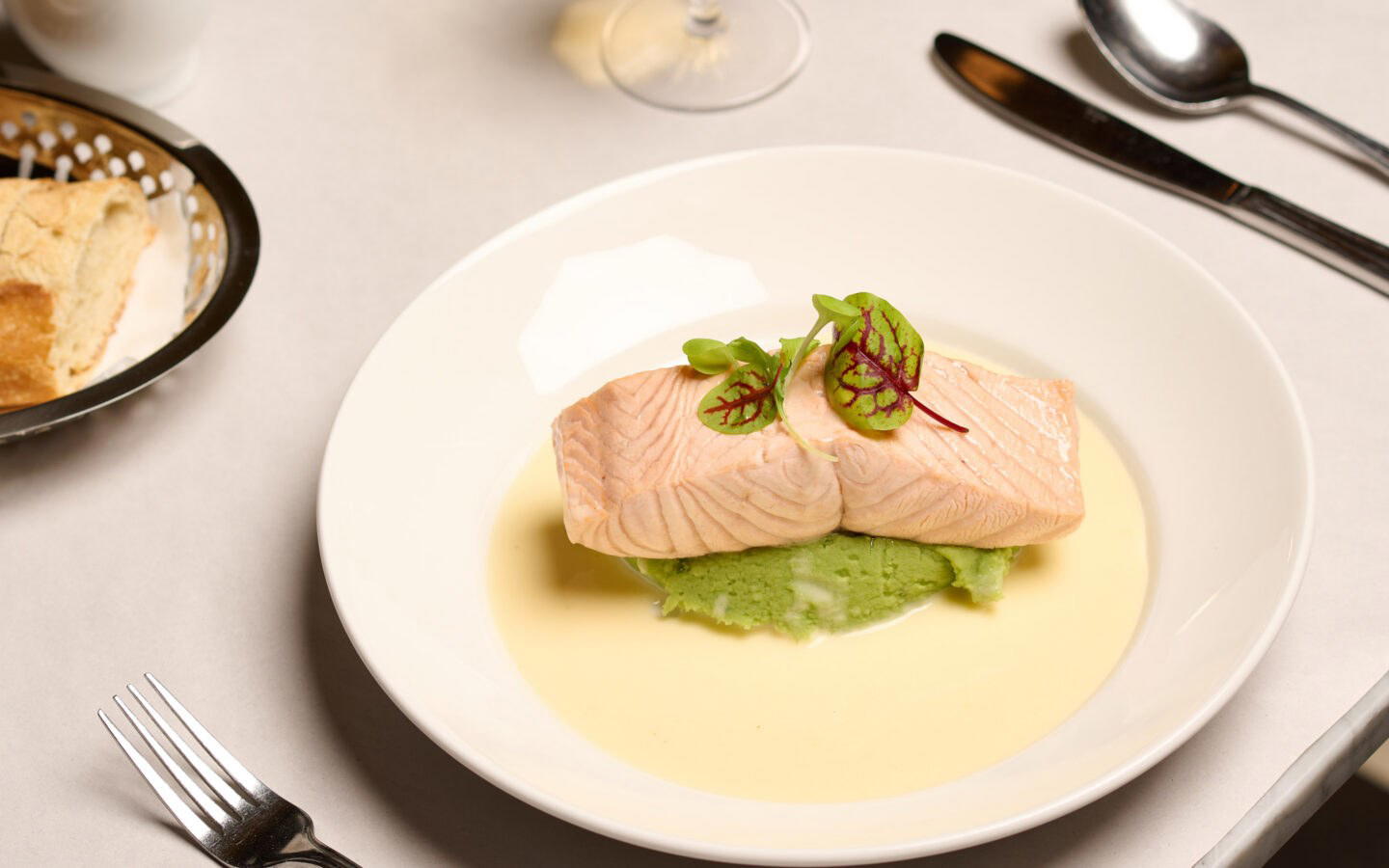
- Pepperoni Pizza
- Lasagna
- Melanzane e zucchini alla gio
- Piccata al limone
- Pollo alla milanese
- Canoli
- Tiramisu
How Trattoria Gio Montréal compares with similar nearby venues.
| Venue | Cuisine | Price |
|---|---|---|
| Le Club Chasse et Pêche | French | $$$$ |

At a Glance
- Cozy
- Elegant
- Classic
- Romantic
- Date Night
- Group Dining
- Family
- Casual Hangout
- Terrace
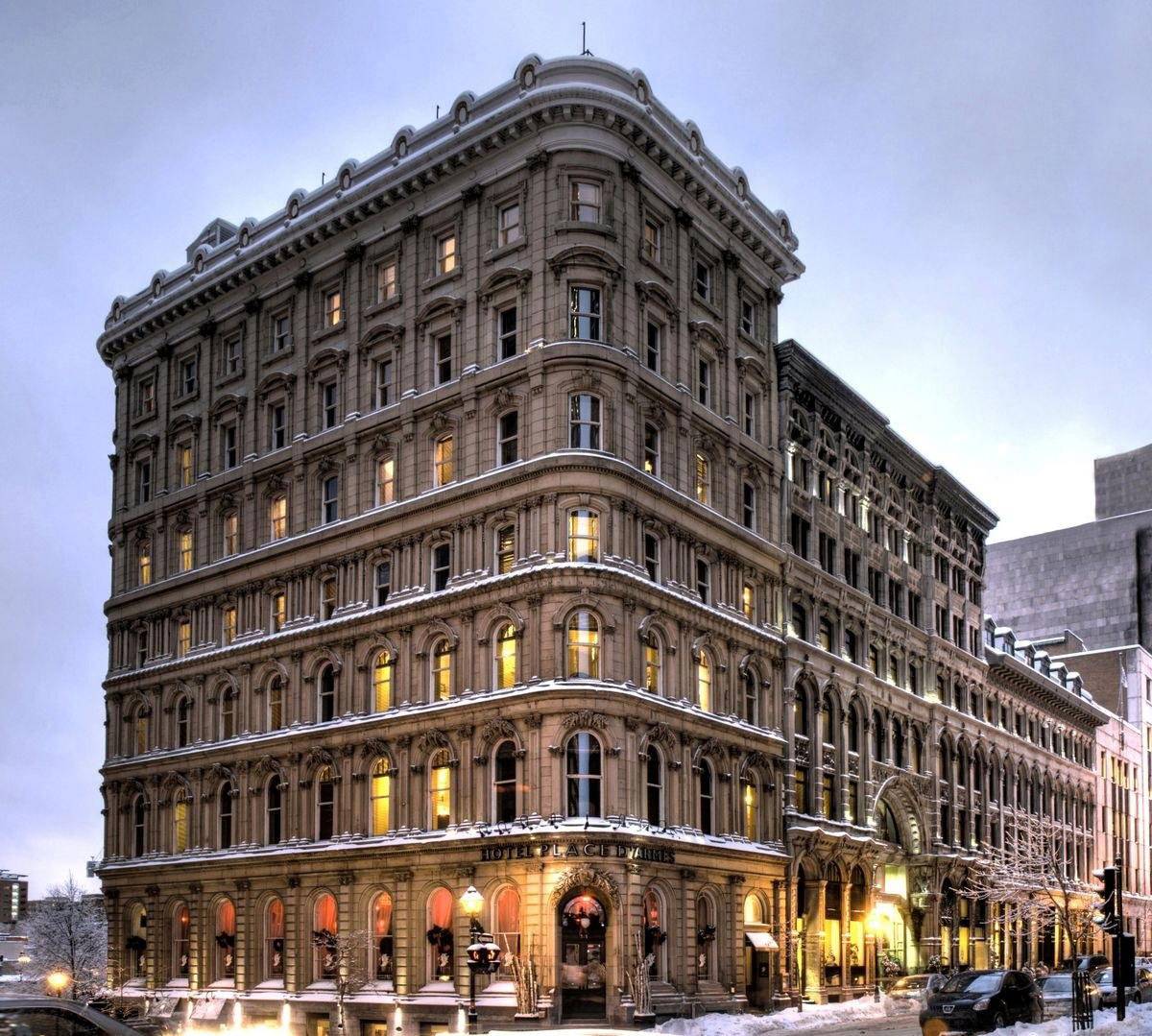
- Historic Building
- Standalone
- Extensive Wine List
- Street Scene
Current opening hours
- Monday
- Closed
- Tuesday
- Closed
- Wednesday
- Closed
- Thursday
- 12–10 PM
- Friday
- 12–10 PM
- Saturday
- 12–10 PM
- Sunday
- 12–10 PM
Hours can change for holidays and private events. Last verified .
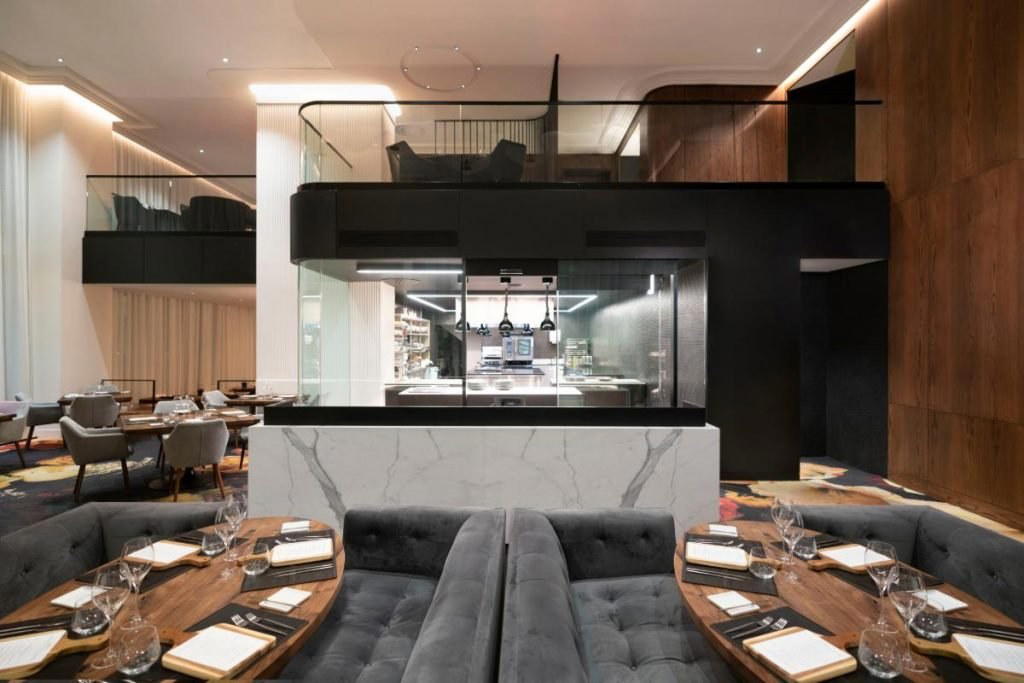
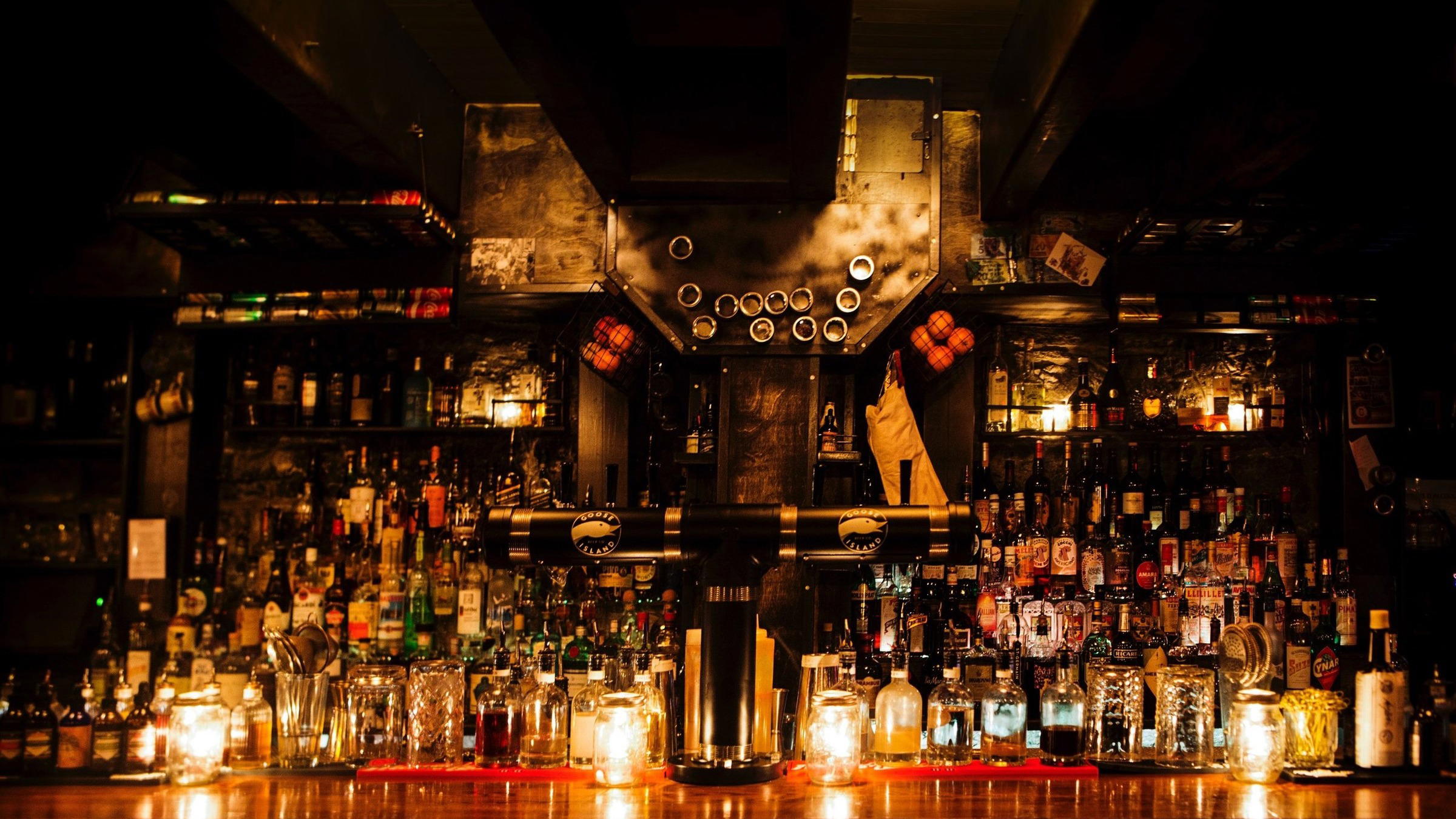
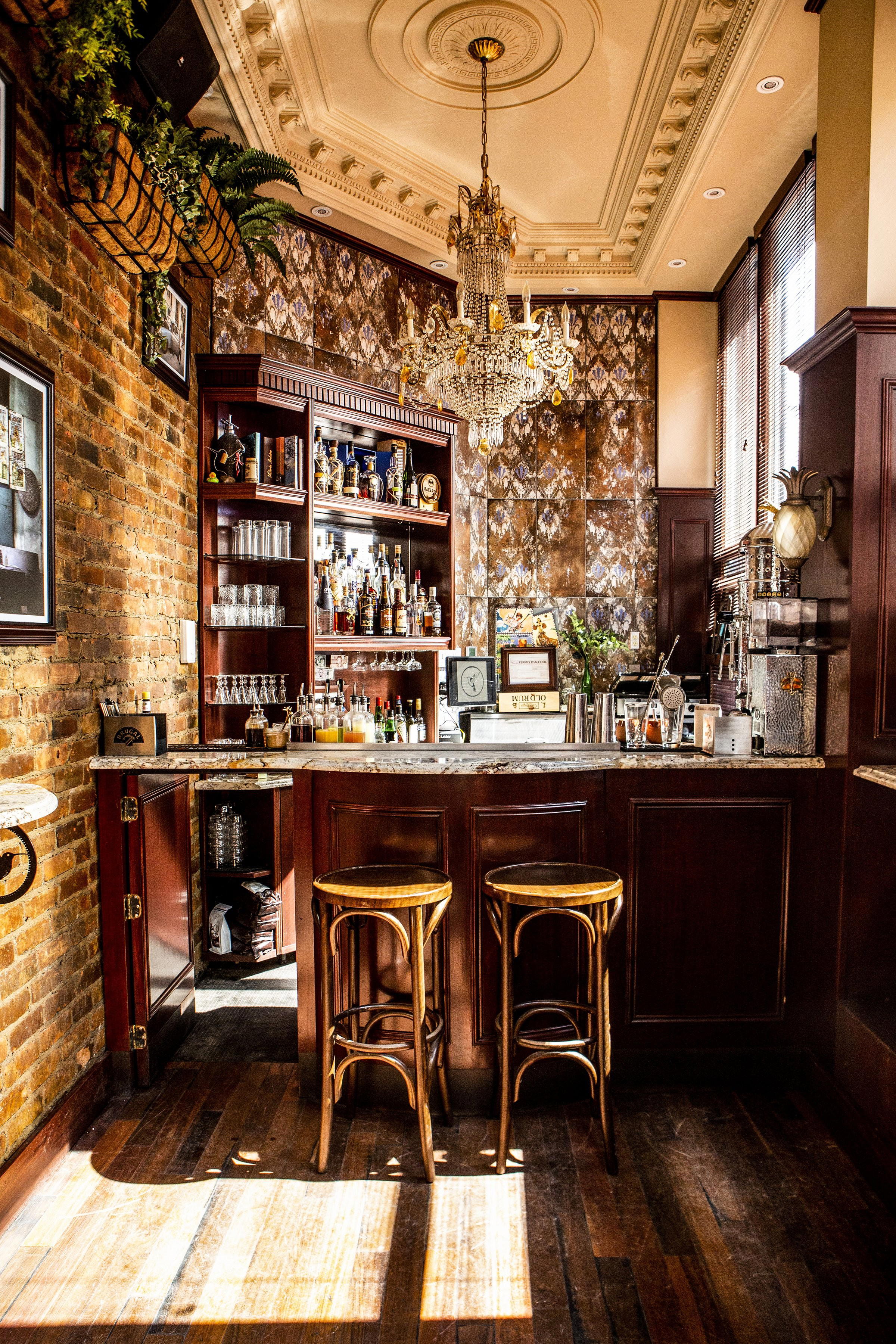
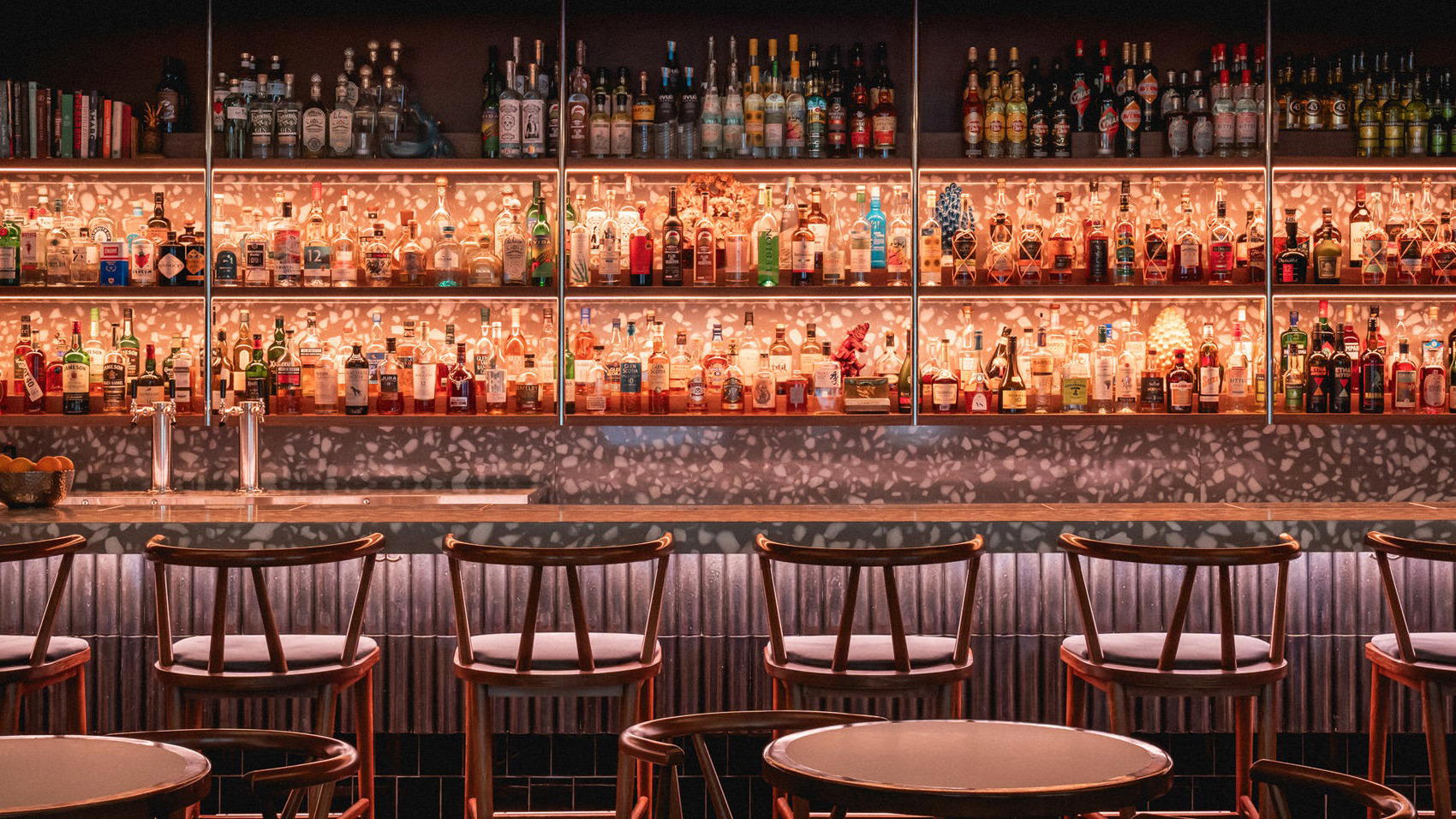
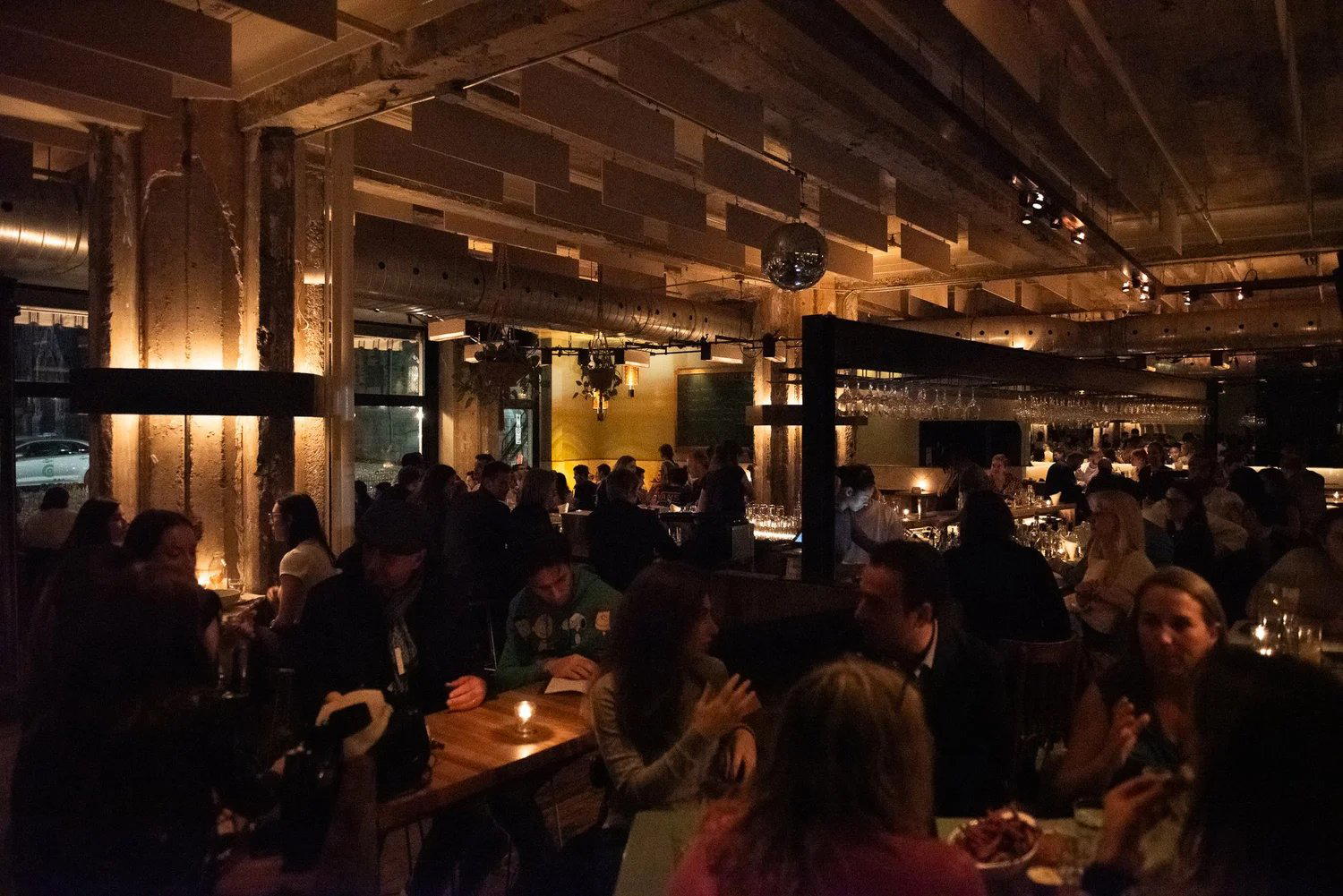
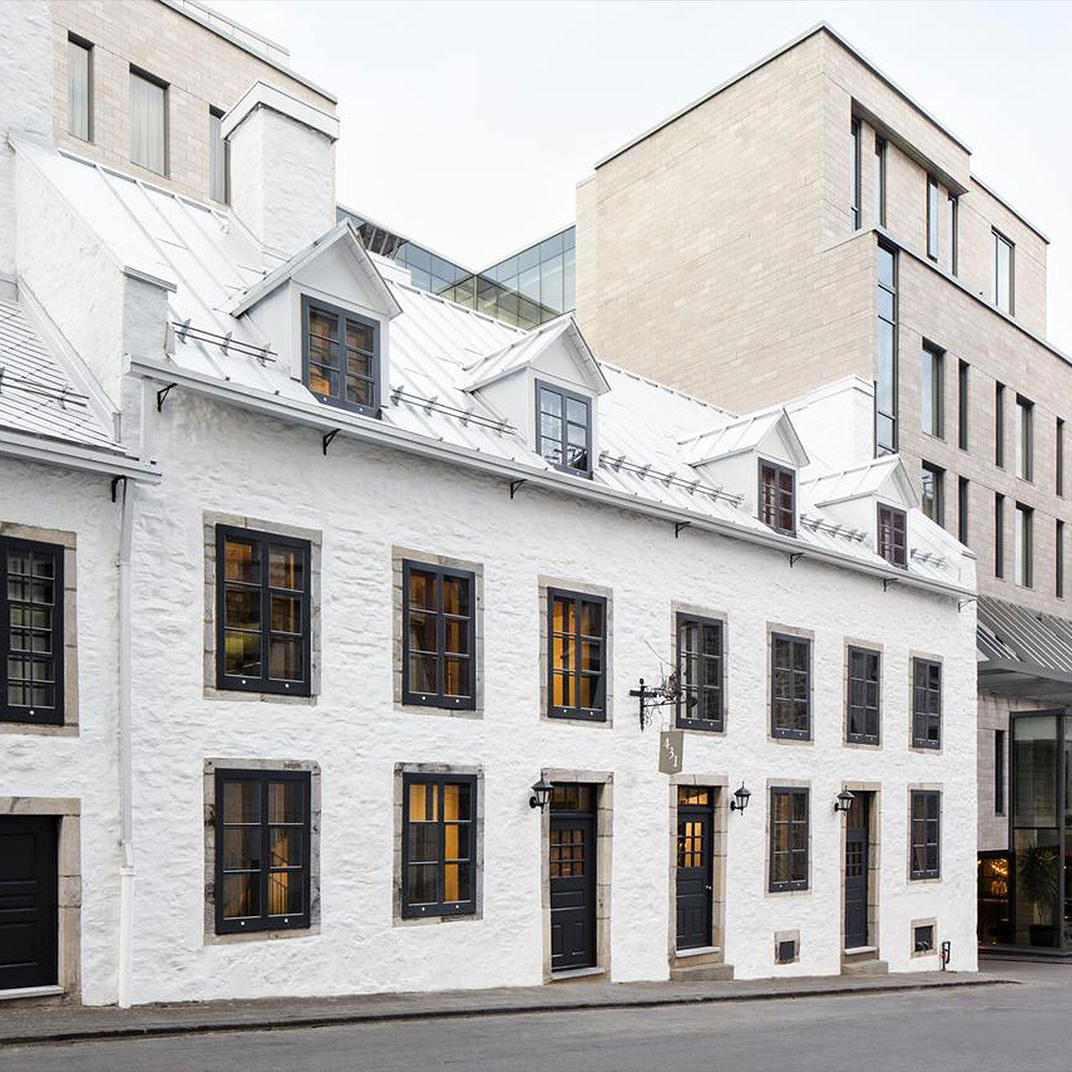
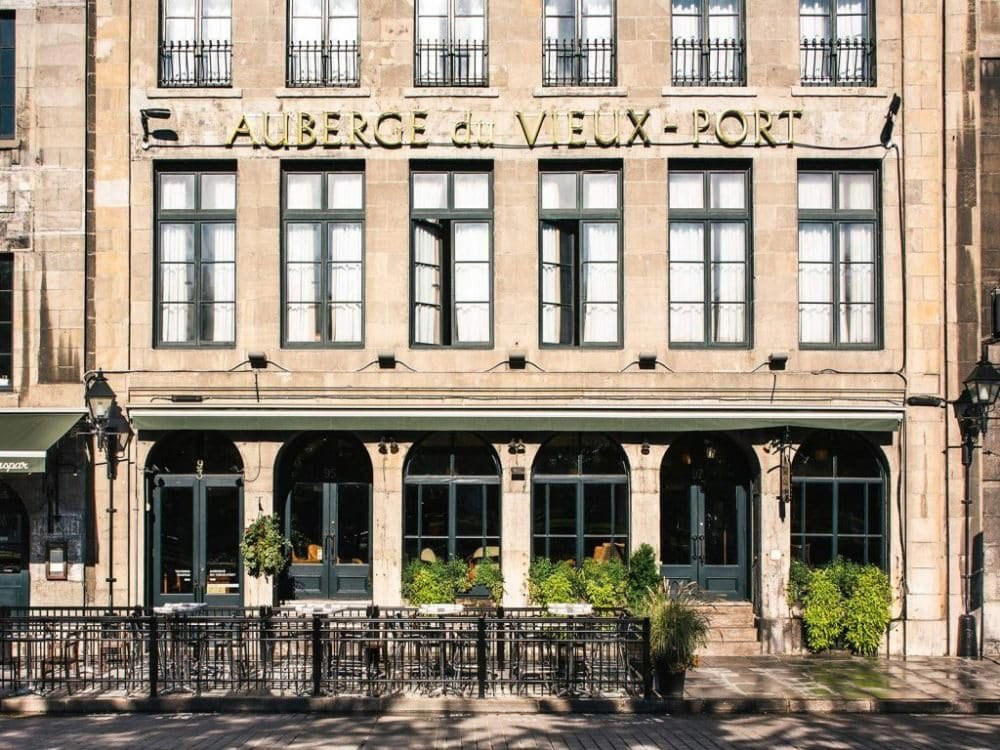
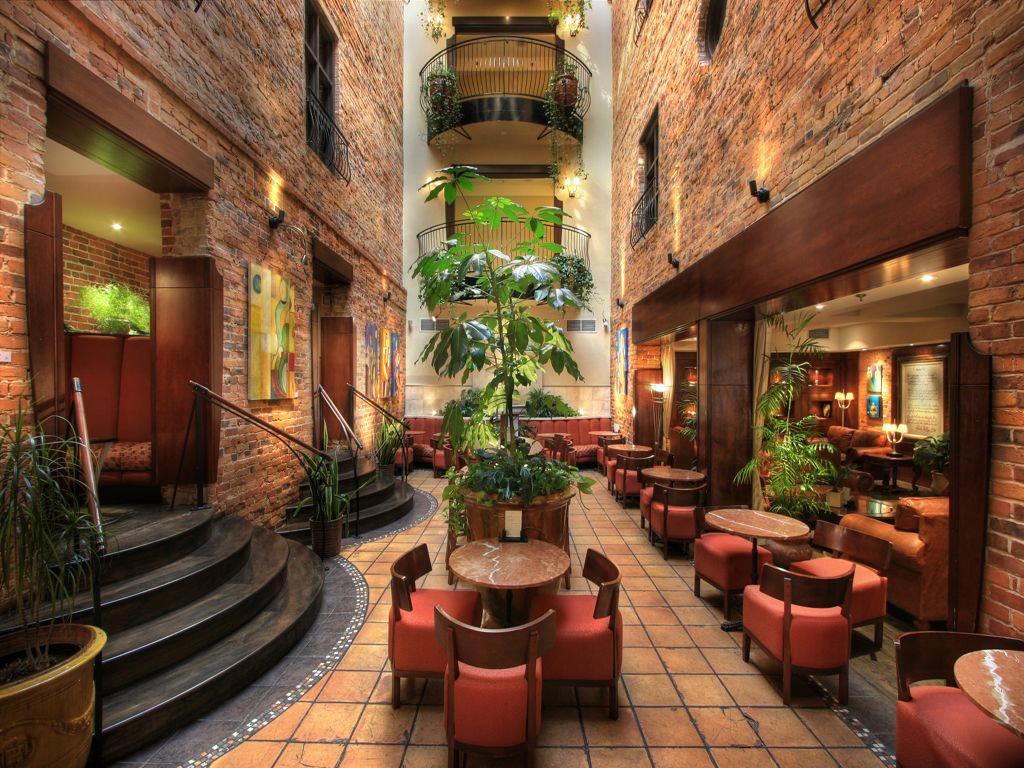
Warm and welcoming atmosphere with clean, elegant décor and a flowery terrace that evokes the feeling of dining in Italy.
Know Before You Go
- Getting there
- 452 Pl. Jacques-Cartier, Montréal, QC H2Y 3B3, Canada