Google: 4.9 · 143 reviews
Finca La Donaira

Set on a 1,700-acre estate outside Montecorto in Málaga's Serranía de Ronda, Finca La Donaira occupies a different category from Spain's urban fine-dining circuit. This eco-retreat combines working farmhouse character with equestrian experiences and Spanish table cooking under Chef Fredrik Andersson, drawing guests willing to trade city convenience for genuine rural immersion. Google reviewers rate it 4.8 from 135 reviews.
 Discover on Pearl
Pearl is the En Primeur Club membership app — saves, bookings, and concierge access live there. Same editors, same standards.
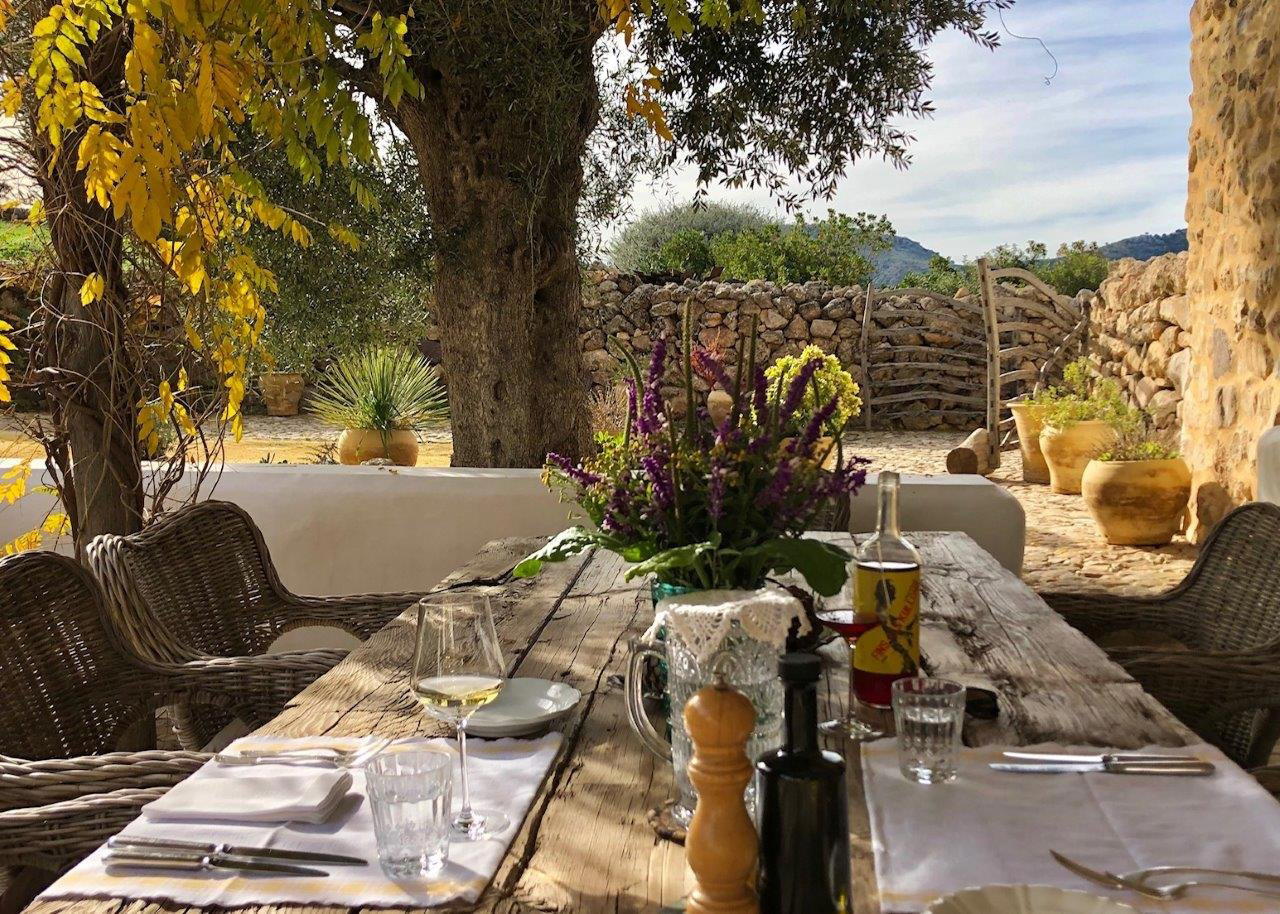
The Road In Changes What You Expect of the Table
Approaching Finca La Donaira along the Camino de las Minas, the Serranía de Ronda unfolds in the kind of slow, deliberate way that recalibrates expectations before you arrive. The estate covers 1,700 acres of Andalusian hill country, and the scale of it registers before any building comes into view. This is not the Spain of grand urban dining rooms or tasting-menu theatrics in Barcelona or Madrid. It is an older, more agrarian register of Spanish hospitality, where the connection between land, animal, and table is physical rather than philosophical.
Spain's highest-profile restaurants, from DiverXO in Madrid to El Celler de Can Roca in Girona and Arzak in San Sebastián, operate at the intersection of technique and concept, with tasting menus that unfold across two or three hours in purpose-built rooms. Finca La Donaira sits at the opposite coordinate. The dining here is shaped by what the estate produces and what the surrounding Ronda region provides, rather than by a brigade working toward a Michelin brief. That positioning is a deliberate editorial choice, not an absence of ambition.
Small Plates as Estate Language
The sharing table tradition that runs through Andalusian eating, from the tapas bars of Ronda's old quarter to the cortijo tables of the interior, reaches its most coherent form when the ingredients travel the shortest distance. In the broader Spanish small-plates culture, the ritual of ordering and sharing carries social weight: it forces conversation, slows the pace, and distributes decision-making across the table. At an estate property operating its own land, that ritual has an additional layer. What arrives in shared portions reflects what the farm has that day, which is a more honest constraint than any menu concept imposed from the outside.
Chef Fredrik Andersson works within that framework. His role here is less about personal expression in the chef-as-auteur sense that defines venues like Mugaritz in Errenteria or Azurmendi in Larrabetzu, and more about translating the estate's agricultural calendar into a table. That distinction matters when you're deciding whether this kind of experience fits your travel priorities. If you arrive expecting the progressive Spanish cooking of Aponiente in El Puerto de Santa María or the creative density of Cocina Hermanos Torres in Barcelona, you will have misread the register entirely.
What the Estate Format Actually Means
Eco-retreat properties in southern Spain now split broadly into two models: large agritourism operations that package rurality as aesthetic, and smaller, working estates where the land use is genuine and the guest experience flows from that. Finca La Donaira belongs to the second category. The equestrian program on the property is substantive, not decorative, which signals something about how the overall operation is run. When an estate maintains horses and working land across 1,700 acres, the rhythms of that maintenance shape everything from meal timing to the availability of specific ingredients.
For guests arriving from outside Spain, access logistics are worth mapping carefully. The nearest airports are Jerez (XRY) at approximately 98 kilometres, Sevilla (SVQ) at approximately 115 kilometres, and Málaga-Costa del Sol (AGP) at approximately 118 kilometres. The nearest train connection is Ronda, which places the estate in the Serranía de Ronda, one of Andalusia's least-developed interior zones. That remoteness is the point, and it requires a certain kind of planning. GPS coordinates 36.8492, -5.2987 will take you to the gate, but you should allow time for mountain road driving from whichever direction you approach.
The Google review score of 4.8 from 135 reviews reflects a consistent guest response that tends to centre on the immersive quality of the stay rather than any single dining moment. That pattern is common with estate properties: the experience accumulates across a day or two rather than arriving in a sequence of plated courses. For comparison, the most technically demanding Spanish restaurants, including Martin Berasategui in Lasarte-Oria, Quique Dacosta in Dénia, and Ricard Camarena in València, are built around a single, concentrated table experience. Finca La Donaira distributes its value across a different time frame.
The Ronda Region as Context
Montecorto sits within the municipality of Ronda, a town with one of the more coherent food identities in Andalusia. The Serranía de Ronda produces its own wines, has a tradition of ibérico pig farming, and sits at the confluence of highland and lowland agricultural zones. Restaurants operating in this region, whether in Ronda itself or on surrounding estates, draw from a larder that differs meaningfully from the coastal Málaga offer. The altitude and cooler temperatures of the interior affect what grows and how it tastes. For guests interested in Spanish regional food beyond the coastal registers, this is a productive area to explore. Our full Montecorto restaurants guide, hotels guide, bars guide, wineries guide, and experiences guide map the wider area for those building a longer stay around the region.
Spanish cooking of the interior rarely travels as far as its coastal and Basque counterparts, which makes properties like Finca La Donaira a more reliable access point for it than seeking out urban representations. The same dynamic plays out when Spanish cuisine exports: places like ZURRIOLA in Tokyo or Arco by Paco Pérez in Gdańsk inevitably translate a version of Spanish cooking filtered through a specific regional lens, usually Basque or Catalan. The Andalusian interior rarely makes that journey. Experiencing it here, at source, is a more direct proposition. Similarly, Atrio in Cáceres demonstrates how Spain's interior regions can sustain serious hospitality propositions outside the well-mapped fine-dining circuits.
Planning Your Visit
Finca La Donaira is an estate stay, which means the planning calculus differs from booking a table at a city restaurant. The intimacy of the setting, referenced consistently in guest feedback, implies a limited number of guests at any one time. Arriving without a stay booked and expecting to experience the dining independently is unlikely to work in practice. The estate's address, Camino de las Minas, s/n, 29430 Montecorto, Málaga, combined with the GPS coordinates above, will get you there, but the journey from any of the three airports takes roughly 90 to 120 minutes depending on traffic and mountain road conditions. Ronda, accessible by train, is the sensible base if you prefer to approach by rail and arrange onward ground transport.
Side-by-Side Snapshot
These are the closest comparables we have in our database for quick context.
| Venue | Cuisine | Price | Awards | Notes |
|---|---|---|---|---|
| Finca La Donaira | Spanish | HIGHLIGHTS: • ECO-RETREAT • INTIMATE SETTING • FARMHOUSE ON 1,700-ACRE ESTATE •… | This venue | |
| Aponiente | Progressive - Seafood, Creative | €€€€ | Michelin 3 Star | Progressive - Seafood, Creative, €€€€ |
| Arzak | Modern Basque, Creative | €€€€ | Michelin 3 Star | Modern Basque, Creative, €€€€ |
| DiverXO | Progressive - Asian, Creative | €€€€ | Michelin 3 Star | Progressive - Asian, Creative, €€€€ |
| El Celler de Can Roca | Progressive Spanish, Creative | €€€€ | Michelin 3 Star | Progressive Spanish, Creative, €€€€ |
| Quique Dacosta | Creative | €€€€ | Michelin 3 Star | Creative, €€€€ |
Continue exploring
More in Montecorto
Restaurants in Montecorto
Browse all →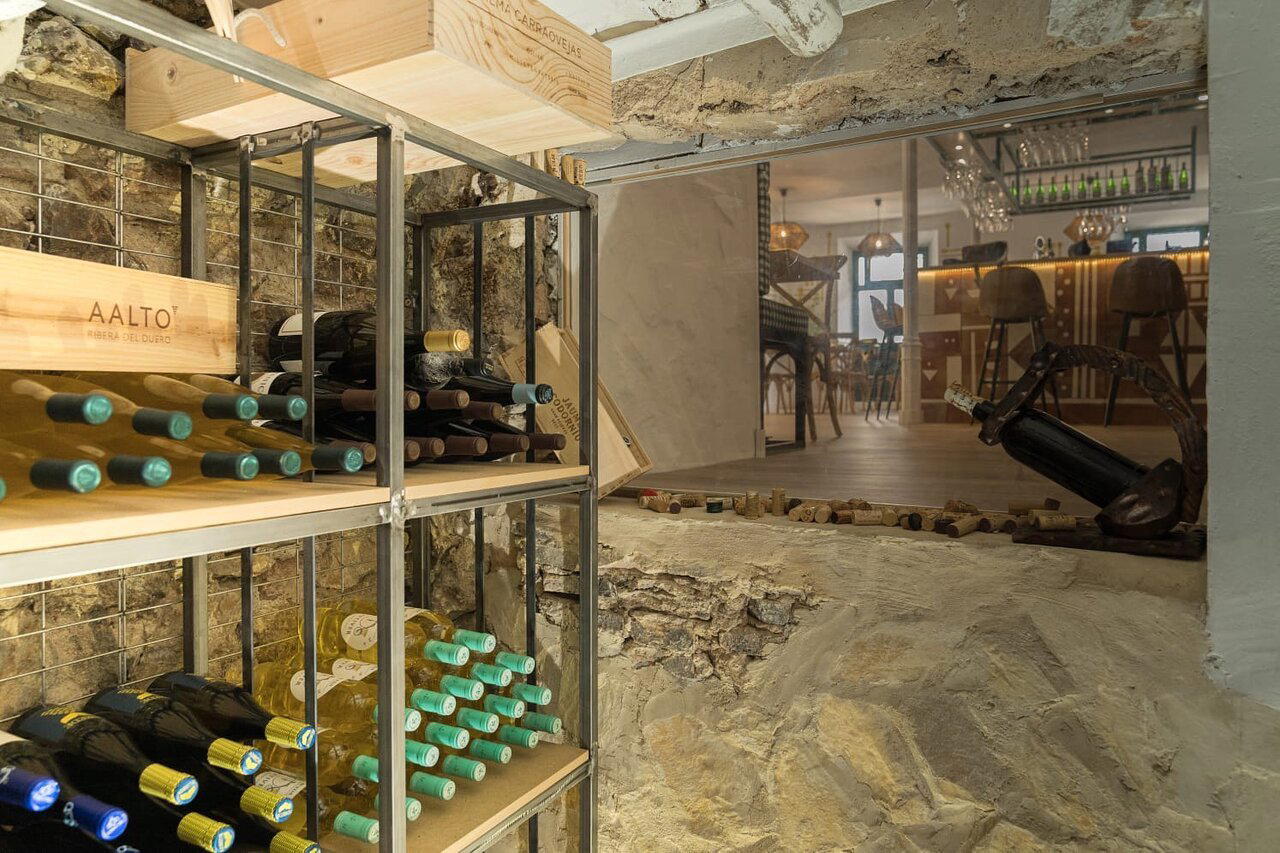
Bars in Montecorto
Browse all →
At a Glance
- Romantic
- Scenic
- Rustic
- Elegant
- Intimate
- Sophisticated
- Date Night
- Special Occasion
- Garden
- Terrace
- Hotel Restaurant
- Extensive Wine List
- Natural Wine
- Sommelier Led
- Farm To Table
- Organic
- Local Sourcing
- Mountain
- Garden
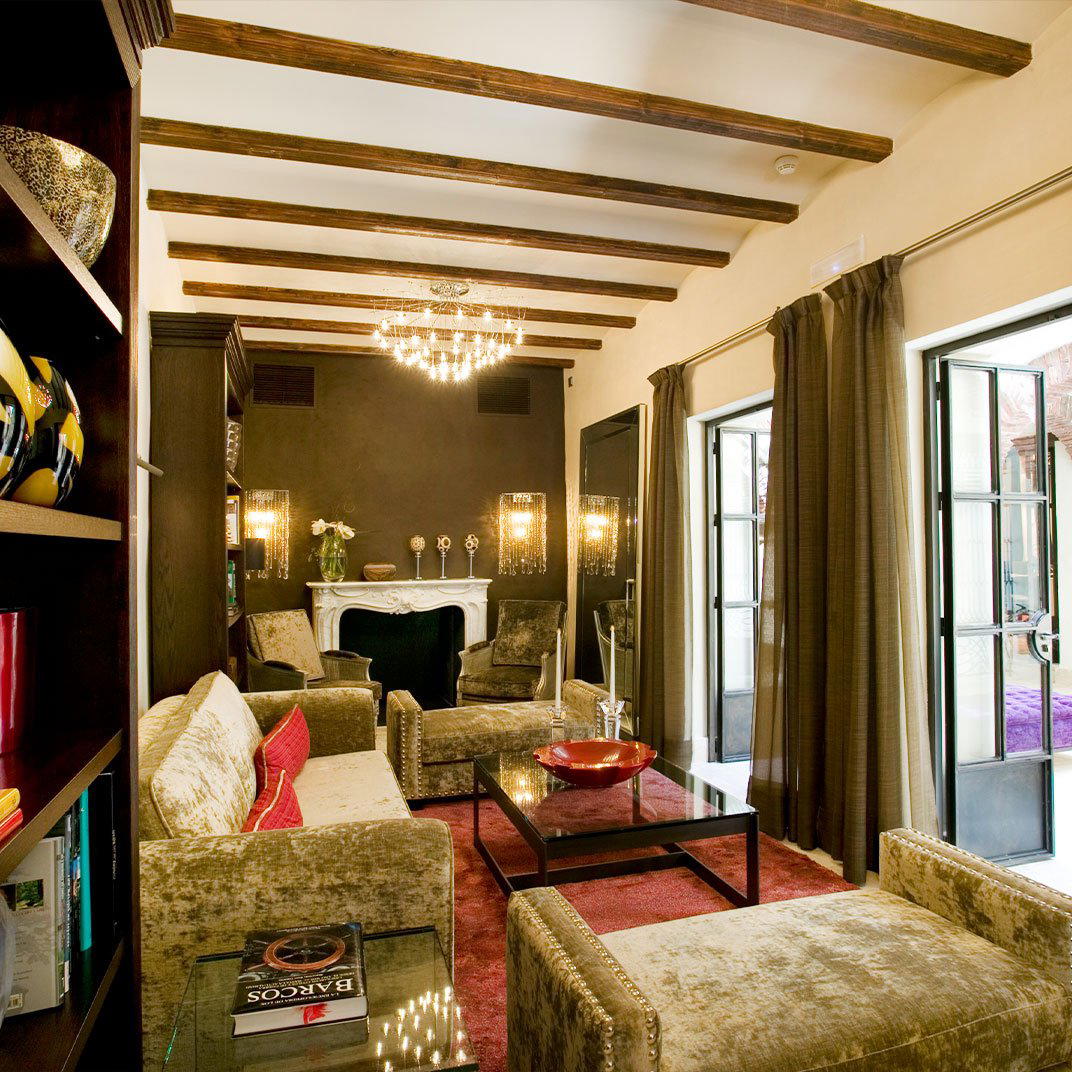
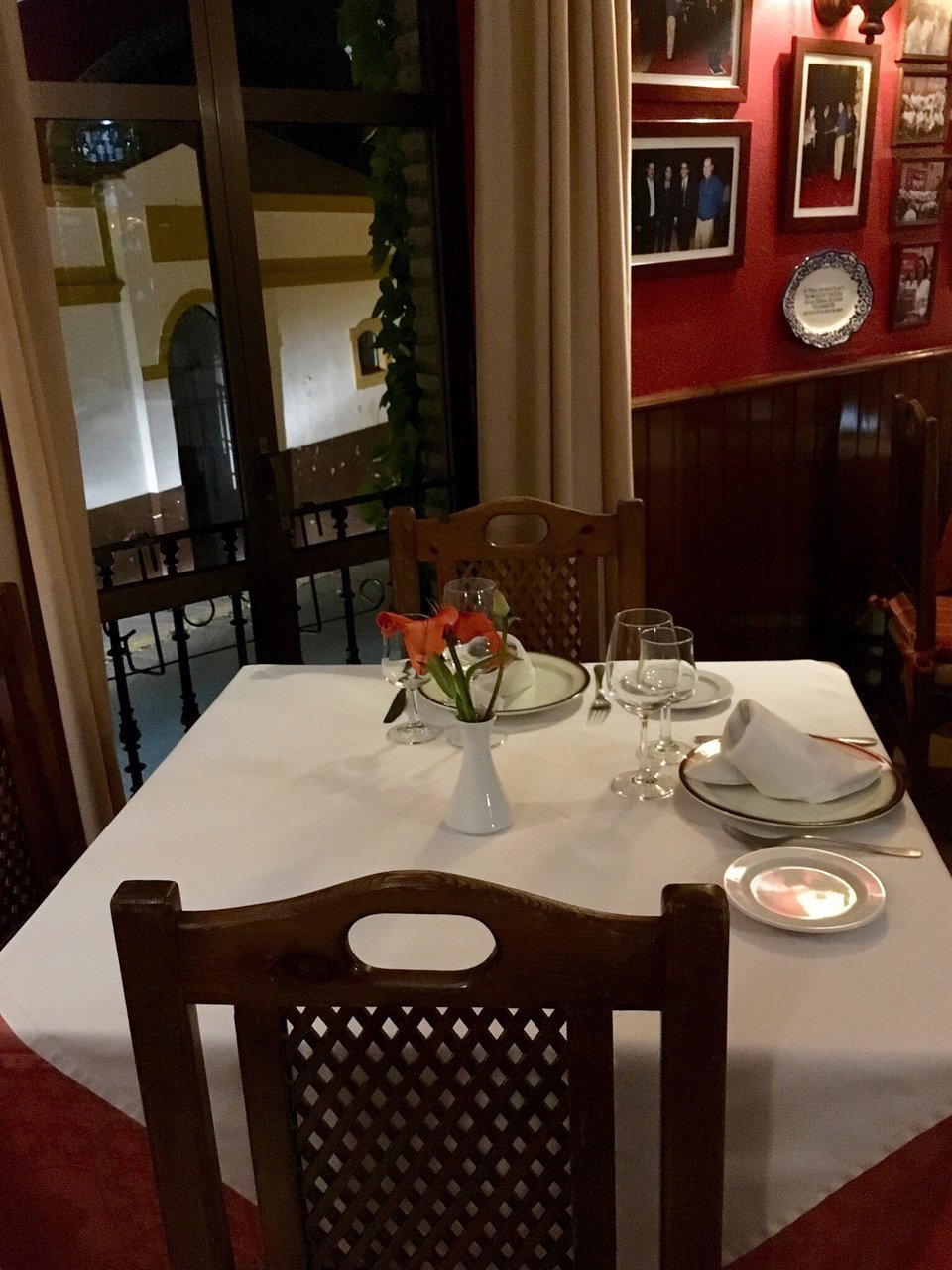
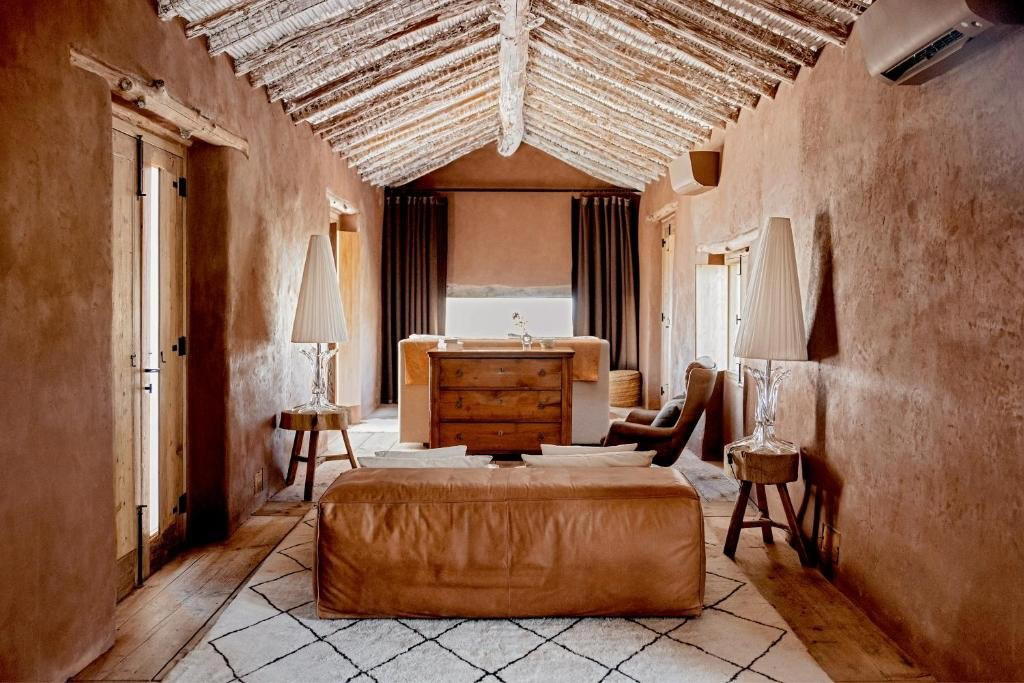
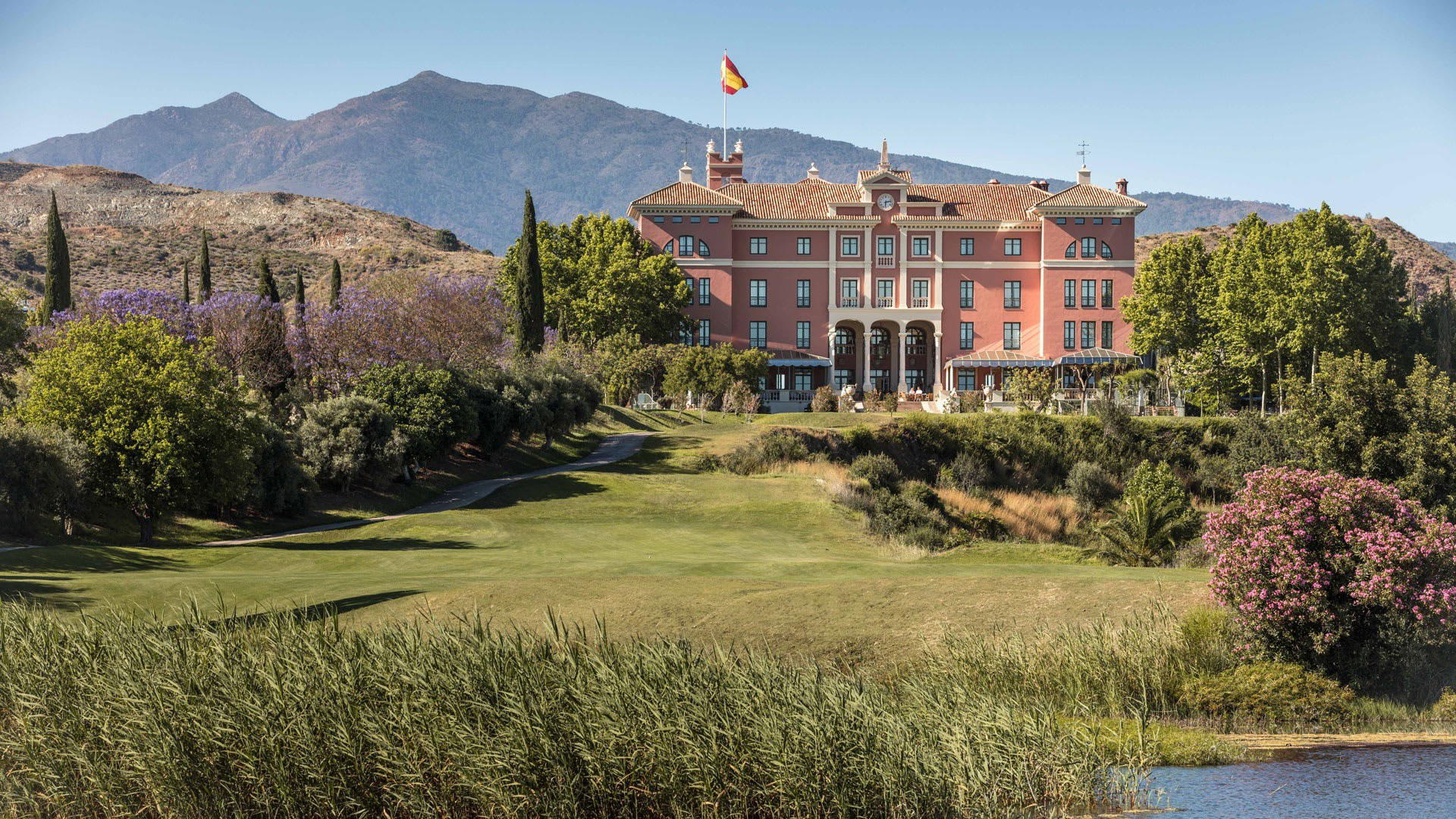
Peaceful and sophisticated with candlelit communal or private dining under starry skies, natural light through large windows framing mountain and garden views, and a relaxed connection to nature.