C. Real occupies a position in Ronda's dining scene shaped by the city's position as Andalusia's most architecturally dramatic inland town. Set against the backdrop of the Tajo gorge and the layered Moorish, Renaissance, and Bourbon-era streetscape that defines the old city, it draws visitors seeking the kind of table that matches the weight of the surroundings. Ronda rewards those who look past the famous bridge.

Pearl is the En Primeur Club membership app — saves, bookings, and concierge access live there. Same editors, same standards.
- Address
- 29400 Ronda, Málaga, Spain
- Directions
- Get directions
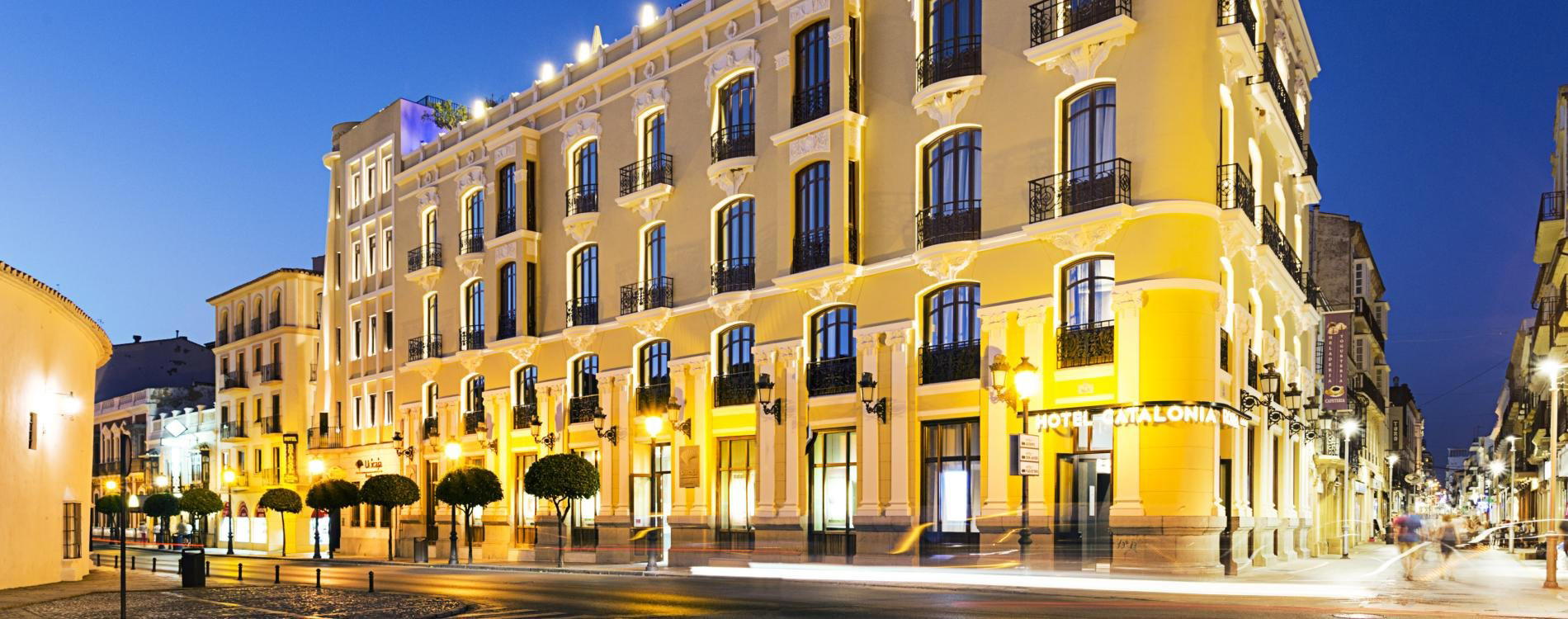
Stone, Depth, and the Weight of Ronda's Architecture
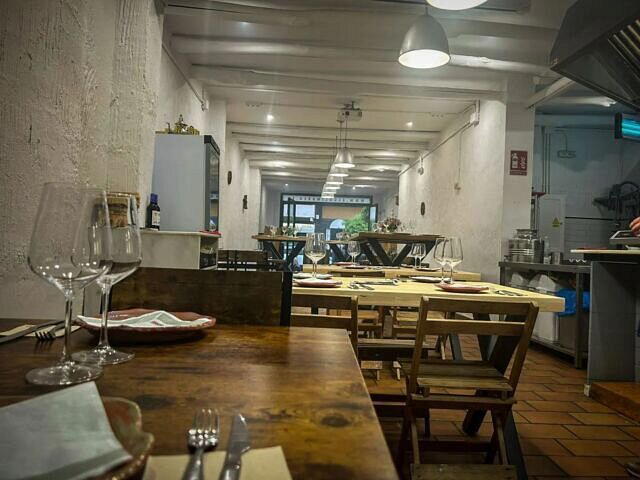
Ronda is not a city that eases you in. The Puente Nuevo drops 120 metres into the El Tajo gorge on arrival, and the old city spreads behind it in a layered accumulation of Moorish foundations, 16th-century convents, and Bourbon-era facades that few Andalusian towns can match for sheer physical presence. Dining here operates inside that context: the built environment is not background, it is the argument. The leading addresses in the old city understand this and work with stone walls, vaulted ceilings, and deep-set windows rather than against them. C. Real, addressed in the 29400 postal zone of Ronda, Málaga, sits inside this architectural conversation.
The character of dining in Ronda's historic core is shaped by a specific constraint: the buildings themselves. Structures in the old city date, in many cases, to the 17th and 18th centuries, and their interior logic, low ceilings, narrow plan, thick stone party walls, sets the terms for any hospitality operation that occupies them. This is a city where the architecture leads and the restaurant follows. For visitors arriving from coastal Málaga or from the intensely designed hotel world of properties like Hotel Catalonia Ronda, the shift in register is instructive: Ronda's interiors carry history in their fabric, not as decoration applied over it.
Where C. Real Sits in Ronda's Dining Geography
Ronda's restaurant scene has two distinct registers. The first is the terrace-and-view category, restaurants positioned to capture the gorge panorama, which tend to attract day-trippers arriving on the coach route from the Costa del Sol. The second, smaller category is the address oriented toward the city's own texture: the Arab baths quarter, the collegiate church precinct, the old Jewish quarter streets running south toward the bullring. C. Real operates within the latter register, in a city whose address for serious visitors has always been the old city rather than the modern expansion south of the bullring.
Within Andalusia's broader hospitality picture, Ronda occupies a niche that separates it from both Seville's baroque density and Málaga's coastal informality. It is a mountain city, 744 metres above sea level, with a climate that produces genuinely cold winters and a culinary tradition built around game, cured meats from the Serranía de Ronda, and the local Denominación de Origen wines produced in the surrounding sierra. Any serious table in the old city draws from this larder. For context on the regional premium tier, the gap between Ronda and the top end of Spanish hotel-restaurant combinations is illustrated by properties like Mandarin Oriental Ritz, Madrid or the wine-estate format of Abadía Retuerta LeDomaine in Teruel. Ronda operates at a different scale but with its own logic.
The Architectural Argument for Visiting
Spain's most considered dining experiences increasingly use architecture as a primary tool. The rock-cut rooms of Cap Rocat in Cala Blava and the medieval fabric of Atrio Restaurante Hotel in Cáceres both demonstrate how a building's historical fabric can carry as much weight in a guest's experience as the food itself. Ronda belongs to this tradition: the gorge city has been a destination for travellers with serious architectural and landscape interests since Rainer Maria Rilke spent time here in the early 20th century, and the town's reputation in that vein has not diminished.
C. Real's address in the 29400 zone places it in the municipality that contains both the old city and the newer commercial sprawl. For visitors, the working assumption should be to orient toward the old city side of the Tajo, where the building stock is dense, the streets narrow, and the physical experience of the city most concentrated. The planning logic for a visit to Ronda typically works from a base in or close to the historic centre, from which the bullring, the Arab baths, the palace of Mondragón, and the gorge viewpoints are all walkable. This is a city where arrival by car requires patience with the one-way system through the old quarter, and arrival by train from Málaga or Algeciras brings you to a station below the cliff, with a short climb into the centre.
Planning a Visit: Practical Orientation
Visitors approaching Ronda from the Costa del Sol typically drive the A-397 from San Pedro de Alcántara, a mountain road with significant elevation change that takes roughly an hour from the coast. The train route from Málaga via Bobadilla is slower but operationally simpler and deposits arrivals closer to the centre. Ronda rewards at least one full day, ideally two, to absorb the old city without the day-tripper pressure that concentrates between late morning and mid-afternoon.
For those building a wider Andalusian itinerary, Ronda sits naturally between the coast and the interior wine country of the Serranía. The regional context extends north toward Extremadura, where Atrio in Cáceres operates at the intersection of fine dining and medieval architecture in a way that Ronda visitors often find resonant. Closer to the coast, Marbella Club Hotel represents the alternative register entirely: sea-level luxury versus mountain-town depth. Our full Ronda restaurants guide maps the city's tables across both registers for those building a complete itinerary.
Spain's design-led hotel-restaurant combinations elsewhere in the country, from Terra Dominicata in Escaladei to Mas de Torrent in Torrent and Pepe Vieira in Poio, all share a commitment to site and material as primary editorial tools. Ronda, with its gorge, its Arab baths, and its 18th-century civic architecture, offers that kind of material in concentrated form. C. Real operates inside that inheritance.
Comparable Spots, Quickly
| Venue | Price | Awards |
|---|---|---|
| C. RealThis venue — the venue you are viewing | $100–200 | Not listed |
| Mandarin Oriental Ritz, Madrid | Not listed | 3 Michelin Keys · World's 50 Best #71 |
| Four Seasons Hotel Madrid | Not listed | 2 Michelin Keys · World's 50 Best #66 |
| La Residencia, A Belmond Hotel, Mallorca | Not listed | 2 Michelin Keys · La Liste Top Hotels |
| Mandarin Oriental Barcelona | Not listed | 2 Michelin Keys · La Liste Top Hotels |
| Rosewood Villa Magna | $300–500 | 2 Michelin Keys · La Liste Top Hotels |
Continue exploring
More in Ronda
Hotels in Ronda
Browse all →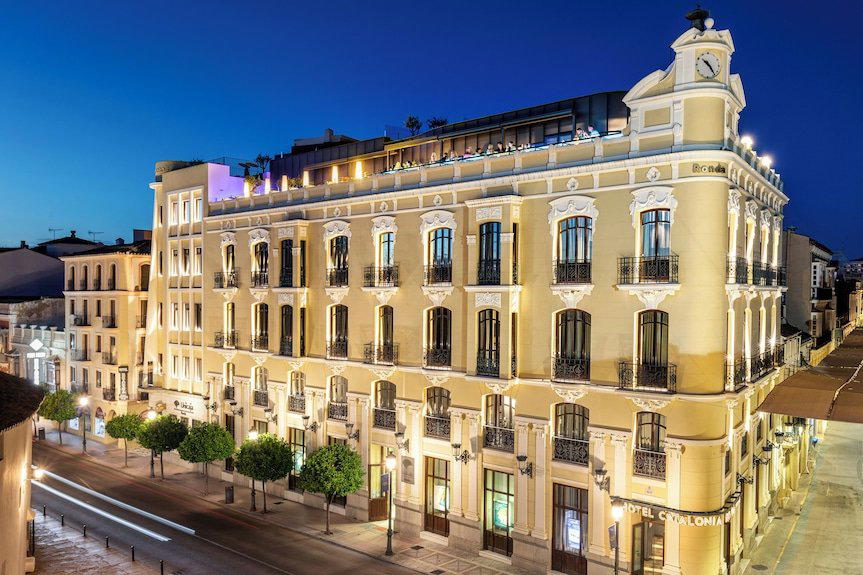
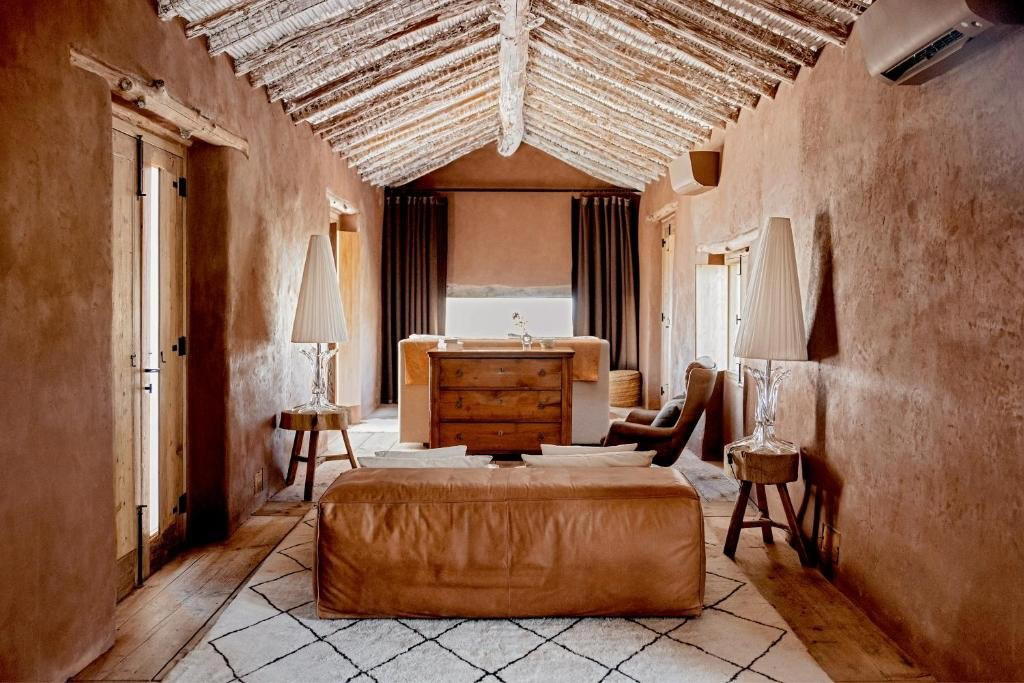
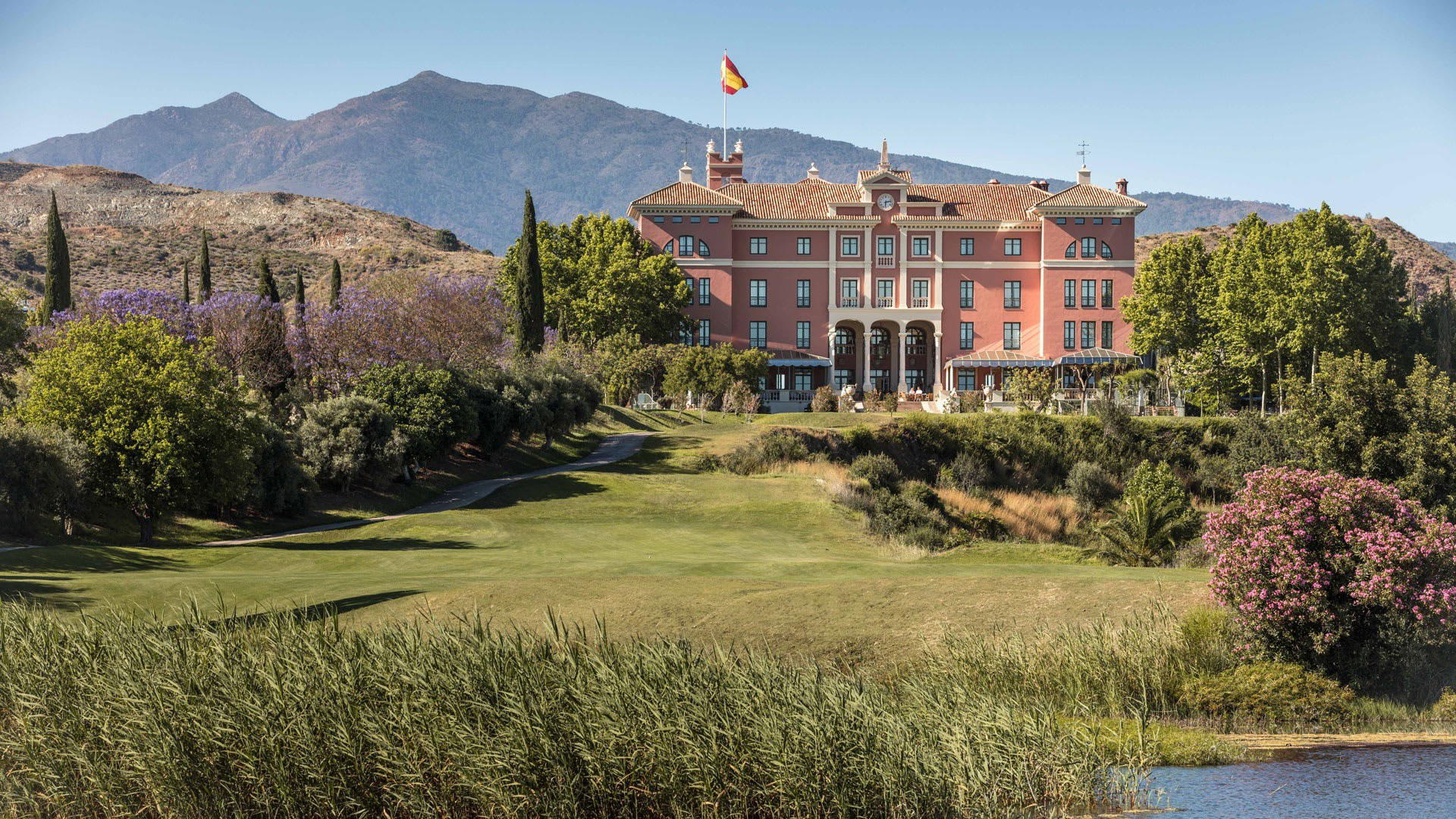
Bars in Ronda
Browse all →
Restaurants in Ronda
Browse all →

Details
- Romantic
- Scenic
- Classic
- Elegant
- Romantic Getaway
- Family Vacation
- Weekend Escape
- Historic Building
- Panoramic View
- Terrace
- Rooftop Pool
- Wi Fi
- Pool
- Restaurant
- Spa
- Room Service
- Concierge
- Mountain
- Street Scene
- Elevator
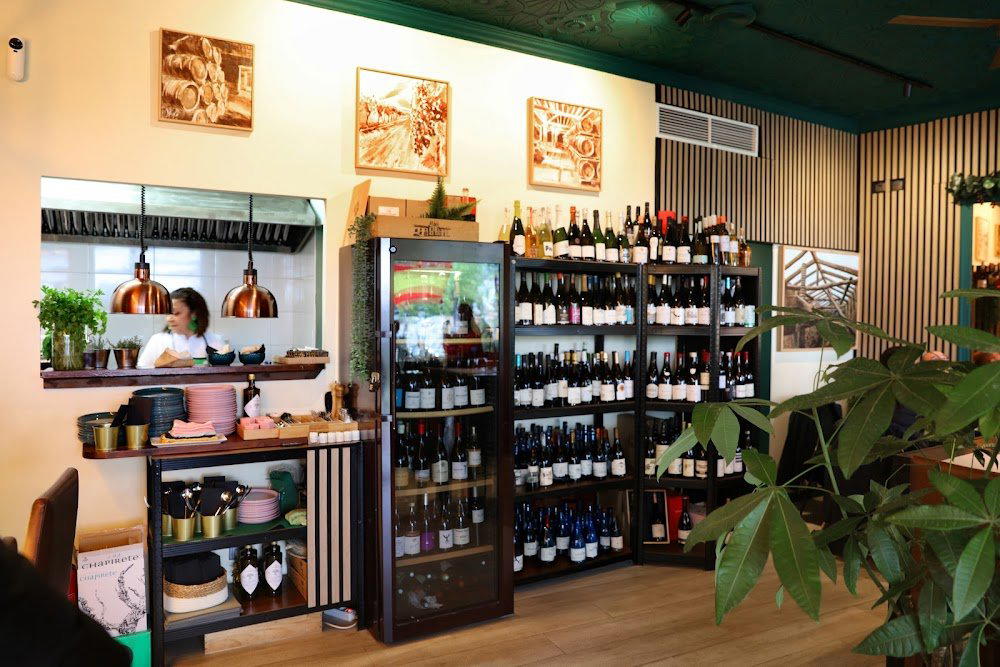
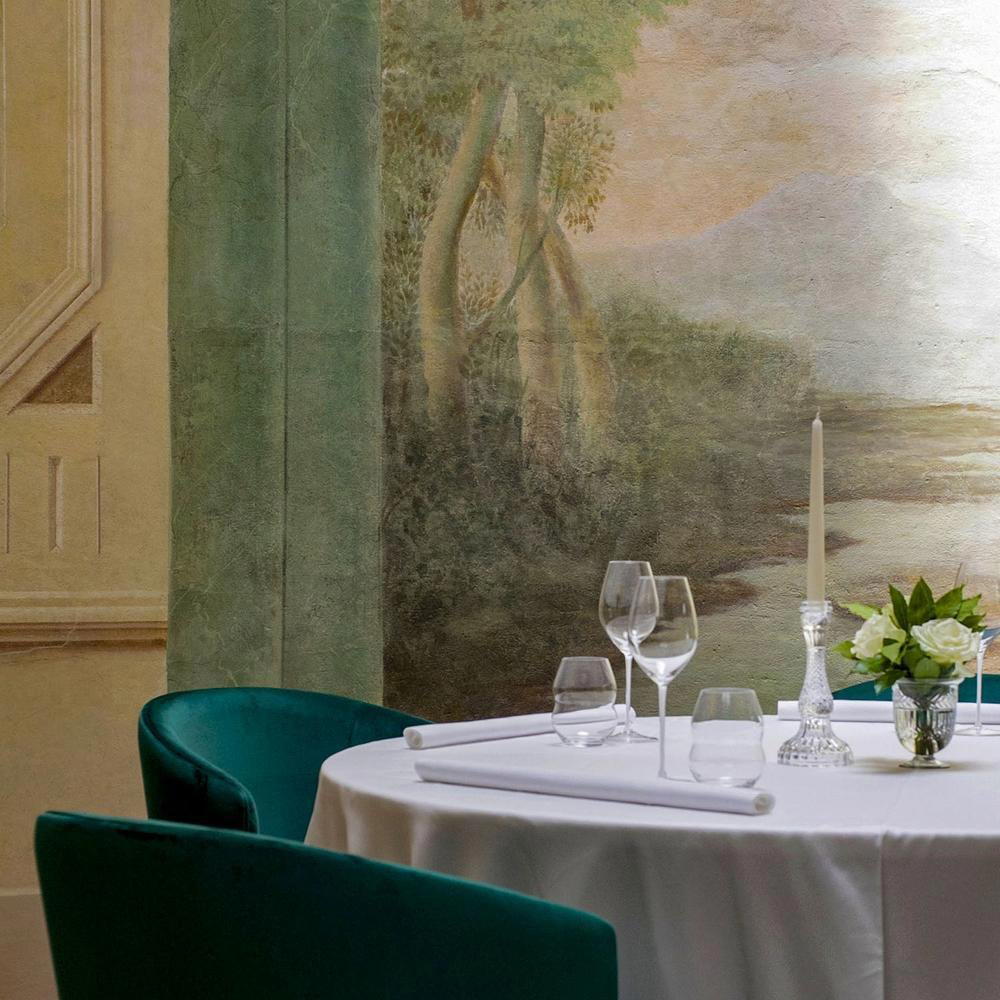
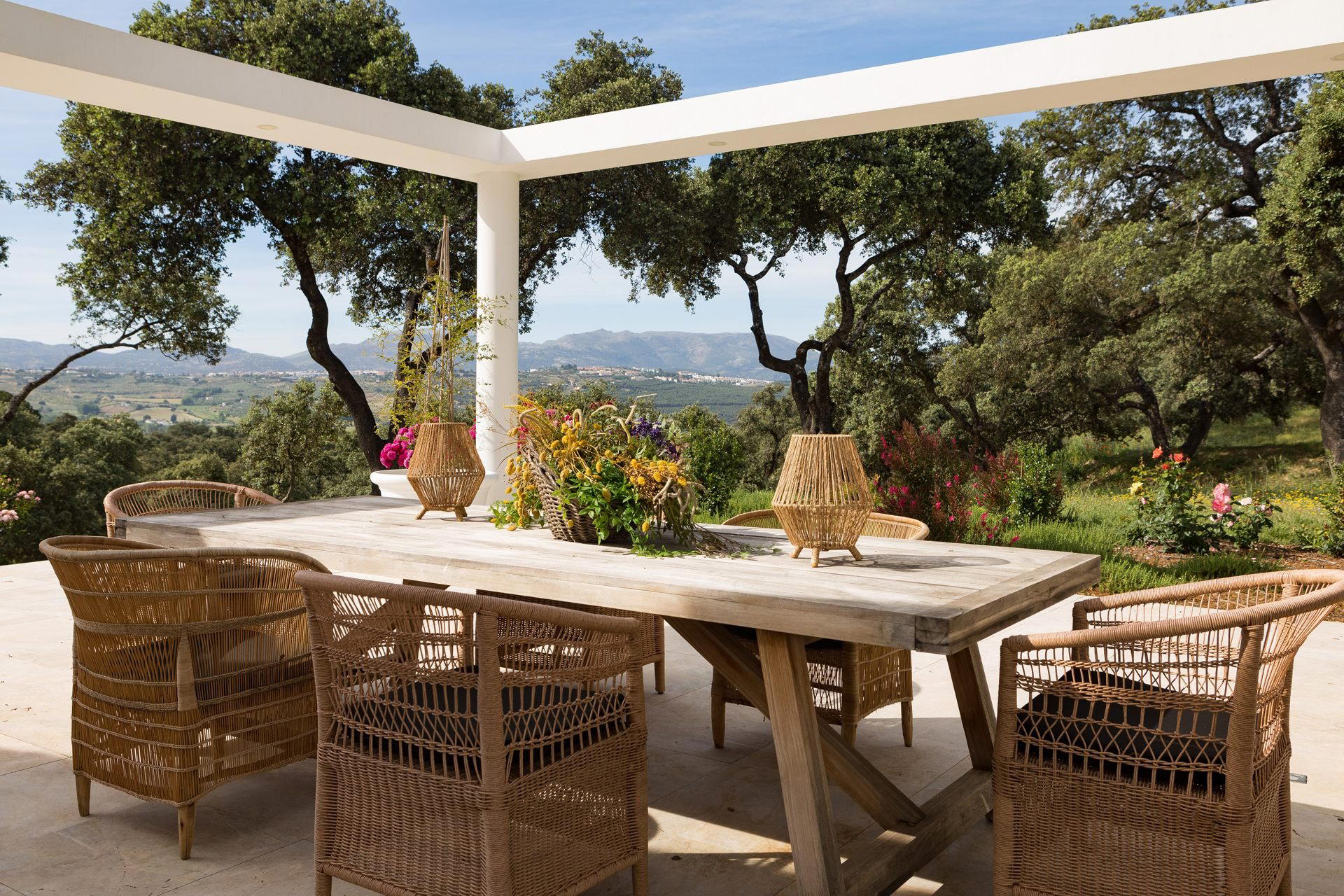
Carefully designed interior with handpainted murals of famous artists and traditional Andalusian countryside elements, creating a charming and culturally immersive atmosphere with rooftop terrace views.