Deli

Michelin Plate
Our verdict
A Michelin Bib Gourmand holder in the Sevillian interior, Deli has been feeding Montellano across three generations with cooking rooted in the traditional flavours of inland Andalucia. Rice dishes, slow stews, and Moorish-inflected recipes sourced from local producers place it firmly in the tradition of honest, regionally grounded Spanish cooking at a price point that remains accessible for serious food.

Pearl is the En Primeur Club membership app — saves, bookings, and concierge access live there. Same editors, same standards.
- Address
- Pl. Andalucía, 10, 41770 Montellano, Sevilla, Spain
- Phone
- +34 954 87 51 10
- Hours
- Mon–Sat 12:30–4 PM, 8:30–10 PMSun Closed
- Website
- restaurantedeli.com
- Directions
- Get directions
- Booking
- Book on TheFork
The menu
What to order
- Rice with partridge
- Roast shoulder of suckling lamb
- Partridge mousse
Where Inland Andalucia Cooks the Way It Always Has
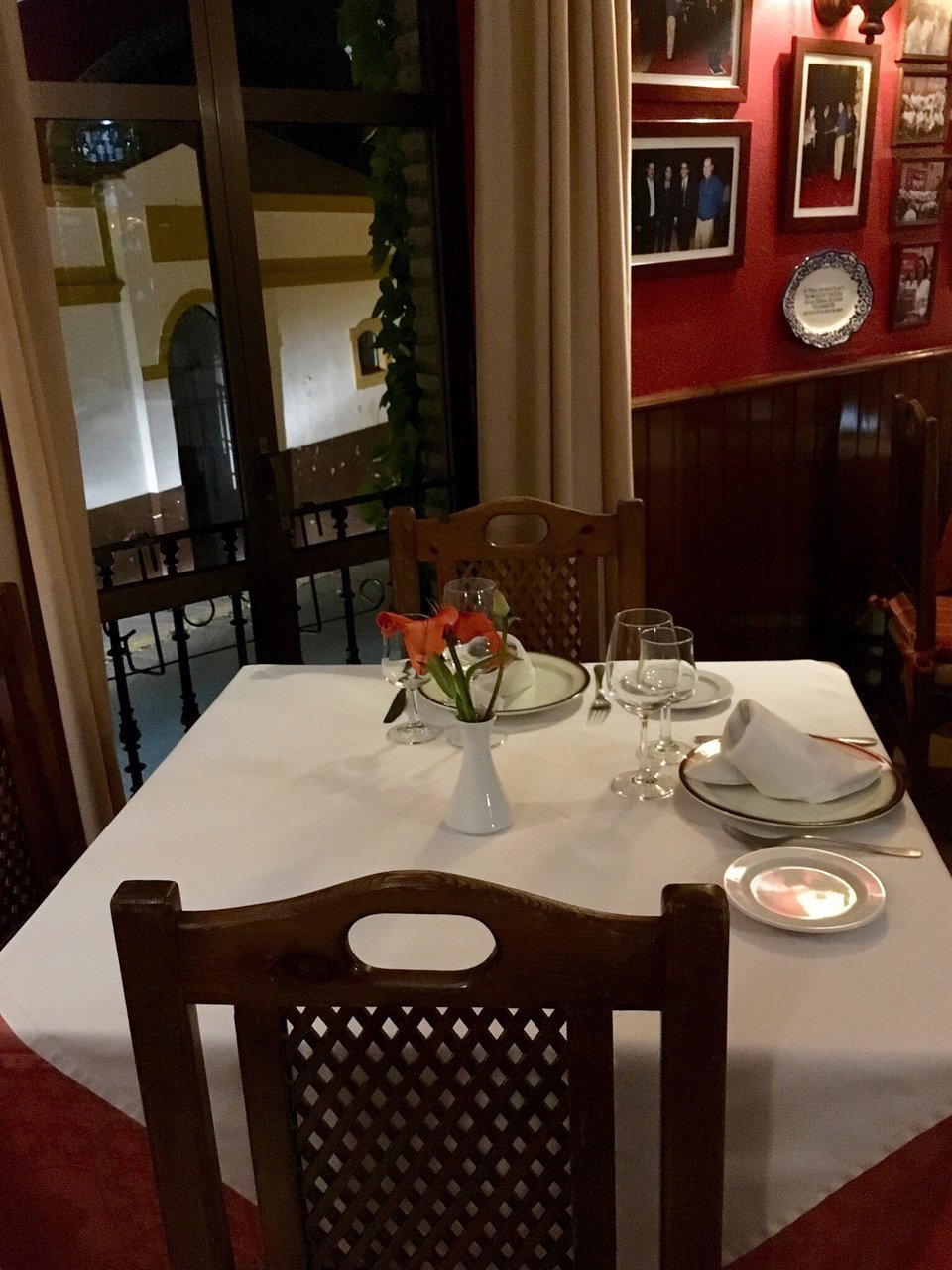
The square in front of Deli — Plaza Andalucía, at the heart of Montellano — gives you the tone before you step inside. This is not a destination-dining enclave shaped by outside investment; it is a working town in the Sevillian interior, roughly halfway between Sevilla and Ronda, where the cooking has always been dictated by what the surrounding sierra and farmland produce rather than what any trend might demand. Deli has been part of that square, and that food culture, long enough to have passed through three generations of the same family. The dining room reflects the setting: a neighbourhood restaurant that takes its work seriously without performing seriousness at you.
For context on what that means at the table, consider that Michelin's Bib Gourmand, awarded to Deli in both 2024 and 2025, explicitly signals cooking that delivers quality above its price tier, not spectacle. In Spain, the Bib Gourmand category sits at a different altitude from the starred houses like Aponiente in El Puerto de Santa María or DiverXO in Madrid, but that distance is a feature, not a deficit. The award maps a different kind of ambition: disciplined sourcing, inherited technique, and a refusal to drift from a defined culinary identity.
The Logic of the Larder
Inland Andalucia operates on a different larder from the coast. Where the Cádiz bay and the Atlantic shape the obsessions of chefs like Ángel León at Aponiente, the Sevillian sierra produces game, lamb, wild mushrooms, and the pulses and grains that have defined this zone's cooking for centuries. Deli's sourcing aligns with that geography directly: the kitchen works with local producers for its ingredients, keeping supply chains short and the flavour profile anchored to what the surrounding terrain actually yields across the seasons.
That approach produces a menu structured around the seasons of the inland Andalusian year. Wild mushrooms appear when the sierra delivers them. Partridge, a bird with deep roots in southern Spanish hunting culture, arrives on the menu in forms that reflect both preservation knowledge and classical technique, notably a partridge mousse finished with an Oloroso sherry gelée, a combination that draws on the dry, nutty oxidative wines produced in nearby Jerez as a seasoning agent rather than a flourish. The pairing is historically grounded: Oloroso and game have been used together in Andalusian kitchens for generations, the wine's intensity matching the mineral depth of wild birds.
The rice dishes deserve their own paragraph. Across Spain, rice cooking at this level, in the interior, away from the Valencian coastal tradition, tends to be stewlike, absorptive, and built on meat or game stocks rather than seafood. Deli's creamy rice with partridge is the kind of preparation that takes hours and a specific understanding of how much liquid a particular grain will accept before it crosses from loose and soupy to clumped and broken.
Three Generations and the Moorish Thread
Family continuity in restaurant kitchens is common enough in rural Spain that it rarely warrants comment on its own. What matters here is what that continuity has preserved: recipes on the menu that trace back to the region's long period of Moorish rule. Andalucia absorbed centuries of Arab-Berber culinary influence before 1492, and the evidence persists in certain combinations of spice, dried fruit, and slow-cooked meat that are specific to this corner of the country. A kitchen that has maintained those recipes across three generations is doing something different from a chef consciously reviving historical techniques, this is transmission, not revival.
The Segovia-style roast suckling pig is an interesting counterpoint: a preparation associated with Castile rather than Andalucia, suggesting the menu reads the breadth of the Spanish inland tradition rather than treating local geography as an absolute constraint. Roast shoulder of suckling lamb pulls back toward the local, where young lamb from sierra flocks has always been among the central proteins of the Sevillian interior.
How It Sits in the Spanish Restaurant Picture
Spain's restaurant coverage tends to concentrate on the progressive, tasting-menu end: the three-starred houses in San Sebastián, Barcelona, and the Basque Country, kitchens like El Celler de Can Roca in Girona, Arzak in San Sebastián, or Martin Berasategui in Lasarte-Oria. Creative Spanish cooking has earned that global attention through genuine innovation, see also Azurmendi in Larrabetzu, Mugaritz in Errenteria, or Quique Dacosta in Dénia, but the coverage can create a distorted picture of where most serious Spanish cooking actually happens. The everyday institutional cooking of small inland towns, run by families who have never sought a starred format, is where the deeper archive sits.
Deli belongs to that tier, alongside traditional houses like Auga in Gijón and Auberge Grand'Maison in Mûr-de-Bretagne in France, which operate in the same Bib Gourmand register. The comparison is useful: in both cases, what Michelin is marking is a kitchen that has held a standard across time, sourced with integrity, and priced without gouging the community it serves. Ricard Camarena in València, Cocina Hermanos Torres in Barcelona, and Atrio in Cáceres operate in the starred tier, and the contrast in format, price, and ambition is instructive. Deli is not positioning itself in that conversation, and that clarity of purpose is part of its credibility.
Planning a Visit
Montellano is a small municipality in the province of Sevilla, and Deli sits at the town's central square at Pl. Andalucía, 10. The €€ price range puts it within reach of any traveller passing through the Sevillian interior between the provincial capital and the Sierra de Grazalema, it is the kind of restaurant that rewards a detour without requiring one to be built around it. For everything else in the area, see our full Montellano restaurants guide, our Montellano hotels guide, bars, wineries, and experiences.
Frequently asked questions
Can I bring kids to Deli?
The €€ price point and traditional family-run format make Deli a practical choice for families visiting Montellano. The menu of rice dishes, stews, and roasts draws from the domestic cooking tradition of inland Andalucia, which translates well to a mixed-age table.
Is Deli formal or casual?
Deli is a neighbourhood restaurant on a town square in the Sevillian interior, priced at €€ and recognised by Michelin for value rather than ceremony. The Bib Gourmand designation and the family-run, third-generation format signal an environment where the food leads and the dress code does not.
What kind of recognition has Deli received?
Deli has received recognition including: A love of cooking with its roots in tradition is behind the values of this restaurant with its impressive array of rice dishes, soups, stews, and specialities such as Segovia-style roast suckling pig. Now run by the third generation of the ….
What should I order at Deli?
The partridge mousse with Oloroso sherry gelée is the sharpest single-dish expression of the kitchen's identity, pairing local game with the fortified wines of the region. Beyond that, the creamy rice with partridge and the roast shoulder of suckling lamb are both cited by Michelin as house specialities worth planning around.
Comparison Snapshot
| Venue | Cuisine | Price | Awards |
|---|---|---|---|
| DeliThis venue — the venue you are viewing | Traditional Andalusian | $30–50 | Michelin Plate |
| Aponiente | Progressive - Seafood, Creative | Not listed | Michelin 3 Star |
| Arzak | Modern Basque, Creative | Not listed | Michelin 3 Star |
| DiverXO | Progressive - Asian, Creative | Not listed | Michelin 3 Star |
| El Celler de Can Roca | Progressive Spanish, Creative | Not listed | Michelin 3 Star |
| Quique Dacosta | Creative | Not listed | Michelin 3 Star |
Recognition history
Dated appearances from independent guides and award organizations, with the underlying list record or original source where available.
Michelin Plate
Michelin
Full recognition history (3 entries)
Michelin Bib Gourmand
Michelin
Michelin Bib Gourmand
Michelin
Continue exploring
More in Montellano
Restaurants in Montellano
Browse all →
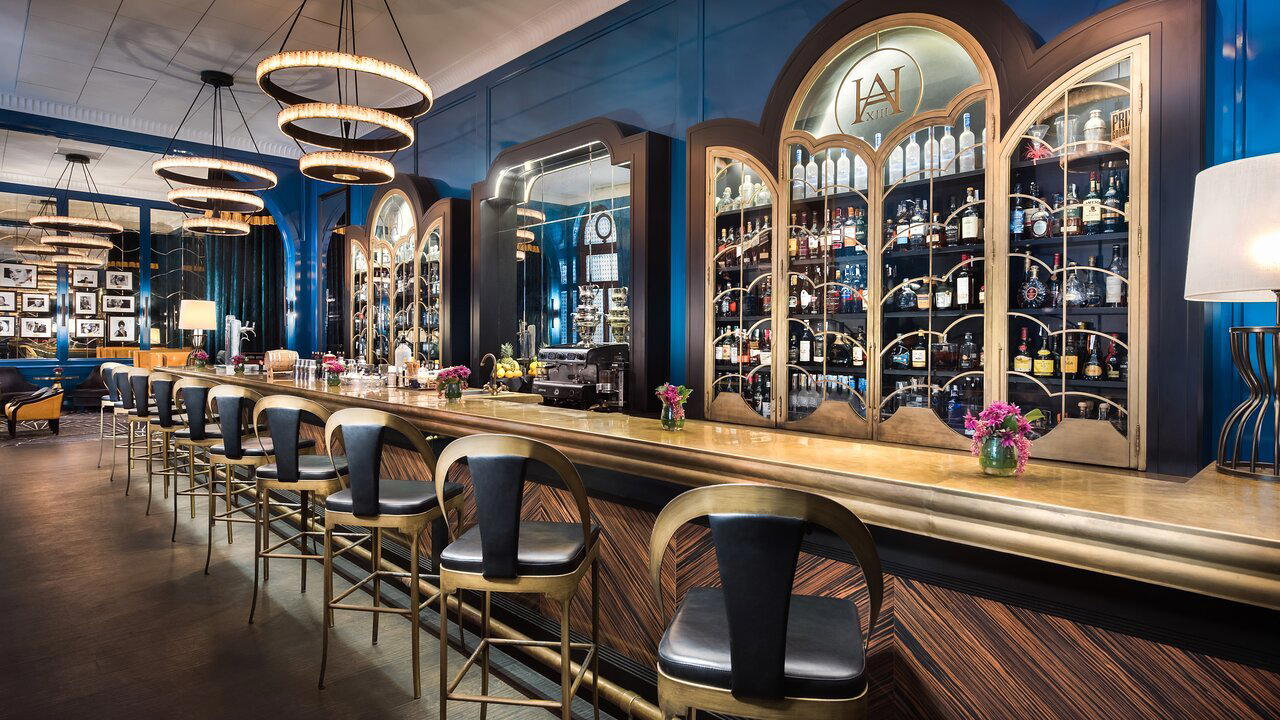
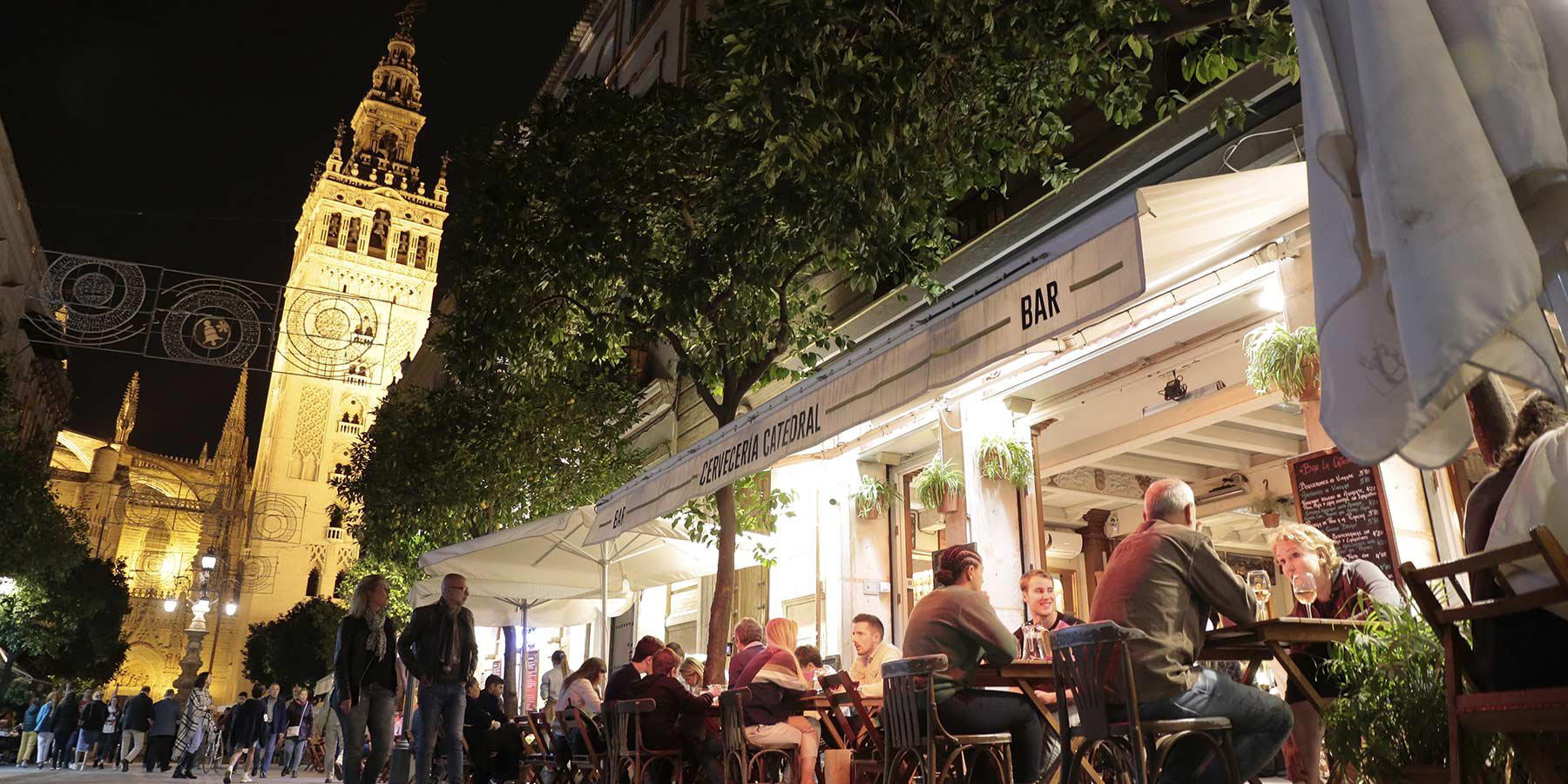
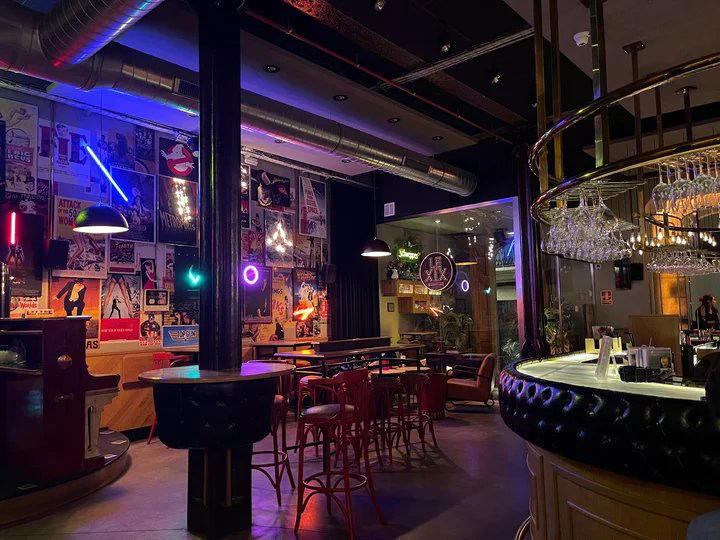
Bars in Montellano
Browse all →
Hotels in Montellano
Browse all →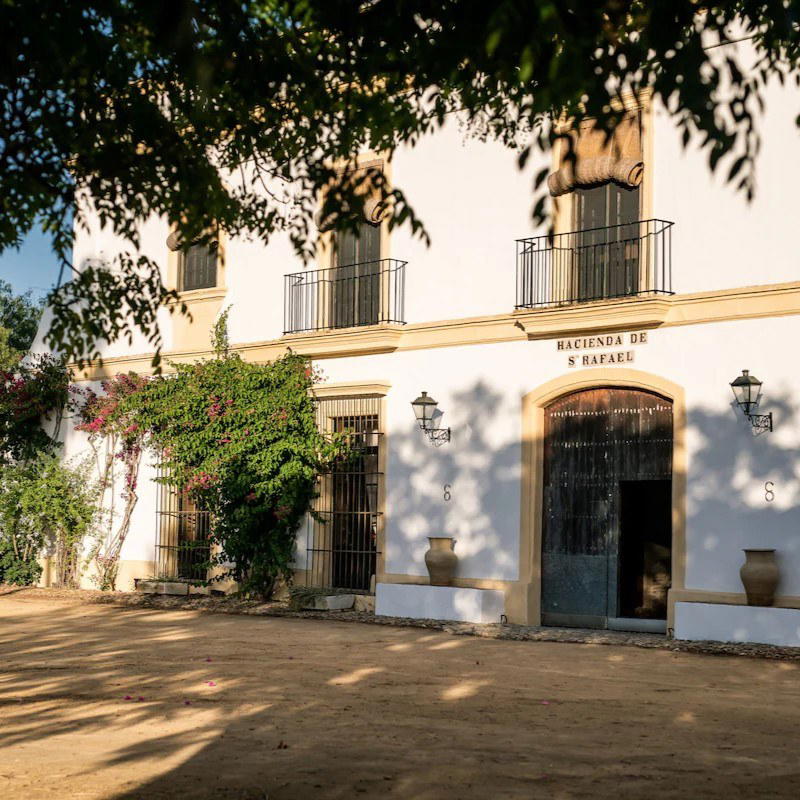


Details
- Cozy
- Rustic
- Classic
- Special Occasion
- Family
- Historic Building
- Local Sourcing
- A La Carte
- Vegetarian Friendly
- Gluten Free Options
Current opening hours
- Monday
- 12:30–4 PM, 8:30–10 PM
- Tuesday
- 12:30–4 PM, 8:30–10 PM
- Wednesday
- 12:30–4 PM, 8:30–10 PM
- Thursday
- 12:30–4 PM, 8:30–10 PM
- Friday
- 12:30–4 PM, 8:30–10 PM
- Saturday
- 12:30–4 PM, 8:30–10 PM
- Sunday
- Closed
Hours can change for holidays and private events. Last verified .
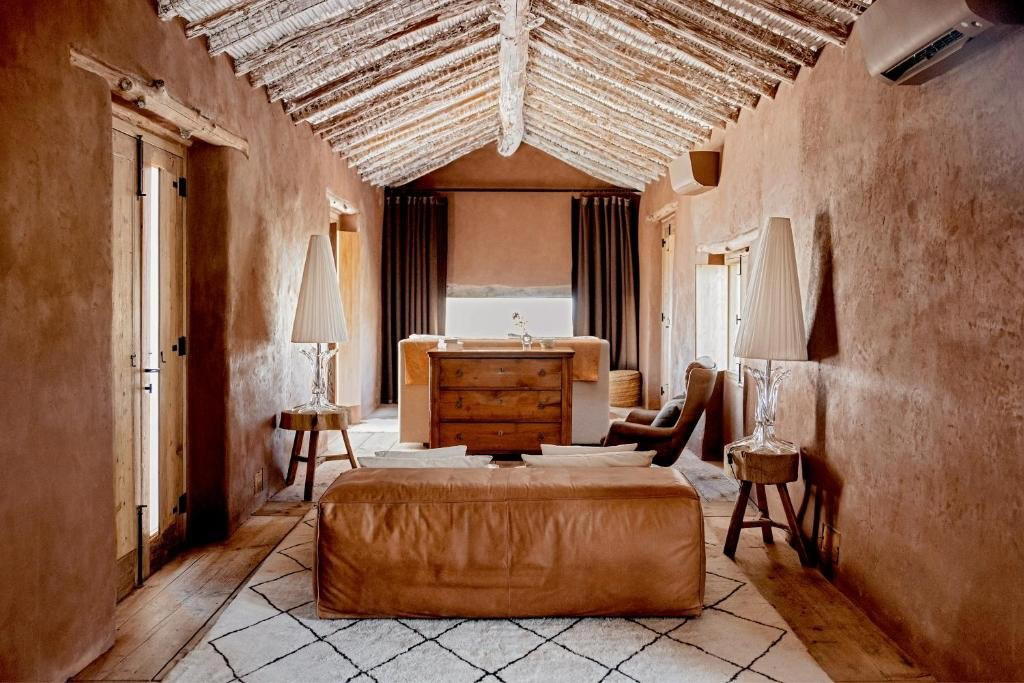
Cozy dining room with warm, traditional atmosphere praised for its charm and intimacy.