







2 Michelin Stars · La Liste Top Restaurants · Macarfi 9.5 Food Rating
Our verdict
Bardal gives Ronda’s dining scene a formal counterpoint to tapas-bar grazing: Modern Spanish cooking from Benito Gómez, built around tasting-menu structure, local reference points, wine pairings and a cheese trolley before dessert. Its recognition includes Guía Repsol 2 Soles in 2026, La Liste scoring and Opinionated About Dining European rankings, placing it in Spain’s serious creative-dining tier rather than the casual Andalusian circuit.

Pearl is the En Primeur Club membership app, where members save venues, book tables and use the concierge.
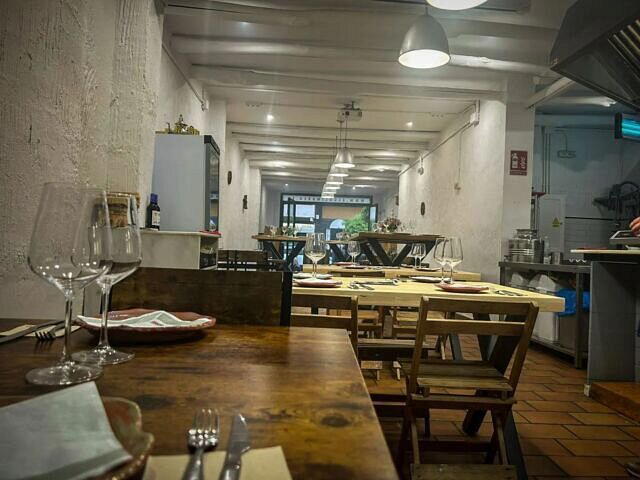
Ronda changes register across the day: paseo, bar counters, shared plates, quick glasses of wine, then quieter dining that takes a full evening. Bardal belongs to the second rhythm. It takes Spain’s habit of eating in fragments, one bite leading to the next, and turns it into a controlled meal rather than a table crowded with raciones.
That matters where tapas remains a familiar grammar. Small plates keep the night moving, invite talk, test appetite in stages and keep time flexible. Bardal keeps that logic but reverses the form: the sequence is guided by the kitchen, pacing becomes part of the experience, and conversation shifts from ordering strategy to interpretation, how product, texture and contrast can evoke a bar snack without copying its shape.
Ronda's tapas instinct, rewritten as a tasting menu
Spanish creative dining often pulls popular forms into stricter frames. In some regions, the small bite became a laboratory for precision; elsewhere, the tasting menu turned memory and technique into a long-form argument. Ronda has different reference points: local produce, mountain traditions, and a bar culture that prizes direct flavour over ornament. Bardal’s relevance is that translation. The format is formal, but the better reading is not “luxury restaurant in a historic town.” It is a study in how appetite behaves when the table stops grazing and commits to one kitchen’s order.
Bardal sits nearer Spain’s tasting-menu circuit than Ronda’s tavern culture, yet the argument stays close enough not to feel imported. The interest is in how recognisable Spanish registers, smoke, dairy, vegetables, richness and freshness, can be compressed into composed moments rather than spread across shared dishes. The meal asks for attention without needing to become detached from the city around it.
For travellers mapping Ronda through food, the city splits into useful categories. Casual meals can stay closer to tavern rhythm at other Ronda dining rooms, while grill-led eating follows another logic elsewhere in the city. View-led dining sits in another bracket too. Ronda is small enough for these formats to feel close, yet they answer different questions: appetite, scenery, tradition, or a long-form tasting menu.
Bardal and the serious-dining case for a small Andalusian city
The useful credential here is not a single personality but the larger point: Spanish destination dining no longer belongs only to Madrid, Barcelona, San Sebastián or the coastal resort belt. Smaller cities can support restaurants that speak to national guides while remaining legible to local culinary memory. Bardal’s recognised standing in Guía Repsol shows it being judged beyond Ronda’s immediate competition, without making the restaurant feel detached from its setting.
That context helps because contemporary Spanish cooking is crowded. Out of town, Abantal shows how serious dining can work in a larger urban market, while Sollo, also outside Ronda, represents another version of contemporary Spanish technique. Bardal’s narrower advantage is location and scale of expectation: Ronda brings dramatic geography and a strong day-visitor economy, but this kitchen asks to be the main event, not an add-on after sightseeing.
The tapas angle sharpens the recommendation. Diners wanting improvisation, a noisy bar and plate-by-plate negotiation should not treat a tasting menu as a substitute. Spain rewards both forms, but they are not interchangeable. A long menu is better for reading the kitchen’s thinking across courses; tapas is better for social motion and appetite without commitment. Bardal is for the former, especially for travellers who have already given Ronda its bar time and want one dinner with a defined arc.
For wider Spanish comparison, the point is not ranking cities but tracking how regional cooking gets formalised. Larger markets can absorb ambitious restaurants into a dense capital-city scene. Smaller destinations expose the frame more clearly. The same national conversation appears in different accents across Spain. The common thread is not sameness; it is the country’s habit of letting local products carry technical ambition.
How to place one formal dinner inside a Ronda trip
Ronda rewards a two-speed itinerary. Daylight belongs to the city, old streets and slow walking; evening can stay loose with tapas and wine, or become a planned restaurant night. Bardal makes sense when the second option is the point. Its menu format puts it in a special-occasion bracket, so leave space around dinner rather than treating it as a late afterthought.
The restaurant is in Ronda, which explains the contrast: a short walk can separate sightseeing energy from a room built around concentration. Service is not the same thing as all-day dining, so the safer reading is planned reservation rather than spontaneous arrival, especially for travellers building a short stay around one serious meal.
The broader Ronda plan should keep categories separate. Use Our full Ronda restaurants guide to place a tasting menu against casual meals; Our full Ronda hotels guide for lodging that makes an evening meal easy; Our full Ronda bars guide for a lighter night; Our full Ronda wineries guide for the wine side of the region; and Our full Ronda experiences guide for non-restaurant hours. The sharper choice is not whether Ronda can support ambitious dining. The evidence says it can. The choice is whether the trip needs one composed, high-attention meal or should remain in the city’s looser tapas cadence.
Frequently asked questions
Is Bardal child-friendly?
Bardal is a formal tasting-menu restaurant in Ronda. That format generally suits adults better than younger children, especially for diners planning a full evening around the meal.
Is Bardal better for a quiet night or a lively one?
Bardal is the better choice for a quiet night. The tasting-menu format points to a measured dining room rather than a lively bar-style evening.
How would you describe the cuisine at Bardal?
Bardal is best described as a serious, contemporary restaurant in Ronda built around a guided dining experience.
Is Bardal expensive?
Bardal is best approached as a special-occasion restaurant rather than a casual tapas stop.
What are Bardal's hours?
Check Bardal's current opening times directly before booking, as service patterns can change.
At-a-Glance Comparison
Comparable venues by cuisine and price in the same metro.
| Venue | Cuisine | Price | Awards | Notes |
|---|---|---|---|---|
| BardalThis venue (the venue you are viewing) | Modern Spanish Fine Dining | $150–200 | 2 Michelin Stars · La Liste Top Restaurants | Not listed |
| Sollo | Creative Modern Fusion with Aquaponics | $150–200 | 1 Michelin Star · Guía Repsol 2 Soles | Modern Spanish, Creative |
| Abantal | Contemporary Andalusian Fine Dining | $50–100 | 1 Michelin Star · Macarfi 8.7 Food Rating | Modern Spanish, Creative |
Recognition history
Dated appearances from independent guides and award organizations, with the underlying list record or original source where available.
Michelin 2 Stars
Michelin
La Liste Top Restaurants
La Liste
Falstaff Restaurant - 97 Falstaff Points
Falstaff
Guía Repsol 2 Soles
Guía Repsol
Macarfi 9.5 Food Rating
Macarfi
Full recognition history (14 entries)
Opinionated About Dining Top Restaurants in Europe Ranked #146
Opinionated About Dining
La Liste Top Restaurants
La Liste
Michelin 2 Stars
Michelin
Opinionated About Dining Top Restaurants in Europe Ranked #127
Opinionated About Dining
The Best Chef One Knife
The Best Chef
We're Smart World 1 Radish
We're Smart World
Michelin 2 Stars
Michelin
Opinionated About Dining Top Restaurants in Europe Ranked #156
Opinionated About Dining
Opinionated About Dining Top New Restaurants in Europe Ranked #112
Opinionated About Dining
Continue exploring
More in Ronda
More from Chef Benito Gómez
Browse all →
Restaurants in Ronda
All restaurants in Ronda →
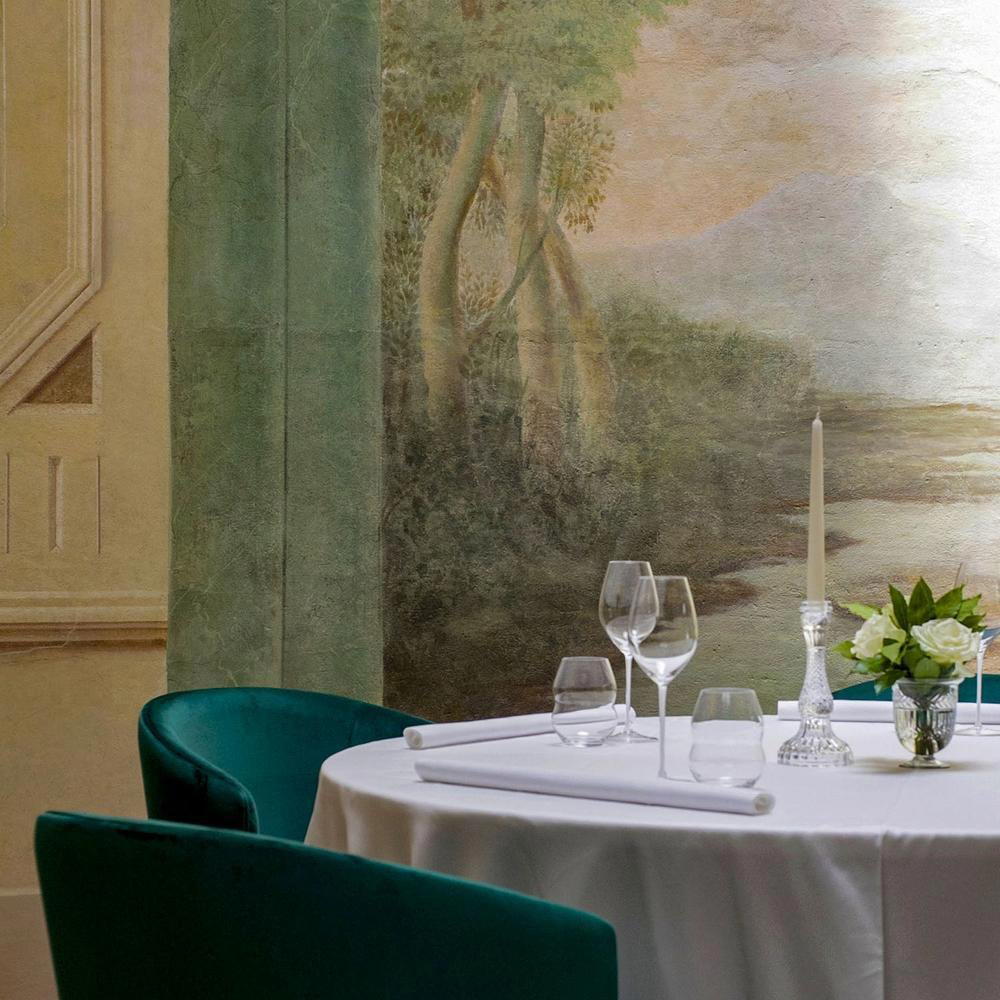
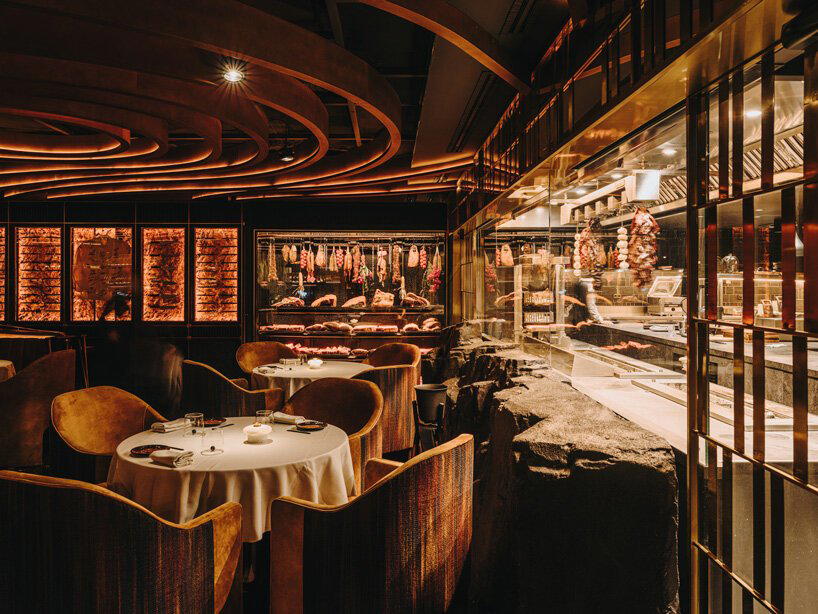
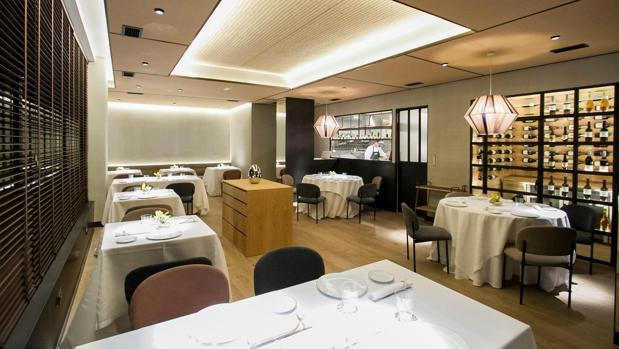
Bars in Ronda
Browse all →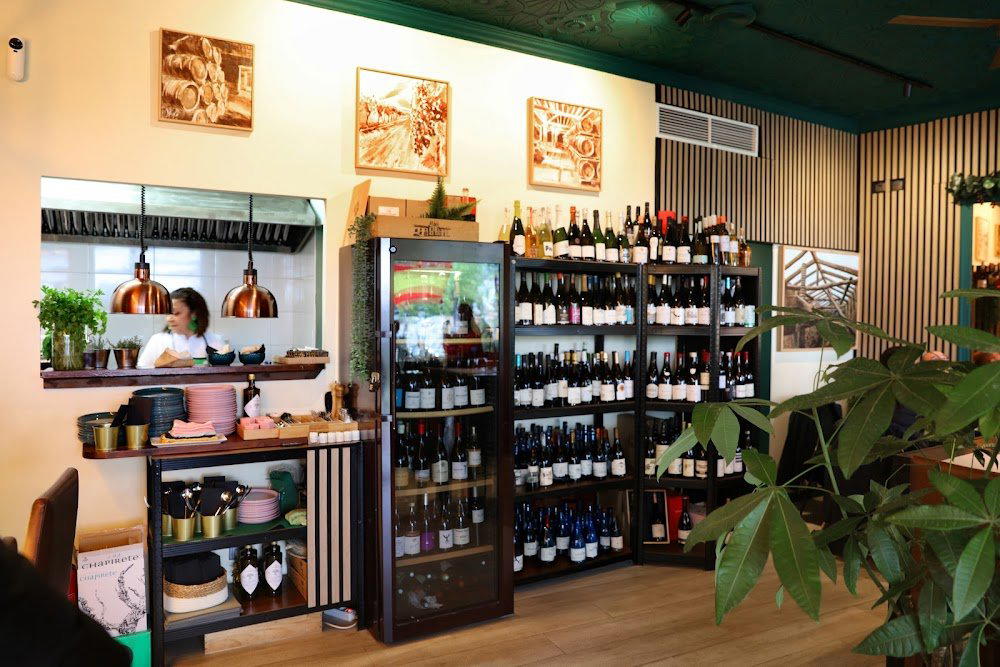

Details
- Elegant
- Sophisticated
- Minimalist
- Intimate
- Special Occasion
- Date Night
- Celebration
- Open Kitchen
- Extensive Wine List
- Sommelier Led
- Local Sourcing
- Tasting Menu
Current opening hours
- Monday
- Closed
- Tuesday
- Closed
- Wednesday
- 1–2 PM, 8–8:30 PM
- Thursday
- 1–2 PM, 8–8:30 PM
- Friday
- 1–2 PM, 8–8:30 PM
- Saturday
- 1–2 PM, 8–8:30 PM
- Sunday
- Closed
Hours can change for holidays and private events. Hours as of .
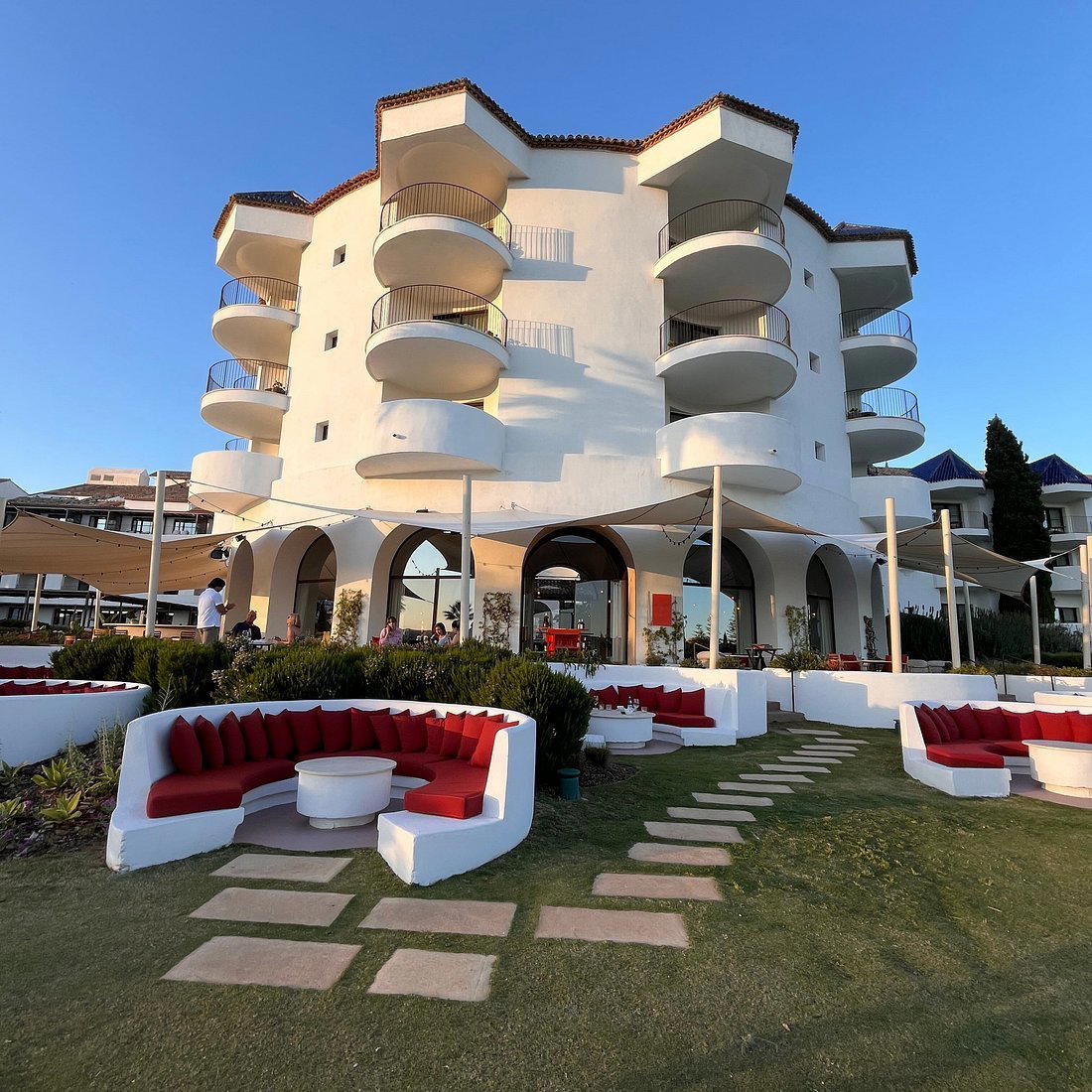
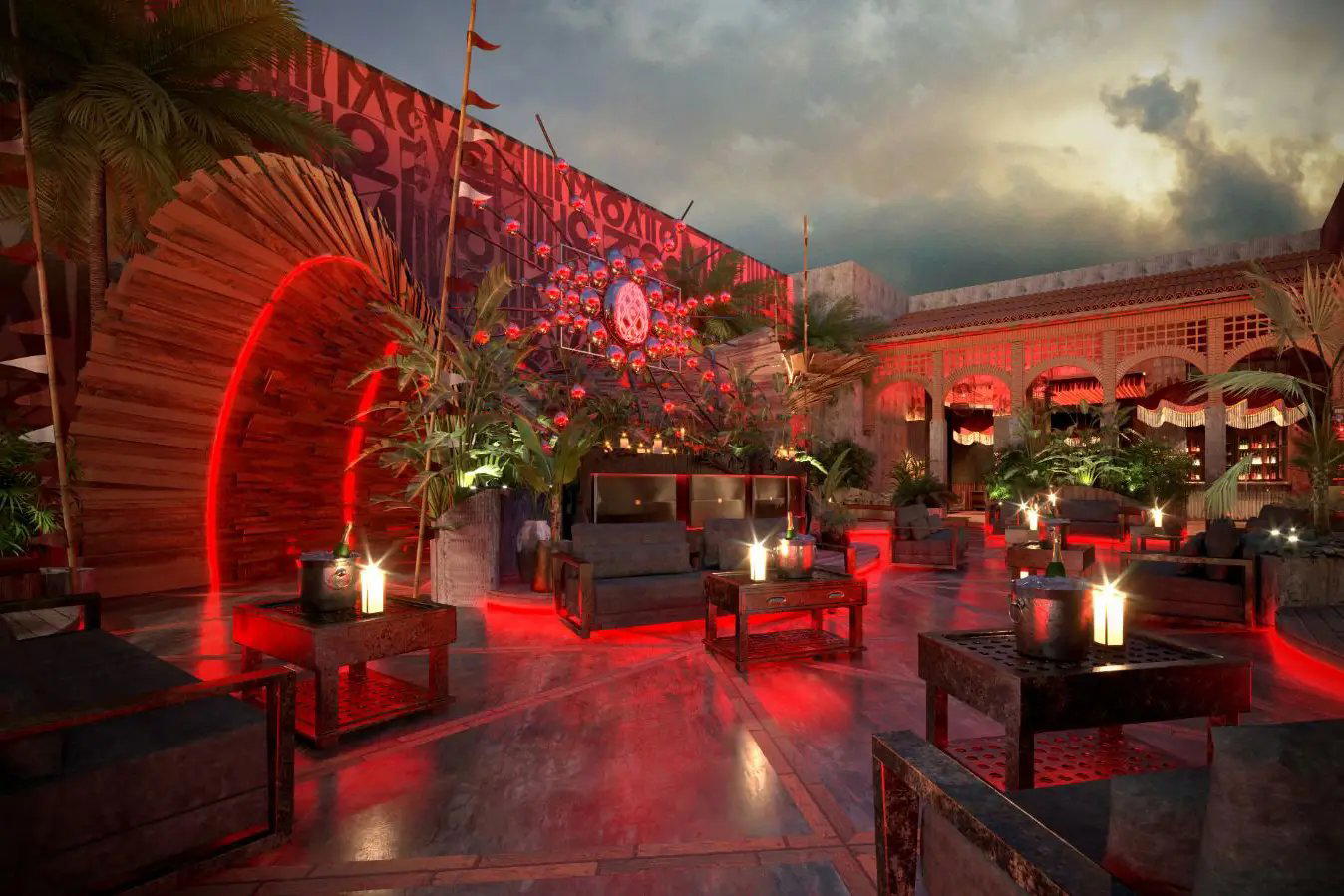
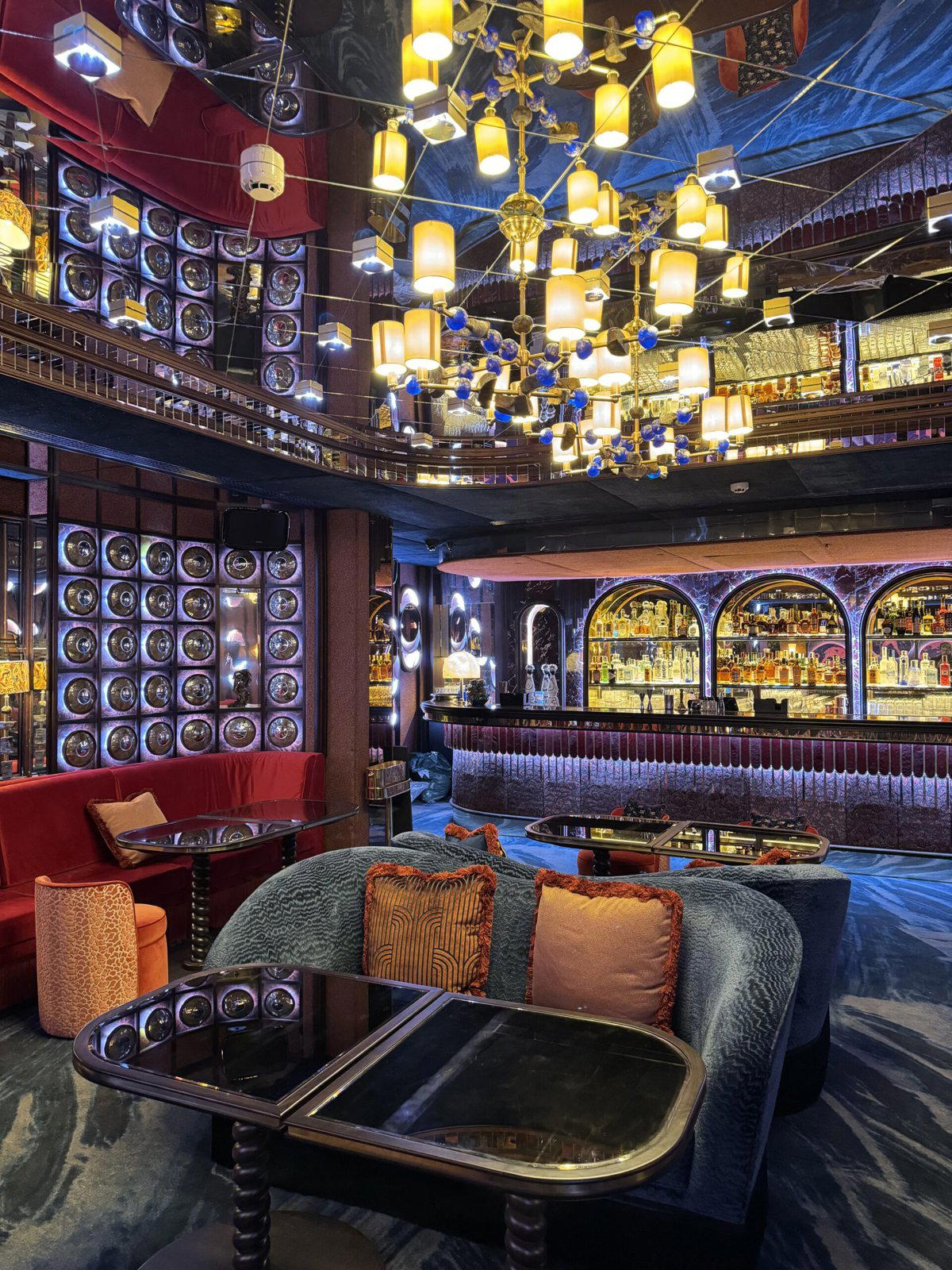
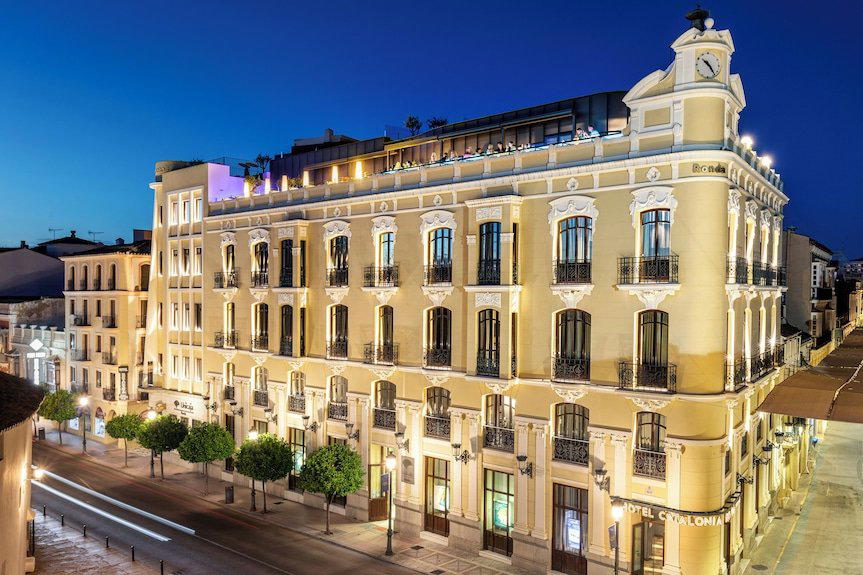
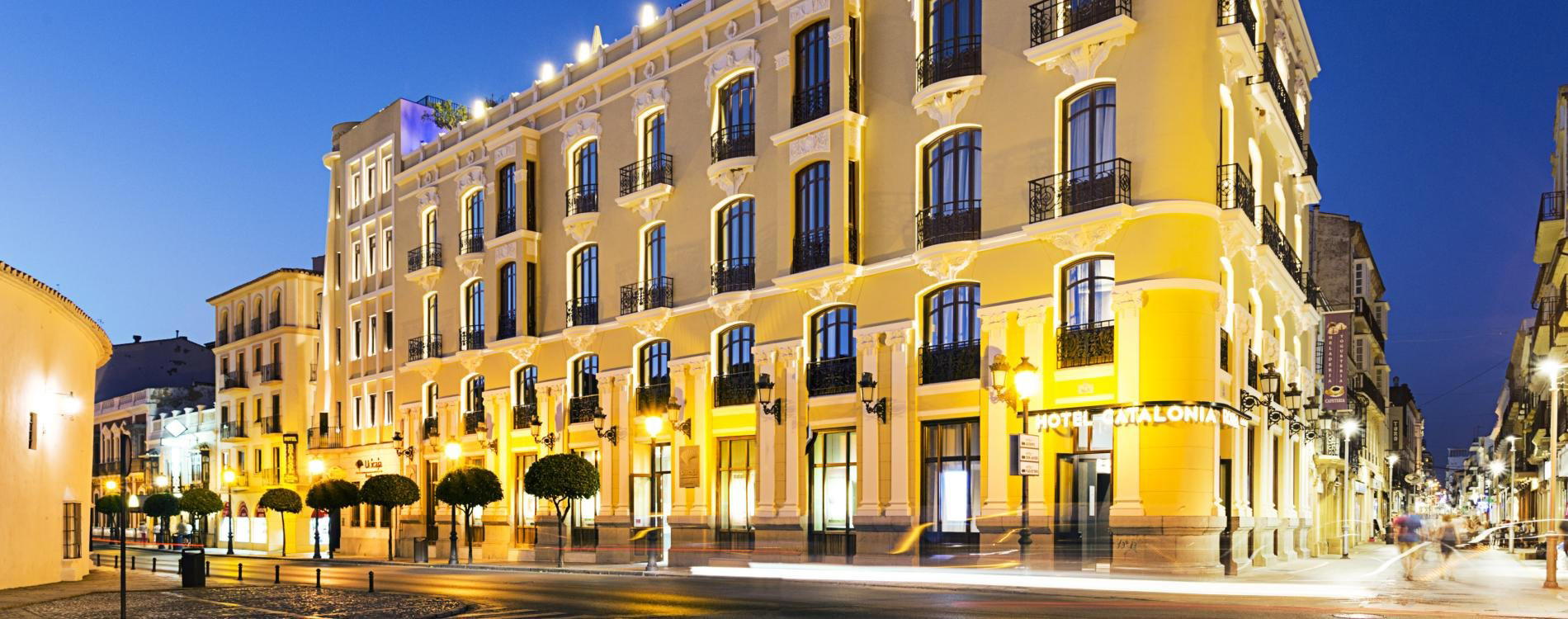
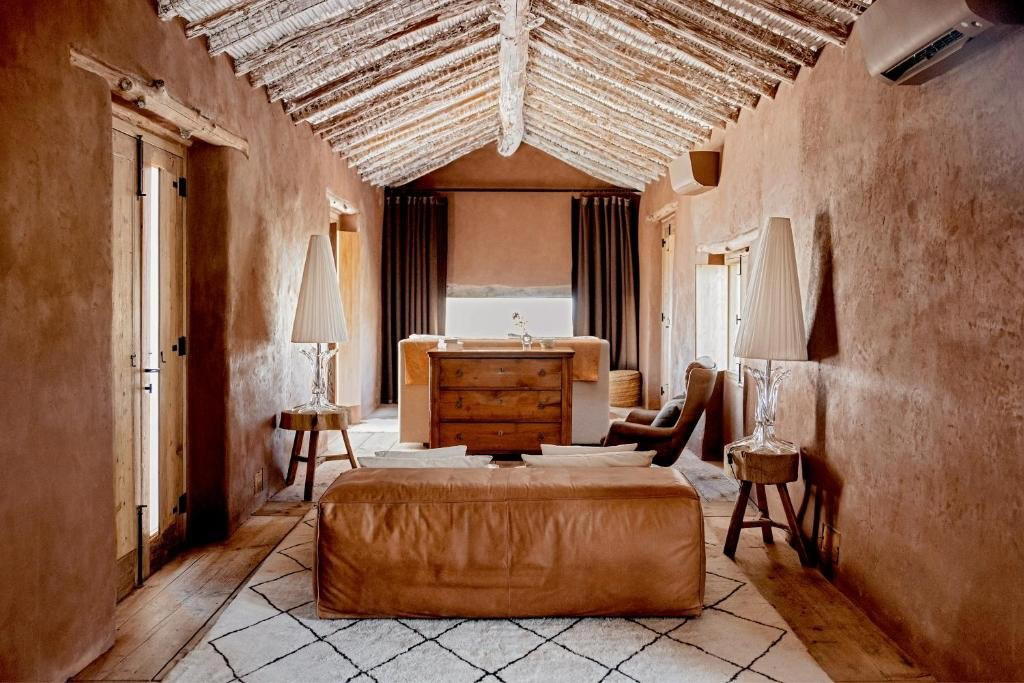
Minimalist and sober decoration with serene, elegant atmosphere emphasizing the cuisine; bright and modern without stuffiness.