Fermentation Lab Japantown
Fermentation Lab Japantown sits at 1700A Post Street in San Francisco's Japantown district, where the city's fermentation-focused dining culture intersects with one of the oldest Japanese-American communities in the United States. The address places it inside a neighborhood that has historically shaped how San Francisco thinks about preserved, fermented, and slow-developed flavors across both Japanese and Californian culinary traditions.
Pearl is the En Primeur Club membership app — saves, bookings, and concierge access live there. Same editors, same standards.
- Address
- 1700A Post St, San Francisco, CA 94115
- Phone
- +14157570667
- Website
- fermlabsf.com
- Directions
- Get directions
 Saves & bookings on Pearl
Where Japantown's Fermentation Tradition Meets the Contemporary San Francisco Table
Post Street in Japantown carries a particular kind of culinary weight. The blocks between Fillmore and Laguna have housed Japanese grocers, sake importers, and miso producers since the early twentieth century, making this one of the few neighborhoods in the continental United States where fermentation is not a trend but a baseline assumption. Fermentation Lab sits at 1700A Post Street inside that continuum, occupying a position where the neighborhood's living history functions as both context and credential.
San Francisco's broader fine-dining scene has moved steadily toward process-driven cooking over the past decade. The progression is visible across the city's upper tier: Saison built its reputation on elemental techniques and fire; Lazy Bear structured its experience around communal progression and preservation; Atelier Crenn has consistently used fermented and foraged elements inside a French-inflected framework. Fermentation Lab, however, operates with the neighborhood itself as a primary reference point rather than aligning with the city's progressive American or modern French trajectories.
The Arc of a Meal Built Around Live Cultures
Fermentation-led tasting formats share a structural logic that differs from classical multi-course progressions. Where a French-influenced sequence moves through texture and weight, building from delicate to rich, a fermentation-centered sequence moves through acidity, depth, and time. Early courses tend toward brightness: quick-fermented vegetables, lactic preparations, light pickled proteins where the transformation is recent and the acidity high. The middle of the meal introduces longer fermentations, where flavors have collapsed into something more complex and less immediately legible. The final stages often arrive at umami-heavy preparations where weeks or months of microbial activity have done structural work that cooking alone cannot replicate.
This kind of progression has a longer lineage in Japanese kaiseki than in Western tasting menus. Kaiseki's sequencing logic, which moves through a careful progression of cooked, raw, simmered, and pickled preparations, treats fermentation as one of several transformation modalities rather than a specialty interest. The Japantown address situates Fermentation Lab inside that tradition with a geographic specificity that venues elsewhere in the city cannot claim. Comparable approaches in other American cities, such as Smyth in Chicago or Blue Hill at Stone Barns in Tarrytown, draw on agricultural proximity as their organizing principle; here, the organizing principle is a specific neighborhood's relationship with microbial transformation across generations.
Fermentation in the San Francisco Context
California has produced a particular strain of fermentation culture that sits apart from both the Scandinavian revival model and the Japanese artisan tradition. The state's sourdough heritage, its natural wine adoption rate, its proximity to miso and sake production in the Bay Area's Japanese-American communities, and its year-round access to fermentable produce have created a local vocabulary that borrows across traditions without fully belonging to any one of them. Venues like Quince have incorporated fermented elements within Italian-inflected structures; Benu has explored Korean and Chinese fermentation alongside French technique at the highest Michelin-recognized level. Fermentation Lab's Japantown address suggests a more focused lineage, one rooted in the specific Japanese fermentation traditions, including koji, miso, tsukemono, and sake lees, that have been practiced commercially in this part of San Francisco for over a century.
That specificity of place is, in the current San Francisco dining environment, a form of positioning. The city's top-tier restaurants have largely consolidated around FiDi, SoMa, and the Mission. A venue operating in Japantown signals an intentional relationship with a neighborhood rather than a proximity to the financial and tech-adjacent dining circuits that sustain the city's highest price points. For context on how Japantown sits within San Francisco's broader dining geography, the full San Francisco restaurants guide maps the city's distinct dining corridors.
Nationally, the fermentation-forward format occupies a niche but growing tier. Single Thread Farm in Healdsburg uses fermentation within a Japanese-Californian agricultural framework with three Michelin stars as external validation. Atomix in New York City, with two Michelin stars, has demonstrated that Korean fermentation traditions can anchor a fine-dining format at the highest levels of critical recognition. Providence in Los Angeles and Addison in San Diego represent the California model at different price and formality registers. Internationally, the connection between place-specific fermentation and fine dining has reached its most articulate expression in venues like Atelier Moessmer Norbert Niederkofler in Brunico, where Alpine fermentation traditions anchor a rigorous tasting format. Fermentation Lab's positioning within this national picture depends on format and execution details that are not yet in the public record, but the address and concept place it in a peer conversation with venues where process rather than ingredient sourcing alone drives the editorial case.
For reference, the broader American fine-dining context includes restaurants like Le Bernardin in New York City, The French Laundry in Napa, Emeril's in New Orleans, Frasca Food and Wine in Boulder, and The Inn at Little Washington, all of which define different registers of the American premium dining experience. Fermentation Lab operates in a more specific, technically defined niche within that field.
Planning Your Visit
Fermentation Lab Japantown is located at 1700A Post Street in San Francisco's Japantown district, accessible via the 38-Geary and 22-Fillmore Muni lines. Japantown is a walkable neighborhood with limited parking on weekend evenings; public transit or rideshare is the practical choice for dinner visits. Current booking methods, hours, and pricing are best confirmed directly with the venue, as this information was not available at the time of publication.
Diners with dietary restrictions or allergy concerns should contact the venue in advance of booking. Fermentation-led menus typically involve soy-based preparations, gluten-containing ferments including koji and barley miso, and occasional shellfish or fish-based fermented condiments. In a format where fermentation is central to the cooking method rather than incidental, advance communication about restrictions is particularly important, as substitutions may alter the sequencing logic of the meal.
Quick Reference
Fermentation Lab Japantown, 1700A Post St, San Francisco, CA 94115.
Reputation Context
| Venue | Cuisine | Price | Awards |
|---|---|---|---|
| Fermentation Lab JapantownThis venue — the venue you are viewing | Not listed | Not listed | Not listed |
| Lazy Bear | Progressive American, Contemporary | $$$$ | Michelin 2 Star |
| Atelier Crenn | Modern French, Contemporary | $$$$ | Michelin 3 Star |
| Benu | French - Chinese, Asian | $$$$ | Michelin 3 Star |
| Quince | Italian, Contemporary | $$$$ | Michelin 3 Star |
| Saison | Progressive American, Californian | $$$$ | Michelin 2 Star |
Continue exploring
More in San Francisco
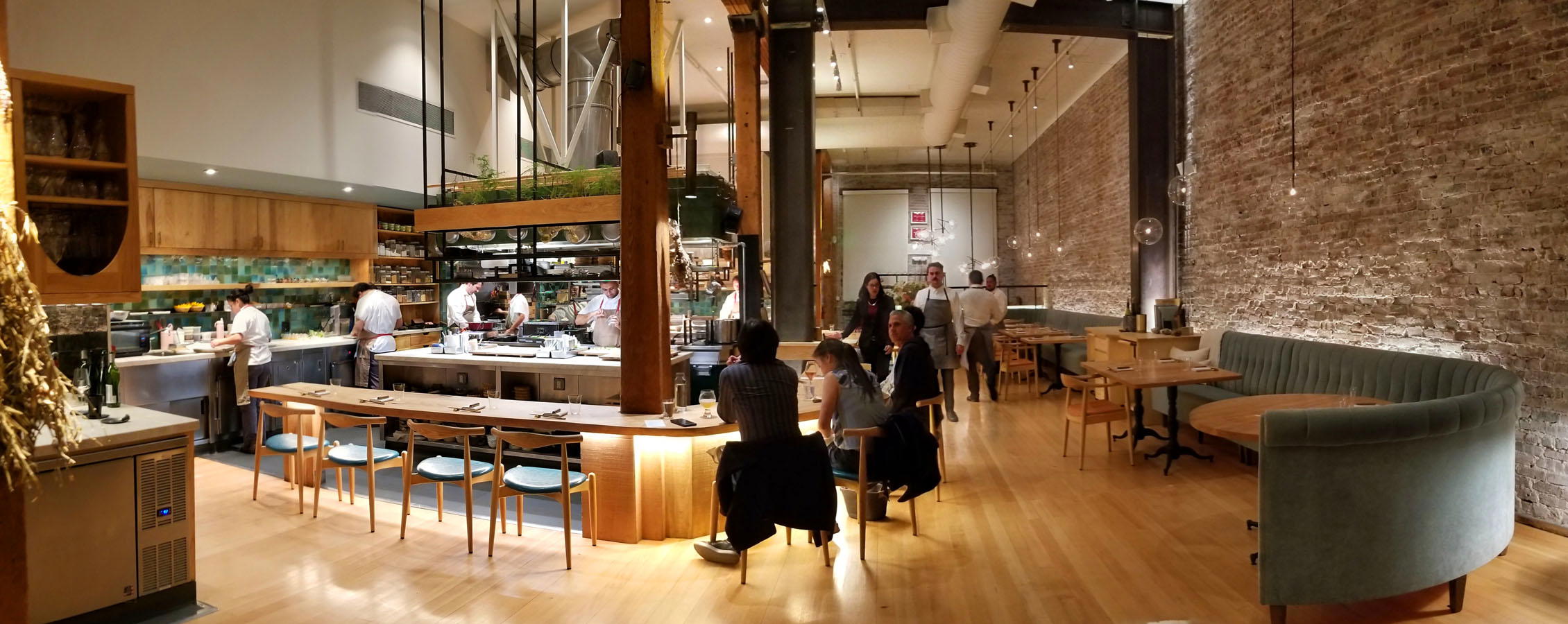
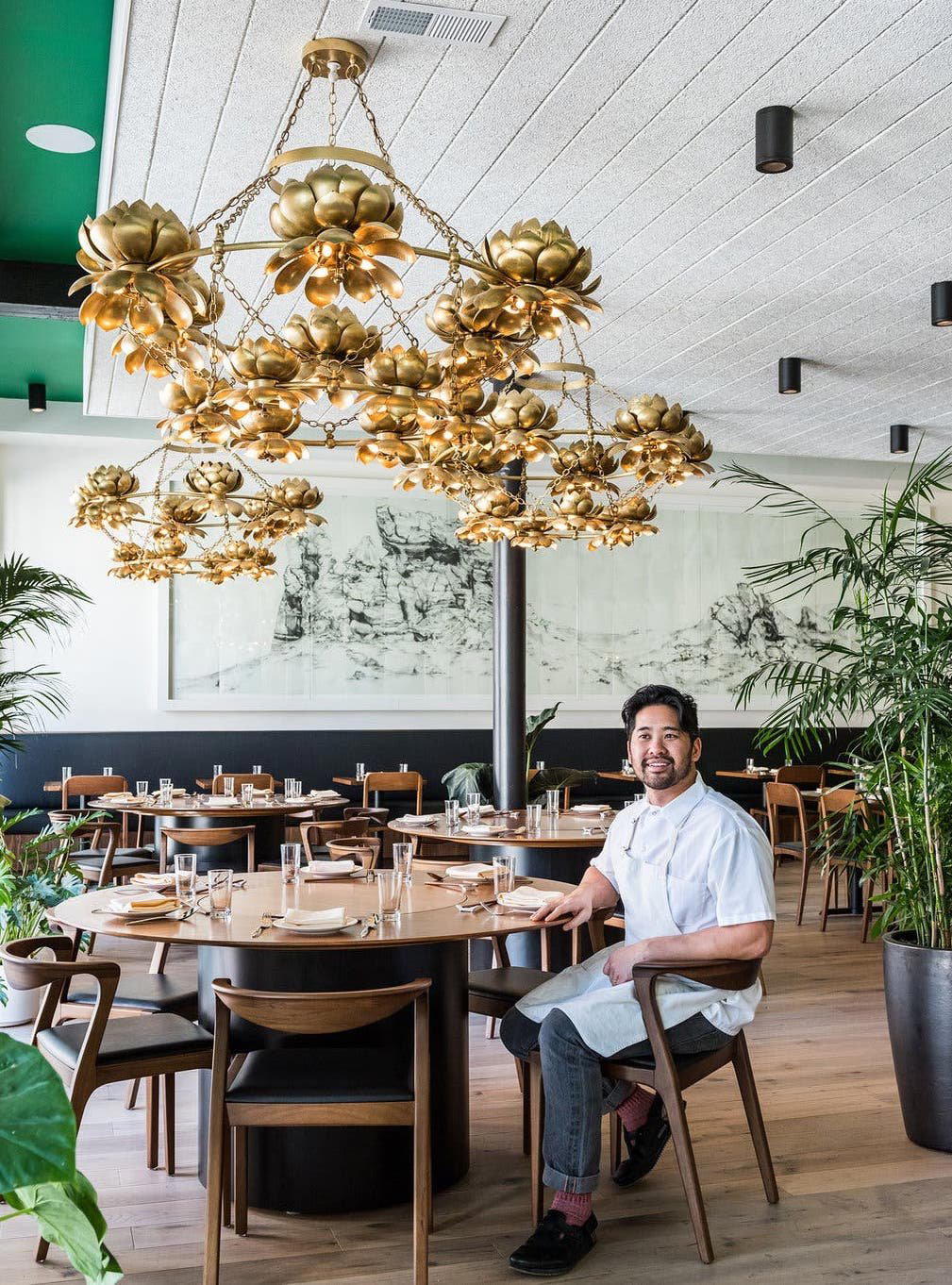
Restaurants in San Francisco
Browse all →
Bars in San Francisco
Browse all →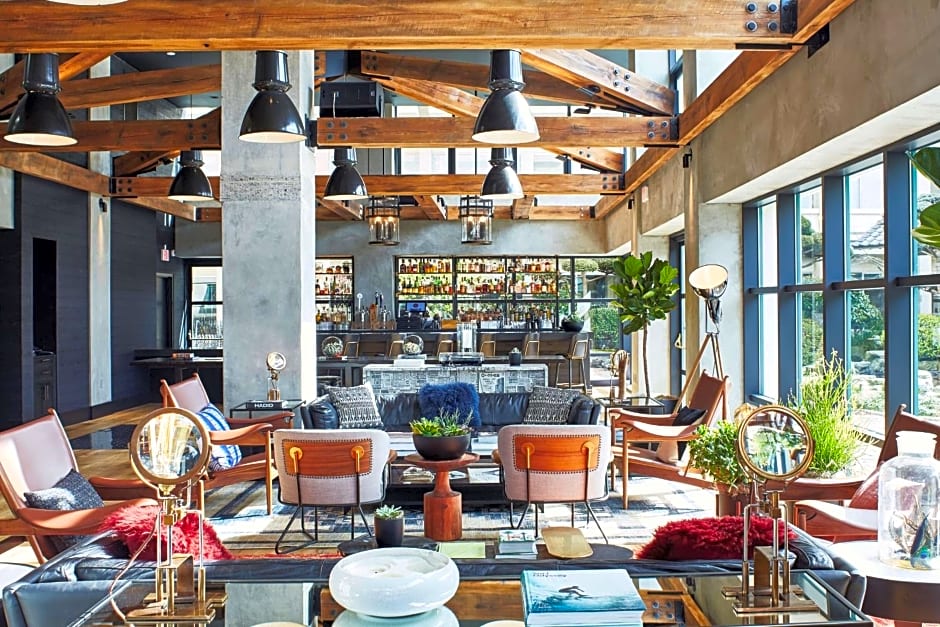
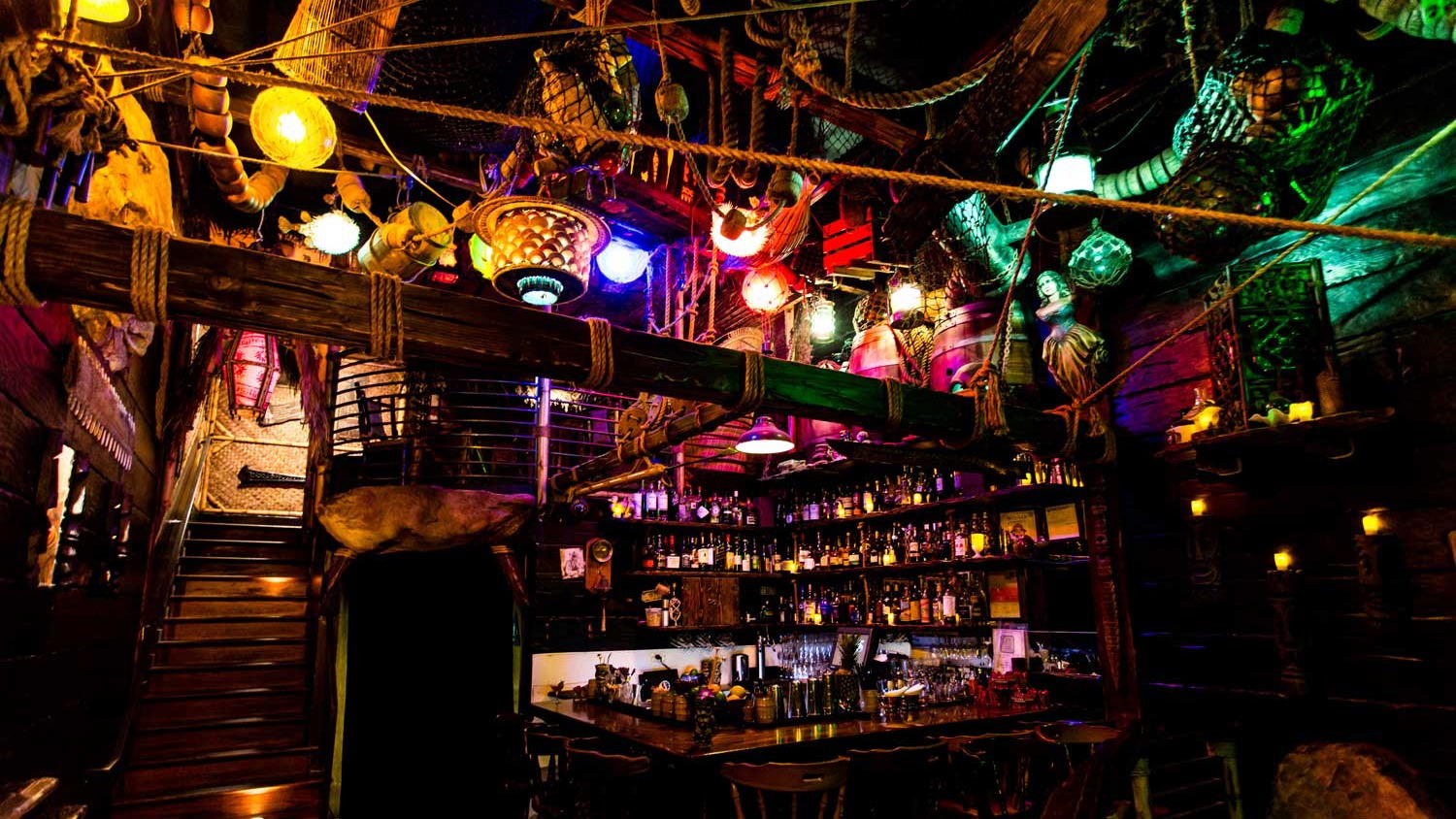
Hotels in San Francisco
Browse all →
At a Glance
- Trendy
- Modern
- Lively
- Date Night
- Casual Hangout
- Open Kitchen
- Craft Cocktails
- Sake Program
Current opening hours
- Monday
- Closed
- Tuesday
- 3:30–10 PM
- Wednesday
- 3:30 PM–12 AM
- Thursday
- 3:30 PM–12 AM
- Friday
- 3:30 PM–1 AM
- Saturday
- 9 AM–1 AM
- Sunday
- 9 AM–10 PM
Hours can change for holidays and private events. Last verified .
Stylish and lively atmosphere with moderate noise well-suited for date nights.
Know Before You Go
- Getting there
- 1700A Post St, San Francisco, CA 94115