Saluhall
Saluhall occupies the second floor of 945 Market Street, positioning itself within San Francisco's evolving mid-Market corridor where food hall formats have matured beyond quick-service convenience into something closer to a curated market experience. The address places it at the intersection of civic San Francisco and a neighbourhood in active transition, making it a useful reference point for understanding how the city's broader food culture spreads beyond its fine-dining zip codes.
Pearl is the En Primeur Club membership app — saves, bookings, and concierge access live there. Same editors, same standards.
- Address
- 945 Market St Floor 2, San Francisco, CA 94103
- Phone
- (415) 619-4195
- Website
- saluhallmarket.com
- Directions
- Get directions
 Saves & bookings on Pearl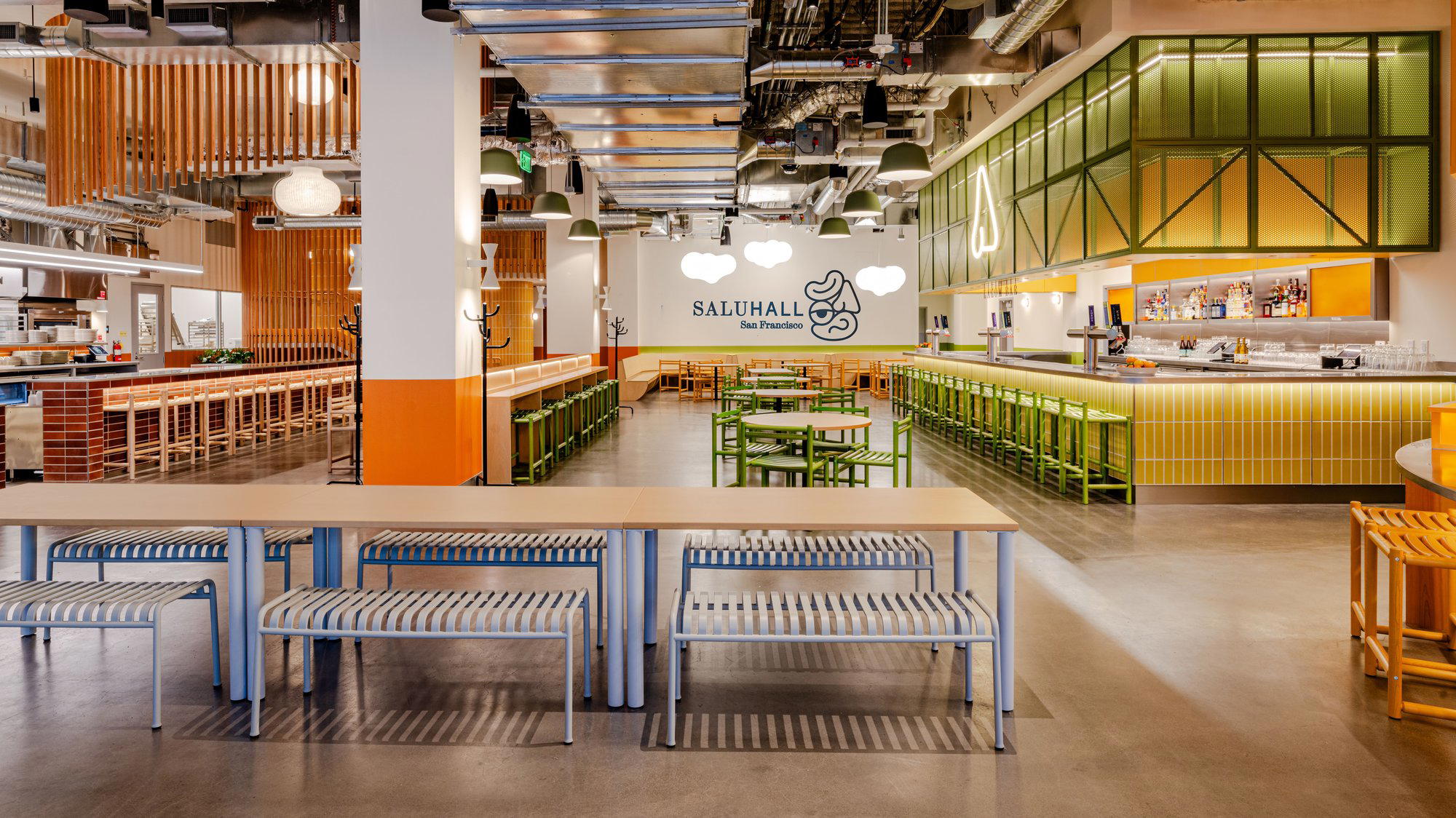
Mid-Market's Second Floor: What the Address Signals
San Francisco's Market Street corridor has spent the better part of a decade in contested reinvention. The blocks between the Civic Center and the Powell Street retail anchor have cycled through tech-office optimism, urban policy debates, and a food scene that keeps adapting to shifting foot traffic. Into this context, Saluhall takes its position on the second floor of 945 Market Street, a location that immediately signals a particular kind of proposition. Second-floor food venues in American cities tend to operate on destination logic rather than passing-trade capture: you go because you know it's there, not because you walked past a window display.
That positional choice connects to a broader pattern visible in cities like Chicago, where Alinea helped establish that serious food can anchor a neighbourhood without relying on ground-floor visibility, and in New York, where venues like Atomix have demonstrated that committed diners will climb stairs for the right experience. The San Francisco version of this logic is complicated by mid-Market's particular dynamics, which reward venues that offer a clear reason to seek them out.
The Food Hall Format in a California Frame
The food hall model has matured considerably across American cities since its early-2010s wave. What began as an imported European market concept, think the Nordic saluhall tradition that the name itself references, has been absorbed, adapted, and in several cases significantly improved by American operators working with local supply chains. California is a particularly interesting site for this evolution, because the state's agricultural depth means the gap between local ingredients and global technique is smaller here than almost anywhere else in the country.
San Francisco's broader dining culture has long operated on this intersection. The farm-to-table infrastructure that supports places like Saison and Single Thread Farm in Healdsburg, direct producer relationships, seasonal specificity, Northern California's extraordinary range of microclimates, creates a baseline for any serious food operation in the region. The question for a market-format venue is always how much of that infrastructure it can channel into a format that's inherently more casual and higher-volume than a tasting-menu counter.
The Scandinavian saluhall concept at its source, the covered markets of Stockholm and Gothenburg, with their emphasis on quality produce, preserved goods, and prepared foods sharing space, maps reasonably well onto California's own market traditions. The Ferry Building on the Embarcadero is the obvious local reference point: a curated food hall where the emphasis falls on producer identity and product quality rather than price accessibility. Saluhall on Market Street occupies a different position in the city's geography, both literally and commercially, serving a more mixed daytime population with a different set of expectations.
Local Ingredients, Global Method: The Productive Tension
The editorial angle worth holding onto when thinking about a venue like Saluhall is the specific tension between imported format and local material. The Nordic market concept carries with it a set of implicit values: restraint over spectacle, product quality over preparation complexity, communal eating over formal service. Applied to a California context, those values land differently because the underlying ingredients are already notable in ways that Northern European markets often have to work harder to achieve.
What this means practically is that a San Francisco food hall operating with genuine integrity has access to a supply chain that venues in other American cities spend significant resources trying to approximate. The farms that supply Lazy Bear's progressive American menu or the produce relationships that underpin Quince's Italian-inflected cooking are part of the same regional network. A market-format operation can draw on that same ecosystem, potentially at lower price points and with less ceremony, which is a genuinely different kind of proposition from the tasting-menu tier.
Across the country, interesting food hall executions tend to be the ones that treat imported technique as a frame rather than a destination, using, say, Nordic preservation methods or French charcuterie traditions as technical vocabulary for working with specifically American or specifically Californian ingredients. Blue Hill at Stone Barns in Tarrytown has made this the explicit subject of its tasting menu; Bacchanalia in Atlanta has done something similar for the American South. The food hall format democratises the same instinct, removing the tasting-menu price point but retaining the underlying commitment to sourcing specificity.
Situating Saluhall in San Francisco's Dining Picture
San Francisco's fine-dining tier is well-documented. Benu and Atelier Crenn carry Michelin recognition that places them in a national conversation alongside Le Bernardin in New York City and The French Laundry in Napa. Providence in Los Angeles and Addison in San Diego represent the California fine-dining conversation at the regional level. Emeril's in New Orleans and The Inn at Little Washington round out the national reference set for American destination dining. 8 1/2 Otto e Mezzo Bombana in Hong Kong demonstrates how global the conversation around ingredient-led cooking has become.
Saluhall does not operate in that tier, nor does it need to. Its interest lies in a different layer of San Francisco's food culture: the accessible, market-facing, ingredient-forward middle register that a city with San Francisco's culinary infrastructure can support more readily than most American metros. For a fuller picture of where this sits in the city's dining structure, the EP Club San Francisco restaurants guide maps the broader landscape across price points and formats.
Planning a Visit
Saluhall is located on the second floor of 945 Market Street, San Francisco, CA 94103, in the mid-Market corridor. The format, a food hall drawing on the Nordic saluhall tradition, is suited to drop-in visits rather than formal reservation dining, though confirming current hours and operator lineup before visiting is advisable given the corridor's shifting commercial dynamics. The mid-Market location is accessible by BART at Civic Center or Powell Street stations, placing it within direct reach of downtown and SoMa. The format, a food hall drawing on the Nordic saluhall tradition, is suited to drop-in visits rather than formal reservation dining, though confirming current hours and operator lineup before visiting is advisable given the corridor's shifting commercial dynamics. The mid-Market location is accessible by BART at Civic Center or Powell Street stations, placing it within direct reach of downtown and SoMa.
Peers in This Market
Comparable venues nearby, for context on price, style, and recognition.
| Venue | Cuisine | Price | Notes |
|---|---|---|---|
| SaluhallThis venue — the venue you are viewing | Multi-Cuisine Food Hall | $ | Not listed |
| Izzy & Wooks | Filipino-American Smash Burgers & Sandwiches | $ | Union Square |
| Zante Pizza & Indian Cuisine | Indian Pizza & Northern Indian Cuisine | $ | Bernal Heights |
| Luna Park | French-Italian Fusion | $$ | Mission |
| 'āina | Modern Hawaiian | $$ | Dogpatch |
| Bi-Rite Creamery | Seasonal Small-Batch Ice Cream Shop | $ | Mission Dolores |
Continue exploring
More in San Francisco
Restaurants in San Francisco
Browse all →
Bars in San Francisco
Browse all →
Hotels in San Francisco
Browse all →
At a Glance
- Modern
- Trendy
- Lively
- Casual Hangout
- Group Dining
- After Work
- Open Kitchen
- Design Destination
- Beer Program
Current opening hours
- Monday
- 9 AM–8 PM
- Tuesday
- 9 AM–8 PM
- Wednesday
- 9 AM–8 PM
- Thursday
- 9 AM–8 PM
- Friday
- 9 AM–9 PM
- Saturday
- 9 AM–9 PM
- Sunday
- 9 AM–7 PM
Hours can change for holidays and private events. Last verified .
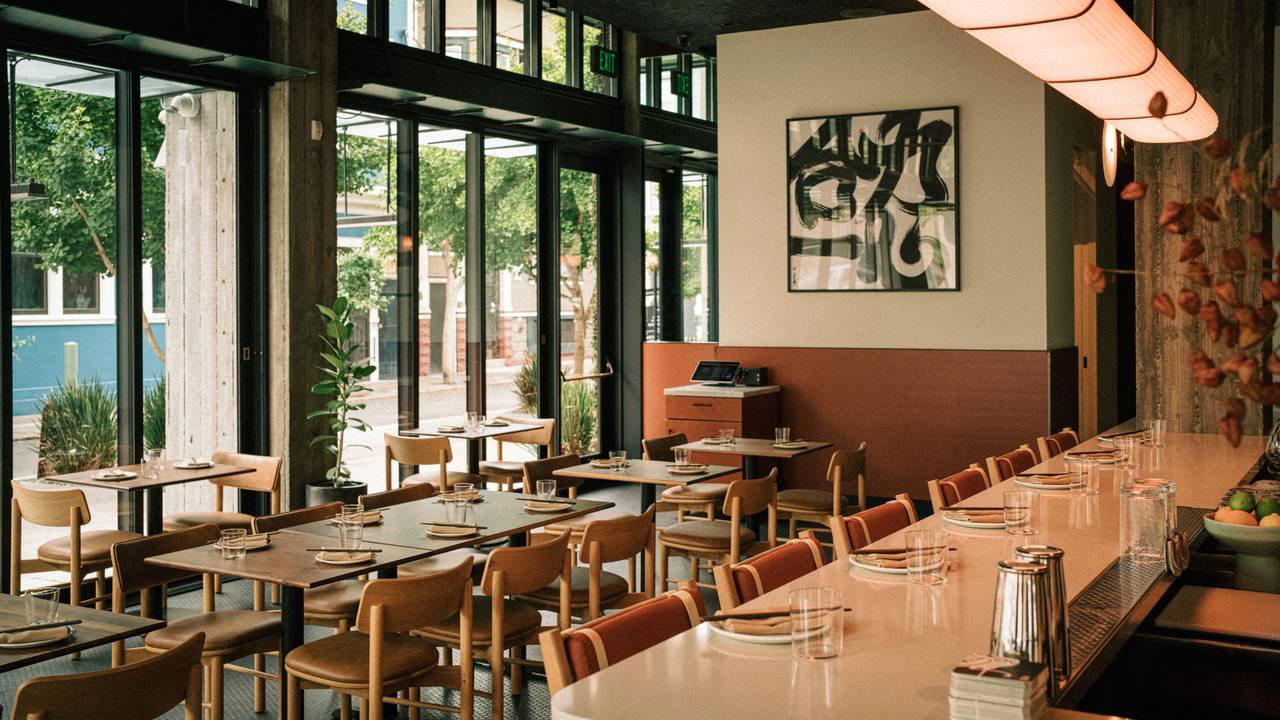
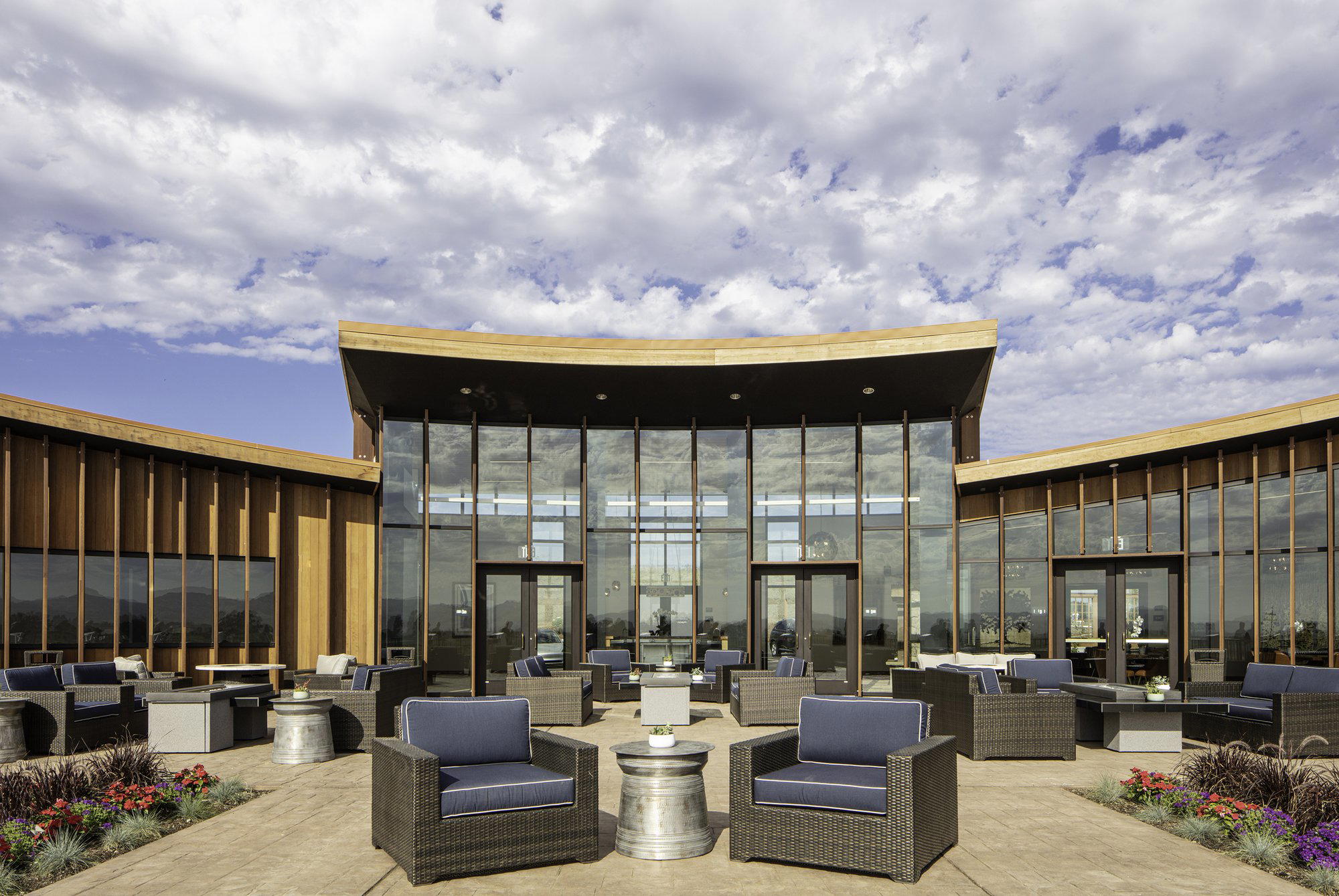
Bright, open modernist space with an almost infinite amount of seating and a general coworking energy that transitions from lunch breaks to casual social gatherings.