Our verdict
On the Route de Cambasque above Cauterets, Ferme Basque occupies the kind of working-farm setting that defines Pyrenean mountain hospitality. The kitchen draws from Basque and Béarnais agricultural traditions, placing provenance at the centre of every plate. For visitors passing through the Hautes-Pyrénées on foot or by car, it represents the most direct version of regional eating available in the valley.

Pearl is the En Primeur Club membership app — saves, bookings, and concierge access live there. Same editors, same standards.
- Address
- Ferme Basque, Rte de Cambasque, 65110 Cauterets, France
- Phone
- +33603440787
- Hours
- Mon–Wed ClosedThu–Sat 10 AM–3 PM, 7–8:30 PMSun 10 AM–3 PM
- Website
- fermebasque.com
- Directions
- Get directions
- Booking
- Book on the venue's website
The menu
What to order
- Garbure
- Cassoulet de canard
- Omelette aux cèpes et foie gras
- Trout
- Basque cake
Where the Pyrenees Feed Themselves
The Route de Cambasque climbs out of Cauterets toward the high meadows and thermal springs that have drawn travellers to this corner of the Hautes-Pyrénées for centuries. Along that road, Ferme Basque sits in the kind of agricultural setting that makes clear, before you have ordered anything, that the food here begins with land rather than with a kitchen. Mountain farms in this corridor between the Atlantic Basque Country and the Béarn have long operated as both producer and table, supplying the valley with cheese, cured meats, and lamb raised on altitude pasture. Ferme Basque belongs to that tradition directly, and the address on the Cambasque road places it outside the resort centre, closer to the source than to the souvenir.
Cauterets itself sits at roughly 930 metres, with the Parc National des Pyrénées beginning almost at the edge of town. The proximity to protected land shapes what farmers in this valley can and cannot do, and it also shapes what reaches the table. Livestock raised in or near the national park zone grazes on pasture that receives no industrial input, not by ideology but by the logic of altitude and isolation. That context matters when you are trying to understand why farm-table eating in this part of France carries a different weight than the same phrase applied to a restaurant sourcing from a market two hours away.
The Agricultural Logic of Basque-Béarnais Cooking
The Basque and Béarnais culinary traditions that converge in the Cauterets area share a common emphasis on animal husbandry and fermented or cured goods. Sheep's milk cheese, most famously Ossau-Iraty, comes from flocks that follow transhumance routes through these mountains each summer. Bayonne ham, the region's most recognised cured product, carries IGP status that ties it to specific Basque and Béarnais pigs raised on defined feed. Piperade, garbure, axoa, and slow-cooked lamb shoulder are dishes built around what the Pyrenean farm produces rather than around imported technique or ingredient.
Farm-adjacent eating of this kind sits at a different point in the French restaurant spectrum than the destination dining represented by, say, Flocons de Sel in Megève or Mirazur in Menton. Those addresses transform regional produce through technical intervention; a ferme-auberge format presents the produce as the argument. The distinction is not a hierarchy. It is a different conversation about where cooking begins. In the valleys of the Hautes-Pyrénées, that conversation starts with the flock, the cure, and the vegetable plot rather than with the brigade.
France's broader network of high-ambition destination restaurants, from Alléno Paris au Pavillon Ledoyen and Troisgros in Ouches to Paul Bocuse's Auberge du Pont de Collonges and Bras in Laguiole, built its global reputation partly on sourcing rigour. Yet the ferme-auberge model, regulated under French law to require that a substantial proportion of what is served comes from the farm itself, represents an older and more literal version of that same rigour. The chain between field and fork is measured in metres rather than in food miles.
Reading the Setting Before You Sit Down
Mountain farm restaurants in the French Pyrenees tend to operate within the rhythm of the agricultural calendar and the tourism season, which in Cauterets means summer walkers using the town as a base for the GR10 and the Pont d'Espagne, and winter visitors accessing the ski area above. Spring and autumn bring fewer visitors but more authentic conditions, when the valley is quieter and the farms are between seasons. That seasonal pulse is worth factoring into any visit, since the availability of specific products, particularly fresh cheese and certain cuts, follows the animals rather than a fixed menu cycle.
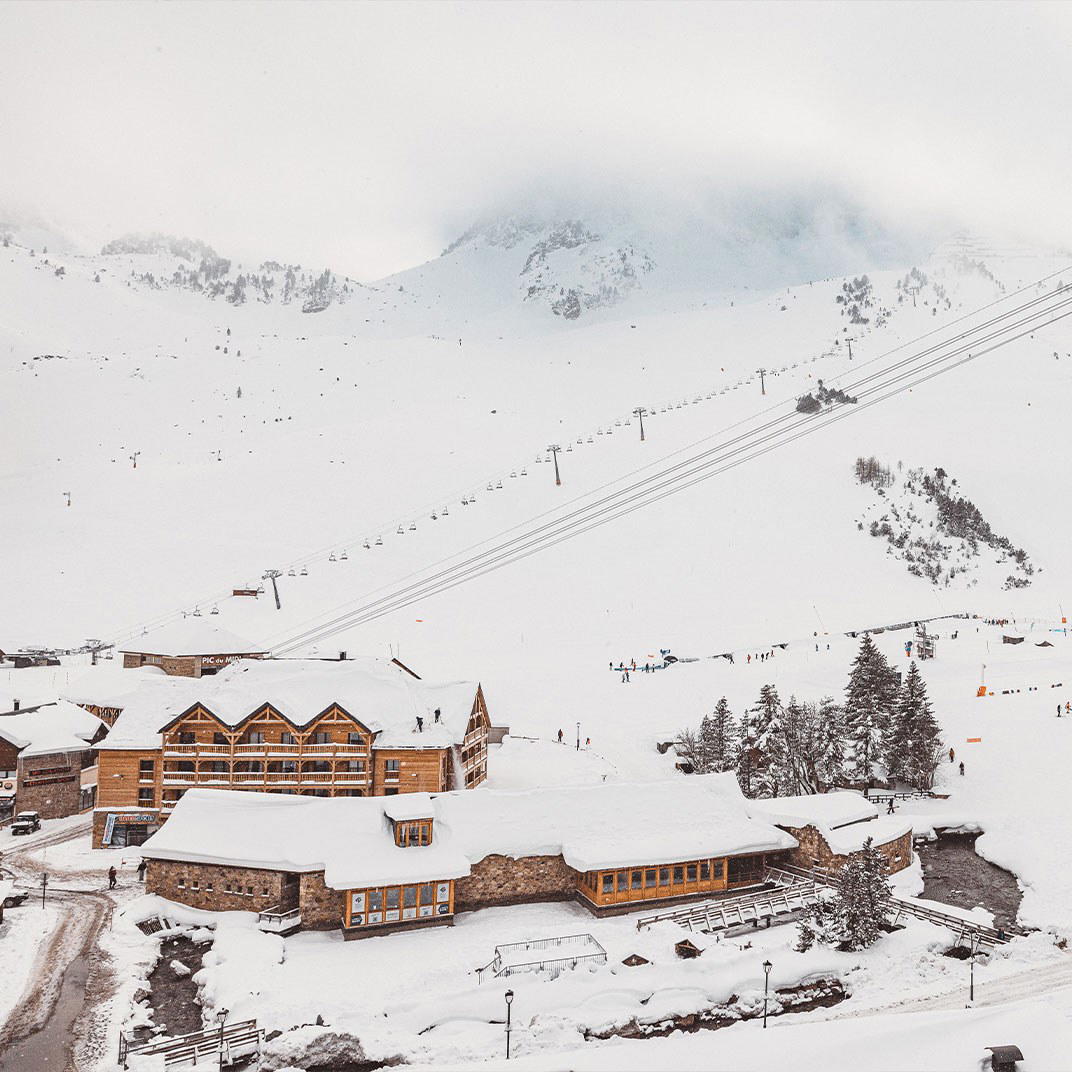
The physical approach along the Cambasque road gives the visit a different texture than arriving at an urban address. You are moving away from the thermal spa hotels and the ski-town infrastructure, toward working land. The sensory shift, from a resort town to a working farm, is part of the experience before the meal begins.
Cauterets in Context
For visitors building a broader Pyrenean itinerary, Cauterets functions as a useful anchor. The town is accessible from Lourdes, roughly 30 kilometres north, which connects to the main TGV network. The surrounding national park offers day hikes of significant reputation, including the Vignemale massif and the Gavarnie cirque to the south. Eating at a working farm on the Cambasque road fits the rhythm of that kind of trip in a way that a formal tasting menu does not. It is a meal that assumes you have been outside.
For those whose French itinerary extends beyond the mountains, the southwest region contains other addresses worth considering in a similar register of regional authenticity: Les Prés d'Eugénie in Eugénie-les-Bains offers a different but related Gascon tradition at higher technical ambition. Elsewhere in France, Auberge de l'Ill in Illhaeusern, Auberge du Vieux Puits in Fontjoncouse, and Maison Lameloise in Chagny each represent the auberge model at a more formal register, useful comparisons for understanding where farm-table eating sits across the full range of French regional dining. Those looking at mountain resort dining more specifically might reference Le 1947 à Cheval Blanc in Courchevel as the opposite pole: high-altitude address, maximum technical ambition, zero agricultural directness. Other notable French regional addresses for a fuller picture include L'Oustau de Baumanière in Les Baux, La Table du Castellet, Georges Blanc in Vonnas, and La Vague d'Or in Saint-Tropez. For reference points beyond France, Le Bernardin in New York and Lazy Bear in San Francisco each demonstrate how far the sourcing-led argument can travel when applied to very different formats. See our full Cauterets restaurants guide for further options across the valley.
Planning a Visit
Ferme Basque sits on the Route de Cambasque outside the Cauterets town centre, making a car the most practical means of arrival. The Cambasque valley road is accessible year-round in normal conditions, though winter visits should account for mountain weather. Given the farm-adjacent format, visiting at lunch during the summer season, when the agricultural activity of the valley is most visible, places the meal in its most legible context. Contact and booking details are best confirmed directly through local Cauterets tourism channels, as farm operations of this type do not always maintain a consistent online presence.
Frequently asked questions
Is Ferme Basque a family-friendly restaurant?
The farm setting on the Route de Cambasque suits families well. There is none of the formality associated with resort dining rooms, and the agricultural surroundings give children something to engage with beyond the meal itself. Cauterets as a base attracts multi-generational visitors, and a working farm fits that rhythm naturally.
What should I expect atmosphere-wise at Ferme Basque?
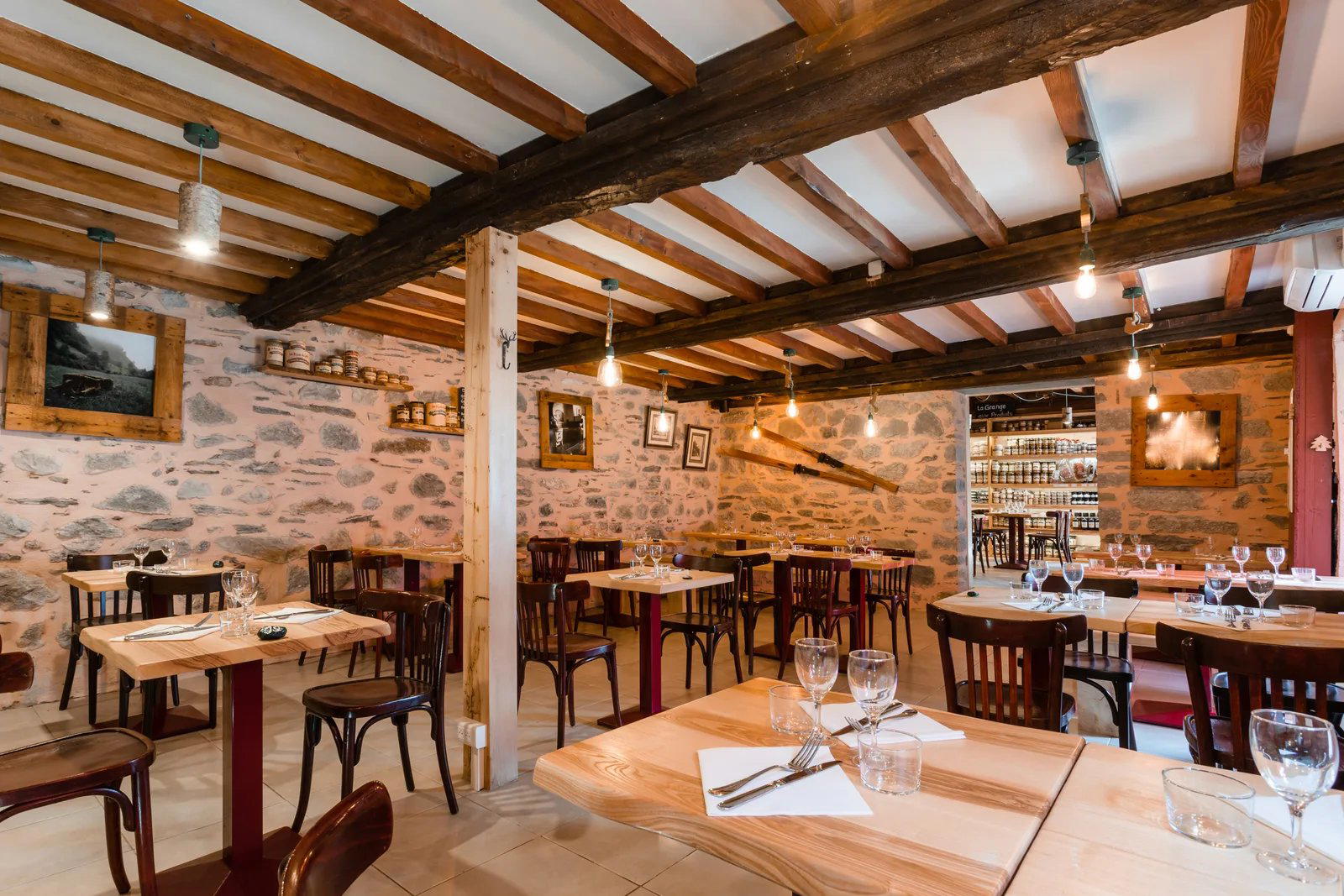
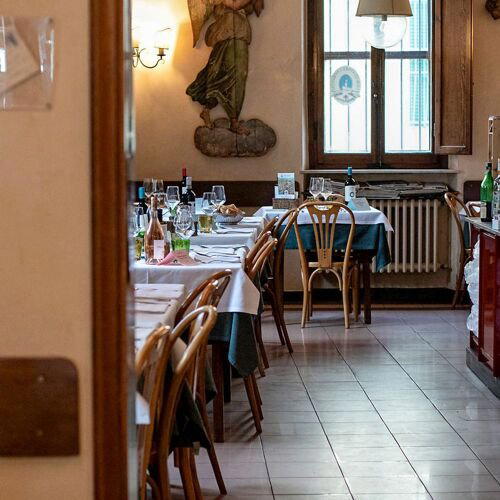
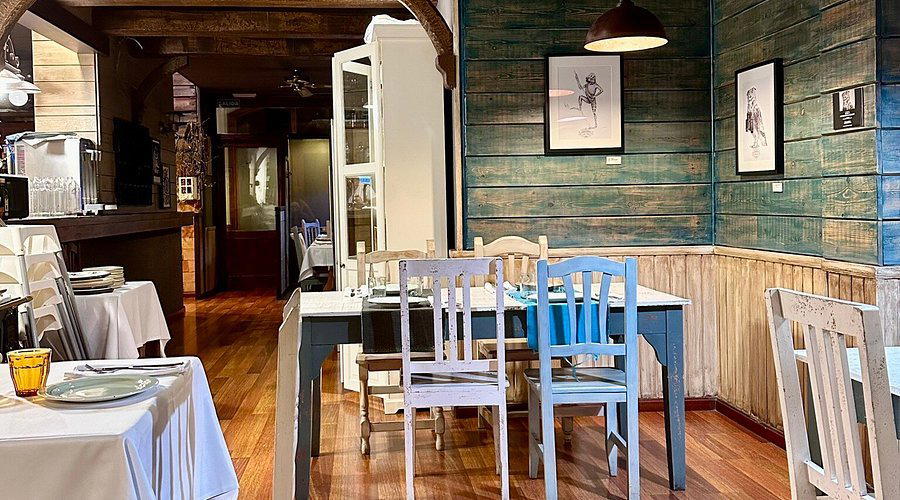
Arriving via the Cambasque road sets the tone before you step inside. This is a working farm environment on the outskirts of Cauterets, not a polished dining venue, and the atmosphere reflects that honestly. Expect rustic materials, a pace governed by the kitchen rather than the clock, and a room where the produce and the setting do the talking.
How does Ferme Basque fit into the ferme-auberge tradition, and what does that mean for what ends up on the plate?
France's ferme-auberge classification requires that a significant share of what is served originates from the operating farm itself, a legal distinction that separates these tables from ordinary rural restaurants. At a property on the Route de Cambasque outside Cauterets, that typically means dairy, cured meats, and seasonal produce tied directly to the land being farmed. It is a supply chain measured in metres rather than kilometres, and it shapes both the menu's range and its honesty.
What's the must-try dish at Ferme Basque?
What the Basque-Béarnais farm tradition consistently produces in the Cauterets area, however, centres on cured and aged animal products, sheep's cheese from high-pasture flocks, and slow-cooked preparations rooted in the agricultural calendar. Ask what has come off the farm that week.
How do I find Ferme Basque?
Ferme Basque is located at Ferme Basque, Rte de Cambasque, 65110 Cauterets, France, Cauterets.
How It Stacks Up
Comparable venues nearby, for context on price, style, and recognition.
| Venue | Cuisine | Price | Notes |
|---|---|---|---|
| Ferme BasqueThis venue — the venue you are viewing | Traditional Basque Regional Cuisine | $30–50 | Not listed |
| Storia | Traditional French Brasserie and Trattoria | Not listed | Tarbes |
| Auberge la Baquère | Traditional Gascon Cuisine | $30–50 | Préneron |
| L’aventure | French Mountain Grill | $30–50 | Oz en Oisans |
| Le Bayonnais | Basque Bistro | $30–50 | Petit Bayonne |
| Mr & Mrs M | French-Asian Fusion Bistro | $30–50 | centre-ville |
Continue exploring
More in Cauterets
Restaurants in Cauterets
Browse all →
Details
- Rustic
- Cozy
- Scenic
- Classic
- Family
- Group Dining
- Celebration
- Special Occasion
- Terrace
- Panoramic View
- Historic Building
- Standalone
- Sommelier Led
- Farm To Table
- Local Sourcing
- Mountain
- A La Carte
- Set Menu
- Local Wine
- Jurançon
- Allergy Accommodating
Current opening hours
- Monday
- Closed
- Tuesday
- Closed
- Wednesday
- Closed
- Thursday
- 10 AM–3 PM, 7–8:30 PM
- Friday
- 10 AM–3 PM, 7–8:30 PM
- Saturday
- 10 AM–3 PM, 7–8:30 PM
- Sunday
- 10 AM–3 PM
Hours can change for holidays and private events. Last verified .
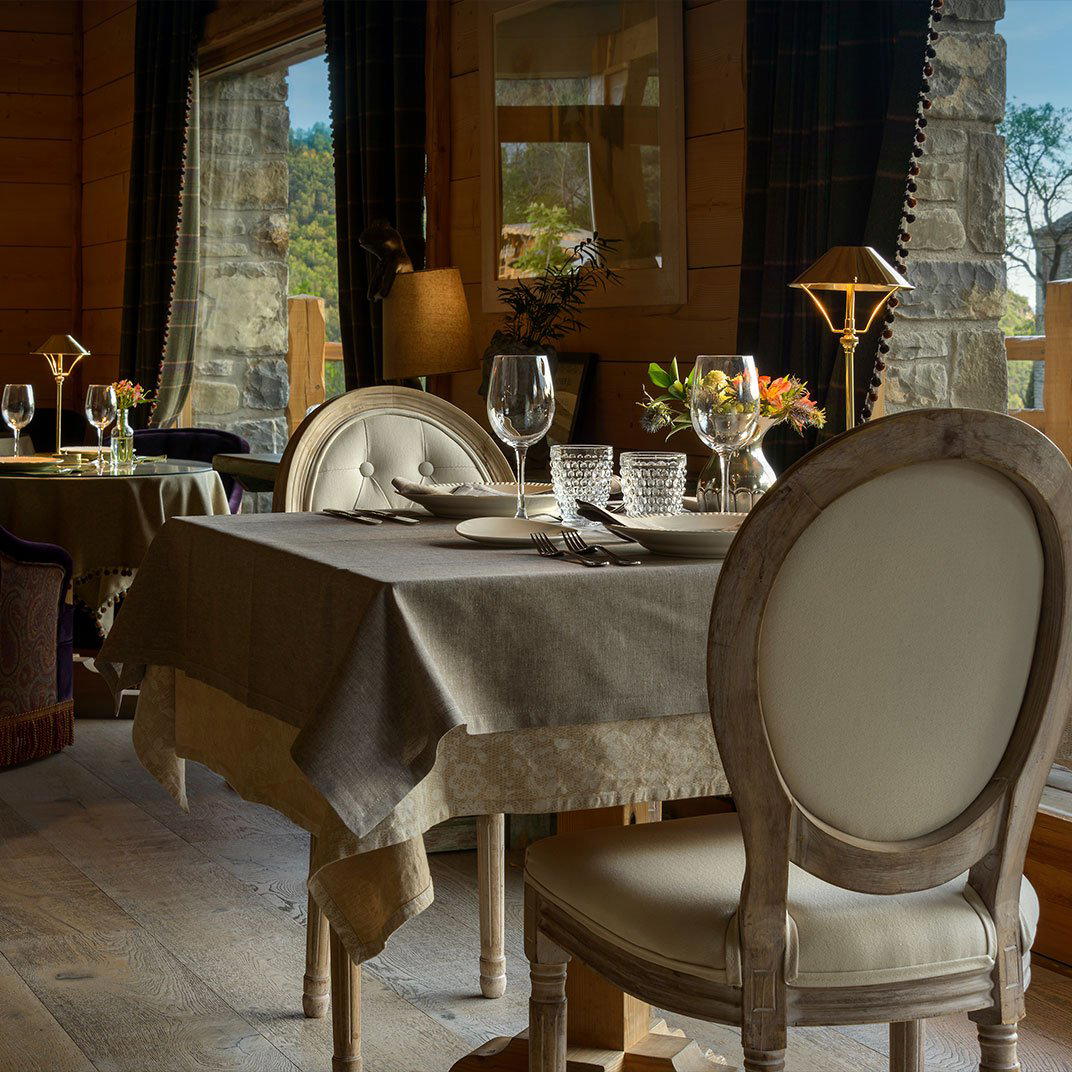
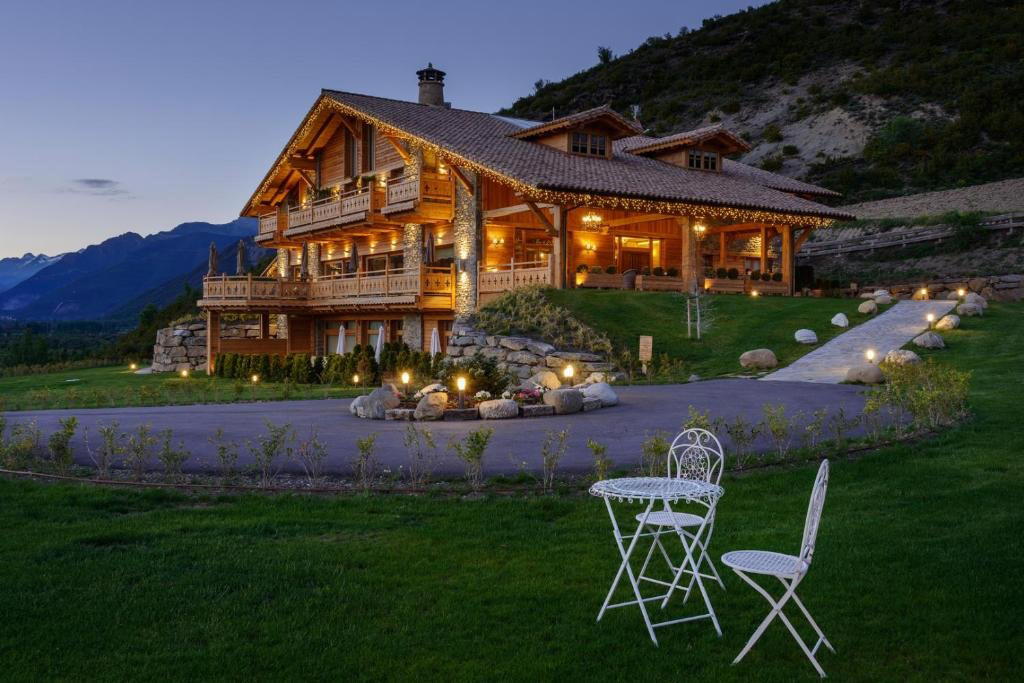
Warm and welcoming with rustic charm, featuring a wooded room with fireplace in winter and bright, spacious interior with plenty of natural light; decorated in typical mountain style.