

Michelin Bib Gourmand · Macarfi 7.9 Food Rating
Our verdict
A Michelin Plate-recognised address in the Spanish Pyrenees, La Cuchara de Ruba carries the legacy of a local hospitality name into a contemporary register. Chef Diego Herrero runs a near-daily changing menu rooted in Upper Aragón tradition, with dishes like Pedrosillano chickpea stew and Oliván trout with pil pil. Informal service, a modest price point, and serious regional cooking make it a reference point in Biescas.

Pearl is the En Primeur Club membership app, where members save venues, book tables and use the concierge.
The menu
What to order
- Pedrosillano chickpea stew
- Iberian ham pancetta croquettes with organic chicken broth
- Oliván trout with pil pil
Where Pyrenean Tradition Meets a Contemporary Kitchen
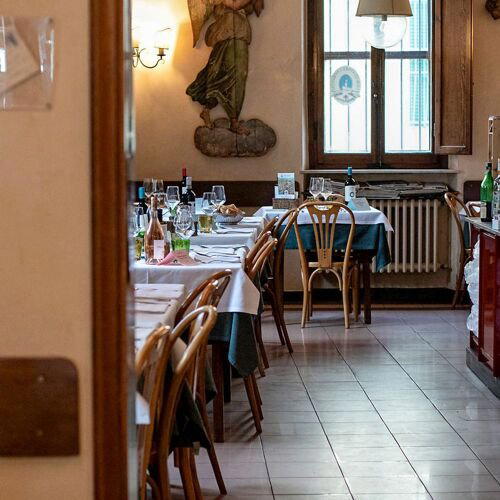
In the small mountain towns of the Spanish Pyrenees, dining culture tends to follow a particular logic: recipes tied to altitude and agriculture, kitchens that answer to local farmers and hunters before they answer to food critics, and an informality that comes not from lack of ambition but from deep familiarity with the people eating there. La Cuchara de Ruba, on Calle Esperanza in Biescas, operates squarely within that tradition, and then quietly extends it. The dining room is simple, the service unhurried and direct, and the menu changes with enough frequency that regulars are unlikely to find the same card twice in a fortnight.
For context on why this matters in Biescas, it helps to understand the weight of the name the restaurant carries. Ramón Ruba was a significant figure in the local hospitality sector, and the explicit purpose of La Cuchara de Ruba is to perpetuate that legacy rather than supersede it. Chef Diego Herrero, who also works at Vidocq in Formigal (part of the Sallent de Gállego municipality), brings his own contemporary approach while preserving what made Casa Ruba a reference point in the area. That kind of institutional memory, built into a small-town restaurant with a budget price point, is not especially common in Spanish mountain cooking.
Upper Aragón on the Plate
The cuisine of Upper Aragón, the comarca that stretches from the Pyrenean foothills into the high valleys bordering France, draws on a larder shaped by altitude, livestock traditions, and river ecology. Legumes, cured pork products, freshwater fish, and foraged vegetables all feature heavily, and the cooking historically tends toward the substantial rather than the delicate. What Herrero appears to be doing at La Cuchara de Ruba is applying a contemporary sensibility to that foundation without severing the root system.
The Pedrosillano chickpea stew is among the restaurant's signature dishes: a legume preparation with clear roots in the cucina povera of Aragonese mountain villages, where pulses carried households through winters when little else was available. The Iberian ham pancetta croquettes, made with organic chicken broth, represent a different strand of the same regional pantry, the bocarte and croqueta tradition that runs from the Basque Country down through Navarra and Aragón, here given an refined protein source in the broth base. The Oliván trout with pil pil and sautéed vegetables takes a river fish native to these valleys and applies a Basque emulsification technique, a cross-regional move that speaks to how mountain cuisines have always borrowed across borders when geography permits.
Near-daily rotation of the menu means these dishes are signatures rather than constants, appearing when ingredients and conditions align. In that respect, La Cuchara de Ruba operates more like a French auberge than a modern restaurant with a fixed card, a model that rewards repeat visits and punishes the diner who visits once expecting a definitive snapshot. For a comparison in the traditional-cuisine category at a very different price tier, Auberge Grand'Maison in Mûr-de-Bretagne takes a similar roots-first approach within a French rural context; Auga in Gijón applies comparable regional discipline to Asturian seafood.
The Michelin Plate and What It Signals
La Cuchara de Ruba holds a Michelin Plate for both 2024 and 2025, a recognition that sits below the star tier but confirms the guide's inspectors found cooking that meets a consistent technical standard. In the context of a small Pyrenean town with a budget price point, this is a meaningful signal. The Plate category is not awarded for charm or local colour; it requires food that is technically sound and culinarily intentional.
Spain's fine dining ceiling, represented by addresses like Arzak in San Sebastián, El Celler de Can Roca in Girona, Azurmendi in Larrabetzu, Mugaritz in Errenteria, DiverXO in Madrid, Cocina Hermanos Torres in Barcelona, Martin Berasategui in Lasarte-Oria, Quique Dacosta in Dénia, Aponiente in El Puerto de Santa María, and Ricard Camarena in València, operates at a radically different price point and ambition level. La Cuchara de Ruba is not in competition with that tier; it occupies a distinct and arguably more necessary position: Michelin-recognised cooking in a mountain town of modest scale, at a price that makes it accessible to the hikers, skiers, and long-weekend travellers passing through the Tena Valley.
Planning a Visit
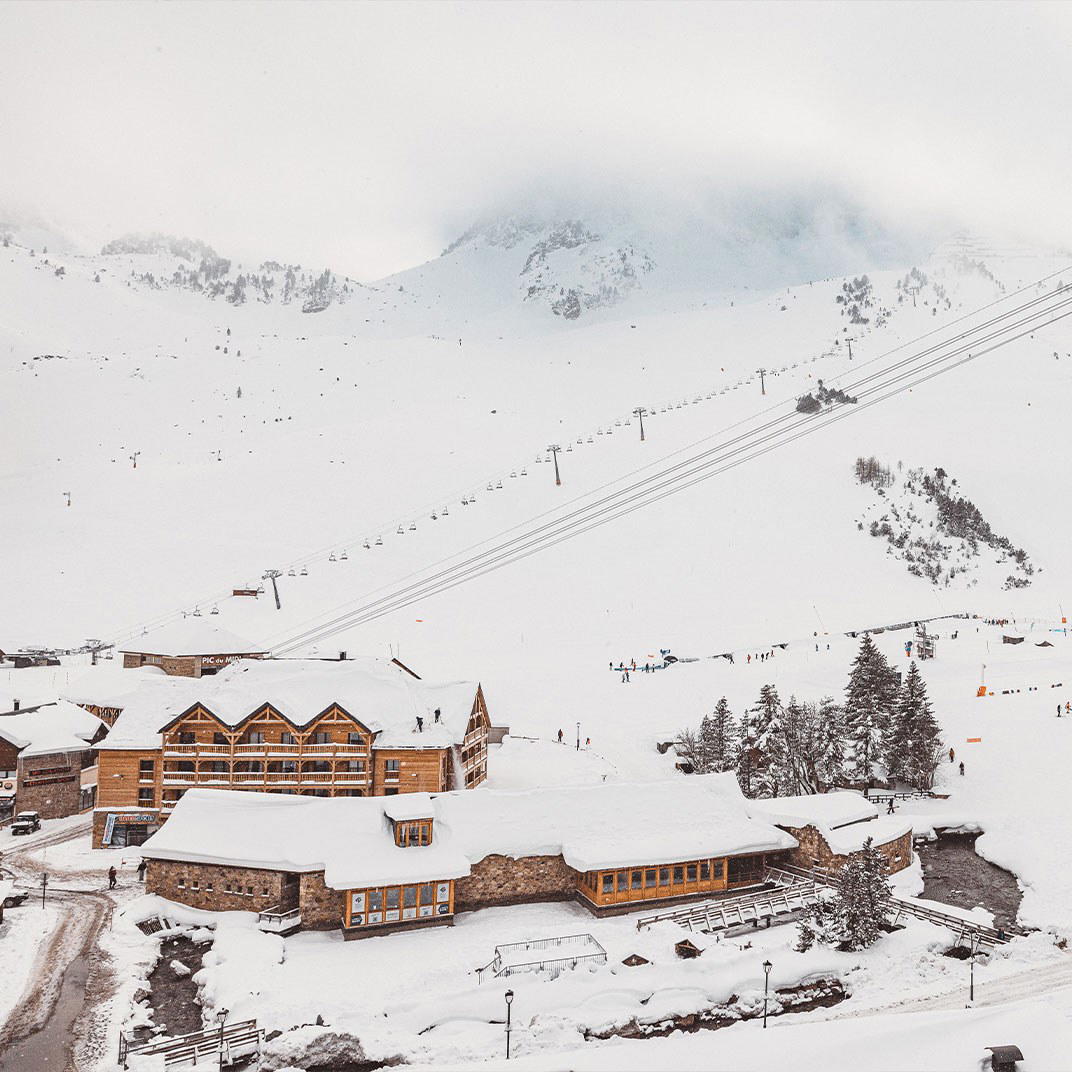
La Cuchara de Ruba sits on Calle Esperanza 18 in central Biescas, a town on the N-260 road that connects the Tena Valley to the broader Aragonese Pyrenean circuit. The budget price point (single-euro tier) means the total spend per head will be well below what most visitors budget for a notable meal in Spain, making this a low-risk, high-potential stop whether you are en route to Formigal, the Ordesa valley, or the French border at the Portalet pass. Given the daily-changing menu format, calling ahead to confirm opening days is advisable, particularly outside the peak ski and hiking seasons when mountain-town restaurants sometimes reduce their schedule. For a broader picture of what Biescas offers, the full Biescas restaurants guide maps the other options in town, including El Montañés, which takes a contemporary approach to the same mountain setting. Those building a longer itinerary can also consult the Biescas hotels guide, the Biescas bars guide, the Biescas wineries guide, and the Biescas experiences guide to fill out the stay.
Frequently asked questions
Is La Cuchara de Ruba okay with children?
The dining room is described as simple with highly informal service, which points toward a relaxed environment rather than a formal table-service setting. That kind of atmosphere generally accommodates families without issue. The menu's focus on traditional Upper Aragón recipes, including chickpea stews and trout dishes, offers approachable, recognisable food rather than challenging tasting-menu territory.
Is La Cuchara de Ruba formal or casual?
Casual, without qualification. The Michelin-recognised restaurant operates in a simple dining room with deliberately informal service, consistent with the mountain-town culture of Biescas. The price range sits at the budget end of the scale (€), so there is no expectation of dress codes or ceremony here.
What awards or recognition does La Cuchara de Ruba have?
La Cuchara de Ruba has received recognition including: In this small Pyrenean town, everyone is talking about La Cuchara de Ruba, a restaurant with the sole aim of perpetuating the legacy of Ramón Ruba, a leading name in the local hospitality sector. It could be viewed as the younger sibling of….
What do regulars order at La Cuchara de Ruba?
Three dishes have emerged as signatures: the Pedrosillano chickpea stew, the Iberian ham pancetta croquettes made with organic chicken broth, and the Oliván trout served with pil pil and sautéed vegetables. The menu shifts almost daily, so these represent the throughlines that persist across an otherwise rotating selection of Upper Aragón recipes.
How much does it cost to eat at La Cuchara de Ruba?
Pricing at La Cuchara de Ruba is listed as €.
Budget and Context
| Venue | Cuisine | Price | Awards | Notes |
|---|---|---|---|---|
| La Cuchara de RubaThis venue (the venue you are viewing) | Contemporary Upper Aragón | $30–50 | Michelin Bib Gourmand · Macarfi 7.9 Food Rating | Not listed |
| Aponiente | Avant-Garde Marine Seafood | $200–300 | 3 Michelin Stars · World's 50 Best #84 | Progressive - Seafood, Creative |
| Arzak | Contemporary Basque Fine Dining | $300–500 | 3 Michelin Stars · World's 50 Best #31 | Modern Basque, Creative |
| DiverXO | Avant-Garde Spanish Tasting Menu | $300–500 | 3 Michelin Stars · World's 50 Best #4 | Progressive - Asian, Creative |
| El Celler de Can Roca | Creative Catalan Fine Dining | $300–500 | 3 Michelin Stars · World's 50 Best #2 | Progressive Spanish, Creative |
| Quique Dacosta | Avant-Garde Spanish Fine Dining | $300–500 | 3 Michelin Stars · World's 50 Best #65 | Creative |
Recognition history
Dated appearances from independent guides and award organizations, with the underlying list record or original source where available.
Michelin Bib Gourmand
Michelin
Macarfi 7.9 Food Rating
Macarfi
Full recognition history (4 entries)
Michelin Plate
Michelin
Michelin Plate
Michelin
Continue exploring
More in Biescas
Details
- Rustic
- Cozy
- Classic
- Special Occasion
- Casual Hangout
- Open Kitchen
- Local Sourcing
- Mountain
- A La Carte
- Small Plates
Current opening hours
- Monday
- Closed
- Tuesday
- Closed
- Wednesday
- 1:30–3:30 PM
- Thursday
- 1:30–3:30 PM
- Friday
- 1:30–3:30 PM
- Saturday
- 1:30–3:30 PM
- Sunday
- 1:30–3:30 PM
Hours can change for holidays and private events. Hours as of .
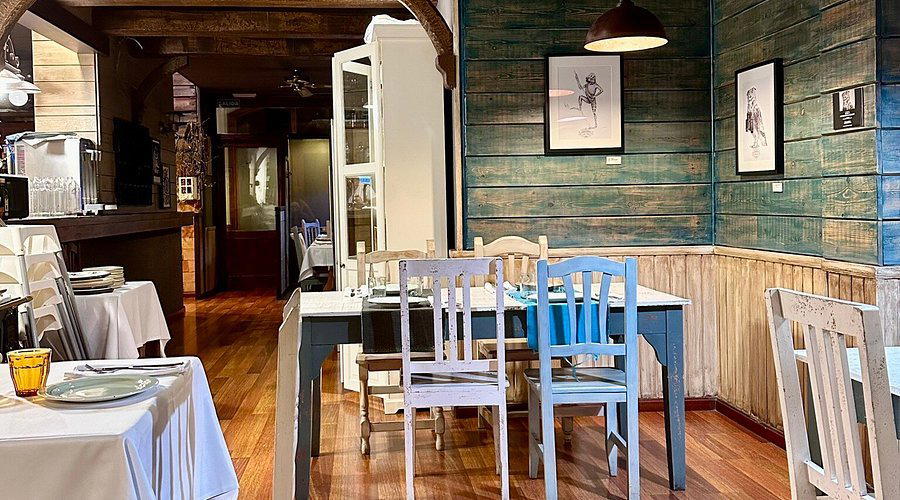
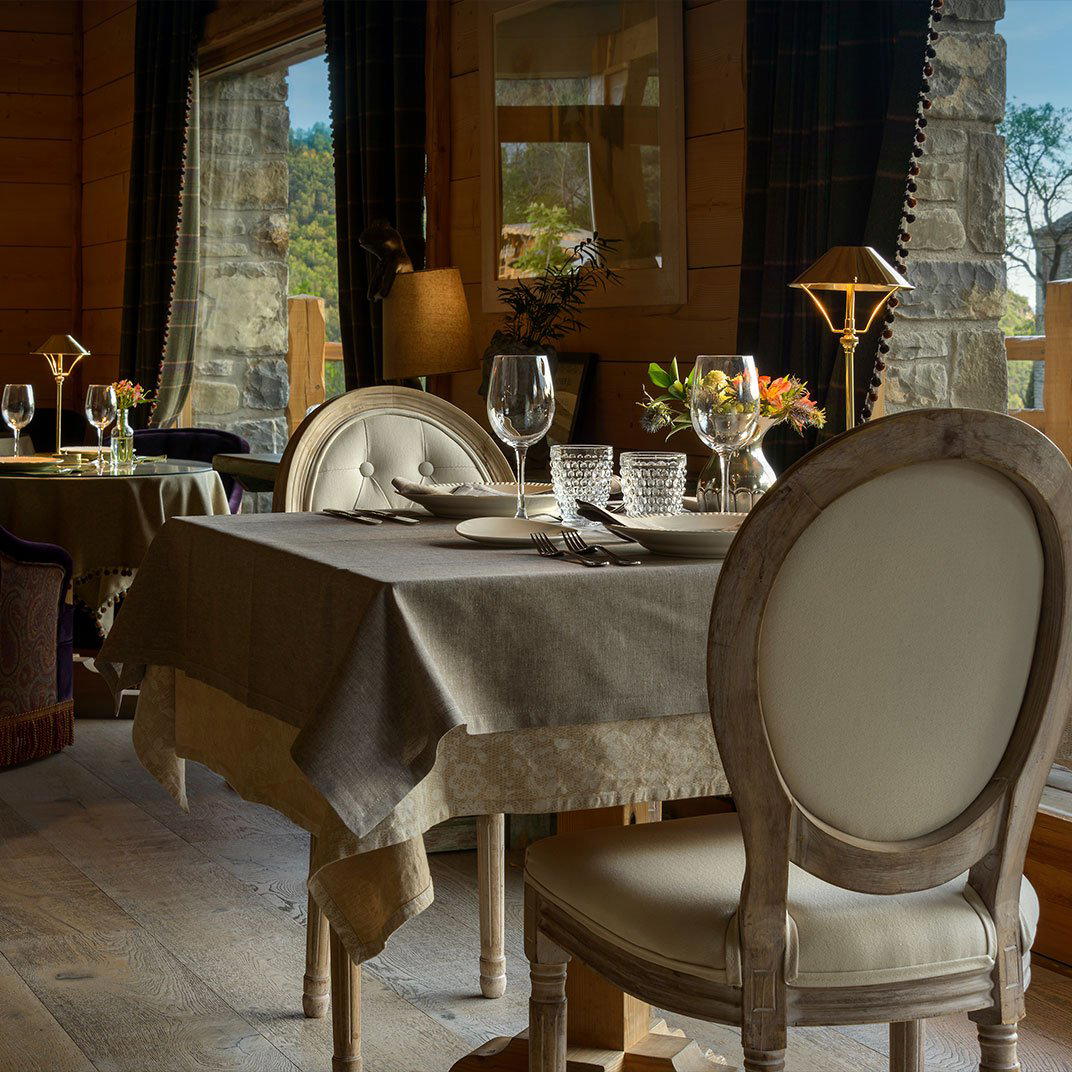
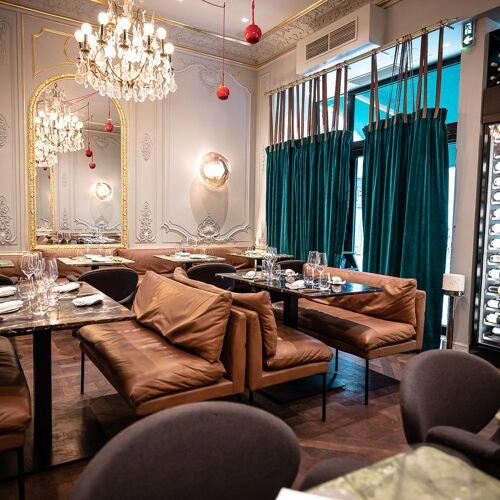
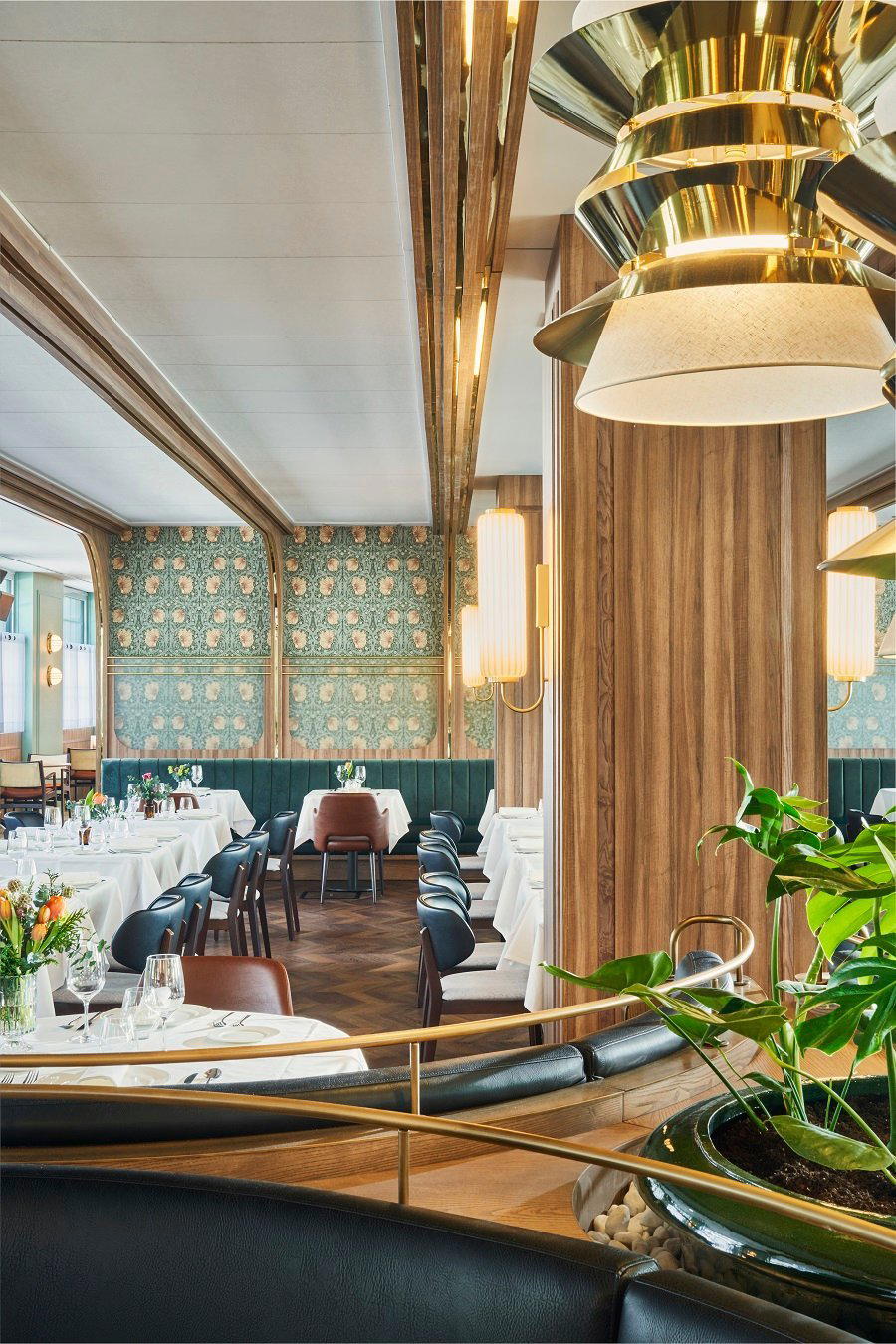
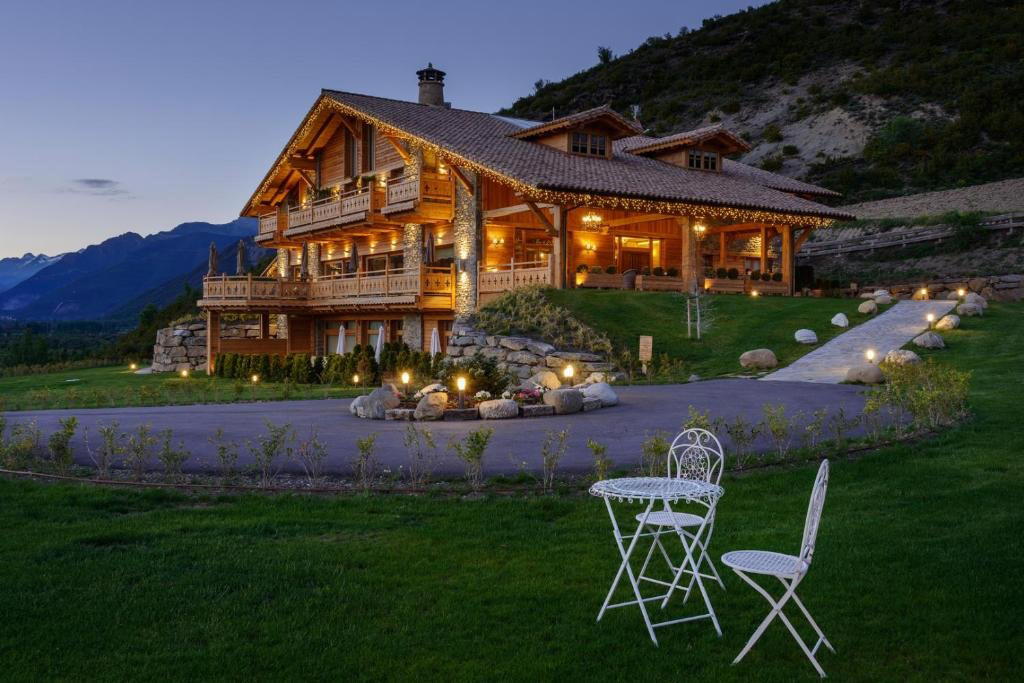
Simple, unadorned dining room with practical warm lighting, simple wood and stone materials, convivial table spacing, and relaxed friendly atmosphere focused on food and conversation.