Little Prince
Little Prince occupies a particular position in SoHo's dining scene: a neighborhood address on Prince Street that draws comparisons to the tighter, more personal end of New York's French-influenced restaurant spectrum. Where the city's grande dame French houses lean on ceremony and scale, Little Prince operates at closer range, making it a useful reference point for anyone calibrating between destination dining and daily-use neighborhood restaurants.
Pearl is the En Primeur Club membership app — saves, bookings, and concierge access live there. Same editors, same standards.
- Address
- 199 Prince St, New York, NY 10012
- Phone
- +12123350566
- Website
- littleprince.nyc
- Directions
- Get directions
 Saves & bookings on Pearl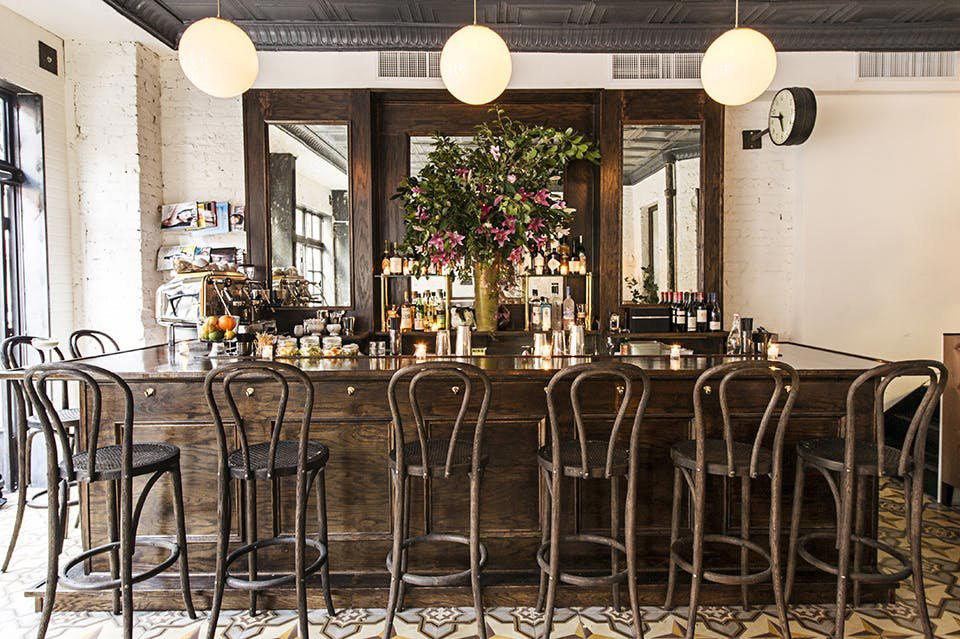
SoHo's French Register: Where Little Prince Sits
Prince Street in SoHo runs through one of Manhattan's most contested dining corridors. The blocks between Broadway and Sullivan carry a mix of international flagship restaurants, fast-casual concepts, and a shrinking number of genuine neighborhood rooms that predate the neighborhood's post-2000 retail transformation. Little Prince, at 199 Prince St, belongs to the latter category in spirit if not necessarily in age: it reads as a room built for the block rather than against it.
The city's French category splits sharply between its institutional tier, think Le Bernardin and Per Se, where the room, the service choreography, and the prix-fixe architecture are as much the product as the food, and a looser, brasserie-to-bistro tier that trades ceremony for accessibility. Little Prince operates in that second register, where the appeal is proximity and repetition rather than occasion-marking.
What the Menu Architecture Says
A restaurant's menu structure is one of the more honest signals it sends. The choice between à la carte and tasting format, the length of the card, the balance between shareable and plated dishes: each decision reveals something about what the kitchen thinks the meal is for. At the institutional level of New York French dining, the tasting menu format dominates precisely because it allows the kitchen to control narrative, pacing, and cost simultaneously. Venues like Masa and Atomix have built their reputations around that format's discipline.
The restaurant operates from a different assumption. À la carte menus, when well-constructed, signal that the kitchen trusts the diner to build their own experience rather than submit to a prescribed sequence. They also demand a different kind of consistency: every dish has to work as a standalone argument, not as a step in a choreographed progression. The practical implication for the diner is more agency at the table and a wider range of possible meal shapes, from a quick lunch anchored on one plate to a longer dinner built across several.
French-influenced menus in New York's mid-tier tend to cluster around a recognizable set of techniques: classical saucing applied to seasonal American produce, bistro-format proteins, raw bar components that bridge French and American coastal traditions. The interest lies in how individual kitchens adjust those defaults, which dishes they take seriously and which they treat as category obligations. Without specific dish data in evidence here, the editorial point holds: a room that positions itself in SoHo's French register is competing against a decade of strong neighborhood openings across lower Manhattan, and the menu has to justify its own existence within that crowded set.
SoHo as a Dining Address
SoHo's dining character has shifted considerably since the neighborhood became a retail destination in the 1990s. The foot traffic that follows luxury shopping creates a specific kind of diner: often on a fixed schedule, frequently from out of the neighborhood, and attentive to ambient quality in a way that slightly depresses tolerance for rougher-edged rooms. The restaurants that have sustained themselves in SoHo over time have generally landed on one of two strategies: become a destination in their own right, drawing visitors who plan around the restaurant rather than the neighborhood, or become genuinely useful to the people who live and work in the surrounding blocks.
The restaurant's address on Prince Street puts it in direct competition with both tourist-facing operations and the stronger neighborhood rooms that have accumulated on the SoHo-NoLIta border. That's a meaningful competitive frame. The restaurants that succeed long-term in this specific corridor tend to hold two audiences simultaneously: the table of visitors who found it through a recommendation, and the regular who books the same corner spot on a monthly rotation.
Placing Little Prince Against the New York Field
New York's French restaurant spectrum is wide enough to accommodate considerable variation in format, price, and ambition. At the formal end, Le Bernardin and Per Se operate with Michelin backing and prix-fixe architecture that prices them above most weekly-use decisions. Korean-inflected modernism at Jungsik New York and Atomix has expanded what the serious tasting-menu tier looks like in New York, introducing different reference points for technique and sourcing.
The restaurant sits below that tier in formality and likely in price, which places it in a competitive set that includes a significant share of New York's actual restaurant usage. Most meals in the city happen in rooms that aren't carrying Michelin stars or 50 Best placement, and the quality variation within that broader field is substantial. A well-run French room in SoHo with a coherent menu competes meaningfully against its immediate neighbors and against the stronger neighborhood restaurants across the country, Emeril's in New Orleans, Bacchanalia in Atlanta, that have built durable reputations by doing the same thing at a high level of consistency.
For readers calibrating where the restaurant fits in the wider American fine-casual picture, it's useful to note that SoHo French addresses have a strong track record of longevity when they get the neighborhood-utility balance right. The comparison points aren't always the destination rooms like The French Laundry in Napa, Alinea in Chicago, or Blue Hill at Stone Barns; they're the rooms that a neighborhood actually uses.
Planning Your Visit
| Venue | Cuisine / Format | Price Tier | Booking Lead Time |
|---|---|---|---|
| The restaurant | French, à la carte | Mid-range (est.) | Short to moderate |
| Le Bernardin | French Seafood, prix-fixe | $$$$ | Several weeks |
| Per Se | French Contemporary, tasting | $$$$ | 2-4 weeks minimum |
| Atomix | Modern Korean, tasting | $$$$ | 1-2 months |
| Jungsik New York | Progressive Korean, à la carte / tasting | $$$$ | 1-2 weeks |
The restaurant is located at 199 Prince St, New York, NY 10012, in SoHo. Given the venue's neighborhood positioning and format, booking lead times are likely shorter than the destination-tier rooms in the table above, making it a realistic option for shorter-notice planning.
The Short List
Comparable venues nearby, for context on price, style, and recognition.
| Venue | Cuisine | Price | Notes |
|---|---|---|---|
| Little PrinceThis venue — the venue you are viewing | Not listed | $$ | Not listed |
| maman | Not listed | $$ | SoHo-Little Italy-Hudson Square, French Bakery Café |
| Tartine | West Village, French Bistro | $$ | Not listed |
| Pavé | Midtown-Times Square, French Bakery Cafe | $$ | Not listed |
| Bien Cuit | Not listed | $$ | East Midtown-Turtle Bay, Artisan French Bakery |
| Le Moulin à Café | Not listed | $$ | Upper East Side-Lenox Hill-Roosevelt Island, French Bistro & Café |
Continue exploring
More in New York City
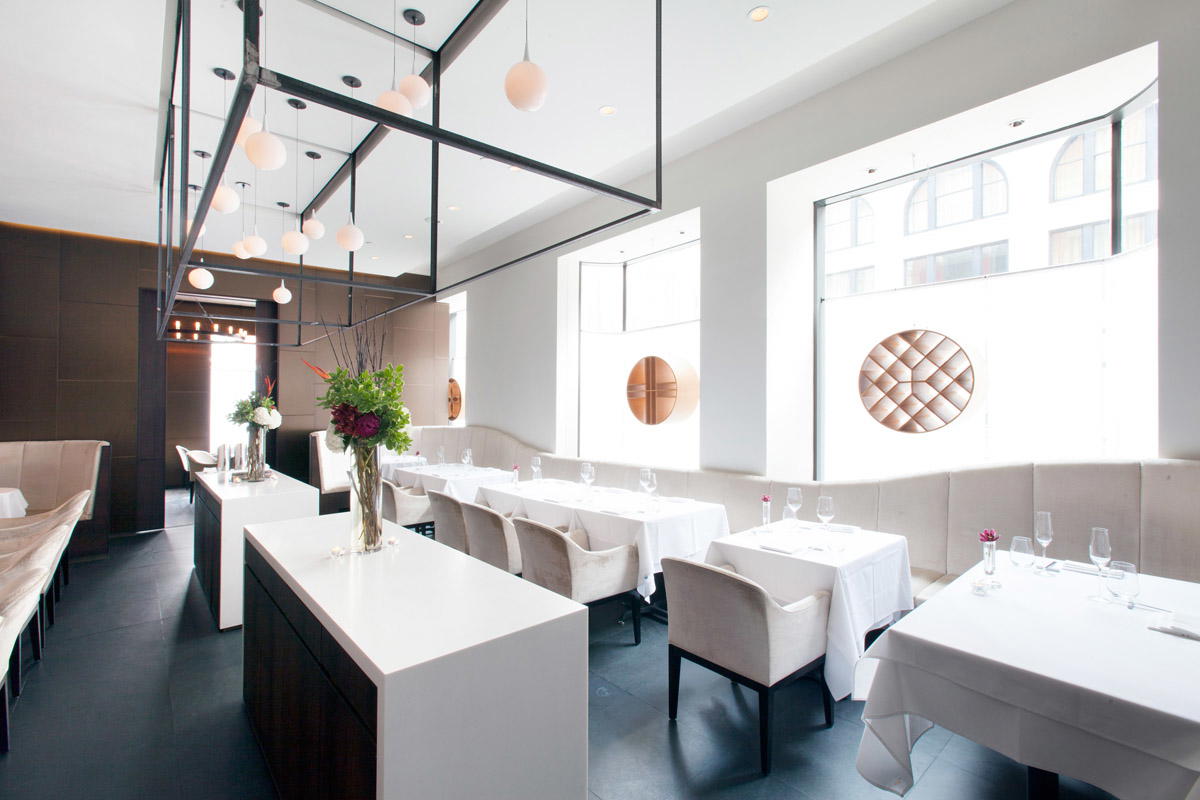
Restaurants in New York City
Browse all →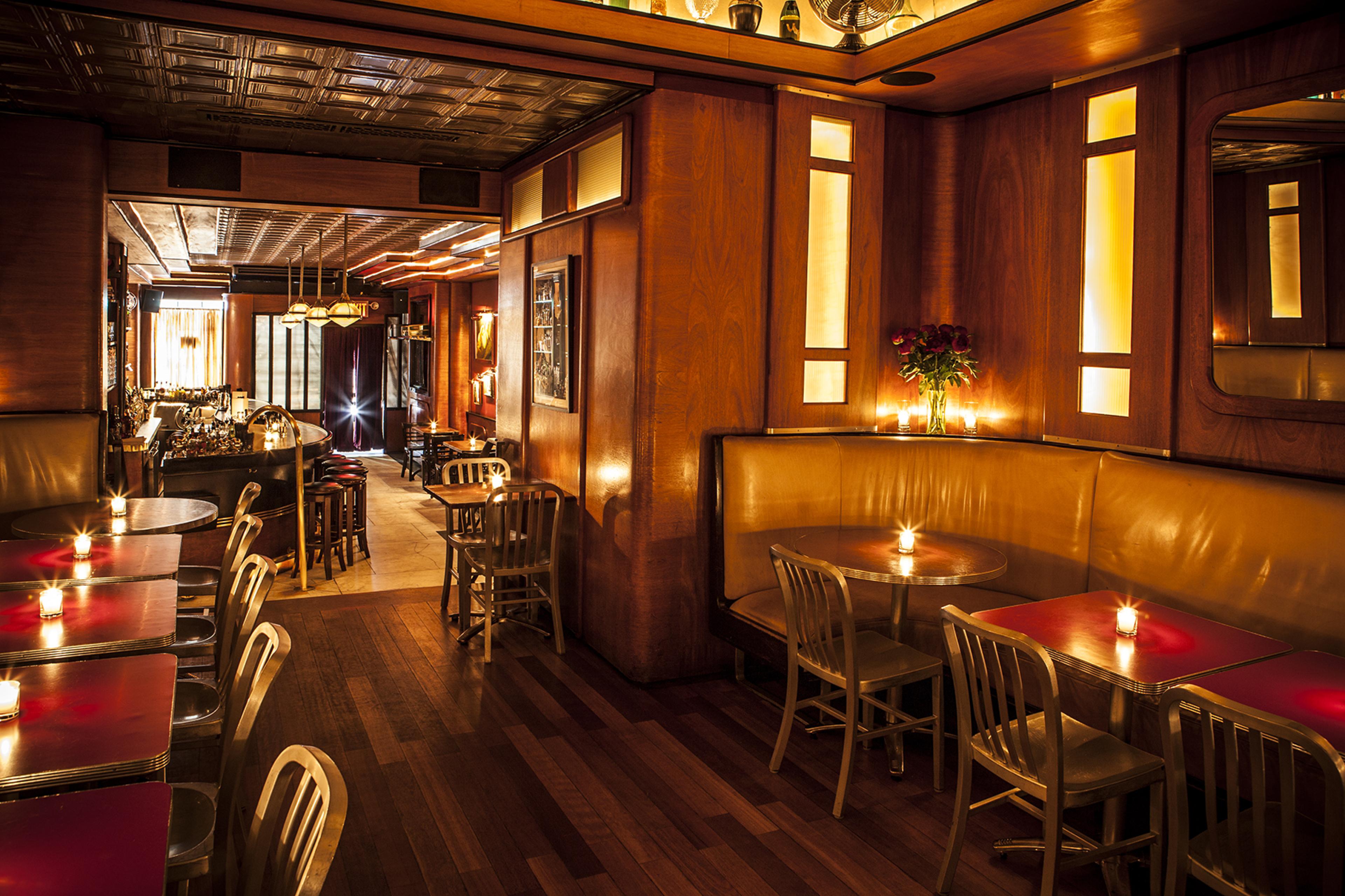
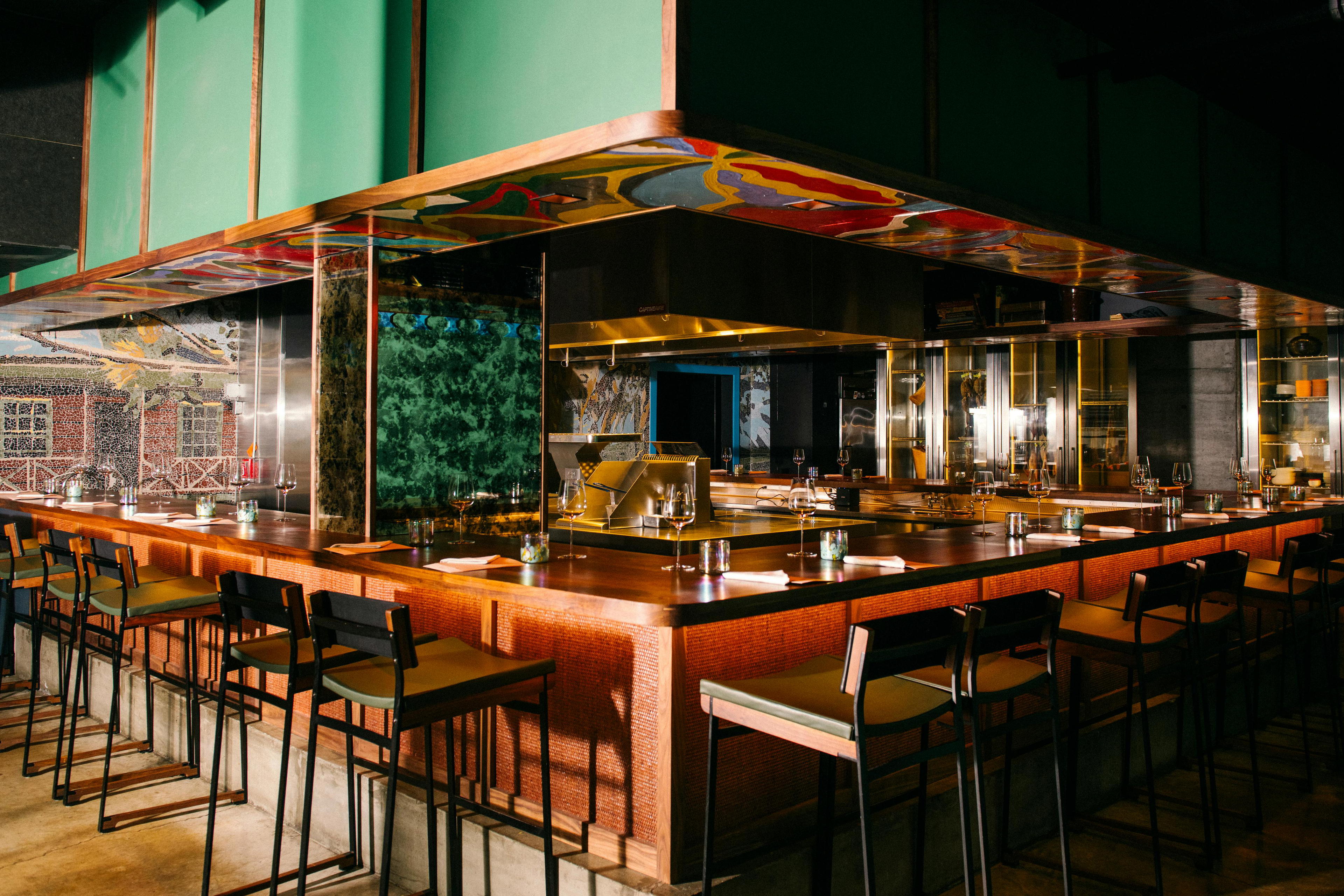
Bars in New York City
Browse all →
Hotels in New York City
Browse all →




At a Glance
- Cozy
- Intimate
- Romantic
- Trendy
- Date Night
- Casual Hangout
- Brunch
- Open Kitchen
- Craft Cocktails
- Beer Program
- Street Scene
Current opening hours
- Monday
- 5–10 PM
- Tuesday
- 5–10 PM
- Wednesday
- 5–10 PM
- Thursday
- 5–11 PM
- Friday
- 5–11 PM
- Saturday
- 11 AM–3 PM, 5–11 PM
- Sunday
- 11 AM–3 PM, 5–10 PM
Hours can change for holidays and private events. Last verified .
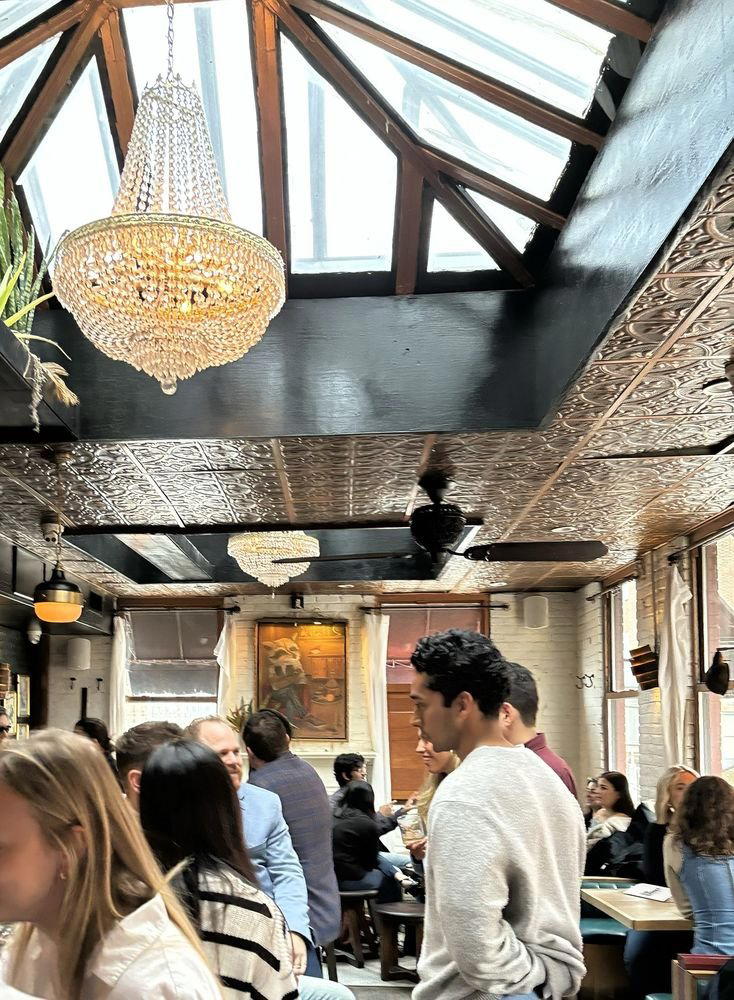
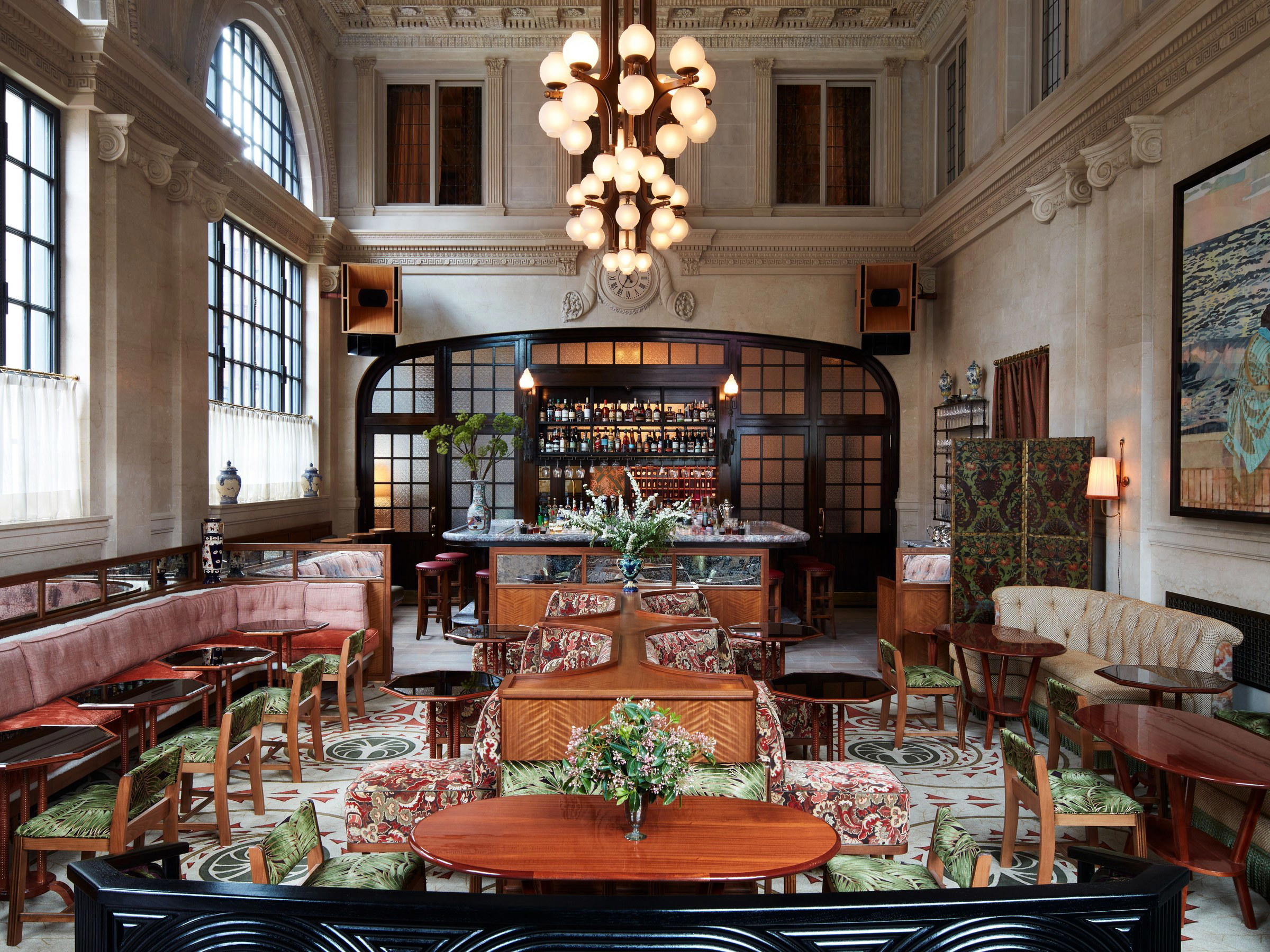
Sun-lit space with dramatic floral arrangements, floor-to-ceiling windows, pink disco ball, and cozy intimate atmosphere.