
Fei Fei Roasted Noodle is a Michelin Bib Gourmand-recognised hawker stall in Jurong East, known for roasted meats and dumplings served at prices that keep the queue moving fast. The duck leg with shrimp wonton noodles draws regulars from across the island. Arrive early: the kitchen sells out most days before the lunch crowd clears.
Pearl is the En Primeur Club membership app — saves, bookings, and concierge access live there. Same editors, same standards.
- Address
- 254 Jurong East St 24, #01-28, Singapore 600254
- Phone
- +65 9190 9712
- Directions
- Get directions
 Saves & bookings on Pearl
A Hawker Counter Where the Queue Forms Before the Shutters Open
Singapore's hawker centres operate by a different set of rules than the city's fine dining rooms. There are no reservations, no dress codes, and no tasting menus calibrated to a sommelier's wine list. What there is, at the better stalls, is a controlled intensity: a cook who has perfected two or three dishes to a degree that renders everything else on the block irrelevant. Block 254 in Jurong East runs on exactly this logic, and Fei Fei Roasted Noodle sits near the centre of it. The stall is compact, the stools are plastic, and the fluorescent light is the same as every other unit in the complex. None of that is the point. The point arrives in a bowl.
Roasted Meat, Wonton, and the Architecture of a Singaporean Noodle Bowl
Cantonese roasted meat over noodles is one of the defining dishes of Singapore's hawker tradition, a format carried from Guangdong province and adapted over generations into something the city now claims as its own. The craft sits in the lacquer on the skin, the fat content of the cut, and the precision of the char siu marinade. At the hawker level, it is a discipline that rewards years of repetition. Fei Fei's version of this format, built around roasted duck and shrimp wonton, sits in the upper tier of that category by the measure that counts most in this context: recognition from the Michelin Bib Gourmand programme, which awarded the stall in 2025.
The Bib Gourmand designation is a specific signal. Unlike the star system, it is not about technique for its own sake or about a chef's capacity to surprise. It marks places where the inspectors found cooking of genuine quality at prices accessible enough that a working meal costs what it should. For Singapore's hawker scene, it is the most relevant form of external validation available, and it places Fei Fei in a cohort that includes some of the most consistent stalls in the country. Across the island, Bib Gourmand hawker recipients include noodle specialists at Hill Street Tai Hwa Pork Noodle and 545 Whampoa Prawn Noodles, each operating within the same discipline of mastery-through-repetition that defines the category.
The Duck Leg Order: What to Ask For and Why
Among the items on offer, the duck leg with shrimp wonton noodles is the combination that draws the longer explanations from regulars. The logic is direct in the way that the leading hawker combinations always are: roasted duck at this level carries concentrated flavour through the leg cut, where fat and meat proportion produce a result that leaner breast slices cannot replicate. Shrimp wonton adds a textural counterpoint — the thin wrapper, the yielding filling — and the noodles, typically springy egg noodles dressed in soy and lard, carry both components without competing with them.
This is a format worth understanding before you arrive, because the queue moves quickly and the decisions at the counter need to be made without hesitation. Pointing at the duck leg and specifying wonton noodles is the move. The stall is also recognised for its broader roasted meat output and dumplings, which makes it representative of a Cantonese hawker tradition where a single kitchen handles multiple proteins across a shared roasting and prep discipline. That range is part of what Michelin's inspectors are evaluating: consistency across the menu, not just one photogenic dish.
Jurong East and the Geography of Singapore's Distributed Food Culture
Jurong East is not where most visitors to Singapore spend their first afternoon. The neighbourhood sits in the west of the island, a planned residential and commercial district far from the colonial-era shophouses and Marina Bay sightlines that anchor most travel itineraries. That distance is the reason Fei Fei operates the way it does: its customer base is the surrounding community, the regulars who eat here weekly and who have maintained the queue that eventually drew Michelin's attention. This is how Singapore's distributed food culture functions. The award-level cooking is not concentrated in one postcode. It turns up in Jurong, in Toa Payoh, in Ang Mo Kio, in neighbourhood centres that were never designed as dining destinations.
For context, the same dynamic applies to other corners of Singapore's hawker noodle scene. A Noodle Story operates with Bib Gourmand recognition from a hawker setting in Amoy Street Food Centre, drawing CBD office workers. 91 Fried Kway Teow Mee and Adam Rd Noo Cheng Big Prawn Noodle each anchor their respective centres with the same pull. None of these are walk-by discoveries. They require a degree of intentionality from visitors, and that intentionality is exactly what separates a considered eating itinerary in Singapore from a tourist one.
The broader street food tradition across the region reinforces how site-specific these stalls are. From Penang's hawker row at 888 Hokkien Mee on Lebuh Presgrave to southern Thai street cooking at Anuwat in Phang Nga, the pattern holds: singular dishes, community locations, early closing times. Singapore's government-operated hawker centres formalise what elsewhere is more transient, which is why the Michelin programme has been able to engage with them at all. The infrastructure is stable enough to inspect repeatedly.
Timing, Logistics, and the Problem of Selling Out
The most operationally significant fact about Fei Fei is that the stall sells out. This is not a figure of speech or a marketing claim: roasted meat hawker stalls in Singapore operate on finite prep quantities, and once the proteins are gone, service ends regardless of the hour. The practical implication is that arriving after mid-morning on a weekend introduces real risk. On a weekday, early lunch or pre-lunch timing is the safer window.
There is no website, no booking system, and no phone line available. This is standard for the category: Singapore hawker stalls operate on a walk-in basis, cash or NETS payment is typical, and the experience is calibrated around throughput rather than lingering. If you are planning a trip around the stall, build in flexibility on the arrival window and treat the trip to Jurong East as an extension of a broader neighbourhood visit rather than a standalone destination.
Know Before You Go
- Address: 254 Jurong East St 24, #01-28, Singapore 600254
- Price range: $ (hawker pricing)
- Recognition: Michelin Bib Gourmand 2025
- Recommended order: Duck leg with shrimp wonton noodles
- Booking: Walk-in only, no reservations
- Timing: Arrive early, the stall sells out before the main lunch rush on busy days
- Payment: Hawker-standard; bring cash or a local payment card
What This Stall Tells You About Singapore's Food Hierarchy
Singapore's restaurant scene spans a range that places three-Michelin-star European tasting menus at one end and $4 noodle bowls at the other, with both ends drawing serious eaters. Zén holds three stars; Jaan by Kirk Westaway and Born each operate at the top of the fine dining bracket. Fei Fei occupies the opposite price tier but the same critical ecosystem. The Bib Gourmand programme is explicit about this: it exists to map quality across price points, not to create a hierarchy where only the expensive counts.
For a visitor building a considered Singapore eating itinerary, the logic is to treat both ends seriously. The omission of a hawker meal of this calibre from an itinerary is as much a gap as skipping the city's fine dining rooms. For a deeper look at how to structure that itinerary, the full Singapore restaurants guide covers the range. The Singapore bars guide, hotels guide, experiences guide, and wineries guide round out the picture for a complete visit.
For reference points in nearby street food traditions, the George Town hawker scene in Penang offers useful comparisons: Ah Boy Koay Teow Th'ng, Air Itam Duck Rice, Air Itam Sister Curry Mee, and Ali Nasi Lemak Daun Pisang each represent the same single-dish mastery model operating in a different city context. The discipline is regional; the specific execution is intensely local.
Price and Positioning
| Venue | Cuisine | Price | Awards |
|---|---|---|---|
| Fei Fei Roasted • NoodleThis venue — the venue you are viewing | Street Food | $ | Bib Gourmand |
| Zén | European Contemporary | $$$$ | Michelin 3 Star |
| Jaan by Kirk Westaway | British Contemporary | $$$ | Michelin 2 Star |
| Burnt Ends | Australian Barbecue, Barbecue | $$$ | Michelin 1 Star |
| Summer Pavilion | Cantonese | $$ | Michelin 1 Star |
| Born | Creative Cuisine, Innovative | $$$$ | Michelin 1 Star |
Recognition history
Dated appearances from independent guides and award organizations, with the underlying list record or original source where available.
Michelin Guide Bib Gourmand
Michelin Guide
Michelin Bib Gourmand
Michelin
Michelin Bib Gourmand
Michelin
Continue exploring
More in Singapore
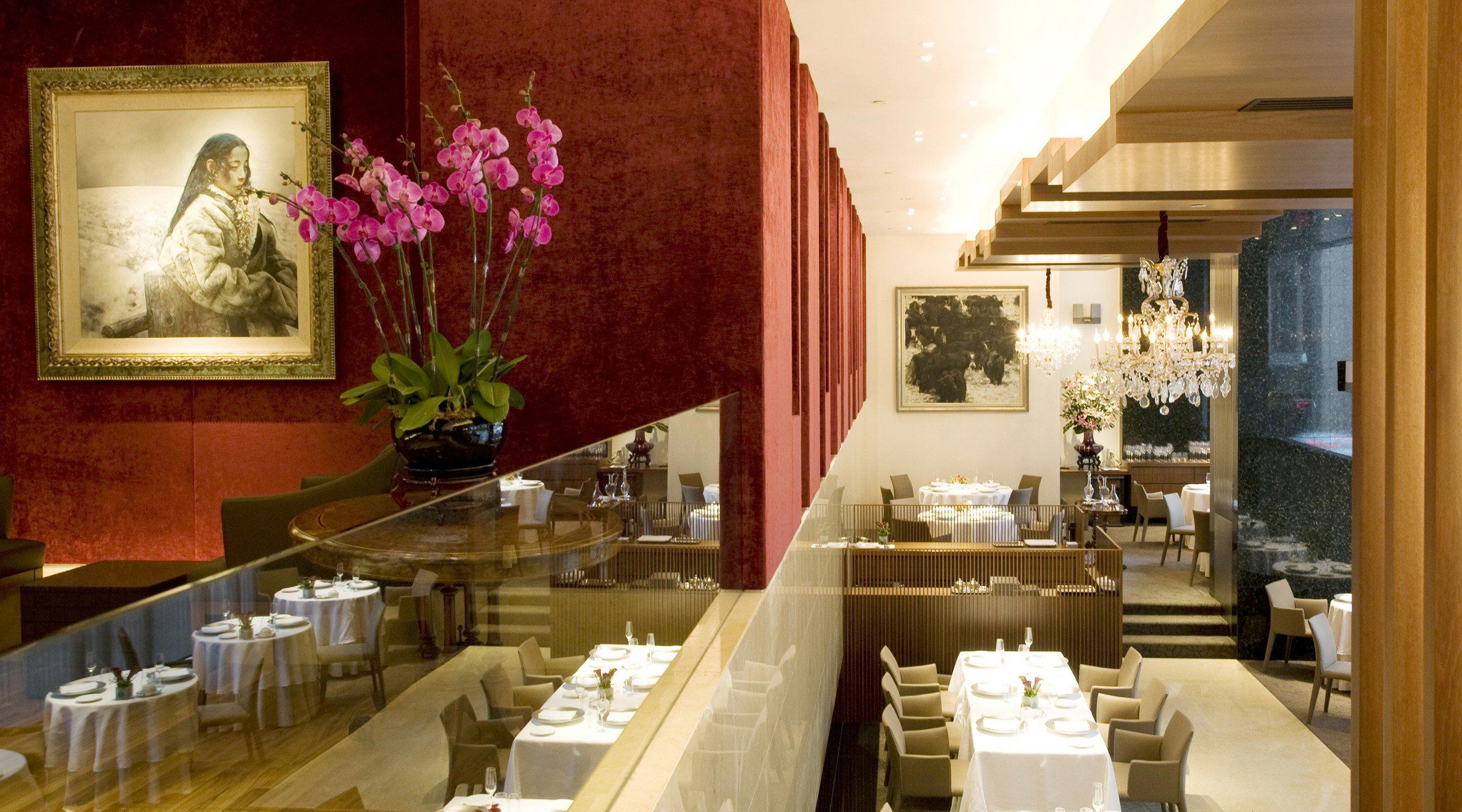
Restaurants in Singapore
Browse all →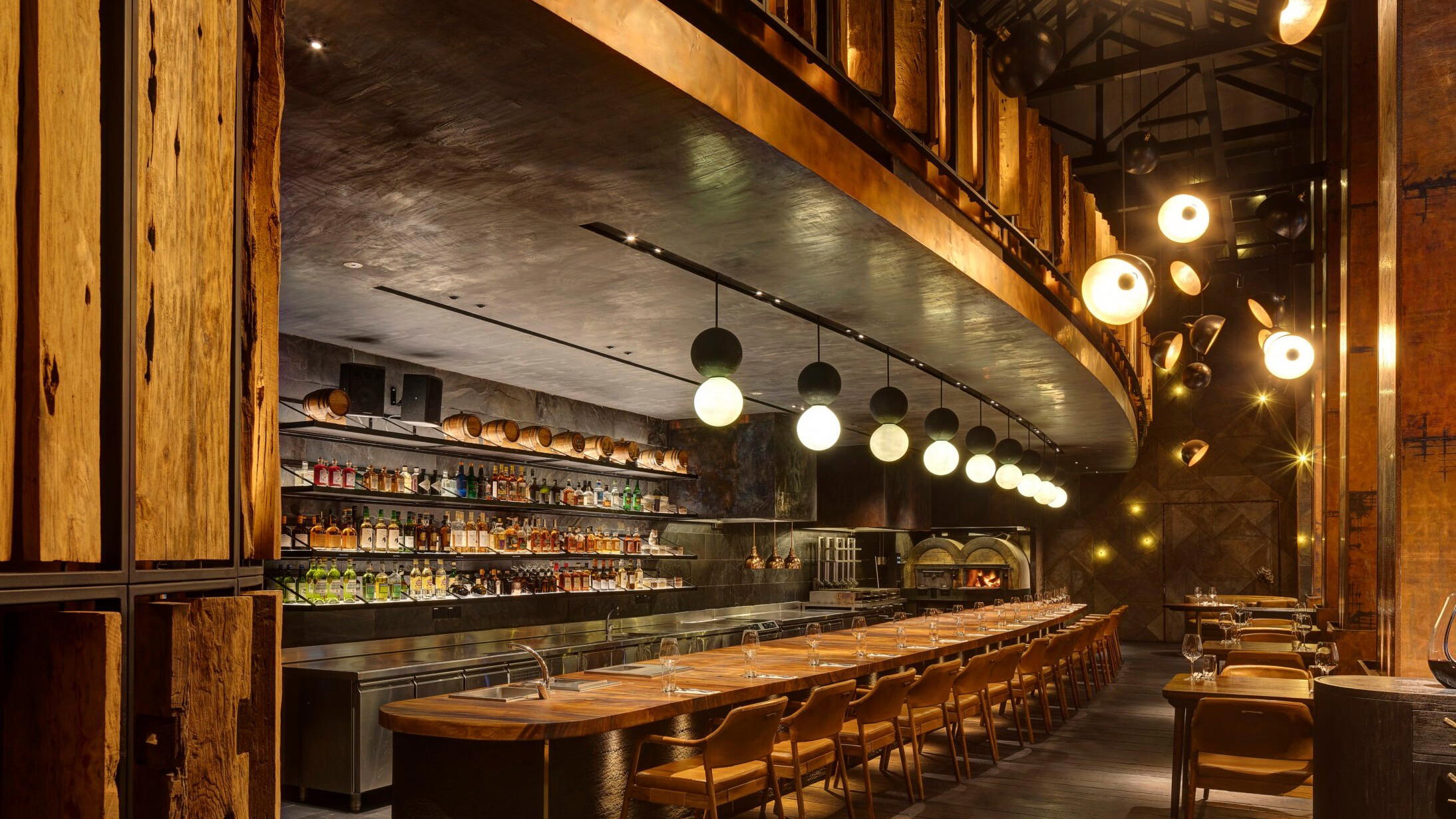
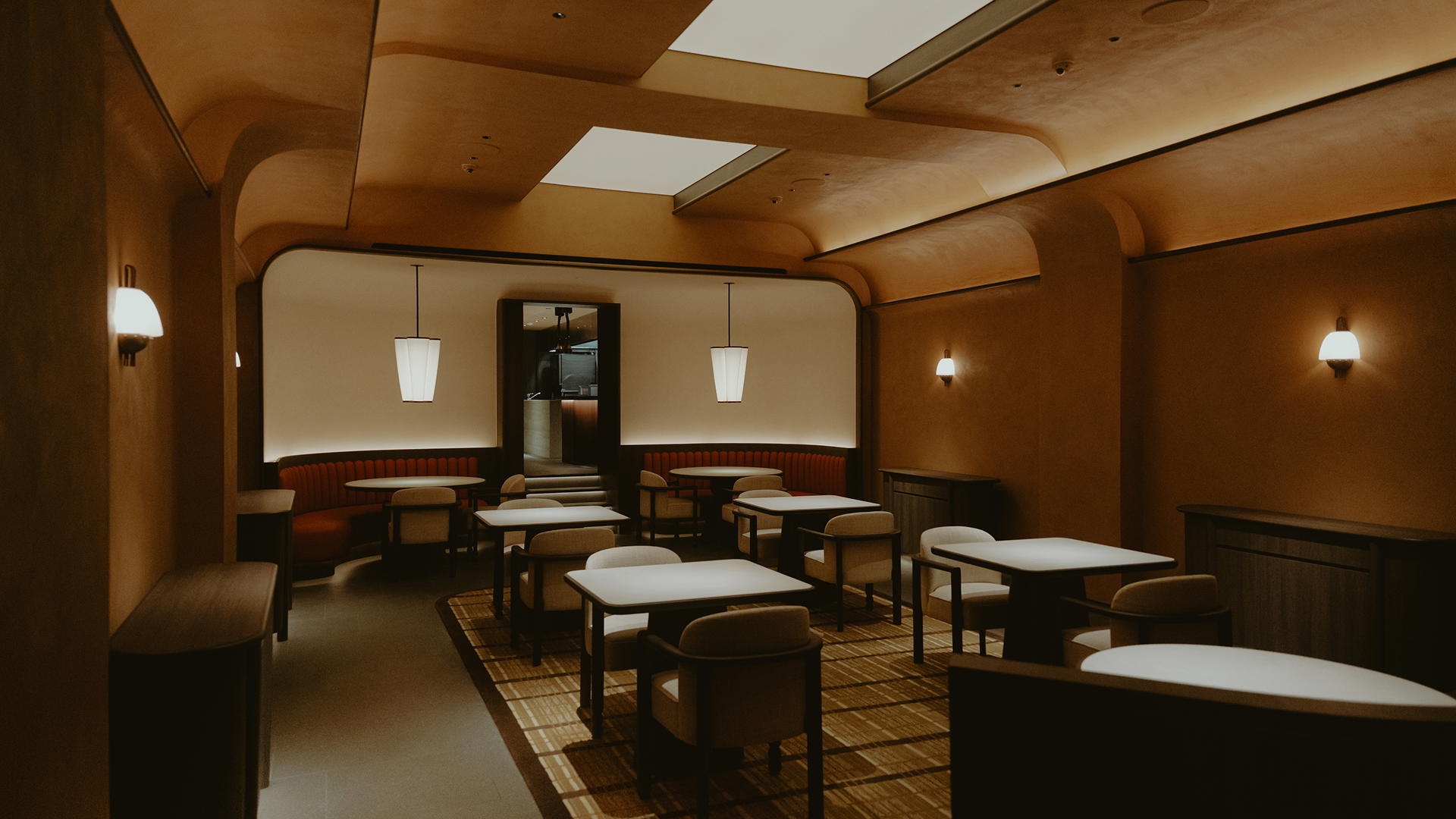
Bars in Singapore
Browse all →

At a Glance
- Lively
- Casual Hangout
- Open Kitchen
Current opening hours
- Monday
- Closed
- Tuesday
- 8:30 AM–2 PM
- Wednesday
- 8:30 AM–2 PM
- Thursday
- 8:30 AM–2 PM
- Friday
- 8:30 AM–2 PM
- Saturday
- 8:30 AM–2 PM
- Sunday
- Closed
Hours can change for holidays and private events. Last verified .
Busy hawker centre atmosphere with long queues and lively communal seating.
Know Before You Go
- Getting there
- 254 Jurong East St 24, #01-28, Singapore 600254