
Chuan Kee Boneless Braised Duck at Ghim Moh Market has held Michelin Bib Gourmand recognition in both 2024 and 2025, placing it among Singapore's most consistently rated hawker stalls. Madame Hang's braised duck, deboned and served at the counter, represents the kind of single-dish mastery that defines the city's street food tradition at its most serious.
Pearl is the En Primeur Club membership app — saves, bookings, and concierge access live there. Same editors, same standards.
- Address
- 20 Ghim Moh Rd, #01-04, Singapore 270020
- Directions
- Get directions
 Saves & bookings on Pearl
Ghim Moh and the Discipline of the Single Dish
Walk through Ghim Moh Market on a weekday morning and the geometry of the place tells you something about how Singapore's hawker culture actually works. Each stall occupies a tight footprint, the menu is narrow by design, and the queue — not a sign, not a review — is the primary signal of quality. This is a neighbourhood wet market and food centre that has served the surrounding residential estate for decades, far removed from the tourist-oriented hawker centres closer to the city core. It draws people who live nearby, office workers making a detour, and increasingly, a subset of diners who track Michelin Bib Gourmand listings the way others track restaurant reservations.
Chuan Kee Boneless Braised Duck operates within that framework. Located at stall 01-04 inside the 20 Ghim Moh Road complex, the stall has earned consecutive Bib Gourmand recognition in the 2024 and 2025 Michelin guides, a distinction that rewards high-quality cooking at accessible prices rather than the full-star tier occupied by counters like Hill Street Tai Hwa Pork Noodle. The Bib Gourmand category is, in Michelin's own framing, a separate judgment: these are places where value and craft converge, and Singapore's hawker scene produces more entries in this category than almost any other food city in the world.
Braised Duck as a Culinary Form
Duck braising in the Teochew tradition is one of the more technically demanding preparations in Singapore hawker cooking. The process requires a master stock, a blend of soy sauce, five-spice, galangal, garlic, and other aromatics, that is maintained and refreshed over time, developing depth that a fresh batch cannot replicate. Temperature control matters: too aggressive and the flesh tightens; too gentle and the skin fails to absorb the braising liquid properly. The deboning step that distinguishes Chuan Kee's approach adds another layer of difficulty. Removing bones from a braised duck cleanly, without breaking the meat apart, demands practice and consistency, the kind that accumulates over years of daily repetition at the same station.
This format places Chuan Kee in a specific subcategory of Singapore duck stalls. Bone-in presentations are more common and faster to prepare; boneless service takes longer, requires more skilled hands, and raises the standard of what lands in the bowl. For context, the Teochew braised duck tradition is well represented across Singapore's hawker centres, but the boneless preparation with Michelin recognition is a narrower field. Elsewhere in Southeast Asia, comparable single-protein braised formats appear at places like Air Itam Duck Rice in George Town, where Penang's own Teochew-influenced duck rice tradition maintains a parallel lineage.
The Team Behind a Hawker Counter
The editorial angle most commonly applied to fine dining, the creative vision of a single chef, translates awkwardly to hawker culture, and that gap is worth examining. At a stall like Chuan Kee, the work is collective and physical in ways that differ structurally from a brigade kitchen. Madame Hang's name is the one attached to the stall's public identity, and her role as the central figure in the cooking represents the kind of matriarchal hawker lineage that runs through many of Singapore's most sustained operations. But the daily reality of a hawker stall with Bib Gourmand traffic involves a front-counter operation, portioning, broth management, and service rhythm that require coordinated effort from a small team working in close quarters under heat and time pressure.
Singapore's Michelin inspectors assess this kind of operation on different criteria than they apply to plated tasting menus. Consistency across service periods, the integrity of the braising liquid from early morning to late morning, the precision of the portioning, these are the variables that determine whether a stall holds its recognition year over year. The back-to-back 2024 and 2025 Bib Gourmand listings suggest that Chuan Kee has maintained that consistency across multiple inspection cycles, which in a hawker context is harder than it sounds. Stall teams are small, supply chains are direct, and there is no brigade to absorb a bad day.
This kind of sustained team discipline at the hawker level is worth comparing against other multi-year Bib Gourmand holders in Singapore. A Noodle Story has maintained its recognition over several consecutive editions through a format that modernises the wonton noodle template while keeping price points accessible. 545 Whampoa Prawn Noodles and Adam Rd Noo Cheng Big Prawn Noodle represent the prawn noodle tier of this same peer group. Each of these stalls holds recognition not through innovation but through the same quality-under-pressure consistency that defines hawker excellence as a category.
Where Ghim Moh Sits in the Wider Singapore Food Map
Ghim Moh is a residential neighbourhood in the Buona Vista planning area, which places it west of the city centre and outside the tourist hawker circuits anchored by Maxwell Food Centre or Lau Pa Sat. The food centre itself draws a loyal local crowd, which means the queue composition and ambient energy differ from centres where visitors make up a significant share of diners. This is relevant to the experience: the stall operates within a community context, and the pace of service reflects that. It is not optimised for high-volume tourist throughput.
Singapore's Bib Gourmand map now covers a wide geographic spread precisely because the city's hawker talent is distributed across its housing estates rather than concentrated in central precincts. 91 Fried Kway Teow Mee operates on a similar neighbourhood-anchor model. The argument for seeking out stalls in residential areas is direct: lower tourist markup on expectations, longer operating histories tied to repeat local customers, and ingredient sourcing relationships that predate the award attention.
For visitors building a Singapore hawker itinerary, Ghim Moh is reachable by MRT via the Circle Line to Buona Vista, followed by a short walk or bus connection. The stall format means no reservations and no booking systems, arrival timing relative to the queue is the only planning variable that matters. Hawker hours at Ghim Moh typically skew toward breakfast and lunch service, so a mid-morning visit avoids both the earliest rush and the late-morning sellout that affects high-demand stalls. Pricing sits firmly in the single-digit dollar range, consistent with the Bib Gourmand remit of quality without the cost barrier of the starred tier.
For broader context on Singapore's food scene, see our full Singapore restaurants guide, and for planning the rest of your trip, our Singapore hotels guide, bars guide, and experiences guide cover the full picture. Comparable street food traditions elsewhere in the region are documented across our coverage of 888 Hokkien Mee in George Town, Ah Boy Koay Teow Th'ng, Ali Nasi Lemak Daun Pisang, A Pong Mae Sunee in Phuket, Anuwat in Phang Nga, Air Itam Sister Curry Mee, and Banana Boy in Hong Kong. Singapore's winery scene is covered in our wineries guide.
Style and Standing
| Venue | Cuisine | Price | Awards |
|---|---|---|---|
| Chuan Kee Boneless Braised DuckThis venue — the venue you are viewing | Street Food | $ | Bib Gourmand |
| Zén | European Contemporary | $$$$ | Michelin 3 Star |
| Jaan by Kirk Westaway | British Contemporary | $$$ | Michelin 2 Star |
| Burnt Ends | Australian Barbecue, Barbecue | $$$ | Michelin 1 Star |
| Summer Pavilion | Cantonese | $$ | Michelin 1 Star |
| Born | Creative Cuisine, Innovative | $$$$ | Michelin 1 Star |
Recognition history
Dated appearances from independent guides and award organizations, with the underlying list record or original source where available.
Michelin Guide Bib Gourmand
Michelin Guide
Michelin Bib Gourmand
Michelin
Michelin Bib Gourmand
Michelin
Continue exploring
More in Singapore
Restaurants in Singapore
Browse all →
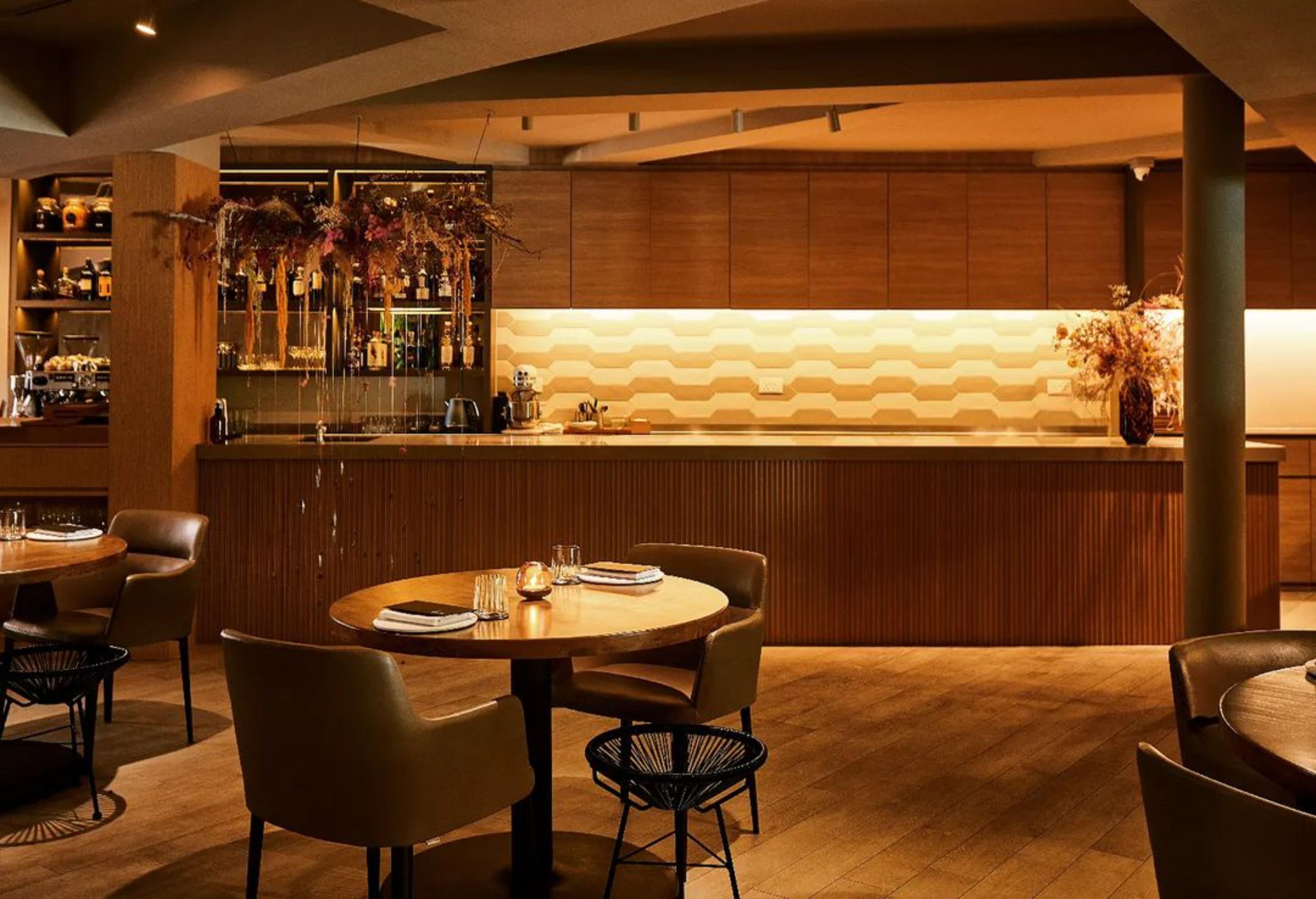
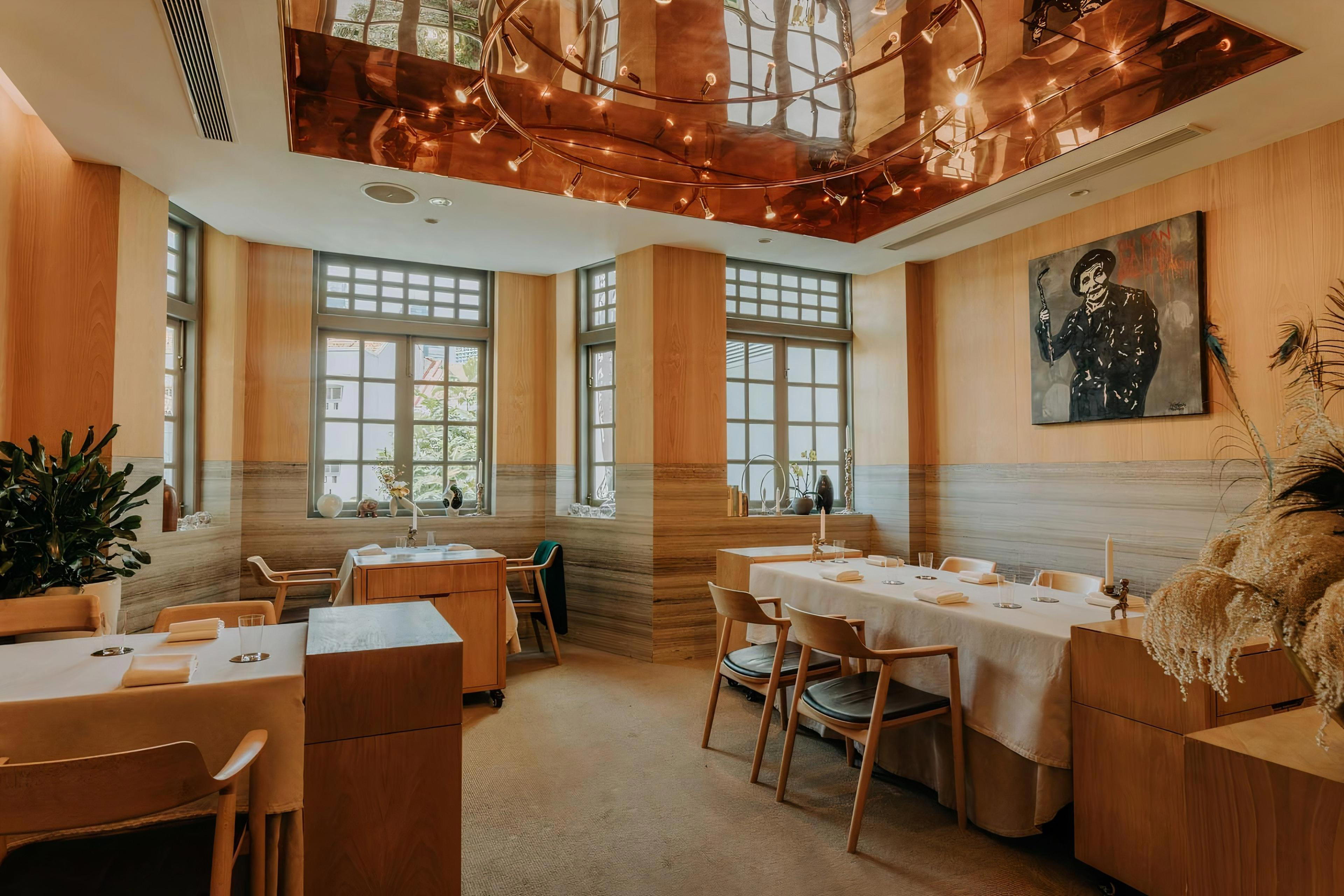
Bars in Singapore
Browse all →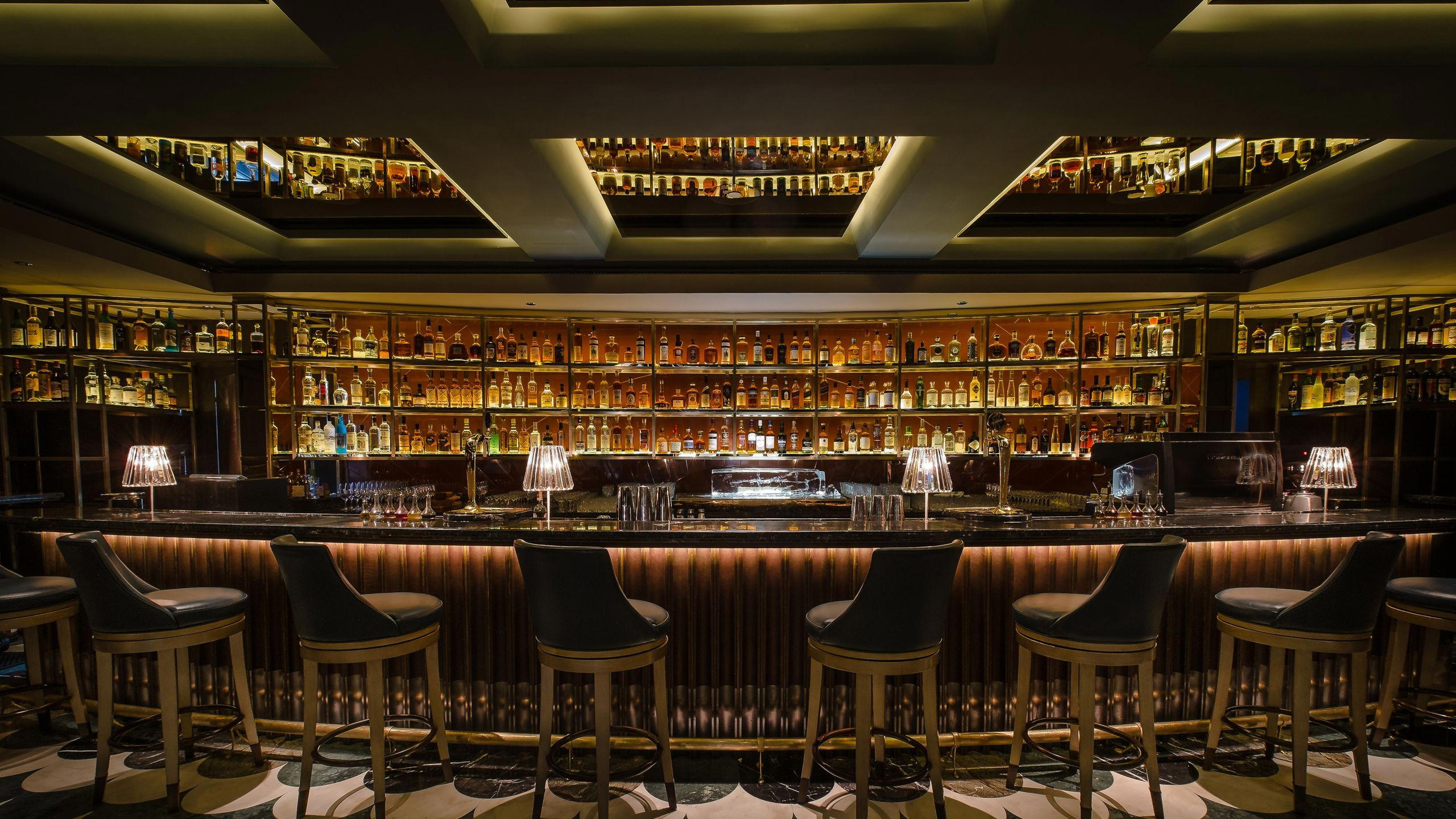
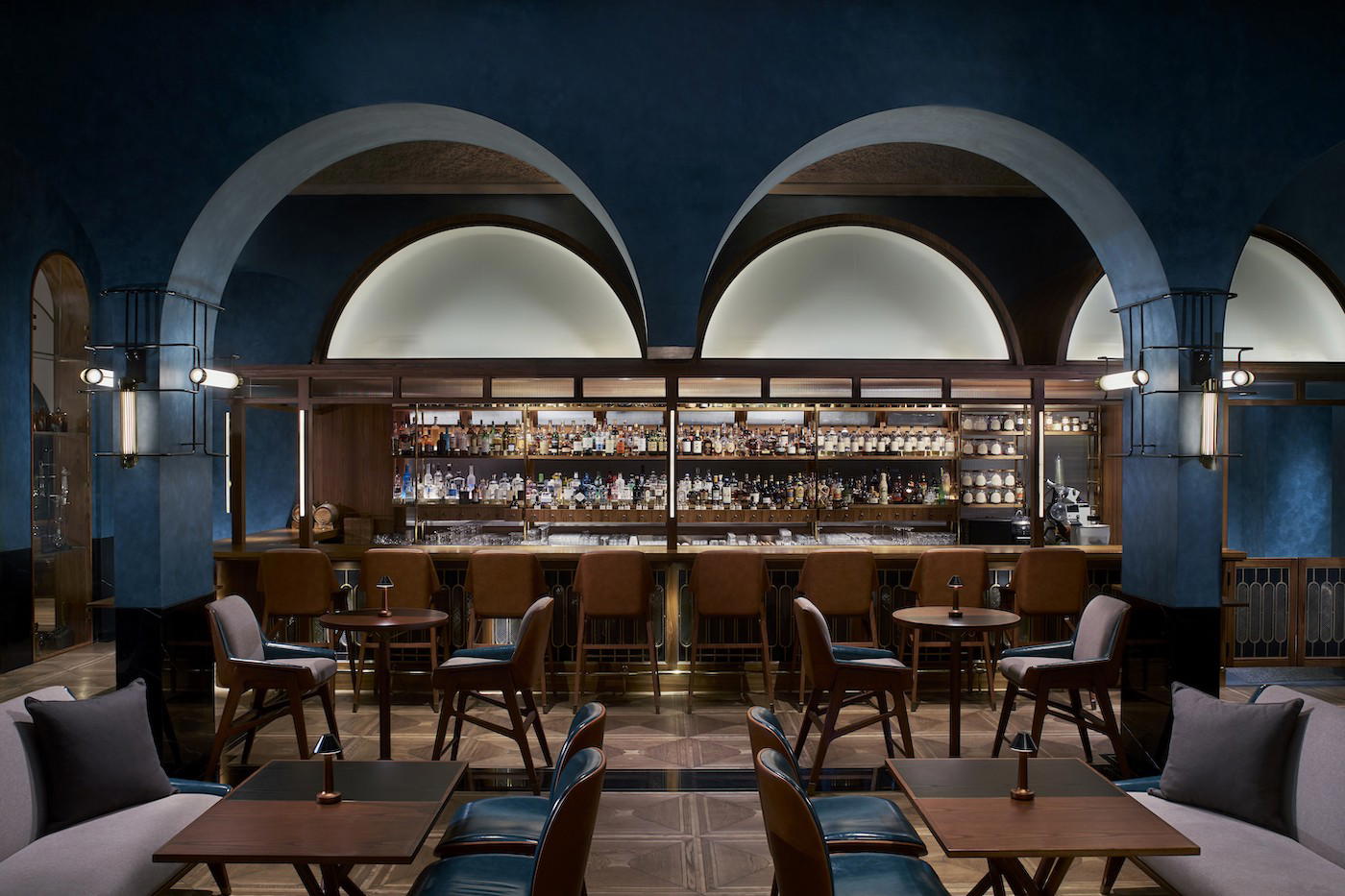
At a Glance
- Well Known
- Casual Hangout
- Solo
- Family
- Group Dining
- Open Kitchen
Current opening hours
- Monday
- 9:30 AM–7 PM
- Tuesday
- 9:30 AM–7 PM
- Wednesday
- 9:30 AM–7 PM
- Thursday
- 9:30 AM–7 PM
- Friday
- 9:30 AM–7 PM
- Saturday
- 9:30 AM–7 PM
- Sunday
- Closed
Hours can change for holidays and private events. Last verified .
Casual hawker centre environment with consistently long queues; no air conditioning; bright, utilitarian setting typical of Singapore food courts.
Know Before You Go
- Getting there
- 20 Ghim Moh Rd, #01-04, Singapore 270020