Fat Canary
Our verdict
Fat Canary occupies a prime address on Duke of Gloucester Street in Colonial Williamsburg, placing serious American fine dining within a few steps of the historic district's brick-paved core. The restaurant draws a consistent local following and visiting guests who want something more considered than the tavern circuit. It sits at the upper end of Williamsburg's dining options by both format and expectation.

Pearl is the En Primeur Club membership app, where members save venues, book tables and use the concierge.
The menu
What to order
- Fricassee of Rabbit
- Heritage Pork Chop
- Pan Seared Sea Scallops
Where Colonial Williamsburg's Dining Ambitions Concentrate
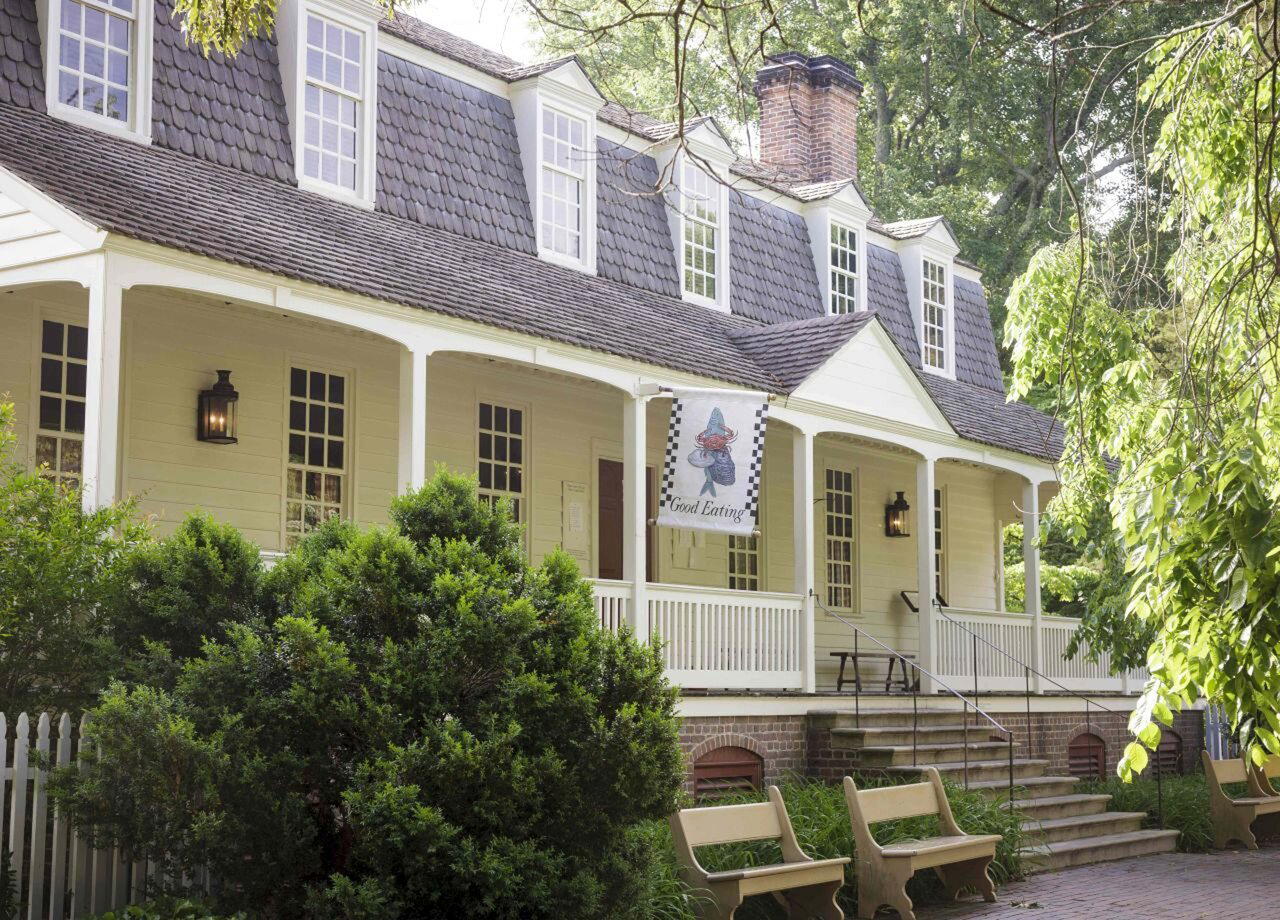
Duke of Gloucester Street is the spine of Colonial Williamsburg: wide, tree-lined, and composed entirely of eighteenth-century architecture that has been restored rather than rebuilt. Walking its length in the evening, especially when the tourist foot traffic has thinned and the gas lanterns are lit, produces a particular kind of sensory stillness. It is in this setting, at 410 W Duke of Gloucester, that Fat Canary has established itself as the address Williamsburg residents point to when out-of-town guests ask where to eat well. The restaurant occupies a position in the local dining order that Colonial Williamsburg's tavern circuit, however charming, does not aspire to fill.
That distinction matters in a city whose dining character is split between two fairly distinct registers. On one side, the historic tavern experience: Christiana Campbell's Tavern and others in that tradition offer colonial-era recipes, period costuming, and a meal that is as much living museum as restaurant. On the other side, a smaller cluster of contemporary venues including Amber Ox Public House, Berret's Restaurant, Cochon on 2nd, and Craft 31 that operate as direct modern American dining rooms. Fat Canary has historically occupied the upper tier of that second group, with a price point and format that set it apart from casual neighborhood options.
The Physical Register: What the Room Communicates
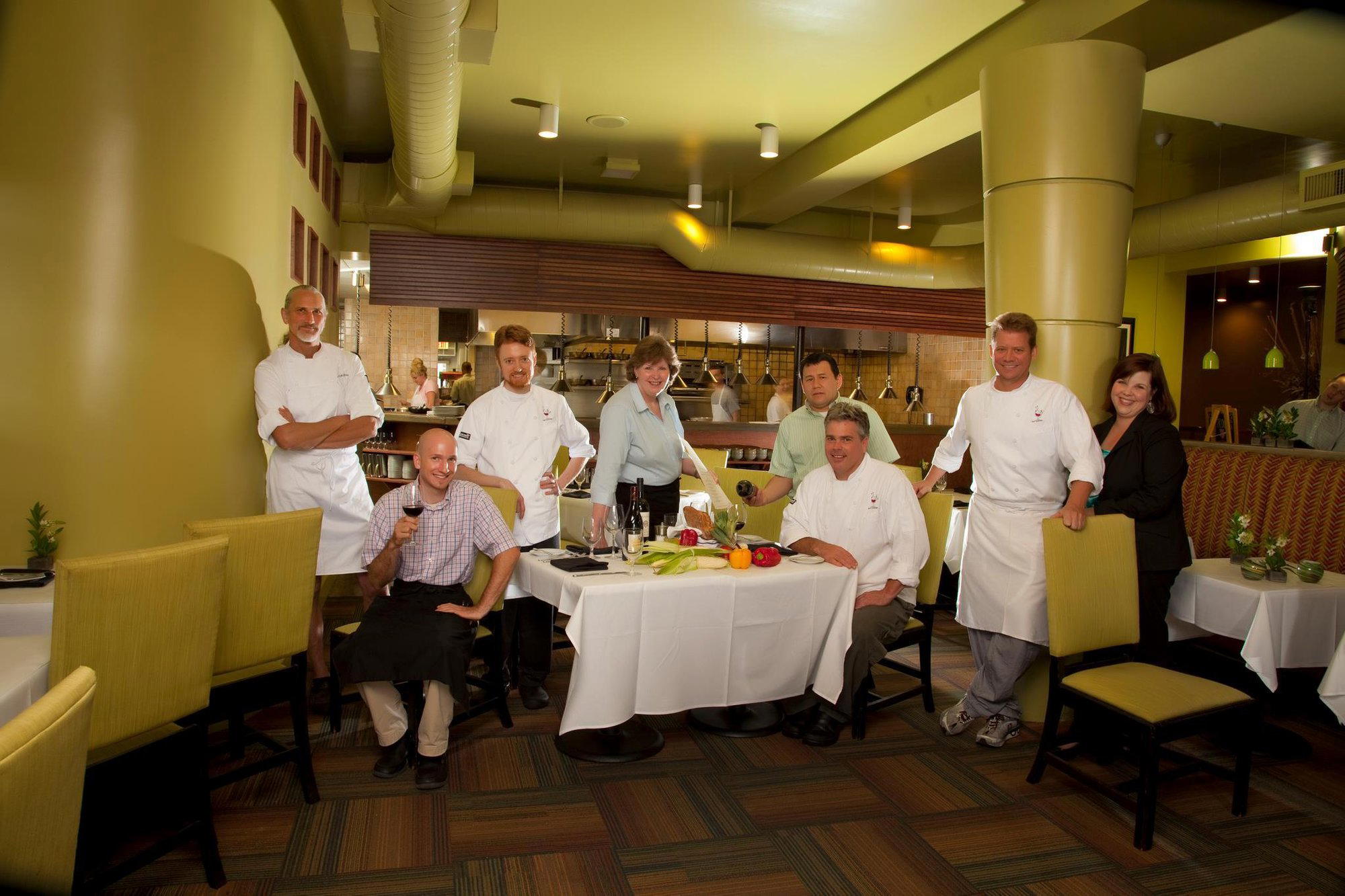
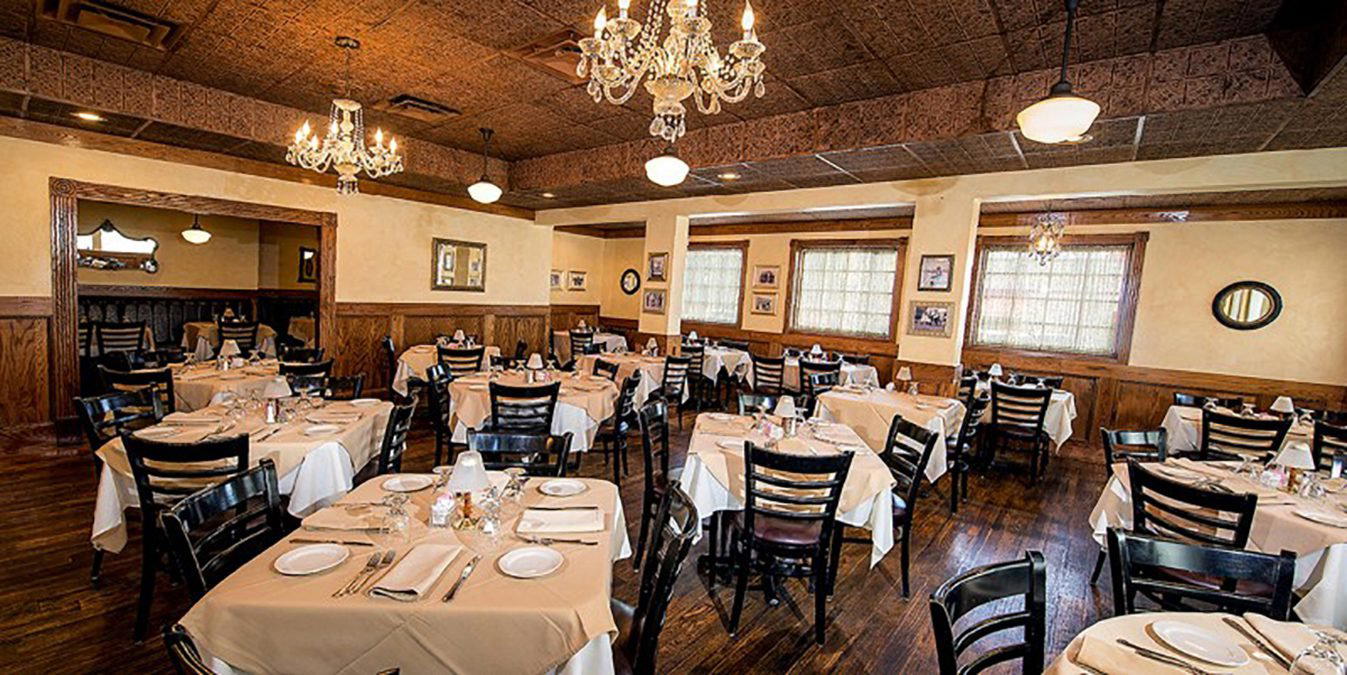
The setting shapes expectations immediately. A historic building on Duke of Gloucester Street brings low ceilings, warm wood tones, and an intimacy that larger contemporary dining rooms can rarely manufacture. This is not the airy glass-and-steel format that dominates fine dining in major coastal cities; it is something older and more compressed. The proportions force proximity, and proximity, in a room operating at the right volume level, produces conversation rather than performance. That atmospheric quality places Fat Canary closer in spirit to a well-run European dining room than to the open-kitchen spectacle format that American fine dining has borrowed heavily from in the past decade.
The lighting in rooms like this tends to operate in amber registers, and the material palette, aged wood, upholstered seating, candles where permitted, absorbs sound rather than bouncing it. The result is a dining environment where guests tend to settle in rather than cycle through, which aligns with the format's positioning at the upper end of the local market. For visitors arriving from louder urban environments, this quality reads as relief. For locals, it functions as occasion dining infrastructure: the room you book when the meal needs to carry weight.
Fat Canary in the Wider American Fine Dining Context
Williamsburg is not a major American fine dining city in the way that New York, San Francisco, or Chicago sustains a deep bench of internationally recognized restaurants. A venue like Fat Canary occupies a different position in the dining ecosystem than, say, Le Bernardin in New York City or Smyth in Chicago, which compete within dense urban markets crowded with Michelin-recognized peers. It is also distinct from destination-rural fine dining at the level of The French Laundry in Napa, Single Thread Farm in Healdsburg, or Blue Hill at Stone Barns in Tarrytown, where the culinary project is inseparable from a specific agricultural or landscape argument.
What Fat Canary represents instead is the high-function regional fine dining room: a restaurant that anchors serious dining in a mid-sized city with a strong tourism base and a historically minded civic identity. In that category, the most instructive comparison is The Inn at Little Washington in Washington, Virginia, which has built a nationally recognized fine dining destination within a small Virginia town. Fat Canary operates at a smaller scale and without comparable national recognition, but it addresses a similar structural role: providing the region's most considered dining option to guests who have traveled and eaten widely and want something more disciplined than the local casual circuit.
The American regional fine dining tier also includes venues like Addison in San Diego, Providence in Los Angeles, and Emeril's in New Orleans, all of which anchor their city's upper dining register in ways that serve both local occasion dining and visiting guests. Fat Canary fits this structural pattern in a smaller market. For those interested in the international end of that spectrum, venues like Atelier Moessmer Norbert Niederkofler in Brunico show how regionally rooted fine dining can achieve international standing when the culinary argument is both specific and rigorous. Closer to home, Lazy Bear in San Francisco and Atomix in New York City demonstrate what happens when a regional sensibility is pushed to the edge of formal ambition.
When to Go and How to Approach the Booking
Colonial Williamsburg draws the heaviest visitor traffic in spring and early summer, when school groups and family travel peak, and again in autumn, when the town's historical programming and moderate temperatures attract a different, more deliberate traveler. The autumn window, roughly October through November, tends to produce the most atmospheric version of an evening on Duke of Gloucester Street: fallen leaves on the brick footpaths, shorter days that make the lamplight appear earlier, and a visitor demographic that skews toward couples and adult groups rather than families with young children. This is, practically speaking, the strongest seasonal argument for timing a visit to Fat Canary around a broader Williamsburg itinerary.
Given the restaurant's position at the upper end of local dining, reservations are the sensible approach for dinner on any weekend and during peak tourist season. Those building a broader dining itinerary in the area should consult our full Williamsburg restaurants guide for context on how Fat Canary fits within the wider dining options across the city.
What the Address Tells You About Williamsburg Dining
The fact that Fat Canary has sustained its position on Duke of Gloucester Street reflects something real about where Williamsburg's dining ambitions have and have not traveled. The city has not developed the kind of neighborhood restaurant culture that produces a dozen credible fine dining options in different culinary registers. What it has produced is a small number of venues that serve specific functions: the historic tavern experience, the contemporary American casual room, and one restaurant that occupies the upper price tier and attracts guests who want a full-format dinner with serious wine and considered cooking. Fat Canary fills that last slot.
For a visitor who has eaten at restaurants like those listed above and wants something in that spirit within Colonial Williamsburg's geographic and atmospheric constraints, Fat Canary is the local answer. It does not operate at the same scale of ambition as the nationally recognized restaurants cited here, but it addresses a real gap in the local market with a format and location that few comparable cities its size can match.
Practical Details
Fat Canary is located at 410 W Duke of Gloucester Street in Colonial Williamsburg, Virginia, within walking distance of the main historic district sites and the Williamsburg Inn. The restaurant occupies a historic building that reinforces its position as occasion dining rather than casual drop-in. Visitors staying at Colonial Williamsburg properties are typically well-placed to reach it on foot. For planning purposes, dinner reservations are strongly advisable, particularly on weekends and during the spring and autumn visitor peaks when local demand aligns with tourist traffic. Specific hours, current pricing, and booking details should be confirmed directly with the restaurant prior to arrival, as these are subject to change with season and ownership decisions.
Frequently asked questions
Is Fat Canary suitable for children?
Fat Canary occupies a historic building on Duke of Gloucester Street in Colonial Williamsburg, a setting that reads as a formal dining occasion rather than a casual family stop. The room's intimacy and the venue's sustained position as Williamsburg's benchmark fine dining address suggest an adult-oriented atmosphere. Families visiting Colonial Williamsburg with younger children will find more appropriate options elsewhere in the district.
What should I expect atmosphere-wise at Fat Canary?
The address on Duke of Gloucester Street sets the physical tone: an eighteenth-century building with low ceilings, warm wood, and a room scaled for conversation rather than spectacle. Fat Canary occupies the upper end of Williamsburg's dining register, which means the pace is deliberate and the room runs quietly compared to open-kitchen theatre or bar-forward spaces. It is a place where the architecture does as much work as the service.
What is Fat Canary best at?
Fat Canary's clearest strength is its sustained credibility as the dining anchor of Colonial Williamsburg's historic core, a position maintained on a street where the architecture alone sets the stage. The venue holds a place in the local dining hierarchy that no other Williamsburg address has displaced, which points to consistent kitchen and service execution rather than novelty. For visitors to the historic district seeking a full formal dinner, it is the address with the longest track record.
What should I eat at Fat Canary?
What the venue's long-standing position in Colonial Williamsburg does confirm is a kitchen oriented toward composed, course-driven plates suited to the formal room. Arriving with an appetite for a full dinner rather than a partial meal will make the most of the setting and pacing.
What's Fat Canary's location?
Fat Canary is located at 410 W Duke of Gloucester St, Williamsburg, VA 23185, Williamsburg.
Can I walk in to Fat Canary?
Securing a reservation in advance is the more reliable approach, especially for weekend evenings or holiday weekends. check the venue's official channels at 410 W Duke of Gloucester Street to confirm current booking policy.
What's Fat Canary best at?
Fat Canary is best approached by focusing on the core concept and signature offerings.
Comparable Spots
Comparable venues nearby, for context on price, style, and recognition.
| Venue | Cuisine | Price | Awards | Notes |
|---|---|---|---|---|
| Fat CanaryThis venue (the venue you are viewing) | Modern American Fine Dining | Not listed | Not listed | Not listed |
| Craft 31 | American Gourmet Burgers & Pizza | $20–30 | Not listed | Williamsburg |
| Tuscany Ristorante Williamsburg | Authentic Italian | $30–50 | Not listed | Williamsburg |
| Shields Tavern | Colonial American Tavern | $20–30 | Not listed | Colonial Williamsburg Historic Area |
| King's Arms Tavern | Colonial American Chophouse | $30–50 | Not listed | Colonial Williamsburg |
| Rockefellers | Contemporary American Fine Dining | $100–150 | Forbes Recommended | Colonial Williamsburg |
Continue exploring
More in Williamsburg
Restaurants in Williamsburg
All restaurants in Williamsburg →
Bars in Williamsburg
Browse all →

Fat Canary
The wine
- Wine program
- Deep wine list
- Extensive wine list
Details
- Sophisticated
- Elegant
- Cozy
- Date Night
- Special Occasion
- Open Kitchen
- Extensive Wine List
- Local Sourcing
- A La Carte
- Gluten Free Options
Current opening hours
- Monday
- Closed
- Tuesday
- Closed
- Wednesday
- 5–9 PM
- Thursday
- 5–9 PM
- Friday
- 5–9 PM
- Saturday
- 5–9 PM
- Sunday
- 5–9 PM
Hours can change for holidays and private events. Hours as of .
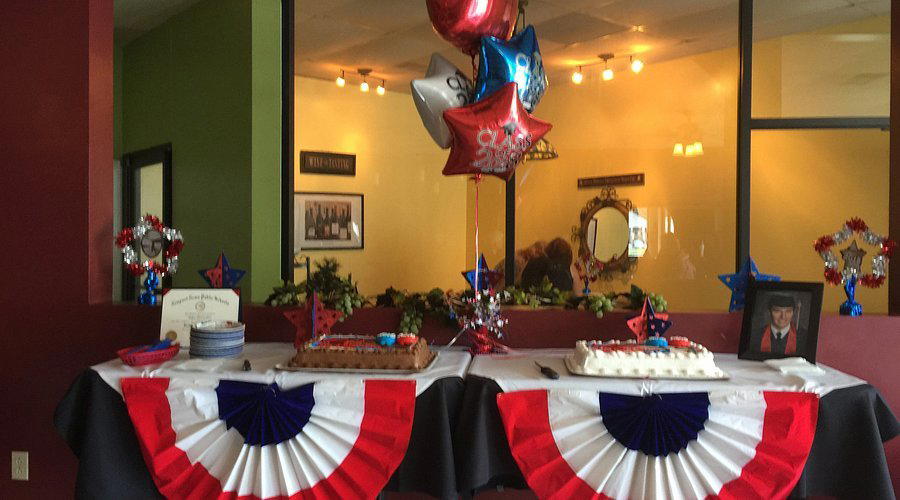
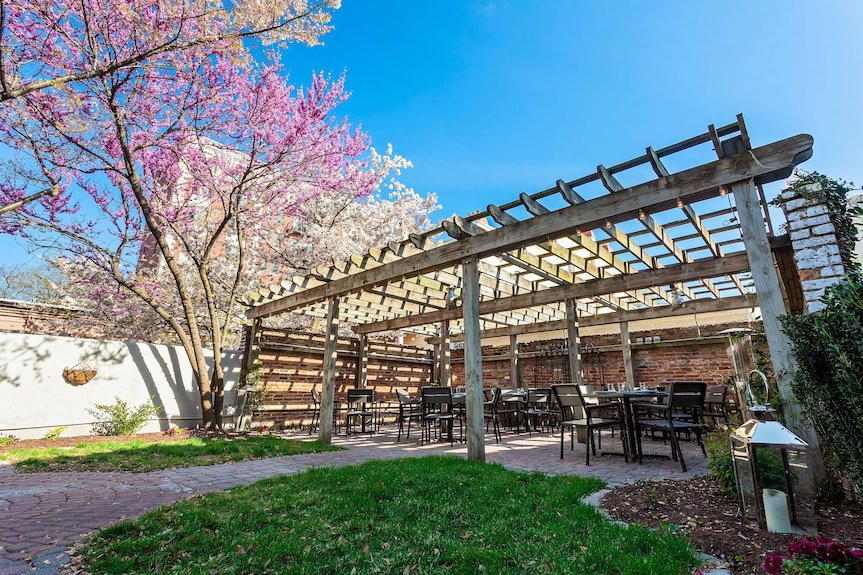
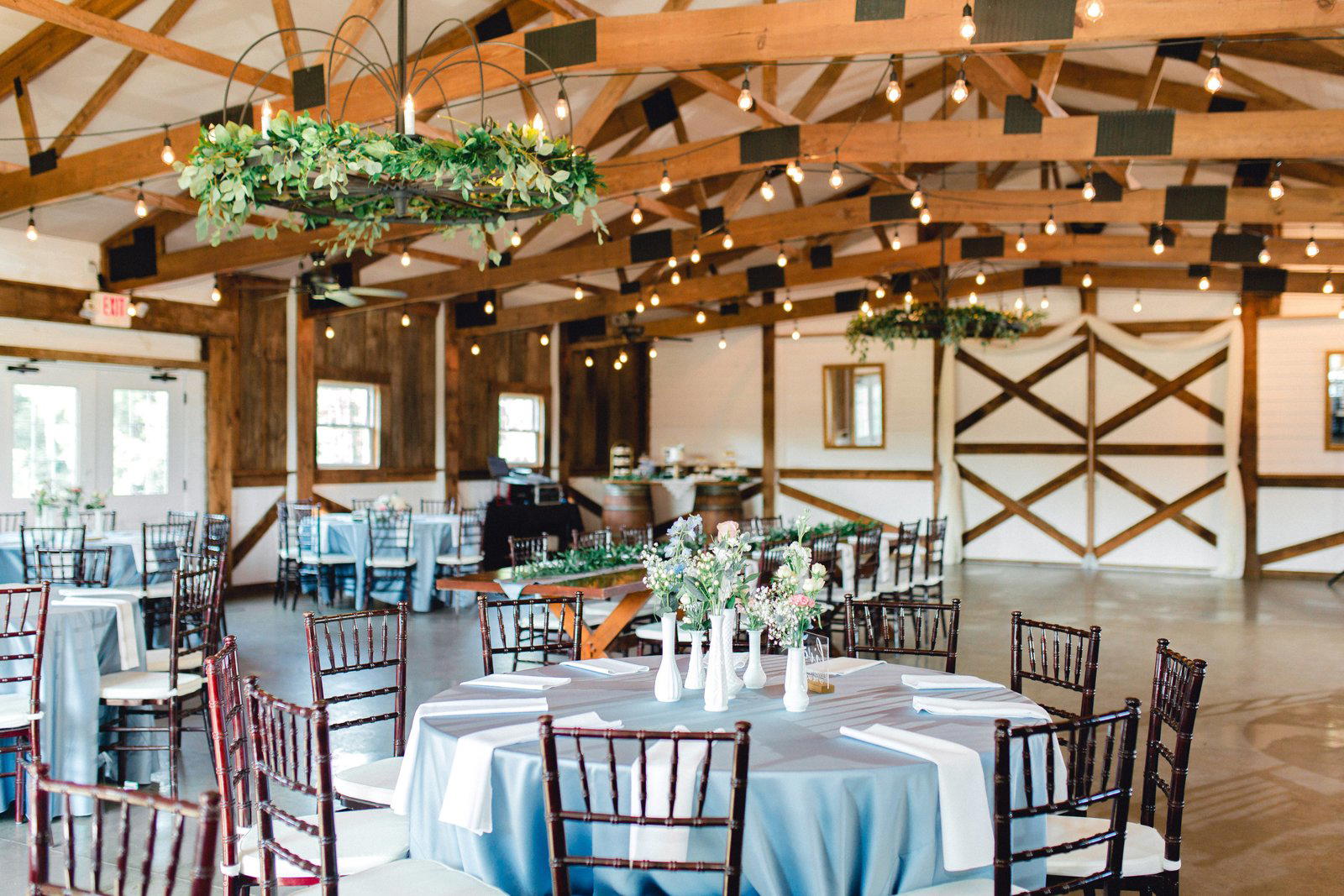
Sophisticated yet relaxed dining room with warm lights, open kitchen, and green walls fostering a welcoming, high-energy bistro atmosphere.