
Michelin Plate
Our verdict
A Michelin Plate-recognised French restaurant in Nara's Takabatakecho neighbourhood, FAON positions itself in the mid-range tier of the city's growing Western dining scene. Holding the Michelin Plate award in both 2024 and 2025, it offers a more accessible entry point to serious French cooking than the ¥¥¥ competition nearby, drawing.

Pearl is the En Primeur Club membership app — saves, bookings, and concierge access live there. Same editors, same standards.
The menu
What to order
- Creamy corn soup
- Croissant meatball
- Potato ice cream
French Cooking in the Shadow of the Deer Park
Nara's Takabatakecho district sits at the city's quieter, residential edge, where the road narrows past old stone walls and the crowds that fill the central tourist corridors thin to almost nothing. It is an address that rewards orientation: the neighbourhood borders Kasugayama Primeval Forest, and the light in the late afternoon carries a particular quality, filtered through old-growth canopy rather than bounced off modern concrete. Into this setting, French cooking has found a modest but credible foothold.
Where FAON Sits in Nara's French and Western Dining Tier
Nara's serious dining scene is weighted toward Japanese formats. The city's Michelin-recognised addresses skew to kaiseki and Japanese cuisine, with venues like A VOTRE SANTE and LA TRACE doing the work of representing French cooking at the mid-tier level. FAON's ¥¥ pricing places it below the ¥¥¥ competition that dominates the upper end of the city's Western dining bracket, making it the more accessible option for readers who want Michelin-acknowledged French cooking without the full commitment of a tasting menu at that higher price point.
For comparison, the ¥¥¥ end of Nara's non-Japanese dining scene includes akordu (two Michelin stars, Spanish-innovative) and NARA NIKON (two Michelin stars, Japanese), both of which require substantially more investment per head. FAON's Plate recognition is the Michelin Guide's signal that the cooking meets a defined quality threshold even without a full star, and holding that recognition across two consecutive guide cycles indicates the kitchen has not slipped between assessments.
What the Menu Architecture Signals
French restaurants in Japan's secondary cities often face a structural decision: build around classic French technique applied to imported ingredients, or adapt the format to local produce and seasonal Japanese rhythms. The latter approach has become increasingly common across the country's mid-tier French addresses, and it is what distinguishes serious regional French cooking from the approximations that filled hotel dining rooms a generation ago.
The ¥¥ price tier at this quality level also tells a structural story. French tasting menus in Japan's larger cities at Michelin-starred level routinely run to ¥30,000 and above per person before wine; the ¥¥ tier in Nara suggests either a shorter menu format, an à la carte option, or a fixed menu priced to attract repeat local custom rather than destination diners paying once. That kind of menu architecture, built for regulars rather than event dining, tends to produce tighter, more disciplined cooking over time because the kitchen cannot rely on first-impression novelty.
For readers accustomed to the French format at higher tiers, the comparison points are revealing. L'Effervescence in Tokyo operates at the three-star level with a Japanese-inflected French tasting menu that runs to multiple courses and a price point several brackets above FAON. Hotel de Ville Crissier in Crissier represents the Swiss French fine-dining tradition at its most formal. FAON occupies a different register entirely: it is French cooking made viable in a mid-sized Japanese city with a price structure that does not require the evening to become a financial event.
The Nara Context: Why French Cooking Works Here
Nara's status as Japan's ancient capital, with a population that skews toward the culturally engaged, creates unusual conditions for Western dining. The city receives visitors primarily for its UNESCO sites, but its permanent residents include a disproportionate number of academics, craftspeople, and professionals from the Osaka-Kyoto corridor. That demographic produces a dinner audience with exposure to French cooking and an appetite for it, even without the metropolitan density that normally sustains a French dining scene. The result is a cluster of French addresses in a city of roughly 360,000 people, each operating in a specific price tier and with a distinct format identity.
Takabatakecho's address, away from the tourist density of the Higashimuki shopping street and the immediate approach to Todai-ji, means FAON draws primarily on this resident-and-repeat-visitor audience rather than walk-in tourist traffic. That is a different economic model from French restaurants positioned near Kintetsu Nara Station, and it likely shapes both the menu format and the pacing of service. Getting to FAON from the central station area requires a short taxi or a purposeful walk east through the park approach, which self-selects for guests with some advance intent rather than impulse visitors.
Planning a Visit
FAON's ¥¥ pricing makes it the most accessible Michelin-acknowledged French address in Nara, and the consecutive Plate recognitions (2024 and 2025) give it a confirmed quality baseline. Given the neighbourhood's distance from the main tourist zone, booking ahead is advisable; the restaurant serves a local audience with limited spontaneous walk-in capacity. For visitors building a broader Nara itinerary, see our full Nara restaurants guide, our full Nara hotels guide, our full Nara bars guide, our full Nara wineries guide, and our full Nara experiences guide for a complete picture of the city's offer.
For readers cross-referencing French cooking at other quality levels across Japan, HAJIME in Osaka and Gion Sasaki in Kyoto represent the higher-tier regional comparison set. For Japanese-format dining at comparable access points, Harutaka in Tokyo, Goh in Fukuoka, 1000 in Yokohama, and 6 in Okinawa each offer a different regional lens on serious Japanese cooking.
Frequently asked questions
What distinctions does FAON have?
FAON has received recognition including: Michelin Plate (2025); Michelin Plate (2024).
Is FAON expensive?
Pricing at FAON is listed as ¥¥.
What's the signature dish at FAON?
No specific dish is documented in the Michelin Guide's Plate citations for FAON, which cover both 2024 and 2025. The consecutive recognitions confirm consistent kitchen output across the French menu rather than spotlighting a single preparation. For current menu details, contacting the restaurant directly or checking at the time of booking is the practical route.
The Quick Read
| Venue | Cuisine | Price | Awards | Notes |
|---|---|---|---|---|
| FAONThis venue — the venue you are viewing | French-Japanese Fusion Bistro | $50–100 | Michelin Plate | Not listed |
| akordu | Modern Spanish with Nara Influences | $150–200 | 2 Michelin Stars · La Liste Top Restaurants | Spanish, Innovative |
| Wa Yamamura | Traditional Kaiseki | $100–150 | 1 Michelin Star | Kaiseki, Japanese |
| Araki | Seasonal Japanese Tempura and Kaiseki | $100–150 | Michelin Plate · Tabelog Bronze #23 | Sushi, Japanese |
| Tama | French with Local Nara Ingredients | $50–100 | Michelin Plate | Okinawan, French |
| NARA NIKON | Kaiseki | $150–200 | 2 Michelin Stars · La Liste Top Restaurants | Japanese |
Recognition history
Dated appearances from independent guides and award organizations, with the underlying list record or original source where available.
Michelin Plate
Michelin
Full recognition history (2 entries)
Michelin Plate
Michelin
Continue exploring
More in Nara
Restaurants in Nara
All restaurants in Nara →


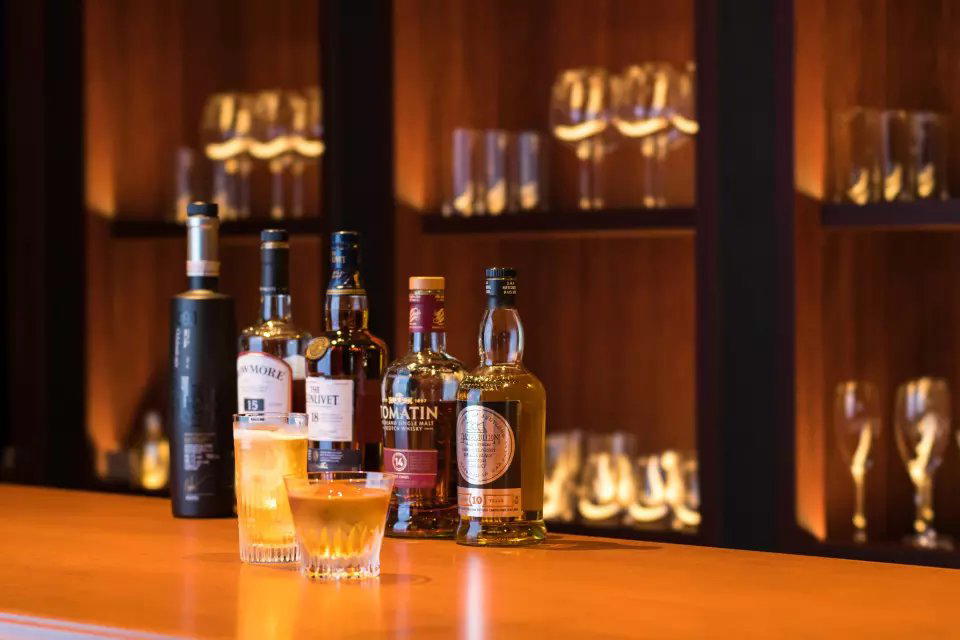
Bars in Nara
All bars in Nara →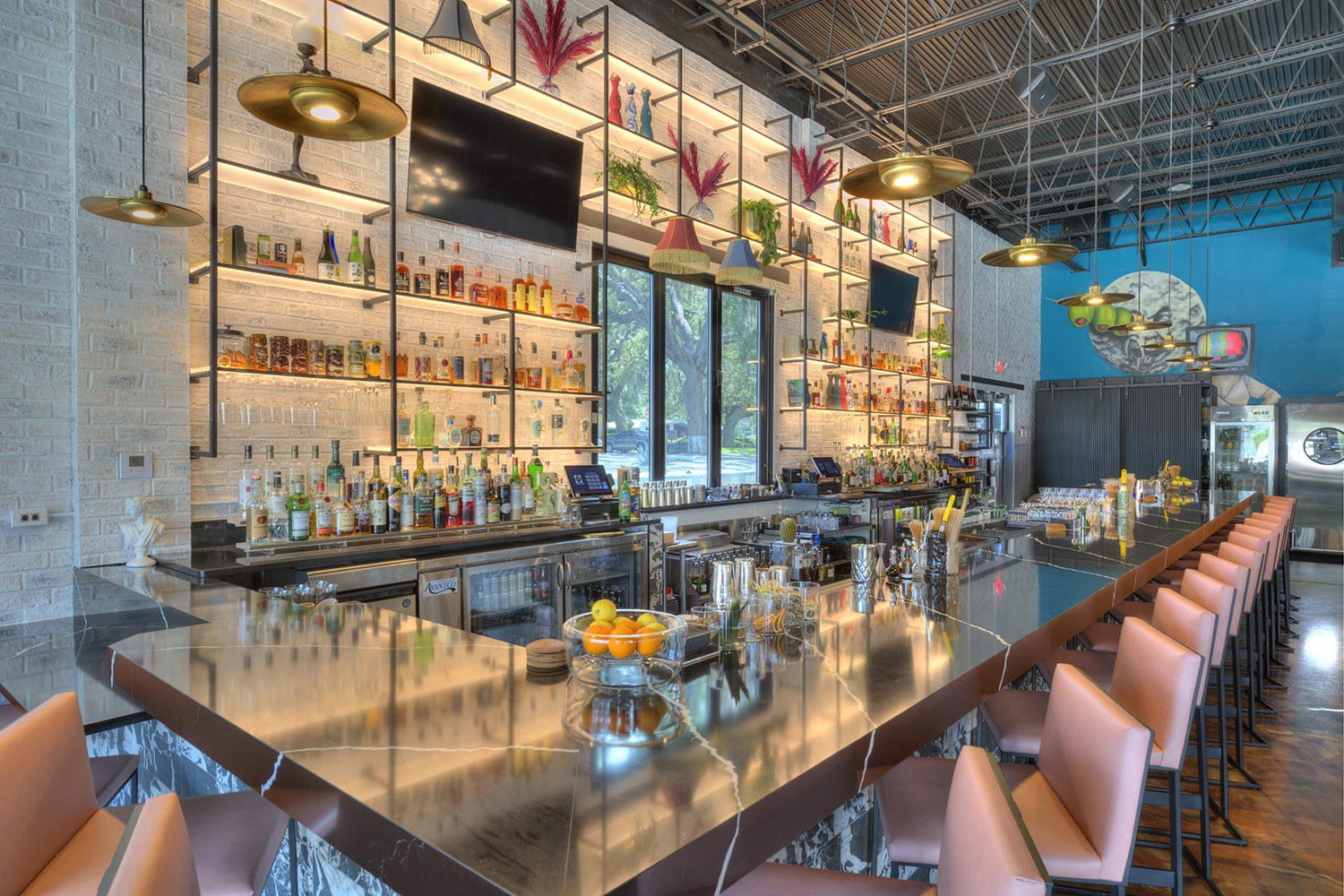
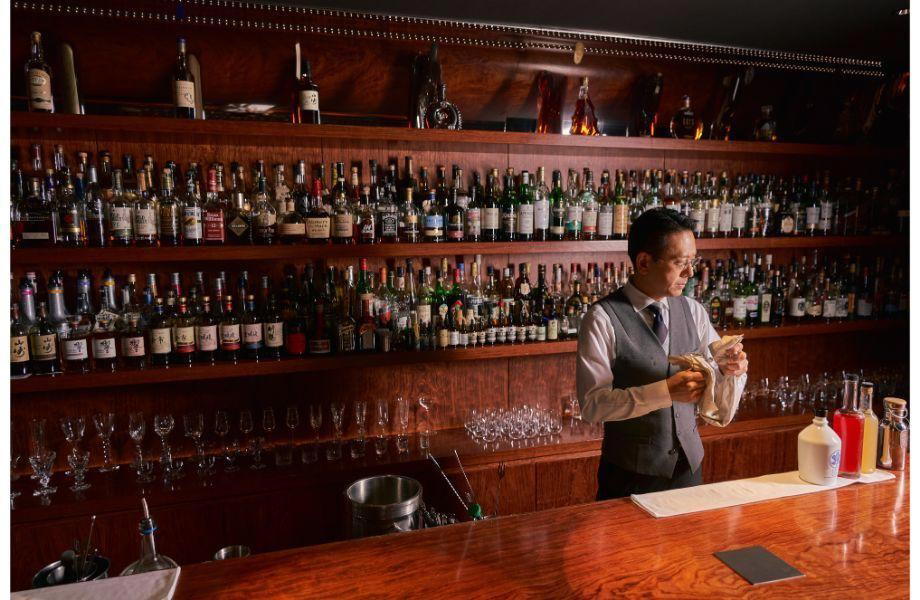
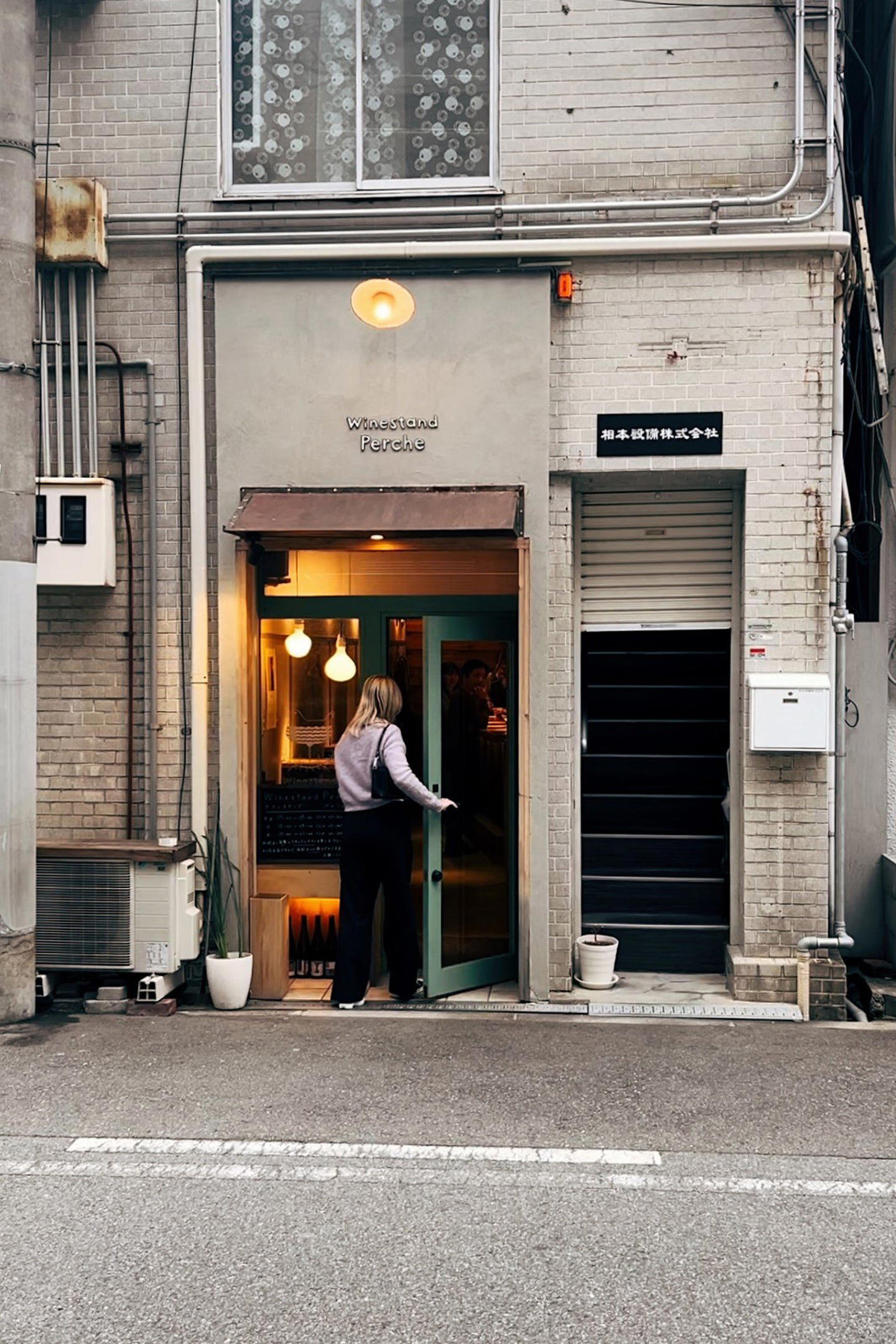
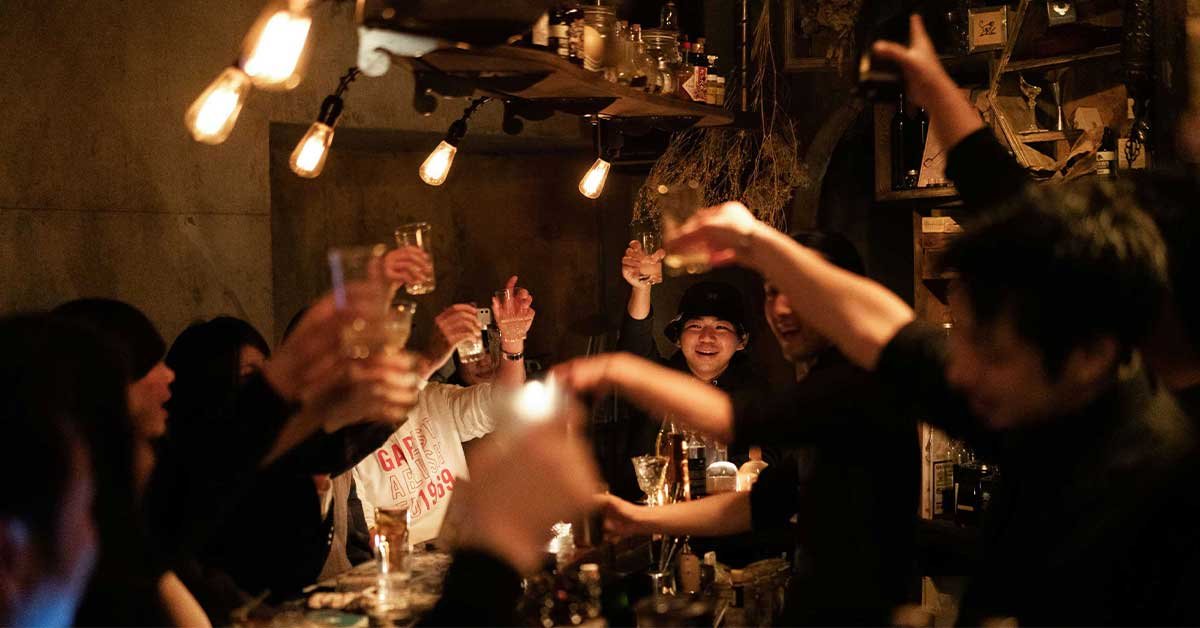
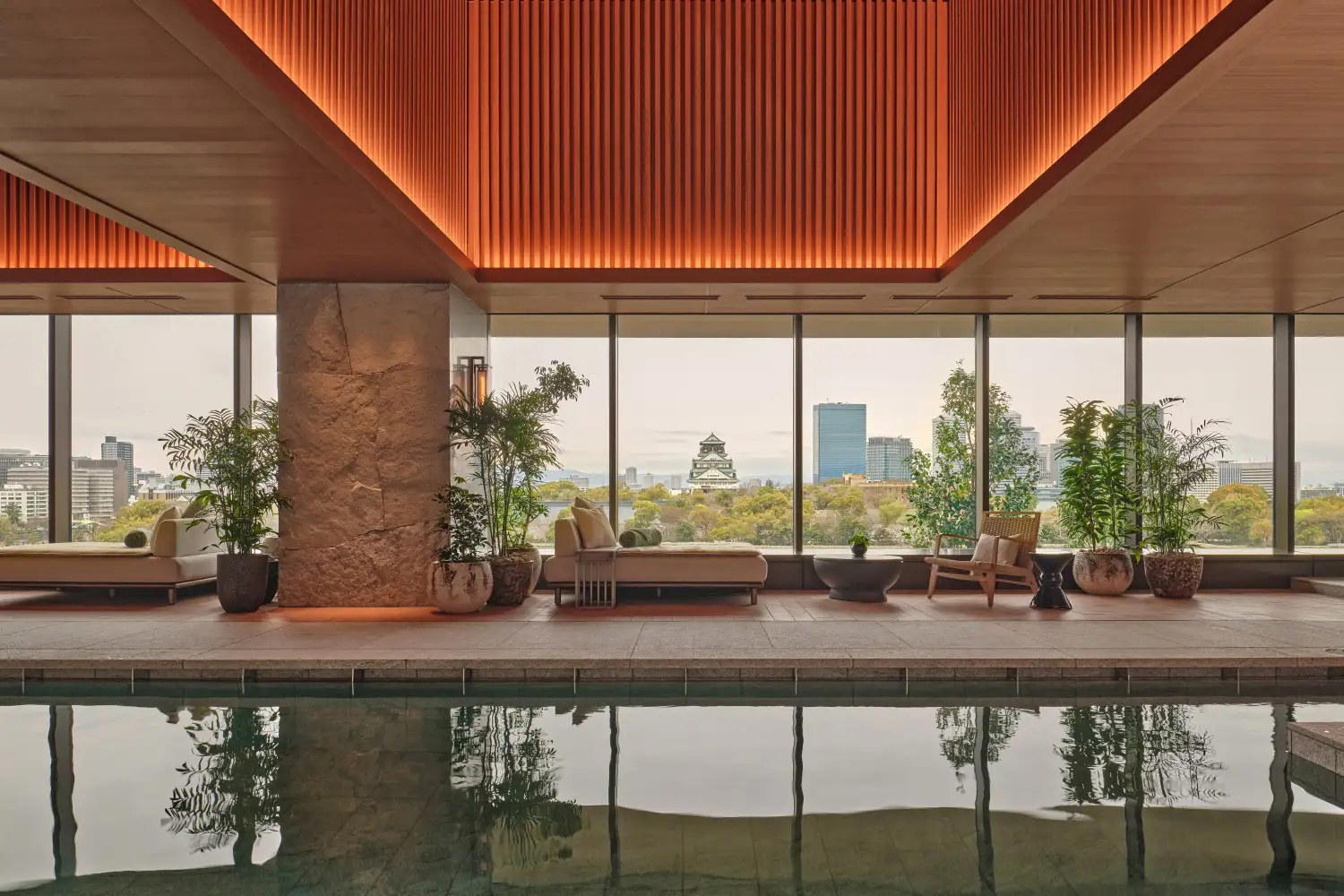
Hotels in Nara
All hotels in Nara →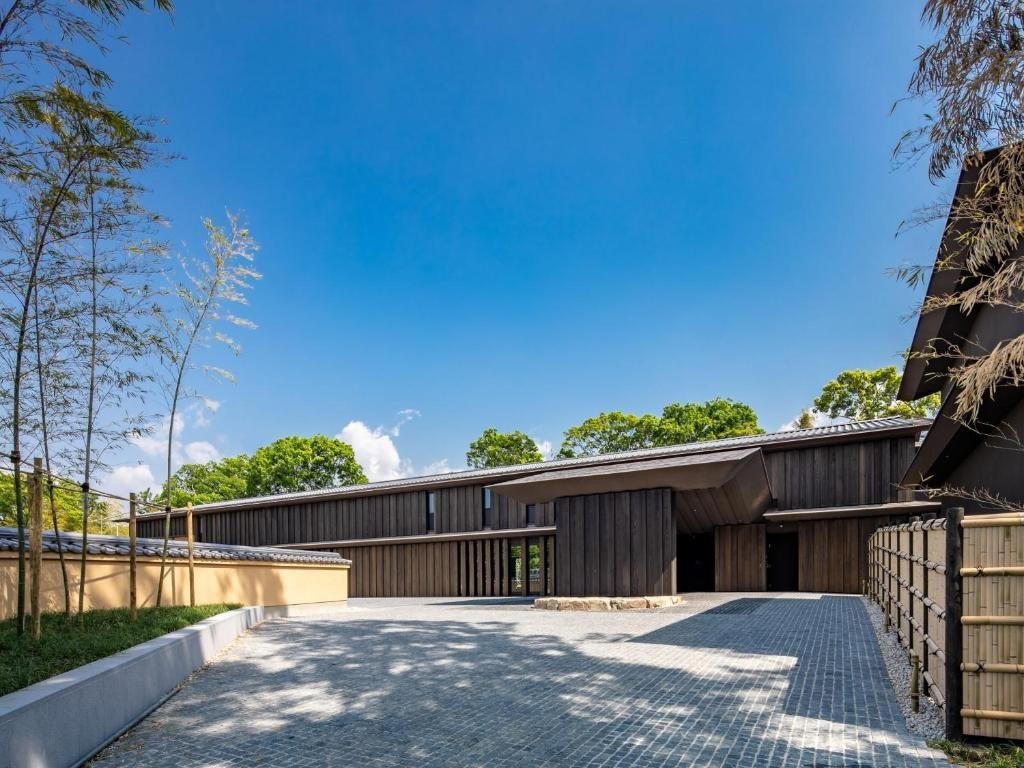


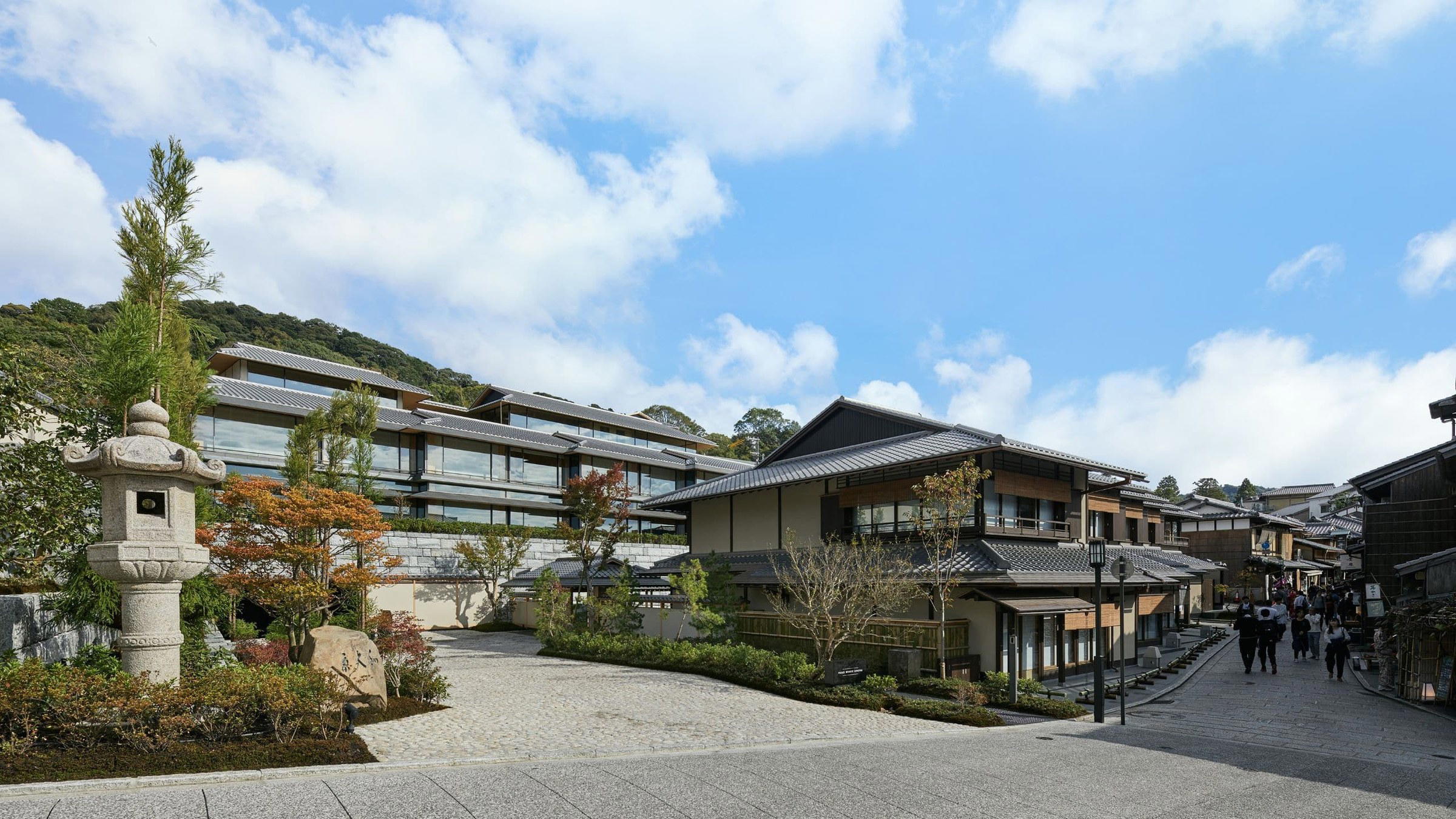
Wineries in Nara
Browse all →
Details
- Intimate
- Elegant
- Cozy
- Sophisticated
- Date Night
- Special Occasion
- Terrace
- Sake Program
- Local Sourcing
- A La Carte
Current opening hours
- Monday
- 11:30 AM–3:30 PM, 6–10 PM
- Tuesday
- 11:30 AM–3:30 PM, 6–10 PM
- Wednesday
- Closed
- Thursday
- 11:30 AM–3:30 PM, 6–10 PM
- Friday
- 11:30 AM–3:30 PM, 6–10 PM
- Saturday
- 11:30 AM–3:30 PM, 6–10 PM
- Sunday
- 11:30 AM–3:30 PM, 6–10 PM
Hours can change for holidays and private events. Last verified .
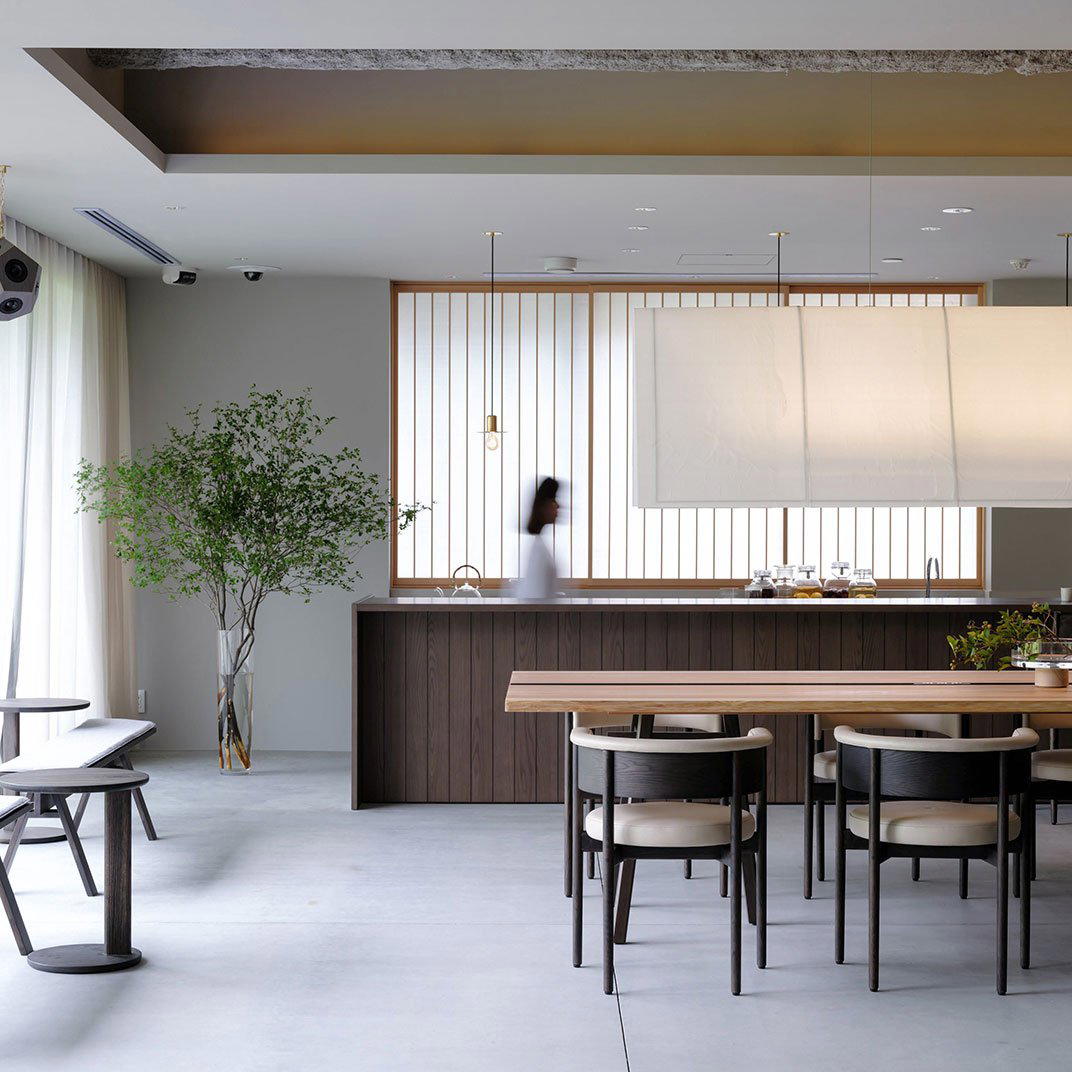
Warm, inviting, and cozy atmosphere with bright and calm lighting, well-suited for intimate dinners.