Fang occupies a SoMa address at 660 Howard Street, placing it inside San Francisco's most competitive dining corridor. The restaurant operates in a city where the gap between neighbourhood staple and serious destination is measured in the coherence of front-of-house, kitchen, and cellar working as a single unit.
Pearl is the En Primeur Club membership app — saves, bookings, and concierge access live there. Same editors, same standards.
- Address
- 660 Howard St, San Francisco, CA 94105
- Phone
- +14157778568
- Website
- fangrestaurant.com
- Directions
- Get directions
 Saves & bookings on Pearl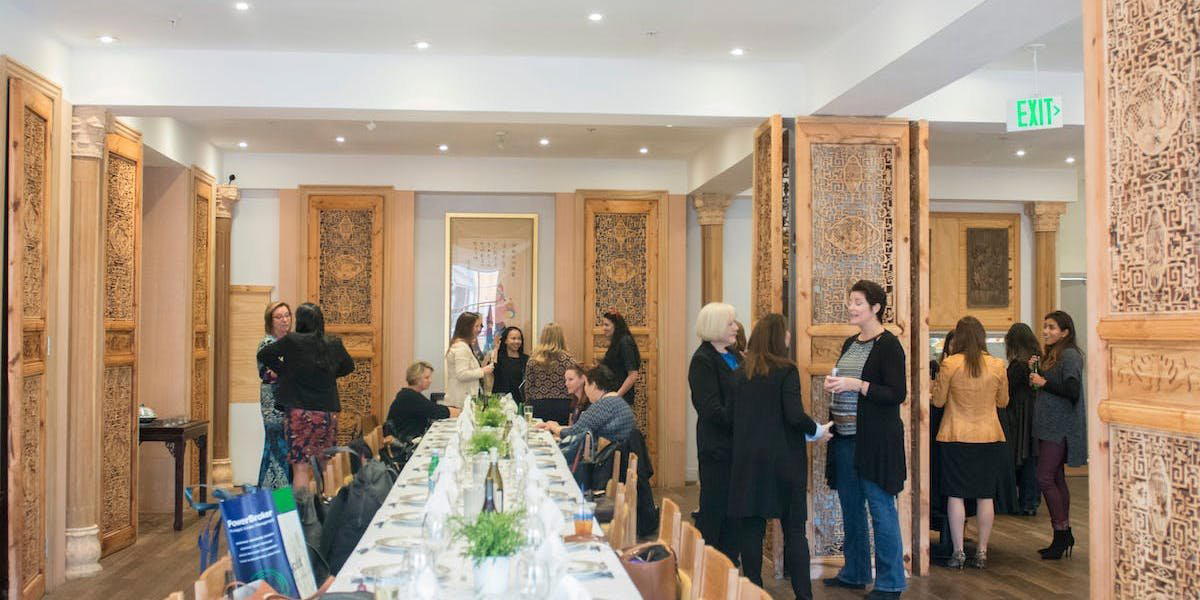
SoMa's Dining Corridor and Where Fang Sits
The stretch of Howard Street running through San Francisco's SoMa district has become one of the city's more quietly loaded dining corridors. The neighbourhood that spent years as a warehouse-and-nightclub zone has attracted a different kind of operator: restaurants that rely on repeat professional clientele, proximity to Moscone Center convention traffic, and a physical remove from the tourist density of Union Square. It occupies that context. The address places it within walking distance of several of the city's better-known fine dining rooms, including Benu, whose French-Chinese tasting format represents one end of San Francisco's serious dining spectrum, and within the broader orbit of a city where the room between a neighbourhood restaurant and a destination-level table has narrowed considerably over the last decade.
San Francisco's dining scene at the premium end has never been more competitive or more differentiated. Operators like Lazy Bear have built around progressive American formats with communal theatrics; Atelier Crenn holds multiple Michelin stars with a Modern French program in the Marina; Quince and Saison anchor their own comparable venues in Italian contemporary and Californian progressive formats respectively. Against that field, the question for any SoMa restaurant is not simply whether the food is good but whether the overall operation, kitchen, floor, cellar, is coherent enough to justify its position in a city with that level of competition.
The Argument for Integrated Operations
The restaurants that hold their position longest in San Francisco's upper tier tend to be those where the kitchen, front-of-house, and wine program are built as interdependent systems rather than parallel departments. This is not a new observation in fine dining globally, it is the operating principle behind three-star rooms from The French Laundry in Napa to Le Bernardin in New York City, but it is increasingly the differentiating factor at the level just below the starred tier in competitive American cities.
What separates a well-executed dinner from an experience that reads as genuinely considered is usually the service side of the equation. Pacing, the intelligence of substitutions, the ability of front-of-house to translate what the kitchen is doing without over-explaining it: these are the skills that make a room feel like it is operating with a shared point of view. In Chicago, Smyth has built its reputation partly on that floor-kitchen alignment. In New York, Atomix is notable precisely because its service format, the card-based explanation of each course, was designed in deliberate conversation with the cooking program, not bolted on afterward. In San Francisco, the restaurants that have lasted at the serious end are those where the same integration is legible at the table.
The wine program dimension matters in a Bay Area context more than in most American cities. The proximity to Sonoma, Napa, and the Central Coast creates an expectation in serious dining rooms that the cellar reflects some intelligence about California producers and some editorial point of view about when to deploy them. Single Thread Farm in Healdsburg is the clearest regional example of a restaurant where the wine program was conceived as equal in weight to the food program, not as a revenue stream appended to it. That standard has raised the baseline expectation for what a serious Northern California restaurant's list should look like.
What the SoMa Location Implies for the Format
SoMa dining rooms face a particular operational challenge: the neighbourhood draws both a convention-adjacent lunch and corporate dinner crowd and a more food-focused clientele that has chosen the area deliberately. Managing those two streams without flattening the experience for either requires a front-of-house that can read the table, calibrate its approach, and maintain consistency across service styles. The restaurants that do this well tend to have invested in floor teams as deliberately as in kitchen teams.
The broader American fine dining conversation has moved in this direction. Blue Hill at Stone Barns in Tarrytown built its reputation on a service philosophy that was inseparable from its farm-to-table sourcing argument. Frasca Food and Wine in Boulder is the clearest case in the country of a restaurant where the sommelier's role, Bobby Stuckey's Friulian wine stewardship, was structurally equal to the chef's. The Inn at Little Washington built decades of relevance on the premise that service was a craft with the same demands as cooking. These are not coincidental successes. They are restaurants where the team dynamic was treated as a design problem from the beginning.
At the West Coast level, Providence in Los Angeles and Addison in San Diego both operate with that integration visible in the room. Internationally, the model appears in rooms like Atelier Moessmer Norbert Niederkofler in Brunico, where a defined culinary philosophy, Alpine sourcing, nothing from below 1,000 metres, only functions as a coherent dinner because the floor team is equipped to carry it. Emeril's in New Orleans demonstrated over its early years that a strong kitchen identity without equivalent floor investment produces a different kind of restaurant: beloved, but not in the same tier.
Planning a Visit to Fang
Fang is located at 660 Howard Street in SoMa, San Francisco. Fang's hours run Monday through Sunday from 11 AM to 2 PM and 5:30 PM to 9 PM. Reservations are recommended, and the pricing sits around $30 per person. For anyone building a San Francisco dining itinerary across multiple nights, the the guide San Francisco restaurants guide maps the full field, from tasting counter formats to neighbourhood bistros, with editorial context for each tier.
San Francisco's premium dining rooms generally book between two and six weeks in advance depending on day of week and format. Mid-week availability tends to open later.
Budget and Context
Comparable venues nearby, for context on price, style, and recognition.
| Venue | Cuisine | Price |
|---|---|---|
| FangThis venue — the venue you are viewing | Not listed | $$ |
| Mamahuhu | Inner Richmond, Modern Chinese-American | $$ |
| Shanghai Dumpling King | Sunnyside, Shanghai Dumpling House | $$ |
| House of Nanking | Chinatown, Shanghainese Home Cooking | $$ |
| Hải Ký Mì Gia | Tenderloin, Traditional Teochew Noodles | $$ |
| Dragon Well | Marina, Authentic Chinese | $$ |
Continue exploring
More in San Francisco
Restaurants in San Francisco
Browse all →
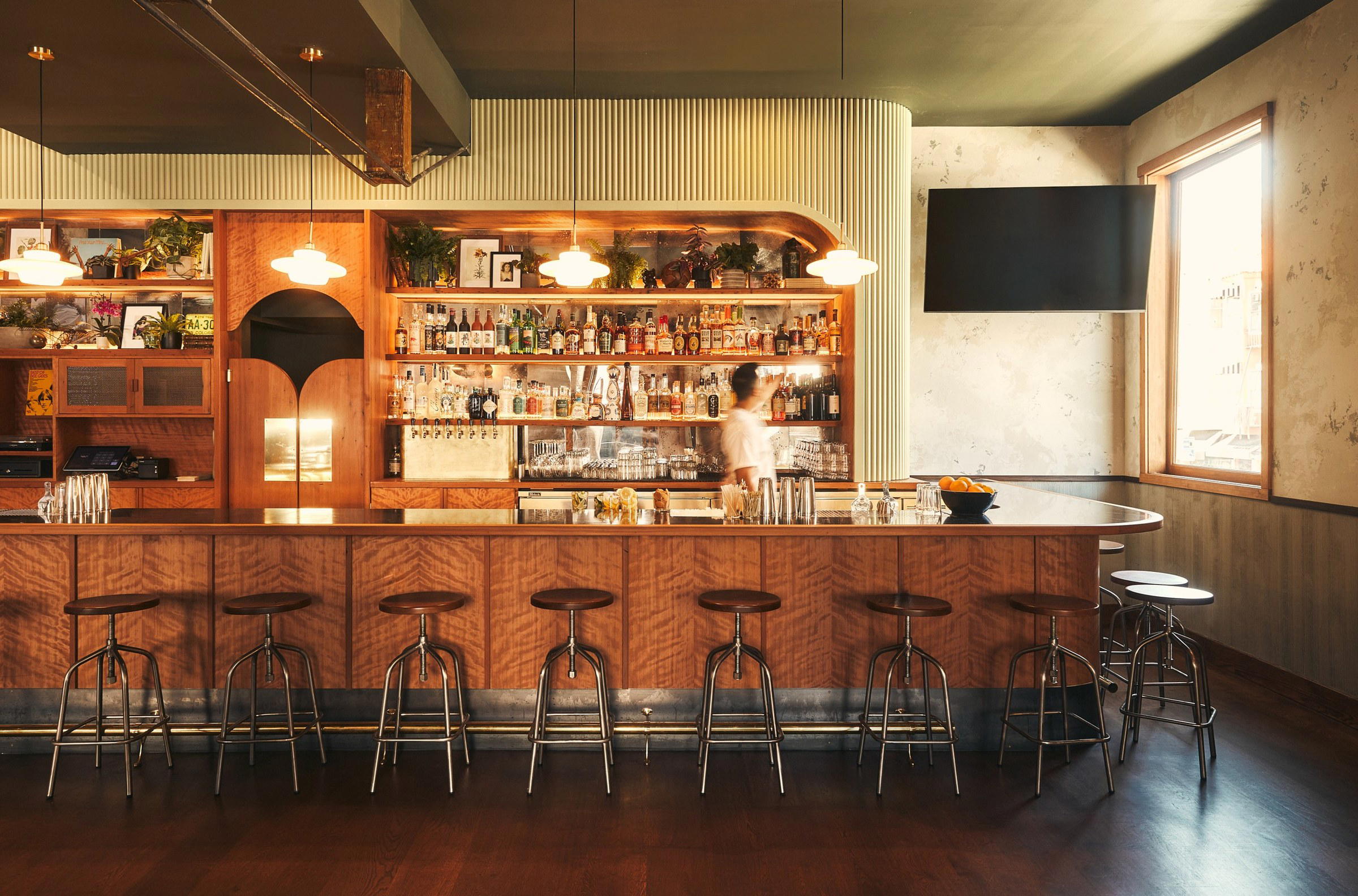
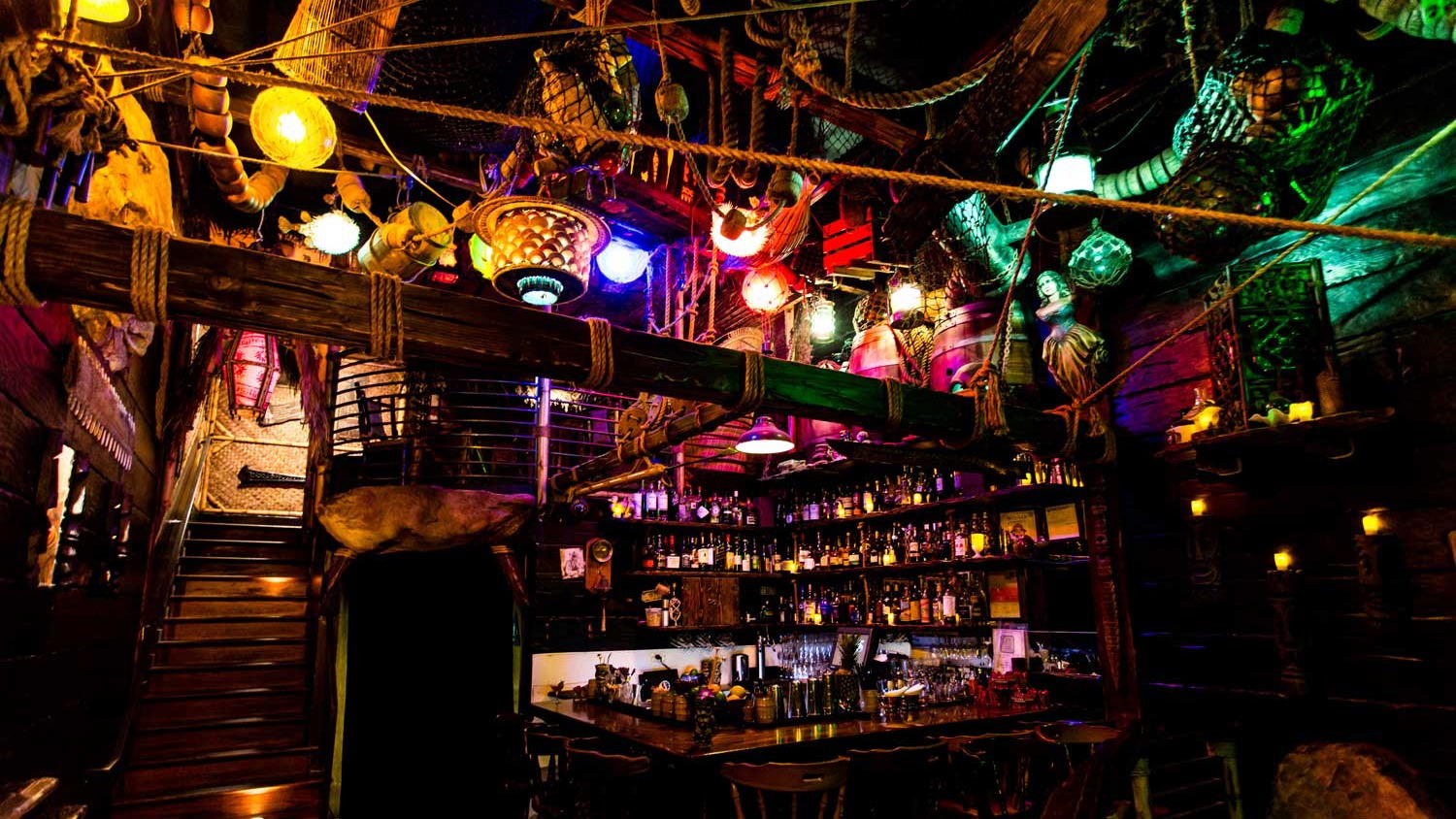
Bars in San Francisco
Browse all →
Hotels in San Francisco
Browse all →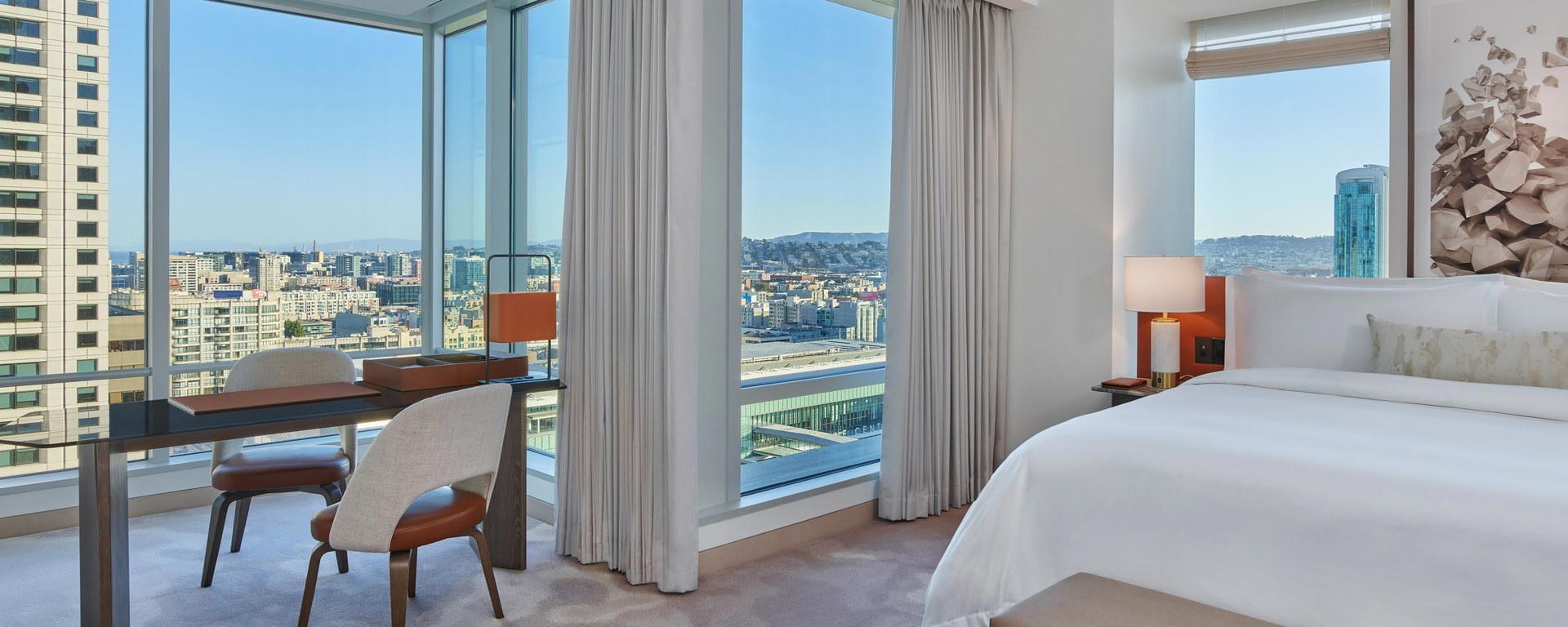
At a Glance
- Modern
- Trendy
- Elegant
- Business Dinner
- Group Dining
- Casual Hangout
- Open Kitchen
- Sake Program
Current opening hours
- Monday
- 11 AM–2 PM, 5:30–9 PM
- Tuesday
- 11 AM–2 PM, 5:30–9 PM
- Wednesday
- 11 AM–2 PM, 5:30–9 PM
- Thursday
- 11 AM–2 PM, 5:30–9 PM
- Friday
- 11 AM–2 PM, 5:30–9 PM
- Saturday
- 11 AM–2 PM, 5:30–9 PM
- Sunday
- 11 AM–2 PM, 5:30–9 PM
Hours can change for holidays and private events. Last verified .
Elegant and modern setting with clean sharp designs, though some note a strong fried food smell and crowded tables.