Shanghai Dumpling King
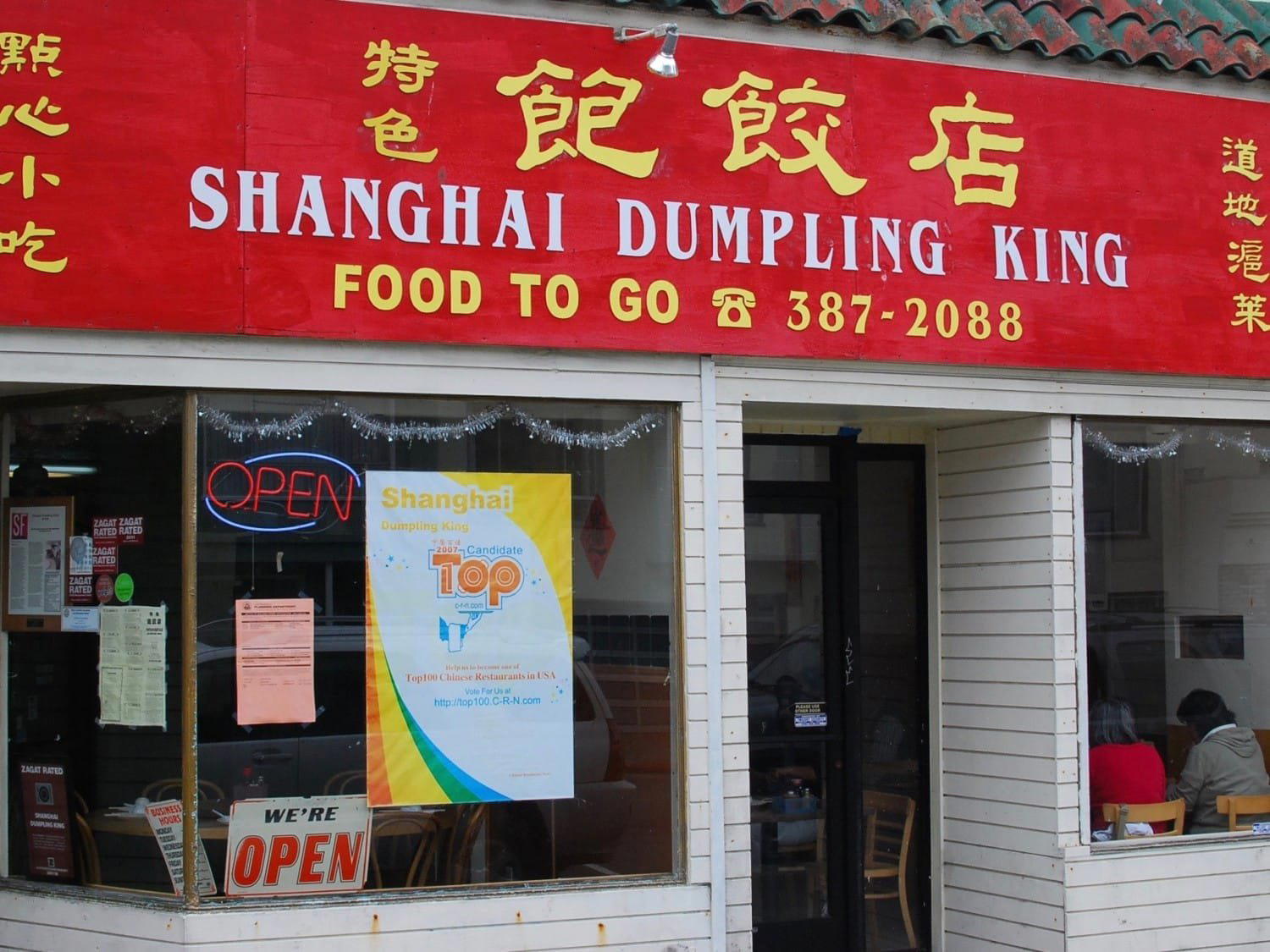
A cash-friendly dumpling house on Balboa Street in San Francisco's Outer Richmond, Shanghai Dumpling King draws a loyal neighbourhood following for its xiao long bao and pan-fried bao. The format is straightforward: no reservations, no fuss, consistent execution. Regulars return for the reliability of a short menu done repeatedly well rather than any particular fanfare.
Pearl is the En Primeur Club membership app — saves, bookings, and concierge access live there. Same editors, same standards.
- Address
- 3319 Balboa St (btwn 34th & 35th Ave), San Francisco, CA 94121

Balboa Street and the Outer Richmond's Dumpling Circuit
San Francisco's Outer Richmond sits far enough from the tourist corridors of Fisherman's Wharf and the Ferry Building that the restaurants there are shaped almost entirely by who lives nearby. The stretch of Balboa Street between 34th and 35th Avenues is that kind of block: a mix of small grocers, family-run noodle shops, and places that fill up on weekday evenings without any help from Yelp traffic. Shanghai Dumpling King occupies that context. It is a casual Shanghai Dumpling House on Balboa Street in San Francisco's Outer Richmond, a walk-in-friendly spot where the people who matter most to its survival live within walking distance and have been ordering the same things for years.
The Outer Richmond has long functioned as one of the city's more reliable corridors for Cantonese and Shanghai-style cooking, occupying a different register entirely from the multi-course ambition of downtown dining. Where Benu frames French-Chinese synthesis through a fine-dining lens and Atelier Crenn pursues a poetic Californian-French idiom, places like Shanghai Dumpling King anchor a parallel tradition: repetitive precision over seasonal reinvention, value over ceremony, the same pleated wrapper folded the same way every service.
What Regulars Actually Order
The xiao long bao is the anchor. In Shanghai-style dumpling houses across the United States, the soup dumpling has become the benchmark dish by which a kitchen's consistency is measured: thin skin that holds without tearing, a hot, gelatinous broth that forms from chilled stock reduction folded into the filling before steaming, and a pleated leading that closes cleanly. Regulars at places like Shanghai Dumpling King tend to know within a bite whether the kitchen is having a good day. The dish does not forgive inconsistency the way a braised protein might.
Pan-fried bao, sometimes listed as sheng jian bao, occupy a different position on the table. Where xiao long bao is delicate and requires care in lifting and eating, the pan-fried version offers a crisped base, a denser dough, and a filling that delivers more weight. The two dishes serve different purposes at the same meal, and regulars who know the menu tend to order both. The broader Shanghai-style dumpling repertoire, which this kind of restaurant typically represents, has regional depth that menus in the United States usually condense: wontons in chili oil, pork-and-cabbage dumplings, and the occasional scallion-heavy flatbread alongside.
The unwritten menu at this kind of place is partly about order of operations. Soup dumplings go cold quickly and become harder to eat as the skin thickens and the broth congeals. Anyone who has been coming long enough eats them first and immediately, before conversation takes over the table. That sequencing instinct is a hallmark of regulars at any serious dumpling counter, from the Outer Richmond to Flushing in New York.
Neighbourhood Dining at a Different Price Point
San Francisco's fine dining tier is priced accordingly. Tasting menus at Lazy Bear, Quince, and Saison represent a specific commitment of time and money. Comparable experiences elsewhere in the country, from Alinea in Chicago to Le Bernardin in New York City to The French Laundry in Napa, operate in that same refined tier. Shanghai Dumpling King is a different kind of calculation entirely: the appeal is what a small amount of money reliably gets you, and it is precisely that reliability that builds the repeat-visit loyalty characteristic of the Outer Richmond's best-performing neighbourhood restaurants.
That dynamic is common to dumpling-focused restaurants operating at this price level in American cities. The overhead is lower, the menu is shorter, and the kitchen's focus narrows to a handful of dishes that need to be executed correctly every time. This is not the model of Blue Hill at Stone Barns or Single Thread Farm in Healdsburg, where the seasonal sourcing story underpins the entire offering. The seasonal element here is minimal, and that is a feature rather than a limitation. Regulars are not coming for surprise; they are coming because they know what they will get.
The Format and What It Requires of You
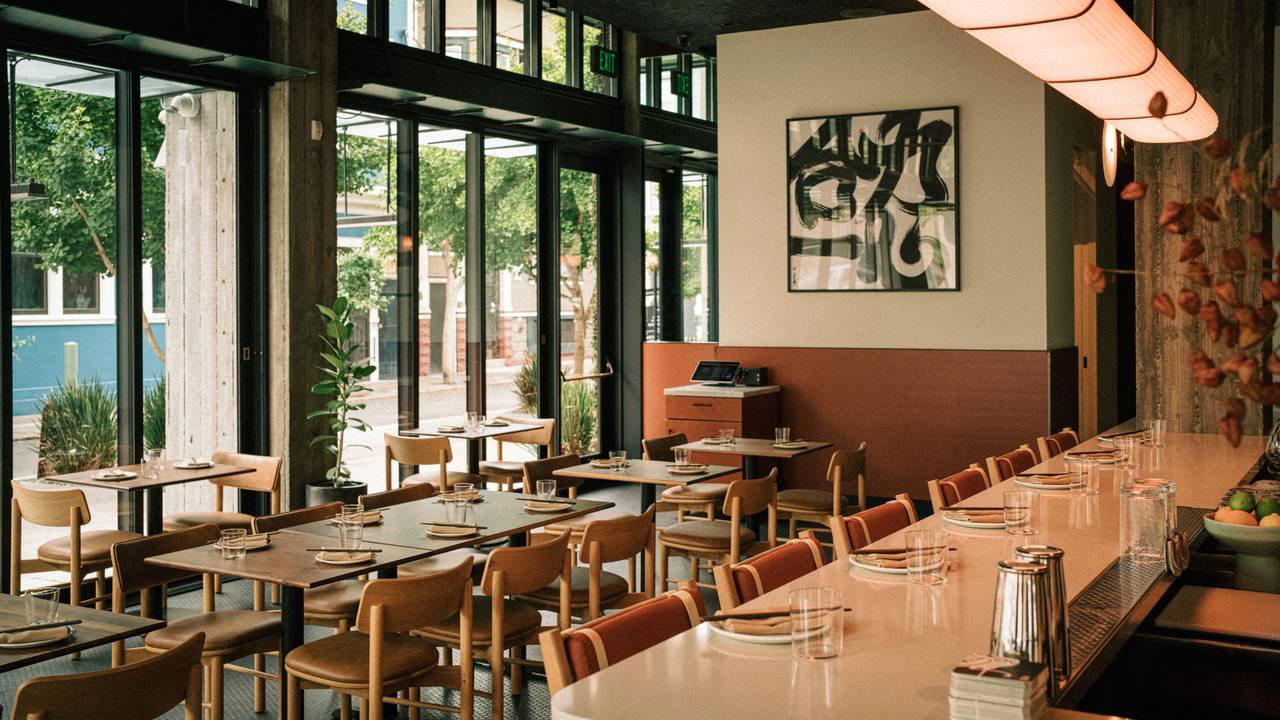
Neighbourhood dumpling houses of this type typically do not take reservations. Arriving at peak hours on weekends means waiting. The room at 3319 Balboa Street is modest in scale, and turnover drives the economics. Cash is often preferred or required at this category of restaurant in San Francisco's Outer Richmond, and the service model is efficient rather than hospitality-forward. For first-time visitors accustomed to the pacing of somewhere like Providence in Los Angeles or Addison in San Diego, the format shift is significant.
That is not a criticism; it is a description of a format that regulars find comfortable and newcomers sometimes misread. The queue, the fast turnaround, and the absence of ceremony are the point. The comparison set is not other San Francisco fine dining rooms but rather other serious dumpling counters in cities with dense Chinese-American communities. On that scale, the Outer Richmond competes with Flushing, Chinatown in Los Angeles, and pockets of the San Gabriel Valley for consistent neighbourhood-level Shanghai-style cooking.
For visitors building a broader San Francisco itinerary, the context is worth holding alongside the rest of the city's restaurant landscape, which covers the full range from this neighbourhood tier through the Michelin-starred rooms that represent a different order of commitment and cost. Internationally, the broader dumpling tradition Shanghai Dumpling King draws from connects to a lineage that cities like Hong Kong have institutionalised at multiple price points, as venues like 8½ Otto e Mezzo Bombana demonstrate from the other end of that spectrum.
Planning Your Visit
Shanghai Dumpling King is at 3319 Balboa Street, between 34th and 35th Avenues, in San Francisco's Outer Richmond. No booking infrastructure is confirmed; walk-in is the standard approach for this category of restaurant. Arriving earlier in a service period reduces wait time. For allergy or dietary questions, contact the restaurant directly in person before or at the start of service.
Quick reference: 3319 Balboa St, San Francisco, CA 94121. Walk-in friendly. Casual dress.
Price and Recognition
Comparable venues nearby, for context on price, style, and recognition.
| Venue | Cuisine | Price | Awards | Notes |
|---|---|---|---|---|
| Shanghai Dumpling KingThis venue — the venue you are viewing | Sunnyside, Shanghai Dumpling House | $$ | , | |
| Hải Ký Mì Gia | Tenderloin, Traditional Teochew Noodles | $$ | , | |
| SO | , | , | South San Francisco, Cantonese Seafood and Dim Sum | |
| YH Beijing Duck House | $$ | , | Hayes Valley, Northern Chinese with Peking Duck | |
| Dragon Beaux | Outer Richmond, Modern Dim Sum & Hot Pot | $$ | , | |
| Yank Sing (Stevenson St.) | $$$ | , | Financial District/South Beach, Traditional Cantonese Dim Sum |
Continue exploring
More in San Francisco
Restaurants in San Francisco
Browse all →Bars in San Francisco
Browse all →At a Glance
- Hidden Gem
- Cozy
- Casual Hangout
- Family
- Group Dining
- Standalone
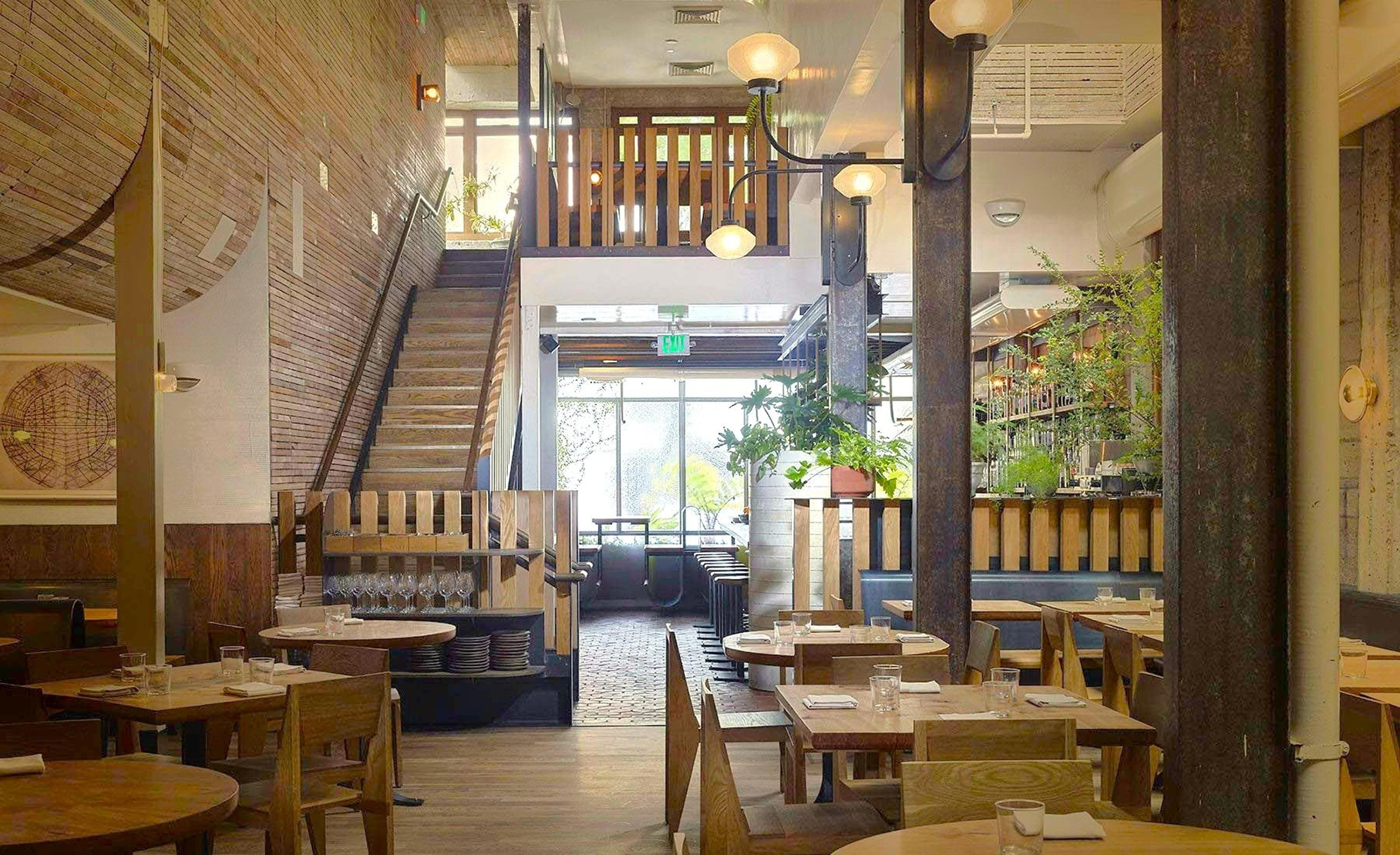
Casual, busy neighborhood spot with functional decor focused on hearty Chinese comfort food.