Dragon Well
On Chestnut Street in the Marina District, Dragon Well occupies a particular position in San Francisco's Chinese dining conversation: a neighborhood restaurant that draws on the Bay Area's notable produce network while applying technique with more precision than its relaxed setting might suggest. It sits outside the tourist circuits and outside the upper-tier tasting menu bracket, functioning instead as a reliable, ingredient-conscious option in a city that has raised the baseline for what neighborhood Chinese cooking can be.
Pearl is the En Primeur Club membership app — saves, bookings, and concierge access live there. Same editors, same standards.
- Address
- 2142 Chestnut St, San Francisco, CA 94123
- Phone
- +14154746888
- Website
- dragonwell.com
- Directions
- Get directions
 Saves & bookings on Pearl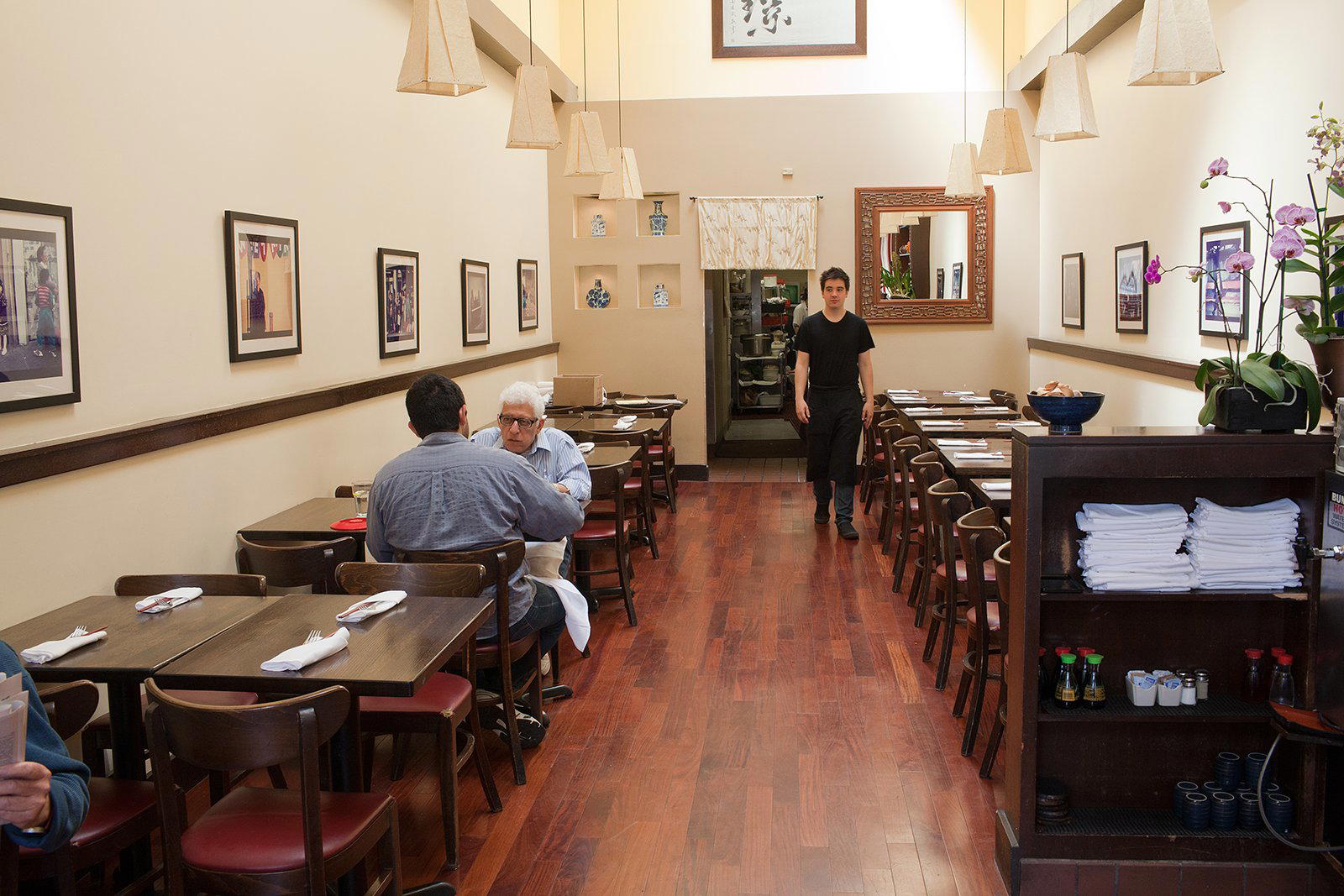
Chestnut Street and the Marina's Quiet Dining Confidence
San Francisco's Marina District does not announce itself the way SoMa or the Mission do. Chestnut Street runs at a residential pace, populated by locals rather than destination diners, and the restaurants here tend to earn their standing through repetition and word-of-mouth rather than awards season press cycles. Dragon Well is an authentic Chinese restaurant at 2142 Chestnut St, San Francisco, CA 94123, where casual dining and a recommended reservation policy fit the Marina's residential pace. The room reads as neighborhood rather than event, which in San Francisco terms often signals that the kitchen is doing something worth paying attention to without requiring the guest to perform the experience back at the table.
That dynamic matters in a city where the upper tier of the dining scene, from Lazy Bear and Atelier Crenn to Benu and Quince, operates at a formality and price point that positions restaurants as occasions rather than habits. The space between those tasting-menu counters and the average takeout block is where Dragon Well works, and it is a more competitive and interesting space than it often gets credit for.
Local Ingredients, Imported Precision
The editorial thread that runs through San Francisco's most interesting restaurants, from Saison to the farm-driven formats you find at properties like Single Thread Farm in Healdsburg and Blue Hill at Stone Barns on the East Coast, is the application of structured technique to ingredients that carry their provenance visibly. California's growing conditions mean that the produce arriving in Bay Area kitchens from Marin, Sonoma, and the Central Valley has a quality floor that most American cities cannot match.
Dragon Well's name references one of China's most celebrated green teas, Longjing, produced in the hills outside Hangzhou, and that reference signals something about how the kitchen frames its culinary identity. The intersection of Chinese culinary tradition with Northern California's agricultural infrastructure is not a new idea in San Francisco, a city with one of the oldest and most culturally layered Chinese communities in the United States, but it is an idea that takes discipline to execute without flattening either side of the equation into novelty. The restaurants that handle this well treat the local ingredient as starting point and technique as translation, rather than using technique as spectacle and local sourcing as marketing.
Benu, which holds three Michelin stars and operates at the extreme technical end of French-Chinese synthesis in San Francisco, demonstrates what the framework looks like when pushed to its limits. The restaurant occupies a different register: accessible, neighborhood-scaled, and operating without the weight of tasting-menu formality.
San Francisco Chinese Dining in Context
San Francisco's Chinese restaurant scene is stratified in ways that most cities' are not. At one end sits the historic Chinatown corridor, where decades of family operations have served Cantonese cooking to a mix of immigrant communities, tourists, and regulars who know what they are ordering. At the other end, a generation of technically trained chefs has explored what happens when Chinese culinary frameworks meet the full toolkit of contemporary American fine dining. The middle ground, where technique is present but not performed and ingredients are sourced with intention but not narrated across a twelve-course menu, is where restaurants like Dragon Well matter to the broader dining ecology.
Nationally, the conversation about how global technique intersects with indigenous or regional products has produced particularly discussed restaurants of the past decade. Atomix in New York City applies Korean culinary frameworks to local and imported ingredients at a level that has drawn sustained critical attention. Providence in Los Angeles runs a similar exercise with Pacific seafood and French technique. Le Bernardin in New York remains the definitive case study in what classical European method does to premium American product. The restaurant works in a more approachable register, where local ingredients speak clearly when technique is grounded.
The Marina District as Dining Context
Understanding where the restaurant sits physically clarifies what it is meant to be. The Marina is one of San Francisco's more residential and relatively affluent neighborhoods, bounded by the bay to the north and the corridor toward Pacific Heights to the south. Its dining scene skews toward the kind of restaurant that serves a recurring neighborhood clientele rather than destination visitors making a single-trip choice. That is a different business model than the one running at Atelier Crenn or The French Laundry in Napa, and it creates different pressures: consistency matters more than spectacle, and value in the broadest sense shapes the return rate.
For context, comparable neighborhood-anchored restaurants in other American cities have built their standing by serving a local audience with the same rigor they would apply to a destination crowd. The Marina's dining culture, at its better end, operates on the same premise.
Planning Your Visit
The restaurant is located at Address: 2142 Chestnut St, San Francisco, CA 94123, in the Marina District. Reservations are recommended. Dress: casual. Hours: Wed-Sun 11:30 AM to 3 PM and 5 PM to 10 PM; Monday and Tuesday closed.
Those planning a wider California itinerary might also consider Addison in San Diego or Atelier Moessmer Norbert Niederkofler in Brunico for a European counterpart to the local-ingredient, global-technique conversation. The Inn at Little Washington offers another data point on how long-established American restaurants sustain identity across decades.
Comparable Spots, Quickly
Comparable venues nearby, for context on price, style, and recognition.
| Venue | Cuisine | Price | Notes |
|---|---|---|---|
| Dragon WellThis venue — the venue you are viewing | Authentic Chinese | $$ | Not listed |
| Go Duck Yourself | Cantonese Roast Duck BBQ | $$ | Bernal Heights |
| Ton Kiang | Hakka Dim Sum | $$ | Richmond |
| Quack House | Cantonese Roast Meats | $$ | Nob Hill |
| Mamahuhu | Modern Chinese-American | $$ | Inner Richmond |
| Hot Pot Garden | Chinese Hot Pot | $$ | Richmond |
Continue exploring
More in San Francisco
Restaurants in San Francisco
Browse all →
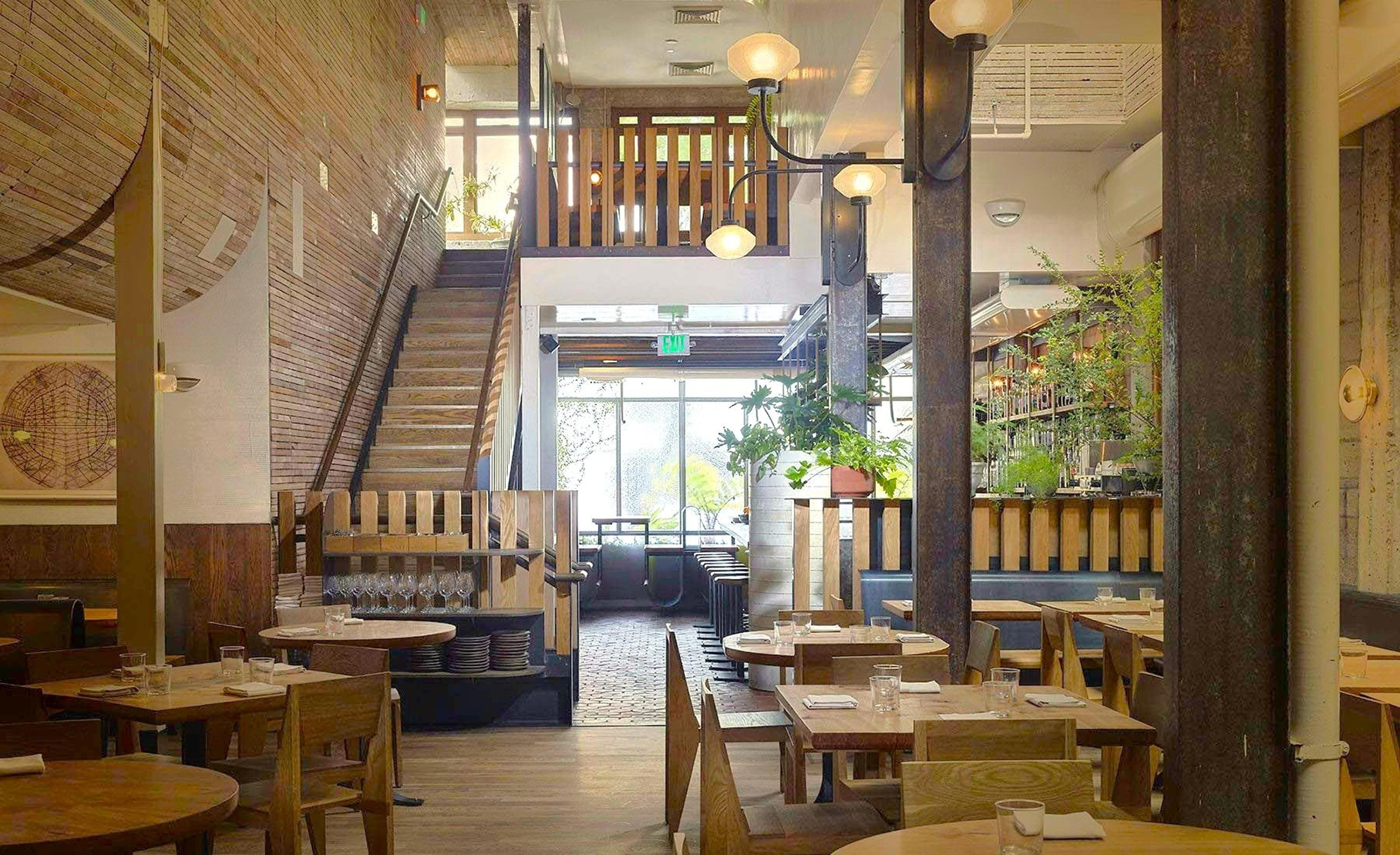
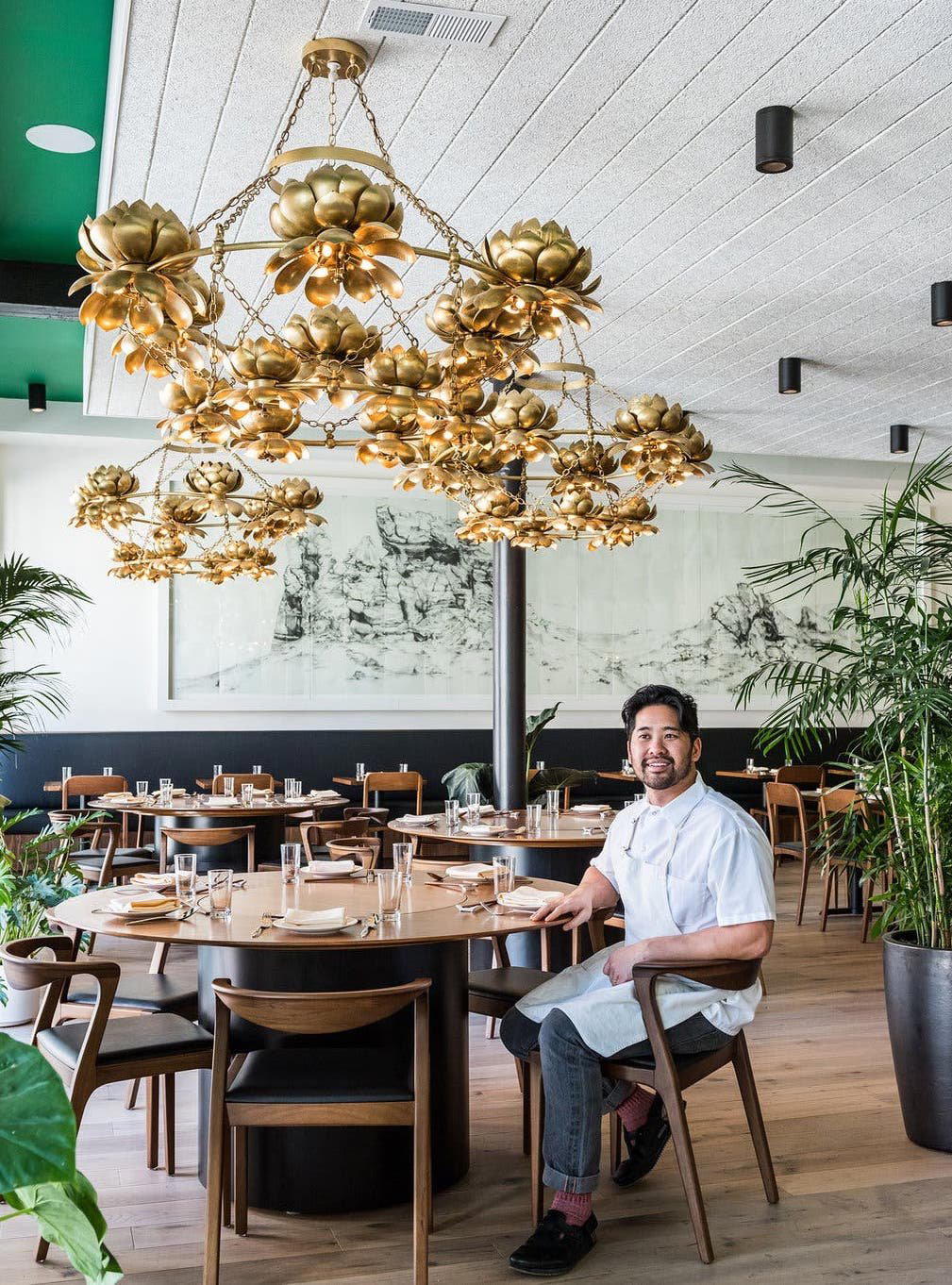
Bars in San Francisco
Browse all →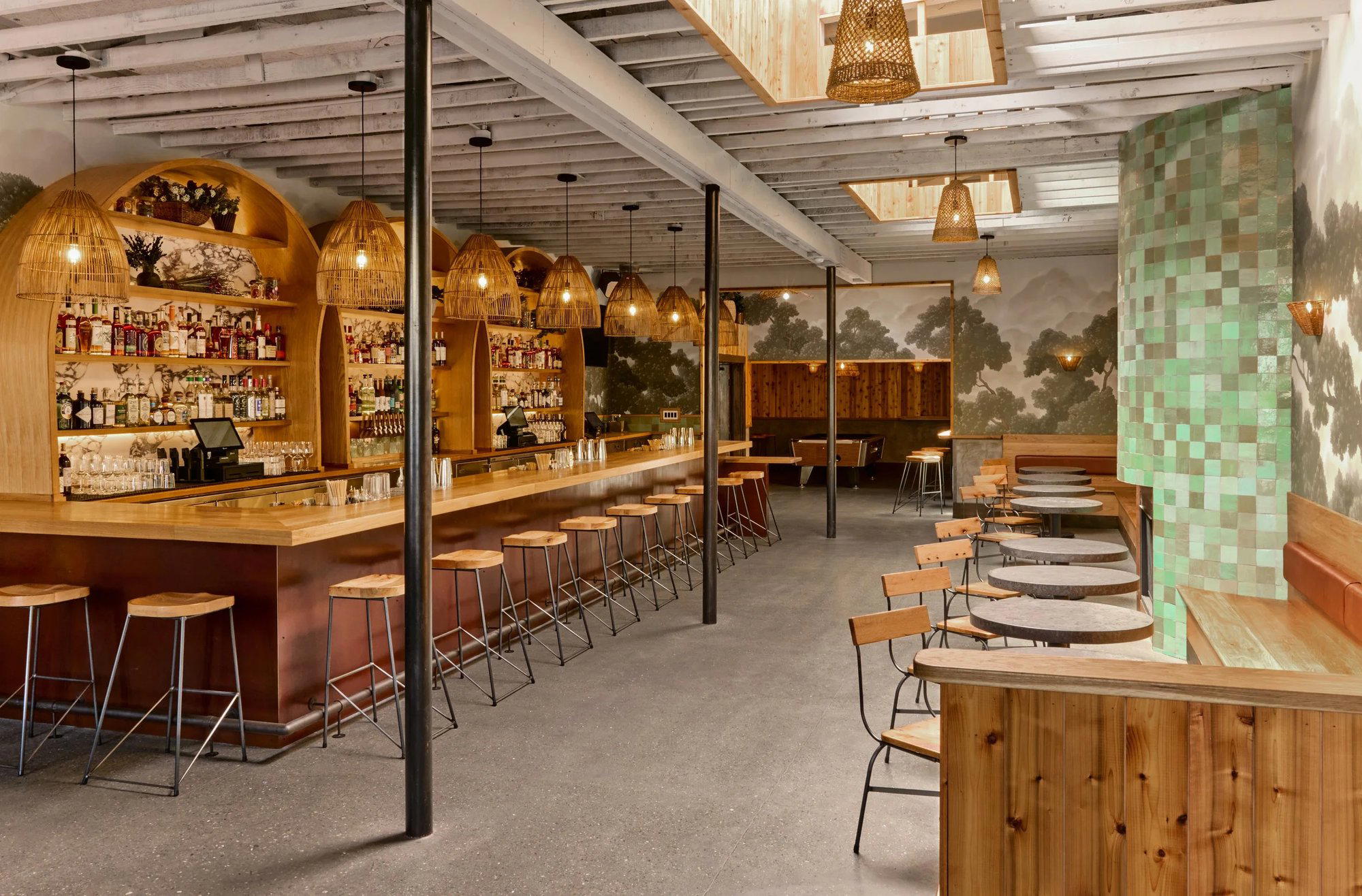
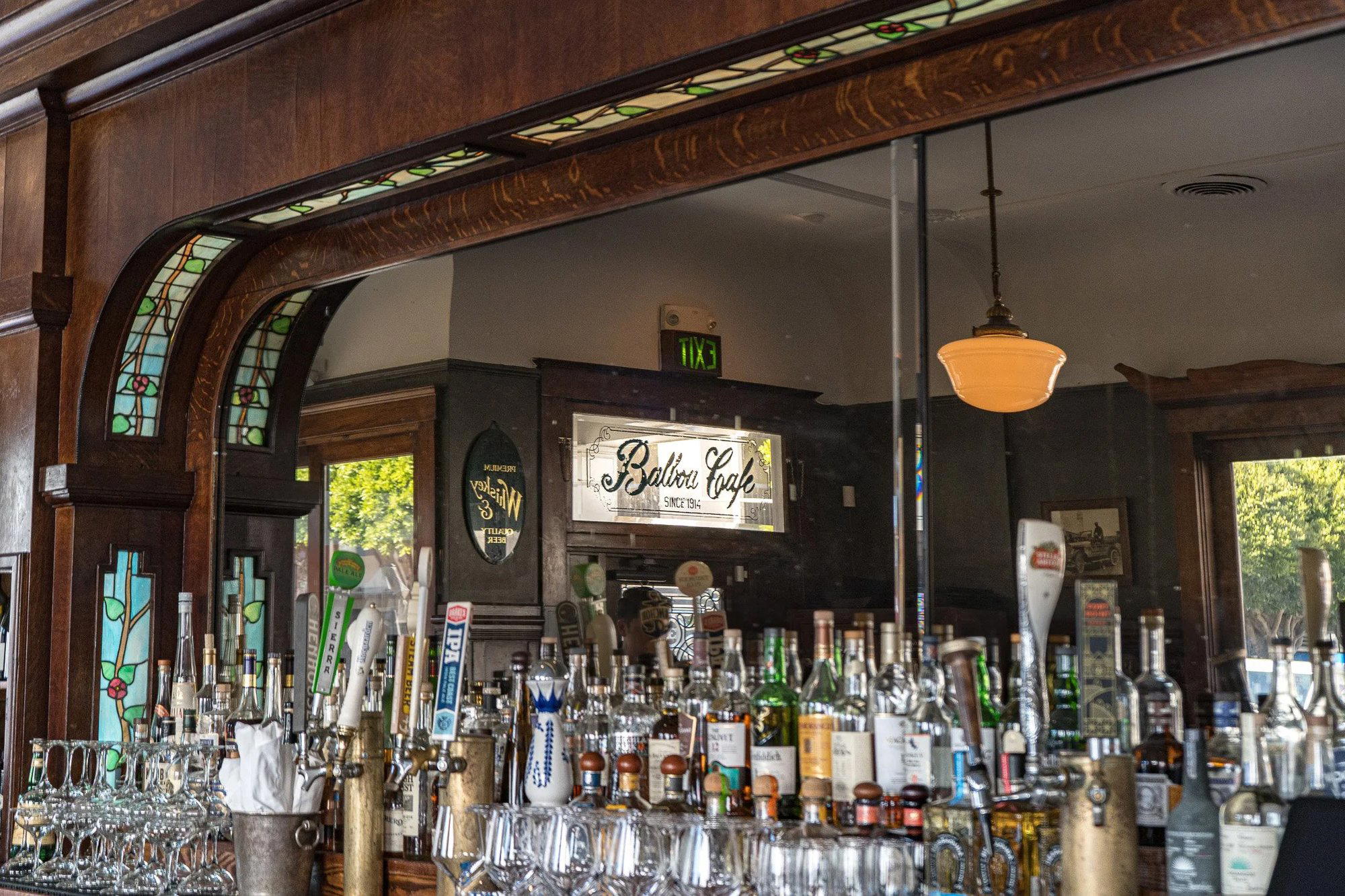
Hotels in San Francisco
Browse all →
At a Glance
- Modern
- Cozy
- Casual Hangout
- Group Dining
- Standalone
- Extensive Wine List
- Local Sourcing
Current opening hours
- Monday
- Closed
- Tuesday
- Closed
- Wednesday
- 11:30 AM–3 PM, 5–10 PM
- Thursday
- 11:30 AM–3 PM, 5–10 PM
- Friday
- 11:30 AM–3 PM, 5–10 PM
- Saturday
- 11:30 AM–3 PM, 5–10 PM
- Sunday
- 11:30 AM–3 PM, 5–10 PM
Hours can change for holidays and private events. Last verified .
Clean and modern bistro-style interior with no frills atmosphere, functional for dining but lacking romantic appeal.