Fancett's


Michelin Plate
Our verdict
Fancett's on Mill Road is Cambridge's most committed French bistro, holding a 2025 Michelin Plate for cooking that runs from twice-baked cheddar soufflé to calf's liver with pancetta. The wine list spans Spanish rosado by the glass and Chablis Premier Cru by the bottle, guided by an attentive floor team. A daily-tweaked set menu keeps the format honest and the prices accessible at the £££ tier.

Pearl is the En Primeur Club membership app — saves, bookings, and concierge access live there. Same editors, same standards.
- Address
- 96A Mill Rd, Cambridge CB1 2BD, United Kingdom
- Phone
- +44 1223 354093
- Hours
- Mon ClosedTue 6–11 p.m.Wed–Sat 12–4 p.m., 6–11 p.m.Sun Closed
- Website
- fancetts.com
- Directions
- Get directions
- Booking
- Book on ResDiary
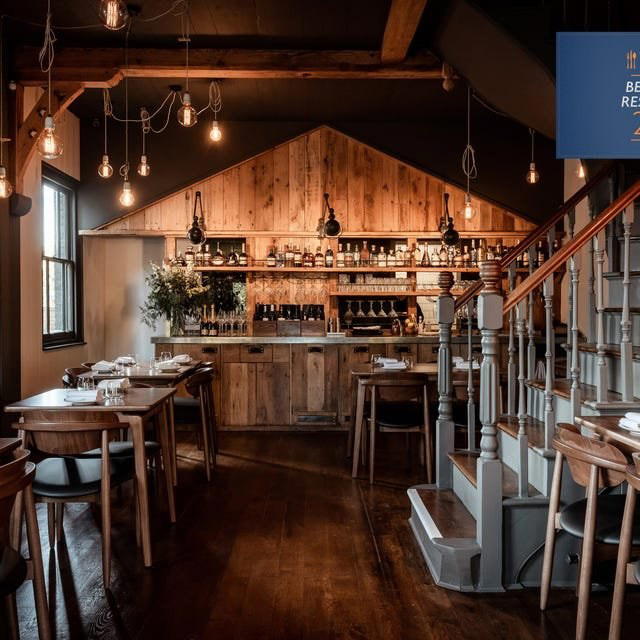
Mill Road and the Case for the Neighbourhood Bistro
Cambridge's dining conversation tends to focus on the river-facing rooms and the tasting-menu circuit that clusters around the university's grander postcodes. Mill Road operates differently. The stretch of CB1 running southeast from the city centre has long sustained a different kind of eating culture: independent, neighbourhood-scaled, more interested in regulars than occasions. Within that context, Fancett's, at number 96A, represents the most considered version of the French bistro format the city currently has to offer. It holds a 2025 Michelin Plate, which in practical terms signals cooking that merits attention without necessarily requiring a special occasion to justify it. That positioning, somewhere between the £££ mid-market and the ambitions of Cambridge's £££££ rooms, is precisely where the French bistro tradition does its most useful work.
For the city's higher-register options, Midsummer House and Restaurant Twenty-Two occupy the tasting-menu end of the spectrum, while newer arrivals like Darling and Fallow Kin have added different textures to a scene that, until recently, had limited depth in the mid-range. Fancett's, open since 2021, fills a gap that most university cities of Cambridge's size struggle with: the kind of room where you eat well, drink from a considered list, and leave having spent a reasonable amount of money.
The Room, the Format, the Feel
The bistro format has a structural logic that Fancett's follows without apology. A set menu, tweaked daily, anchors the experience. At lunch the format is lean: two choices per course, which keeps the kitchen focused and the pacing clean. Dinner opens out slightly, with more options and, according to Michelin's assessors, a noticeable step up in ambition from the kitchen. The repertoire, though rooted in French technique, doesn't treat that heritage as a constraint. A bowl of local asparagus soup with smoked chalk stream trout sits alongside hand-rolled cavatelli with Parmesan emulsion, spring vegetables and basil pistou. In the evening, ceviche of sea bream with chilli and blood orange has appeared alongside calf's liver with pancetta, and a combination of French guinea fowl breast with young leeks, white asparagus and a morel and vin jaune sauce. The twice-baked cheddar soufflé and the pear tarte Tatin are the kinds of dishes that appear in Michelin's own shorthand for the restaurant, which is as reliable a signal as any that they have become dependable anchors of the menu.
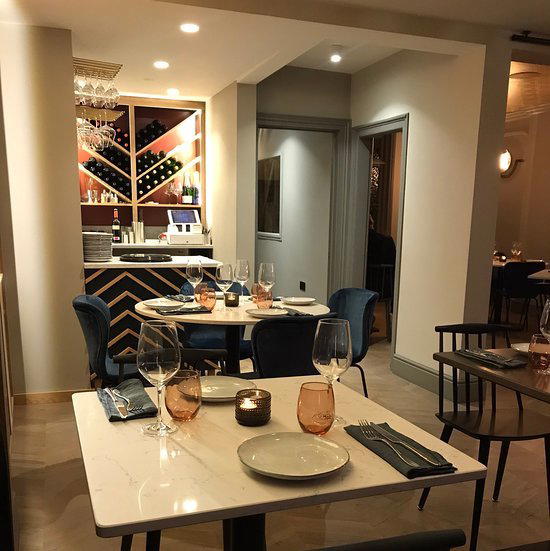
Guest responses that have entered the public record describe the atmosphere in terms that are more about warmth than formality. One regular characterised it as "the equivalent of being wrapped in a big hug", a description that captures something real about how the front of house operates. Restaurant manager Theo Armyras is noted specifically for his engagement with the drinks programme, which matters more than it might sound when the wine list is as purposefully assembled as this one.
The Wine Programme: Bistro Discipline, Serious Range
The editorial angle that distinguishes Fancett's from comparable rooms in Cambridge is the drinks list, and specifically the degree of curation applied to it. The bistro wine list is a format with its own conventions: by-the-glass options, carafes, accessible pricing, and a bias toward France with room for the wine-producing world beyond it. Fancett's follows those conventions while adding genuine depth at the leading end.
By the glass, the list reaches into Spain: a rosado from Bodegas Perica, a family-owned estate in Rioja, at £11.50 is the kind of selection that signals a buyer who is looking beyond the obvious. The 500ml carafe format keeps the bistro character intact and suits the set-menu pacing well, allowing a half-bottle equivalent without the commitment of a full bottle across two courses. For those who want to go further, the list includes Chablis Premier Cru from Thomas Labille's 'Montmains' 2020, a Burgundy-adjacent choice that speaks to the kitchen's French orientation, alongside representation from Bordeaux and the Rhône Valley. That range, from entry-level by-the-glass to Premier Cru, is broader than many rooms at this price point manage without losing coherence.
The comparison with the Classic French tradition at the higher end of the British restaurant scene is instructive. Rooms like the Waterside Inn in Bray operate at a different register entirely, with cellar depth and pricing to match. What Fancett's offers instead is a list that has been curated to work with a specific kind of eating: generous, bistro-paced, mid-week as much as weekend. The selection by carafe, in particular, is a choice that many rooms at this level have abandoned in favour of full-bottle-only service, which subtly pressures the customer. Fancett's keeping the carafe format is both an operational and a philosophical decision about who the room is for.
For the broader context of French cooking at the highest UK level, it's worth knowing where the tradition stands: The Fat Duck, The Ledbury, and internationally Cheval Blanc by Peter Knogl in Basel represent the upper register of French-influenced cooking. Fancett's makes no claim to that tier and doesn't need to. Its Michelin Plate positions it as a room worth seeking rather than a room worth making a destination trip for, which is exactly what a neighbourhood bistro should be.
Where It Sits in Cambridge's Dining Picture
Cambridge's restaurant scene has historically punched below its weight for a city of its academic and tourist profile. The concentration of wealth and international visitors has not, until recently, translated into a diverse mid-market. New American formats like Alden and Harlow have added range, and the broader picture is described in detail in our full Cambridge restaurants guide. For stays and other planning, our Cambridge hotels guide, bars guide, wineries guide, and experiences guide cover the full scope.
Against the wider UK French bistro tradition, Fancett's holds its own. Rooms like The Hand and Flowers in Marlow, L'Enclume in Cartmel, Moor Hall in Aughton, and Gidleigh Park in Chagford operate in different categories, at different price points and with different ambitions. The relevant comparison for Fancett's is not those rooms but the question of whether Cambridge, as a city, needed a French bistro of this quality and commitment.
Planning a Visit
Fancett's is at 96A Mill Road, Cambridge CB1 2BD, within walking distance of the city centre and the CB1 neighbourhood's independent retail strip. The set menu format means the kitchen is working to a contained repertoire on any given day, which in practice produces more consistent results than an à la carte of comparable ambition. Lunch is the more accessible entry point, with a two-choice-per-course format and lower spend, while dinner is where the kitchen takes on more complex dishes and the wine programme becomes a more active part of the experience. Booking is advisable; the size of the room and the regularity of the returning customer base mean walk-in availability is not reliable. At the £££ price point, a dinner here is measurably more expensive than a casual Mill Road meal but comfortably below the £££££ tasting-menu rooms elsewhere in the city.
What to Order at Fancett's
Michelin's own shorthand for the kitchen points directly to the twice-baked cheddar soufflé and the pear tarte Tatin as the dishes that have defined the restaurant's identity since opening. The evening menu has included calf's liver with pancetta, guinea fowl breast with morel and vin jaune sauce, and a dark chocolate and hazelnut tart with pistachio ice cream. On the drinks side, the Chablis Premier Cru from Thomas Labille 'Montmains' 2020 is the list's most significant white wine reference point, and the Bodegas Perica rosado by the glass represents the kind of value-with-character selection that rewards the curious drinker. The 500ml carafe format is worth using: it fits the bistro pacing and covers two people across two courses without committing to a full bottle.
At a Glance
| Venue | Cuisine | Price | Awards | Notes |
|---|---|---|---|---|
| Fancett'sThis venue — the venue you are viewing | French Bistro | $30–50 | Michelin Plate | Not listed |
| Midsummer House | Modern British Fine Dining | $150–200 | 2 Michelin Stars · La Liste Top Restaurants | Contemporary British, Creative |
| Restaurant Twenty-Two | Modern British Fine Dining | $100–150 | 1 Michelin Star · National Restaurant Awards Top 100 #22 | Modern Cuisine |
| Henrietta’s Table | American | Not listed | Not listed | Not listed |
| Hi Rise | Bakery | Not listed | Not listed | Not listed |
| Langdon Hall | Canadian | Not listed | Not listed | Not listed |
Recognition history
Dated appearances from independent guides and award organizations, with the underlying list record or original source where available.
Michelin Plate
Michelin
The Good Food Guide Good Food Guide Best Local Restaurant
The Good Food Guide
Full recognition history (5 entries)
Michelin Plate
Michelin
The Good Food Guide GFG Good
The Good Food Guide
Michelin Plate
Michelin
Continue exploring
More in Cambridge
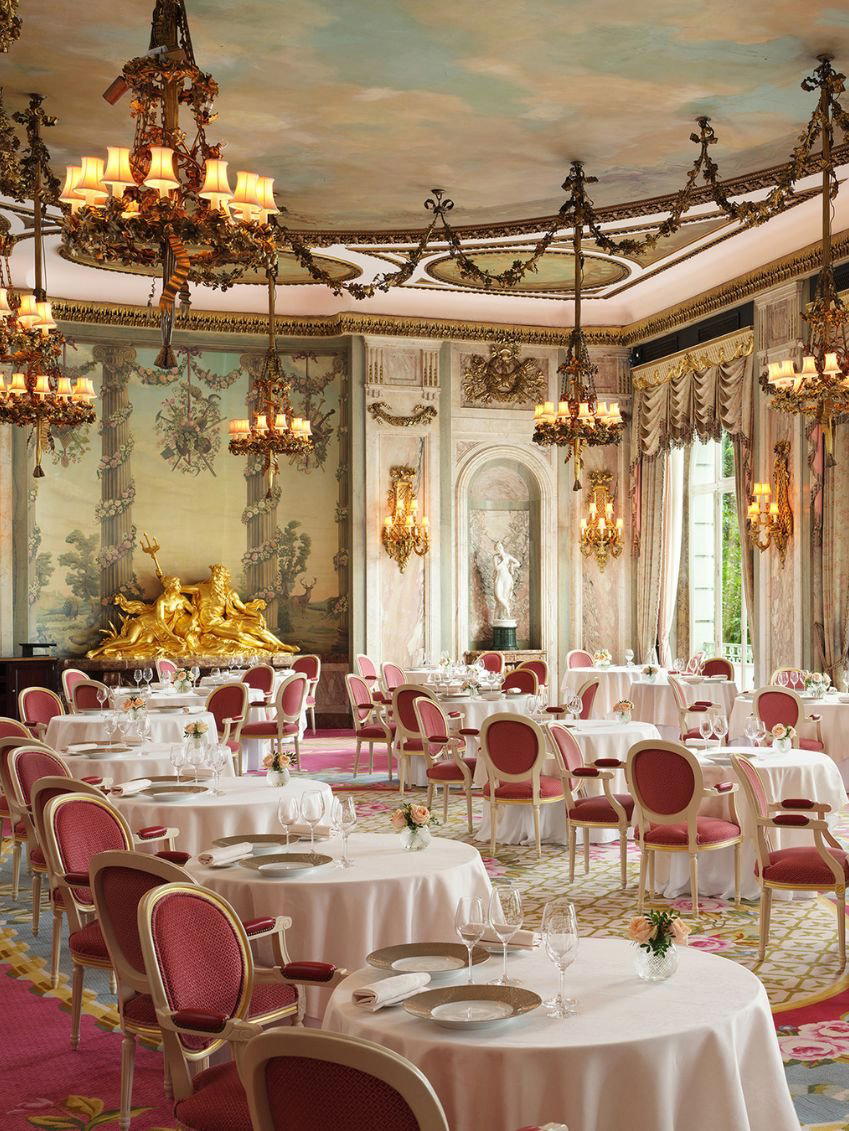
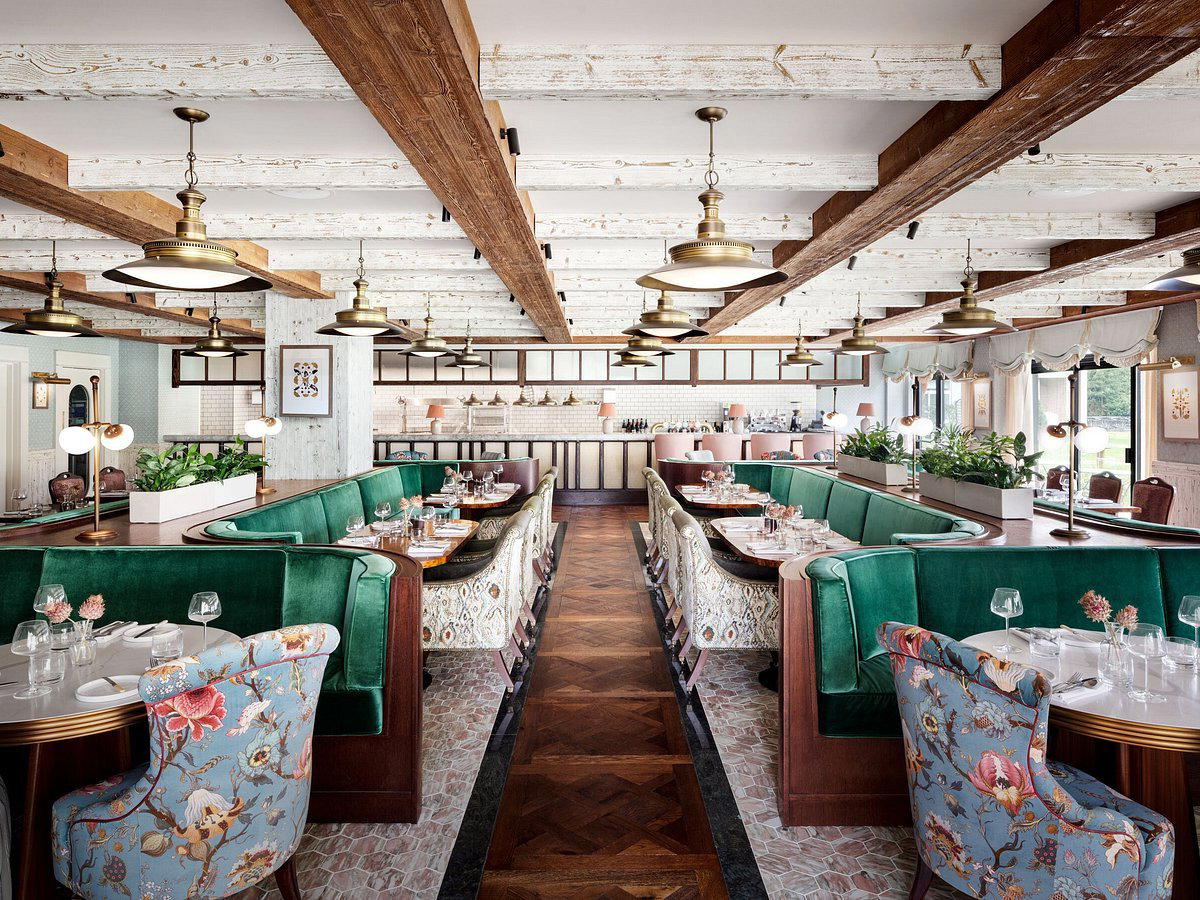
Restaurants in Cambridge
Browse all →
Bars in Cambridge
Browse all →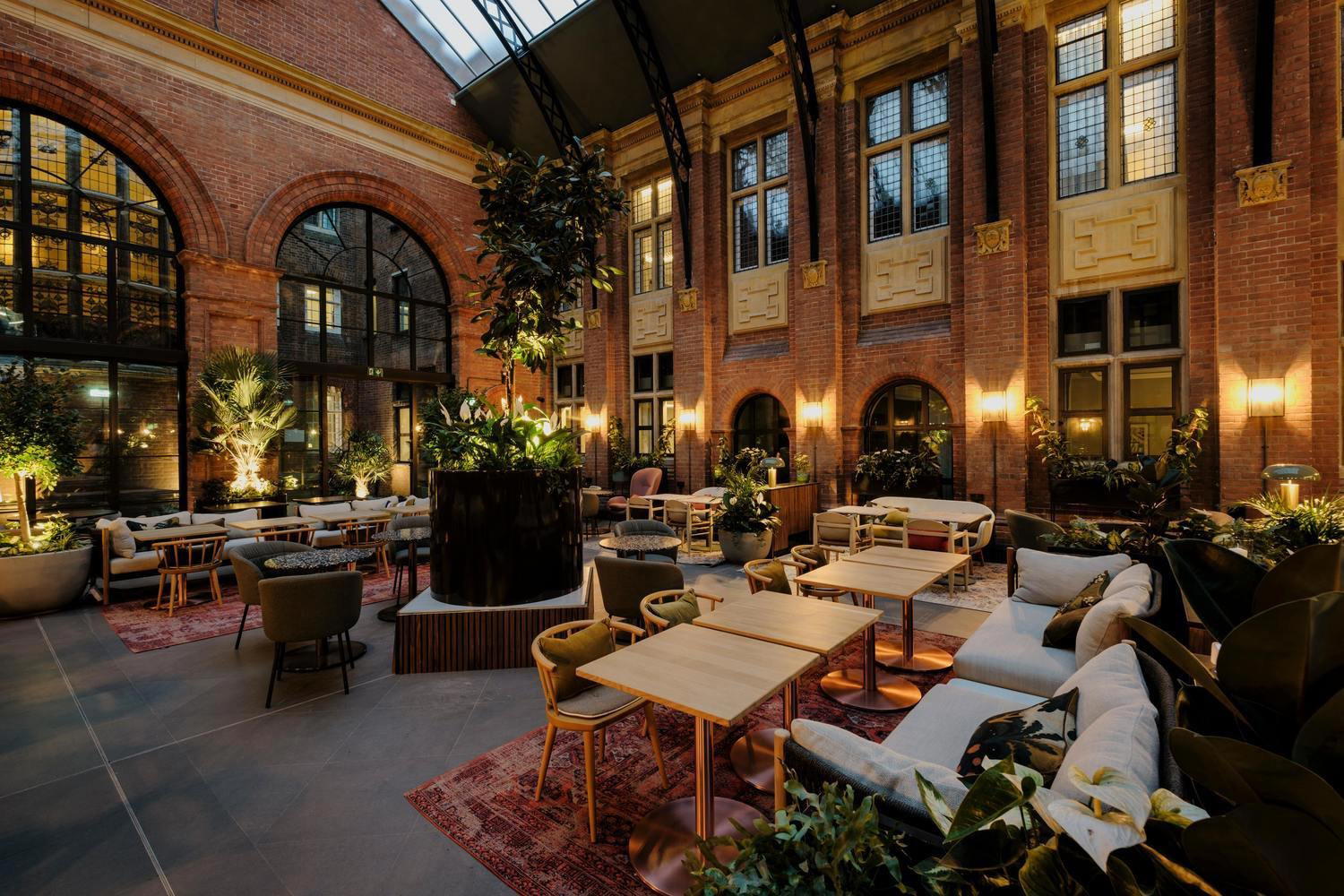
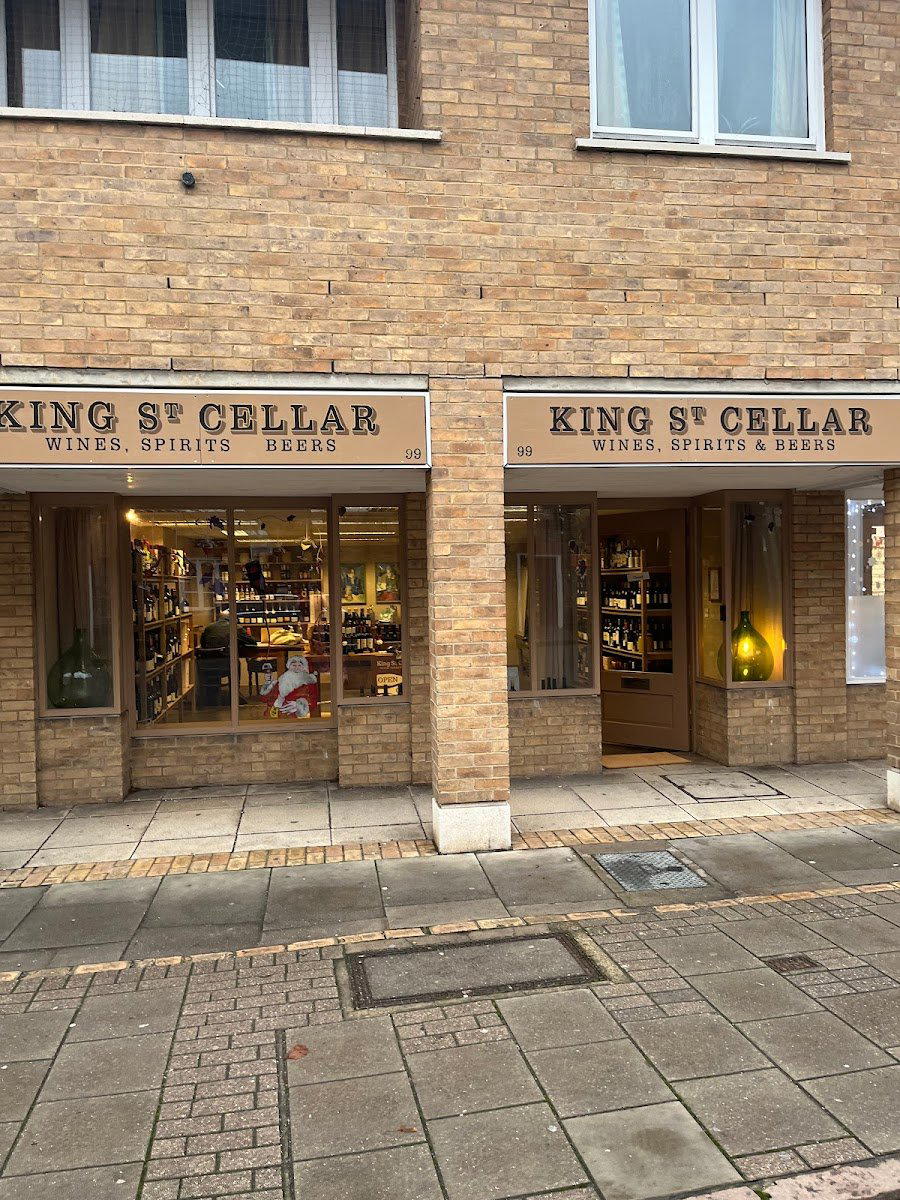
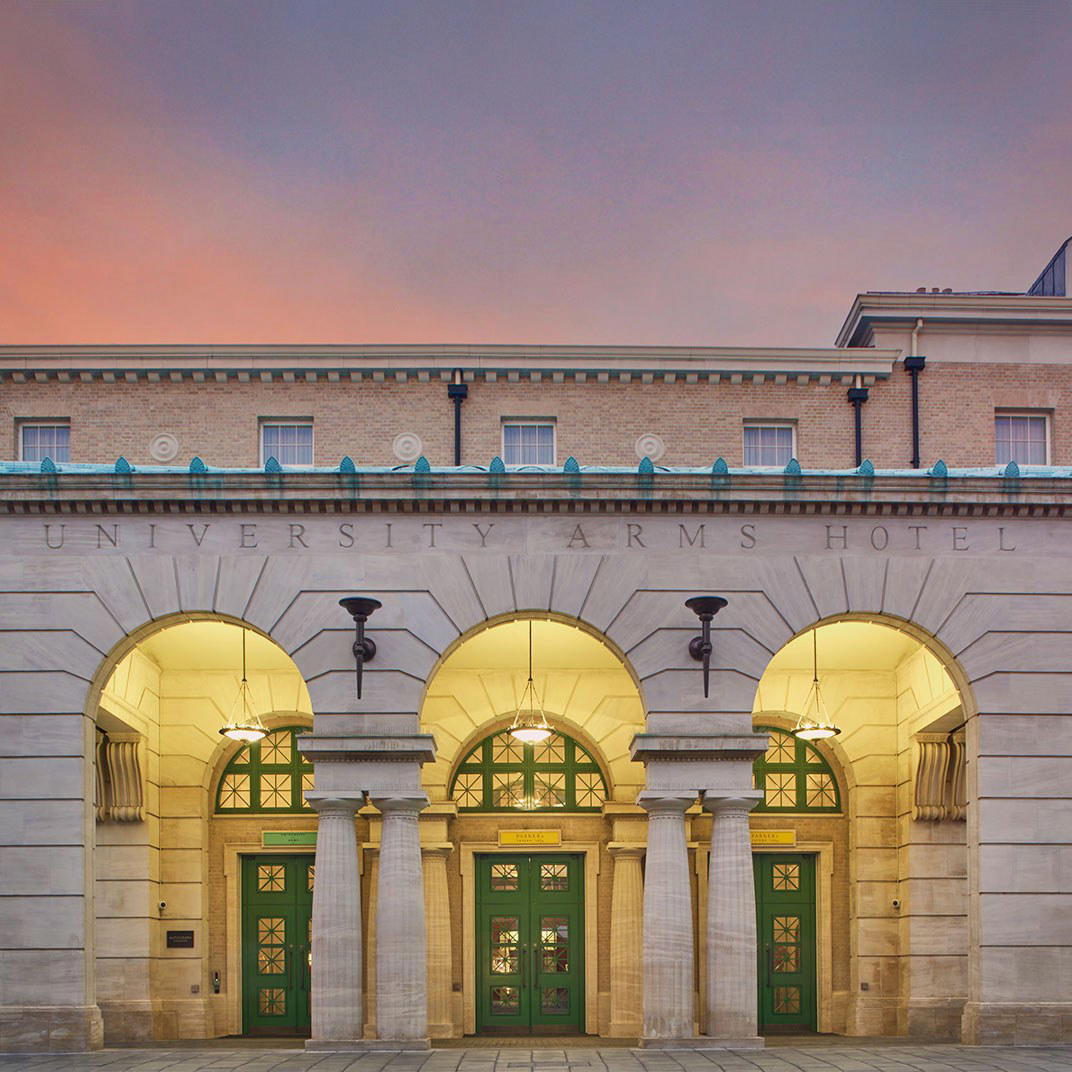
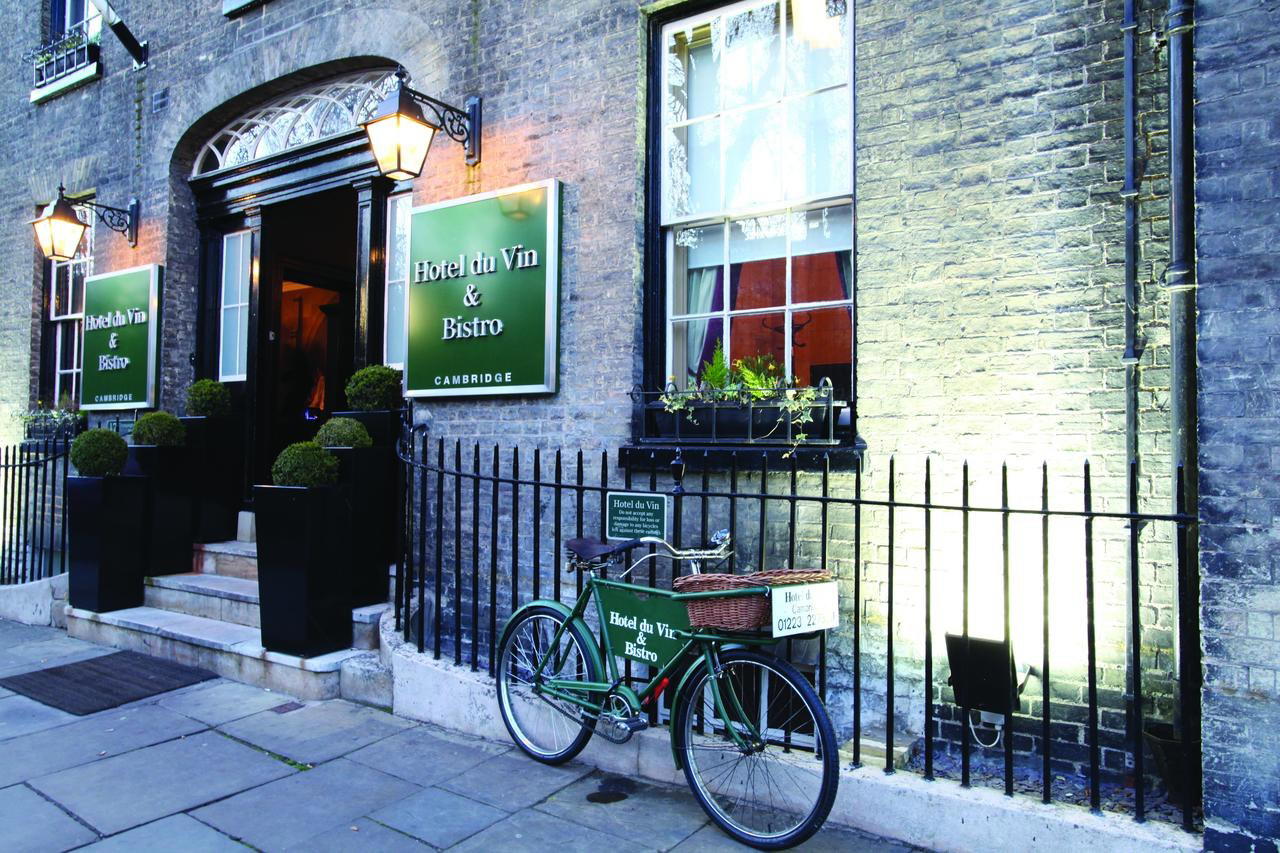
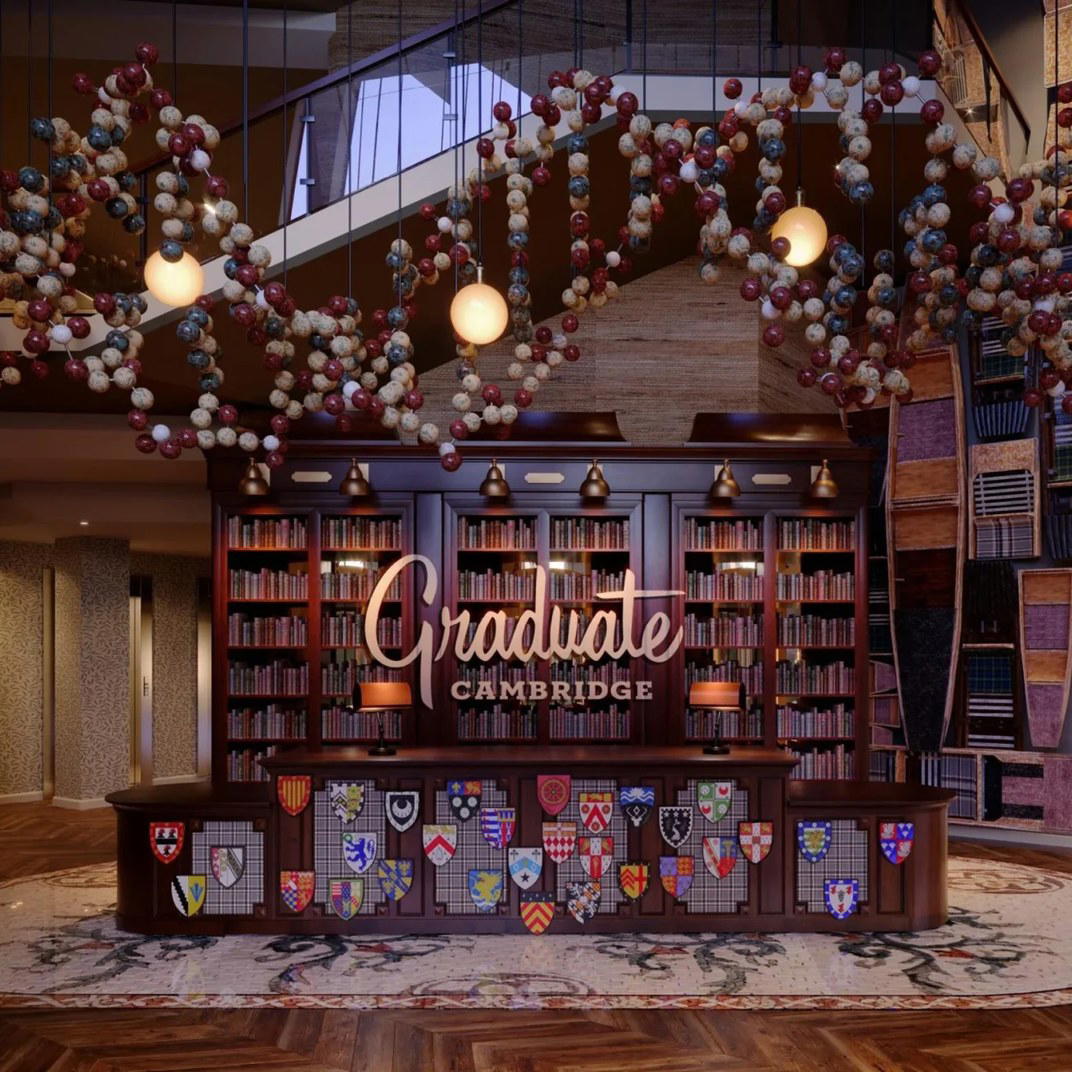
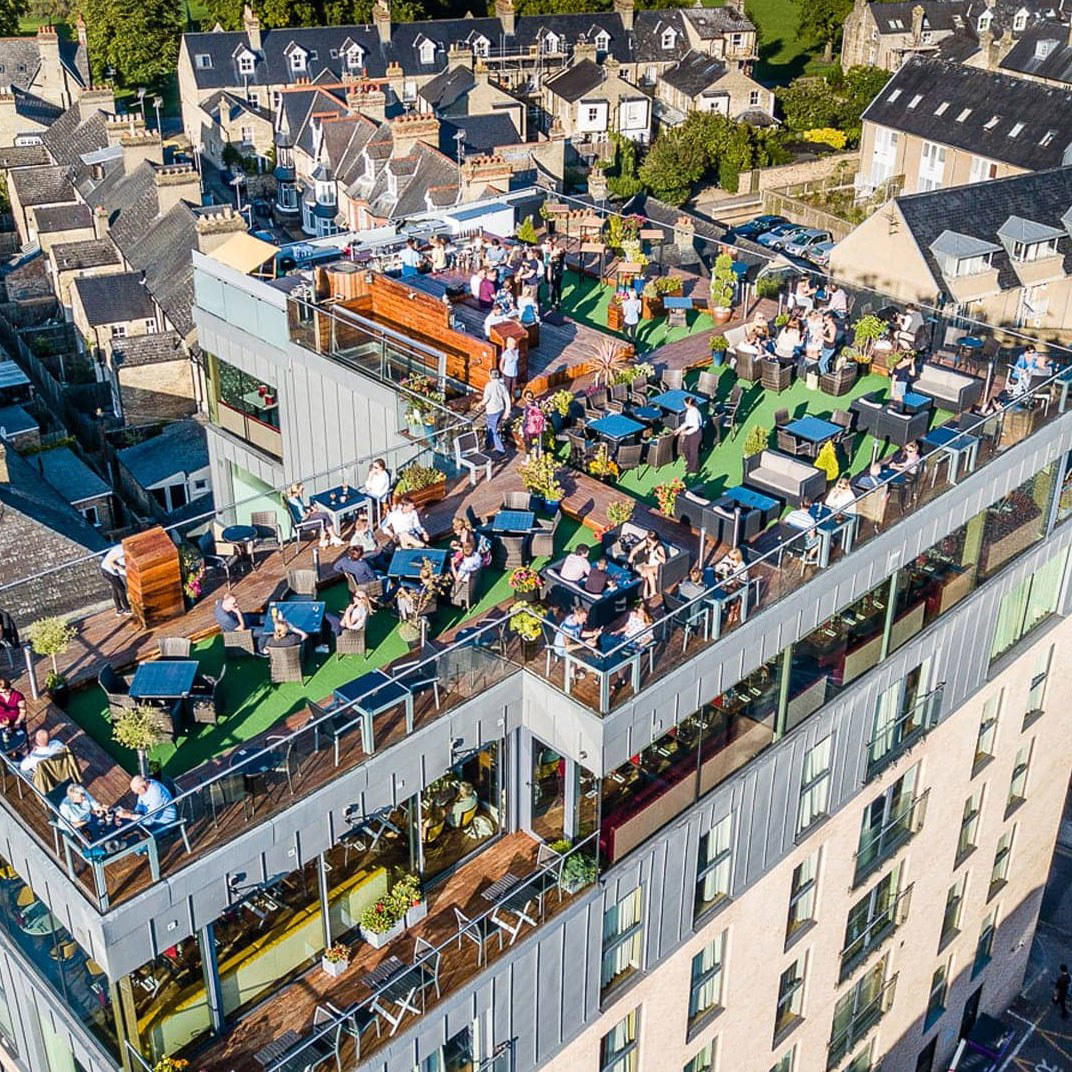
Hotels in Cambridge
Browse all →
Wineries in Cambridge
Browse all →
Details
- Cozy
- Intimate
- Elegant
- Date Night
- Special Occasion
- Private Dining
- Extensive Wine List
- Local Sourcing
- Set Menu
- A La Carte
- Vegetarian Friendly
Current opening hours
- Monday
- Closed
- Tuesday
- 6–11 p.m.
- Wednesday
- 12–4 p.m., 6–11 p.m.
- Thursday
- 12–4 p.m., 6–11 p.m.
- Friday
- 12–4 p.m., 6–11 p.m.
- Saturday
- 12–4 p.m., 6–11 p.m.
- Sunday
- Closed
Hours can change for holidays and private events. Last verified .
Warm, cozy, and gently busy with relaxed, inviting atmosphere, low background music, and friendly attentive service.