
Michelin Plate
Our verdict
Fana Ladina brings Ladin cooking to the table in San Vigilio di Marebbe with a sincerity that larger, more decorated restaurants in South Tyrol rarely match at this price point. Three intimate dining rooms, including a historic Stube, frame a menu built on daily specials and à la carte Ladin dishes.

Pearl is the En Primeur Club membership app, where members save venues, book tables and use the concierge.

Where the Dolomites Come to the Table
In San Vigilio di Marebbe, a village sitting at the edge of the Fanes-Senes-Braies Natural Park in the heart of Ladin-speaking South Tyrol, the most useful measure of a restaurant is not its star count but how faithfully it renders a cuisine that predates Italy as a political concept. The Ladin people, a community whose language and food culture trace back to a Roman-era Alpine population that absorbed influences from Germanic and Romance neighbours without fully becoming either, have maintained a kitchen that is specific, seasonal, and almost entirely invisible to the circuits that put Atelier Moessmer Norbert Niederkofler in Brunico or Osteria Francescana in Modena on international radar. Fana Ladina works in that quieter register.
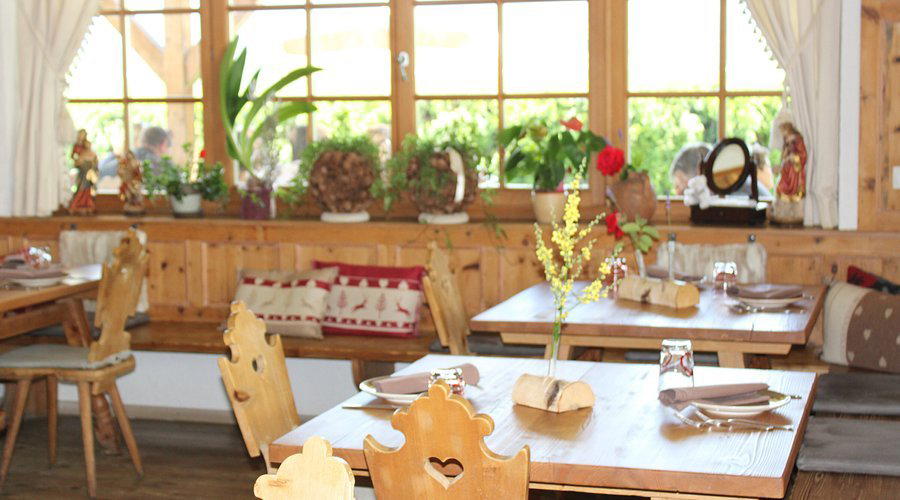
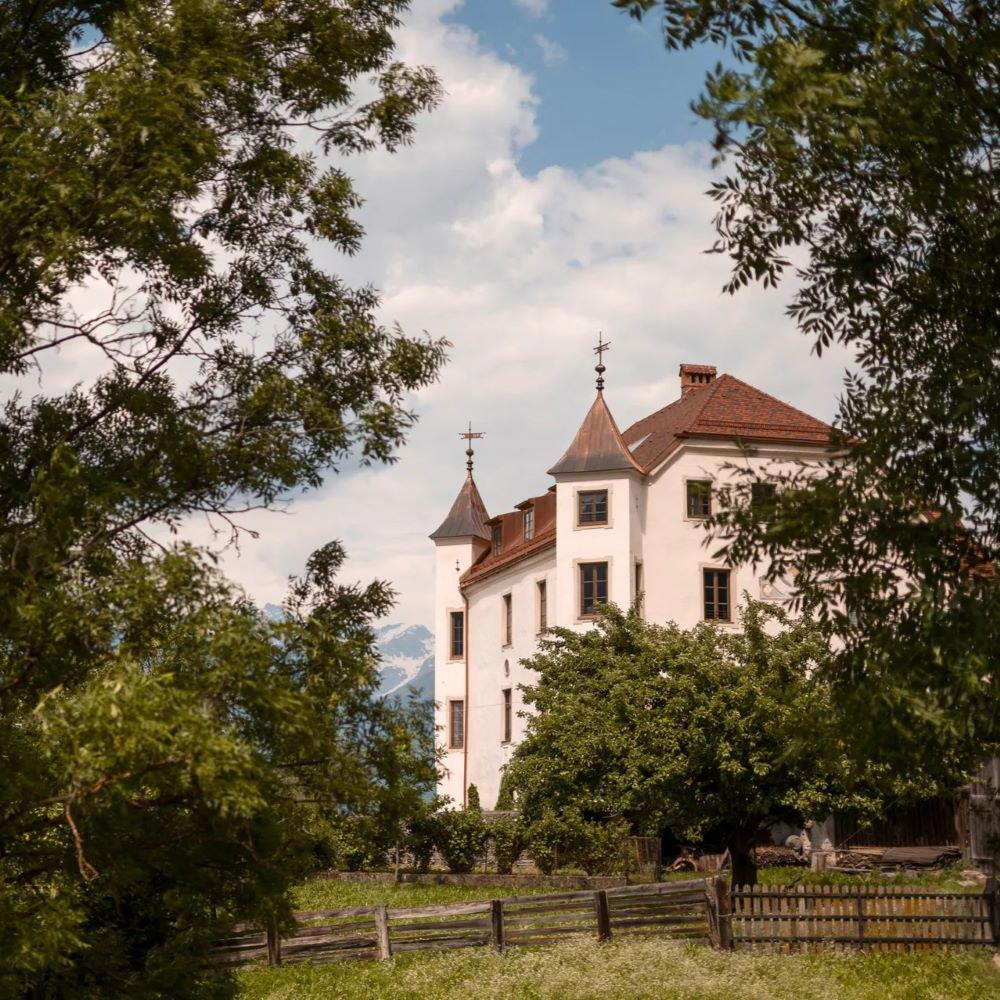
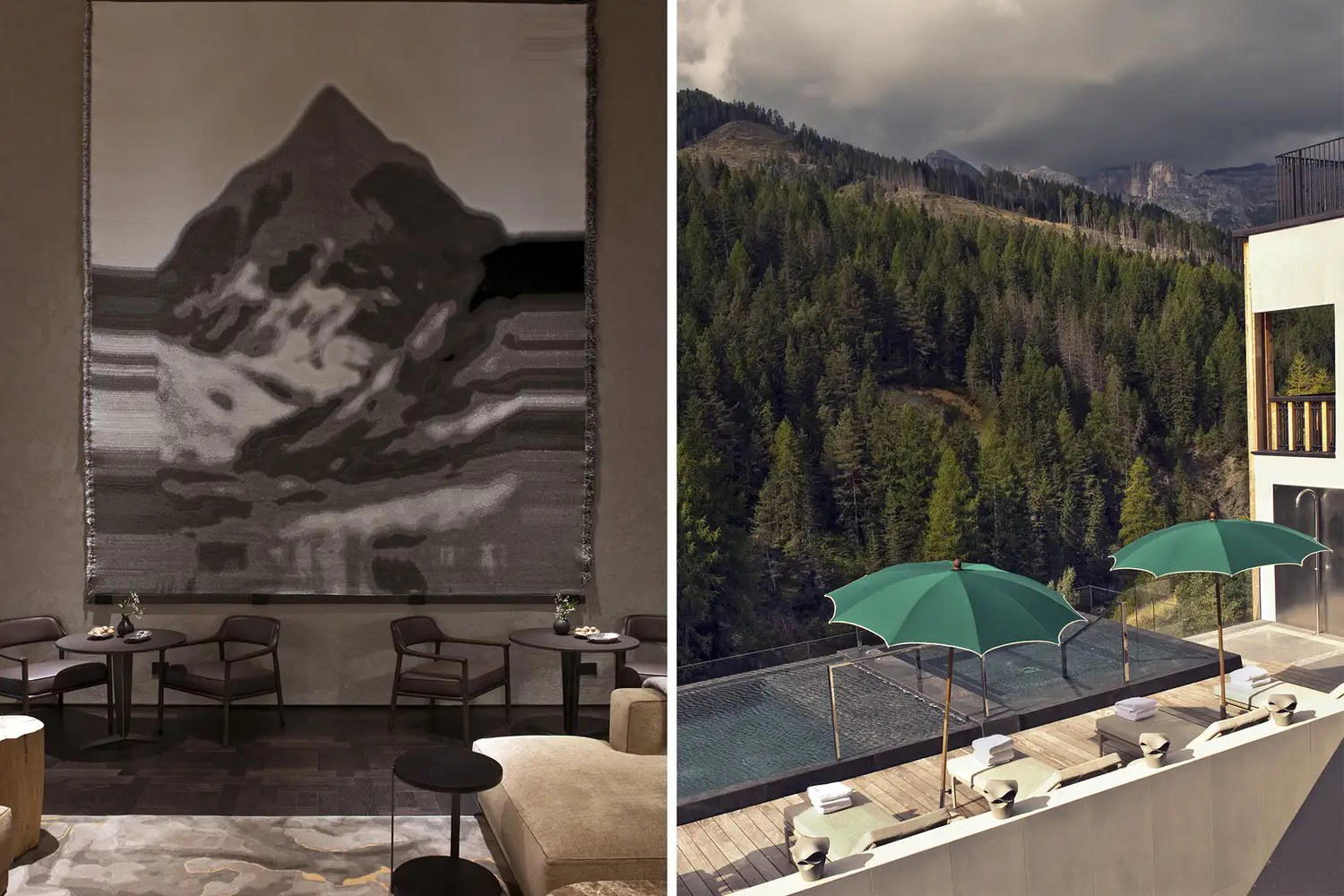
Approach the restaurant along Str. Plan de Corones and what you encounter is a building that makes no attempt at architectural spectacle. The exterior belongs to its village setting, and that continuity with the physical environment is the first signal that this is a place oriented toward community rather than destination dining. The three dining rooms inside carry the same logic: one catches light from windows that frame the village rooftops and the mountain ridgeline beyond; another is a historic Stube, the wood-panelled, low-ceilinged Alpine room type that functions in these valleys less as a design choice than as a material record of local building culture. For summer arrivals, a terrace extends the meal into the open air against the same mountain backdrop.
The Ladin Kitchen and Where Its Ingredients Come From
Ladin cooking at its most grounded is a cuisine of altitude logistics. The valleys around the Dolomites were, for most of their history, accessible to outside supply chains only seasonally, which shaped a pantry built around what could be grown at elevation, preserved across winter, or kept alive in mountain pastures. Cured meats, rye and spelt grains, dairy from cattle grazed on high Alpine pastures, foraged mushrooms and berries, smoked and dried preparations, these are not nostalgic gestures in Ladin cooking; they are functional responses to a particular geography that still define the flavour profile of the table.
At Fana Ladina, the menu operates as daily specials alongside an à la carte format, which in practice means the kitchen responds to what is available at a given moment in the local supply chain rather than locking itself into a fixed programme. This approach mirrors what more decorated Italian addresses like Reale in Castel di Sangro or Piazza Duomo in Alba achieve through elaborate tasting menus, but here the mechanism is simpler and rooted in a tradition where the market, the season, and the mountain pasture dictate the plate rather than a chef's composed narrative. That is not a lesser achievement, it is a different one, and in terms of ingredient authenticity it is arguably more direct.
The 2025 Michelin Plate signals that the guide's inspectors found the cooking honest and the execution consistent. The Michelin Plate sits below star level but above the undifferentiated mass of listed restaurants, it marks kitchens where the cooking has a defined character and the sourcing is taken seriously. Compare the price tier here to the €€€€ positioning of three-starred Italian restaurants like Dal Pescatore in Runate, Enoteca Pinchiorri in Florence, Enrico Bartolini in Milan, or Le Calandre in Rubano, and what Fana Ladina offers becomes clearer: Michelin-recognised regional cooking at a fraction of those costs, in a setting that those restaurants could not replicate even if they wanted to.
Service, Setting, and the Practical Mechanics of a Meal
Service here is delivered by staff in local costume, which is not theatre but a continuation of the same principle that governs the cooking: the Ladin identity of the place is expressed through every layer of the experience, not reserved for the menu alone. The staff in traditional dress and the wood-panelled Stube reinforce each other; neither reads as performative when they coexist with a kitchen that genuinely cooks within that tradition. Owner-chef Alma Willet's presence at the front of house, described in Michelin's own language as a friendly welcome, positions this as a family-run operation where the personality of the place is tied directly to the people running it rather than delegated to a management team.
For anyone planning a meal here, the €€ price point and the village location in San Vigilio di Marebbe position this firmly as a destination for those already in the area, skiers in winter, hikers in the warmer months when the terrace opens, rather than a standalone reason to make a long journey. The combination of daily specials and à la carte gives flexibility for groups with different appetites, and the three-room format means the restaurant can absorb different moods without feeling inappropriately loud or formal. Booking ahead is the sensible approach given the size of the operation; small rooms fill quickly, particularly during peak ski season and the high summer walking season.
For broader planning in the area, our full San Vigilio di Marebbe restaurants guide maps the dining scene beyond this single address. Accommodation options are covered in our full San Vigilio di Marebbe hotels guide, while our full San Vigilio di Marebbe bars guide and our full San Vigilio di Marebbe experiences guide round out the picture for a longer stay. Readers interested in regional wine production should consult our full San Vigilio di Marebbe wineries guide.
For context on how Alpine regional cooking at this level compares across the broader arc of the eastern Alps, Fahr in Künten-Sulz and Gannerhof in Innervillgraten represent comparable regional-cuisine addresses in the Swiss and Austrian Alpine traditions respectively. At the higher end of the Italian peninsula, Casa Perbellini 12 Apostoli in Verona, Uliassi in Senigallia, and Quattro Passi in Marina del Cantone illustrate the range of ambitions within Italian fine dining as a wider field, a range that Fana Ladina sits comfortably apart from, operating on its own terms.
Frequently asked questions
Does Fana Ladina work for a family meal?
It does. The restaurant divides across three small dining rooms, including one with an open view over the village, which gives families the flexibility to find a comfortable setting without the constraints of a single-format room. In summer, there is also an outdoor terrace. The à la carte menu, alongside daily specials, means different appetites at the same table can be accommodated without everyone committing to the same format.
What kind of setting is Fana Ladina?
The restaurant occupies three distinct rooms: a bright space overlooking the village, a historic Stube with a more intimate character, and an outdoor area used for summer service. Staff wear local Ladin costume, which aligns with the broader identity of the cooking rather than functioning as a decorative gesture. The address on Str. Plan de Corones places it within the village of San Vigilio di Marebbe, a small Ladin-speaking community in South Tyrol.
Has Fana Ladina won any awards?
Fana Ladina has received recognition including: The three small dining rooms at this restaurant include a bright and airy room overlooking the village and a historic Stube with a romantic feel. The cuisine here is typically Ladin in flavour, with the option of daily specials and an à la ….
What's the must-try dish at Fana Ladina?
The menu follows a typically Ladin format built around regional South Tyrolean ingredients, with daily specials complementing the à la carte. The daily specials are the most direct reflection of what is seasonal and locally available on any given visit.
A Quick Peer Check
| Venue | Cuisine | Price | Awards | Notes |
|---|---|---|---|---|
| Fana LadinaThis venue (the venue you are viewing) | Traditional Ladin | $30–50 | Michelin Plate | Not listed |
| Atelier Moessmer Norbert Niederkofler | Modern Alpine Fine Dining | $300–500 | 3 Michelin Stars · World's 50 Best #20 | Italian, Creative |
| Dal Pescatore | Classic Italian Fine Dining | $200–300 | 3 Michelin Stars · World's 50 Best #38 | Italian, Italian Contemporary |
| Enoteca Pinchiorri | Contemporary Italian Fine Dining | $200–300 | 3 Michelin Stars · World's 50 Best #32 | Italian - French, Italian Contemporary |
| Enrico Bartolini | Modern Italian Fine Dining | $300–500 | 3 Michelin Stars · World's 50 Best #85 | Creative |
| Osteria Francescana | Avant-Garde Italian Contemporary | $300–500 | 3 Michelin Stars · World's 50 Best #1 | Progressive Italian, Creative |
Recognition history
Dated appearances from independent guides and award organizations, with the underlying list record or original source where available.
Michelin Plate
Michelin
Full recognition history (3 entries)
Michelin Plate
Michelin
Michelin Plate
Michelin
Continue exploring
More in Marebbe
Restaurants in Marebbe
All restaurants in Marebbe →
Bars in Marebbe
Browse all →


Details
- Rustic
- Cozy
- Romantic
- Classic
- Family
- Celebration
- Historic Building
- Garden
- Extensive Wine List
- Local Sourcing
- Street Scene
- Garden
- A La Carte
- Vegetarian Friendly
- Gluten Free Options
Current opening hours
- Monday
- 12–2 PM, 6:30–10 PM
- Tuesday
- 12–2 PM, 6:30–10 PM
- Wednesday
- 12–2 PM, 6:30–10 PM
- Thursday
- 12–2 PM, 6:30–10 PM
- Friday
- 12–2 PM, 6:30–10 PM
- Saturday
- 12–2 PM, 6:30–10 PM
- Sunday
- 12–2 PM, 6:30–10 PM
Hours can change for holidays and private events. Hours as of .
Warm and welcoming atmosphere in small dining rooms including a bright room overlooking the village, a romantic historic Stube, and a charming garden in summer.