
A Michelin Plate-recognised farmhouse in the Val Badia, Maso Runch-Hof serves Ladin home cooking from an 18th-century building surrounded by forest. The single tasting menu moves through spinach-filled cajinci t'ega, pork ribs with polenta, and apple strudel, backed by an all-Alto Adige wine list. Recently expanded with chalets on-site, it sits at the quieter, more rooted end of the Dolomites dining scene.
Pearl is the En Primeur Club membership app — saves, bookings, and concierge access live there. Same editors, same standards.
- Address
- Località Runch, 18, Localita' Runch, 18, 39036 Badia BZ, Italy
- Phone
- +39 0471 839796
- Website
- masorunch.it
- Directions
- Get directions
 Saves & bookings on Pearl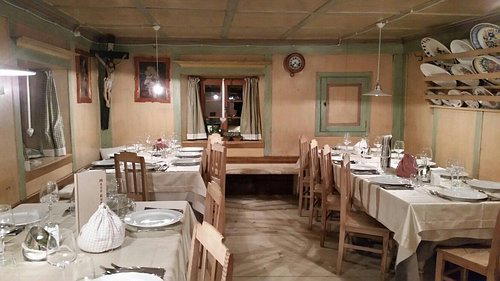
Where the Dolomites Eat at Home
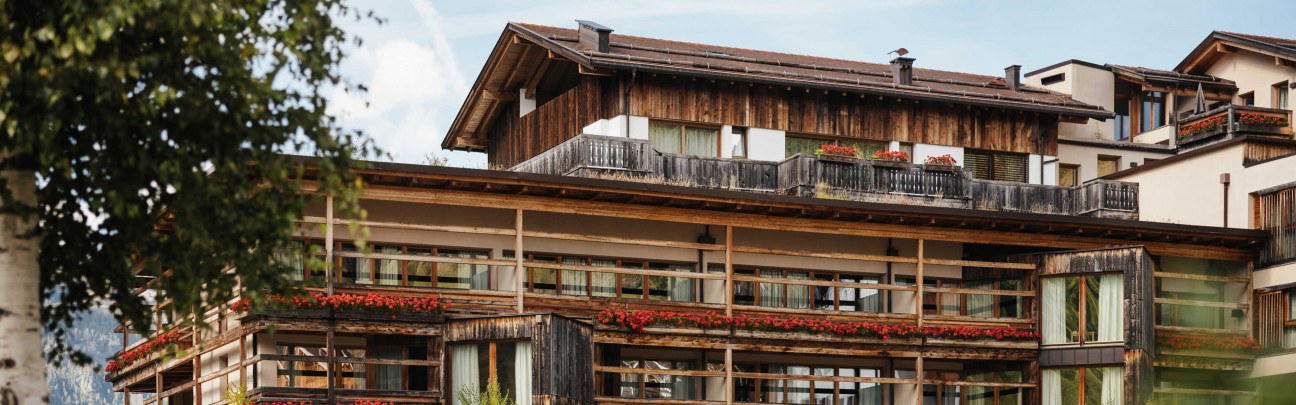
The road to Runch-Hof requires intention. Set in the forested margins of Pedraces, in the heart of the Ladin-speaking Val Badia, the 18th-century farmhouse arrives slowly: timber walls dark with age, a roofline that sits low against the treeline, the kind of building that has absorbed generations of woodsmoke. Before a single dish reaches the table, the physical setting has already made its argument. This is not a restaurant that gestures toward alpine heritage. It is, in direct sense, a continuation of it.
The interior follows the Stube tradition, a form of communal heated room that has been the social and culinary centre of Tyrolean and Ladin farmhouses for centuries. The wood-panelled rooms at Runch-Hof carry that lineage without reconstruction. There is no rustic-chic translation at work here, no reclaimed-timber aesthetic layered over a contemporary kitchen sensibility. The atmosphere is the architecture, and the architecture is genuinely old.
Ladin Cooking and Why the Source Matters
Ladin-speaking communities of the Dolomites occupy a narrow cultural corridor that runs through the Val Badia, Val Gardena, and a handful of neighbouring valleys. Their cuisine reflects a history of altitude, short growing seasons, and self-sufficiency: dishes built around grains, pork, dairy, foraged greens, and preserved ingredients that could carry a household through alpine winters. Understanding where Ladin food comes from explains why it cooks the way it does. Cajinci t'ega, the spinach-filled ravioli on Runch-Hof's tasting menu, are a direct product of that tradition: pasta made with what was grown, filled with what was stored, eaten in the season it was made.
Single tasting menu format reinforces this logic. There is no à la carte selection because the cooking is not conceived that way. The menu moves through a fixed sequence, the same way a farmhouse meal would, from pasta to braised meat to something sweet, following the rhythm of a meal that has always been structured around what is available and what needs to be used. Pork ribs with polenta sit in that tradition: both ingredients were historically produced on-site or sourced from neighbouring smallholdings, and the dish carries the weight of that context even when served in a restaurant setting.
Alto Adige's wine production is among the more geographically concentrated in Italy. The region's vineyards run along steep valley floors and sun-facing slopes in Trentino-Alto Adige, producing Gewürztraminer, Pinot Grigio, Lagrein, and Schiava at altitude under conditions that create intensity without excess weight. Runch-Hof's wine list reflects a deliberate local focus, drawing exclusively from Alto Adige producers rather than ranging across Italian regions. That choice is consistent with the kitchen's sourcing logic: the food comes from here, and so does the wine.
Where Runch-Hof Sits in the Regional Picture
The Alto Adige and Dolomites restaurant scene spans considerable range. At one end, Atelier Moessmer Norbert Niederkofler in Brunico operates at the summit of the fine-dining tier, with a kitchen that applies rigorous technique to alpine and Nordic-inflected ingredients. Further afield across northern Italy, the €€€€ tier includes Dal Pescatore in Runate, Enoteca Pinchiorri in Florence, Enrico Bartolini in Milan, and Osteria Francescana in Modena, restaurants defined by formal ambition and considerable price points. Runch-Hof operates at €€ and makes no claim to compete with that register.
Its comparable set is different: the small category of regional farmhouse restaurants across Alpine Europe where the cooking is genuinely traditional rather than neo-traditional, and where the setting has not been repositioned as a luxury proposition. Comparable operations in nearby German-speaking territories, such as Fahr in Künten-Sulz and Gannerhof in Innervillgraten, occupy similar territory: strong regional identity, modest pricing, and cooking that is rooted in what grows or is raised close by. Within Italian fine dining more broadly, the spectrum from Quattro Passi in Marina del Cantone to Uliassi in Senigallia, Le Calandre in Rubano, Piazza Duomo in Alba, Reale in Castel di Sangro, and Casa Perbellini 12 Apostoli in Verona all sit at higher price points and more technically ambitious formats. Runch-Hof's position within that national picture is not a compromise. It is a distinct category.
Runch-Hof's recognition confirms a baseline standard of quality without placing the restaurant inside the starred tier. The Michelin Plate signals cooking that is good but not built around the kind of refined technique that drives star assessments. At Runch-Hof, that distinction is appropriate. The apple strudel at the end of the meal is not plated as a composed dessert. It is strudel.
The Chalets and What They Add
The recent addition of on-site chalets shifts Runch-Hof from a destination meal into a short-stay proposition. In the Val Badia, this is not an unusual pivot. Several agriturismo-adjacent operations in the Dolomites have moved toward accommodation in recent years, partly because the region draws visitors who want to slow down rather than pass through. Staying at the property means waking inside the same forest setting that frames the evening meal, which changes the relationship to the cooking considerably. A dinner that might feel like an occasion from a distance becomes something closer to daily life when you are sleeping two hundred metres from the kitchen.
The €€ price point means the tasting menu sits at a level that does not require strategic financial planning, which is worth noting given that most comparable Dolomites dining experiences with Michelin recognition operate at significantly higher cost.
- Cajinci t'ega (spinach-filled ravioli)
- Pork ribs with polenta
- Apple strudel
- Tutres and cajinci (fried regional specialties)
- Gulasch with polenta
- Barley soup with smoked pork
In Context: Similar Options
Comparable venues nearby, for context on price, style, and recognition.
| Venue | Cuisine | Price | Awards | Notes |
|---|---|---|---|---|
| Maso Runch-HofThis venue — the venue you are viewing | Traditional Ladin Cuisine | $$ | Michelin Plate | Not listed |
| Stube Ladina | Traditional Ladin Alpine | $$ | Michelin Plate | Arabba |
| Patauner | South Tyrolean Regional Cuisine | $$ | Michelin Plate | Settequerce |
| Bistrot La Perla | Italian Regional Bistro | $$$ | Michelin Plate | Corvara in Badia |
| Osteria alla Chiesa | Modern Italian Tasting Menu | $$$ | Michelin Plate | Monfumo centro |
| Trattoria Pomposa - Al Re gras | Traditional Emilian Trattoria | $$ | Michelin Plate | Piazza della Pomposa |
Recognition history
Dated appearances from independent guides and award organizations, with the underlying list record or original source where available.
Michelin Plate
Michelin
Michelin Plate
Michelin
Michelin Plate
Michelin
Continue exploring
More in Pedraces
Restaurants in Pedraces
Browse all →
Bars in Pedraces
Browse all →
Hotels in Pedraces
Browse all →

At a Glance
- Rustic
- Cozy
- Classic
- Scenic
- Family
- Group Dining
- Special Occasion
- Celebration
- Historic Building
- Panoramic View
- Garden
- Standalone
- Farm To Table
- Local Sourcing
- Mountain
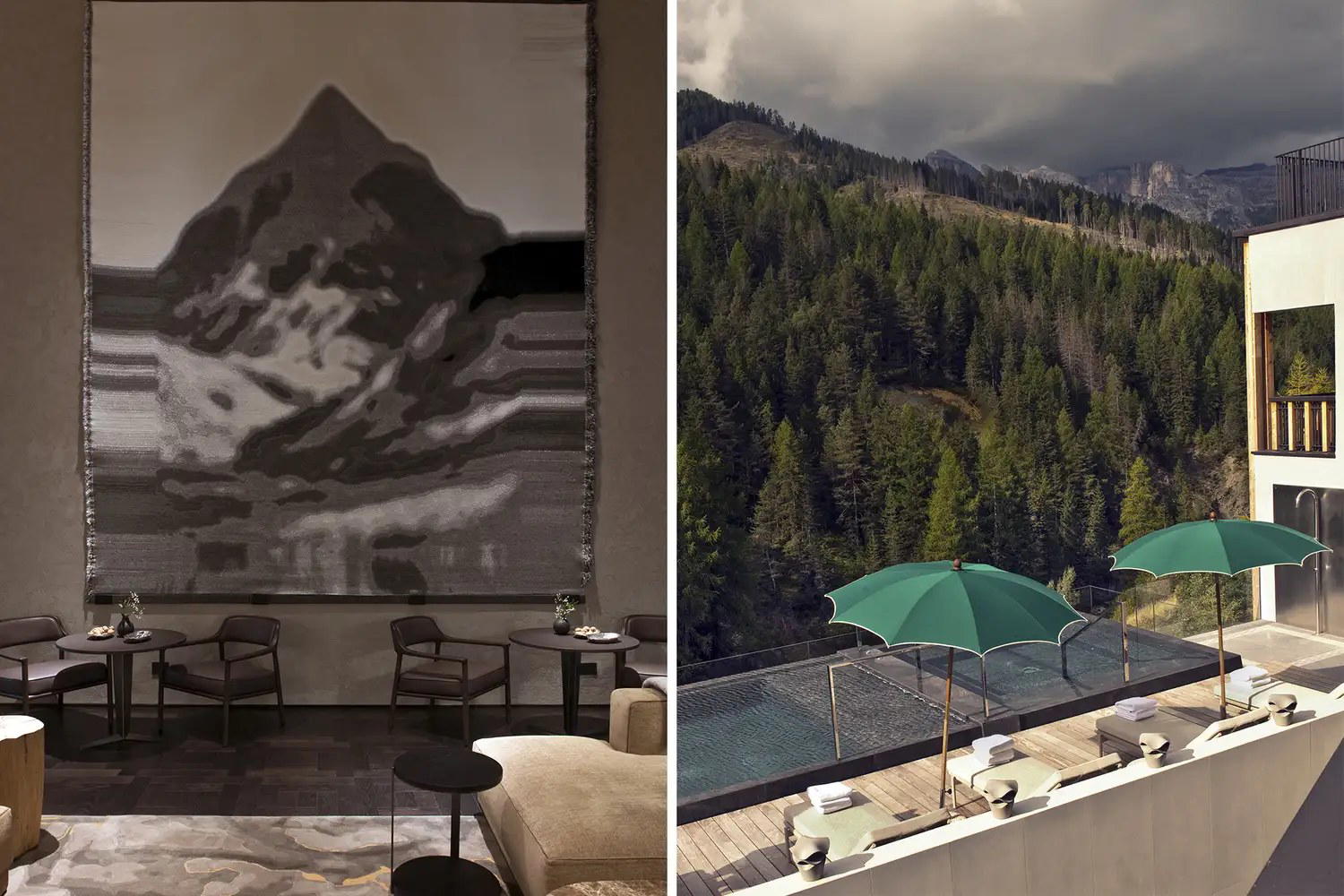
Warm, rustic wood-adorned Stube-style rooms with traditional South Tyrolean character, evoking a journey back in time surrounded by woods and mountain views.