
Falconera holds a Michelin star for the second consecutive year in 2025, placing it among Germany's recognised addresses for classic French cooking. Located in the small lakeside town of Öhningen on the Swiss-German border, the restaurant draws on the produce-rich surroundings of the Bodensee region and the culinary tradition of haute cuisine Française to deliver a serious tasting experience well outside any major urban centre.
Pearl is the En Primeur Club membership app — saves, bookings, and concierge access live there. Same editors, same standards.
- Address
- Zum Mühlental 1, 78337 Öhningen, Germany
- Phone
- +49 7735 2340
- Website
- falconera.de
- Directions
- Get directions
 Saves & bookings on Pearl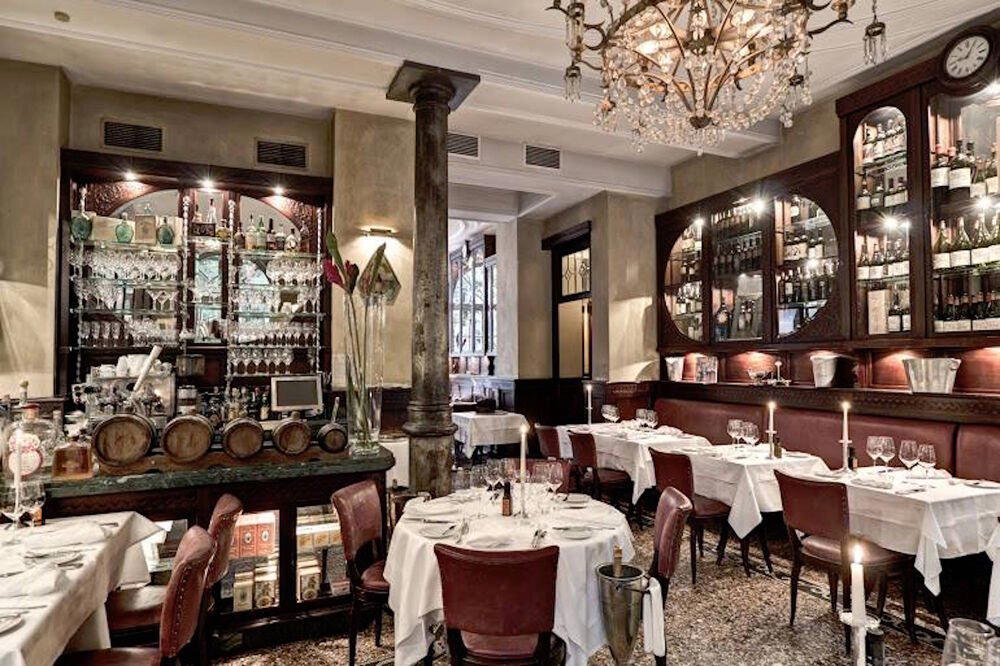
Where Lake Country Meets the French Kitchen
The road into Öhningen follows the western edge of Lake Constance through vine-terraced slopes and orchards that change character with every kilometre. It is agricultural country in specific sense: the Bodensee basin sits at a latitude where soft stone fruit, cold-water fish, and cool-climate vegetables reach a quality rarely matched by regions further north. When a kitchen is serious about provenance, a location like this is not incidental. It is the argument.
Falconera occupies an address at Zum Mühlental 1, set within this terrain rather than apart from it. Classic French cooking, as a discipline, demands quality at the ingredient level before technique can say anything. That the kitchen here operates in the style of grande cuisine Française while surrounded by the produce network of one of Germany's most food-productive lake regions is the defining context for understanding what the restaurant does and why it has sustained Michelin recognition across two consecutive years, including a star in 2024 and 2025.
Classic French Cooking and the Question of Place
The phrase "classic French" carries specific obligations. It implies a culinary vocabulary built on stocks, sauces, and the kind of process-driven patience that has defined the haute cuisine tradition since the nineteenth century. Across Germany, the French classical tradition has taken root in a handful of address types: the grand hotel dining room, the converted country house, and occasionally the ambitious provincial address that earns its credentials on technique alone. Schwarzwaldstube in Baiersbronn and Waldhotel Sonnora in Dreis represent the older tier of this tradition in Germany, both carrying three Michelin stars built over decades in rural settings. Falconera operates at the one-star level within the same geographic logic: serious technique, low-density population, and a kitchen that competes on product rather than footfall.
At the international end of the classic French register, addresses like Waterside Inn in Bray and Cheval Blanc by Peter Knogl in Basel define what stronger examples from the category looks like when applied to a river or city setting. Falconera's point of difference is the Bodensee region itself: an ingredient environment that the French classical vocabulary is well-suited to expressing.
The Bodensee as a Sourcing Region
Germany's fine-dining geography has largely concentrated its starred addresses in urban centres and wine-producing valleys. The Lake Constance basin occupies a different position: it is first a food region, not a restaurant destination. Felchen, the delicate whitefish native to the lake, is among the more precise cold-water fish available in central Europe. Stone fruit from the German shore, early asparagus from the Hegau plateau, and dairy from the surrounding lowlands represent a sourcing environment that would be difficult to replicate within a city supply chain.
This is the editorial angle that matters most at Falconera. Classic French technique applied to ingredients of this calibre produces a different outcome than the same technique applied to imported product. Chef Johannes Wuhrer operates in a tradition that has always understood proximity to source as a non-negotiable quality variable. The Bodensee setting is not atmosphere; it is supply chain.
For those comparing Falconera to other German one-star addresses in regional settings, the reference points shift depending on what you are measuring. ES:SENZ in Grassau operates in a similarly alpine-adjacent region on the other side of Bavaria, where mountain produce defines the kitchen's identity. Schanz in Piesport draws on Moselle valley produce and river fish in a comparable logic. What these addresses share is a commitment to regional sourcing as the foundation for fine-dining credibility, rather than as an afterthought.
Awards, comparable set, and Where Falconera Sits
Falconera's Michelin star in 2024 and 2025 places it in a clear position within Germany's recognition hierarchy. The Michelin Guide's one-star designation signals high-quality cooking worth a detour; two consecutive confirmations indicate that the kitchen has maintained its standard across review cycles rather than benefiting from a single strong year. This consistency matters more than the number.
Germany's starred restaurant count runs into the hundreds, but the distribution is uneven. Major cities like Munich, Berlin, and Hamburg carry a disproportionate share of the total. Outside those centres, recognised addresses like Bagatelle in Trier or JAN in Munich serve different catchment logics. Falconera's Öhningen location places it in the smallest catchment of all: a town of a few thousand residents on a lake border, drawing guests who have specifically sought it out. That kind of destination dining imposes a discipline on the kitchen that city restaurants rarely face. There is no passing trade to fall back on.
Within the classic French category specifically, the peer comparison spans borders. The nearby Swiss city of Basel and the Rhine corridor have historically supported French-trained kitchens, and the cross-border dining public in this corner of Europe is accustomed to crossing into Germany, Switzerland, or France for a single meal. Falconera operates in that transnational dining geography, competing as much with Swiss and Alsatian addresses as with German ones.
Öhningen as a Dining Destination
Small-town fine dining in Germany follows a pattern that French restaurant culture established long before the Michelin Guide codified it: the table worth a journey that happens to be in a village. Öhningen is not a culinary capital in any conventional sense, but the presence of a sustained Michelin-starred address gives it a position on the fine-dining map that its size would not otherwise suggest. For visitors combining the restaurant with the Bodensee region more broadly, the lake itself offers substantial reasons to spend more than an evening. Cycling, wine touring on the German and Swiss shores, and the historic town of Konstanz are all within reasonable range.
For practical orientation: Öhningen sits on the German side of Lake Constance, closest to the Swiss border town of Stein am Rhein, and is accessible from Konstanz by car in under forty minutes. The price range at Falconera sits at the €€€ tier, positioning it below the four-bracket pricing of Germany's two- and three-star addresses while remaining firmly in the special-occasion category for most diners. Reservations at a one-star address in a rural setting typically require advance planning, particularly for weekend services when demand from the wider Bodensee region and neighbouring Switzerland concentrates.
Those with a broader Germany fine-dining agenda might pair Falconera with visits to other classic French-leaning addresses across the country. Vendôme in Bergisch Gladbach, Victor's Fine Dining by Christian Bau in Perl, and Restaurant Haerlin in Hamburg each represent different regional expressions of the French-influenced fine dining tradition within Germany. For the broader creative end of the spectrum, Aqua in Wolfsburg and CODA Dessert Dining in Berlin demonstrate how far German fine dining has moved from its classical French foundations in urban contexts.
Quick Comparison
Comparable venues nearby, for context on price, style, and recognition.
| Venue | Cuisine | Price | Awards | Notes |
|---|---|---|---|---|
| FalconeraThis venue — the venue you are viewing | Classic Seasonal European Fine Dining | $$$$ | Michelin 1 Star | Not listed |
| Cédric | Modern Regional German Fine Dining | $$$$ | Michelin 1 Star | Weinstadt |
| 5 | Modern Fusion Fine Dining | $$$$ | Michelin 1 Star | Gablenberg |
| Colombi Restaurant Zirbelstube | Classic French Fine Dining | $$$$ | Michelin 1 Star | City Center |
| Hegel Eins | Modern Fusion Fine Dining | $$$$ | Michelin 1 Star | Gablenberg |
| Silberdistel | Modern Alpine Fine Dining | $$$$ | Michelin 1 Star | Ofterschwang |
Recognition history
Dated appearances from independent guides and award organizations, with the underlying list record or original source where available.
Michelin 1 Star
Michelin
Michelin 1 Star
Michelin
Michelin 1 Star
Michelin
Continue exploring
More in Öhningen
Restaurants in Öhningen
Browse all →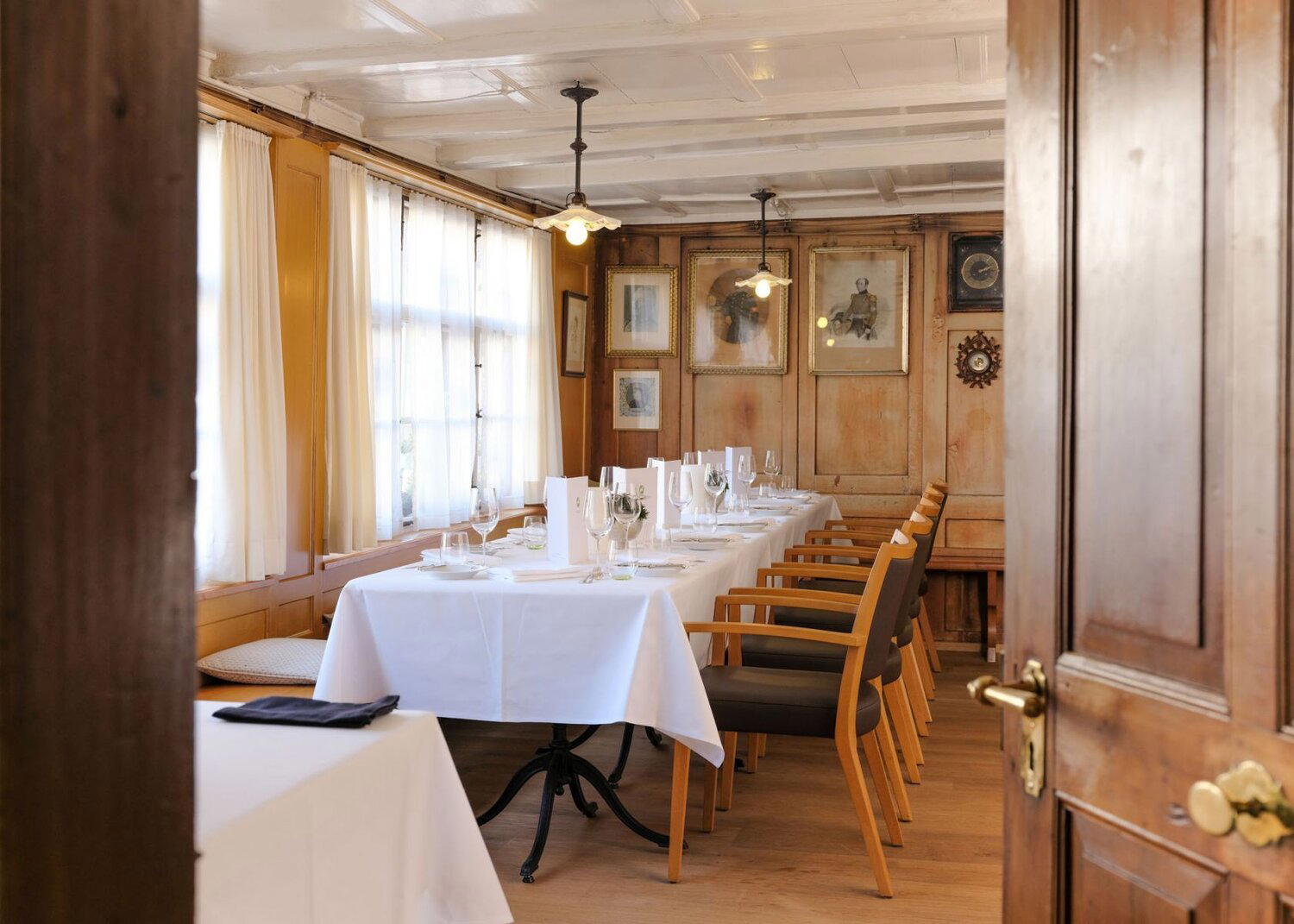
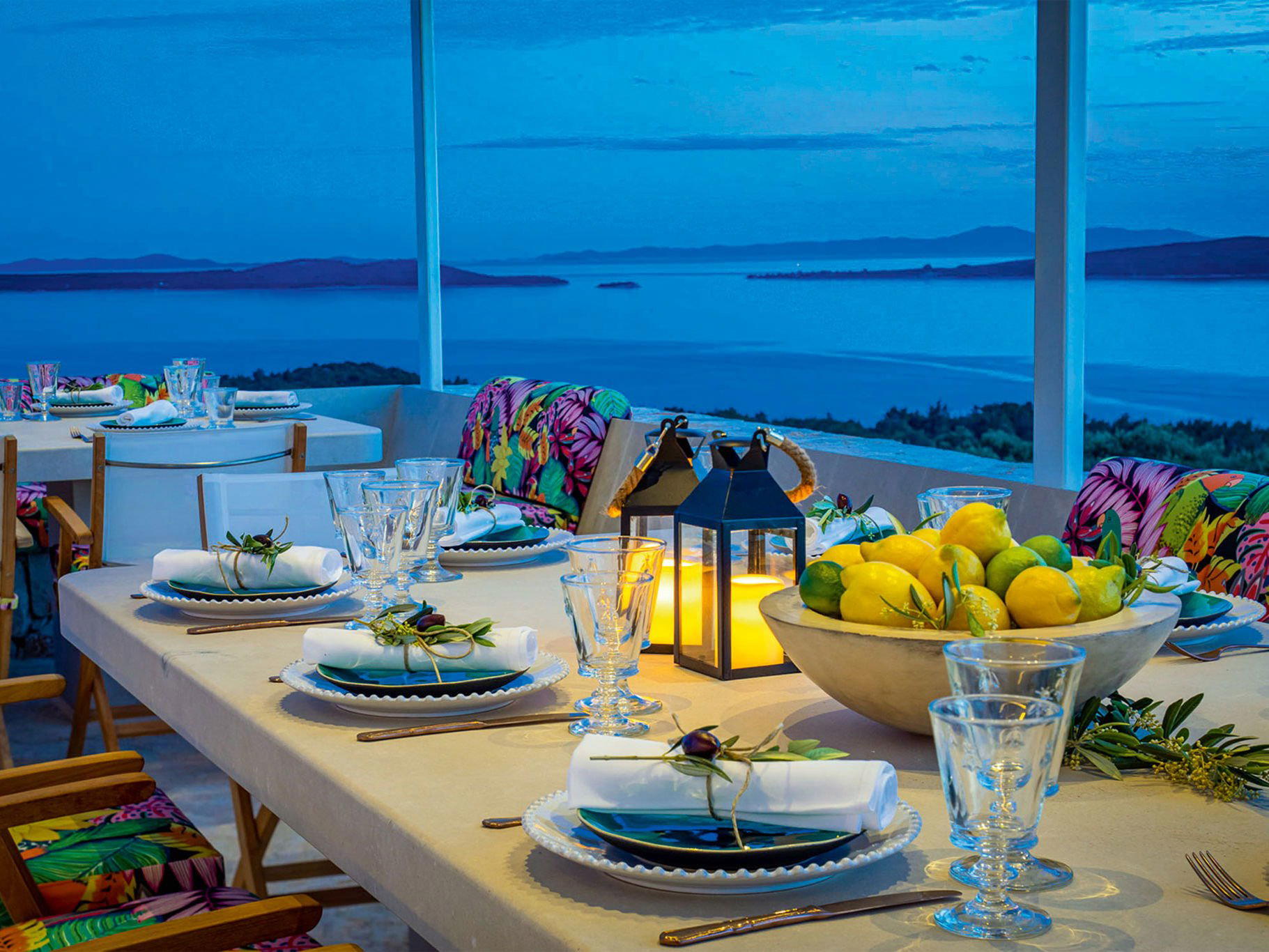
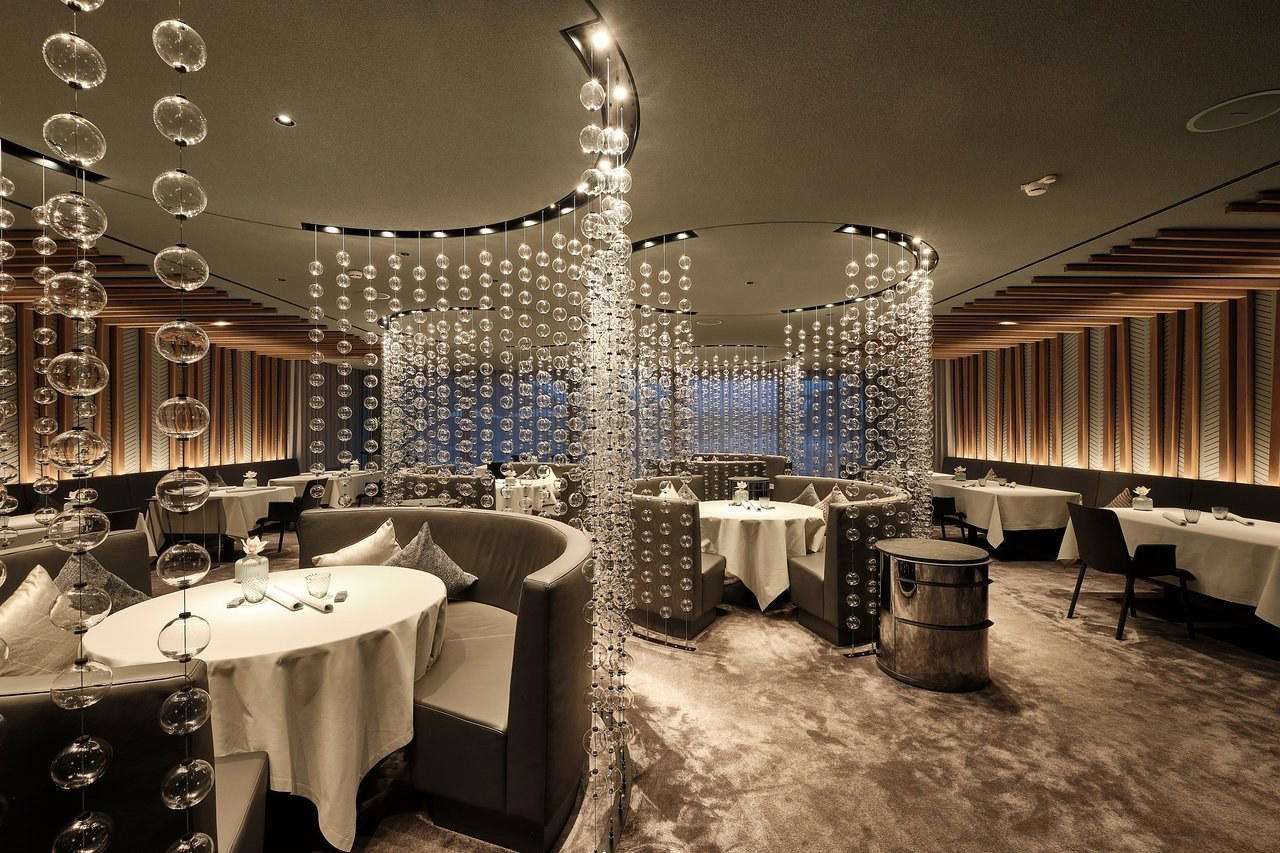
Bars in Öhningen
Browse all →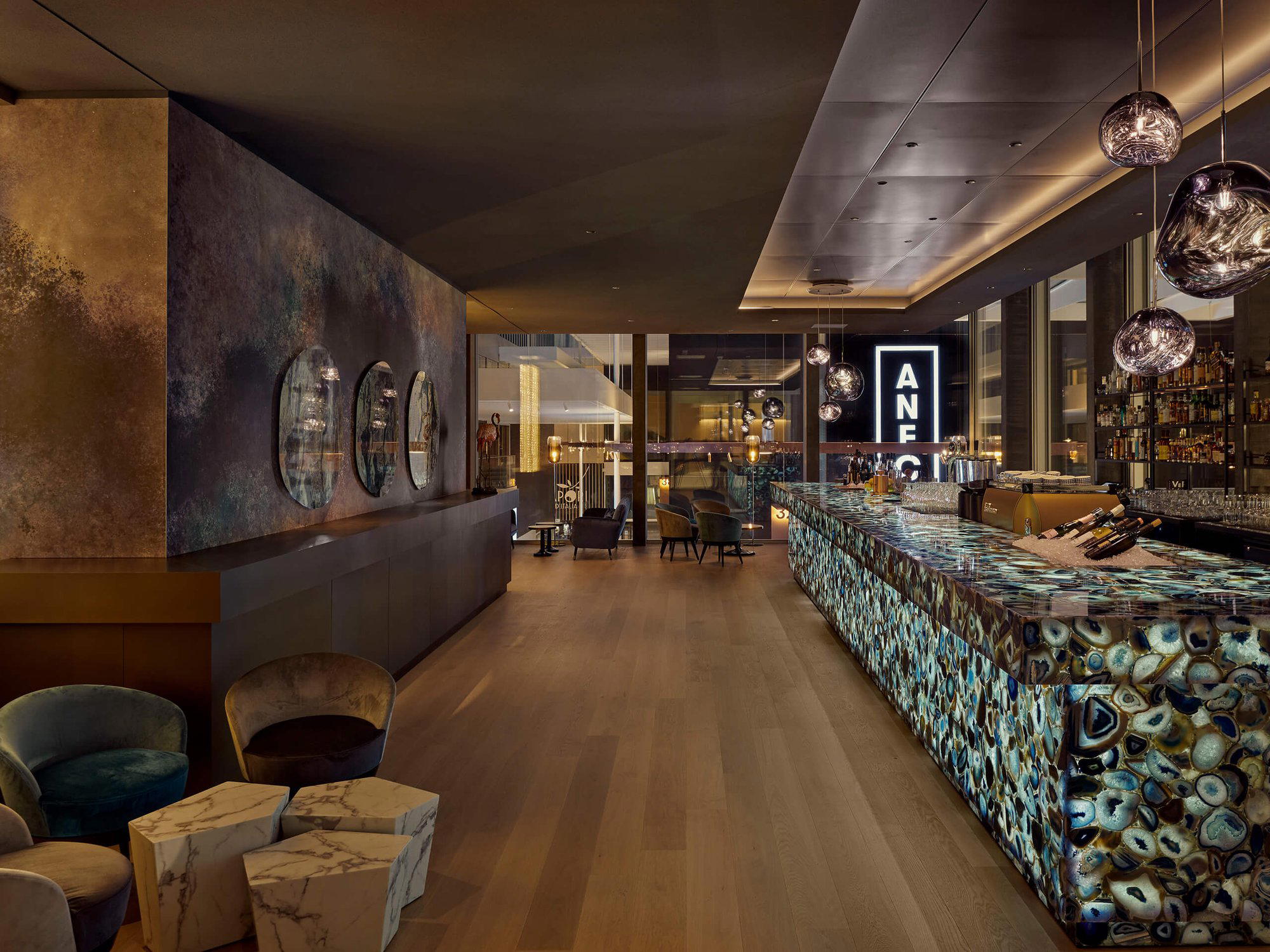
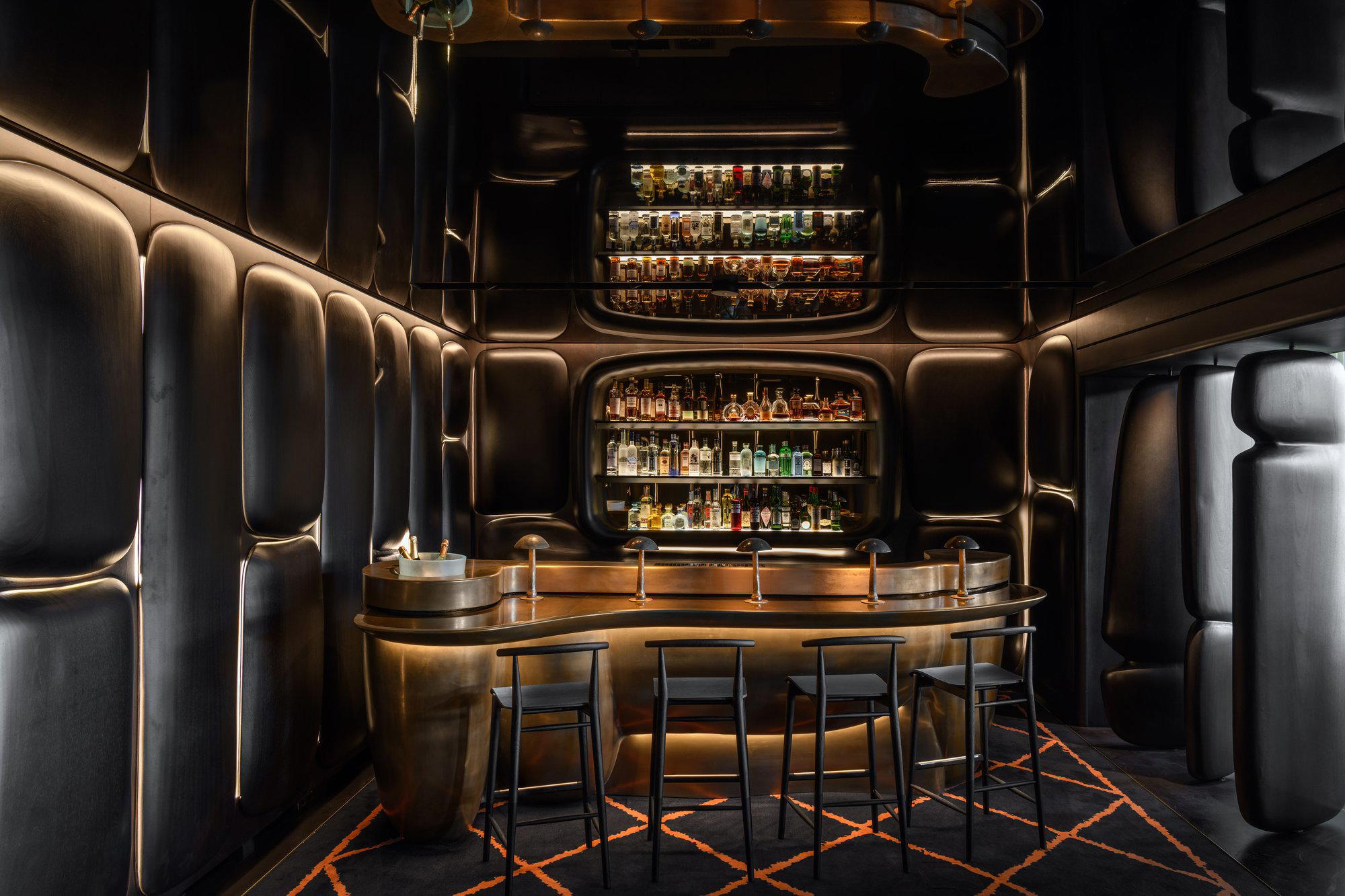
Hotels in Öhningen
Browse all →
Wineries in Öhningen
Browse all →
At a Glance
- Elegant
- Rustic
- Cozy
- Scenic
- Special Occasion
- Date Night
- Historic Building
- Extensive Wine List
- Local Sourcing
Current opening hours
- Monday
- Closed
- Tuesday
- Closed
- Wednesday
- 6–11 PM
- Thursday
- 6–11 PM
- Friday
- 12–3 PM, 6–11 PM
- Saturday
- 12–3 PM, 6–11 PM
- Sunday
- Closed
Hours can change for holidays and private events. Last verified .
Elegant rustic decor blending tasteful sophistication with cozy timber-framed charm, warm hospitality, and a serene hillside setting near Lake Constance.