Our verdict
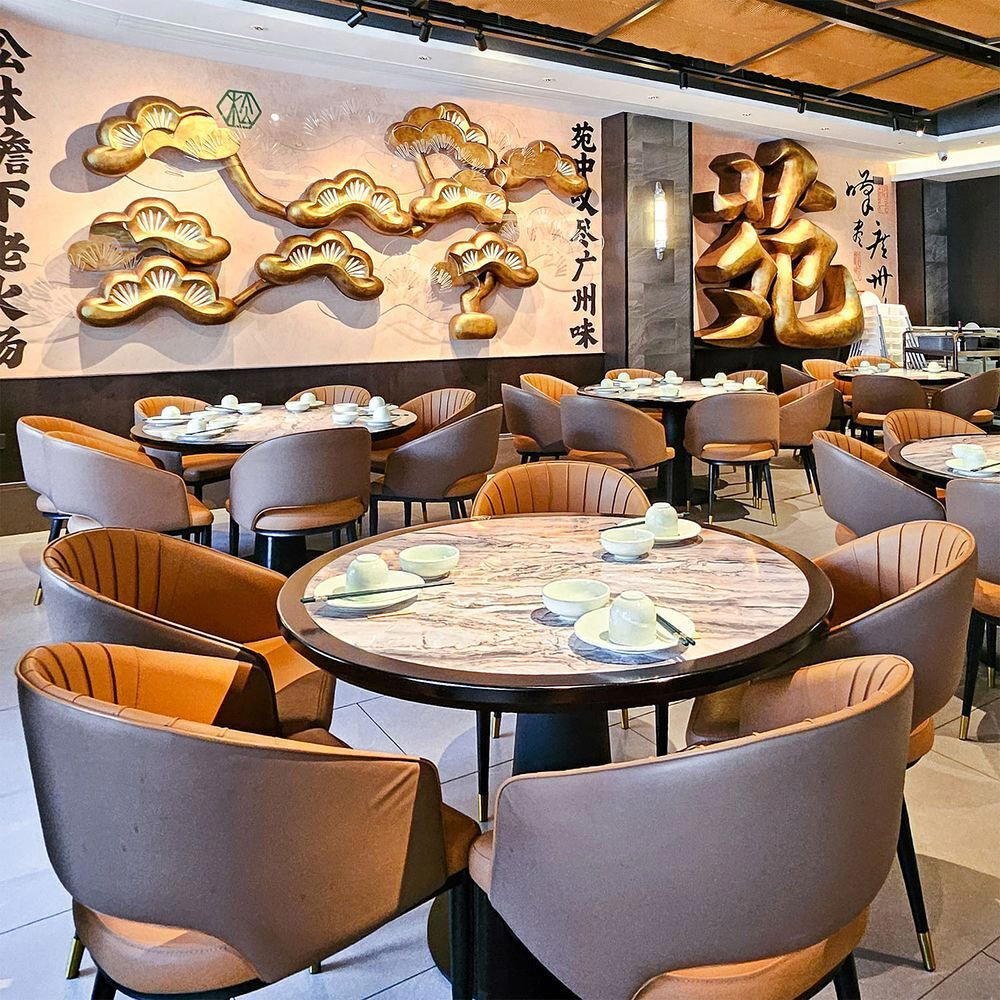
御宝轩 occupies the fifth floor of Tianhui Guangchang IGC in Tianhe, positioning itself within Guangzhou's mid-to-premium Cantonese dining tier. Part of the Imperial Treasure group with a track record across Greater China, it draws diners seeking refined Cantonese cooking in a shopping-centre format that prioritises service consistency over destination theatre.

Pearl is the En Primeur Club membership app, where members save venues, book tables and use the concierge.
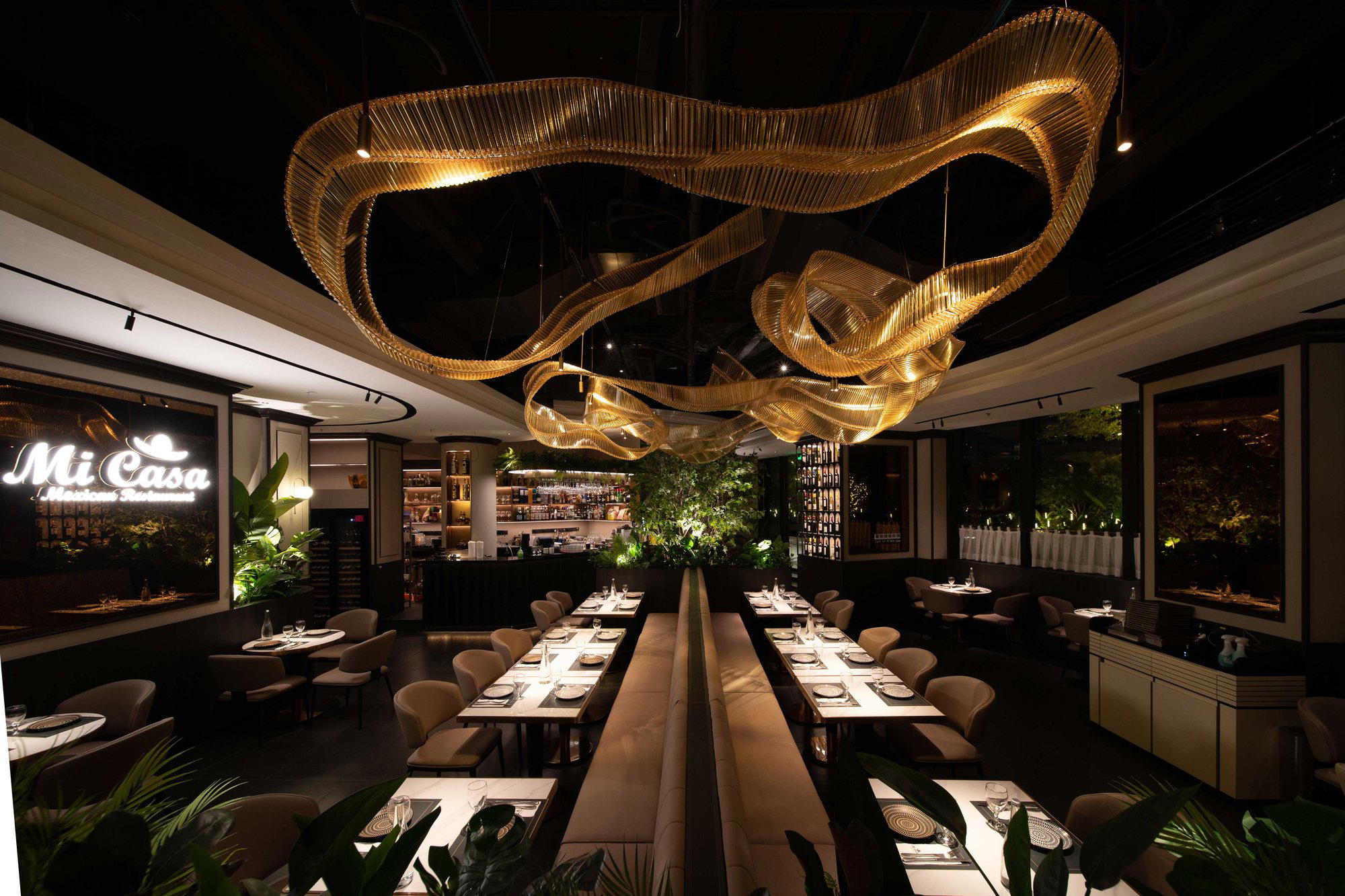
Cantonese Fine Dining Inside the Mall Format: What IGC's Fifth Floor Reveals
Guangzhou has always made it difficult to separate serious cooking from its setting. The city's most respected Cantonese tables range from heritage teahouses in colonial-era neighbourhoods to high-floor hotel rooms with Pearl River views. What has shifted in the last decade is the credibility of the mall-integrated format. At Tianhui Guangchang IGC in Tianhe, the fifth floor hosts a concentration of premium dining that would have seemed implausible in that context twenty years ago. Imperial Treasure Fine Chinese Cuisine, the group behind 御宝轩, has built its reputation across this exact format in multiple cities, treating the mall position as a logistical advantage rather than a compromise. The controlled environment, reliable air conditioning, and validated parking have become legitimate amenities for a business-lunch and family-celebration clientele in South China's humid climate.
The Imperial Treasure Framework in a Guangzhou Context
To read 御宝轩 accurately, it helps to understand where the Imperial Treasure group sits within Greater China's Cantonese dining hierarchy. The group has established restaurants in Shanghai, Beijing, and across Southeast Asia, consistently occupying the mid-to-premium tier: formal enough to serve banquet occasions, consistent enough for regular corporate use, and trained in the classical Cantonese canon rather than the experimental edge. In Guangzhou itself, that positioning places 御宝轩 in a competitive set that includes Jiang by Chef Fei and BingSheng Mansion (Xiancun Road), though each addresses a slightly different demand. BingSheng leans toward heritage Cantonese roasting traditions; Jiang by Chef Fei carries stronger chef-name prestige. Imperial Treasure operates on the group-consistency model, where the promise is replicable quality across occasions rather than a singular signature.
For comparison across other Chinese cities, the group model shows up in how restaurants like Xin Rong Ji (Xinyuan South Road) in Beijing or Xin Rong Ji in Chengdu have built loyal followings through service-system discipline rather than individual chef charisma. That model travels. It also means the front-of-house function carries unusual weight.
Service Architecture: Where the Team Dynamic Matters Most
In a restaurant operating without a single named chef as its public-facing identity, the collaboration between kitchen, floor management, and the individuals guiding wine or tea selection becomes the primary differentiator. At 御宝轩, as with other Imperial Treasure properties, the service structure is notably formalised. Floor staff are trained to handle the full arc of a Cantonese banquet occasion: reading the table's pace, managing the timing of dim sum carts alongside a-la-carte ordering, and fielding the particular demands of guests who know Cantonese cooking well enough to have specific requests. This is not incidental. In a city where diners at this price tier grew up eating Cantonese food at home and in neighbourhood restaurants, the front-of-house cannot rely on novelty or exoticism. The kitchen and floor must perform against an informed audience.
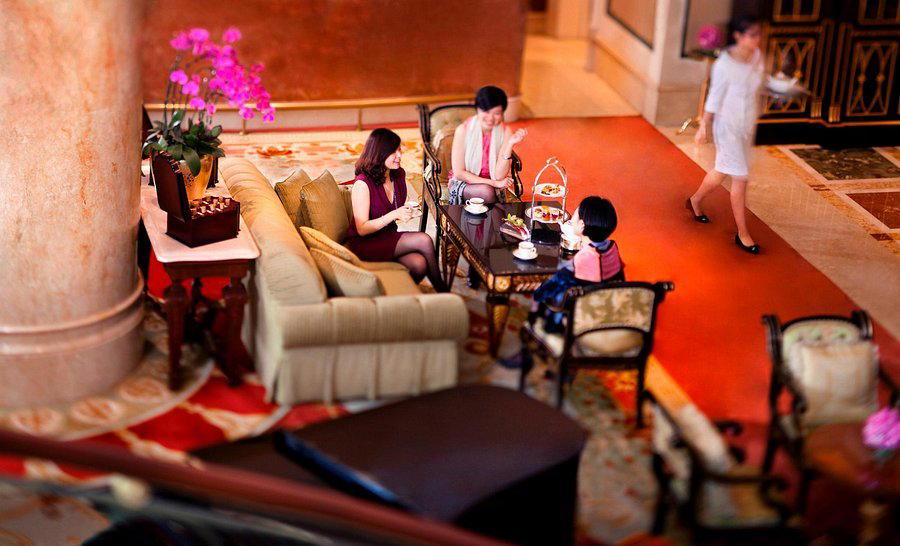
The tea and beverage coordination matters at this level. Cantonese fine dining has a distinct relationship with Chinese tea service that differs from the perfunctory tea-pouring in casual yum cha settings. When the team operating that function is well-briefed, it extends the dining experience in ways that parallel what a strong sommelier does in European fine dining. Comparable dynamics are visible in how Chef Tam's Seasons in Macau has built its reputation partly on the coherence between kitchen ambition and floor execution, or how Dai Yuet Heen in Nanjing extends Cantonese hospitality conventions into a non-Cantonese market. At 御宝轩, the audience is native, which raises the bar considerably.
Where 御宝轩 Sits in the Tianhe Dining Scene
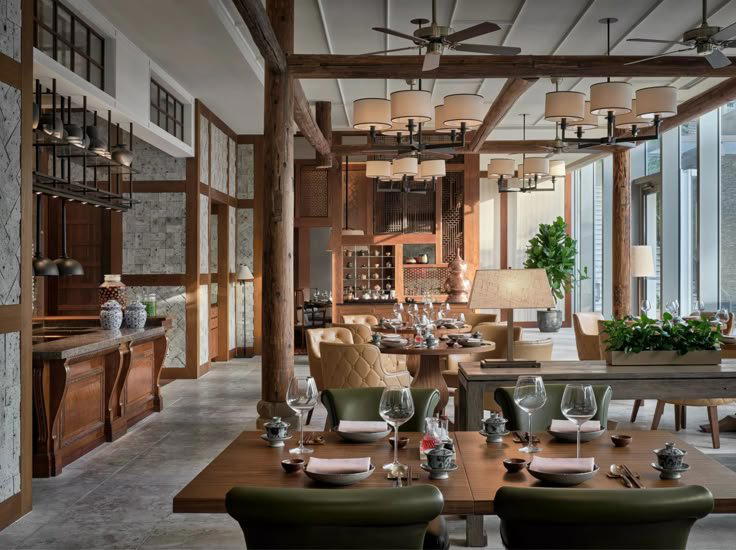
Tianhe is Guangzhou's commercial and financial centre, and its dining options reflect the demands of a district built around corporate towers and high-traffic retail. The IGC mall's upper floors have become a reliable circuit for business entertaining, where accessibility and privacy from the street-level crowds are both valued. Restaurants operating at the ¥¥¥ tier here, as 御宝轩 does, consistent with Imperial Treasure's pricing across properties, are competing for the same midday and evening corporate occasion spend as hotel dining rooms, without the hotel room-rate premium attached to the address.
Guangzhou's broader dining conversation for 2024 and 2025 has continued to orbit around the question of where Cantonese cooking sits relative to regional innovation. Chōwa represents the innovative end of that spectrum within the city, while Hongtu Hall holds the dim sum tradition at a more accessible price point. 御宝轩 occupies a distinct position: classical technique, premium format, group-backed consistency. For diners coming from other cities in China or from abroad, that combination functions as a lower-variance choice in a market where variance can be high. It also offers a reference point for comparing how the same group performs across geographies: 102 House in Shanghai, Ru Yuan in Hangzhou, and Fleurs Et Festin in Xiamen each represent the premium-tier dining question answered differently in their respective cities.
For context beyond China, the team-coherence model that defines Imperial Treasure properties shares structural logic with how Le Bernardin in New York City and Atomix in New York City have built reputations on floor-kitchen integration as much as on any single menu element. The scale and cuisine are different; the operating principle is not. See our full Guangzhou restaurants guide for broader context on how the city's dining tiers map against each other.
Planning a Visit: Location, Access, and Occasion Fit
御宝轩 is located at L514B on the fifth floor of Tianhui Guangchang IGC, at 222 Changxin Road, Tianhe, Guangzhou. The mall sits in one of Tianhe's most accessible corridors, reachable by metro and with validated parking for those arriving by car. For groups planning banquet occasions or multi-table corporate lunches, the IGC location offers a practical advantage over street-level restaurants in dense neighbourhoods: predictable ingress, climate control, and the infrastructure for larger party management that older restaurant buildings in Guangzhou sometimes lack. Booking in advance is advisable for weekend dim sum sessions and evening banquet slots, where demand at the ¥¥¥ tier consistently outpaces availability at comparable Cantonese tables nearby.
For those building a Guangzhou itinerary around Cantonese dining specifically, 御宝轩 functions as a reliable anchor for one occasion within a broader sequence that might also include Dingshan·Jiangyan (Xiangcheng) in Suzhou or Shang Palace in Yangzhou for travellers moving through the Yangtze Delta before or after their Pearl River Delta visit. Jiangnan Wok‧Rong in Fuzhou offers a useful comparison point for how southern Chinese cooking diverges from the Cantonese centre when you move up the coast.
Frequently asked questions
Where is 御å®è½© in Guangzhou?
御å®è½© is located at China, CN 广ä¸ç 广å·å¸ å¤©æ²³åº å ´æ°è·¯ 222 222å·å¤©æ±å¹¿åºIGCååºL5å±L514B é®æ¿ç¼ç , Guangzhou.
What do people recommend at 御宝轩?
御宝轩 operates within the Imperial Treasure group's classical Cantonese framework, so the menu centres on the categories that define serious Cantonese cooking: roasted meats, steamed dim sum, wok-fired seafood, and slow-braised clay pot preparations. Given the ¥¥¥ pricing tier at the IGC Tianhe location, the expectation is kitchen-consistent execution across those core dishes rather than a rotating chef-driven tasting format. Regulars at this price point in Guangzhou typically anchor their order around the roast and dim sum selections, which represent the group's strongest institutional reputation.
Do they take walk-ins at 御å®è½©?
Reservations are recommended for 御å®è½© in Guangzhou. Confirm current policy via the venue's official channels.
Do they take walk-ins at 御宝轩?
At the ¥¥¥ tier in Guangzhou's Tianhe district, walk-in availability at 御宝轩 depends heavily on the day and time. Weekend dim sum and Friday evening banquet slots at IGC Tianhe fill quickly given the surrounding corporate and retail footfall at 222 Changxin Road. Weekday lunches outside peak hours offer a more realistic window for unbooked guests, though calling ahead is advisable for groups of four or more.
Budget and Context
Comparable options at a glance, pulled from our tracked venues.
| Venue | Cuisine | Price | Awards | Notes |
|---|---|---|---|---|
| 御å®è½©This venue (the venue you are viewing) | Homey Casual Eatery | Not listed | Not listed | Not listed |
| Imperial Treasure Fine Chinese Cuisine | Fine Teochew Cuisine | Not listed | 1 Michelin Star · La Liste Top Restaurants | Cantonese |
| Chōwa | Franco-Japanese Fusion | $150–200 | 1 Michelin Star · The Best Chef Two Knives | Innovative |
| Imperial Treasure Fine Teochew Cuisine | Fine Teochew Cuisine | Not listed | 1 Michelin Star · La Liste Top Restaurants | Chao Zhou |
| Song | Modern Sichuan Cuisine | $150–200 | 1 Michelin Star · SCMP 100 Top Tables Restaurants | Sichuan |
| Rêver | Modern French Fine Dining with Cantonese Influences | Not listed | 1 Michelin Star · The Best Chef One Knife | French Contemporary |
Continue exploring
More in Guangzhou
Restaurants in Guangzhou
All restaurants in Guangzhou →
Bars in Guangzhou
All bars in Guangzhou →
Details
- Cozy
- Casual Hangout
- Family
- A La Carte
Casual and welcoming neighborhood restaurant atmosphere