

2 Michelin Stars · SCMP 100 Top Tables Restaurants
Our verdict
Taian Table brings Guangzhou’s produce-led dining conversation into a hotel setting in Yuexiu, with formal award recognition and a format that reads against the city’s Cantonese banquet rooms as much as against contemporary tasting-menu counters. The appeal is not a single named dish, but the way sourcing, seasonality, and technique can reframe a city better known for market freshness and old-school dining rituals.

Pearl is the En Primeur Club membership app, where members save venues, book tables and use the concierge.
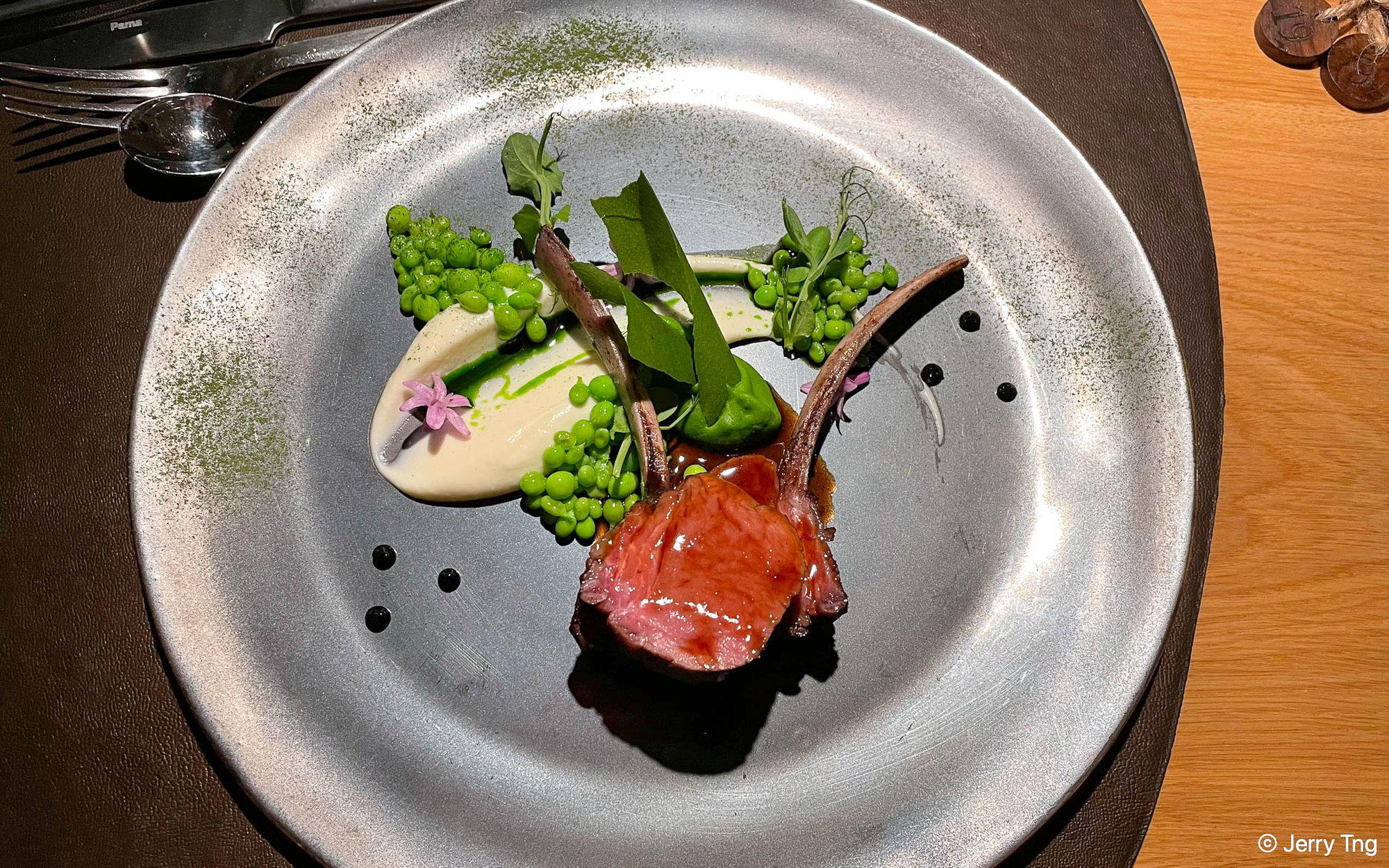
The menu
What to order
- Foie Gras ‘Cake’ with truffle and apple-kumquat chutney
- Raw Marinated Hokkaido Scallop with finger lime and trout roe
- Sea Urchin on sourdough with brown butter
- Grilled Turbot with sauerkraut and caviar
- Agnolotti with artichokes and black truffle
Entering a contemporary dining room in Guangzhou changes the register before the first plate arrives. The city’s eating culture is often read through tiled Cantonese rooms, morning tea, seafood tanks, and banquet pacing; a modern table in Guangzhou asks another question: how does a produce-aware format speak where freshness has never been a novelty?
That frames Taian Table. Guangzhou does not need another restaurant proving ingredients matter; its markets, river-delta supply chains, and kitchen discipline have made that case for generations. A modern table must instead tighten the distance between sourcing and composition, letting ingredient selection carry the meal without turning the room into a lecture. Recognition in SCMP 100 Top Tables 2026 - Restaurants is a trust signal, but the stronger point is its place in Guangzhou’s current split: heritage local dining on one side, internationally fluent, technique-led rooms on the other.
Ingredient-led dining in a city already built on market discipline
Guangzhou’s serious restaurants have long treated provenance as baseline, not trend. Local cooking prizes clarity, timing, and restraint: seafood is judged by texture, greens by snap, soups by depth without weight. That gives any contemporary kitchen a sharper test. Lean too hard on novelty and it feels detached from the local grammar; merely repeat familiar gestures and it adds little.
Taian Table sits in the demanding middle, where sourcing is the argument and technique the editing tool. With no public chef narrative or named signature dish needed to carry the story, the restaurant is best read through format and context. The question is not whether the room performs luxury, but whether the kitchen makes ingredient choice feel specific to Guangzhou rather than interchangeable with any global dining city.
That distinction matters because Guangzhou’s quality benchmark is unusually unforgiving. Traditional dining rooms draw authority from habit, repetition, and local memory, while polished local restaurants often give visitors their first structured read on the city. A contemporary table must justify itself against both: it needs a reason to leave roast meats, steamed fish, double-boiled soup, and banquet sequencing without ignoring the standards they set.
Here, ingredient sourcing becomes more than a talking point. In Guangzhou, produce-led dining is credible only when it respects seasonality, supplier logic, and the city’s preference for clean expression. The same issue appears across other Chinese dining cities, with different local accents: ambitious kitchens are becoming less about imported prestige signals than how a restaurant translates regional access into a coherent meal.
Guangzhou gives the room an old-city counterweight
Guangzhou is not a neutral backdrop. The city carries layers of old trading culture, commercial traffic, established dining habits, and a deep confidence around what tastes correct. A restaurant here has different responsibilities from one in a purely destination-driven luxury quarter. Its audience can include locals using familiar ground and visitors wanting a dining room that makes the city easier to read.
That setting explains the room’s appeal. Guangzhou dining often bridges local formality and international expectation, especially for diners wanting service structure, controlled pacing, and a quieter register than a high-energy seafood house. Taian Table’s sharper tension is culinary: a contemporary format must stay legible in a city that eats well at every price tier.
Within Guangzhou, FT · Bak Kut Teh, Deli Boutique・Uncle De Abalone, and Delightful House underline the same point from different positions: Guangzhou diners move fluently between specialist formats, comfort-driven meals, and premium ingredient restaurants. Taian Table belongs in that conversation, not above it.
The regional comparison helps too, but only in broad terms. Chinese cities increasingly frame culinary identity through local history, dining memory, and the expectations of residents as much as visitors. Guangzhou’s version is less theatrical reinvention than whether a kitchen can make sourcing feel precise where ingredient quality is already daily dining literacy.
How to place it in a Guangzhou itinerary
Taian Table makes clearest sense for diners wanting a composed, contemporary meal rather than a tour of classic Cantonese dishes. It should not replace dim sum, roast goose, seafood, or a serious local banquet on a first Guangzhou trip. It works better as contrast after those meals, when the city’s ingredient standards are in focus and a more controlled format can be judged fairly.
That planning logic matters because Guangzhou rewards range. A strong itinerary might pair heritage dining rooms with one modern table, then leave space for bars, hotels, and cultural pacing rather than stacking every evening with formal dining. For wider planning, see Our full Guangzhou restaurants guide, Our full Guangzhou hotels guide, Our full Guangzhou bars guide, Our full Guangzhou wineries guide, and Our full Guangzhou experiences guide.
Broader comparisons are useful only as calibration, not substitutes. Focused contemporary formats in other cities can raise a similar question: how much can a restaurant communicate through sourcing, restraint, and context rather than spectacle? In Guangzhou, that question has added pressure because the local baseline is so high. Taian Table is for the diner who wants to measure that pressure inside a quieter, award-recognised room.
Frequently asked questions
What's Taian Table known for in terms of accolades?
Taian Table is recognised in SCMP 100 Top Tables 2026 - Restaurants.
Where exactly is Taian Table?
Guangzhou.
Do they take walk-ins at Taian Table?
Taian Table is in Guangzhou, so planned dining is the sensible approach. For a contemporary, award-recognised restaurant, check availability directly before going rather than assuming casual drop-ins will work.
What's the defining dish or idea at Taian Table?
The defining idea is the restaurant’s contemporary dining format in Guangzhou, rather than a classic local repertoire. It is best understood as a composed, ingredient-aware counterpoint to the city’s more familiar dining traditions.
Can Taian Table adjust for dietary needs?
Guests with dietary needs should plan ahead, because adjustments depend on the kitchen’s service structure. Contact Taian Table in Guangzhou before dining to confirm what can be accommodated.
Is Taian Table suitable for children?
Taian Table suits children best if the group is comfortable with a polished, contemporary restaurant setting in Guangzhou. Its SCMP 100 Top Tables recognition points to a more serious dining room than a casual family stop.
How would you describe the vibe at Taian Table?
The mood is restrained and urban, shaped by its place in Guangzhou’s contemporary dining scene. SCMP 100 Top Tables recognition adds a layer of seriousness, while the overall read is composed rather than theatrical.
How It Stacks Up
Comparable venues by cuisine and price in the same metro.
| Venue | Cuisine | Price | Awards | Notes |
|---|---|---|---|---|
| Taian TableThis venue (the venue you are viewing) | Modern European tasting menu with Asian influences | $300–500 | 2 Michelin Stars · SCMP 100 Top Tables Restaurants | Not listed |
| 东山利苑 | Chinese Casual Restaurant | Not listed | Not listed | Not listed |
| 广å·è±åé åº | Guangzhou Huayuan Bar | Not listed | Not listed | Not listed |
| FT · Bak Kut Teh | Singaporean Bak Kut Teh | $10–20 | Michelin Bib Gourmand | Singaporean |
| Deli Boutique・Uncle De Abalone | Fine Dining Cantonese Abalone Specialist | $150–200 | Michelin Plate | Cantonese |
| Delightful House | Refined Cantonese Dim Sum and Classics | $30–50 | Michelin Plate | Cantonese |
Recognition history
Dated appearances from independent guides and award organizations, with the underlying list record or original source where available.
Michelin 2 Stars
Michelin
SCMP 100 Top Tables Restaurants
SCMP 100 Top Tables
Continue exploring
More in Guangzhou
Restaurants in Guangzhou
All restaurants in Guangzhou →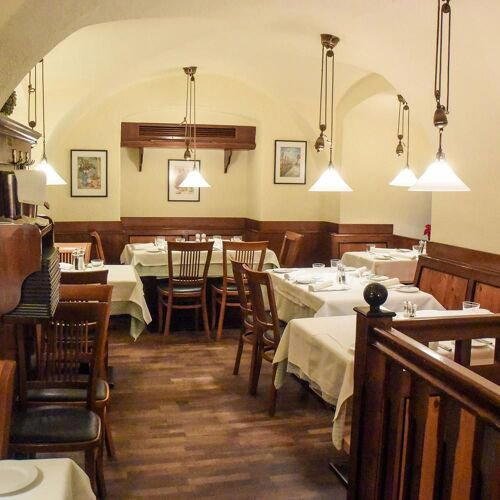
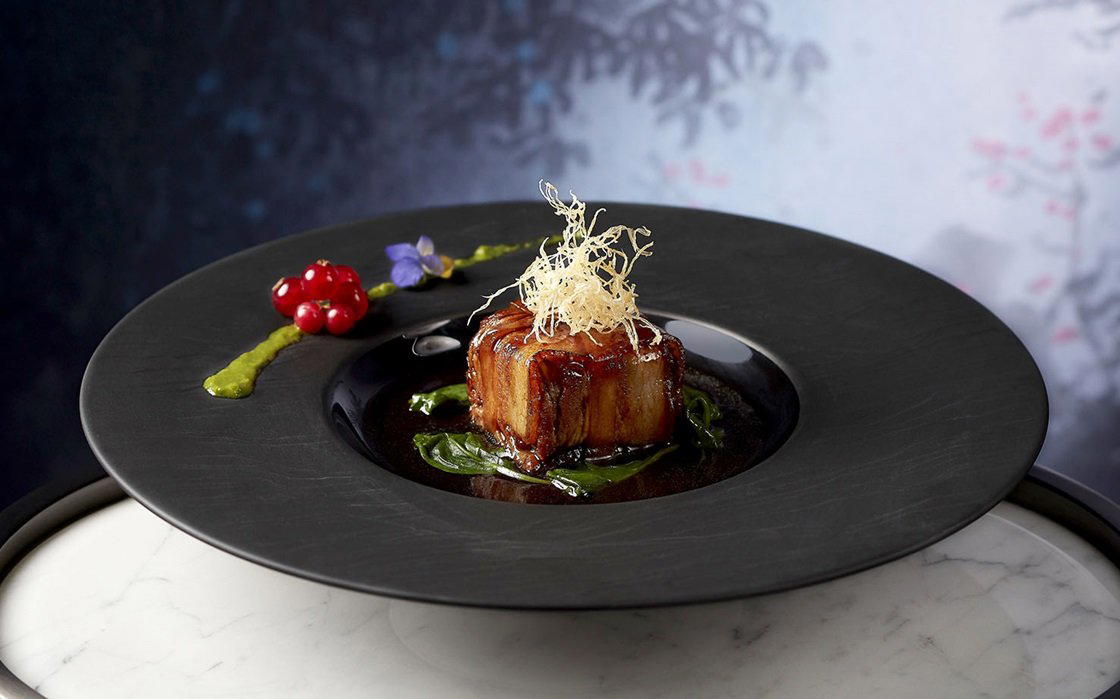
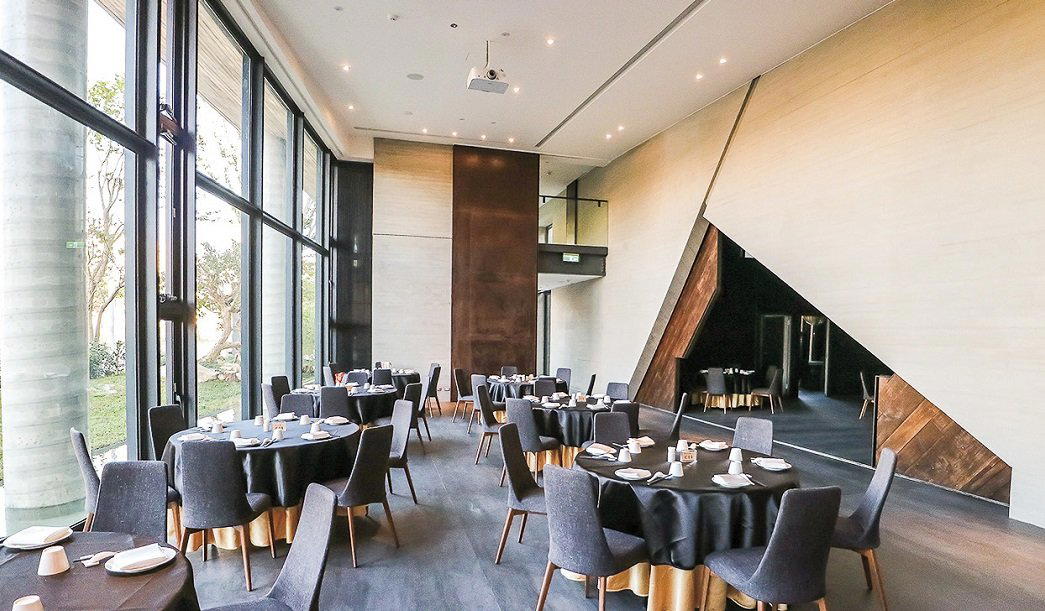
Bars in Guangzhou
All bars in Guangzhou →
Taian Table
The wine
- Wine program
- Deep wine list
- Extensive wine list
- Sommelier-led
- Craft cocktails
Details
- Intimate
- Modern
- Elegant
- Sophisticated
- Date Night
- Business Dinner
- Special Occasion
- Celebration
- Group Dining
- Chefs Counter
- Open Kitchen
- Standalone
- Design Destination
- Extensive Wine List
- Sommelier Led
- Craft Cocktails
- Local Sourcing
- Sustainable Seafood
- Tasting Menu
- Counter Dining
- Prix Fixe
- Wine
- Cocktails
- Vegetarian Friendly
- Allergy Accommodating
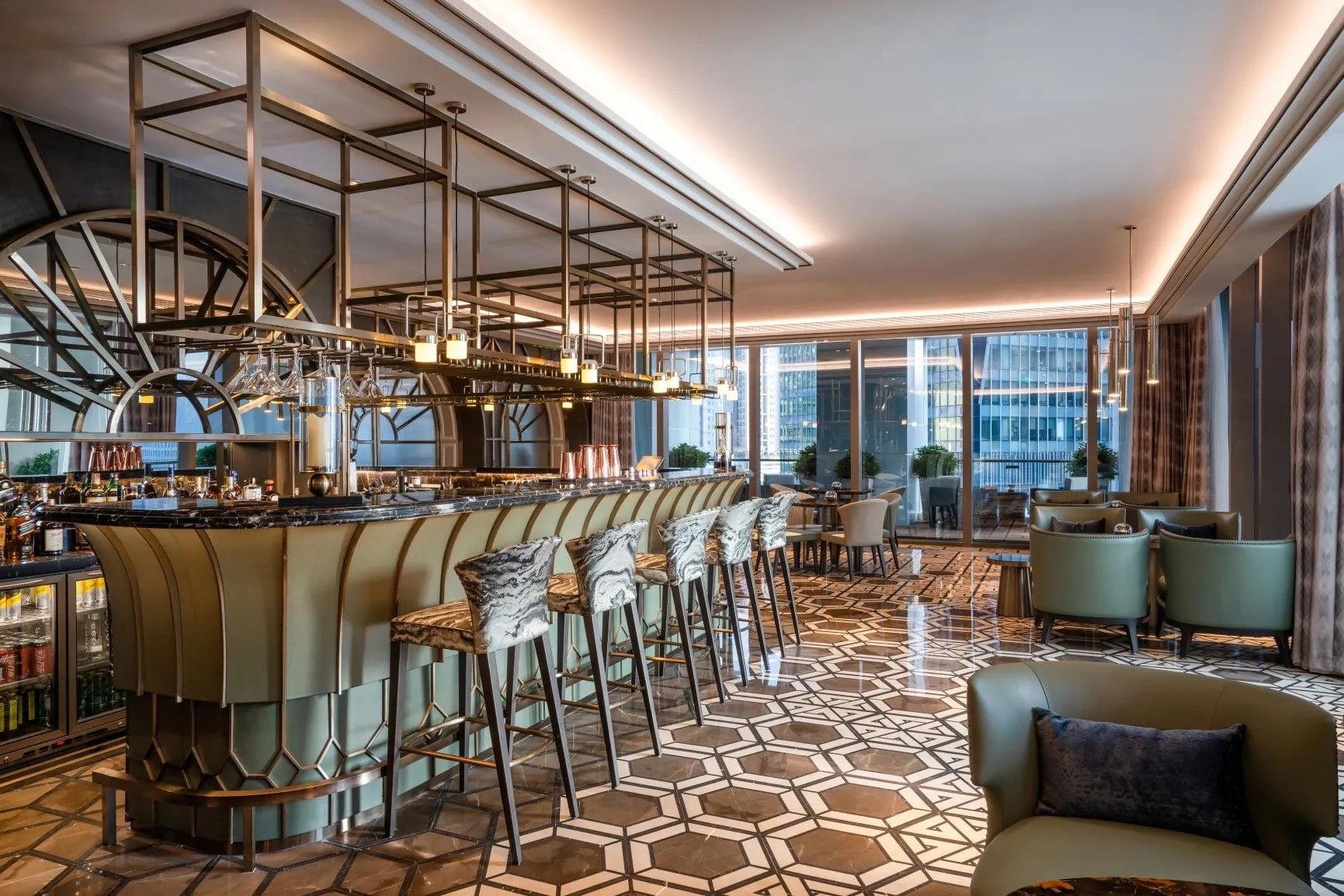
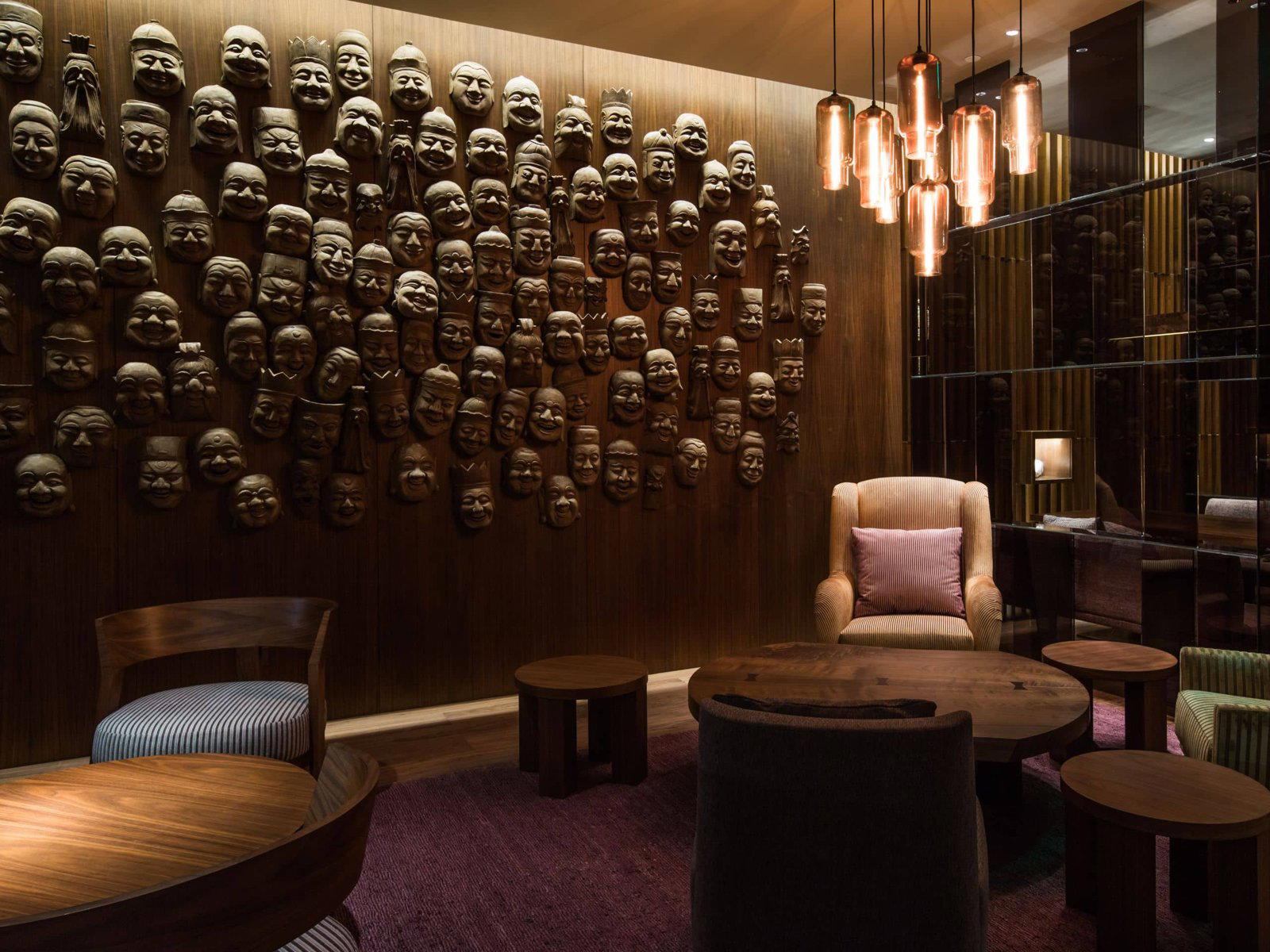
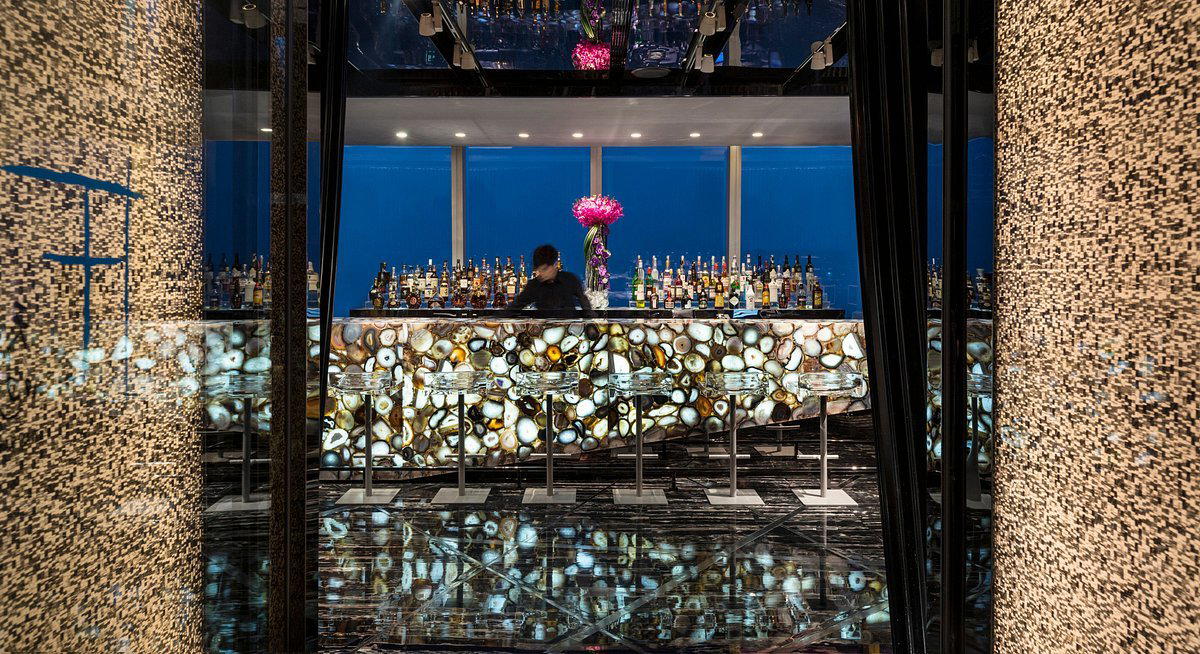
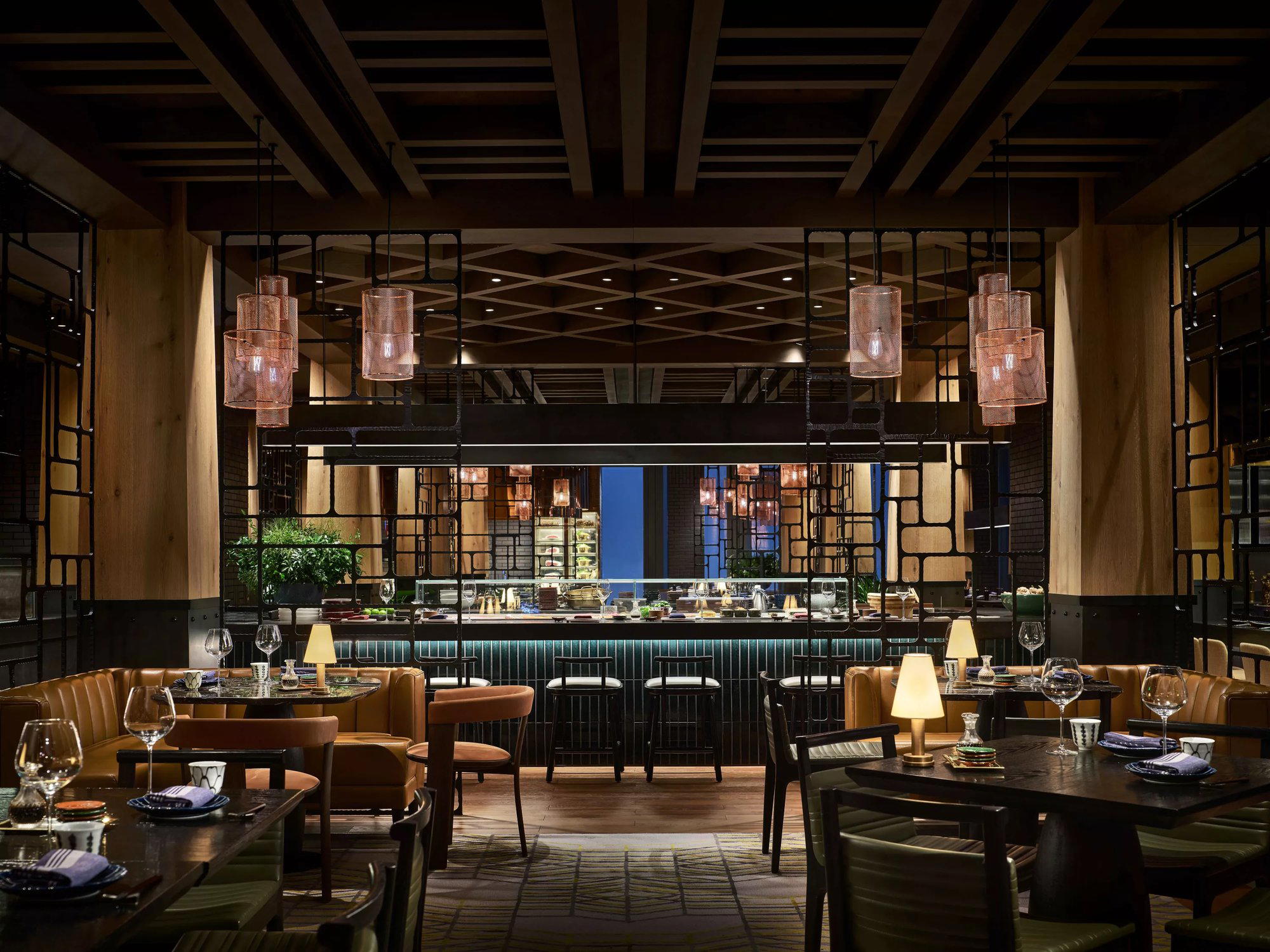
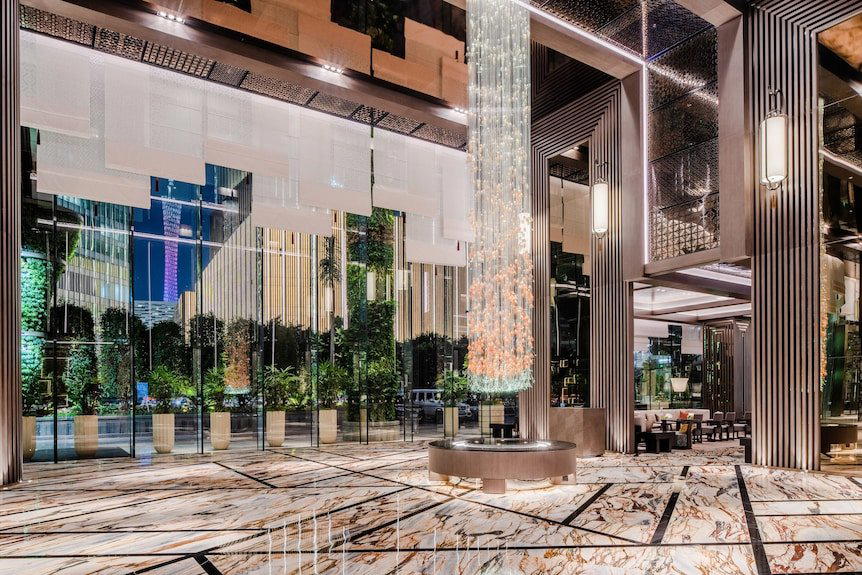
An immersive, food-focused setting built around a central open kitchen with counter seating for close interaction with the chefs, low overall capacity, contemporary design and lighting that create an elegant yet relaxed, quietly sophisticated atmosphere ideal for focused tasting-menu dining.