Evelia

Michelin Plate
Our verdict
That volume of consistent feedback at this price tier places it inside a small group of Italian kitchens in the city that manage both accessibility and recognised quality.

Pearl is the En Primeur Club membership app — saves, bookings, and concierge access live there. Same editors, same standards.
- Address
- Campos Salles 1712, C1429 Cdad. Autónoma de Buenos Aires, Argentina
- Phone
- +54 9 11 7064-9071
- Hours
- Mon ClosedTue–Sun 12–3:30 PM, 7:30 PM–12 AM
- Website
- eveliarestaurante.com
- Directions
- Get directions
- Booking
- Book on the venue's website
The menu
What to order
- Gnocchi a la Sorrentina
- Milanesa Napolitana
- Goat's Cheese Capelletti
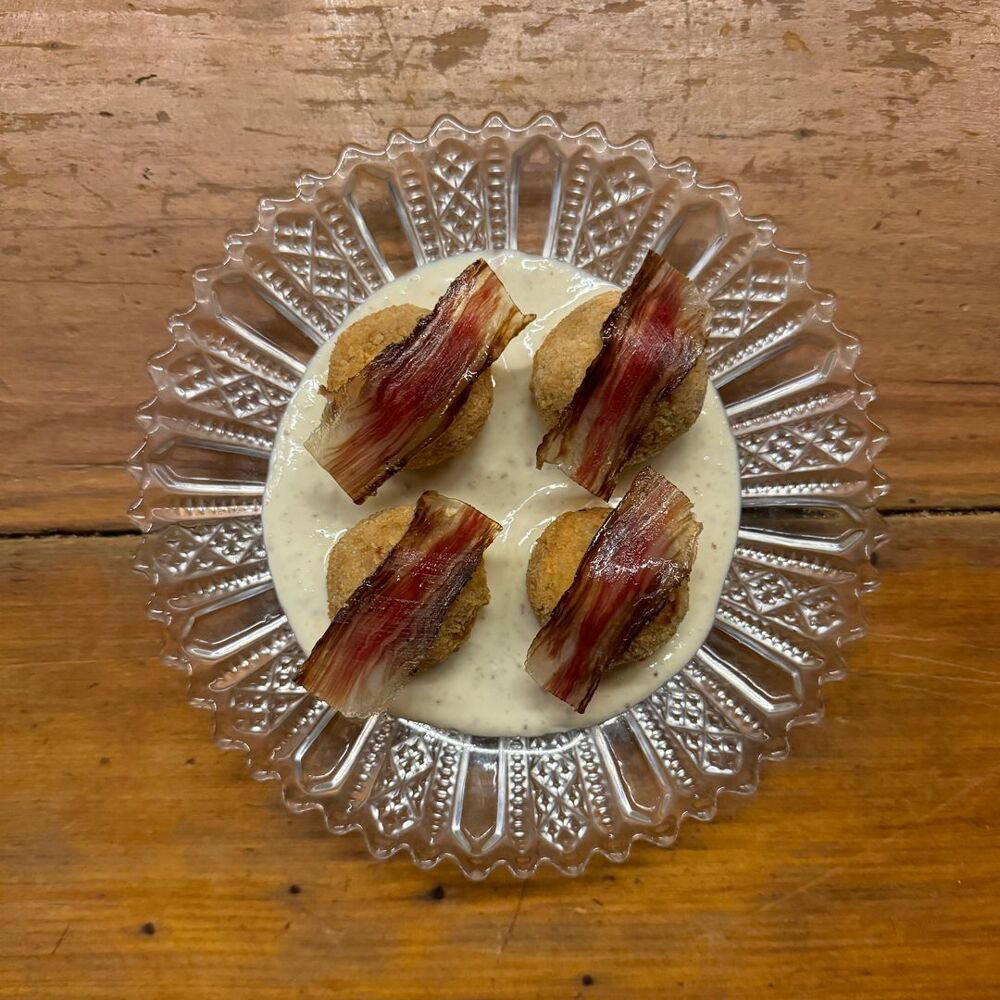
- Wagyu Bresaola Tortilla
- Paccheri a la Norma
Italian Cooking in Buenos Aires, and Where Evelia Sits in That Conversation
Buenos Aires has carried an Italian culinary inheritance for well over a century. The mass immigration waves of the late nineteenth and early twentieth centuries left the city with a pasta culture so embedded that dishes like sorrentinos and ñoquis are effectively local vocabulary now, eaten across every price tier from corner cantinas to tasting-menu restaurants. The interesting question in 2025 is not whether the city has Italian food, but which kitchens are doing something with that inheritance worth paying attention to.
The Michelin Plate is a recognition tier that often gets overlooked in favour of the star categories above it, but it carries a specific editorial meaning: the inspectors found cooking worth flagging as quality-consistent, without the ambition or execution that warrants a star. At a $$ price point, it places Evelia alongside a small peer group of Italian addresses in Buenos Aires that manage accessible pricing without the corner-cutting that characterises most neighbourhood trattorie. Compare that to the upper end of the city's Italian scene — restaurants like Raggio Osteria or Sottovoce, and Evelia occupies a clearly distinct price position, one tier down but still carrying institutional recognition. Further afield in the local Italian category, La Alacena Trattoria offers a useful point of comparison within the trattoria format.
The Neighbourhood and What It Signals
The C1429 postal zone covers the Núñez and Saavedra districts in the northern reaches of Buenos Aires, well north of the Palermo cluster that draws most international visitors. Dining rooms at this latitude of the city tend to serve a local residential clientele rather than a tourist circuit, which typically shapes a restaurant's proposition in one of two directions: either a kitchen that leans into neighbourhood comfort and volume, or one that earns its regulars through consistency and value rather than location-driven foot traffic. A Michelin Plate in this part of the city is a harder credential to earn than one in Palermo or San Telmo, where inspector attention concentrates and the broader dining ecosystem amplifies individual venues.
Sustainability and Sourcing: What the Italian Tradition Can Mean Here
Italian culinary tradition, at its most coherent, is a seasonal and regional one. The cucina povera inheritance, the reliance on what the land and sea produce at a given moment, and the discipline of not masking ingredient quality behind over-worked sauces are structural principles rather than marketing positions. In Buenos Aires, Italian restaurants that take this seriously engage with a specific Argentine supply chain: Patagonian seafood, vegetables from the Pampas and the Cuyo, and dairy and cured meats from producers spread across the provinces. Restaurants operating at the $$ tier that hold Michelin recognition have usually found a way to source with some intentionality without passing the full cost of premium ingredient procurement to the diner. That is a genuine operational balancing act. The cuisines that do it well tend to show restraint in menu length and a preference for dishes where the ingredient quality is the point, not obscured by it. For context on how Italian cooking translates across very different food cultures with this same discipline, the approaches taken at cenci in Kyoto or 8½ Otto e Mezzo Bombana in Hong Kong illustrate how Italian frameworks absorb local sourcing without losing structural coherence.
Evelia's address in a residential neighbourhood rather than a high-rent dining district also has supply-chain implications worth noting. Kitchens in these zones often maintain closer relationships with local and regional producers, partly because the economics of a $$ operation require supplier relationships that don't carry the markups of centralised wholesale distribution. The Buenos Aires restaurants that have maintained consistent recognition while keeping prices accessible over multiple years have generally done so through careful purchasing discipline rather than margin compression.
How Evelia Compares Within Buenos Aires's Wider Dining Map
The city's Michelin selection spans a considerable range. At one end, Don Julio holds a star for its Argentinian steakhouse work at the $$$$ tier. Trescha represents the modern creative end of the spectrum. Evelia is neither of those things. Its position as a $$ Italian kitchen with a Plate places it in a different part of the Michelin taxonomy: accessible, consistent, and grounded in a cuisine the city has been cooking for generations. That is not a lesser category. Some of the most useful restaurant recommendations in any city are the ones that deliver reliable, well-executed cooking at a price point that doesn't require planning around a special occasion.
For broader context on where Evelia sits within the Argentine dining scene beyond Buenos Aires, kitchens like Azafrán in Mendoza or properties such as Cavas Wine Lodge in Alto Agrelo represent the country's more destination-oriented dining proposition, where wine integration and landscape are part of the experience. Rural estancias like La Bamba de Areco in San Antonio de Areco or EOLO in El Calafate operate in a different register entirely. Evelia is a city restaurant in the plainest sense, defined by its neighbourhood and its kitchen rather than by a broader experience format. Awasi Iguazu and El Colibri in Santa Catalina complete a picture of Argentina's dining range that puts Evelia's urban, value-anchored position in clearer relief.
Planning a Visit
Evelia is located at Campos Salles 1712 in the C1429 district of Buenos Aires. The $$ price tier means a meal here sits well below the $$$-$$$$ range common at starred venues and most tasting-menu restaurants in the city. For visitors building a broader Buenos Aires itinerary, the full Buenos Aires restaurants guide covers the city's dining range in detail. The Buenos Aires hotels guide, bars guide, wineries guide, and experiences guide complete the city picture for those spending more than a few days.
What People Recommend at Evelia
Italian restaurants at this price tier in Buenos Aires that hold Michelin recognition typically draw consistent recommendation for their pasta work, since pasta is where the cuisine's technique and ingredient discipline are most legible at an accessible price point.
Frequently asked questions
Has Evelia won any awards?
Evelia has received recognition including: Michelin Plate (2025).
What do people recommend at Evelia?
The kitchen works within the Italian tradition at the $$ price tier, which positions it as a neighbourhood staple rather than an occasion-only address.
What does dinner at Evelia typically cost?
Pricing at Evelia is listed as $$.
What's the address for Evelia?
Evelia is located at Campos Salles 1712, C1429 Cdad. Autónoma de Buenos Aires, Argentina, Buenos Aires.
A Pricing-First Comparison
Comparable venues nearby, for context on price, style, and recognition.
| Venue | Cuisine | Price | Awards | Notes |
|---|---|---|---|---|
| EveliaThis venue — the venue you are viewing | Italian-Buenos Aires Fusion Pasta | $30–50 | Michelin Plate | Not listed |
| Sottovoce | Classic Italian Pasta | $30–50 | Michelin Plate | Recoleta, Classic Italian Pasta |
| Bochinche | Modern Italian pasta restaurant | Not listed | Not listed | Chacarrita, Modern Italian pasta restaurant |
| Sucre | Contemporary Argentine | $30–50 | Michelin Plate | Belgrano, Modern Argentinian Grill |
| Doña Cocina Tipo Casa | Homemade Argentine Pasta | $10–20 | Not listed | Once, Homemade Argentine Pasta |
| Cucina De Santo | Authentic Italian Trattoria | $20–30 | Not listed | Centro, Authentic Italian Trattoria |
Recognition history
Dated appearances from independent guides and award organizations, with the underlying list record or original source where available.
Michelin Plate
Michelin
Full recognition history (2 entries)
Michelin Plate
Michelin
Continue exploring
More in Buenos Aires
Restaurants in Buenos Aires
Browse all →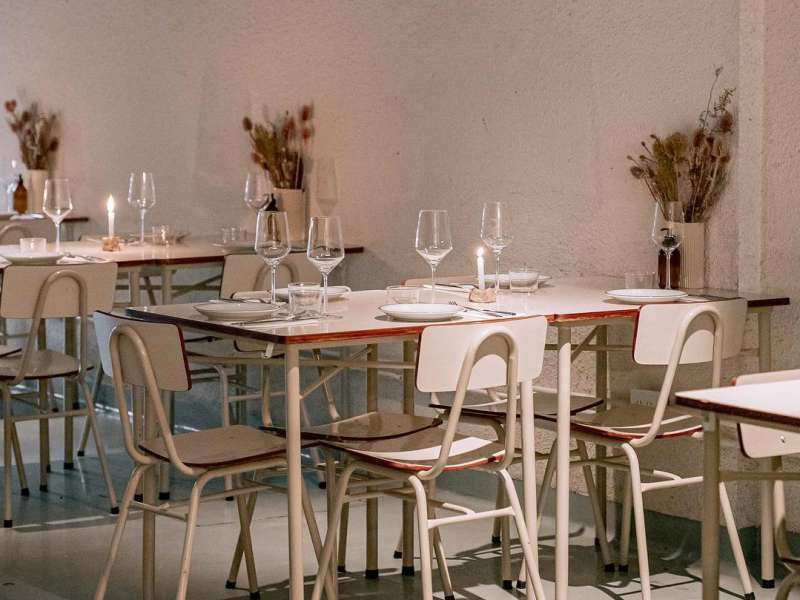
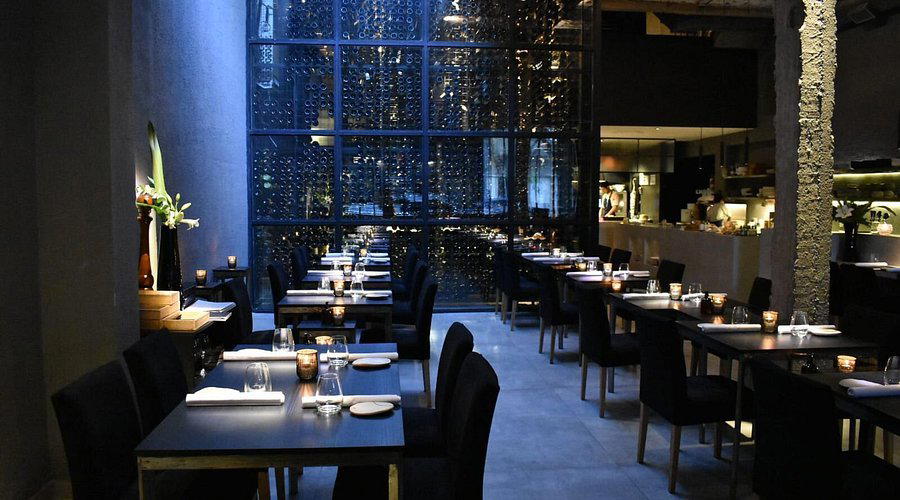
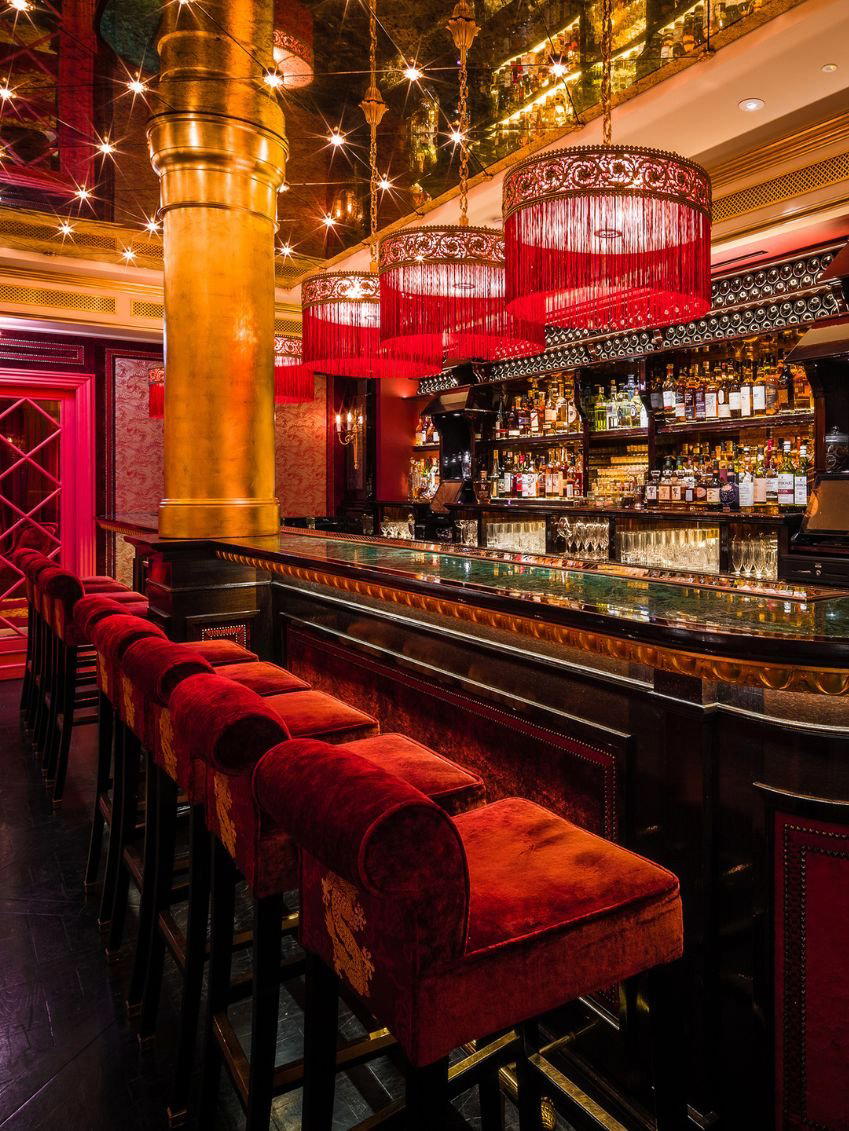
Bars in Buenos Aires
Browse all →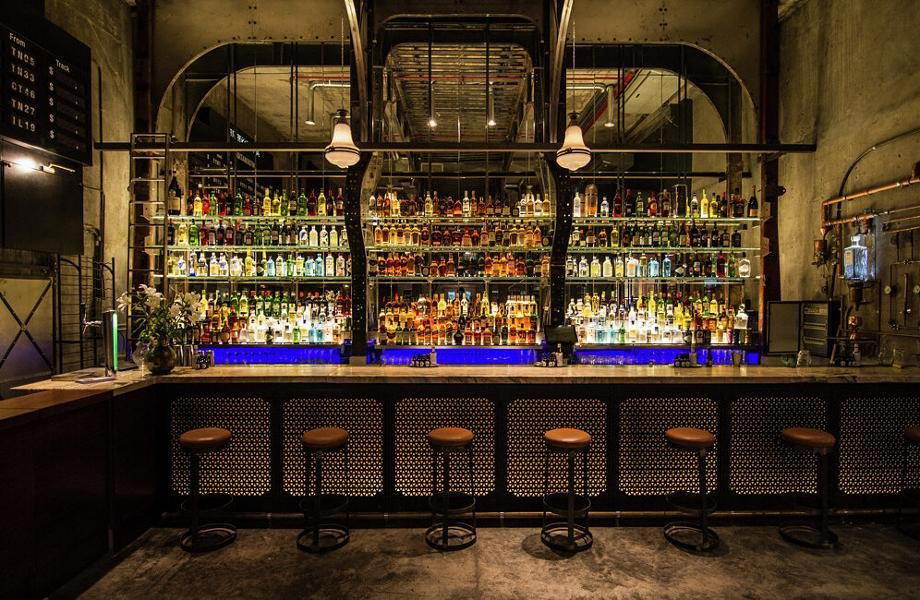
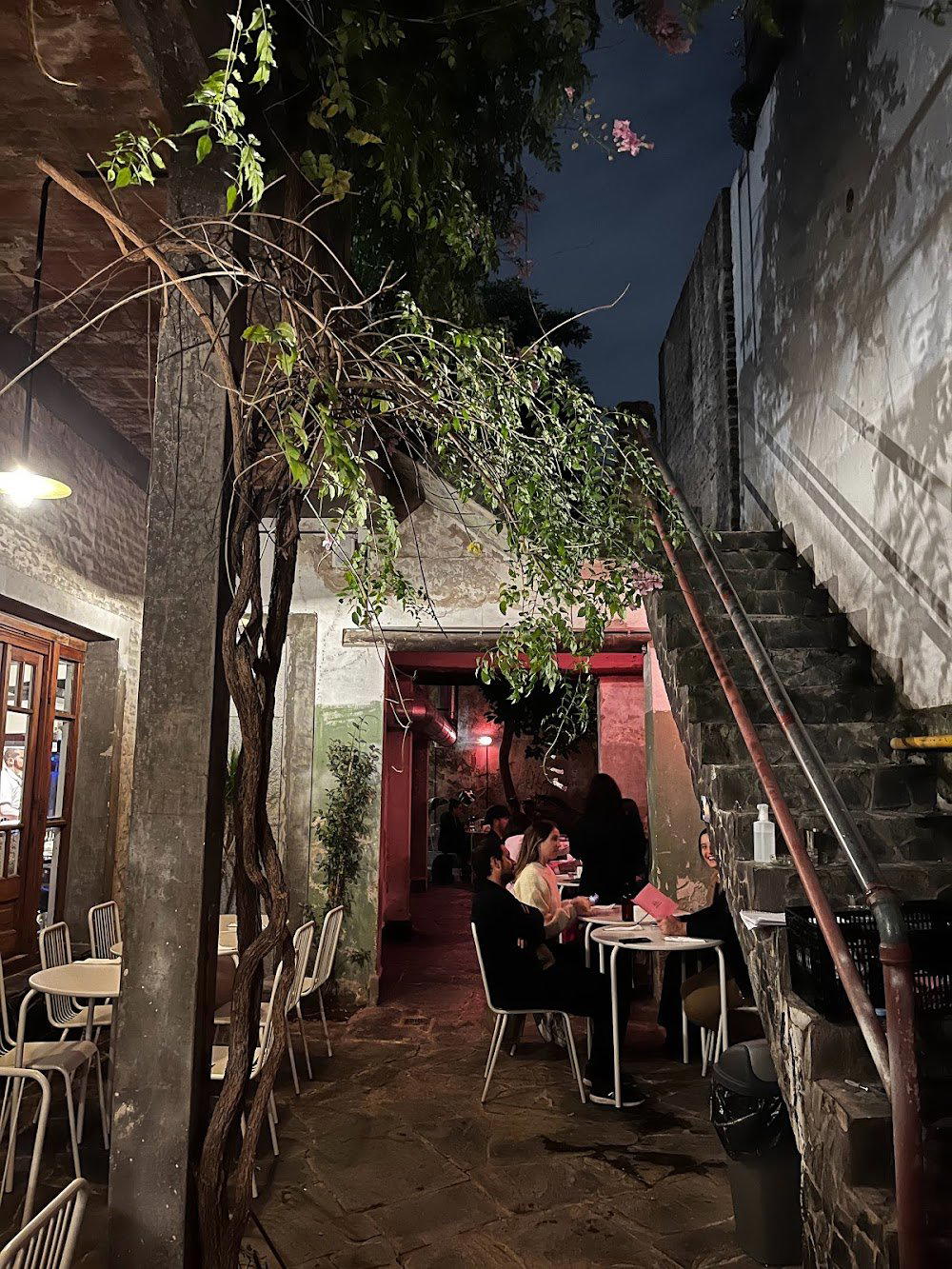
Hotels in Buenos Aires
Browse all →
Wineries in Buenos Aires
Browse all →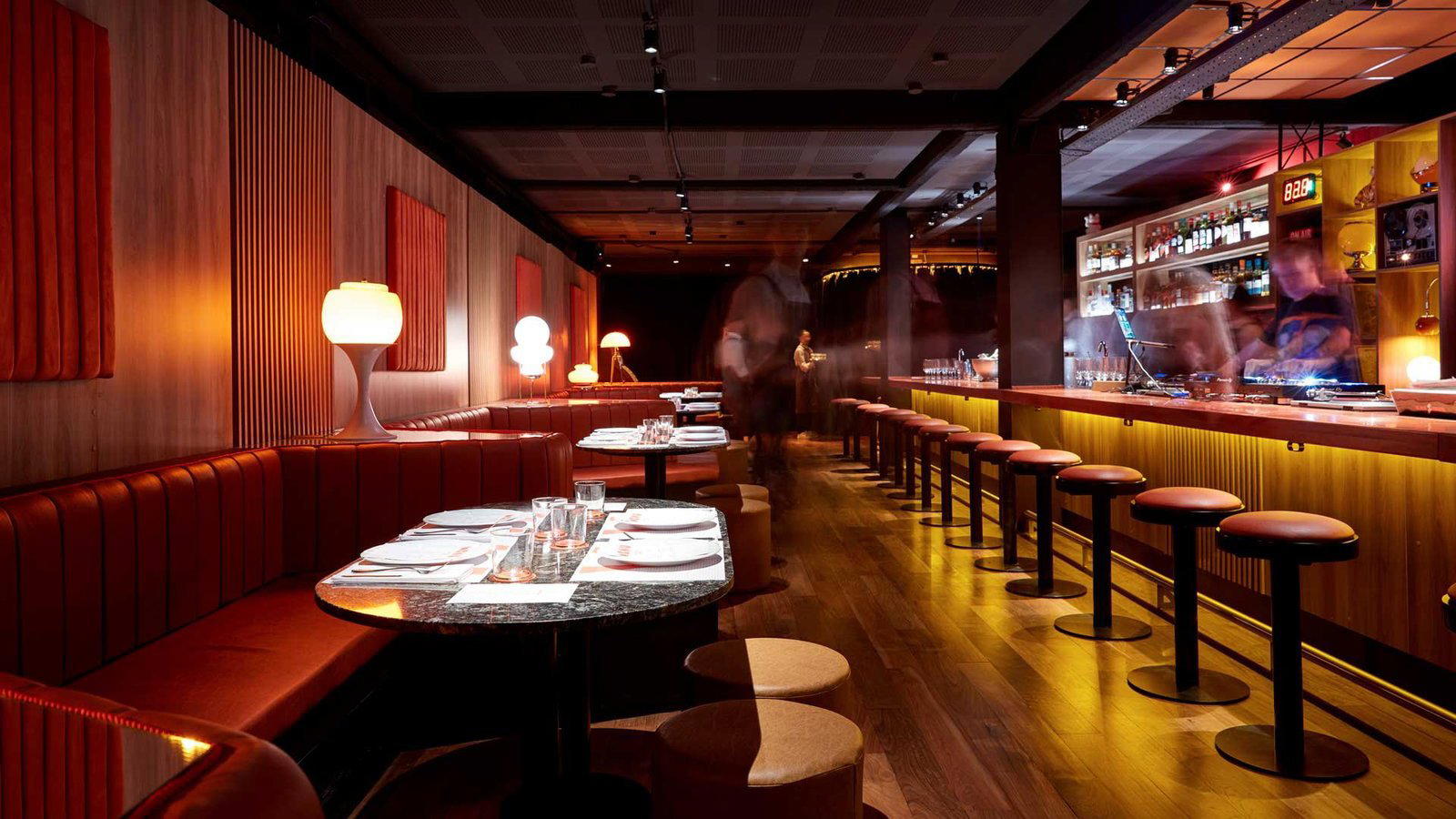
Evelia
The wine
- Wine program
- Curated wine list
- Extensive wine list
Details
- Elegant
- Modern
- Lively
- Sophisticated
- Date Night
- Business Dinner
- Celebration
- Special Occasion
- Open Kitchen
- Private Dining
- Extensive Wine List
- Local Sourcing
- Farm To Table
- A La Carte
- Wine
- Craft Cocktails
- Vegetarian Friendly
- Allergy Accommodating
Current opening hours
- Monday
- Closed
- Tuesday
- 12–3:30 PM, 7:30 PM–12 AM
- Wednesday
- 12–3:30 PM, 7:30 PM–12 AM
- Thursday
- 12–3:30 PM, 7:30 PM–12 AM
- Friday
- 12–3:30 PM, 7:30 PM–12 AM
- Saturday
- 12–3:30 PM, 7:30 PM–12 AM
- Sunday
- 12–3:30 PM, 7:30 PM–12 AM
Hours can change for holidays and private events. Last verified .
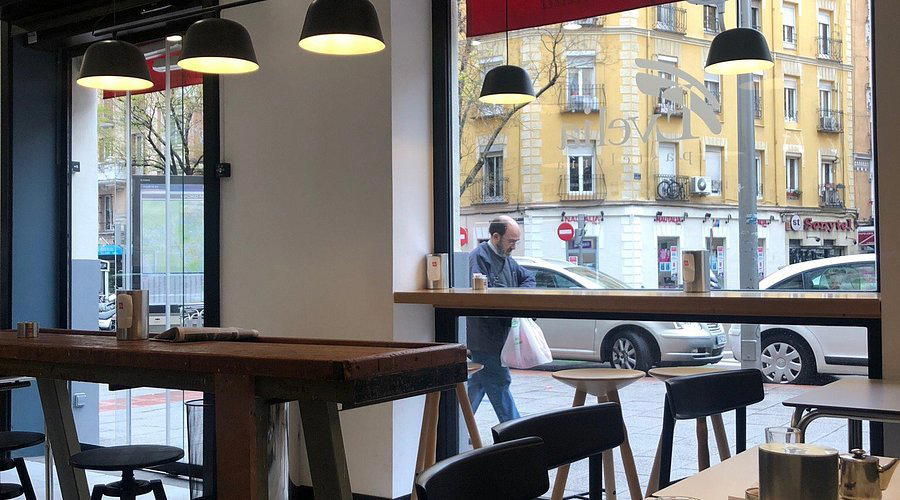
Modern, stylish dining room with visible kitchen, warm lighting, and attentive service; tables positioned closely together creating a lively, energetic atmosphere with contemporary furnishings and design details.