Raggio Osteria

Raggio Osteria brings Italian pasta tradition to Palermo's Gurruchaga street with the kind of focused, technique-led approach that has earned it consecutive Michelin Plate recognition in 2024 and 2025. At the $$-tier price point, it occupies a specific niche in Buenos Aires's Italian dining scene: serious enough to draw comparison with the city's more formal trattorias, accessible enough to become a neighbourhood fixture.
Pearl is the En Primeur Club membership app — saves, bookings, and concierge access live there. Same editors, same standards.
- Address
- Gurruchaga 2121, C1425FEE Cdad. Autónoma de Buenos Aires, Argentina
- Phone
- +54 11 3082-3055
- Website
- instagram.com
- Directions
- Get directions
 Saves & bookings on Pearl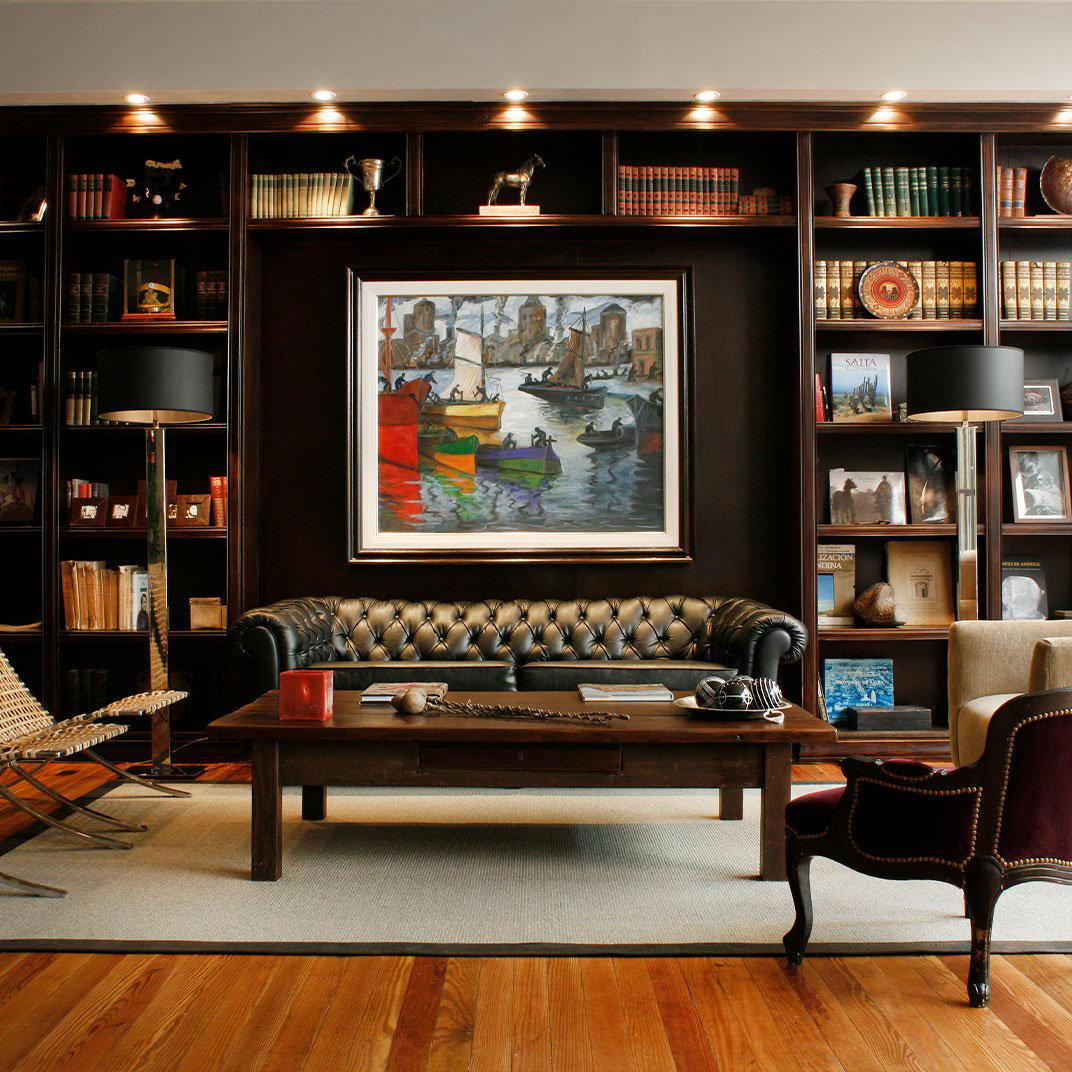
Italian Pasta in Buenos Aires: The Tradition Raggio Works Within
Buenos Aires carries one of the densest Italian immigrant legacies in the Americas. Waves of Ligurian, Neapolitan, and Lombard arrivals through the late nineteenth and early twentieth centuries left behind not just surnames but a dough-making culture that persists in neighbourhood kitchens, family-run trattorias, and, increasingly, in a newer generation of osterie that treat handmade pasta as a technical discipline rather than a comfort shorthand. That newer tier is where Raggio Osteria operates.
The address, Gurruchaga 2121, C1425FEE CABA, places the restaurant in Palermo, Buenos Aires, where the restaurant operates as an Italian osteria. Palermo's streets have absorbed everything from high-concept tasting menus to neighbourhood wine bars, but the Italian thread running through the barrio's dining options remains one of its most consistent. Raggio sits on the residential stretch of Gurruchaga where the street quiets down from the commercial activity closer to Santa Fe, giving it the atmosphere of a place you have to seek out rather than stumble into.
What Michelin Plate Recognition Means at This Price Point
Raggio Osteria is listed at the $$ price tier and has Michelin Plate recognition for both 2024 and 2025, which places it in a specific band of Buenos Aires dining. For context, the comparison set around Palermo and Buenos Aires more broadly includes Sottovoce and La Alacena Trattoria, both of which operate within a similar Italian-leaning frame. The Michelin Plate is not a starred accolade, but consecutive appearances signal that inspectors have returned and found consistency, the metric that matters most at the neighbourhood-osteria level.
6 across 646 reviews compounds that signal. At that volume and score, the number reflects more than a loyal core; it suggests a broad cross-section of diners, including walk-ins and first-time visitors, arriving with Italian pasta expectations and leaving satisfied enough to log it.
The Pasta Tradition at Work
Italian pasta in Argentina bifurcated long ago. One strand became domesticated: the tallarines and ñoquis that appear on Argentine family tables and in corner restaurants, made to a local palate that tends toward heavier sauces and larger portions. The other strand maintained a closer relationship with regional Italian technique, attention to flour composition, hydration ratios, resting times, and the logic behind pairing specific shapes with specific sauce consistencies.
Osterie that occupy the second strand tend to keep their menus shorter and their pasta output higher per cover. The shape-to-sauce relationship becomes the menu's argument: a ribbed tube holds a braised meat differently than a silk-surfaced egg dough; a stuffed pasta's filling determines whether it needs a fatty butter emulsion or a more acidic tomato base to balance it. These are not decorative choices. They are the technical decisions that separate a pasta program with internal logic from one that lists shapes as interchangeable vehicles for sauce.
Raggio's positioning within Palermo's Italian dining tier suggests it belongs to this more considered strand. The Michelin inclusion is the clearest external signal, but the review volume and score indicate that the restaurant has built a repeat clientele beyond the initial curiosity visit, which, for a pasta-focused osteria at moderate pricing, means the execution holds up across multiple orders and seasons.
Palermo in September and October: When to Come
Search interest for Raggio peaks in September and October, aligning with Buenos Aires's spring season. That timing is well-chosen for the neighbourhood. Spring in Palermo brings the outdoor dining culture back to full operation; the streets around Gurruchaga fill in the evenings, and the light in the barrio during those months has the quality that makes the area's low-rise, tree-lined blocks particularly easy to spend time in. For a restaurant at this price point in an osteria format, the ambience outside the room matters as much as what happens inside it: the walk over, the neighbourhood context, the ease of combining dinner with a drink at one of the bars nearby.
For broader Buenos Aires planning in that season, the city's Argentine steakhouse culture runs parallel to its Italian dining options. Don Julio operates at the $$$$-tier end of that tradition, and the contrast between a Palermo evening starting at a pasta-focused osteria and ending with a grilled cut elsewhere maps a route through two of the city's most persistent dining identities.
Raggio in the Broader Buenos Aires Scene
Buenos Aires's current restaurant moment involves a push toward modern Argentinian formats, with venues like Trescha working at the creative end of local cuisine. Raggio does not belong to that conversation. It belongs to an older, more defined tradition: the Italian osteria as neighbourhood anchor, where the measure of success is whether the pasta is made with the right flour and rolled to the right thickness, not whether the menu has a conceptual framework to explain itself.
That distinction matters for planning. A diner looking for tasting-menu format and Argentinian provenance will find it elsewhere in Palermo. A diner looking for handmade pasta at moderate pricing, backed by consistent Michelin recognition, and positioned within a neighbourhood that rewards an evening of walking and eating, will find Raggio fits that brief cleanly.
For Italian dining comparisons outside Argentina, the standard set by venues like 8½ Otto e Mezzo Bombana in Hong Kong and cenci in Kyoto illustrates how Italian technique travels and adapts in non-European contexts. Buenos Aires, with its deep Italian heritage, offers a different inflection: the tradition did not arrive recently as a transplant. It arrived generations ago and became local. Raggio works within that inherited grammar rather than against it.
Planning Your Visit
Raggio Osteria is at Gurruchaga 2121 in Palermo, C1425FEE CABA. The $$ price tier makes it one of the more accessible Michelin-recognised options in the city, which means tables can move quickly, particularly on weekend evenings in the spring months of September and October when Palermo's dining scene operates at full capacity. Booking ahead where possible is practical advice for that season. For anyone building a Buenos Aires itinerary beyond dinner, the EP Club guides for hotels, bars, and experiences cover the broader city, and the full Buenos Aires restaurants guide maps the complete dining picture, including Italian options like Evelia and the Argentine dining tradition across venues from neighbourhood trattorias to destination-level steakhouses.
Beyond Buenos Aires, Argentina's dining geography extends to Mendoza's wine-country tables at Azafrán, the lodge dining of Awasi Iguazu, the vineyard setting of Cavas Wine Lodge, and the estancia tradition at La Bamba de Areco. The Buenos Aires wineries guide rounds out the country's wine context for visitors spending time in the capital before heading south or west.
What Should I Eat at Raggio Osteria?
The restaurant's focus is handmade Italian pasta, and the Michelin Plate recognition across both 2024 and 2025 confirms that the kitchen's execution in that category meets an externally verified standard. The consecutive Michelin recognition is the clearest guide to ordering strategy: go for the pasta. Buenos Aires's Italian dining tradition spans a wide range from domesticated local versions to more technically grounded preparations, and Raggio's placement in the Michelin selection puts it in the latter group. Without access to the current menu (which changes seasonally), one reliable approach is to follow the server's recommendation on which pasta format the kitchen is running at its strongest that day, the logic of a well-run osteria is that the answer will be honest.
Cuisine Lens
Comparable venues nearby, for context on price, style, and recognition.
| Venue | Cuisine | Price | Awards | Notes |
|---|---|---|---|---|
| Raggio OsteriaThis venue — the venue you are viewing | Italian Osteria | $$$ | Michelin Plate | Not listed |
| Sottovoce | Classic Italian Pasta | $$$ | Michelin Plate | Recoleta |
| La Alacena Trattoria | Traditional Italian Trattoria | $$ | Bib Gourmand | Once |
| Atte. Pizzeria Napoletana | Neapolitan Pizzeria | $$ | Not listed | Palermo Hollywood |
| Gioia Cocina Botánica | Modern Vegan Fine Dining | $$$$ | Michelin Plate | Recoleta |
| La Cabrera | Traditional Argentine Parrilla | $$$ | Not listed | Palermo |
Recognition history
Dated appearances from independent guides and award organizations, with the underlying list record or original source where available.
Michelin Plate
Michelin
Michelin Plate
Michelin
Michelin Plate
Michelin
Continue exploring
More in Buenos Aires
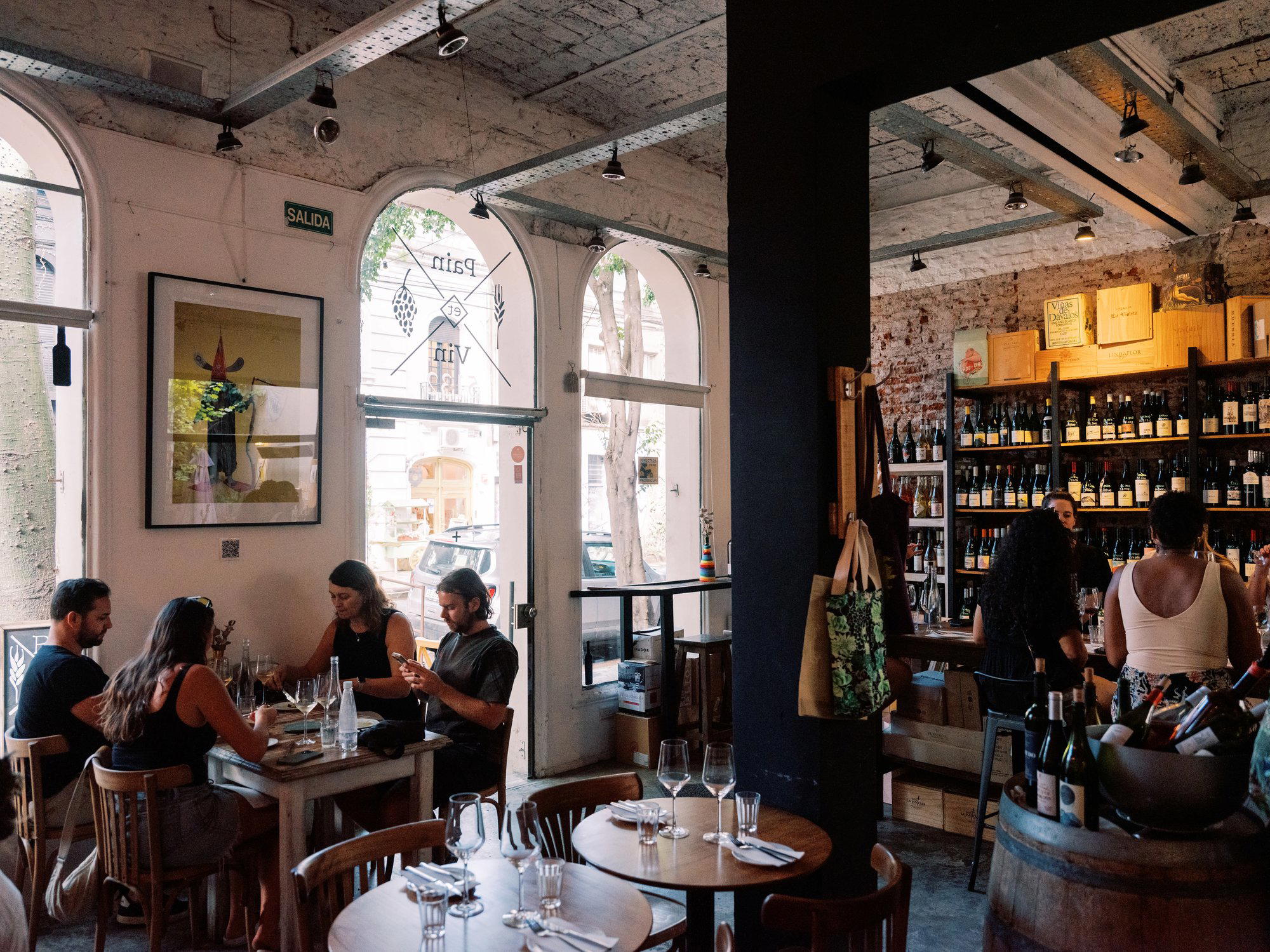
Restaurants in Buenos Aires
Browse all →
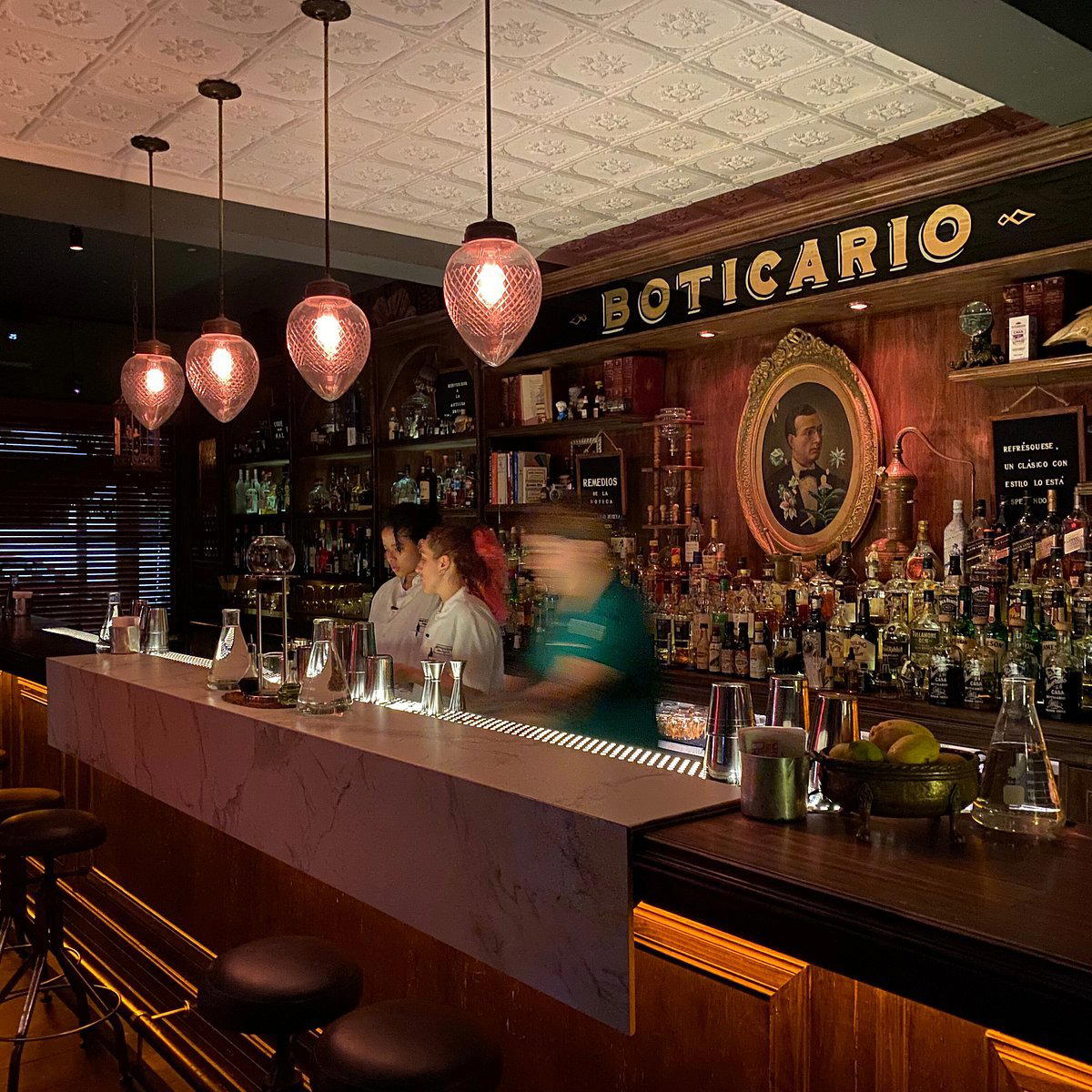
Bars in Buenos Aires
Browse all →
Hotels in Buenos Aires
Browse all →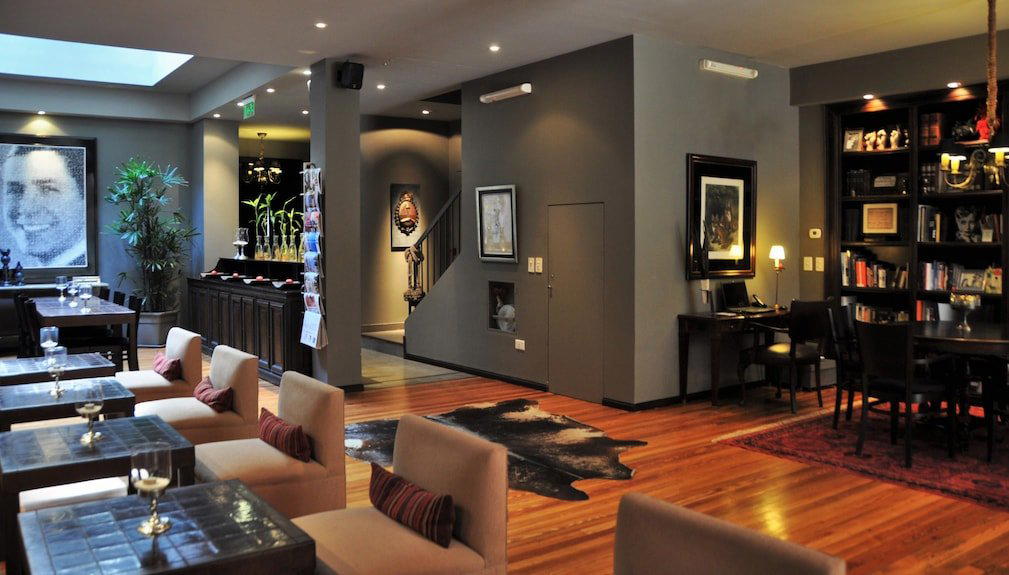
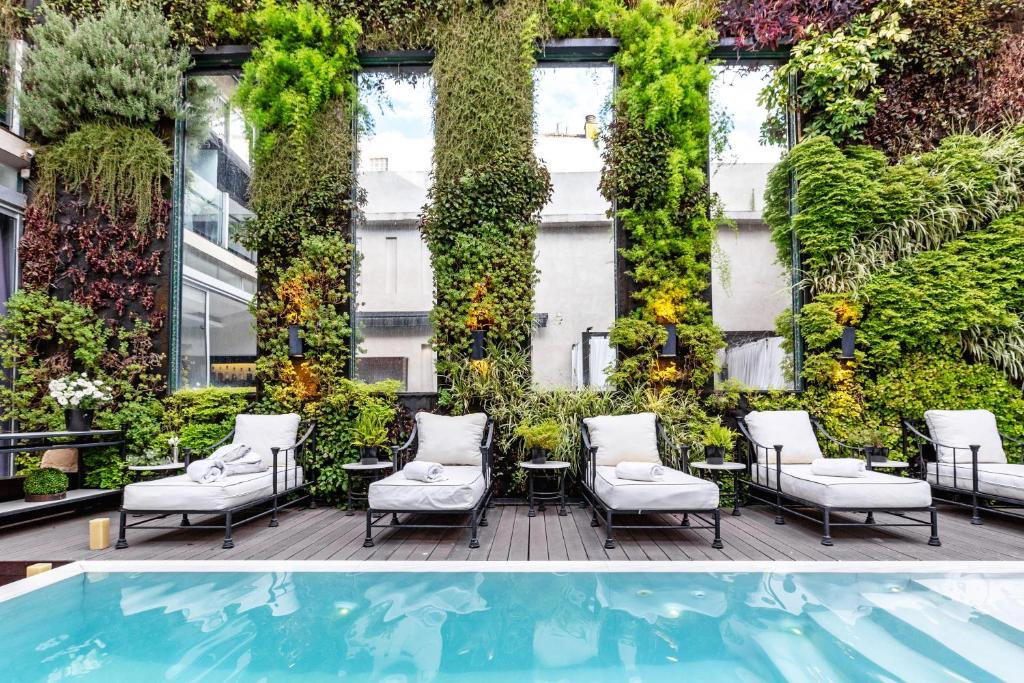
Wineries in Buenos Aires
Browse all →
At a Glance
- Cozy
- Elegant
- Sophisticated
- Intimate
- Classic
- Date Night
- Special Occasion
- Hotel Restaurant
- Extensive Wine List
- Local Sourcing
Current opening hours
- Monday
- Closed
- Tuesday
- 7 p.m.–12 a.m.
- Wednesday
- 7 p.m.–12 a.m.
- Thursday
- 7 p.m.–12 a.m.
- Friday
- 7 p.m.–12 a.m.
- Saturday
- 7 p.m.–12 a.m.
- Sunday
- Closed
Hours can change for holidays and private events. Last verified .
Contemporary restraint with clean lines, softened light, cozy sophistication, and unhurried intimacy.