Eva
Eva occupies a narrow address on Newbury Street, one of Boston's most commercially contested stretches, where the editorial question is always whether a restaurant is speaking to the neighbourhood or to something beyond it. At this address, the framing around local ingredients and refined technique places Eva in a conversation that Boston's dining scene has been having more seriously since the mid-2010s.
Pearl is the En Primeur Club membership app — saves, bookings, and concierge access live there. Same editors, same standards.
- Address
- 279a Newbury St, Boston, MA 02115
- Phone
- +16175465155
- Website
- evaboston.com
- Directions
- Get directions
 Saves & bookings on Pearl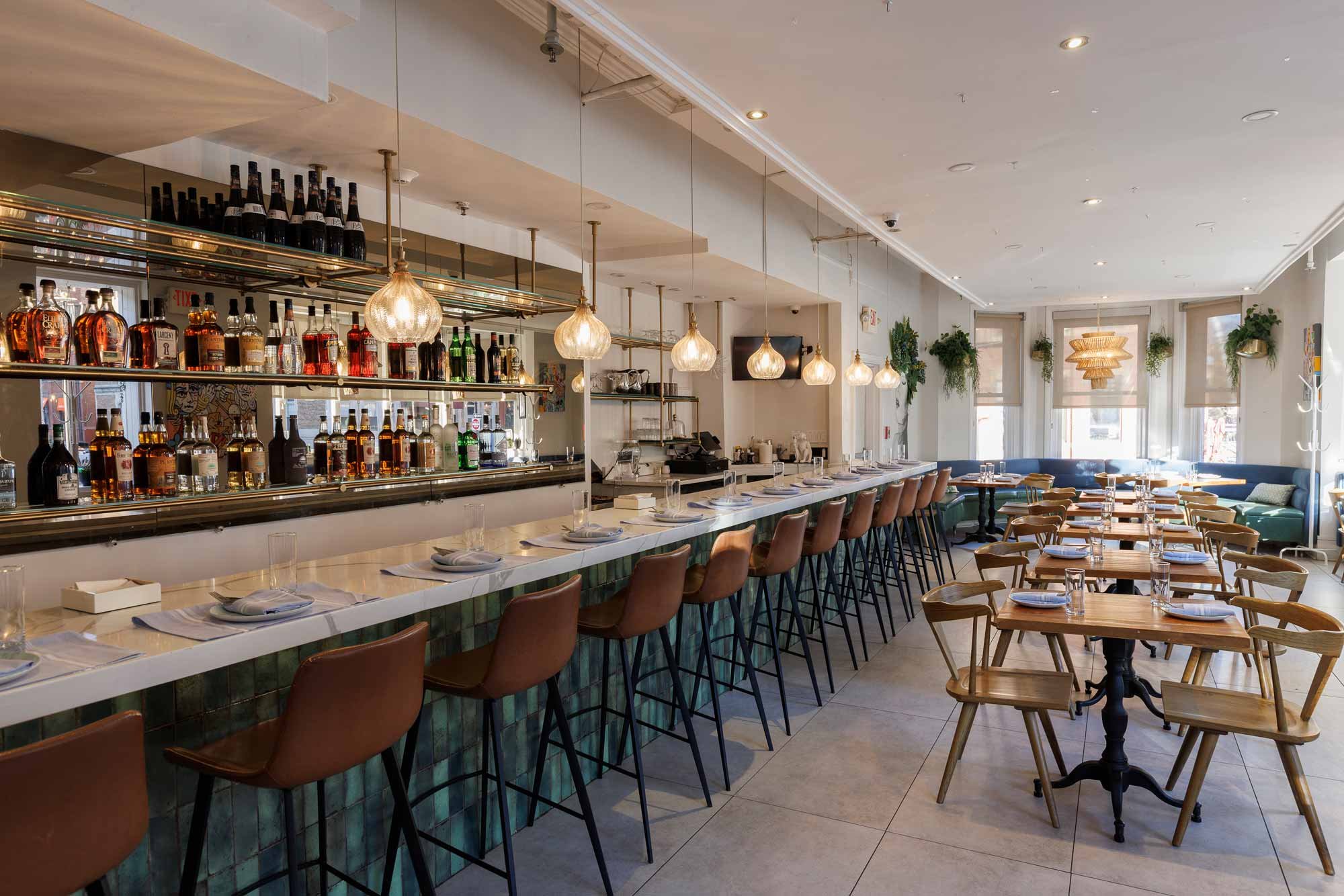
Newbury Street and the Restaurant That Has to Earn Its Address
Newbury Street is among the more legible corridors in American urban dining: a long, shop-lined avenue in Back Bay where rents are commercial, foot traffic is high, and the pressure to be broadly appealing competes constantly with any ambition toward seriousness. The restaurants that endure here tend to do one of two things well, they commit to a format that the neighbourhood validates on volume, or they carve out enough culinary specificity that a dedicated audience seeks them out regardless of the street's ambient noise. Eva, at 279a Newbury St, is a restaurant in Boston serving Modern Mediterranean cuisine at a price tier of 3.
That tension, between a commercially active street and a kitchen with a point of view, is exactly where Boston's more interesting dining stories tend to begin. The city's strongest restaurant moments of the last decade have come from places that refused to let their location define their ceiling. Agosto, the Portuguese-inspired chef's counter in the South End, operates with similar logic: the neighbourhood provides cover, the format provides focus. Eva on Newbury occupies a comparable structural position, on a more commercially pressured block.
The Intersection of Local Product and Imported Method
The editorial angle that most honestly describes what is happening at the better end of Boston dining right now is not farm-to-table in its exhausted form, but something more precise: the application of globally acquired technical discipline to ingredients that are specific to the New England larder. This is a different claim. It means the kitchen is working with Cape Cod oysters, North Atlantic finfish, Massachusetts-grown heritage grains, and foraged coastal produce, but processing them through methods that owe debts to French brigades, Japanese precision, or Scandinavian restraint, depending on the cook's formation.
Restaurants operating in this register appear in cities with both a strong local food geography and a dining culture that rewards technique. Boston qualifies on both counts. The Massachusetts coastline and its hinterlands produce shellfish, cold-water fish, root vegetables, and dairy that are genuinely distinctive in flavour, not as a marketing position, but as a function of the growing and harvesting conditions. The kitchens that work this material at a high level are doing something that cannot be replicated in, say, a landlocked Midwest city running the same classical playbook, because the ingredients carry a specificity the technique then has to honour rather than override.
This is the conversation that American fine dining has been having at its most serious registers for more than a decade. Blue Hill at Stone Barns in Tarrytown made the agricultural sourcing argument structural rather than decorative. Single Thread Farm in Healdsburg built an entire hospitality concept around the farm-kitchen-inn circuit. Smyth in Chicago and Lazy Bear in San Francisco both frame their menus through a terroir-and-technique lens that treats sourcing as editorial, not operational. Eva's Newbury Street placement puts it in a different density of competition, but the underlying culinary logic belongs to the same national conversation.
Boston's Dining Moment and Where Eva Sits in It
Boston has spent the better part of a decade quietly building a tier of restaurants that can hold a comparative conversation with the serious dining rooms of New York, Chicago, and the California coast. The city's reputation historically lagged its actual output, a function partly of media attention concentrated in larger markets, partly of a local culture that could be slow to grant its own restaurants the critical weight they deserved. That is changing. The presence of precision-driven counters like 311 Omakase, which brings Japanese omakase discipline to Boston's seafood supply, and the continued ambition of waterfront dining at 1928 Rowes Wharf, signals that the city's upper dining tier is no longer provisional.
Newbury Street has its own culinary ecology. Established steakhouse formats like Abe and Louie's anchor the street's more conventional fine-dining pole, while the waterfront and South End have tended to attract the more experimentally framed rooms. A restaurant on Newbury that is working in the local-ingredient, global-technique register is therefore operating slightly against the grain of its immediate neighbourhood, which is part of what makes the address interesting as a story. The comparable comparable set, in terms of culinary ambition if not geography, includes rooms like Providence in Los Angeles, which has built its identity on Pacific seafood processed through classical French structure, and Addison in San Diego, where California produce meets a formally trained brigade. Eva is not at that scale or recognition level, but the culinary logic rhymes.
For international reference points on what this kind of cooking looks like at its most resolved, Le Bernardin in New York remains the clearest model of how French technique applied to superior Atlantic seafood can sustain a decades-long argument. Atelier Moessmer Norbert Niederkofler in Brunico takes the regional-ingredient argument further than almost any restaurant in Europe, treating the Alps as a larder with the same rigour that a coastal New England kitchen might apply to the Gulf of Maine. These are the external coordinates that help calibrate what Eva's editorial ambition, such as it is, actually means in a global context.
Know Before You Go
Cuisine Context
Comparable venues nearby, for context on price, style, and recognition.
| Venue | Cuisine | Price | Notes |
|---|---|---|---|
| EvaThis venue — the venue you are viewing | Modern Mediterranean | $$$ | Not listed |
| The Banks Seafood and Steak | New England Seafood & Steak | $$$ | Back Bay |
| Artisan Bistro | Contemporary American Bistro | $$$ | Downtown Crossing |
| Porto | Coastal Italian Seafood | $$$ | Back Bay |
| Rosa y Marigold | Modern Peruvian | $$$ | Symphony |
| Scampo | Italian-Mediterranean | $$$ | West End |
Continue exploring
More in Boston
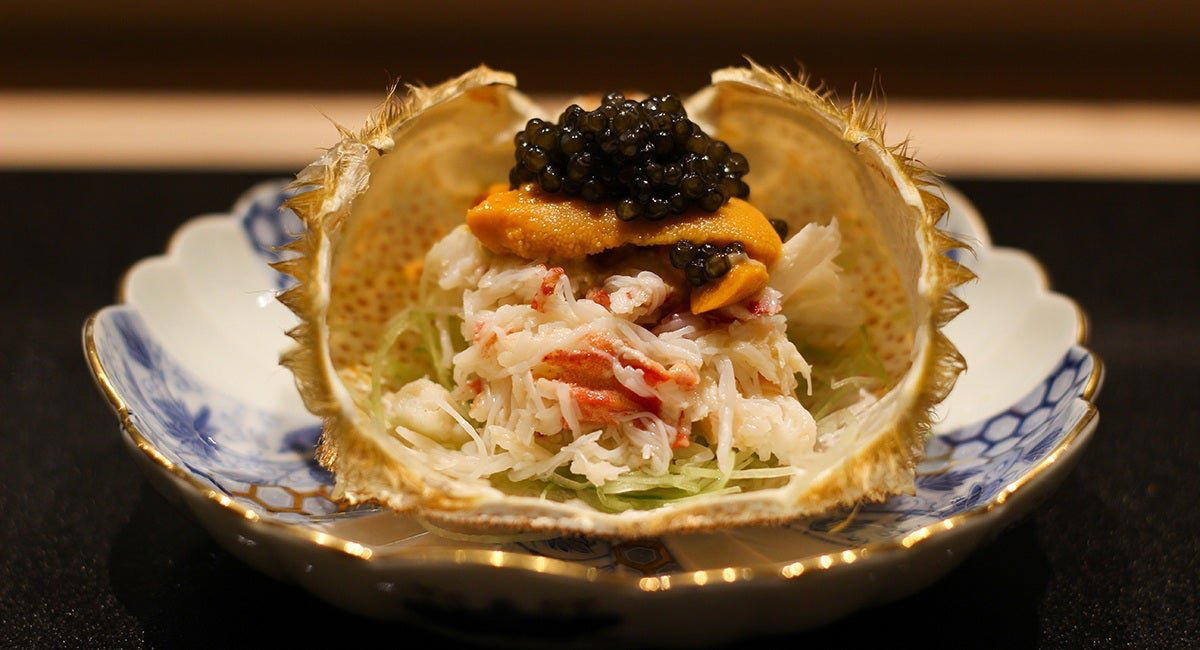
Restaurants in Boston
Browse all →
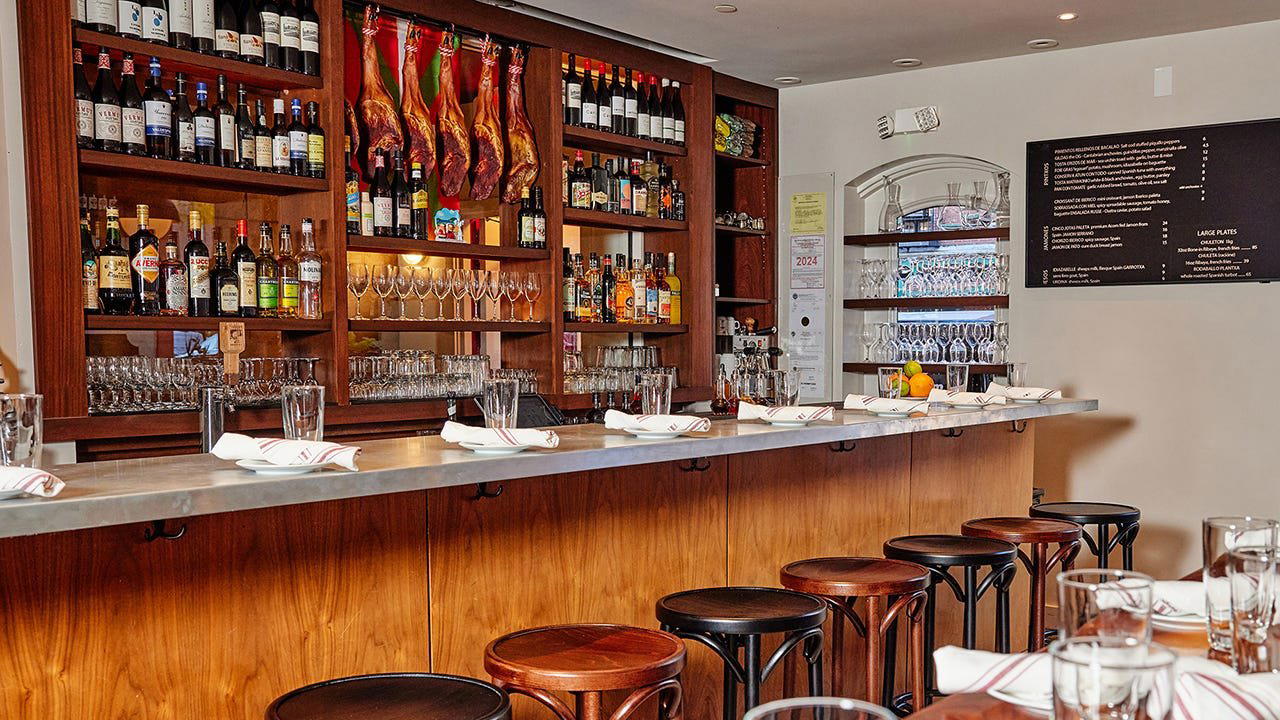
Bars in Boston
Browse all →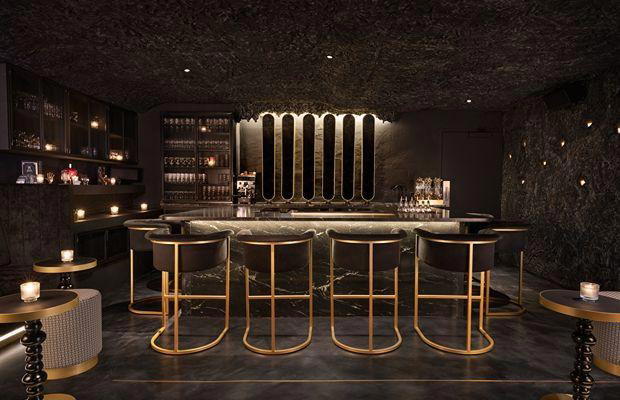
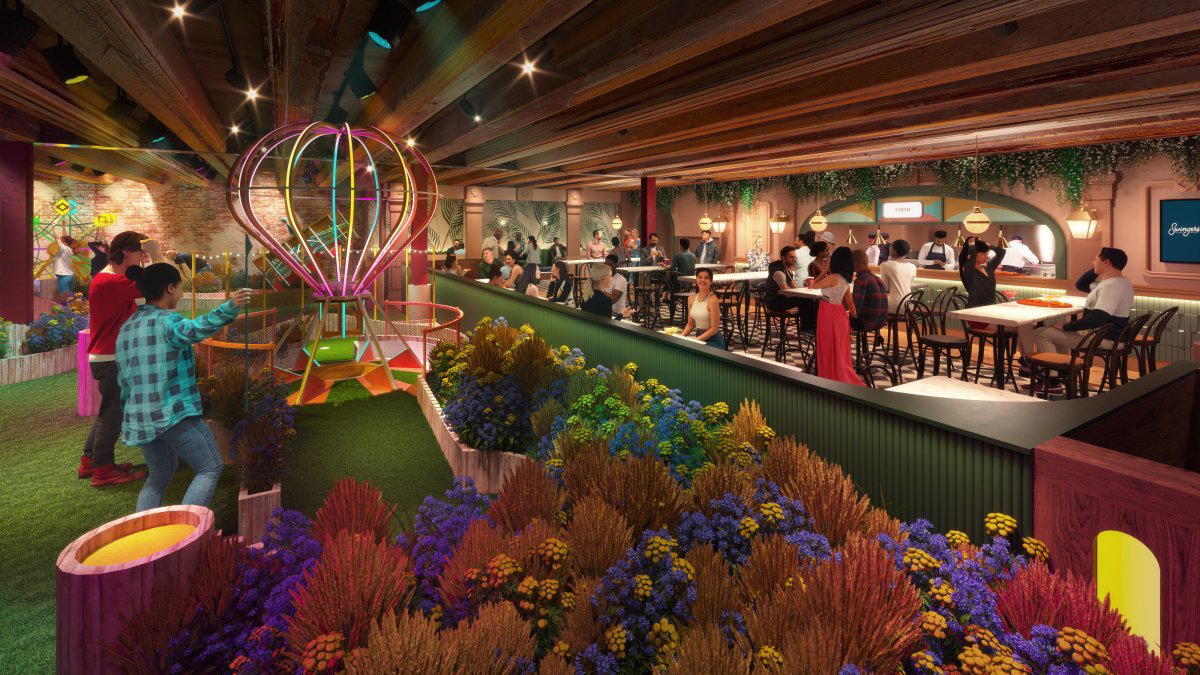
Hotels in Boston
Browse all →

Wineries in Boston
Browse all →
At a Glance
- Trendy
- Lively
- Modern
- Elegant
- Date Night
- Brunch
- Casual Hangout
- Terrace
- Open Kitchen
- Craft Cocktails
- Street Scene
Current opening hours
- Monday
- 11 AM–9 PM
- Tuesday
- 11 AM–9 PM
- Wednesday
- 11 AM–9 PM
- Thursday
- 11 AM–9 PM
- Friday
- 11 AM–10 PM
- Saturday
- 10 AM–10 PM
- Sunday
- 10 AM–9 PM
Hours can change for holidays and private events. Last verified .
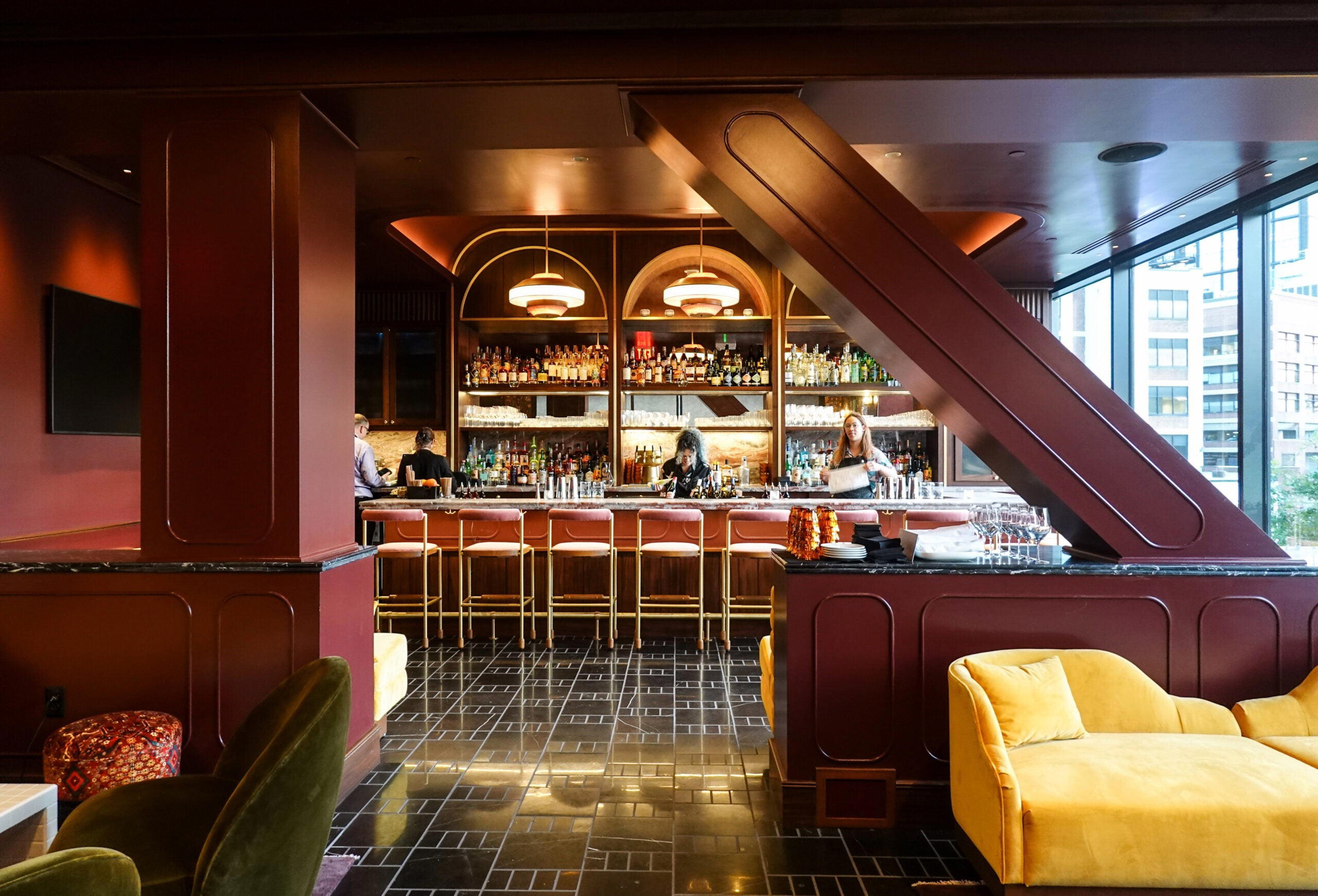
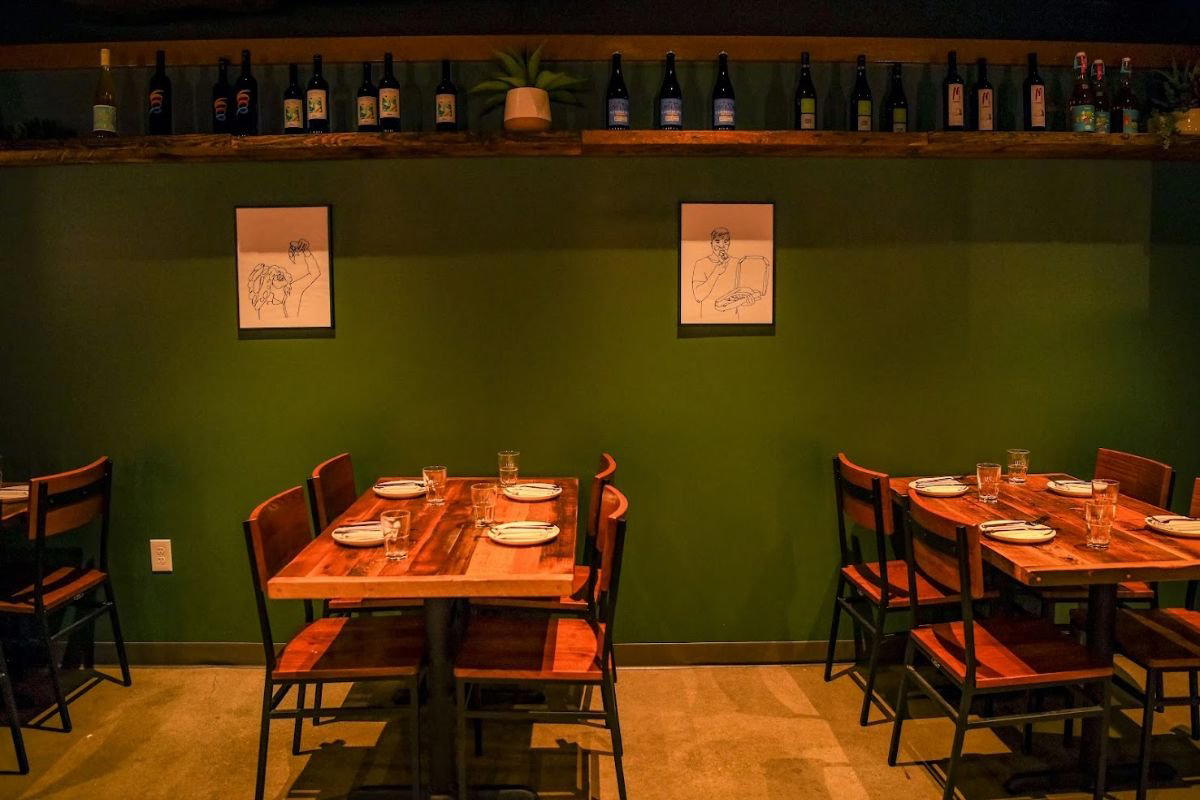
Open inviting space with funky artwork hanging plants bamboo chandeliers and a cool bar on two floors creating a trendy lively atmosphere.