Rosa y Marigold

Rosa y Marigold brings Peruvian and chifa cooking to Boston's Newbury Street, anchoring its menu around ceviche and lomo saltado within a cuisine tradition that blends Andean, Japanese, and Chinese influences. The address places it in one of the city's most-trafficked dining corridors, where kitchens face pressure to distinguish themselves through precision rather than novelty. For Boston, it represents a relatively rare foothold for a cuisine that remains underrepresented in the city's broader restaurant scene.
Pearl is the En Primeur Club membership app — saves, bookings, and concierge access live there. Same editors, same standards.
- Address
- 400 Newbury St, Boston, MA 02115
- Website
- rosaymarigold.com
- Directions
- Get directions
 Saves & bookings on Pearl
Where Newbury Street Meets the Andes
Rosa y Marigold is a Modern Peruvian restaurant at 400 Newbury St, Boston, MA 02115, with a price tier of 3. Against that backdrop, Rosa y Marigold at 400 Newbury St occupies a position that few restaurants in Boston attempt. Its kitchen runs on Peruvian cooking, specifically the chifa tradition, a genre born from over a century of Chinese immigration into Lima and the culinary cross-pollination that followed. In a city whose restaurant scene trends heavily toward New England seafood, Italian-American classics, and Japanese omakase counters like 311 Omakase, a kitchen organized around Andean-Chinese fusion is a distinct proposition.
Approaching Newbury Street in autumn, the neighborhood shifts from summer's open-air ease to something more compressed and amber-lit, with restaurants pivoting their identities toward warmth and substance. That seasonal transition tends to favor kitchens whose menus are built around bold acid, citrus-forward cures, and proteins that carry heat well. Ceviche, often misread as a warm-weather dish, actually performs differently when the citrus leche de tigre is cold-bright against the first genuinely cool evenings of October. Lomo saltado, the stir-fried beef and potato dish that sits at the center of chifa cooking, is inherently a cold-night dish: high-heat wok, soy and ají amarillo, the kind of satisfying salt-fat combination that makes sense when the temperature drops on Newbury Street.
The Chifa Tradition and Where Boston Stands Within It
Chifa is not fusion in the casual contemporary sense. It is a documented culinary tradition that developed in Peru across more than a century of migration, producing a cooking style that absorbed Chinese techniques, particularly wok cookery and soy-based braising, into an Andean ingredient framework. The result is a genre with its own internal logic: lomo saltado is not a hybrid novelty but a dish with a standardized canon, regional variations, and a recognizable set of judgment criteria.
Boston's engagement with this tradition has been limited. The city's South American restaurant presence concentrates primarily around Brazilian and Colombian cuisines, with Peruvian cooking remaining a smaller, less-represented category. That positions Rosa y Marigold not just as a single address on Newbury Street but as a reference point for a cuisine that Boston diners have had few local opportunities to develop familiarity with. For context, cities like New York, Los Angeles, and Miami have established Peruvian dining scenes with multiple price tiers and specialist operators; Boston's version of that scene is still forming. A kitchen working within this tradition here carries a different kind of responsibility than it would in a market where diners arrive with pre-existing fluency.
Reading the Menu as a System
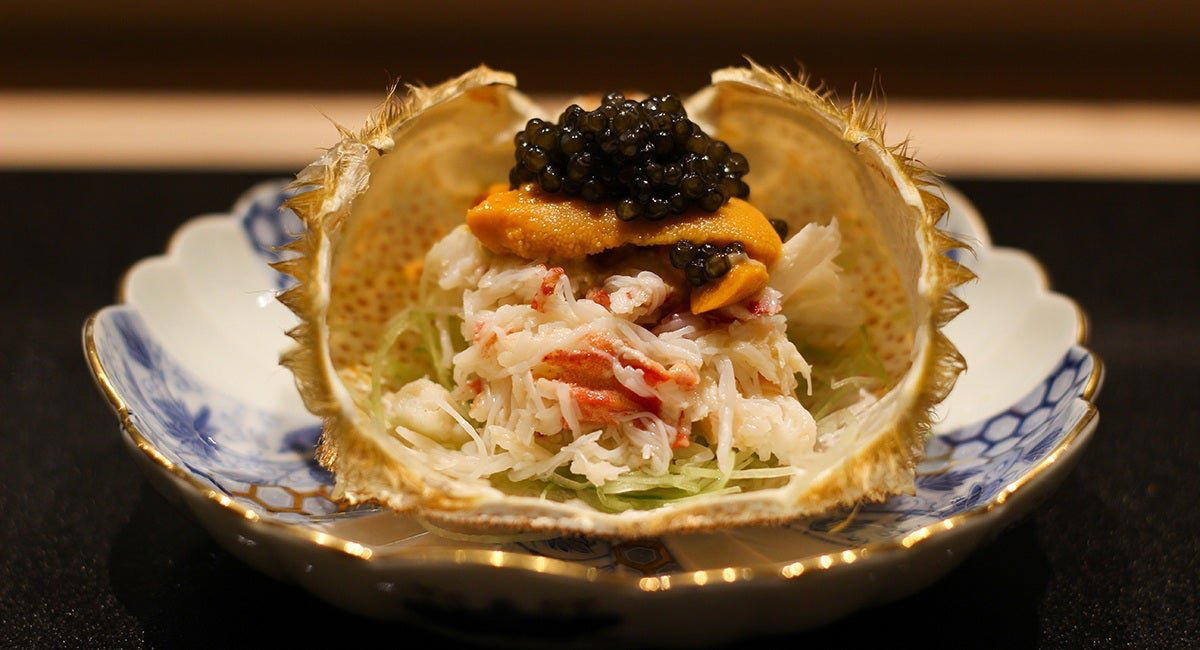
The menu at Rosa y Marigold is organized around chifa cooking alongside ceviche, which places the kitchen inside two distinct but related Peruvian traditions. Ceviche in its classical Peruvian form is about the cure: the ratio of citrus to salt, the timing of the leche de tigre, and the quality of the protein before any acid touches it. The Nikkei influence, which came from Japanese immigration into Peru around the same period as Chinese immigration, brought cleaner cuts and a sashimi-adjacent sensitivity to fish preparation. That layered culinary history means that a well-executed Peruvian ceviche is drawing on at least three distinct food cultures simultaneously.
Lomo saltado operates on different logic. It is a wok dish, which means execution depends on heat management, timing, and the specific character of the soy-ají amarillo combination. The potatoes, typically fried separately and folded in at the end, need to hold texture without going soft. These are technical requirements, not stylistic preferences, and they define what separates a kitchen that understands the tradition from one that is approximating it.
The collaborative structure of a kitchen running both ceviche and chifa simultaneously suggests differentiated station responsibilities: the acid-precision work of the raw bar and the high-heat demands of wok cookery require different training and different instincts. In smaller Boston kitchens, that kind of role separation often shows in the consistency of service, where front-of-house staff need to be fluent enough in both traditions to guide diners who may not arrive with prior knowledge of the cuisine. That team dynamic, the coordination between kitchen stations and the floor, is where restaurants working in less-familiar cuisines either build or lose trust with new guests.
Placing Rosa y Marigold in Boston's Broader Scene
Boston's restaurant scene in 2024 has split more clearly than in previous cycles between high-investment tasting menu formats, like the chef's counter at Agosto with its Portuguese-inspired fine dining, and more casual but technically precise kitchens. The restaurant sits in the latter category, working a cuisine that does not require the ceremony of a multi-course progression but does require technical honesty in its execution. That is a different kind of discipline from what you find at Abe & Louie's or the globally-inflected comfort approach at Ama at the Atlas, and it requires diners to calibrate their expectations accordingly.
The comparison set is genuinely limited within Boston. Unlike Japanese cooking, which has representation across multiple formats including omakase counters, sushi restaurants, and izakayas, or seafood, which runs from raw bars through to grills, Peruvian-chifa cooking in Boston does not yet have a tiered competitive structure that would let diners place the restaurant precisely within a comparable set. That is both the kitchen's challenge and its relative advantage on Newbury Street.
For broader context on how other cities handle category-defining restaurants in underrepresented cuisines, the dynamic is not unlike what smaller-format specialists face in other markets. Kitchens like Lazy Bear in San Francisco or Emeril's in New Orleans each carved out category positions in their respective cities partly by being early and consistent within a specific culinary frame. The restaurant's position in Boston carries a similar kind of first-mover weight in its genre.
For visitors building a broader Boston itinerary, the city's restaurant scene extends well beyond Newbury Street. The full Boston restaurants guide maps the full range of cuisines and formats, while the Boston hotels guide, bars guide, and experiences guide cover the rest of what the city offers across a trip. The restaurant at 400 Newbury St is near Back Bay in Boston. Reservation is recommended.
Peers in This Market
Comparable venues nearby, for context on price, style, and recognition.
| Venue | Cuisine | Price | Notes |
|---|---|---|---|
| Rosa y MarigoldThis venue — the venue you are viewing | Modern Peruvian | $$$ | Not listed |
| Celeste | Peruvian Andean Home Cooking & Pisco Bar | $$$ | Union Square |
| Bistro du Midi | Coastal French Bistro | $$$ | Theatre District |
| Mai | French-Inspired Japanese Izakaya | $$$ | South Boston Waterfront |
| Matria | Northern Italian Steakhouse | $$$ | Financial District |
| Little Sage | Modern Italian Bistro | $$$ | North End |
Recognition history
Dated appearances from independent guides and award organizations, with the underlying list record or original source where available.
Star Wine List
Star Wine List
Continue exploring
More in Boston
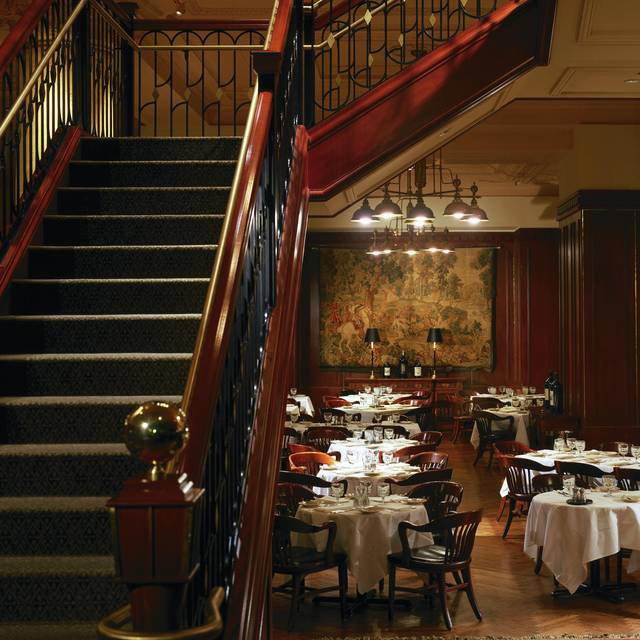
Restaurants in Boston
Browse all →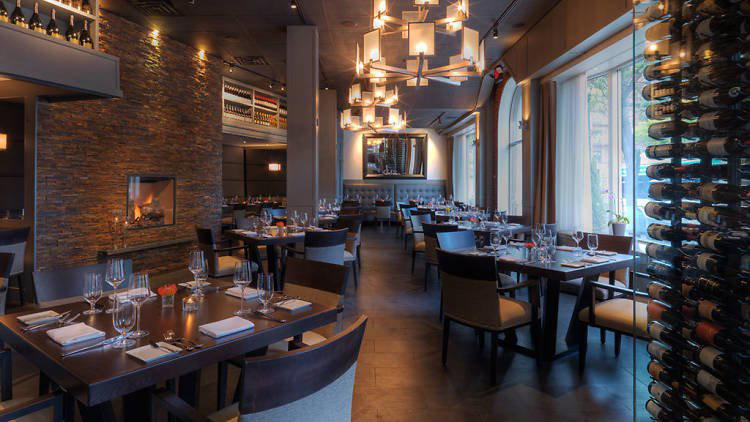
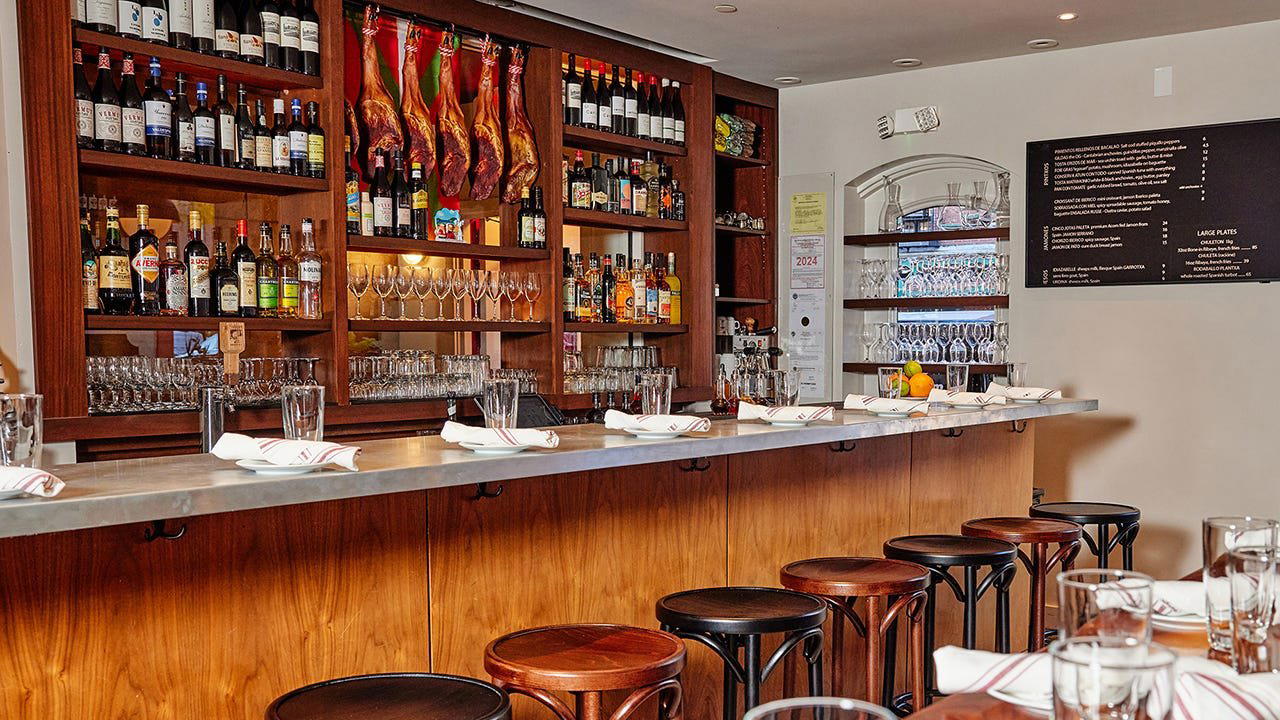
Bars in Boston
Browse all →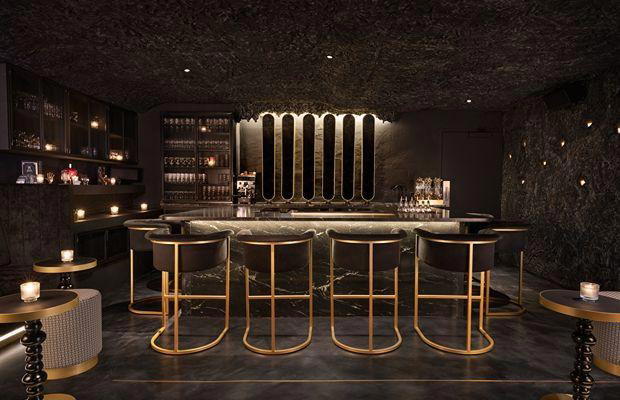
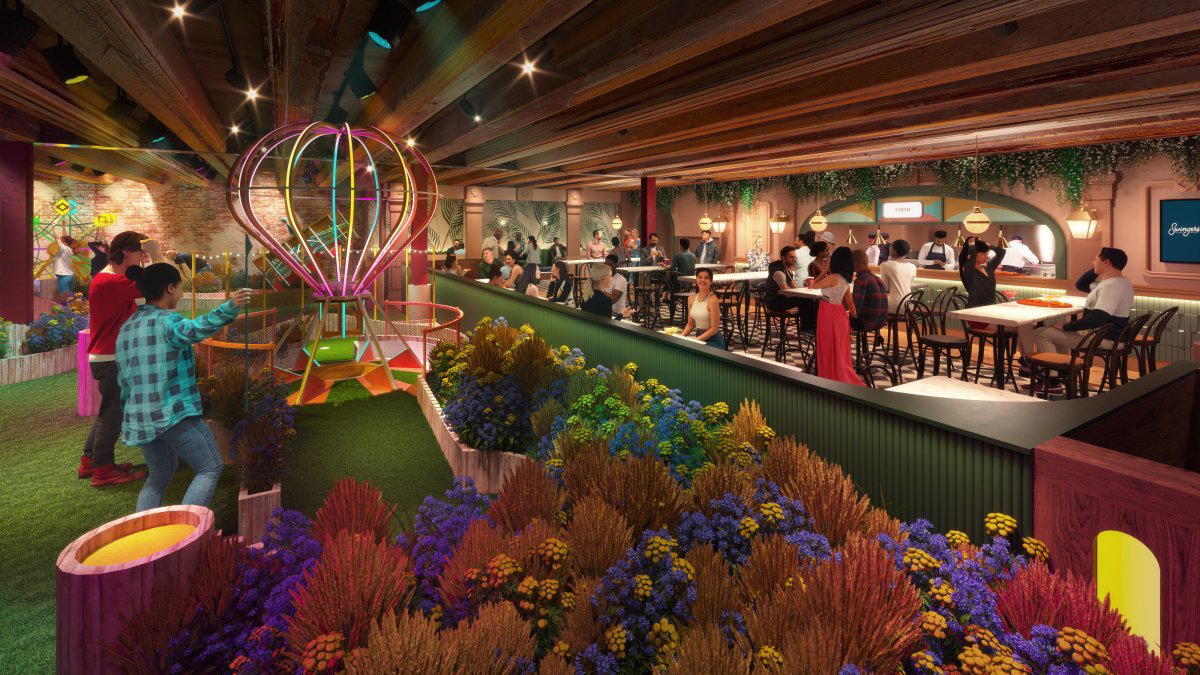
Hotels in Boston
Browse all →

Wineries in Boston
Browse all →
At a Glance
- Lively
- Elegant
- Date Night
- Group Dining
- Special Occasion
- Open Kitchen
- Live Music
- Terrace
- Craft Cocktails
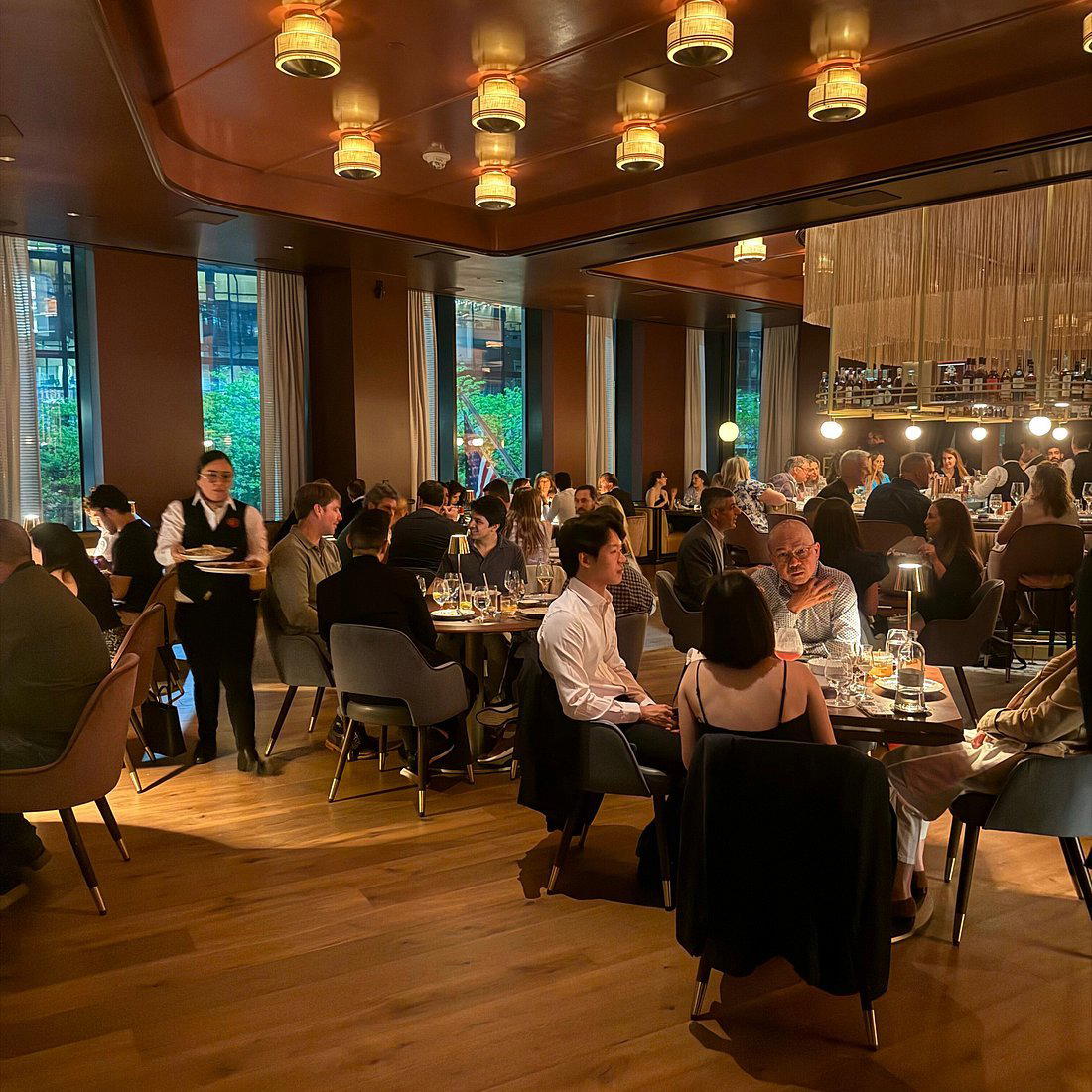
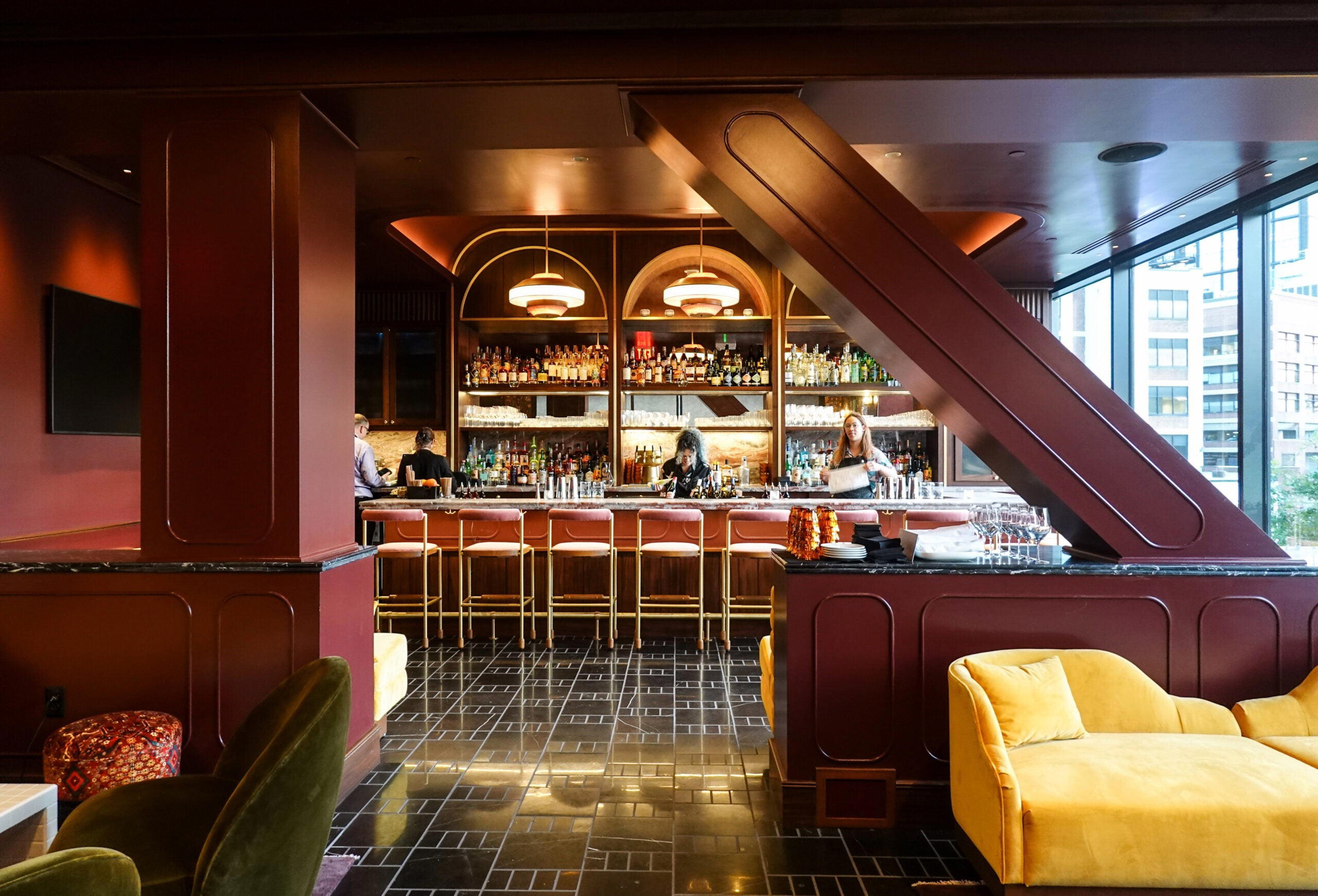
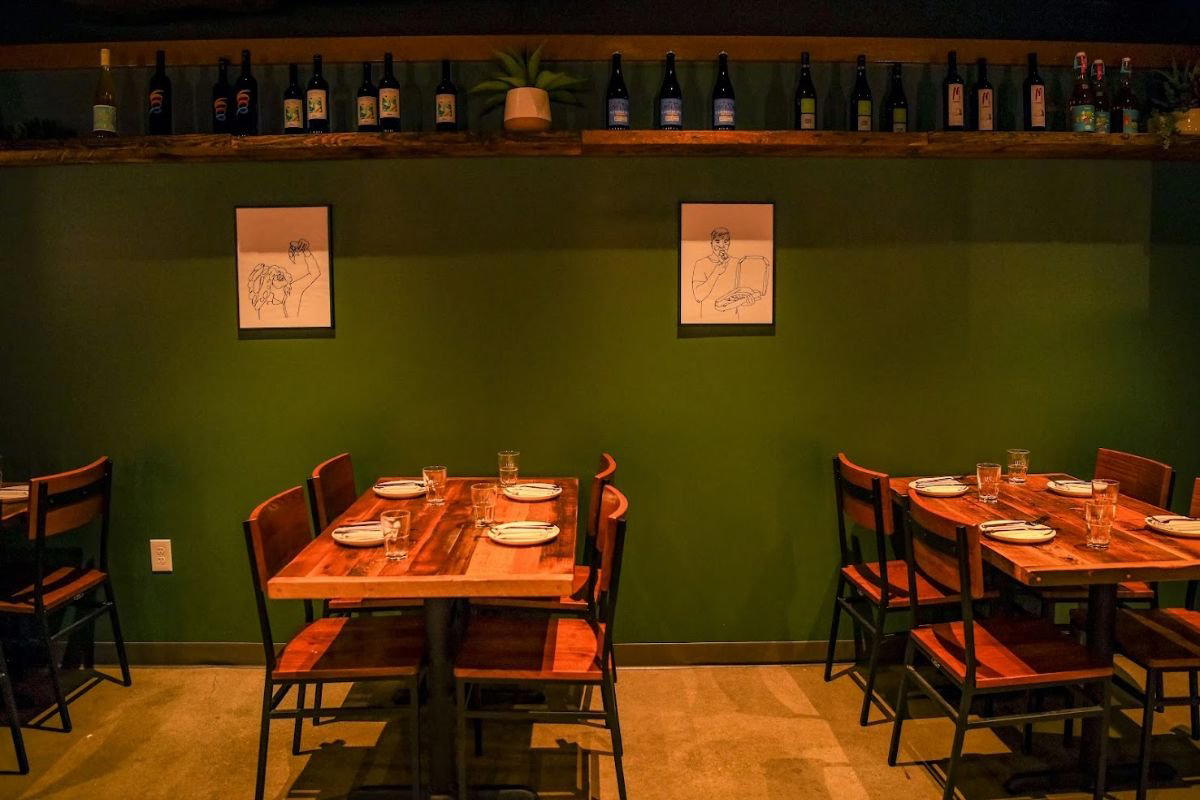
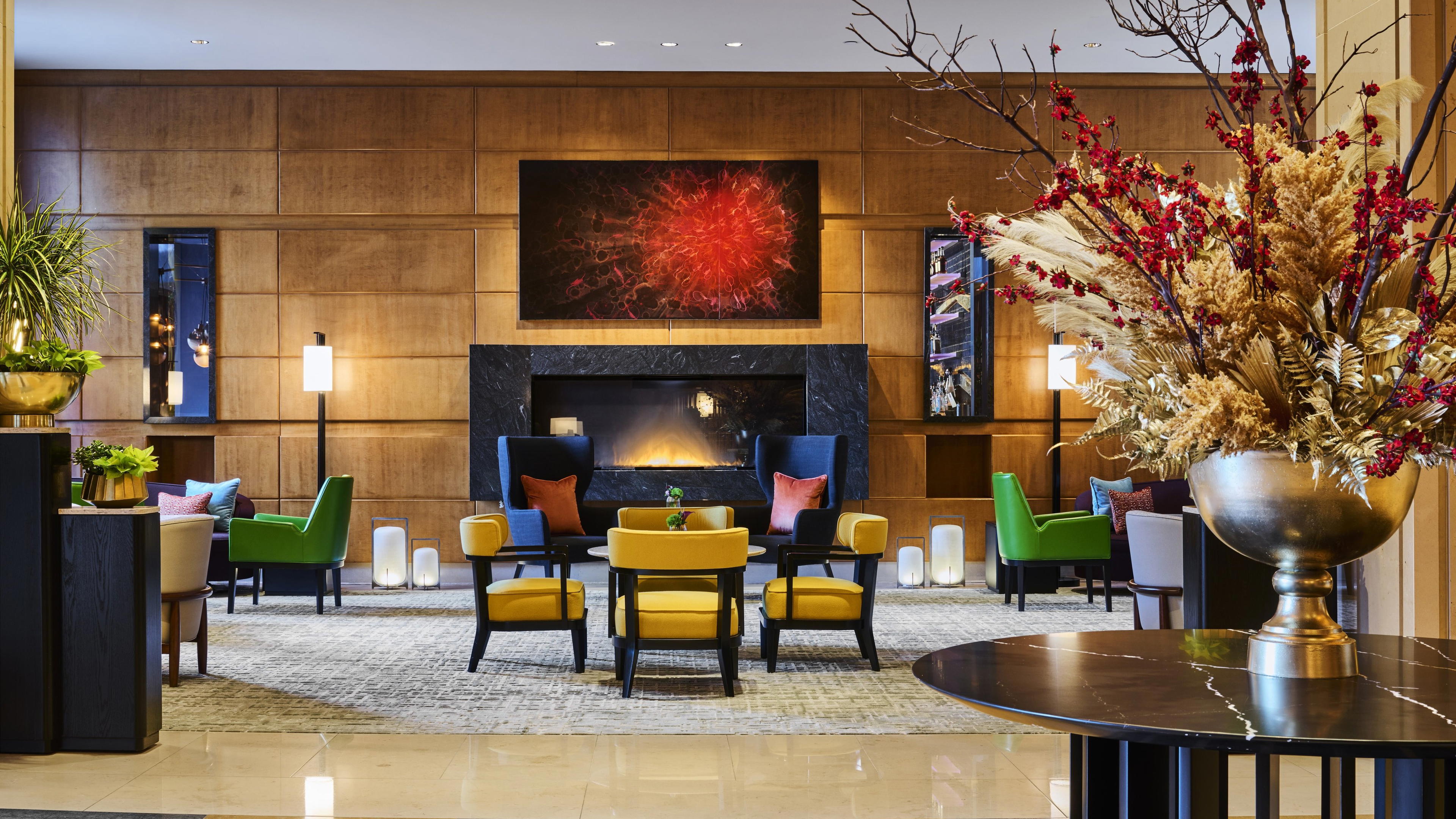
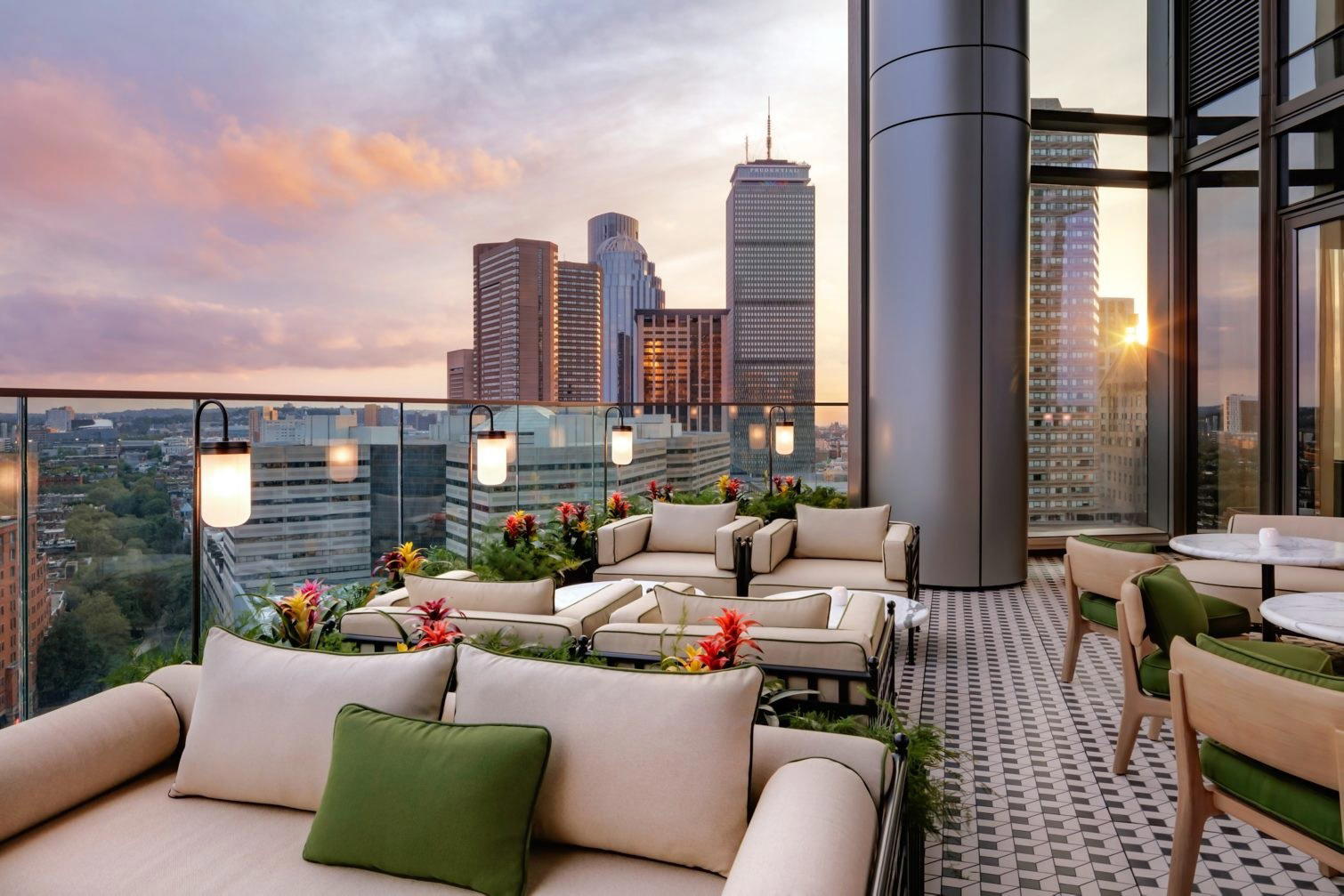
Lively space reflecting Peru’s colorful culture with large airy dining room, moody bar, and lively yet refined atmosphere.