




2 Michelin Stars · La Liste Top Restaurants · Falstaff Restaurant - 95 Falstaff Points
Our verdict
etz holds two Michelin stars and scores 83 points in the 2026 La Liste rankings, placing it at the upper tier of creative fine dining in Germany. Chef Felix Schneider operates from a quietly industrial address in Nuremberg's north, where the distance from the old town's tourist circuit shapes the atmosphere as much as the cooking does. This is destination dining that rewards advance planning.

Pearl is the En Primeur Club membership app — saves, bookings, and concierge access live there. Same editors, same standards.
- Address
- Eingang über Kirschgartenstr, Wiesentalstraße 40, 90419 Nürnberg, Germany
- Phone
- +49 911 47712809
- Hours
- Mon–Wed ClosedThu–Sat 6:15–11:30 PMSun Closed
- Website
- etzrestaurant.de
- Directions
- Get directions
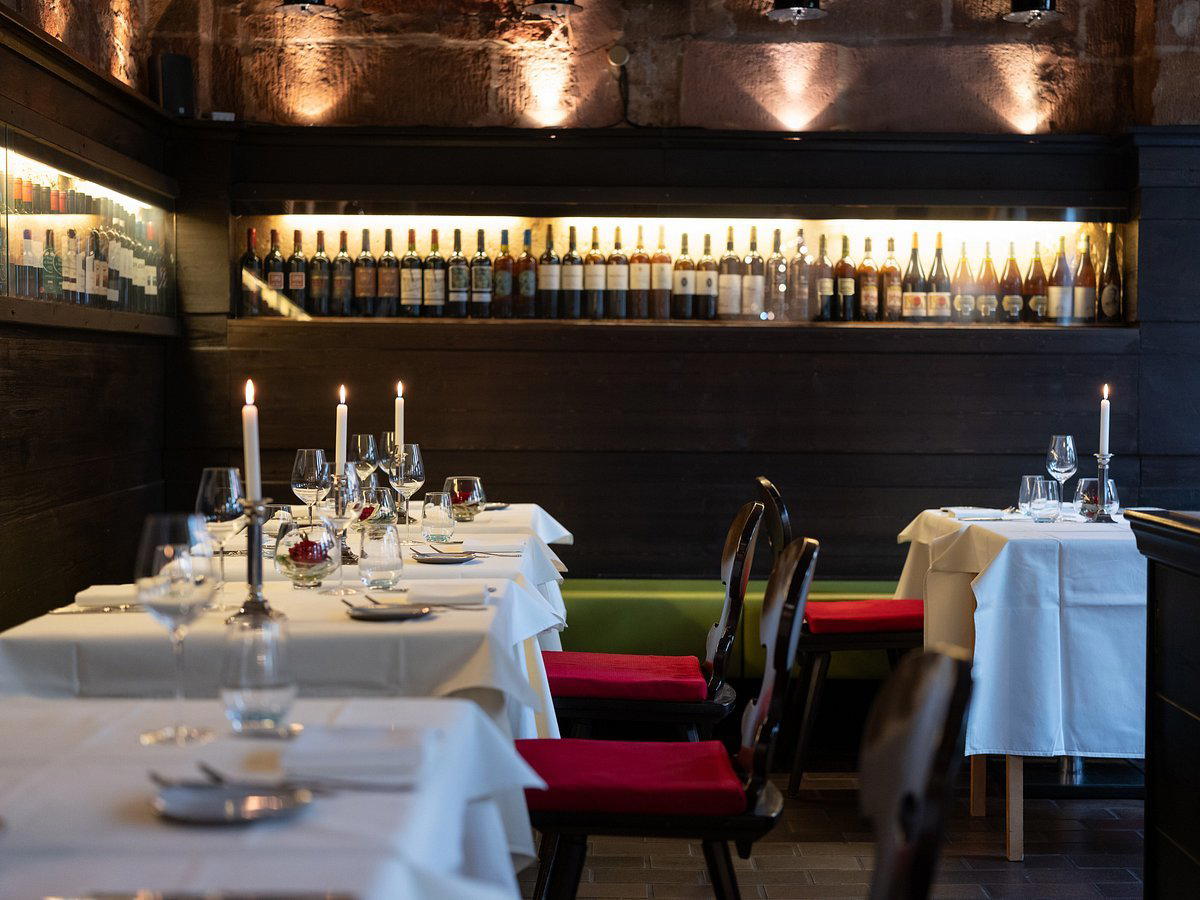
The menu
What to order
- Wagyu tartare with emu egg miso
- Char with koji butter and sorrel
- Scrambled duck eggs with Judas ears and Franconian truffles
- Pork belly BBQ
- Blue trout sashimi
North of the Centre, Far from the Formula
Nuremberg's most decorated creative kitchens tend to cluster in the older quarters, where medieval street plans and heritage interiors provide a ready-made context for ambitious cooking. etz sits deliberately outside that orbit. The address on Wiesentalstraße, accessed through Kirschgartenstraße, places the restaurant in a northern residential stretch that most visitors to the city never pass through. That geographic remove is part of the proposition: arriving here requires intention, and the neighbourhood makes no concessions to spectacle. What the setting offers instead is a particular kind of focus, the kind that tends to accompany creative restaurants that have no tourist foot traffic to rely on.
That focus has translated into measurable recognition. etz holds two Michelin stars, maintained across both the 2024 and 2025 guides, and scored 83 points in the 2026 La Liste global ranking, up from 82.5 points in the 2025 edition. Within Germany's creative fine dining tier, that trajectory places etz in a cohort of restaurants that are gaining ground rather than coasting on established reputation. For comparison, Aqua in Wolfsburg and Vendôme in Bergisch Gladbach represent the country's three-star benchmark; etz operates one tier below that ceiling but is closing the points gap that separates the two levels.
Nuremberg's Creative Fine Dining Tier
The city's two-star count is small but significant. Essigbrätlein, which holds two Michelin stars and applies a modern German and innovative lens to its tasting format, is etz's closest peer in terms of award level. Below that, a cluster of one-star addresses, including Wonka, Entenstuben, and Koch und Kellner, fills out the formal dining scene. ZweiSinn Meiers | Fine Dining adds another reference point for the city's serious cooking. The two-star tier is where the ambition concentrates, and etz's consistent re-entry into it over successive guide years reflects programme stability rather than a single breakout moment.
Nuremberg does not carry the international dining reputation of Munich or Berlin, which means its two-star restaurants attract a more specialist visitor, one travelling with a specific reservation rather than discovering the city's food scene incidentally. That dynamic suits etz's location and apparent format. It is not a restaurant that benefits from walk-in culture, and the Wiesentalstraße address reinforces the idea that the guest relationship begins with a deliberate booking rather than a spontaneous door-handle pull.
Chef Felix Schneider and the Creative Category
Germany's creative fine dining tier has diversified considerably over the past decade. Where the category once defaulted to French-trained technique applied to German ingredients, a newer generation of chefs has developed programmes that are harder to map onto any single culinary tradition. JAN in Munich and CODA Dessert Dining in Berlin represent two directions within that creative bracket: one anchored in classical rigour, one in structural experimentation. Felix Schneider at etz occupies the same broad creative designation without the specificity of those reference points being confirmed by available data.
What the record does confirm is that Schneider's programme has satisfied two successive Michelin inspection cycles at the two-star level, and that La Liste's scoring methodology, which aggregates critical opinion across multiple national guides, has placed etz progressively higher. The 0.5-point gain between the 2025 and 2026 La Liste editions is a small but directional signal in a scoring system where sustained increments at this level are not given freely. For international context, that score puts etz in the same general La Liste band as a range of two-star European addresses operating in mid-sized cities. The Schwarzwaldstube in Baiersbronn and ES:SENZ in Grassau illustrate how Germany's leading creative tables are distributed across regional rather than metropolitan settings, and etz fits that pattern squarely.
The Case for Winter and Peak Season Visits
Nuremberg's search interest in fine dining peaks in February, August, October, November, and December, a pattern driven partly by the city's calendar. The Christmas market season draws significant visitor numbers from late November through December, and the combination of cold-weather atmosphere and the logistical advantage of being already in the city makes winter the natural window for high-intent dining reservations. A two-star table in the northern residential quarter, removed from the Christmas market crowds in the Altstadt, offers a counterpoint to the seasonal density rather than adding to it.
For visitors planning around the peak months, the practical implication is that booking lead time matters considerably. A restaurant of etz's standing, with a fixed-format offering at the €€€€ price tier, will fill its covers well ahead of peak periods. February brings a quieter city atmosphere; October and November sit in the pre-Christmas surge window that Nuremberg experiences more acutely than most German cities. Either side of the December peak tends to carry a better reservation probability than the market weeks themselves, though all of this is a general pattern for two-star restaurants in seasonal cities rather than venue-specific policy.
Placing etz in the Wider German Creative Scene
The creative cuisine designation covers substantial ground in Germany's current guide landscape, from hyper-local fermentation-driven menus to technically classical programmes with contemporary plating. What the Michelin two-star award communicates clearly is that etz meets consistency criteria across service, produce sourcing, and technique that the guide applies at this level regardless of stylistic category. The La Liste score adds a different dimension: that score reflects aggregated critical reception across multiple publications rather than a single inspector's visit cycle, giving a fuller picture of sustained reputation.
Within that broader map, etz sits closer to Alléno Paris au Pavillon Ledoyen and Arpège in terms of the global scoring tier than it does to neighbourhood bistros using the creative label loosely. The comparison is useful not to suggest stylistic similarity but to calibrate the level of ambition and the type of diner for whom etz is the right choice. These are restaurants where the menu format, pacing, and price point require genuine engagement from the guest. Showing up to etz without a reservation or without appetite for a full tasting-format evening would be a mismatch, and the northern address makes that clear before you even open a door.
Planning Your Visit
etz is located at Wiesentalstraße 40, with the entrance accessed via Kirschgartenstraße in Nuremberg's northern 90419 postcode. At the €€€€ price tier, this is one of the city's most expensive tables, sitting alongside Essigbrätlein at the top of Nuremberg's fine dining expenditure range. Booking in advance is the only realistic approach at this level, particularly across the October-to-December window when the city's overall visitor density rises sharply. For those building a broader Nuremberg itinerary around the dining reservation, our full Nuremberg restaurants guide covers the wider scene, and our Nuremberg hotels guide, bars guide, wineries guide, and experiences guide round out the city's offer at a comparable level of curation.
Frequently asked questions
Who is the chef at etz?
The chef associated with etz is Felix Schneider.
Do I need a reservation for etz?
At two Michelin stars and the €€€€ price tier, securing a reservation before arrival is non-negotiable. Nuremberg's fine dining calendar intensifies in February, October, November, and December, so lead times extend further during those months. The entrance is accessed via Kirschgartenstraße at Wiesentalstraße 40 in the 90419 postcode — confirming your booking in advance also makes locating the entrance straightforward on arrival.
Awards and Standing
| Venue | Cuisine | Price | Awards | Notes |
|---|---|---|---|---|
| etzThis venue — the venue you are viewing | Modern Bavarian Fine Dining | $200–300 | 2 Michelin Stars · La Liste Top Restaurants | Not listed |
| Essigbrätlein | Modern German Gewürzküche | $150–200 | 2 Michelin Stars · La Liste Top Restaurants | Modern German, Innovative |
| Tisane | Modern Creative Fine Dining | $150–200 | 1 Michelin Star · Falstaff Restaurant - 92 Falstaff Points | Modern European, Modern Cuisine |
| Entenstuben | Modern French Fine Dining | $100–150 | 1 Michelin Star | Modern Cuisine |
| Veles | Modern Regional European Fine Dining | $150–200 | 1 Michelin Star | Modern Cuisine |
| Wonka | Modern European Fusion with Asian and Franconian Influences | Not listed | 1 Michelin Star | Creative |
Recognition history
Dated appearances from independent guides and award organizations, with the underlying list record or original source where available.
Michelin 2 Stars
Michelin
La Liste Top Restaurants
La Liste
Falstaff Restaurant - 95 Falstaff Points
Falstaff
Opinionated About Dining Top Restaurants in Europe Recommended
Opinionated About Dining
The Best Chef One Knife
The Best Chef
Full recognition history (8 entries)
La Liste Top Restaurants
La Liste
Michelin 2 Stars
Michelin
Michelin 2 Stars
Michelin
Continue exploring
More in Nuremberg
Restaurants in Nuremberg
Browse all →![[w]einklang restaurant in Nuremberg](https://cdn.enprimeurclub.com/storage/v1/object/public/images/locations/rec2OpfvDJLj7d0zO/hero1.jpg?width=3840&quality=75)
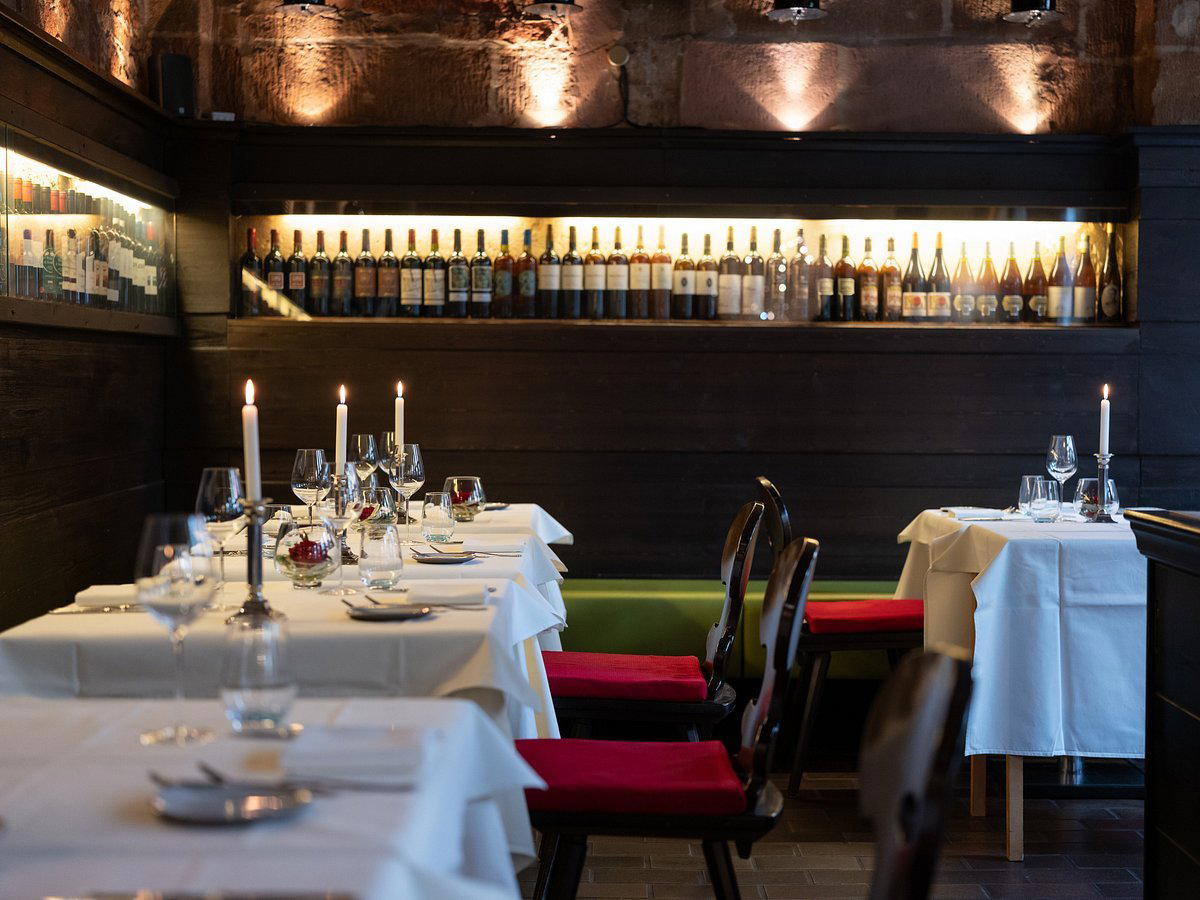
Bars in Nuremberg
Browse all →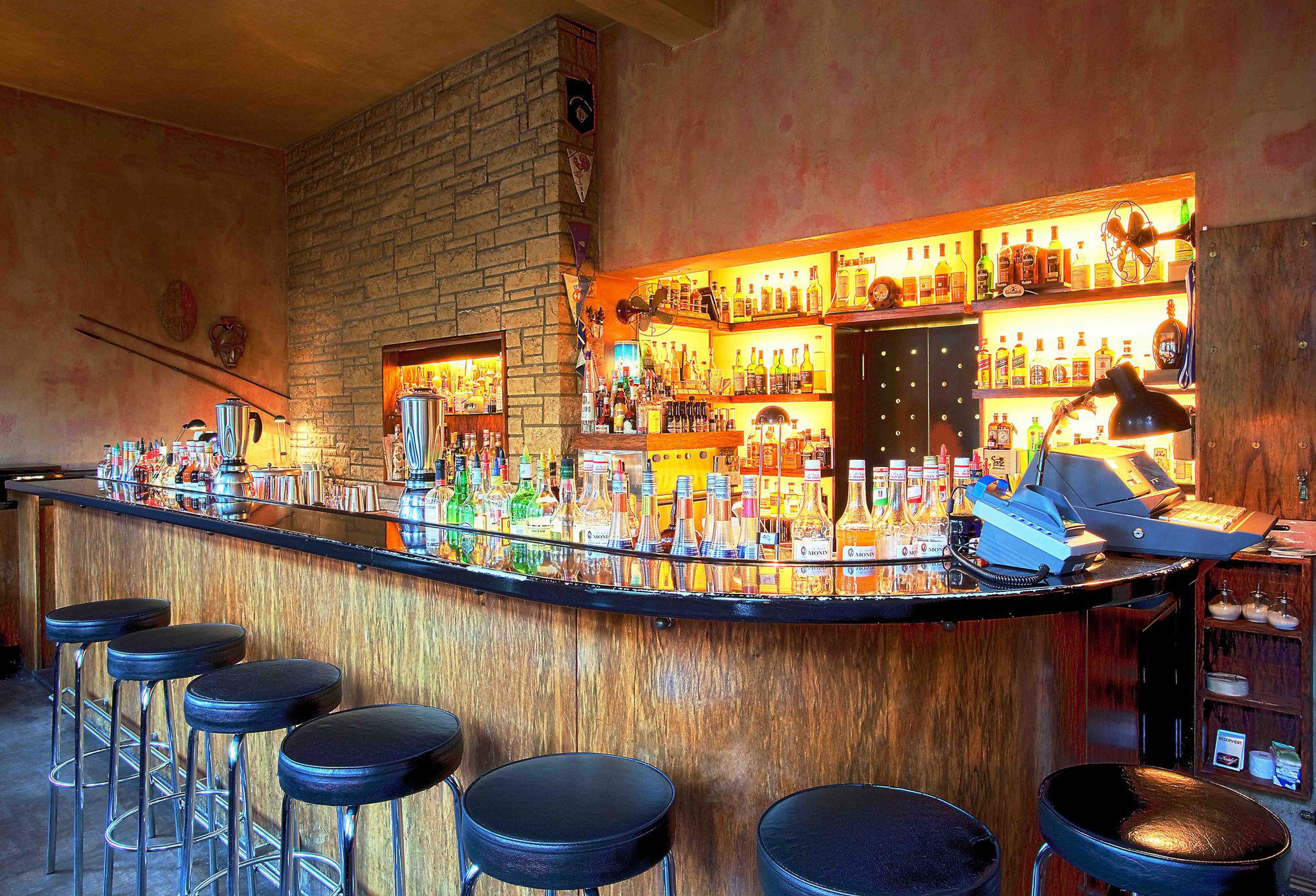
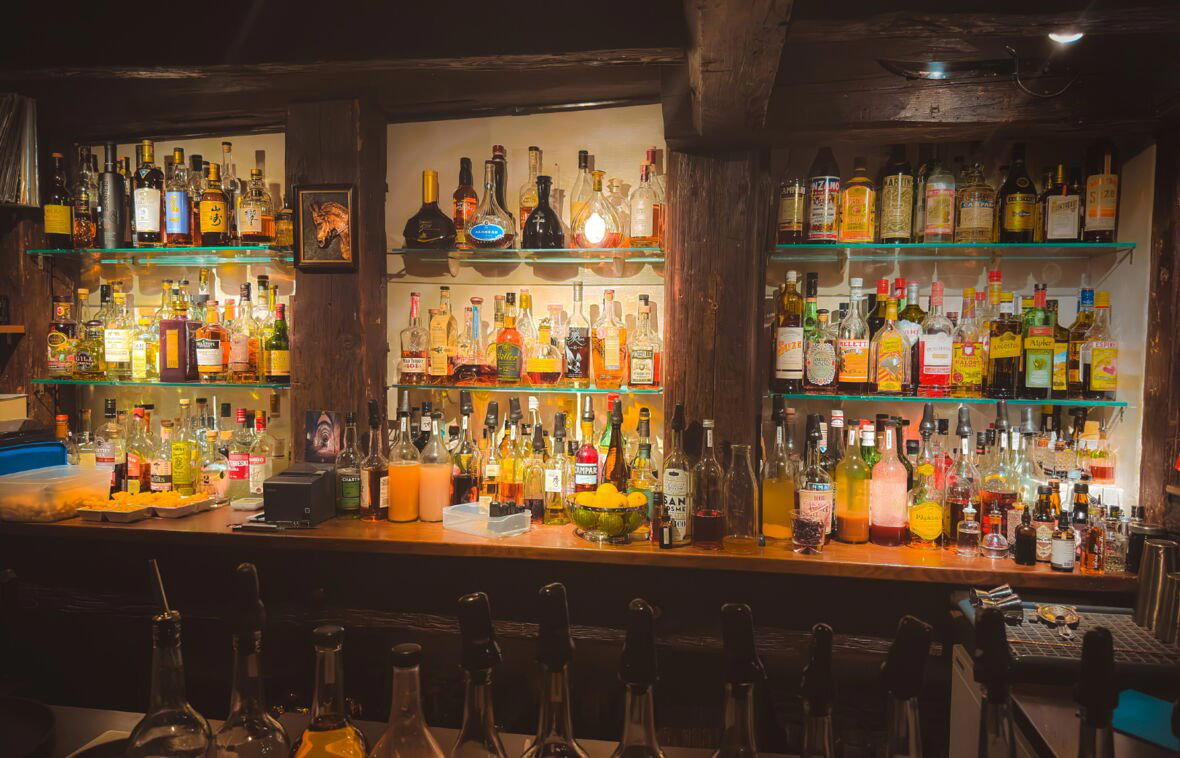
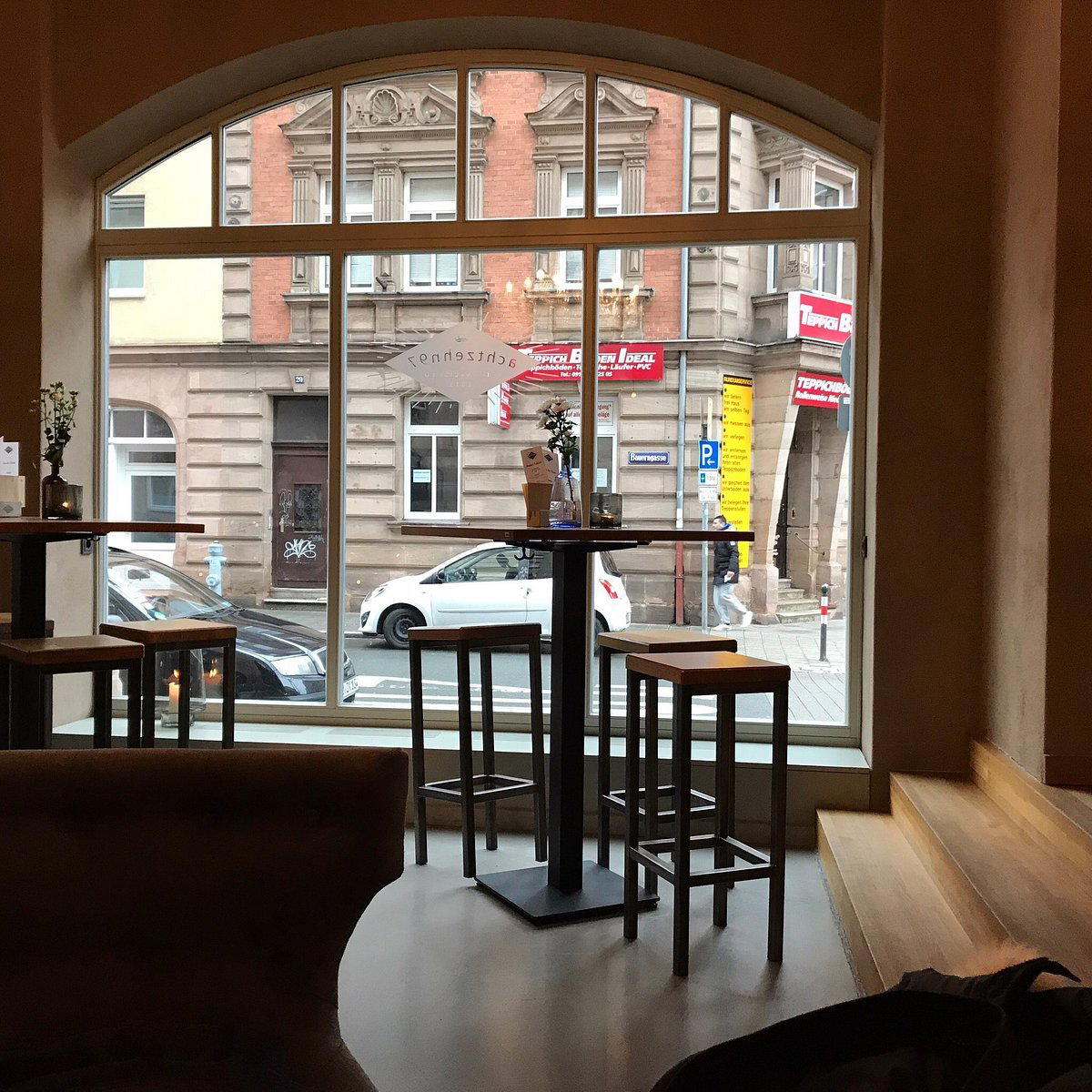
Hotels in Nuremberg
Browse all →
Wineries in Nuremberg
Browse all →
Details
- Elegant
- Modern
- Sophisticated
- Intimate
- Special Occasion
- Date Night
- Celebration
- Open Kitchen
- Chefs Counter
- Sommelier Led
- Zero Proof
- Farm To Table
- Local Sourcing
- Sustainable Seafood
- Zero Waste
- Tasting Menu
- Counter Dining
- Wine Pairing
- Non Alcoholic Pairings
- Vegetarian Friendly
- Allergy Accommodating
- Organic Focus
Current opening hours
- Monday
- Closed
- Tuesday
- Closed
- Wednesday
- Closed
- Thursday
- 6:15–11:30 PM
- Friday
- 6:15–11:30 PM
- Saturday
- 6:15–11:30 PM
- Sunday
- Closed
Hours can change for holidays and private events. Last verified .
Relaxed yet professional atmosphere with open kitchen creating an intimate, interactive dining experience; friendly and informal despite fine dining caliber, with dynamic energy from visible food preparation.