





2 Michelin Stars · World's 50 Best #23 · La Liste Top Restaurants
Our verdict
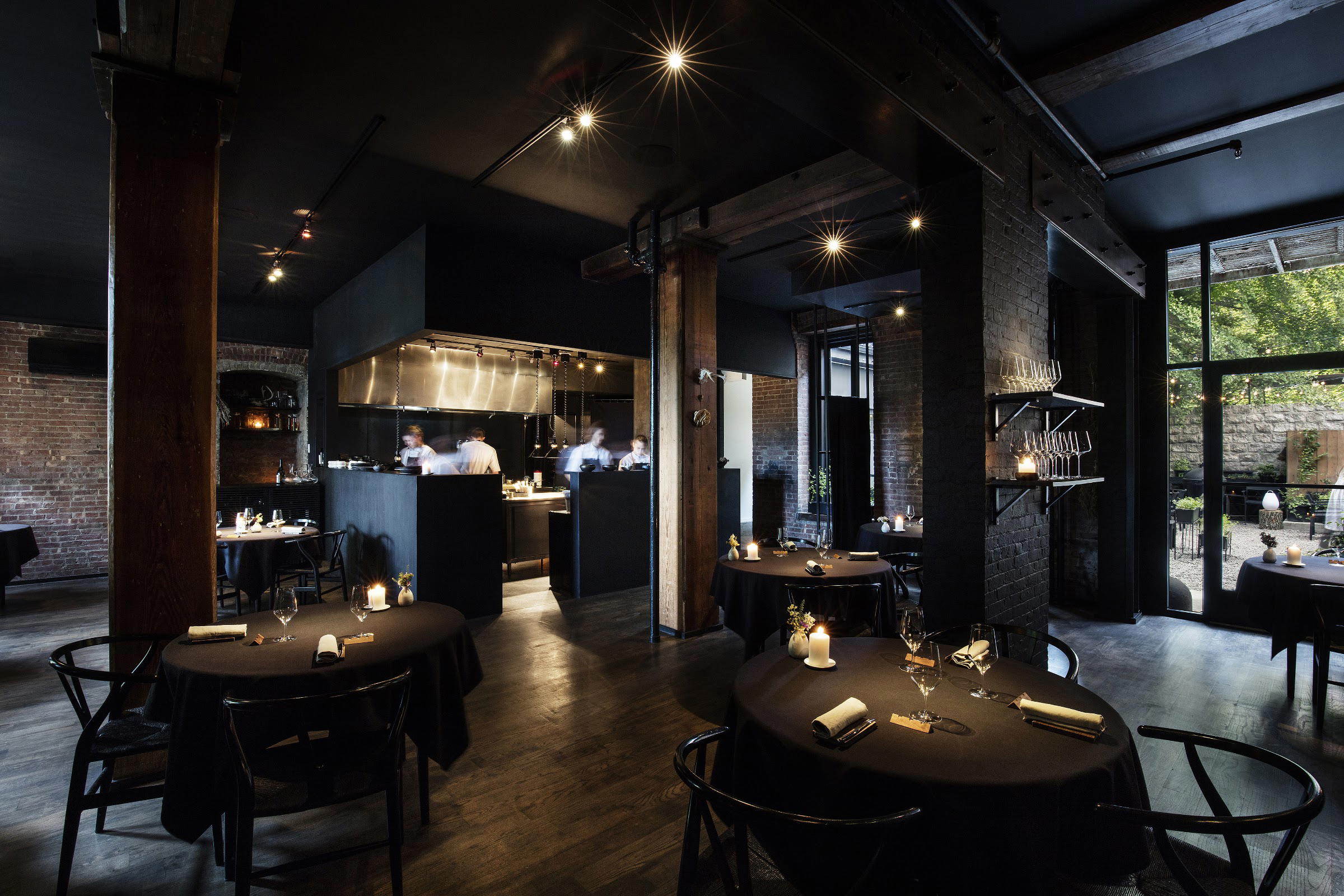
At ten-table Aska in Williamsburg, chef Fredrik Berselius builds a Nordic tasting menu from New York and Northeastern ingredients. The restaurant began in 2012, then reopened in a restored warehouse in 2016; the new location earned two Michelin stars within months.

Pearl is the En Primeur Club membership app, where members save venues, book tables and use the concierge.
The menu
What to order
- Langoustine with gooseberry and caramelized shell sauce
- Venison with morel mushrooms and sunchoke
- Caviar with linden flowers
- Lichen broth with trout
- Lobster foam with white asparagus
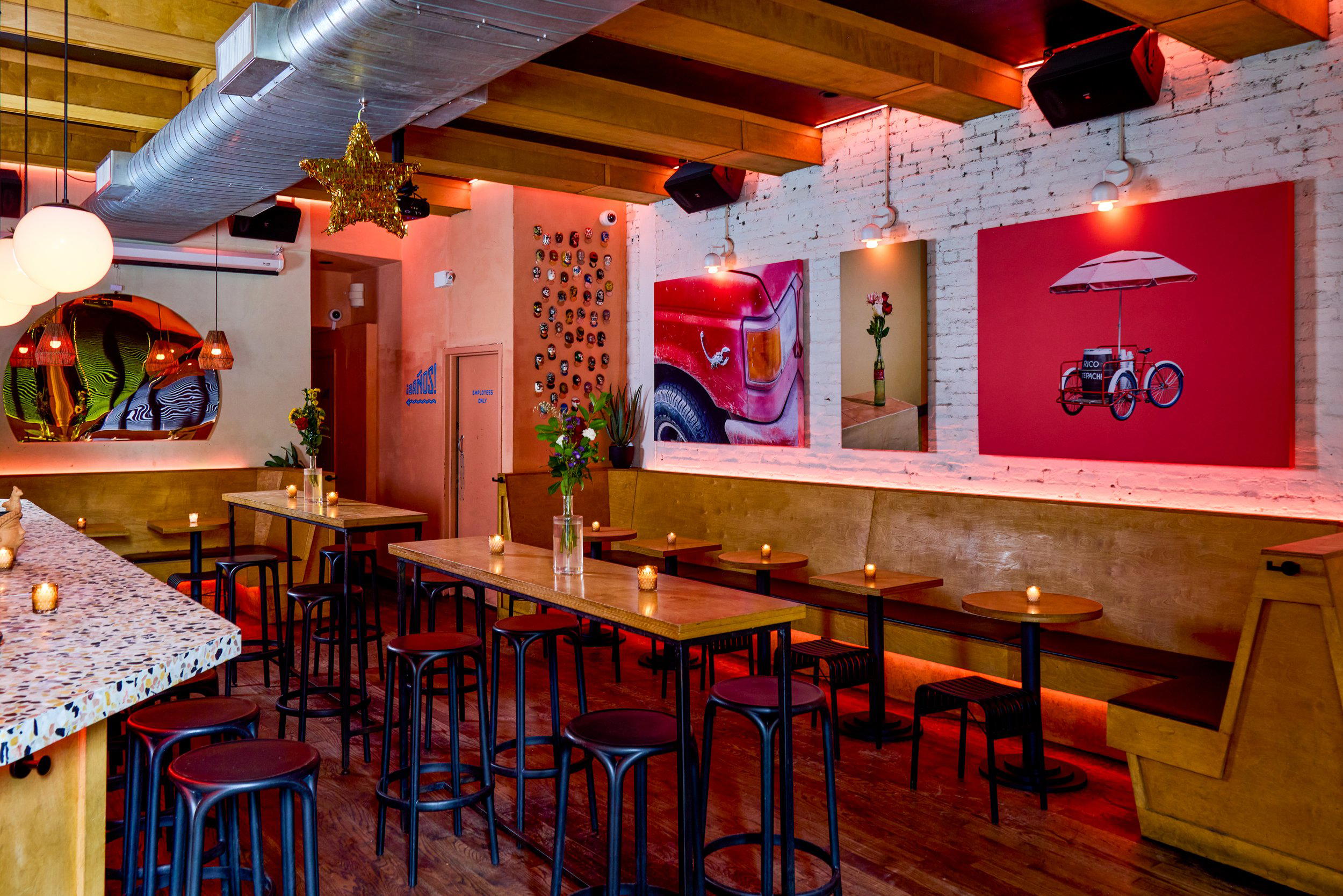
Aska brings Fredrik Berselius’s Stockholm background into a Williamsburg dining room built around just ten tables. The menu draws on ingredients from New York and the Northeast while keeping a Nordic point of view. Courses come from an open kitchen, so the meal unfolds as a sequence rather than a collection of separately ordered plates.
From the first Aska to the Williamsburg warehouse
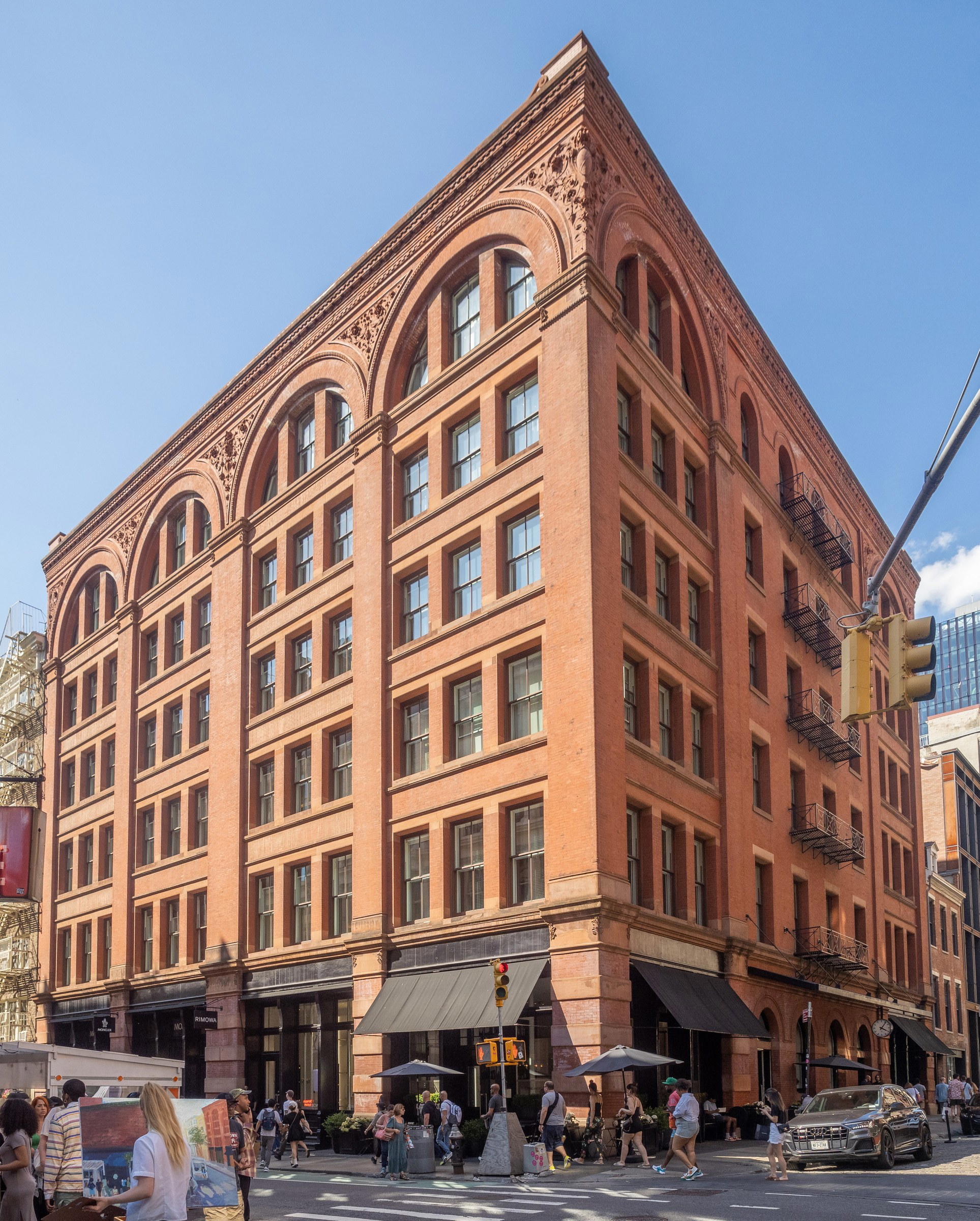
The restaurant first opened in 2012 and earned Berselius a Michelin star within a year. In 2016 Aska reopened in a restored nineteenth-century warehouse near the Williamsburg Bridge, with a main dining room, garden and cellar bar. The new location earned two Michelin stars within months. The 2016 restaurant’s two-star status frames the setting visitors find today.
A tasting menu anchored in the Northeast
Aska describes its current multi-course menu as a journey through New York and Northeastern landscapes. Berselius’s Scandinavian inheritance informs the cooking, but the ingredients come from the region around the restaurant. The ten-table scale and open kitchen suit diners ready to devote an evening to the full tasting menu.
Frequently asked questions
What is the story behind Aska?
Fredrik Berselius opened the first Aska in 2012; it earned a Michelin star within a year. He reopened it in a Williamsburg warehouse in 2016, and the new restaurant earned two stars within months.
What is offered at Aska?
Aska offers a multi-course tasting menu rooted in Nordic sensibilities.
A Tight Comparison
Comparable venues nearby, for context on price, style, and recognition.
| Venue | Cuisine | Price | Awards | Notes |
|---|---|---|---|---|
| AskaThis venue (the venue you are viewing) | Nordic Fine Dining | $300–500 | 2 Michelin Stars · World's 50 Best #23 | Not listed |
| Saga | Contemporary Fusion Fine Dining | $200–300 | 2 Michelin Stars · World's 50 Best #33 | Financial District-Battery Park City, Contemporary Fusion Fine Dining |
| The Chefs Table at Brooklyn Fare | Modern Japanese Seafood Omakase | $300–500 | 2 Michelin Stars · World's 50 Best #61 | Chelsea-Hudson Yards, Modern Japanese Seafood Omakase |
| Jean Georges | Modern French-Asian Fusion Fine Dining | $300–500 | 2 Michelin Stars · World's 50 Best #19 | Upper West Side-Lincoln Square, Modern French-Asian Fusion Fine Dining |
| The Four Horsemen | Seasonal American Small Plates & Natural Wine Bar | $50–100 | 1 Michelin Star · World's 50 Best #15 | Williamsburg, Seasonal American Small Plates & Natural Wine Bar |
| Masa | Traditional Japanese Omakase | $500+ | 2 Michelin Stars · World's 50 Best #27 | Upper West Side-Lincoln Square, Traditional Japanese Omakase |
Recognition history
Dated appearances from independent guides and award organizations, with the underlying list record or original source where available.
Michelin 2 Stars
Michelin
World's 50 Best North America's Best Restaurants #23
World's 50 Best
La Liste Top Restaurants
La Liste
New York Times Best Restaurants in New York City #16
New York Times
Opinionated About Dining Top Restaurants in North America Ranked #19
Opinionated About Dining
Full recognition history (10 entries)
La Liste Top Restaurants
La Liste
New York Times Best Restaurants in New York City
New York Times
The Best Chef Two Knives
The Best Chef
World's 50 Best North America's Best Restaurants #24
World's 50 Best
Michelin 2 Stars
Michelin
Continue exploring
More in New York City
Restaurants in New York City
All restaurants in New York City →

Bars in New York City
All bars in New York City →





Details
- Intimate
- Elegant
- Sophisticated
- Modern
- Special Occasion
- Celebration
- Date Night
- Open Kitchen
- Chefs Counter
- Historic Building
- Design Destination
- Sommelier Led
- Local Sourcing
- Farm To Table
- Tasting Menu
- Wine Pairings
- Aquavit
- Vegetarian Friendly
- Allergy Accommodating
Current opening hours
- Monday
- Closed
- Tuesday
- 5–11 PM
- Wednesday
- 5–11 PM
- Thursday
- 5–11 PM
- Friday
- 5–11 PM
- Saturday
- 5–11 PM
- Sunday
- 5–11 PM
Hours can change for holidays and private events. Hours as of .
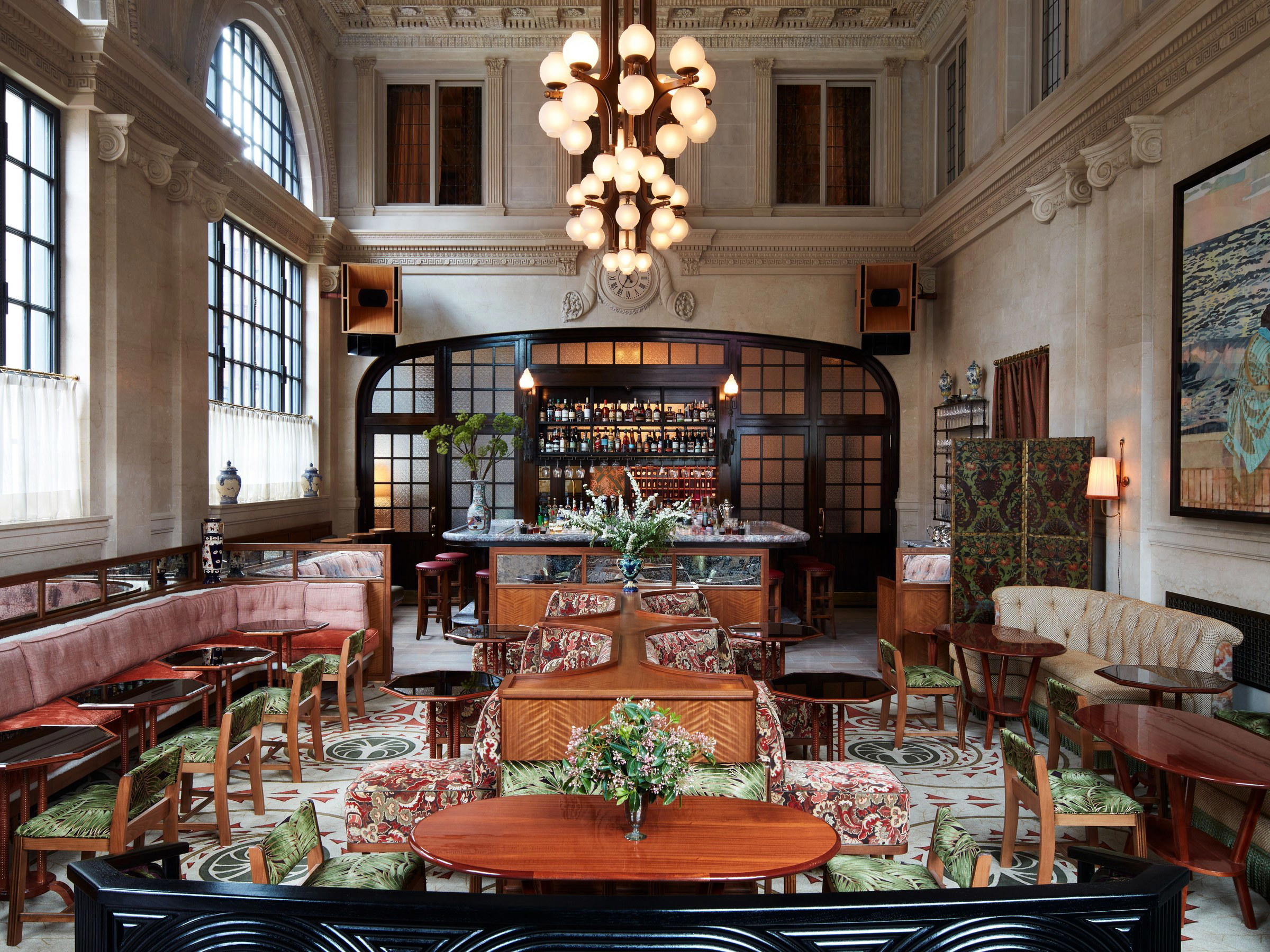
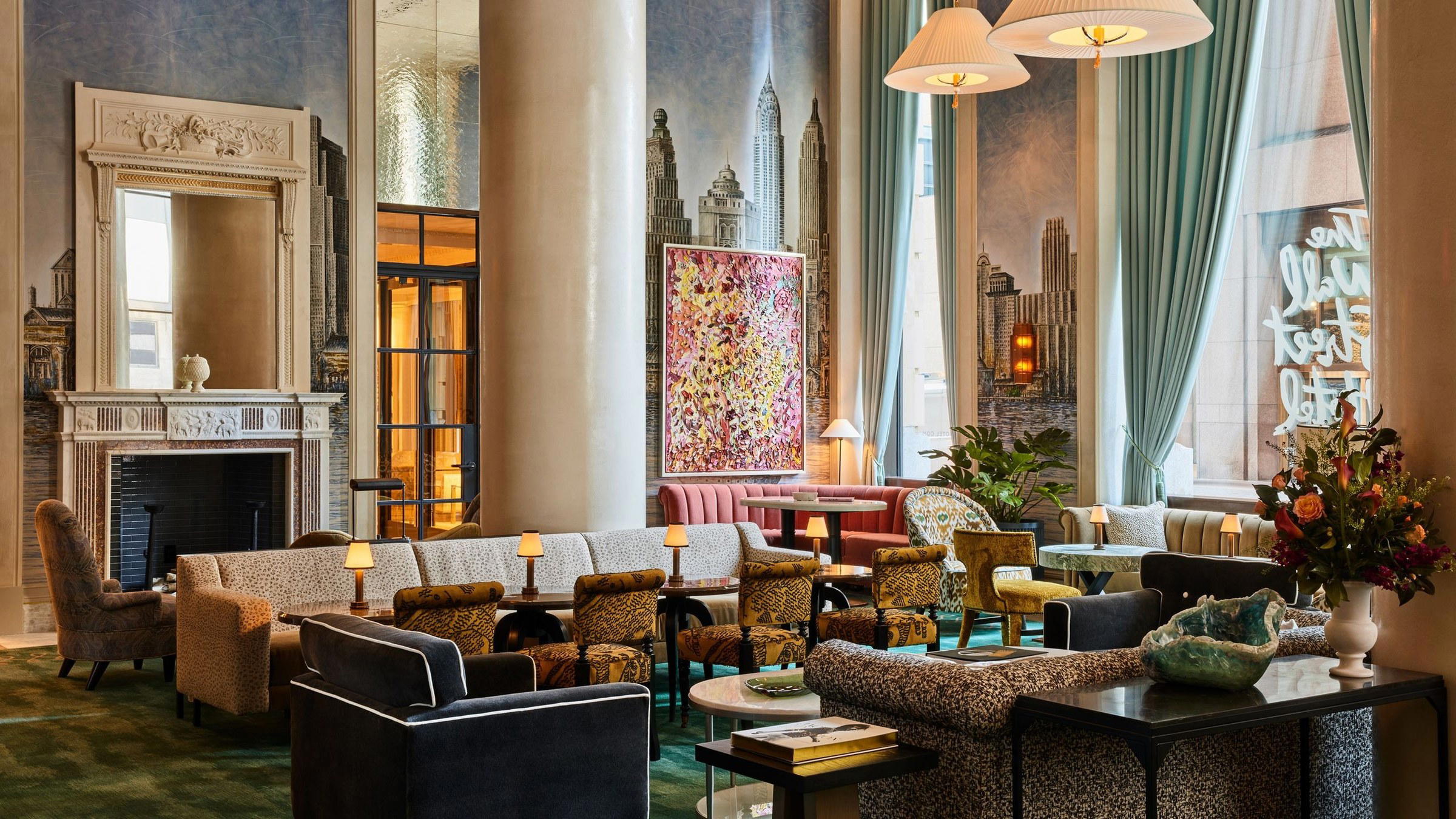
Dark, intimate dining room in a restored 1860s warehouse with an open kitchen as the focal point; dramatic black tablecloths and minimalist design create a refined, theatrical atmosphere.