
1 Michelin Star
Our verdict
Wonka holds a Michelin star earned consecutively in 2024 and 2025, placing it among Nuremberg's most decorated creative kitchens. The restaurant occupies an address on Johannisstraße in the city's northern quarters, where a compact, design-considered space frames a menu that positions itself outside the region's heavier German culinary tradition. For creative fine dining in a city still better known for bratwurst than tasting menus, Wonka is the clearest reference point.

Pearl is the En Primeur Club membership app — saves, bookings, and concierge access live there. Same editors, same standards.
- Address
- Johannisstraße 38, 90419 Nürnberg, Germany
- Phone
- +49 911 396215
- Hours
- Mon ClosedTue 6:30–9 PMWed–Fri 12–1:15 PM, 6:30–9 PMSat 6:30–9 PMSun Closed
- Website
- restaurant-wonka.de
- Directions
- Get directions
- Booking
- Book on OpenTable
The menu
What to order
- Quail with cauliflower and cocoa
- Shrimp soup
- Duck breast with chanterelle and celery
- Tuna with cherry and tomato
- Lamb with onion and pineapple mustard
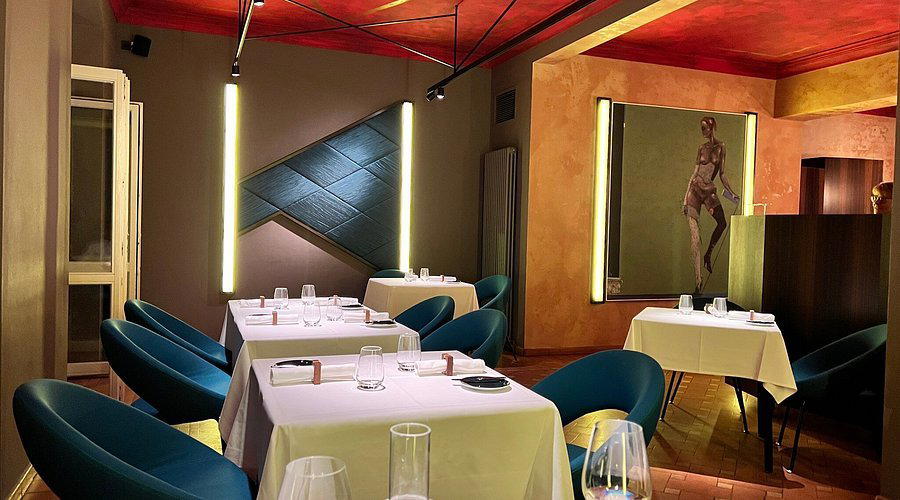
A Room That Sets Terms Before the First Course
There is a particular kind of small restaurant that announces its intentions through restraint rather than spectacle. On Johannisstraße in Nuremberg's northern residential belt, Wonka occupies that register. The address is not the city centre's medieval showpiece zone, and that distance is deliberate: this is a room that asks you to come to it rather than banking on passing footfall. What greets guests is a space that reflects the tighter, more considered aesthetic now common across Germany's single-star creative tier — proportions that feel curated rather than accidental, with seating arranged to give each table both privacy and a sense of the room as a whole. The physical container, in short, telegraphs seriousness before any dish arrives.
That spatial discipline connects directly to how the cooking is presented. Creative cuisine in this bracket — Michelin-starred, independently operated, mid-to-upper price range, tends to use the room itself as part of the argument: the table setting, the sightlines to the kitchen, the acoustic calibration. At Wonka, the interior does not shout. It holds a consistent register from arrival to close, which is harder to achieve than it sounds in a category where some spaces overdesign to compensate for underseasoned menus.
Where Wonka Sits in Nuremberg's Fine Dining Tier
Nuremberg's fine dining scene is smaller than its size might suggest for a city of half a million. The Michelin map here is a short one. Essigbrätlein, operating at the €€€€ tier with two stars, represents the city's ceiling for modern German innovation. Below that, a cluster of starred and near-starred addresses, etz, ZweiSinn Meiers, Entenstuben, and Koch und Kellner, form a competitive set that is genuinely tight. Each occupies a slightly different position: some lean toward classical French influence, others toward regional German anchoring.
Wonka's positioning within this group is defined by the creative tag rather than a regional or national cuisine identity. That places it in a different conversation from Essigbrätlein's modern German innovation or Entenstuben's cuisine-moderne approach. The creative designation, in Michelin terms, signals freedom from a single culinary tradition, a licence that can produce either the most interesting food in a city or the most self-, depending on the kitchen's discipline. At Wonka, two consecutive stars (2024 and 2025) suggest the inspectors have found coherence rather than chaos, which is the more meaningful signal.
At the €€€ price point, Wonka sits one tier below Essigbrätlein and etz on the cost curve. That differential matters for how you plan an evening in Nuremberg. It does not mean less ambition, Michelin stars are awarded on cooking, not spend, but it does position Wonka as an accessible entry into the city's starred tier. For visitors building a multi-day itinerary with fine dining as a thread, Wonka and Essigbrätlein together cover the city's creative range without doubling up on style or register. See our full Nuremberg restaurants guide for the broader picture.
Chef Cristina Bowerman and What Her Presence Signals
Germany's starred kitchens have historically skewed toward a particular profile: locally trained, French-influenced, male. The presence of Cristina Bowerman at the pass, an Italian-American chef whose career has taken her across multiple countries and culinary traditions, is worth reading as a signal about the kind of restaurant Wonka is rather than a biographical story in itself. Kitchens shaped by international movement tend to produce food that is harder to categorise regionally, and that resistance to categorisation is precisely what the creative designation describes. Bowerman holds a star at the level where creative Italian peers are operating, which contextualises the technical register in play.
What that means in practice at Wonka is a menu that is unlikely to lean on Franconian tradition for its primary flavour logic. The region's culinary vocabulary, carp from the pond system south of the city, game from Bavarian forests, the bratwurst-and-sauerkraut register that defines Nuremberg internationally, may appear as reference or ingredient, but probably not as the structural spine. This is creative cooking in the European sense: technique-driven, ingredient-focused, built on precision rather than terroir loyalty. That orientation puts Wonka in a peer conversation with addresses like JAN in Munich or, at higher price points, CODA Dessert Dining in Berlin, rather than with the region's more classically German tables.
The Michelin Signal and What Two Years of Stars Actually Mean
A single Michelin star earned in 2024 and retained in 2025 is a specific kind of endorsement. It means the inspectors visited in the first year, found cooking consistent enough to award, returned in the second year, and found consistency sustained. That two-year track record is more meaningful than the star count alone. The German Michelin guide operates with inspectors who work the country's full range, from Schwarzwaldstube in Baiersbronn to Aqua in Wolfsburg to Vendôme in Bergisch Gladbach and ES:SENZ in Grassau. Being starred in that company means the cooking has been benchmarked against the country's full creative output, not just measured against Nuremberg's modest peer group.
Michelin measures professional criteria: ingredient quality, technique, personality, consistency, value. In Nuremberg's fine dining tier, where some addresses score well on cooking and less well on the overall experience package, that alignment is worth noting.
Planning a Visit: Practical Orientation
Wonka operates from Johannisstraße 38, in Nuremberg's northern residential quarters. The neighbourhood lacks the tourist density of the Altstadt but is accessible from the city centre within a short journey, making it practical for visitors based anywhere in the central hotel corridor. For accommodation framing, see our full Nuremberg hotels guide.
Booking at one-star level in a small German city does not carry the same lead time as a Paris or Tokyo equivalent, but Wonka's sustained rating and limited-seat format mean the better tables at peak weekend slots fill ahead. Weekday evenings typically offer more flexibility. Given the absence of published hours in available data, confirming service times directly before planning travel is advisable.
For visitors who want to extend a Nuremberg trip beyond the table, the city's bar scene and emerging wine-adjacent spaces are documented in our full Nuremberg bars guide, full Nuremberg wineries guide, and full Nuremberg experiences guide. The overlap between Wonka's guest profile and those who gravitate toward Germany's broader creative dining circuit, addresses like Alléno Paris au Pavillon Ledoyen at the European end of that conversation, suggests visitors who treat Nuremberg as part of a longer German or European dining itinerary will find the level calibrated correctly.
Frequently asked questions
What part of town is Wonka in?
Wonka is located at Johannisstraße 38, 90419 Nürnberg, Germany, Nuremberg.
Fast Comparison
| Venue | Cuisine | Price | Awards | Notes |
|---|---|---|---|---|
| WonkaThis venue — the venue you are viewing | Modern European Fusion with Asian and Franconian Influences | Not listed | 1 Michelin Star | Not listed |
| Essigbrätlein | Modern German Gewürzküche | $150–200 | 2 Michelin Stars · La Liste Top Restaurants | Modern German, Innovative |
| Tisane | Modern Creative Fine Dining | $150–200 | 1 Michelin Star · Falstaff Restaurant - 92 Falstaff Points | Modern European, Modern Cuisine |
| etz | Modern Bavarian Fine Dining | $200–300 | 2 Michelin Stars · La Liste Top Restaurants | Creative |
| Entenstuben | Modern French Fine Dining | $100–150 | 1 Michelin Star | Modern Cuisine |
| Veles | Modern Regional European Fine Dining | $150–200 | 1 Michelin Star | Modern Cuisine |
Recognition history
Dated appearances from independent guides and award organizations, with the underlying list record or original source where available.
Michelin 1 Star
Michelin
Full recognition history (3 entries)
Michelin 1 Star
Michelin
Michelin 1 Star
Michelin
Continue exploring
More in Nuremberg
Restaurants in Nuremberg
Browse all →![[w]einklang restaurant in Nuremberg](https://cdn.enprimeurclub.com/storage/v1/object/public/images/locations/rec2OpfvDJLj7d0zO/hero1.jpg?width=3840&quality=75)
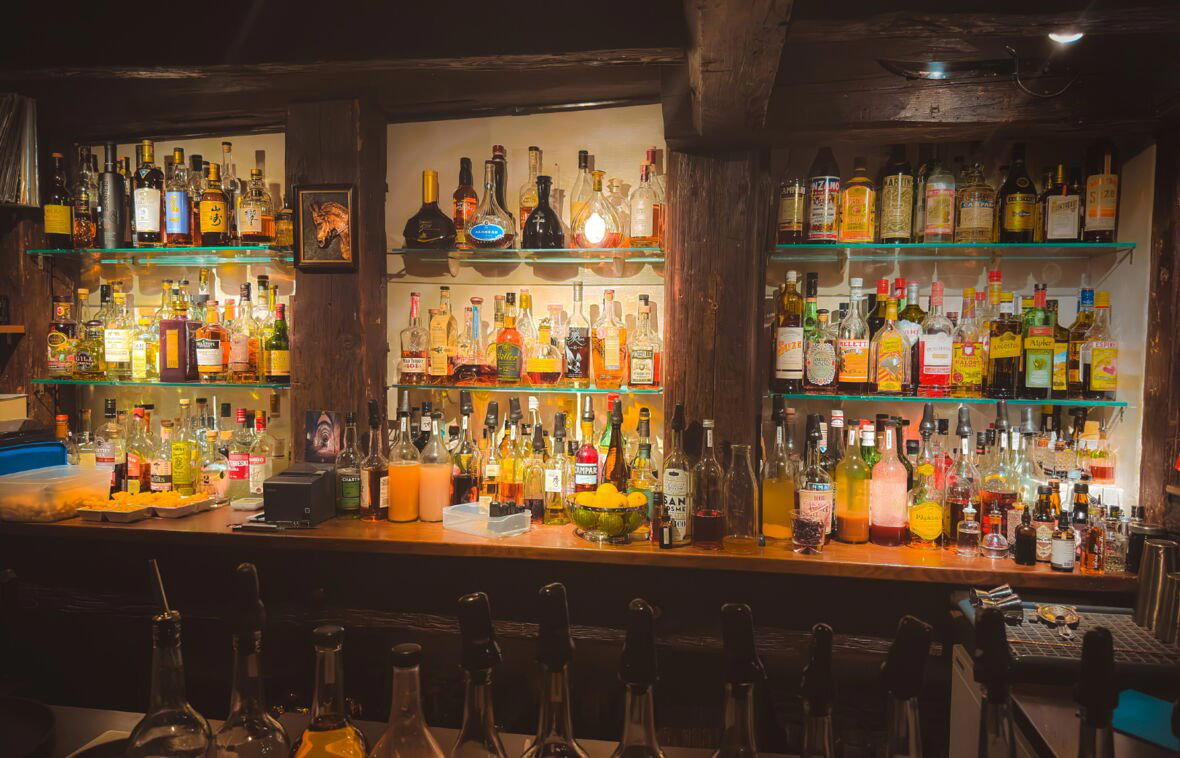
Bars in Nuremberg
Browse all →
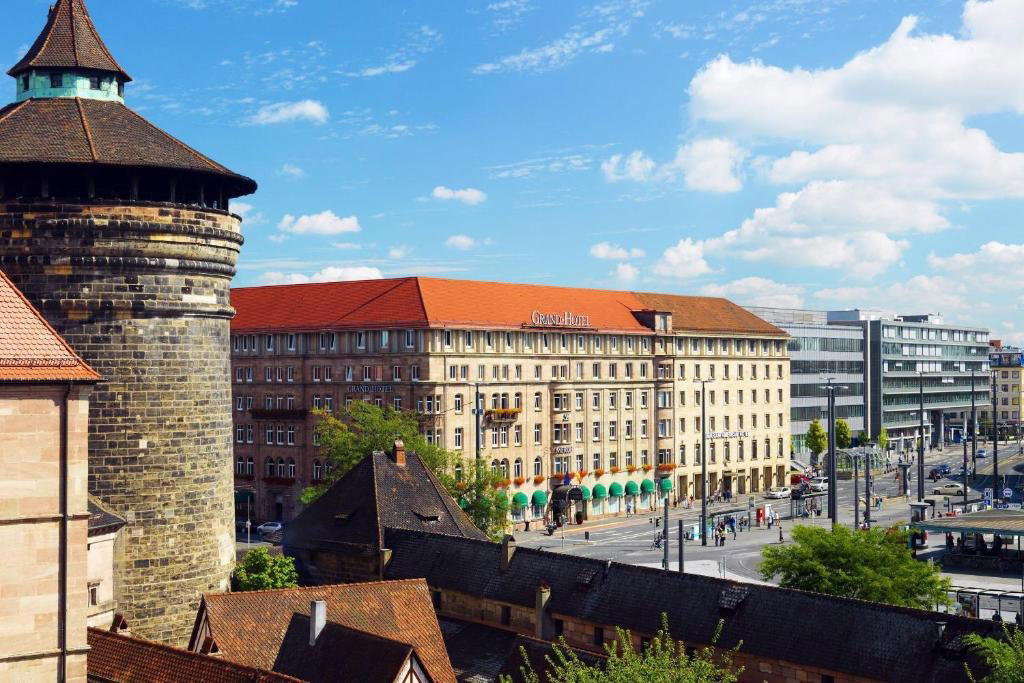
Hotels in Nuremberg
Browse all →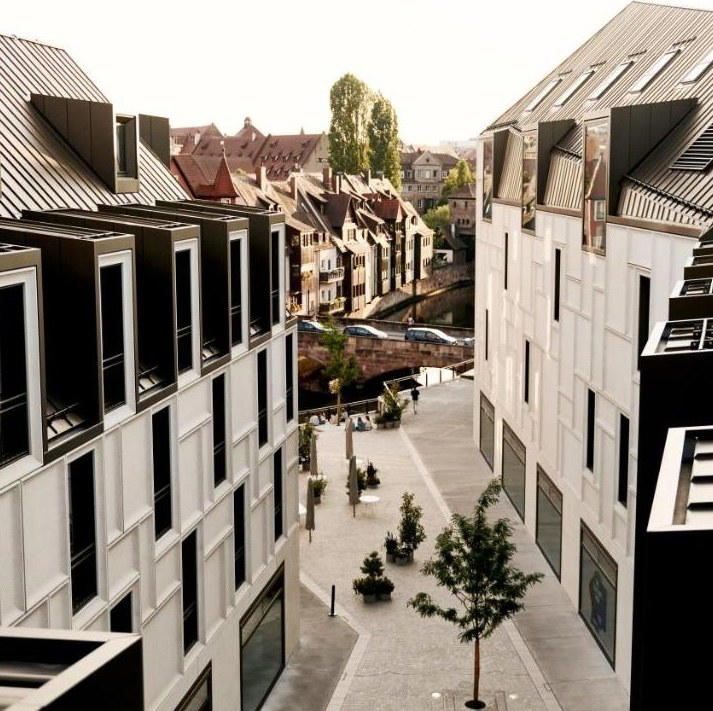
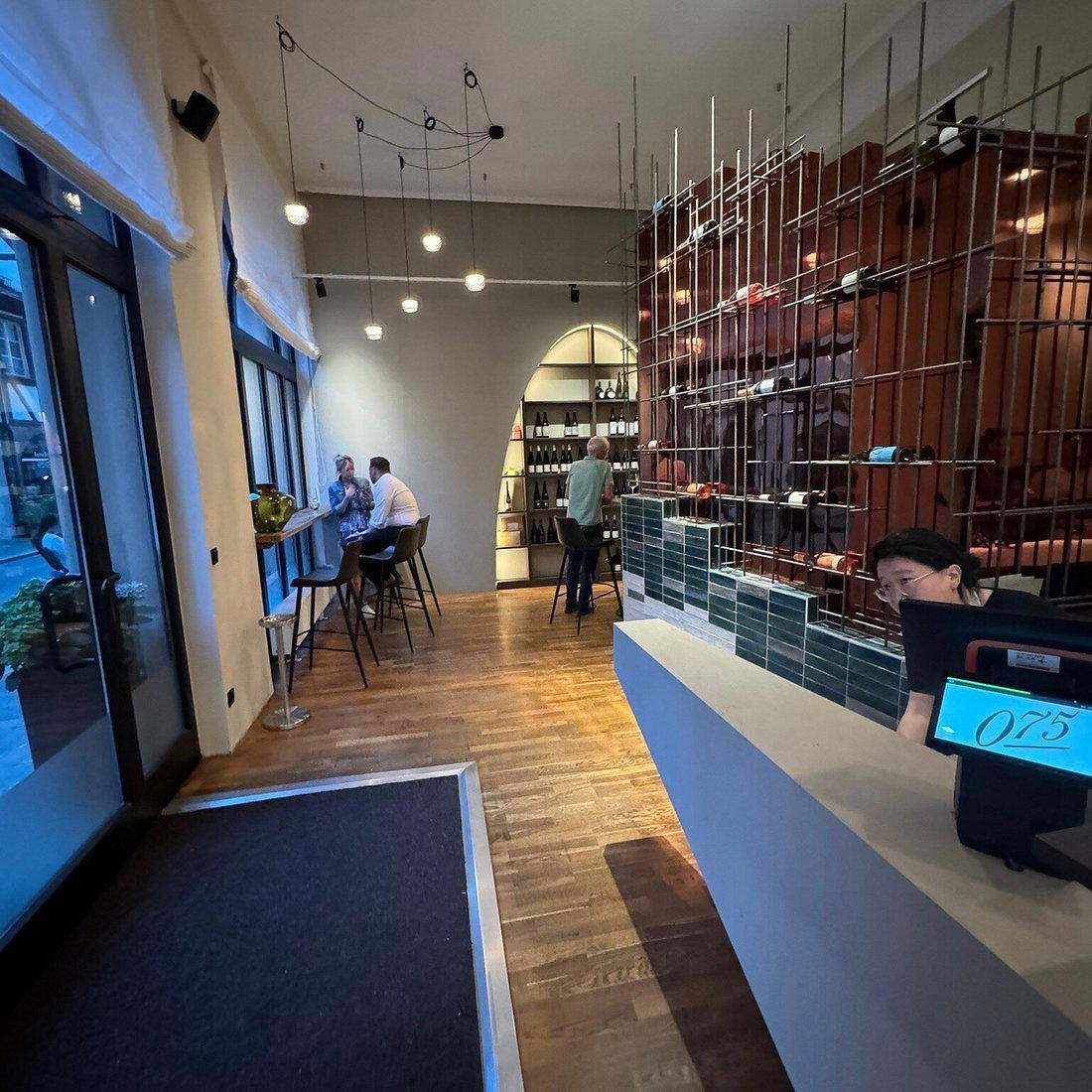
Wineries in Nuremberg
Browse all →
Details
- Modern
- Sophisticated
- Elegant
- Quiet
- Cozy
- Date Night
- Special Occasion
- Business Dinner
- Private Event
- Standalone
- Extensive Wine List
- Sommelier Led
- Local Sourcing
- Tasting Menu
- Set Menu
- Wine Pairings
- Fine Wines
- Vegan Options
Current opening hours
- Monday
- Closed
- Tuesday
- 6:30–9 PM
- Wednesday
- 12–1:15 PM, 6:30–9 PM
- Thursday
- 12–1:15 PM, 6:30–9 PM
- Friday
- 12–1:15 PM, 6:30–9 PM
- Saturday
- 6:30–9 PM
- Sunday
- Closed
Hours can change for holidays and private events. Last verified .
Stylish, comfortable, and calm fine-dining atmosphere with attentive service.