

Michelin Plate · Macarfi 7.2 Food Rating
Our verdict
Estrella sits on Rupit's medieval main square and has held a Michelin Plate in both 2024 and 2025, placing it among the more formally recognised Catalan kitchens in the Collsacabra region. The cooking draws on the inland tradition of the comarca, where game, legumes, and mountain herbs define the seasonal palette. At the €€ price point, it represents the kind of grounded, place-specific dining that rural Catalonia does quietly well.

Pearl is the En Primeur Club membership app — saves, bookings, and concierge access live there. Same editors, same standards.
- Address
- Plaça del Bisbe Font, 1, 08569 Rupit, Barcelona, Spain
- Phone
- +34 938 52 20 05
- Website
- hostalestrella.com
- Directions
- Get directions
The menu
What to order
- Soupy seafood rice with lobster
- Turbot
- Textures of escalivada
A Medieval Square and the Ritual of Sharing
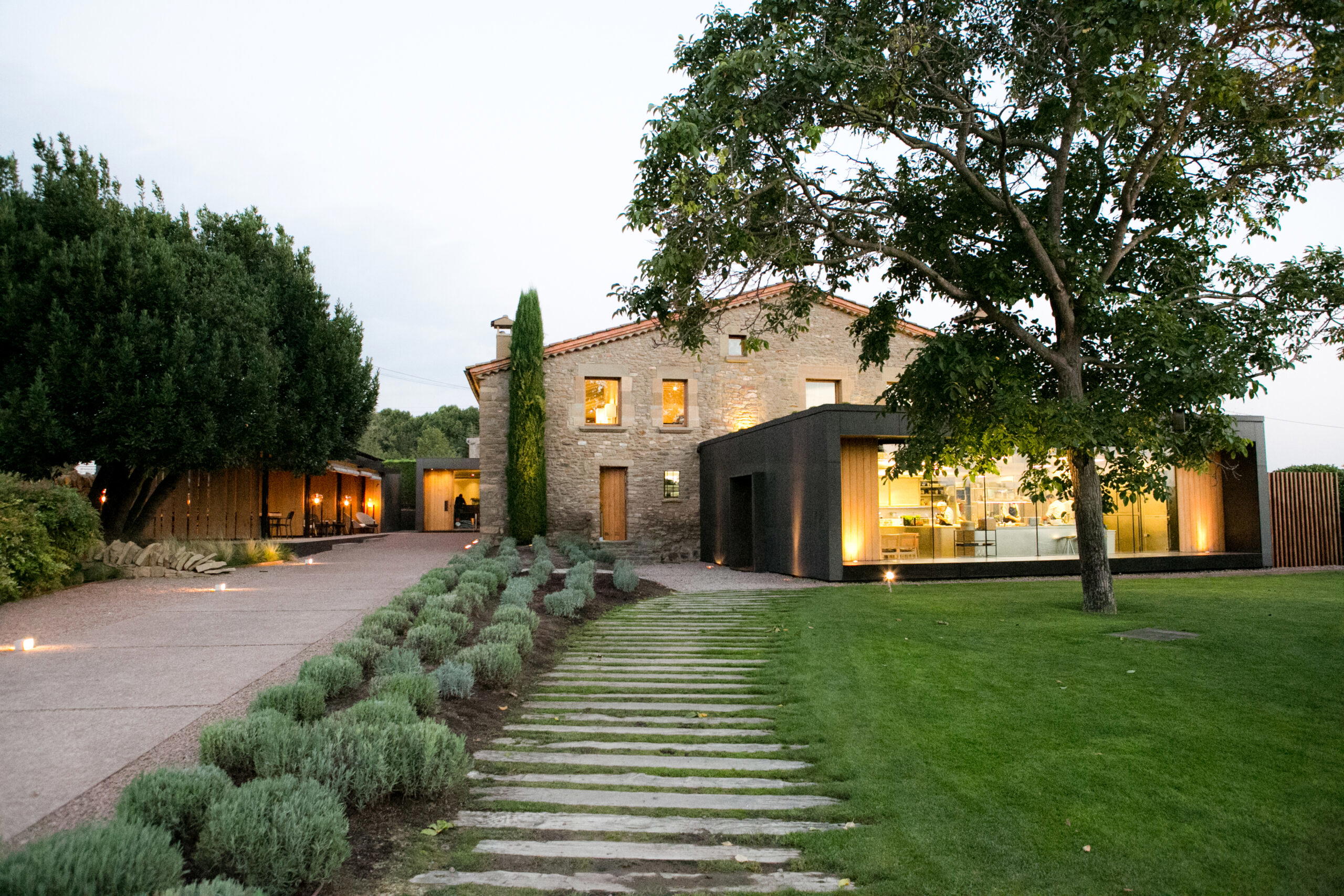
Rupit is not a town you pass through by accident. The cobbled streets, the suspension bridge over the Riera de Rupit gorge, the stone façades that have barely changed since the sixteenth century — arriving here requires intention. Plaça del Bisbe Font, the small square at the heart of the old quarter, operates at a pace that is several registers slower than Barcelona, which sits roughly two hours south by car. Estrella occupies one side of that square, and the setting alone frames what follows at the table: this is cooking that belongs to a specific place, served in a room where the surrounding architecture makes the case for continuity before the food arrives.
That sense of continuity matters when you consider what Catalan inland cuisine actually is. Unlike the coastal registers that dominate the region's international reputation — fideuà, suquet, rice dishes built on seafood, the cooking of the Collsacabra comarca reaches toward cured meats, stewed legumes, wild mushrooms gathered from the beech forests above the Guilleries, and slow-braised game. The season determines the menu in a way that coastal kitchens, with year-round fish supply chains, never quite experience. Coming in autumn means something different from arriving in spring, and that temporal specificity is built into the tradition rather than grafted onto it as a marketing gesture.
Where Estrella Sits in the Catalan Dining Conversation
Spain's restaurant recognition structure has a way of clustering prestige at the three-star level, drawing attention toward kitchens like El Celler de Can Roca in Girona or Cocina Hermanos Torres in Barcelona, while the Michelin Plate tier, awarded to restaurants producing consistently good cooking rather than technically ambitious cuisine, does quieter work documenting the regional fabric. Estrella has held the Michelin Plate in both 2024 and 2025, a signal that Michelin inspectors consider the kitchen reliable and place-honest rather than aspirational or experimental.
That is a meaningful distinction. The Plate tier in Catalonia covers a wide range of styles, from urban neighbourhood bistros to rural houses like this one, but the common thread is cooking that delivers on its own terms. Estrella is not competing with the progressive laboratories of Mugaritz in Errenteria, Aponiente in El Puerto de Santa María, or DiverXO in Madrid. For that tradition, the Plate is the appropriate register, and consecutive recognition suggests consistency rather than a single good inspection.
At €€ pricing, Estrella also sits in a different conversation from the tasting-menu operations that dominate Spanish fine dining discourse. A meal here does not require the advance planning or expense associated with Arzak in San Sebastián, Azurmendi in Larrabetzu, or Martin Berasategui in Lasarte-Oria. The format is more accessible, closer to the shared-plates rhythm that defines how Catalans actually eat at home or at family-run restaurants on a Sunday afternoon.
The Social Architecture of Catalan Sharing
The editorial angle of a Catalan meal at this price tier is not the individual plate but the table as a unit. Traditional Catalan restaurant culture, particularly outside the city, operates on a model where dishes arrive for the group rather than the individual, where bread is loaded with pa amb tomàquet before the first order lands, and where the rhythm of the meal is managed by whoever is filling the wine glasses. This is not tapas culture in the Andalusian sense, smaller bites designed for standing and grazing. Catalan sharing is more deliberate, built around larger shared portions and a sequence that moves from cold and cured toward cooked and braised.
For visitors more familiar with the tasting-menu format common to destination restaurants, ordering at a kitchen like Estrella benefits from a different instinct: order more than you think you need, order early in the season for dishes you will not find in summer, and treat the bread as a first course rather than a side.
Getting There and Planning the Visit
Rupit is accessible by car from Barcelona in roughly two hours, taking the C-17 toward Vic and then climbing into the Collsacabra via Tavertet or Cantonigròs. There is no direct public transport to the village, which means arriving independently or as part of a day trip from Vic, the nearest significant town. The village itself is small enough that parking and orientation take minutes rather than effort.
For visitors building a broader itinerary around Catalan cuisine, Estrella pairs naturally with a stop at 7 Portes in Barcelona, which represents the urban, long-standing end of the same tradition, or at further range with Ricard Camarena in València and Quique Dacosta in Dénia for a contrast between coastal progressivism and inland rootedness. Those planning a more international read on Catalan cooking can also cross-reference B44 in San Francisco, which transplants the same culinary tradition to a very different urban context.
For the wider Rupit trip, our full Rupit restaurants guide, our Rupit hotels guide, our Rupit bars guide, our Rupit wineries guide, and our Rupit experiences guide cover everything else the village and surrounding comarca have to offer. Rupit is small enough that a thorough half-day covers its major sights; Estrella works well as the anchor around which the rest of the visit organises itself. Booking ahead, particularly at weekends and during the autumn mushroom season, is advisable given the limited dining options in a village of this size. Estrella is also flagged in the same Michelin Plate recognition framework as Atrio in Cáceres, though the two restaurants represent entirely different regional traditions.
Frequently asked questions
Would Estrella be comfortable with kids?
Rupit itself draws family day-trippers from Barcelona, and a village-square setting on Plaça del Bisbe Font is generally more relaxed in pace than an urban fine-dining room. The €€ price range and traditional Catalan format — built around shared plates rather than tasting menus — tends to suit mixed groups.
What is the atmosphere like at Estrella?
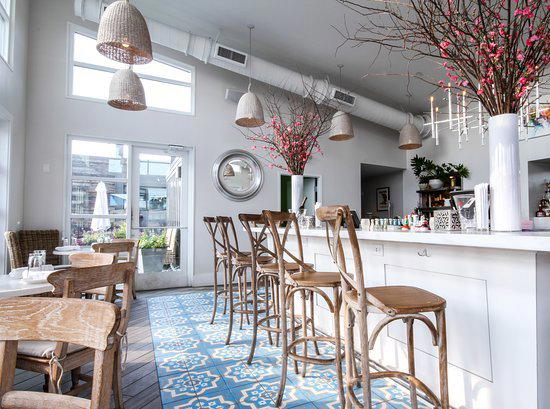
Estrella sits on Plaça del Bisbe Font in the centre of Rupit, a stone-built medieval village two hours from Barcelona. The address places it squarely in the tradition of Catalan rural dining: table-centred, unhurried, tied to the rhythms of a place people travel to rather than stumble across. Two consecutive Michelin Plates (2024 and 2025) confirm a kitchen operating at a consistent level within that register.
Has Estrella won any awards?
Estrella has received recognition including: Michelin Plate (2025); Michelin Plate (2024).
What's the signature dish at Estrella?
The kitchen works within the Catalan tradition, which at this price tier (€€) typically foregrounds seasonal, regionally sourced ingredients organised around sharing. For current menu details, contacting the restaurant directly or checking closer to your visit is the most reliable approach.
Is Estrella expensive?
Pricing at Estrella is listed as €€.
Fast Comparison
| Venue | Cuisine | Price | Awards |
|---|---|---|---|
| EstrellaThis venue — the venue you are viewing | Traditional Catalan | $30–50 | Michelin Plate · Macarfi 7.2 Food Rating |
| Aponiente | Progressive - Seafood, Creative | Not listed | Michelin 3 Star |
| Arzak | Modern Basque, Creative | Not listed | Michelin 3 Star |
| DiverXO | Progressive - Asian, Creative | Not listed | Michelin 3 Star |
| El Celler de Can Roca | Progressive Spanish, Creative | Not listed | Michelin 3 Star |
| Quique Dacosta | Creative | Not listed | Michelin 3 Star |
Recognition history
Dated appearances from independent guides and award organizations, with the underlying list record or original source where available.
Michelin Plate
Michelin
Macarfi 7.2 Food Rating
Macarfi
Full recognition history (3 entries)
Michelin Plate
Michelin
Continue exploring
More in Rupit
Restaurants in Rupit
Browse all →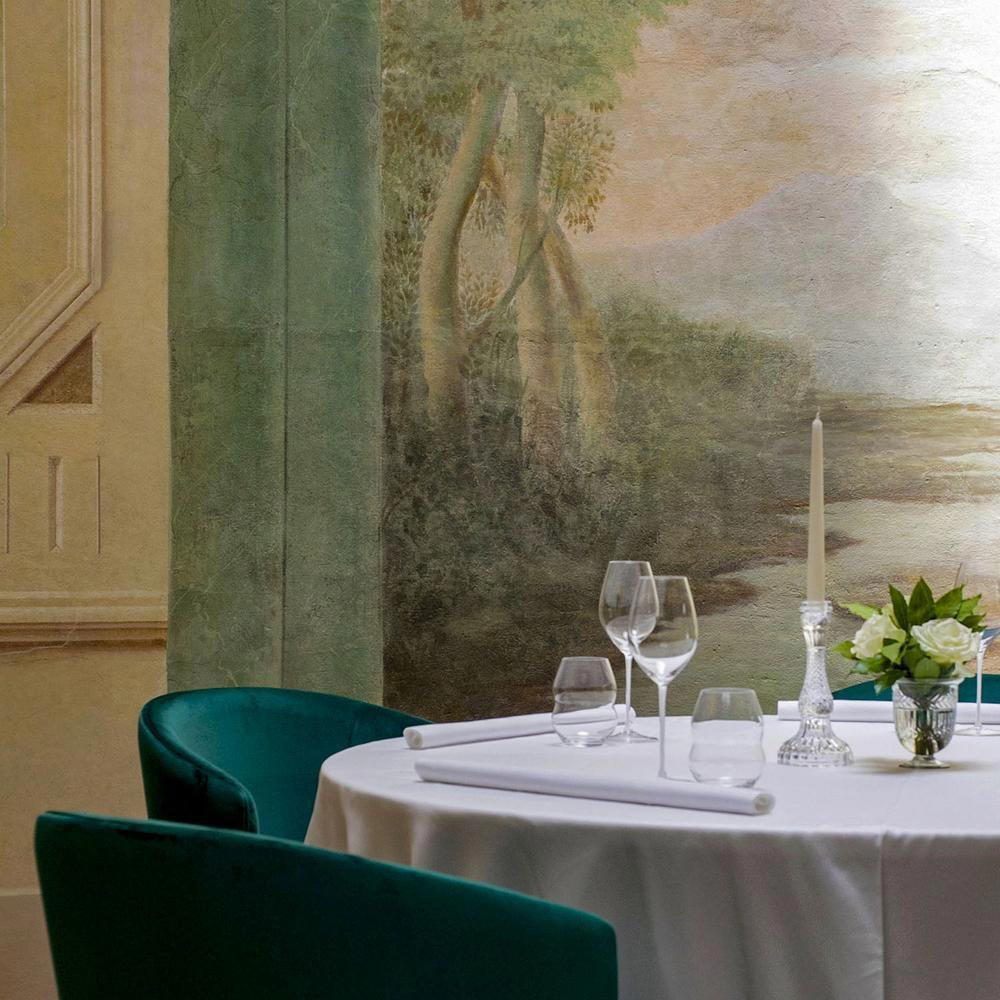
Bars in Rupit
Browse all →
Hotels in Rupit
Browse all →

Details
- Cozy
- Rustic
- Elegant
- Intimate
- Family
- Date Night
- Celebration
- Terrace
- Open Kitchen
- Extensive Wine List
- Local Sourcing
- Street Scene
- A La Carte
- Set Menu
- Vegetarian Friendly
- Vegan Options
- Gluten Free Options
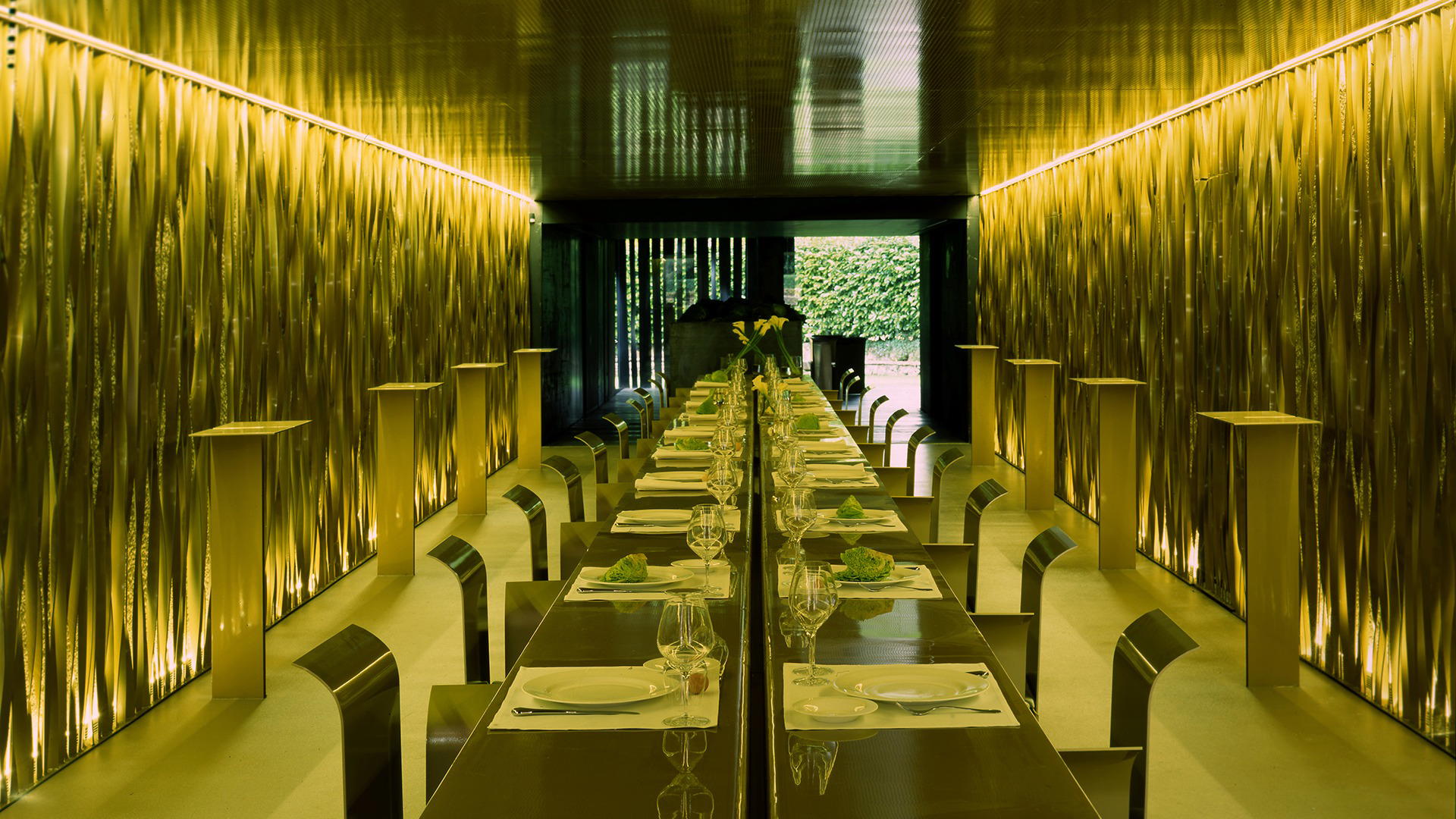
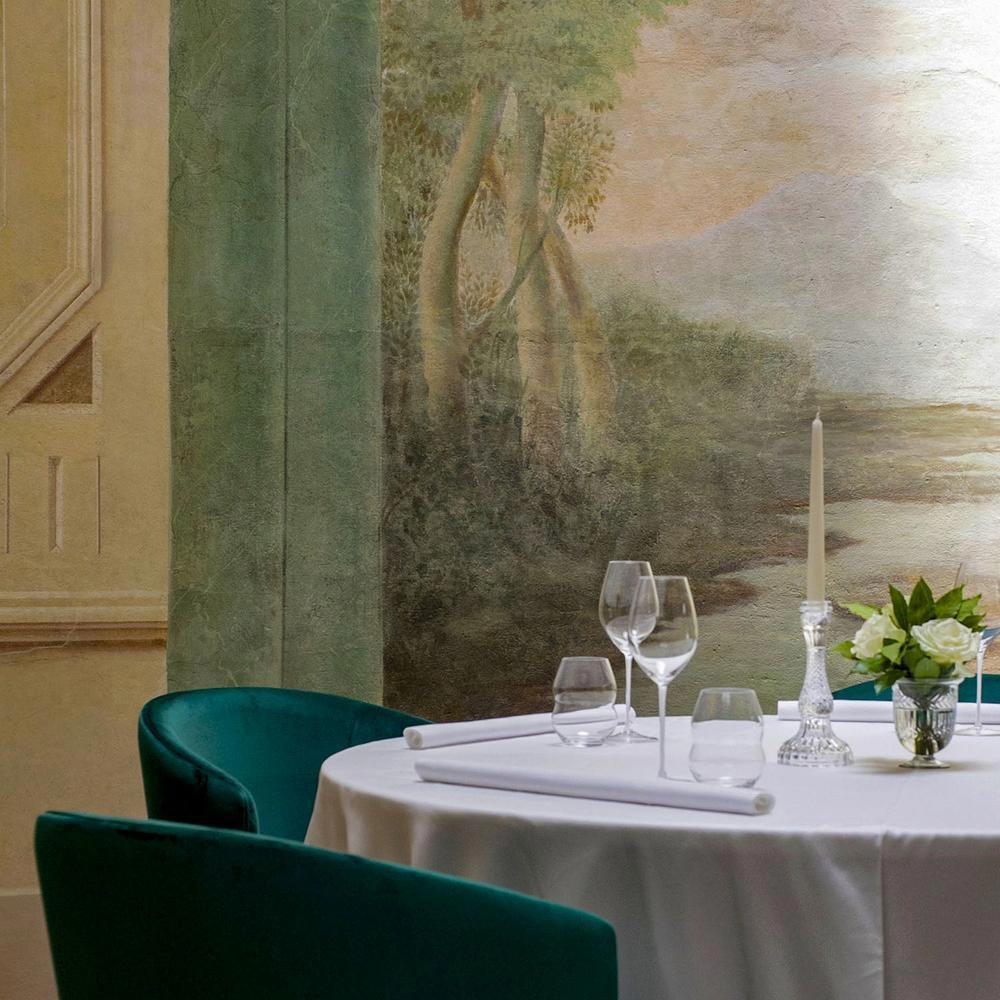
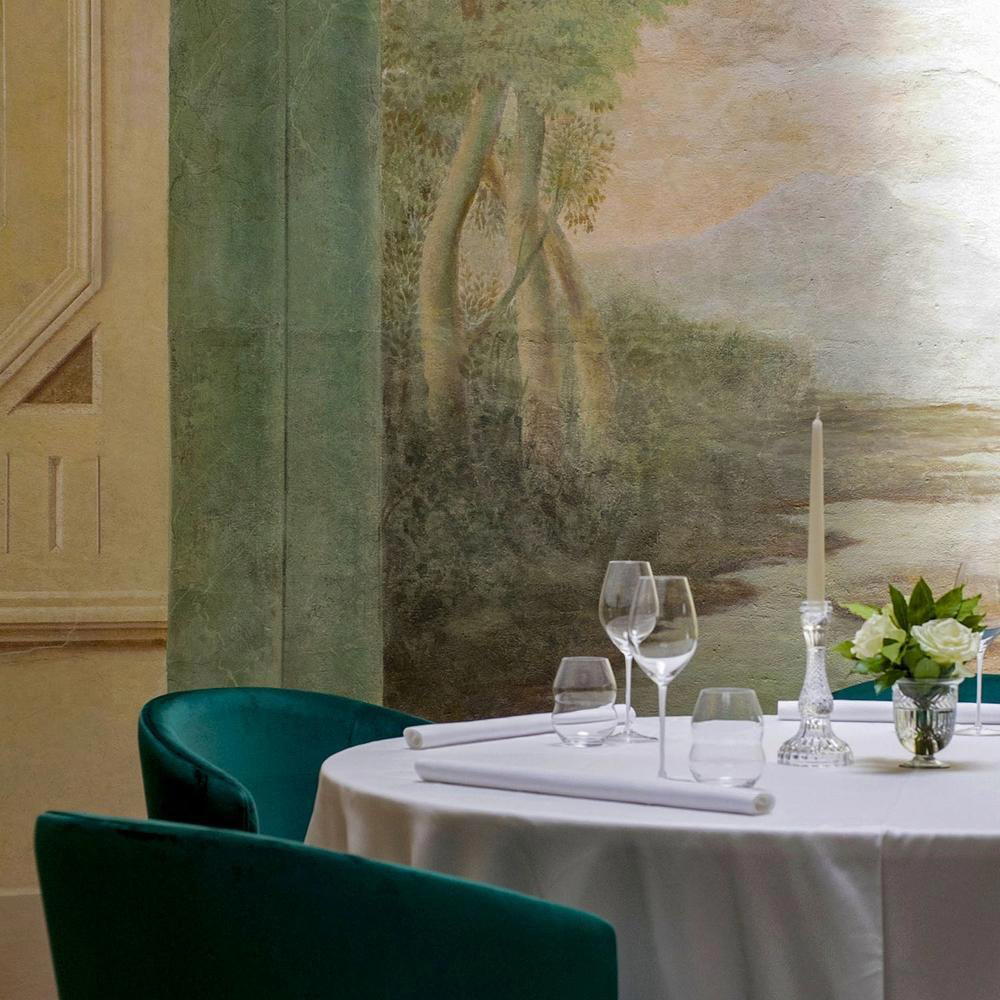
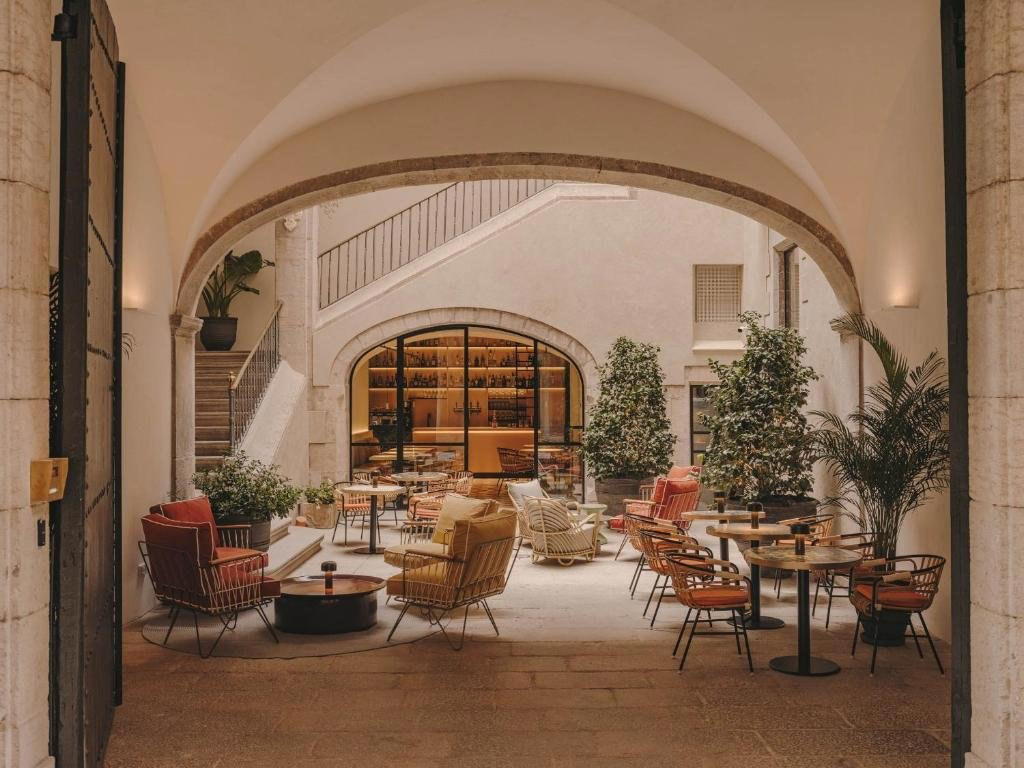
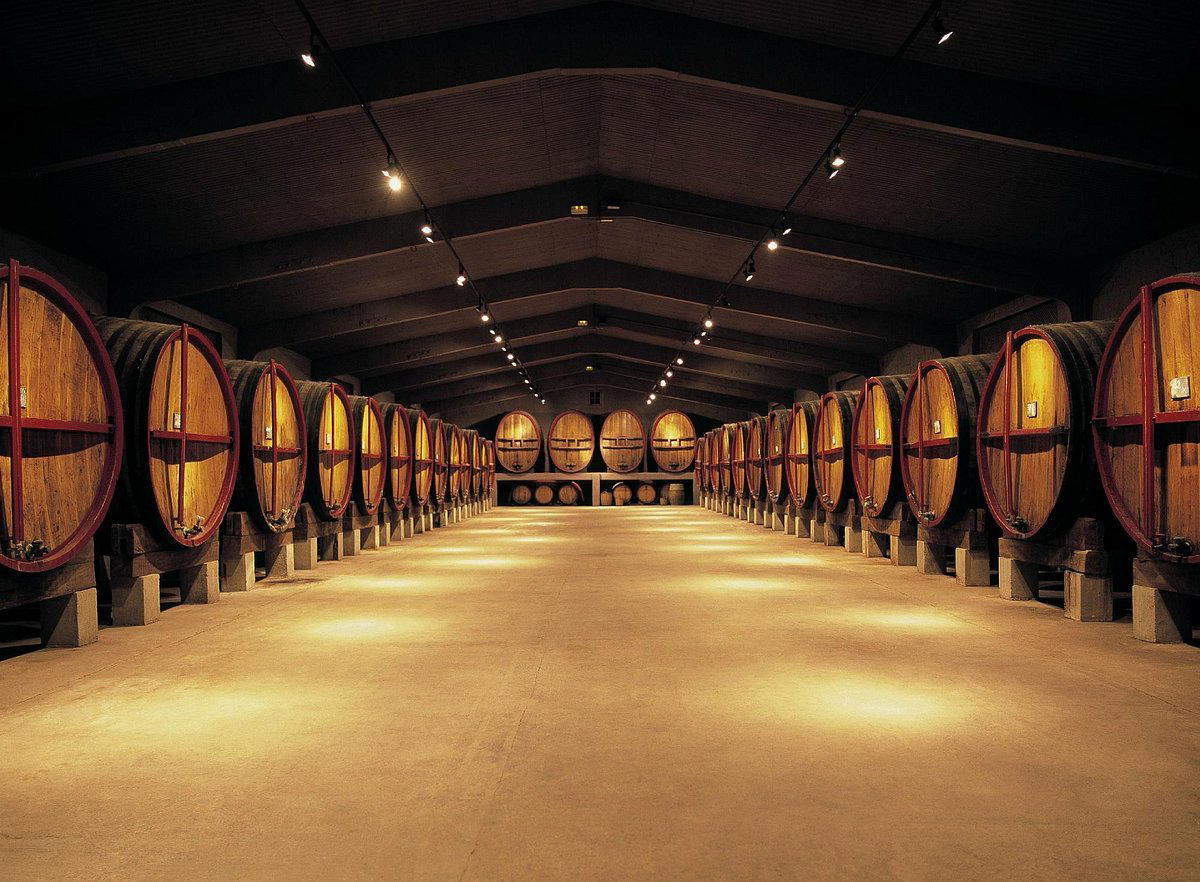
Cozy and elegant with wood tones, indirect lighting, and a welcoming atmosphere in the main dining room.