


Michelin Plate · Macarfi 8.5 Food Rating · Guía Repsol 1 Sol
Our verdict
In a Pyrenean mountain town better known for ski weekends than serious cooking, 539, Plats Forts runs a Japanese-inspired counter where a single chef sources fish directly from the Blanes auction and produce from local farmers. Three tasting menus of changing length anchor a format that is closer to an intimate Barcelona omakase than anything else on the Cerdanya plateau.

Pearl is the En Primeur Club membership app — saves, bookings, and concierge access live there. Same editors, same standards.
- Address
- Carrer de les Escoles Pies, 41, 17520 Puigcerdà, Girona, Spain
- Phone
- +34 647 59 28 39
- Hours
- Mon–Wed ClosedThu–Sun 2–2:30 PM, 9–9:30 PM
- Directions
- Get directions
A Counter in the Pyrenees
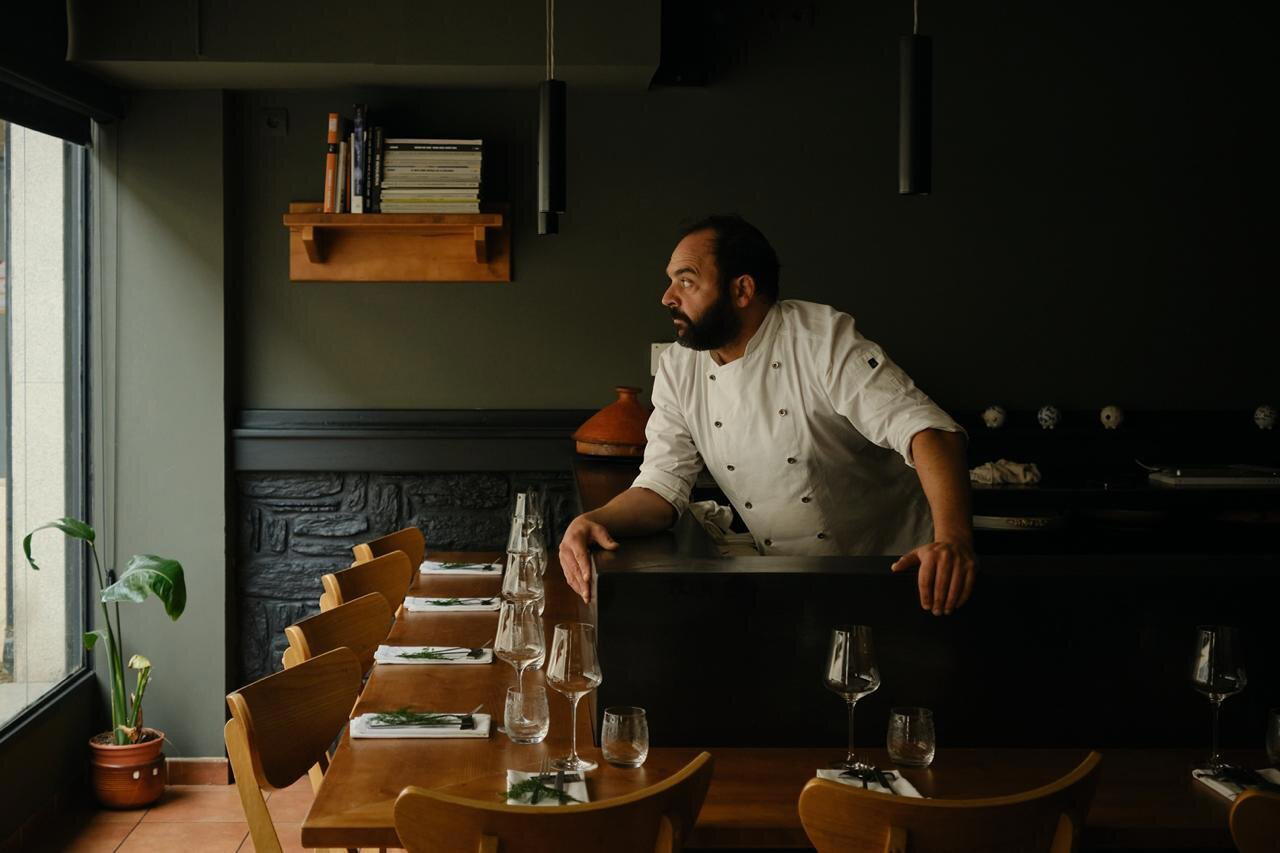
Puigcerdà sits at roughly 1,200 metres on the Cerdanya plateau, a small Catalan border town where most dining gravitates toward hearty mountain cooking and ski-season convenience. Against that backdrop, a Japanese-inspired counter restaurant operating on a solo-chef omakase model represents a genuine departure from what the town's dining scene typically offers. The room at Carrer de les Escoles Pies, 41 is stripped of the theatrical excess that sometimes accompanies this format in larger cities: what you find instead is a spare, focused space organised entirely around the counter and the person working behind it.
That format — one cook, one counter, guests watching their meal take shape — has a strong precedent in Japanese dining culture, but in Spain it remains a minority position. The handful of counters that have made it work in cities like Barcelona or San Sebastián tend to succeed because the chef's full attention is visible in every course. At 539, Plats Forts, the same logic applies at altitude, in a town where the context makes the format feel even more considered.
Where the Ingredients Come From
The sourcing logic here is the clearest editorial thread running through the menu. Fish arrives from the auction in Blanes, the working port on the Costa Brava roughly 130 kilometres south of Puigcerdà, where the catch is sold before dawn and quality is tied to what actually came in that morning rather than what a distributor has in stock. Buying directly at auction, rather than through intermediaries, means the menu is shaped by availability as much as intention, which is how it should work when freshness is the primary variable.
Alongside the seafood, local farmers and breeders supply the land-side ingredients. The Cerdanya valley has a specific agricultural identity: at this altitude, the growing season is shorter, livestock graze on mountain pasture, and the produce carries a character that flatland equivalents often lack. That combination of Blanes fish and Cerdanya land produce creates a Mediterranean-meets-mountain sourcing axis that would be difficult to replicate in any other location. For a tasting menu format, that geographical specificity is the kind of argument that makes a menu worth travelling for.
Spain's most discussed tasting-menu restaurants, venues like Aponiente in El Puerto de Santa María, El Celler de Can Roca in Girona, or Quique Dacosta in Dénia, all operate with large teams and considerable infrastructure. The solo-chef counter at this scale occupies a different tier entirely: smaller, more direct, and structured around what a single person can source, cook, and explain in a single service. It is a format with clear limitations and equally clear strengths.
Three Menus, Constantly Changing
539, Plats Forts offers three tasting menu formats: 8 Pases, 11 Pases, and Experiencia Completa. The progression in course count is direct enough, but the more significant detail is that all three menus change continuously. That kind of rolling menu is a direct consequence of auction-based sourcing: when you are buying fish based on what came in that morning, writing a static menu weeks in advance is not an option. The menu is, in effect, a real-time document of what was available and what made sense to cook with it.
The cuisine carries a strong Mediterranean influence filtered through Japanese technique and a background that spans Latin American and European kitchens. That combination produces a cooking style that is harder to categorise than most: not Spanish in any traditional sense, not Japanese in format alone, but drawing on a range of references that surfaces differently depending on what the sourcing has produced that week. For the diner, this means two visits to 539, Plats Forts in different seasons are likely to feel substantially different from each other.
The Mediterranean influence in Spanish fine dining has been explored at serious depth by chefs like Ricard Camarena in València and, in a more internationally inflected mode, by Cocina Hermanos Torres in Barcelona. What distinguishes the Puigcerdà version is the altitude, the mountain sourcing layer, and the solo-chef constraint that keeps the operation genuinely small.
The Solo-Chef Counter as a Format
There is a particular quality of attention that a solo-chef counter produces. The person cooking is also the person explaining, serving, and reading the room. There is no brigade relay to dilute that relationship between cook and guest. In formal fine dining, at places like Arzak in San Sebastián or Azurmendi in Larrabetzu, the experience is mediated through multiple layers of staff. At a counter of this kind, the mediation is removed entirely.
That directness is what the format trades on. It is also what limits it: one chef, one service, a finite number of covers. Booking at 539, Plats Forts requires planning ahead, particularly during the ski season when Puigcerdà fills with visitors from Barcelona and France. The town is approximately two hours by road from Barcelona and close to the French border, which means its weekend clientele is drawn from a wide radius. Timing a visit for shoulder season, late spring or early autumn, tends to mean quieter surrounds and, arguably, a menu more influenced by local produce at its peak than by winter root vegetables and preserved goods.
For those building a broader itinerary around Catalonia's dining offer, Martin Berasategui in Lasarte-Oria, Mugaritz in Errenteria, or even DiverXO in Madrid represent the large-format end of the Spanish tasting-menu spectrum. 539, Plats Forts sits at the opposite end of that scale, and the contrast is worth understanding before you book either.
Planning a Visit
Puigcerdà's accommodation options, bars, and wider dining scene are worth mapping before arrival. The restaurant is on Carrer de les Escoles Pies in the town centre, walkable from most of the main hotels. For broader trip planning, see our full Puigcerdà restaurants guide, our full Puigcerdà hotels guide, our full Puigcerdà bars guide, our full Puigcerdà wineries guide, and our full Puigcerdà experiences guide. Given the solo-chef format, seats are limited and advance booking is advisable regardless of season.
Frequently asked questions
Does 539, Plats Forts work for a family meal?
The Japanese-inspired counter format and multi-course tasting menu structure (8 Pases, 11 Pases, or Experiencia Completa) are oriented toward guests who want to engage with the food and Martín Comamala's running commentary on each dish. That dynamic is a poor fit for younger children. Adults seeking a focused, quiet meal will find the format works precisely as intended.
What is the atmosphere like at 539, Plats Forts?
The room is built around a Japanese-inspired counter, and the atmosphere follows that logic: spare, attentive, and centred on the cook. Martín Comamala works alone, so the person preparing your food is also explaining it and serving it, which produces a different register of attention than a conventional restaurant. Conversation flows through the food rather than around it.
Has 539, Plats Forts won any awards?
539, Plats Forts has received recognition including: In this simple restaurant, everything revolves around the Japanese-inspired counter and the figure of experienced Martín Comamala, who has worked in kitchens around the world (both in Latin America and Europe) and who takes on the role of c….
What's the must-try dish at 539, Plats Forts?
The menu changes continuously based on daily purchases from the Blanes fish auction and direct sourcing from local Cerdanya producers, so no fixed dish defines the counter from visit to visit. The more reliable commitment is to the sourcing itself: whatever Martín Comamala bought that morning at the auction is what shapes the menu that evening.
At-a-Glance Comparison
Comparable venues nearby, for context on price, style, and recognition.
| Venue | Cuisine | Price | Awards | Notes |
|---|---|---|---|---|
| 539, Plats FortsThis venue — the venue you are viewing | Modern Mediterranean Tasting Menus | Not listed | Michelin Plate · Macarfi 8.5 Food Rating | Not listed |
| Ca L'Amagat | Authentic Catalan Mountain Cuisine | Not listed | Michelin Plate | Bagà |
| Bar Torpedo | Modern Spanish Tapas Bar | $20–30 | Star Wine List · Macarfi 7 Food Rating | l'Antiga Esquerra de l'Eixample |
| Maitea Taberna | Traditional Basque Pintxos & Tapas | $30–50 | Star Wine List | l'Antiga Esquerra de l'Eixample |
| Barmutet | Catalan Tapas & Vermut Bar | $20–30 | Michelin Plate | Vic center |
| Can Jepet | Traditional Catalan Mountain Cuisine | $30–50 | Michelin Plate · Macarfi 7.3 Food Rating | Setcases |
Recognition history
Dated appearances from independent guides and award organizations, with the underlying list record or original source where available.
Michelin Plate
Michelin
Guía Repsol 1 Sol
Guía Repsol
Macarfi 8.5 Food Rating
Macarfi
Continue exploring
More in Puigcerdà
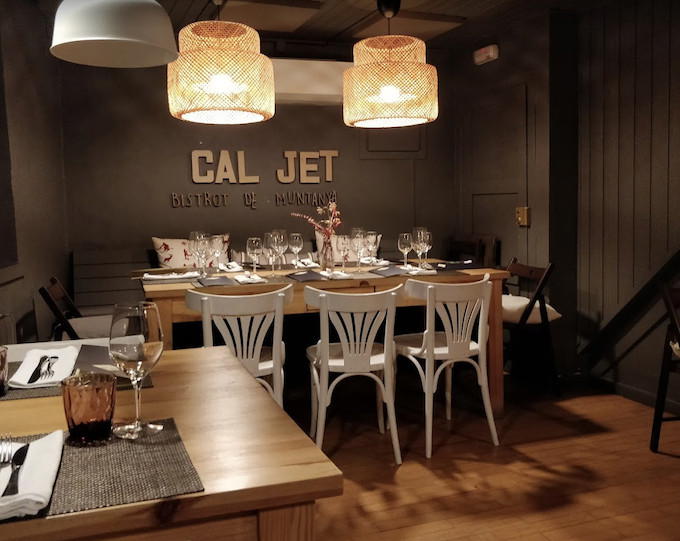
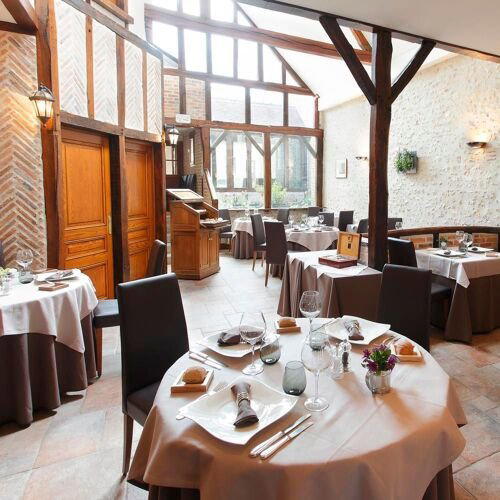
Restaurants in Puigcerdà
Browse all →
Bars in Puigcerdà
Browse all →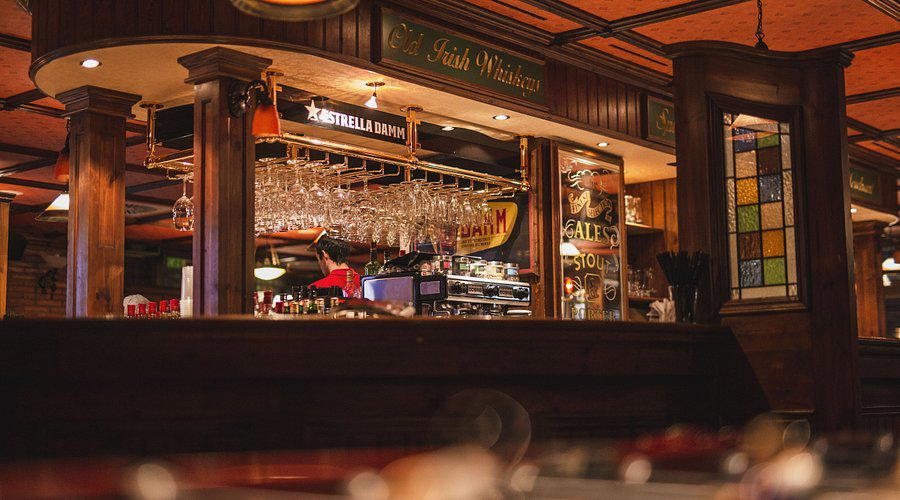
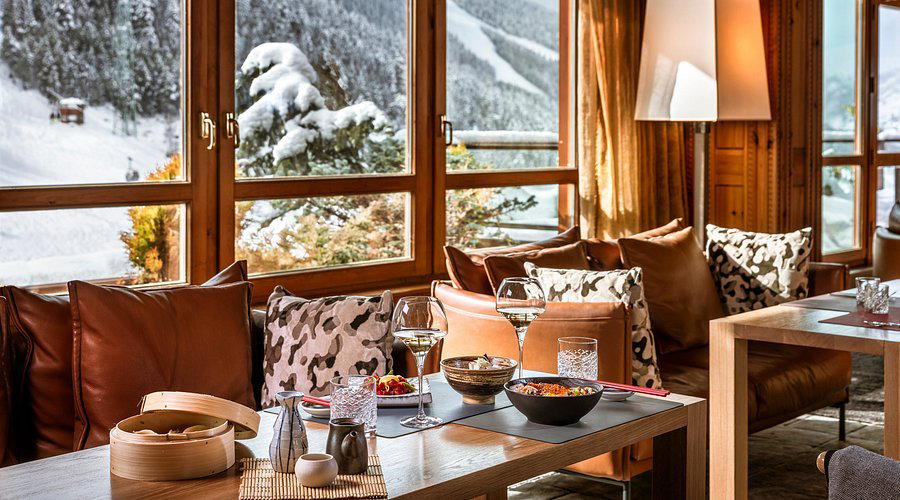
Hotels in Puigcerdà
Browse all →
Wineries in Puigcerdà
Browse all →
Details
- Intimate
- Cozy
- Elegant
- Special Occasion
- Date Night
- Open Kitchen
- Extensive Wine List
- Local Sourcing
- Tasting Menu
Current opening hours
- Monday
- Closed
- Tuesday
- Closed
- Wednesday
- Closed
- Thursday
- 2–2:30 PM, 9–9:30 PM
- Friday
- 2–2:30 PM, 9–9:30 PM
- Saturday
- 2–2:30 PM, 9–9:30 PM
- Sunday
- 2–2:30 PM, 9–9:30 PM
Hours can change for holidays and private events. Last verified .
Intimate and relaxed with practical warm lighting focused on the chef's counter, creating a quiet, educational dining atmosphere.