Bar Santa Marta
Bar Santa Marta sits at the main building by Platja Santa Cristina, giving Lloret de Mar’s beach-bar culture a more site-specific frame than the resort strip. With no published awards, chef, menu, price, or hours in the available record, its appeal rests on setting, timing, and the role of a seaside bar in a Costa Brava day.
Pearl is the En Primeur Club membership app — saves, bookings, and concierge access live there. Same editors, same standards.
- Address
- Platja Santa Cristina, 17310 Lloret de Mar, Girona, Spain (main building)
- Directions
- Get directions
 Saves & bookings on Pearl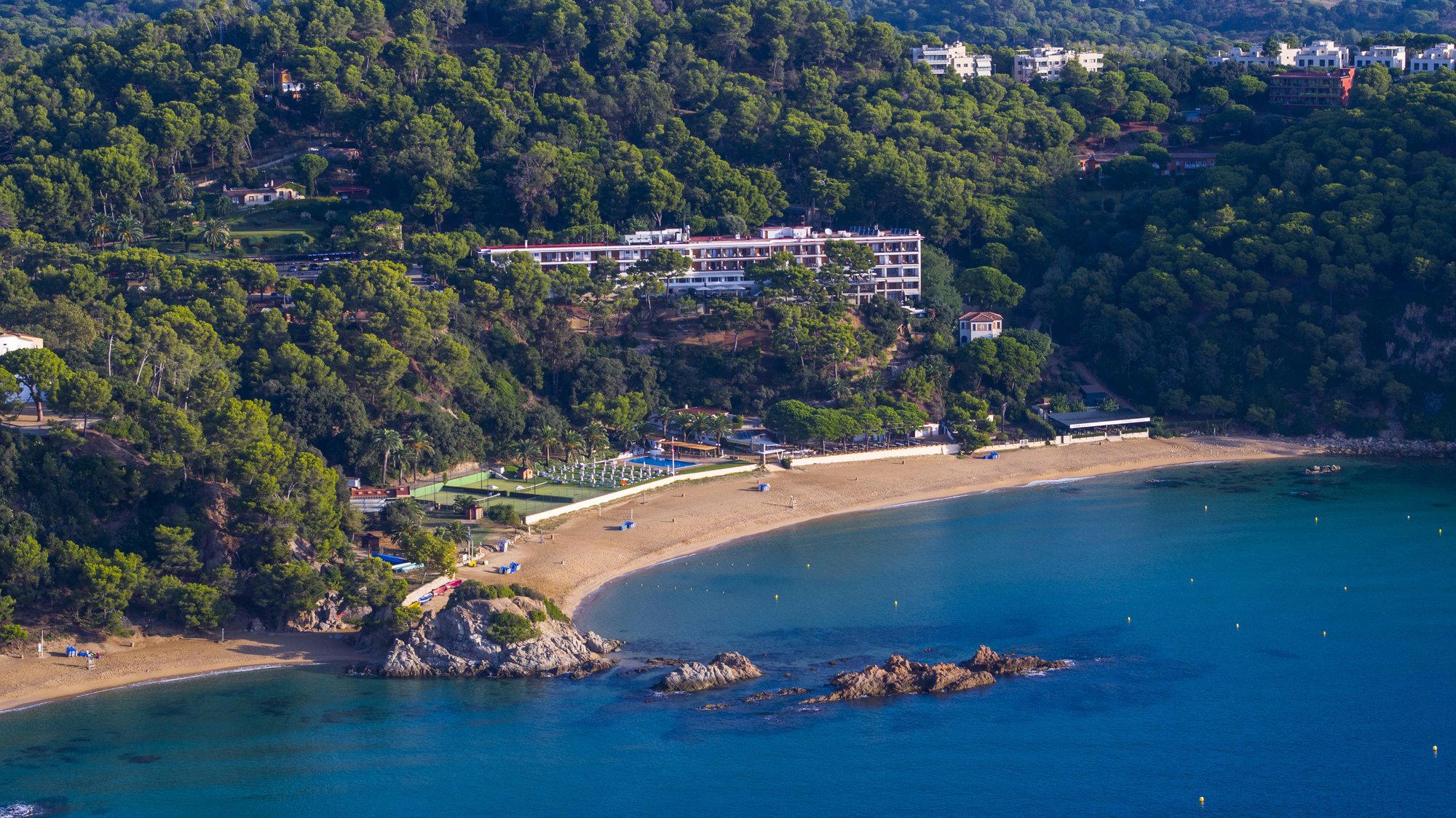
Where the Bar Begins: Sand, Pine, and the Santa Cristina Approach
Platja Santa Cristina changes the drinking mood before a glass reaches the table. The address places Bar Santa Marta at the main building by the beach, away from the heavier resort current of central Lloret de Mar and closer to the older Costa Brava rhythm of coves, pine shade, salt air, and short walks between sea and terrace. That physical context matters. In a coastal town where nightlife often pulls attention toward volume and late hours, a bar by Santa Cristina reads differently: slower, more seasonal, and more dependent on daylight, weather, and the choreography of beach traffic.
This is the useful way to read Bar Santa Marta. That absence should not be disguised with invented detail. Instead, the bar belongs to a familiar Mediterranean category where the setting does much of the editorial work. The measure is not a trophy shelf or a named bartender’s manifesto, but the way a drink fits into a beach day: arriving from the sand, pausing between swims, or stretching late afternoon into the first darker blue of evening.
Lloret de Mar has a split personality that seasoned travellers learn quickly. One side is the high-volume resort town, built around package holidays, beach clubs, and night-time energy. The other sits in coves and older coastal corners, where the Costa Brava’s appeal is less about spectacle and more about orientation: where the sun lands, how sheltered the beach feels, when families leave, and how easy it is to turn a drink into a small ritual rather than a production. Bar Santa Marta sits closer to that second reading of the town.
The Cocktail Programme, Read Through a Costa Brava Lens
The assigned editorial lens here is the cocktail programme, but the public record for Bar Santa Marta gives no verified cocktail list, bartender name, technique, price, or house drink. That changes the critical approach. Rather than invent a clarified serve, a house vermouth, or a seasonal gin-and-tonic build, the more honest assessment is to place the bar within Spain’s broader coastal drinking grammar. On the Mediterranean, a bar’s credibility often comes from timing and restraint: an aperitif before lunch, a cold long drink after the beach, a beer that does not interrupt the view, or a simple mixed drink handled cleanly rather than theatrically.
Spain’s cocktail culture has become technically ambitious in the major cities, and the contrast is instructive. Barcelona has deep historic form, represented by institutions such as Boadas in Barcelona, where the martini-bar lineage carries its own ritual. Madrid has pushed the maximal, authored-drink format through rooms such as Salmon Guru in Madrid, where design, naming, and drink engineering sit in the foreground. A beach bar near Platja Santa Cristina answers a different question. It is not trying to compete with capital-city cocktail theatre; it belongs to the category where context, refreshment, and service tempo define the experience.
That difference is not a downgrade. Coastal Spain has long separated urban cocktail seriousness from seaside drinking with a lighter hand. The technical bar may ask for attention; the beach bar asks for calibration. A drink that works at 4 p.m. after salt water has a different job from a drink served at midnight in a low-lit city room. Citrus, bitterness, dilution, glass temperature, and speed matter, but they matter in service of ease rather than display. Without a verified menu, Bar Santa Marta should be approached with that expectation: judge the drinks by suitability to place, not by whether they perform like a competition serve.
Lloret de Mar Beyond the Resort Strip
Lloret de Mar is often flattened into shorthand: beaches, summer crowds, and a late-night economy. That version is real, but incomplete. The town also has coves and edges where the Costa Brava’s geography becomes legible again. Platja Santa Cristina is part of that corrective, and a bar attached to its main building has a different function from a bar on a dense nightlife street. It becomes a waypoint, a place linked to beach logistics rather than bar-hopping strategy.
For readers comparing categories, the distinction matters. Restaurant planning in town follows one set of priorities, and Our full Lloret de Mar restaurants guide is the more useful reference for meals built around reservations, menus, and kitchens. Hotels require another filter, particularly for travellers deciding between beach access, town-centre convenience, and quieter coastal corners; Our full Lloret de Mar hotels guide handles that side of the trip. Bars sit somewhere in between. Our full Lloret de Mar bars guide is the broader map, but Bar Santa Marta’s address already signals its angle: it is a beach-linked stop rather than an urban cocktail destination.
The same applies to itinerary building. Wine-focused travellers may find the local bar scene too casual if they approach it with cellar expectations, which is why Our full Lloret de Mar wineries guide belongs in a separate planning lane. Experience-led travellers, especially those pairing beaches with short cultural or coastal outings, should cross-reference Our full Lloret de Mar experiences guide. In practice, Bar Santa Marta works less as a standalone destination than as a hinge in the day: beach first, drink after, then a decision about whether the evening stays coastal or moves back toward town.
How It Compares With Spain's Bar Culture
Spain’s drinking culture has several registers, and misunderstanding them leads to bad expectations. A Madrid cocktail bar, a Barcelona historic counter, a Basque seaside lounge, a village bar, and a Costa Brava beach bar should not be judged by one scorecard. The country’s strength lies in the way each format knows its job.
That said, comparison sharpens the point. GU San Sebastián in San Sebastián belongs to a northern coastal city where pintxo culture, hotel bars, and bay-facing drinks sit in a different climate and rhythm. Idilio Cocina y Vino in Palma de Mallorca reflects an island city where wine, food, and bar service often overlap. La Plaça in Folgueroles points toward the Catalan village bar tradition, where central squares and local routines shape the room. Bar Santa Marta belongs to the beach-address branch of that family, where the table is an extension of the shoreline rather than a stage for a bartender’s biography.
There is also a useful international comparison. Café La Trova in Miami carries Cuban cantinero culture into a city bar format, with performance and heritage built into the room. A Costa Brava beach bar does not need that level of theatricality to make sense. Its editorial value lies in alignment: sea, weather, informal pacing, and a drinks order that does not ask the guest to leave the beach mentally. The stronger the setting, the less the bar needs to announce itself.
What the Lack of Published Detail Tells You
Sparse public data is not always a warning sign, but it changes how a traveller should plan. Bar Santa Marta has a confirmed name, city, country, and address: Platja Santa Cristina, 17310 Lloret de Mar, Girona, Spain, at the main building. In a seasonal beach environment, that means timing should be treated as variable until checked locally through the surrounding property, beach facilities, or current on-site information.
The absence of a published price range also matters. Lloret de Mar can move from inexpensive casual counters to higher-cost coastal settings depending on location and season. Without verified pricing, the sensible assumption is not cheap or expensive; it is situational. A bar attached to a beach setting often prices for convenience and location as much as for technique. That is not a criticism. It is the economics of a drink within reach of the sand.
Awards are also not listed in the record. For some bars, awards create a clear trust signal: a place on an international list, a national cocktail prize, or sustained editorial recognition. Here, the trust signal is contextual rather than trophy-based: the location beside Platja Santa Cristina, one of Lloret de Mar’s more setting-driven coastal areas, and the role the bar plays within that beach circuit. Travellers seeking award-led cocktail rooms should look to Spain’s city bars; travellers seeking a drink tied to a Costa Brava beach day are asking a different question.
Planning the Visit Without Over-Planning It
Bar Santa Marta is leading understood as part of a Santa Cristina plan, not as a rigid reservation-led evening. The address places it at the main building by Platja Santa Cristina, so the natural flow is to arrive for the beach, then use the bar as a pause point rather than the day’s sole anchor. Because no phone, website, hours, booking method, or dress code appears in the venue data, the practical approach is simple: verify current opening locally before making a special trip, especially outside high season or during unsettled weather. In peak summer, build in more patience; beach-linked service in Mediterranean resort towns tends to move with crowd patterns, lunch timing, and heat.
Dress expectations should follow the setting. There is no verified dress code, and a beach-adjacent bar is usually governed by practicality more than formality. The useful distinction is between arriving straight from the sand and expecting a polished cocktail lounge. This is not the same category as a city room with a host stand, controlled lighting, and a printed tasting format. It is a coastal address where the smarter question is what to order for the time of day: something light before lunch, something cold after a swim, or a simple aperitif as the beach empties.
For a broader Spanish bar itinerary, Bar Santa Marta pairs well with contrast. Use Lloret de Mar for the coastal register, then compare it with historic Barcelona drinking at Boadas, design-led Madrid cocktails at Salmon Guru, or local-format Andalusian bar culture through Pub Urbano Comix in Seville. The point is not to rank these rooms against one another. It is to understand how Spanish bars change by city, climate, and social use.
- Cocktail menu signature cocktails
- Piña Colada
- Coconut Mojito
- Sour Godmother
- Umami Cocktail
- Beach Frappe Daiquiri
Continue exploring
More in Lloret de Mar
Bars in Lloret de Mar
Browse all →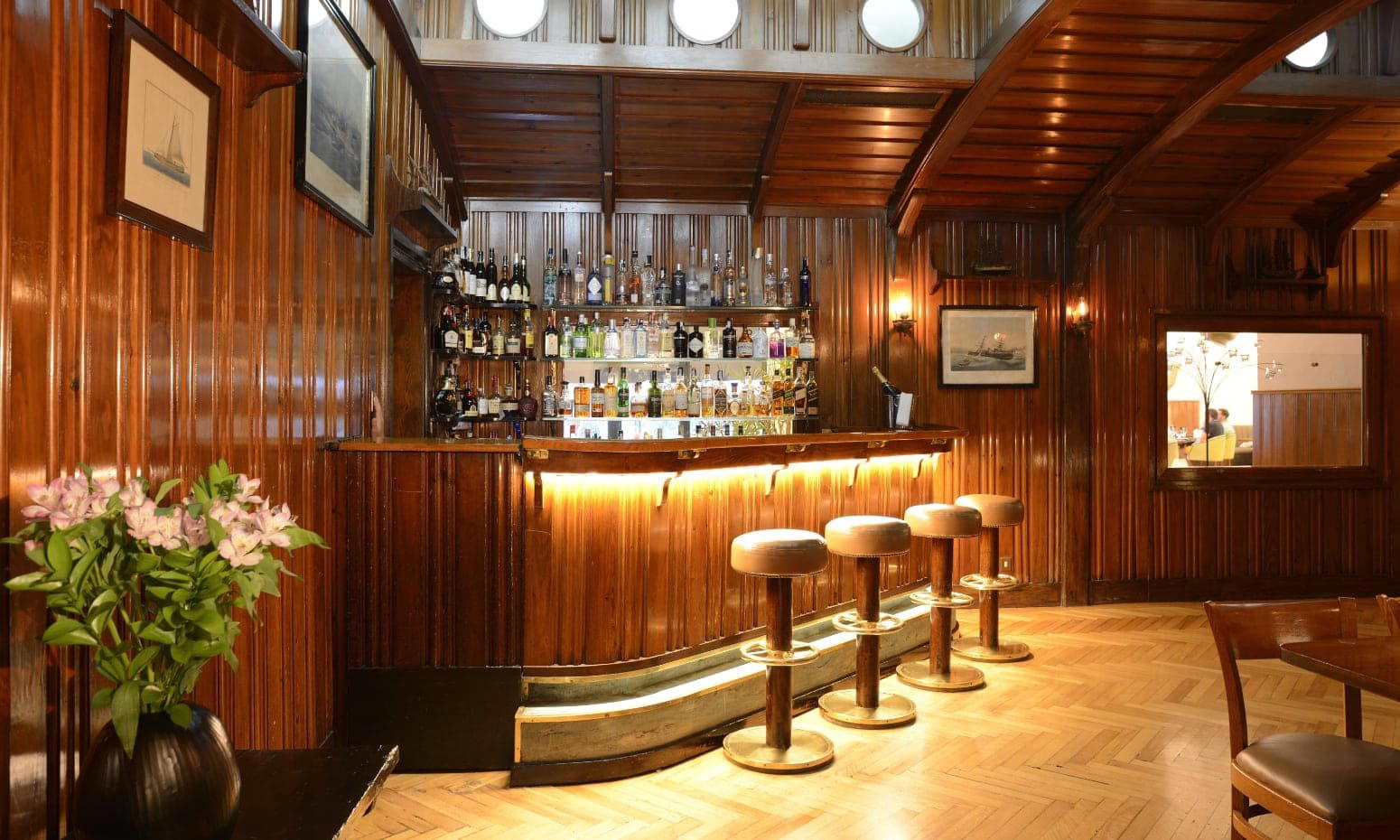
Restaurants in Lloret de Mar
Browse all →
Hotels in Lloret de Mar
Browse all →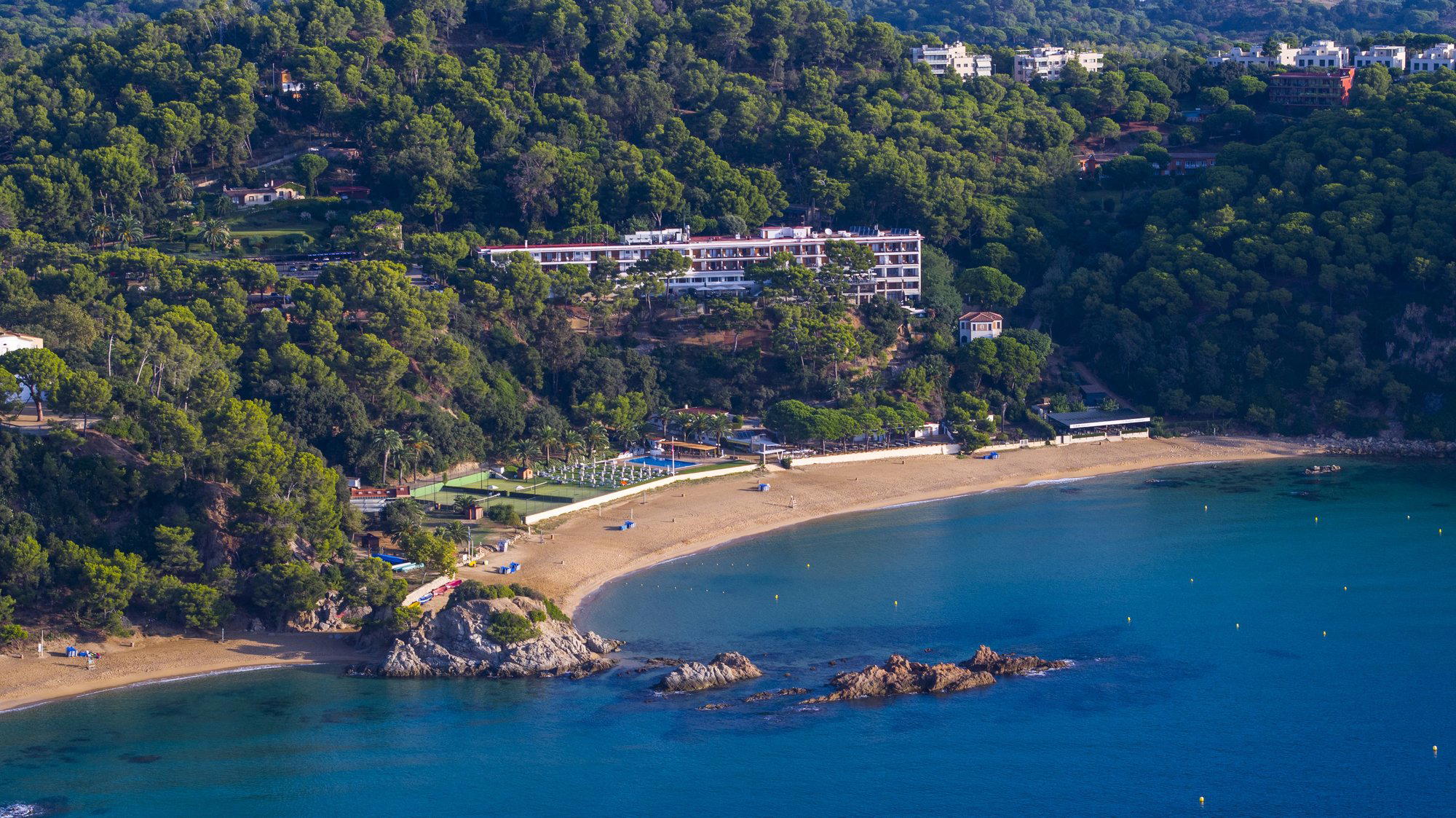
Wineries in Lloret de Mar
Browse all →
At a Glance
- Quiet
- Scenic
- Cozy
- Intimate
- Classic
- Casual Hangout
- After Work
- Group Outing
- Hotel Bar
- Terrace
- Waterfront
- Lounge Seating
- Outdoor Terrace
- Booth Seating
- Classic Cocktails
- Craft Cocktails
- Zero Proof
- Waterfront
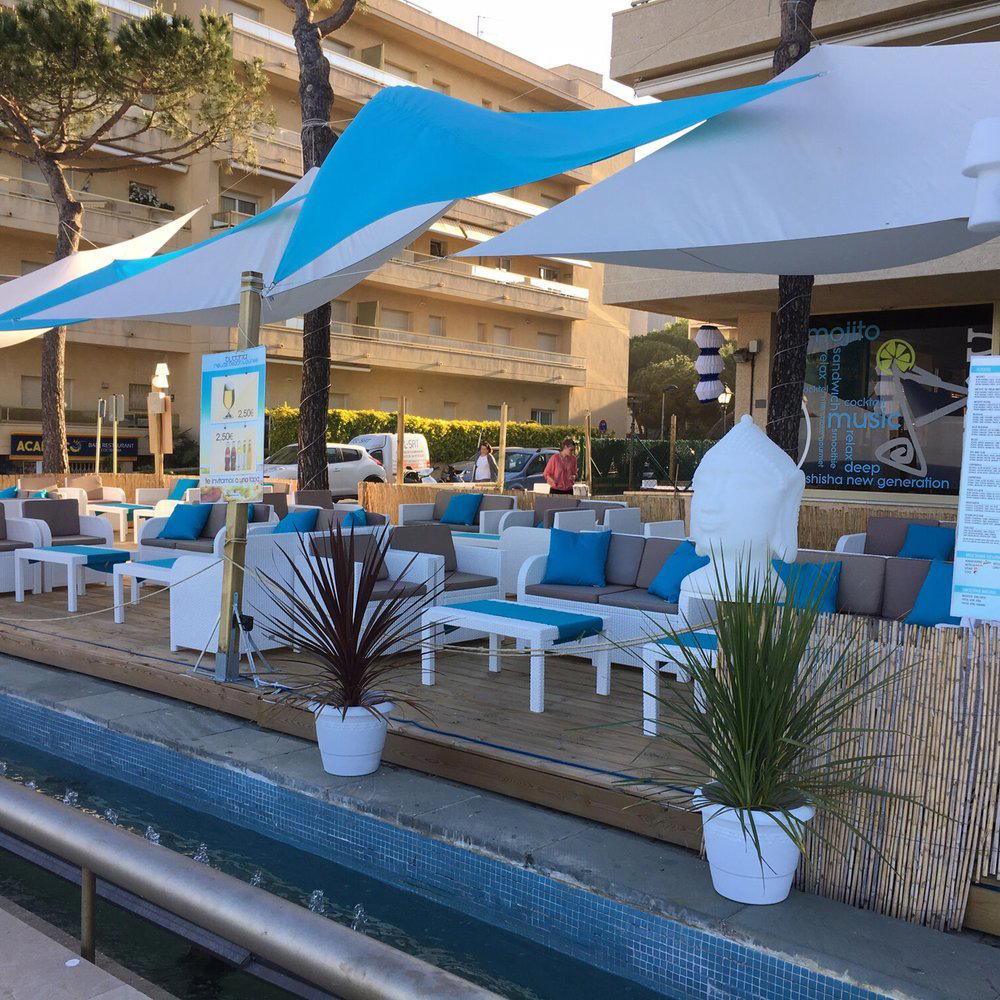
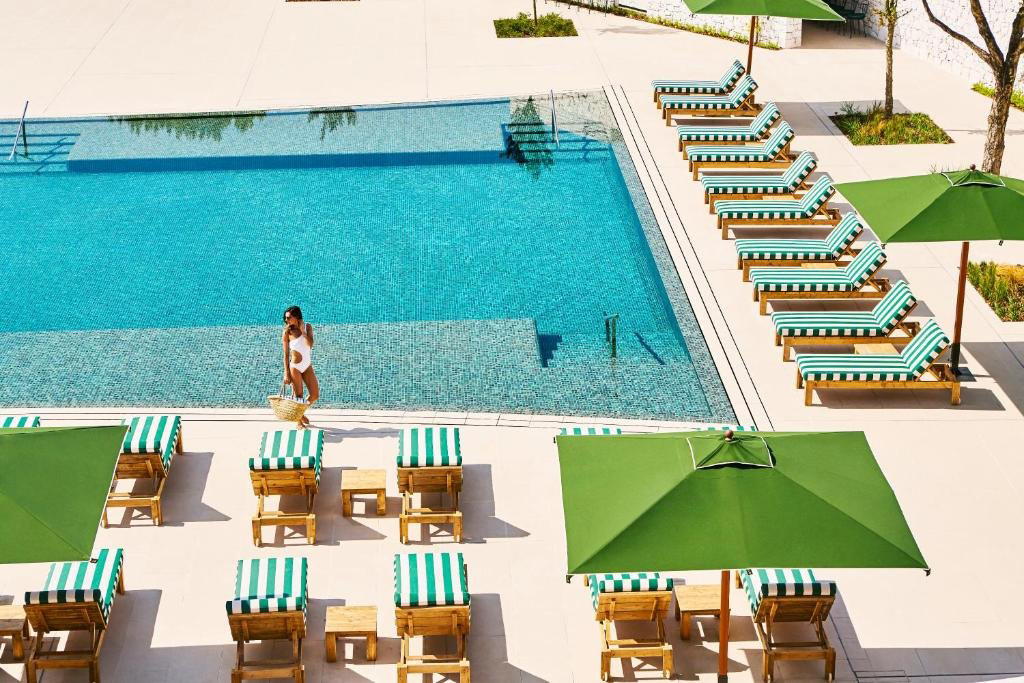
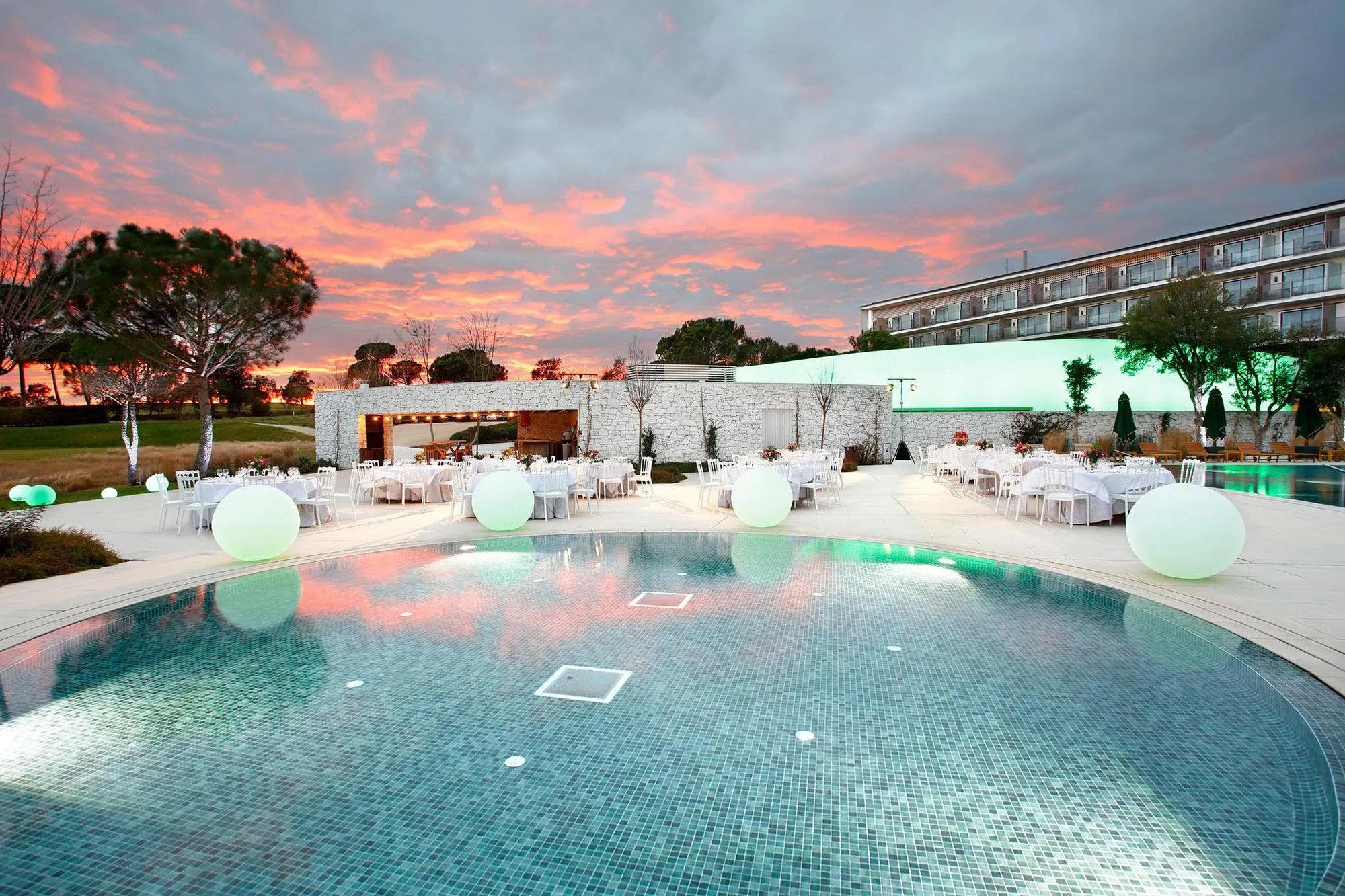
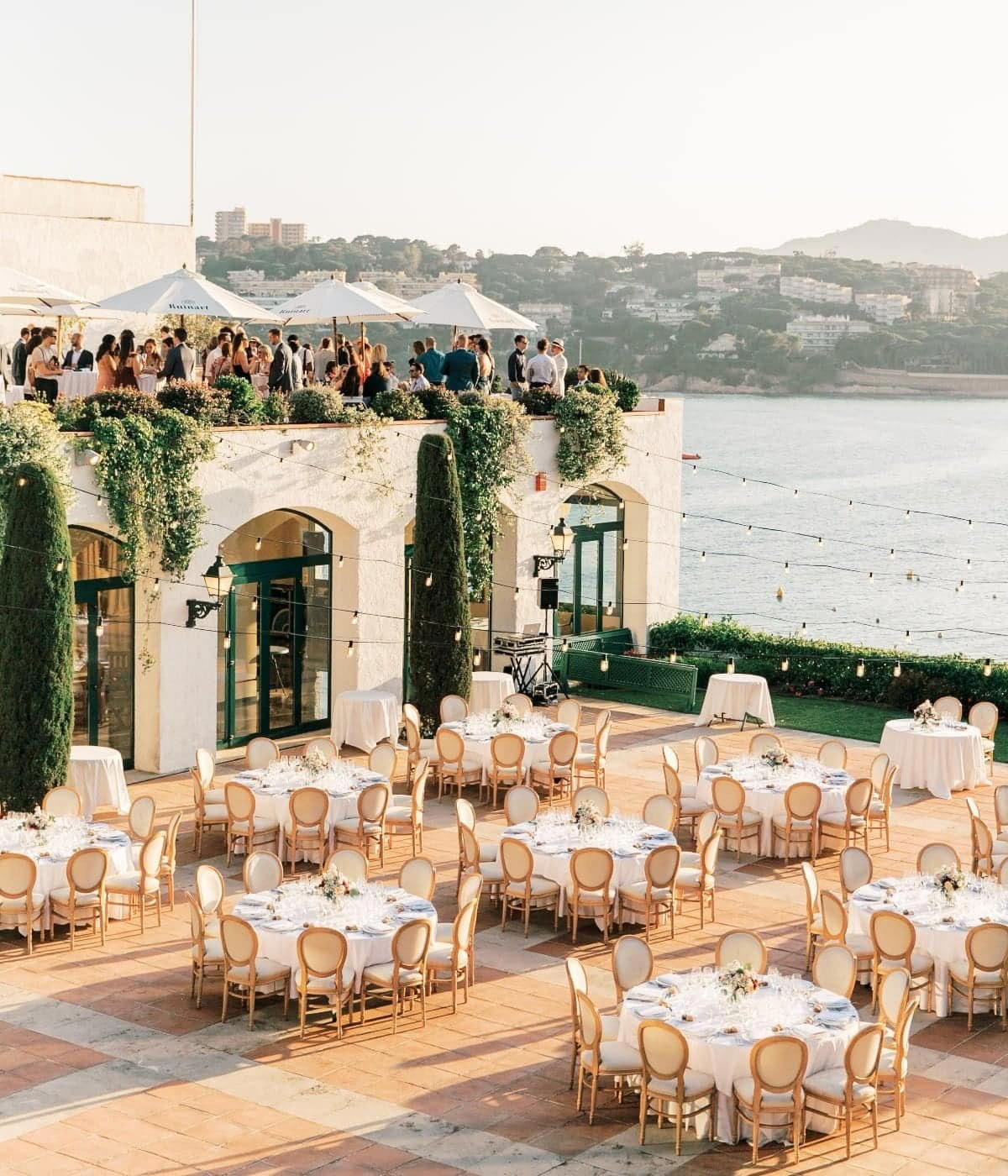
Quiet, peaceful, and cozy, with a beachfront terrace in warmer months and lounge seating by a fireplace in cooler months.
Know Before You Go
- Getting there
- Platja Santa Cristina, 17310 Lloret de Mar, Girona, Spain (main building)