Esteban
Our verdict
Esteban occupies a quiet stretch of Munras Avenue where Monterey's coastal character and Spanish-inflected culinary traditions meet in a relaxed but considered setting. The kitchen draws from the Central Coast's seafood abundance and California's produce calendar, placing it within the mid-to-upper tier of the city's dining scene. For visitors working through the peninsula's restaurant options, it represents one of the more regionally grounded choices available.

Pearl is the En Primeur Club membership app, where members save venues, book tables and use the concierge.
The menu
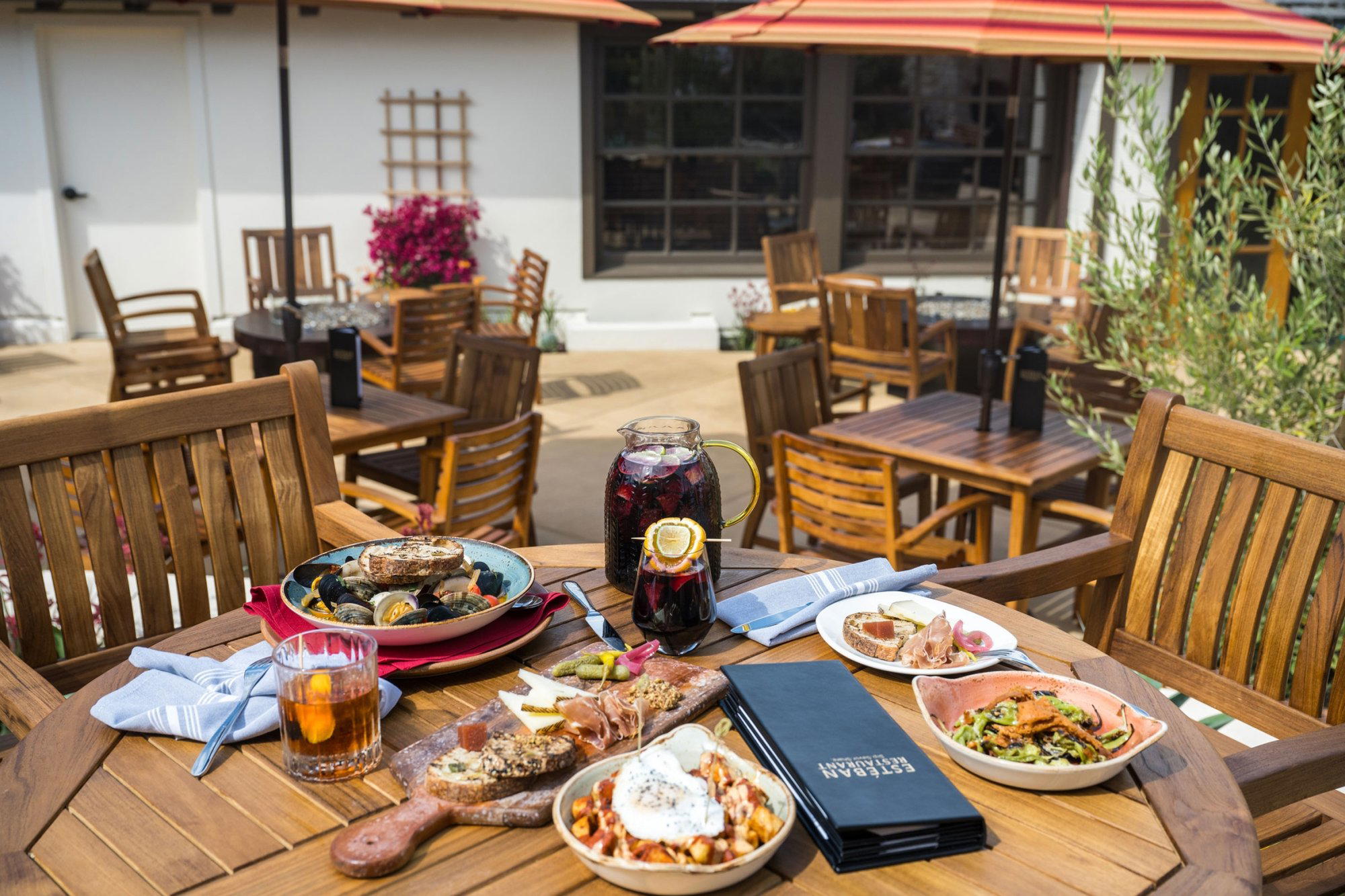
What to order
- Paella del Mar
- Patatas Bravas
- Pulpo Frito
- Pan-Seared Prawns
- Crème Brûlée
There is a particular quality to dining rooms that sit just far enough from Monterey's waterfront to lose the tourist traffic but close enough to still feel anchored to the coast. The stretch of Munras Avenue where Esteban sits belongs to that in-between zone: quieter than Cannery Row, less self-consciously scenic, and, for that reason, more likely to draw the kind of crowd that is there for the food rather than the view. The physical environment at 700 Munras Ave carries the textural warmth that Spanish-influenced interiors tend to produce, terracotta registers, wood detail, a certain unhurried weight to the space that discourages rushing.
The Regional Frame
Monterey sits at an intersection of California dining traditions that doesn't always get the attention it deserves relative to San Francisco or Los Angeles. The bay produces some of the Pacific's most consistent shellfish and fin fish, the Salinas Valley, twenty minutes inland, supplies lettuces and brassicas to kitchens up and down the state, and the Central Coast wine corridor runs close enough that local pour lists can be genuinely regional rather than performatively so. Restaurants that work within this geography intelligently have access to raw material that kitchens at, say, Le Bernardin in New York City or Atomix in New York City would have to source from distance. Esteban's Spanish-accented format makes sense against that backdrop: the Iberian tradition of treating seafood simply, with fat and acid doing the main work, translates well to waters this productive.
Within Monterey's own restaurant tier, the comparison points are instructive. The Sardine Factory operates at the $$$ to $$$$ register with a seafood-forward identity and a longer history on the peninsula. Montrio Bistro holds a similar contemporary mid-range position. Esteban sits in this competitive band, where the differentiating variable is usually format and culinary reference point rather than price alone. The Spanish culinary vocabulary is relatively uncommon among Monterey's mid-to-upper options, which gives the kitchen a positioning advantage it doesn't need to manufacture.
Atmosphere as Argument
The sensory case for Esteban begins before you order. Spanish-influenced dining rooms in California tend to resolve in one of two directions: the aggressively rustic, with exposed brick and Rioja-red walls, or the cooler, design-edited version that signals contemporary credibility. Esteban operates closer to the former instinct, the warmth is genuine rather than stylized, and the sound environment is conversational rather than percussive. This matters because it shapes how the food reads. Dishes that arrive in a room with that acoustic warmth and low-key material texture carry differently than the same plates in a glass-and-concrete room with a playlist timed to the turns.
The kitchen's Spanish reference is most useful as a framework for understanding what kind of sensory experience is being constructed. The tradition prioritizes depth of flavor over architectural plating, braises, roasted and charred preparations, aioli and smoked paprika used as structural elements rather than garnish. For a dining room anchored on Monterey Bay seafood, that vocabulary produces food that smells and tastes like it belongs to the place. The olfactory register of a properly rendered Spanish-style seafood dish, olive oil, alliums cooked soft, something from the sea, has a specificity that generic California-contemporary cooking often doesn't reach.
Where Esteban Sits in the Wider California Conversation
California's restaurant tier above Esteban's price band has been extensively mapped by the critical apparatus. The French Laundry in Napa, Single Thread Farm in Healdsburg, and Lazy Bear in San Francisco each hold positions in the formalized tasting-menu tier. Addison in San Diego and Providence in Los Angeles cover the coastal-California fine dining register at the southern end of the state. Blue Hill at Stone Barns in Tarrytown, Smyth in Chicago, and The Inn at Little Washington in Washington represent comparable farm-to-table seriousness in other regions. Esteban doesn't operate at those altitudes, and doesn't need to. The value it offers is in delivering a regionally anchored, Spanish-inflected experience at a price point that doesn't require the same level of commitment as a tasting-menu evening.
For visitors who want a sense of the Monterey dining scene more broadly, Bistro Moulin offers a French bistro counterpoint, Café Fina covers the Italian-seafood register, and Cibo provides another Mediterranean option in the mid-range. Ambrosia India Bistro handles a different culinary tradition entirely. Cella Restaurant & Bar rounds out the city's more contemporary options. Our full Monterey restaurants guide maps the full competitive set with current editorial assessments.
When to Go and How to Plan
The Central Coast dining calendar has two pressure points that matter for planning. Summer, roughly June through September, brings the heaviest visitor concentration to Monterey, and popular mid-range restaurants absorb that traffic noticeably. Shoulder months, late April through May, and October into early November, tend to produce better availability and a more local-weighted room. For visitors referencing global fine dining benchmarks like Emeril's in New Orleans or Atelier Moessmer Norbert Niederkofler in Brunico, where advance booking windows run to months, Esteban operates at a more accessible cadence, though weekend evenings in peak season warrant a reservation rather than a walk-in.
The Munras Avenue address is accessible by car from downtown Monterey in a short drive, and the area has parking that the waterfront blocks typically don't. For visitors staying in the downtown hotel corridor, the logistics are uncomplicated.
Frequently asked questions
What part of town is Esteban in?
Esteban is located at 700 Munras Ave, Monterey, CA 93940, Monterey.
Is Esteban a good choice for a Central Coast dinner if I'm coming from San Francisco or Los Angeles?
Esteban sits in Monterey at 700 Munras Ave, making it a practical anchor for a Central Coast stopover on the drive between California's two major metros. Spanish-influenced dining in this region occupies a distinct position from the Napa-centric French and Californian formats that dominate the critical conversation further north. For travellers routing through Monterey rather than treating it as a destination, Esteban represents one of the more editorially distinct options in the city.
What's the signature dish at Esteban?
The kitchen's orientation toward Spanish-influenced cooking places it in a narrow peer group in Monterey, where that format is rarely the primary reference point. For current menu specifics, contacting the restaurant directly or checking its booking platform before your visit is the most reliable approach.
How far ahead should I plan for Esteban?
Monterey's dining calendar tightens considerably between June and September, when coastal tourism compresses reservation availability across the city. Outside peak summer, lead times are generally shorter, though weekends at Esteban warrant advance planning year-round. Booking two to three weeks ahead for summer visits and one week for off-peak periods is a reasonable baseline, confirmed against the restaurant's current availability.
Peers Worth Knowing
| Venue | Cuisine | Price | Awards | Notes |
|---|---|---|---|---|
| EstebanThis venue (the venue you are viewing) | Spanish Tapas with California Influences | $50–100 | Not listed | Not listed |
| Coastal Kitchen | Modern Coastal Fine Dining | $100–150 | Michelin Plate · Wine Spectator Best of Award of Excellence | Contemporary |
| Montrio Bistro | New American Bistro | $50–100 | Michelin Plate · Wine Spectator Award of Excellence | Contemporary |
| The Sardine Factory | Classic Seafood & Steakhouse | $50–100 | Michelin Plate · Star Wine List | Seafood |
| Paprika Café | Mediterranean Lebanese | $10–20 | Michelin Plate | Mediterranean Cuisine |
| Cella Restaurant & Bar | French-American Gastropub with Central Coast Influences | Not listed | World's Best Wine Lists Awards WBWL 1-Star | Not listed |
Continue exploring
More in Monterey
Restaurants in Monterey
All restaurants in Monterey →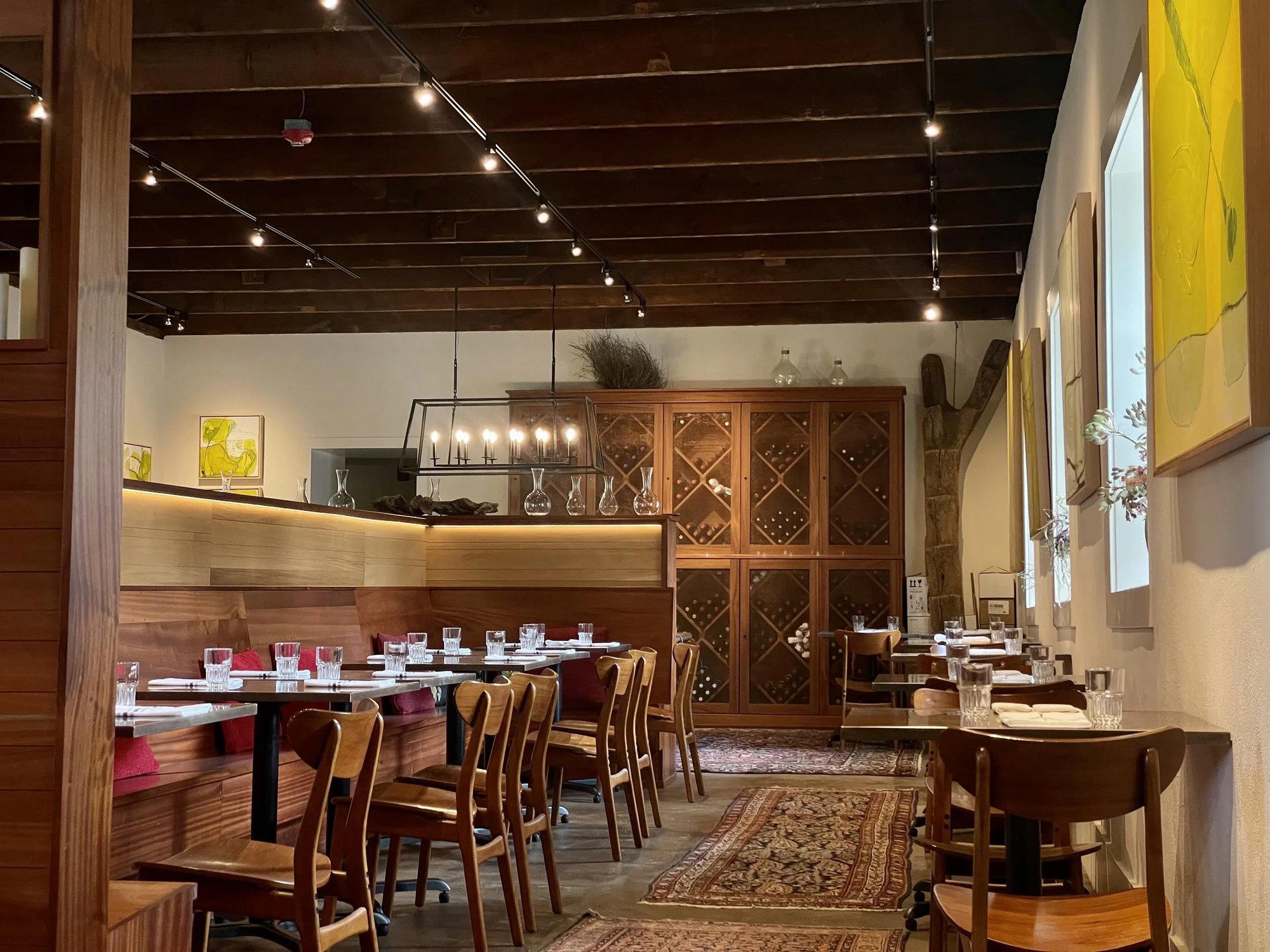
Bars in Monterey
All bars in Monterey →
Hotels in Monterey
All hotels in Monterey →
Wineries in Monterey
Browse all →
Details
- Romantic
- Elegant
- Scenic
- Sophisticated
- Date Night
- Celebration
- Group Dining
- Special Occasion
- Brunch
- Terrace
- Garden
- Live Music
- Hotel Restaurant
- Extensive Wine List
- Craft Cocktails
- Beer Program
- Farm To Table
- Local Sourcing
- Garden
- Small Plates
- Family Style
- A La Carte
- Spanish Wine
- Sangria
- Craft Cocktails
- Vegetarian Friendly
- Gluten Free Options
Current opening hours
- Monday
- 7–10 AM, 4:30–8:30 PM
- Tuesday
- 7–10 AM, 4:30–8:30 PM
- Wednesday
- 7–10 AM, 4:30–8:30 PM
- Thursday
- 7–10 AM, 4:30–8:30 PM
- Friday
- 7–10 AM, 4:30–9 PM
- Saturday
- 9 AM–1:30 PM, 4:30–9 PM
- Sunday
- 9 AM–1:30 PM, 4:30–8:30 PM
Hours can change for holidays and private events. Hours as of .
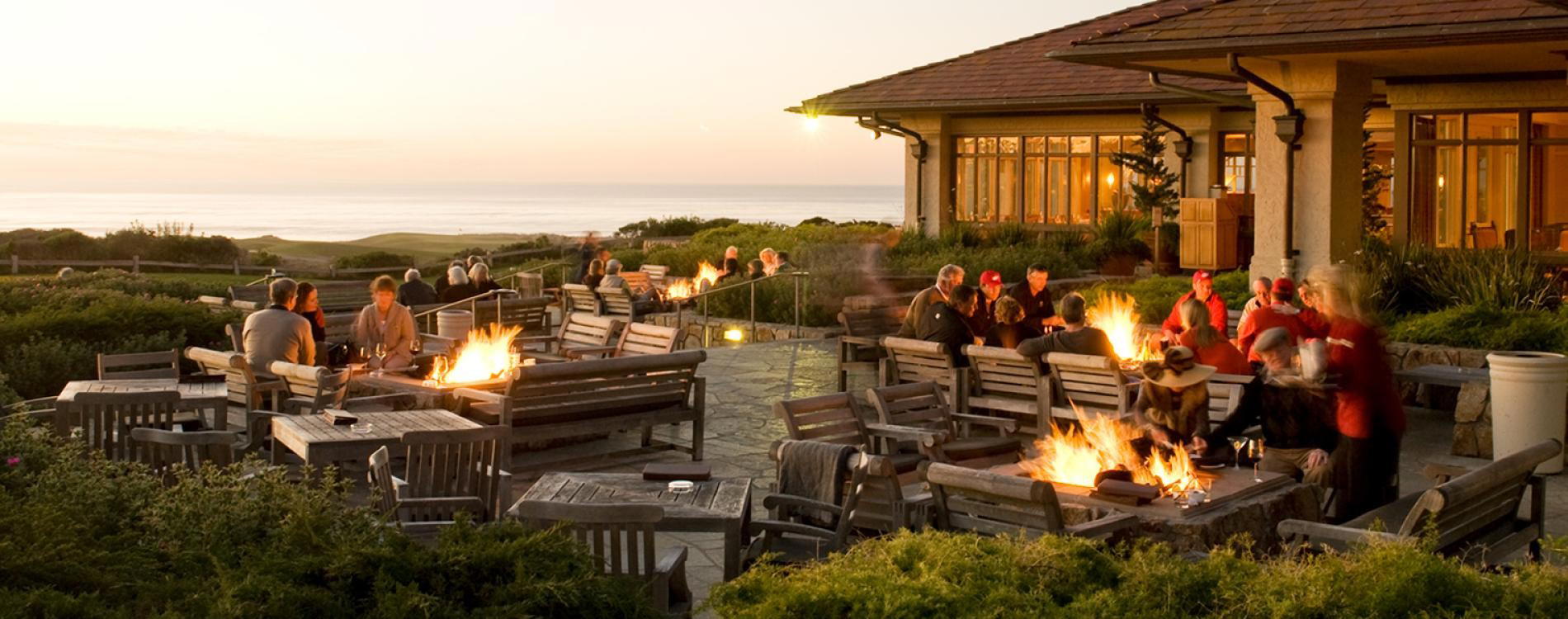
Warm and inviting with a lit fireplace on the outdoor patio, elegant indoor seating, and lively yet relaxed atmosphere enhanced by attentive service and Spanish-inspired décor.