
Nagoya’s Endoji area has a compact Korean dining-bar address built around craft makgeolli and contemporary Korean cooking rather than the usual beer-and-grill template. Endoji Makkori Jozoujo’s selection for Tabelog 100 Asian cuisine / Ethnic cuisine EAST 2024 gives it a clear credibility signal in a category that often sits outside Japan’s luxury-restaurant spotlight.
Pearl is the En Primeur Club membership app — saves, bookings, and concierge access live there. Same editors, same standards.
- Address
- 2 Chome-17-20 Nagono, Nishi Ward, Nagoya, Aichi 451-0042, Japan
- Phone
- +81 52-586-5005
- Website
- tabelog.com
 Saves & bookings on Pearl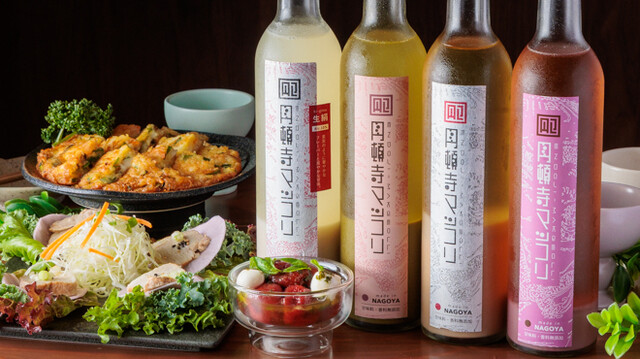
Endoji’s old shopping-street texture gives this part of Nagoya a different rhythm from the station-side towers: lower ceilings, smaller frontages, and dining rooms that feel built for regulars rather than ceremony. In that setting, Korean cooking reads less as spectacle and more as craft, especially when fermentation is part of the point. Endoji Makkori Jozoujo belongs to the city’s smaller, more specific drinking-and-eating tier, where makgeolli is not an afterthought to grilled meat but a reason to sit down.
Nagoya has plenty of dining rooms that announce status through counter prices, beef grades, or tasting-menu architecture. The more interesting comparison here is with venues that define themselves by a narrow material focus. 1022 sits in a far higher spend bracket, while Ozara Yakiniku Roujuu competes in Nagoya’s premium beef lane. Endoji Makkori Jozoujo works in another register: Korean, dining bar, fermentation-led, and compact enough for the room to matter. That specificity is why its Tabelog 100 Asian cuisine / Ethnic cuisine EAST 2024 selection carries weight.
Makgeolli moves from side drink to organizing principle
In Japan, Korean restaurants often get flattened into a familiar pattern: barbecue, chijimi, jjigae, beer, highballs. Makgeolli changes the pacing. The drink’s rice base, low alcohol feel, and lactic edge make it a bridge between food and refreshment, not just a sweet milky pour before stronger drinks. When a Korean dining bar is built around craft makgeolli, the sourcing question becomes more interesting: rice, fermentation management, and freshness shape the meal as much as sauce or heat.
That ingredient logic matters because Korean cooking depends on layered ferments: gochujang, doenjang, kimchi, grain alcohol, and pickled vegetables all push acidity, sweetness, salt, and funk in different directions. A room that foregrounds makgeolli asks diners to think about Korean food through fermentation rather than through spice alone. The result is a sharper editorial distinction from generic pan-Asian dining bars, and it places the venue inside a national movement of small Japanese restaurants treating neighboring Asian cuisines with more technical seriousness.
The format also suits Nagoya. The city’s dining identity is often read through miso katsu, hitsumabushi, kishimen, and tebasaki, all sturdy local signatures. But Nagoya’s central neighborhoods also support a quieter class of specialist counters and compact rooms. Tori Soba Nagonoki operates at the opposite end of the spend spectrum, THE CORNER Hamburger & Saloon speaks to casual Western-format dining, and higher-ticket addresses such as 1022 show where the city’s reservation economy can go. A Korean makgeolli bar in Endoji gives the map another axis: lower-formality, fermentation-aware, drink-led cooking.
A compact room for Korean cooking with an awards signal
The useful trust marker is not a luxury rating but category recognition. Tabelog’s 2024 Asian cuisine / Ethnic cuisine EAST selection places Endoji Makkori Jozoujo among a curated group of restaurants outside the French, sushi, kaiseki, and steakhouse lanes that dominate international attention. For travelers, that matters. It points to a place where the appeal is not imported prestige but local demand, category depth, and enough consistency to be noticed within a competitive Japanese review culture.
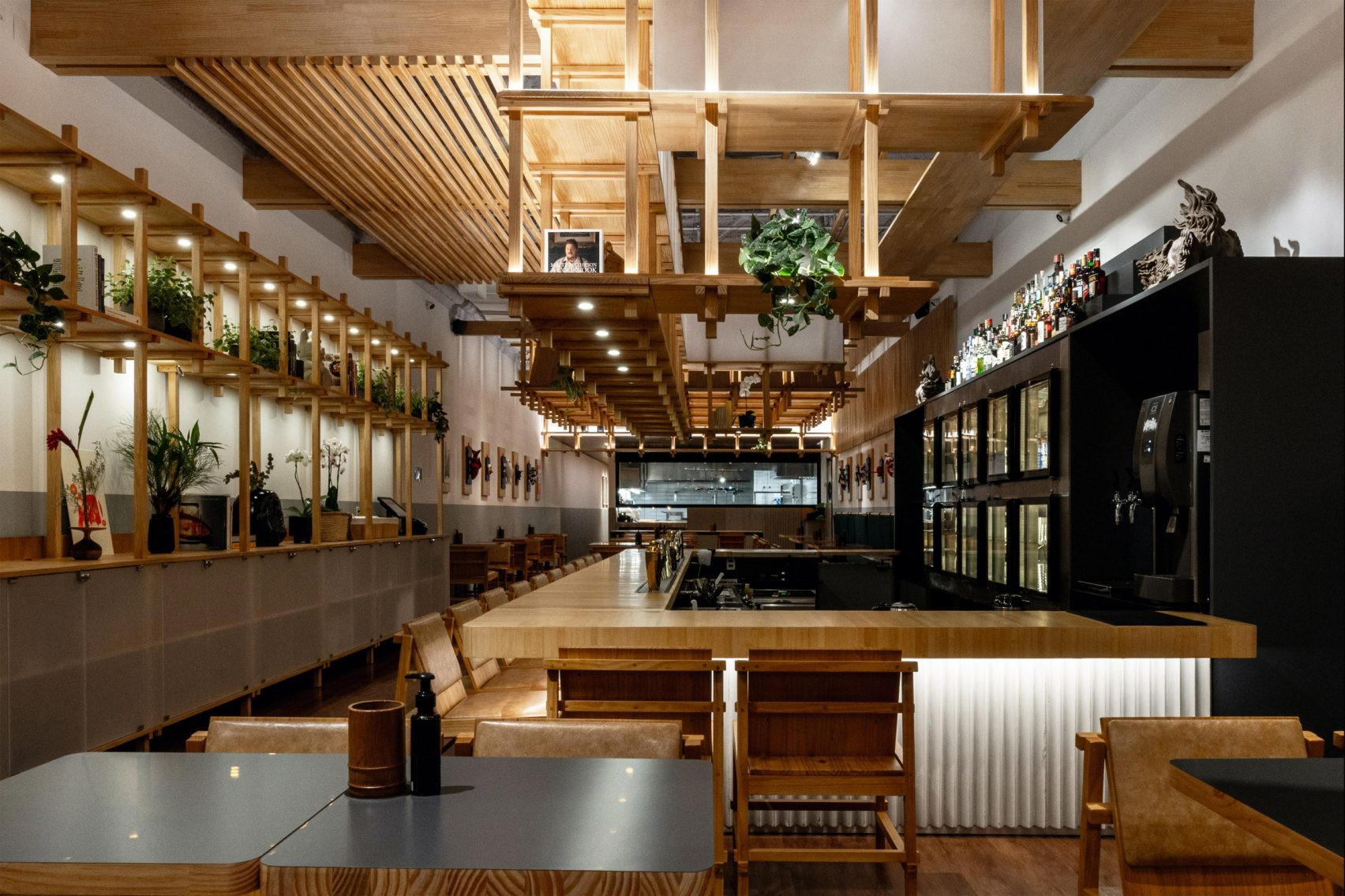
Room’s small scale reinforces the dining-bar identity. Counter seating and table seating put the experience closer to a neighborhood evening than a formal restaurant progression, and the non-smoking policy makes it easier to treat the meal as dinner rather than only drinks. Solo diners and dates are both natural use cases, which tells seasoned travelers something useful: the format can handle a focused meal without requiring a large group, but it also has enough social energy for a longer night.
Ingredient sourcing, in this context, is less about naming a farm and more about understanding what the venue chooses to foreground. Makgeolli production is a sourcing decision because rice quality, brewing rhythm, and handling affect texture and acidity. Korean cooking’s pantry does similar work. The better way to read the menu is to follow fermentation and grain before protein: what pairs with makgeolli, what uses Korean condiments for structure, and what keeps the drink from becoming a novelty. That is the difference between a Korean-themed bar and a Korean dining bar with a clear center of gravity.
Travelers building a Nagoya food itinerary should treat this as a counterpoint rather than a substitute for the city’s established local canon. Pair it with regional Japanese cooking, a precise noodle stop, or a more expensive counter meal, then the contrast becomes the point. For broader planning, Our full Nagoya restaurants guide maps the city’s restaurant range, while Our full Nagoya hotels guide, Our full Nagoya bars guide, Our full Nagoya wineries guide, and Our full Nagoya experiences guide help place dinner within the rest of the trip.
Where it fits in a Japan-wide Asian dining itinerary
The stronger way to compare this address is not against Korean barbecue alone, but against Japan’s broader appetite for focused casual specialists. Across the country, small restaurants often become serious because they narrow the brief: curry in Sapporo at [Curry Senmon Ten] Maruyama Kyoju., Vietnamese cooking in Kawasaki at (Shoku) Vietnam, compact café culture in Osaka at .cafe, or regional independent dining in Kumamoto at.know. The same pattern appears internationally in Japanese-adjacent drinking and rice formats, from Jōdo Saké Bar in Los Angeles to Onigiri Time in Pasadena.
Within Nagoya, it also belongs beside a cluster of addresses that show the city’s range beyond textbook local dishes: 451, Aaron, Alan. and All Day Dining Montmartre. Travelers extending the itinerary through Japan can contrast the format with -Grilled beef Sukiyaki- KAMAKURA TANUKIAN 鎌倉 たぬき庵 in Kamakura or. 鮪と炭火焼き うお炭 秋葉原店 in Tokyo, both of which sit in different Japanese dining traditions. Endoji’s value is that it adds fermented Korean grain culture to that itinerary without asking the evening to become formal.
Side-by-Side Snapshot
Comparable venues for orientation by cuisine and category.
| Venue | Cuisine | Price | Notes |
|---|---|---|---|
| Endoji Makkori JozoujoThis venue — the venue you are viewing | Craft Makgeolli & Korean Dining Bar | $$ | Not listed |
| Korean Kimya | Homestyle Busan-style Korean Izakaya | $$ | Naka |
| Taishu Korean Korean Chudoku Nagoya Eki Ten | Korean Izakaya & Yakitori | $$ | Nakamura |
| takumi | Charcoal-grilled Yakiniku & Izakaya | $$ | Naka |
| Toyo Ken Nagoya mitsukoshi ten | Yoshoku (Japanese-style Western) & Black Curry | $$ | Naka |
| Yakiniku Jingu | Yakiniku (Japanese BBQ) & Tripe Izakaya | $$ | Atsuta |
Recognition history
Dated appearances from independent guides and award organizations, with the underlying list record or original source where available.
Tabelog 100 #79 · No. 79
Tabelog · Tabelog 100 - Asian cuisine / Ethnic cuisine - EAST - 2024
Continue exploring
More in Nagoya
Restaurants in Nagoya
Browse all →
At a Glance
- Cozy
- Lively
- Trendy
- After Work
- Casual Hangout
- Date Night
- Solo
- Group Dining
- Late Night
- Standalone
- Terrace
- Beer Program
- Sake Program
- Craft Cocktails
- Local Sourcing
Current opening hours
- Monday
- 5 PM–12 AM
- Tuesday
- Closed
- Wednesday
- 5 PM–12 AM
- Thursday
- 5 PM–12 AM
- Friday
- 5 PM–12 AM
- Saturday
- 12–10 PM
- Sunday
- 12–10 PM
Hours can change for holidays and private events. Last verified .
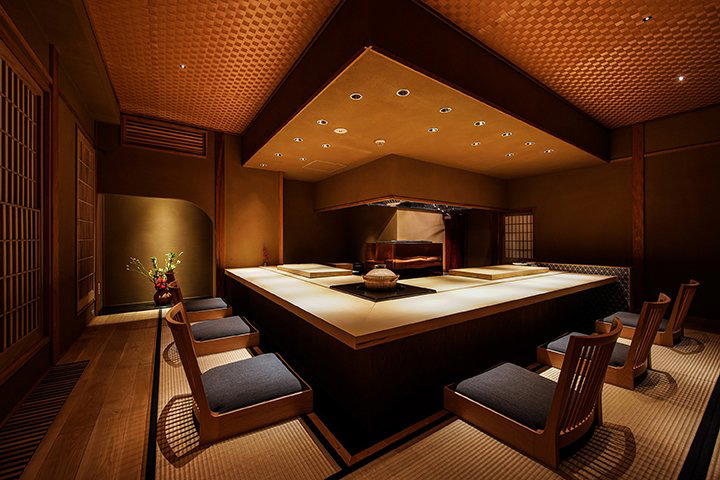
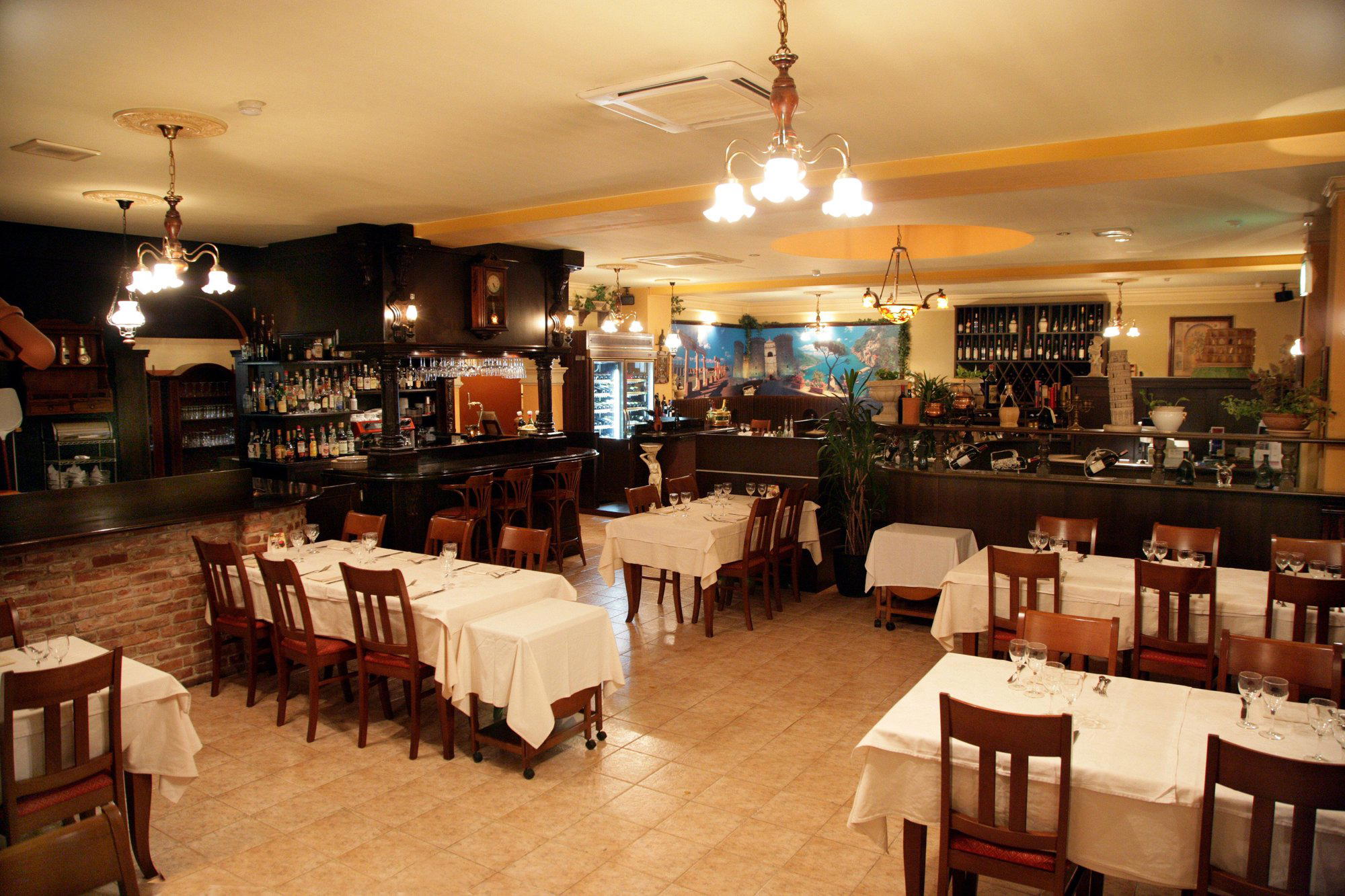
A small, stylish dining bar that feels like a hidden brewery lounge: dim to moderate lighting, intimate yet lively, with a relaxed, club‑like atmosphere suited to drinking and casual conversation rather than formal dining.